

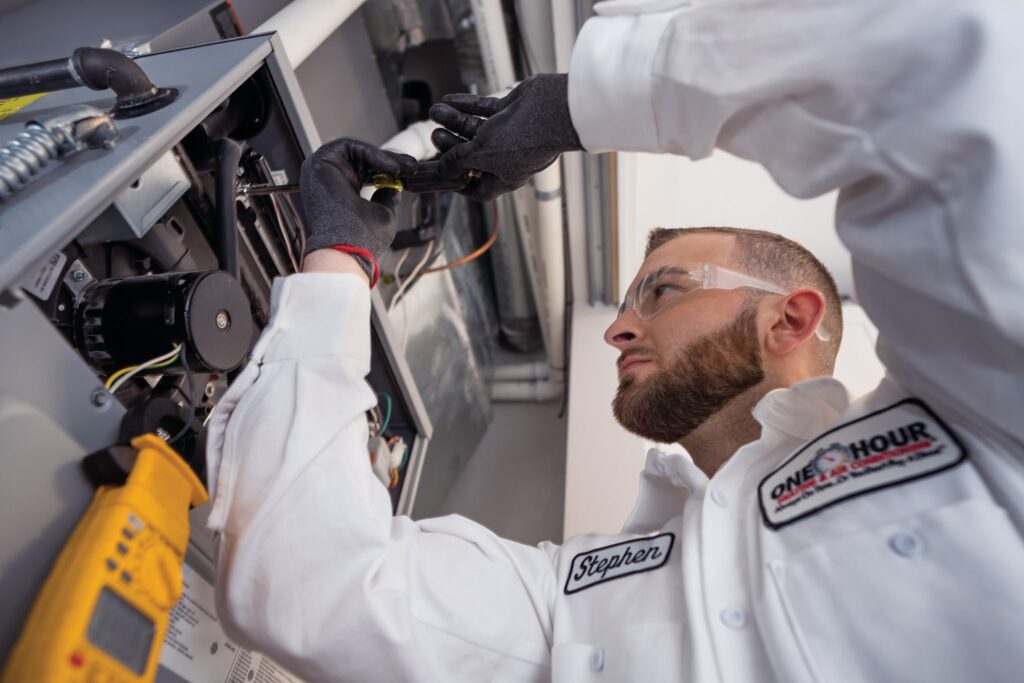
Blower Relay Failure Diagnosis and Fixes
When your home in Fort Worth, TX, starts feeling uncomfortably warm or cold, the culprit could be a blower relay failure. This small but crucial component plays a pivotal role in your HVAC system, ensuring air circulates properly throughout your space. Recognizing the symptoms of a bad relay is the first step toward maintaining a comfortable indoor environment. Residents in areas like Trophy Club, TX, and North Richland Hills, TX, rely on their HVAC systems year-round, making it essential to address issues like blower relay failure promptly.
Blower relay failure can manifest in several ways, from inconsistent airflow to your HVAC system not turning on at all. Understanding these signs is crucial for homeowners who want to keep their living spaces comfortable and their systems running efficiently. Early diagnosis can prevent more significant issues down the line, saving time and discomfort. Whether you’re in the heart of Fort Worth or the surrounding communities, being aware of these symptoms is the first line of defense against HVAC disruptions.
Testing for blower relay failure involves a few steps that can confirm whether this component is the source of your HVAC woes. While professional diagnosis is always recommended, knowing what tests might be conducted can provide peace of mind. It’s about ensuring that the heart of your home’s comfort system is in top working order. For residents from Trophy Club to North Richland Hills, understanding the testing process demystifies the path from identifying the problem to solving it.
Finally, if a blower relay failure is confirmed, getting it replaced is crucial for restoring your home’s comfort. While the idea of dealing with HVAC repairs can seem daunting, knowing what to expect can ease concerns. A replacement not only fixes the immediate issue but also contributes to the longevity and efficiency of your HVAC system. For families in Fort Worth, TX, and its neighboring cities, addressing blower relay failure promptly ensures that home comfort is never compromised for long.
Identifying Symptoms of Blower Relay Failure
Identifying the symptoms of blower relay failure is crucial for maintaining the comfort and efficiency of your home’s HVAC system. The first sign to look out for is inconsistent airflow, which can make some rooms feel warmer or cooler than others. This inconsistency often points to a problem with the blower relay, as it struggles to regulate the system’s fan speed properly. Residents in Trophy Club, TX, experiencing these fluctuations should consider it a red flag signaling potential blower relay issues.
Another common symptom is a non-responsive HVAC system. If your system fails to turn on, or if the fan doesn’t activate when expected, the blower relay could be at fault. This issue can leave homeowners in North Richland Hills, TX, facing uncomfortable temperatures, especially during seasonal peaks. Promptly addressing these signs can prevent prolonged discomfort and potential damage to other HVAC components.
Strange noises coming from your HVAC unit can also indicate a blower relay failure. Unusual sounds, such as clicking or humming when the system attempts to activate the fan, suggest the relay might be struggling to perform its role. These auditory cues are important for homeowners to recognize, as they offer early warning signs before the system’s performance degrades further.
Lastly, an HVAC system that cycles on and off more frequently than normal may be experiencing blower relay failure. This short cycling can lead to increased wear on your system and higher energy usage. Homeowners noticing their system behaving erratically should not overlook the possibility of a blower relay issue. Early detection and repair are key to avoiding more significant problems down the line.
How a Blower Relay Works in Your HVAC System
Understanding how a blower relay operates within your HVAC system is crucial for diagnosing issues like blower relay failure. Essentially, this component acts as a switch, controlling the power supplied to the blower fan. When you adjust your thermostat, the relay receives a signal to either start or stop the fan, ensuring your home maintains the desired temperature. This process is vital for the efficient operation of your HVAC system, affecting comfort levels in homes across Trophy Club, TX, and beyond.
Blower relay failure occurs when this switch malfunctions, disrupting the communication between your thermostat and the blower fan. This disruption can lead to the symptoms previously discussed, such as inconsistent airflow or strange noises. Without a functioning relay, your HVAC system cannot properly regulate air circulation, leading to discomfort in your home. Residents of North Richland Hills, TX, experiencing these issues should consider the relay’s role in their HVAC system’s overall performance.
Regular maintenance of your HVAC system includes checking the blower relay’s condition. A professional can test the relay’s functionality, ensuring it responds correctly to thermostat signals. This preventative measure can save homeowners from unexpected failures, keeping their systems running smoothly. It’s a simple step that can significantly impact your comfort and your system’s efficiency.
In the event of a blower relay failure, replacement is the most effective solution. A new relay restores the system’s ability to control the blower fan accurately, directly impacting air quality and temperature regulation in your home. For families living in Fort Worth, TX, and its surrounding areas, addressing this issue promptly ensures their living spaces remain comfortable year-round. Recognizing the importance of the blower relay in your HVAC system is the first step toward maintaining a pleasant indoor environment.
Step-by-Step Guide to Testing Your Blower Relay
Testing your blower relay is a straightforward process that homeowners in Trophy Club, TX, can undertake with a bit of guidance. First, ensure your HVAC system is turned off to avoid any electrical hazards. This safety step is crucial before beginning any work on your system. Next, locate your HVAC system’s blower relay, it’s typically found inside the main unit or the air handler.
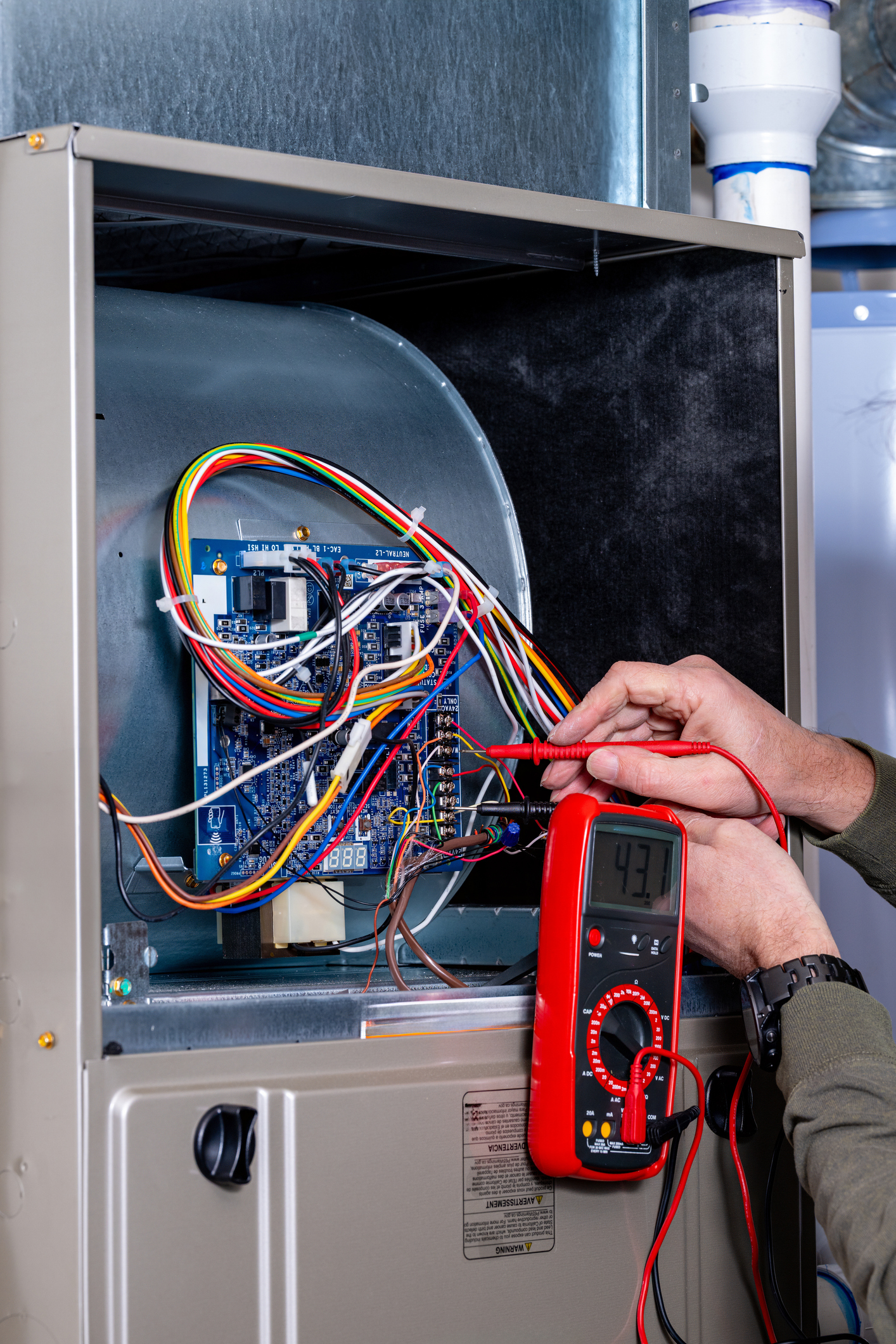
Using a multimeter, you can check the blower relay for continuity. Set your multimeter to the continuity setting and place the probes on the relay’s coil terminals. A functioning relay will show a continuous electrical path, indicated by a beep or a zero reading on the multimeter. This test helps determine if the relay’s coil is in good working condition.
If the coil passes the continuity test, the next step is to test the relay’s contact functionality. This involves checking whether the relay’s contacts are opening and closing properly when activated. Switch your multimeter to measure resistance, and place the probes on the relay’s output terminals. A significant change in resistance when the relay is powered on versus off indicates the contacts are functioning as expected.
Finally, if the tests indicate a blower relay failure, residents in North Richland Hills, TX, should consider replacing the relay. While the replacement process might seem daunting, it’s a manageable task with the right tools and a bit of patience. Ensuring your new relay is compatible with your HVAC system is crucial for restoring efficient operation. Following these steps can help maintain a comfortable indoor environment, keeping your home cozy throughout the year.
Common Causes of Blower Relay Failure
Understanding the common causes of blower relay failure is essential for homeowners looking to maintain their HVAC system’s efficiency. One primary cause is age and wear, as over time, the relay’s components can degrade, leading to intermittent or complete failure. This deterioration is natural but can be accelerated by frequent cycling of the HVAC system, especially in areas with extreme temperatures like Trophy Club, TX. Regular system checks can help identify wear and tear early, preventing unexpected breakdowns.
Another significant factor contributing to blower relay failure is exposure to dust and debris. These particles can accumulate on the relay, impeding its operation and eventually causing it to fail. In homes around North Richland Hills, TX, where dust and pollen can be prevalent, ensuring your HVAC system is clean is crucial. Simple maintenance routines, including cleaning or replacing filters, can significantly reduce the risk of relay failure due to contamination.
Electrical issues within the HVAC system, such as short circuits or power surges, also pose a risk to the blower relay. These problems can damage the relay’s electrical components, leading to malfunction. Protecting your system with surge protectors and regularly inspecting wiring can help mitigate these risks. It’s a proactive approach to maintaining system reliability and preventing blower relay failure.
Lastly, improper installation or incompatible parts can lead to premature blower relay failure. Using the correct relay model and ensuring it’s installed correctly is vital for the longevity of your HVAC system. Homeowners should seek professional assistance when replacing or repairing parts to avoid mismatches that can strain the system. By understanding these common causes, residents can take steps to ensure their HVAC system remains in top condition, providing comfortable indoor environments year-round.
Professional Blower Relay Replacement Options
When facing a blower relay failure, some homeowners in Trophy Club, TX, might feel confident tackling the issue themselves. However, for those who prefer a professional touch, several options are available. Expert technicians bring the right tools and knowledge, ensuring the replacement is done correctly and efficiently. They can diagnose the problem accurately, often identifying issues that aren’t apparent to the untrained eye.
In North Richland Hills, TX, finding a reliable service for blower relay replacement is straightforward. Professionals in the area are familiar with common HVAC system models and can source the correct parts quickly. This expertise not only speeds up the repair process but also guarantees that the new relay will function seamlessly with your system. Choosing a professional service means you benefit from a thorough job that prevents future issues.
The advantages of professional blower relay replacement extend beyond the immediate fix. Technicians can also offer valuable advice on maintaining your HVAC system to avoid similar failures in the future. They may suggest routine maintenance checks or adjustments to your system’s settings that enhance its efficiency. This proactive approach can extend the life of your HVAC system, ensuring it provides consistent comfort.
Lastly, opting for professional assistance gives homeowners peace of mind. Knowing that an experienced technician has addressed the blower relay failure correctly allows you to focus on enjoying a comfortable home environment. Residents can rest assured that their system is in good hands, minimizing the risk of unexpected breakdowns. This confidence in your HVAC system’s reliability is invaluable, especially during the extreme temperatures experienced in Texas.
Preventing Future Blower Relay Failures
To prevent future blower relay failures, homeowners in Trophy Club, TX, should prioritize regular HVAC maintenance. This includes scheduling professional inspections to catch early signs of wear and tear. Such proactive measures can identify potential issues before they escalate into full-blown blower relay failures. Keeping the system clean from dust and debris also plays a crucial role in maintaining its efficiency.
In North Richland Hills, TX, residents can benefit from understanding the common causes of blower relay failure. By knowing what to look out for, such as unusual noises or inconsistent airflow, homeowners can act swiftly. Addressing these signs early can prevent the relay from failing. It’s about staying one step ahead of potential problems to ensure the system remains reliable.
Another effective strategy is to ensure the HVAC system is protected against power surges. Installing surge protectors can safeguard the blower relay and other sensitive components. This simple step can extend the life of the HVAC system, reducing the likelihood of unexpected failures. It’s a small but significant measure that contributes to the overall health of the system.
Lastly, consulting with HVAC professionals for advice on system settings can optimize performance and prevent stress on the blower relay. Technicians can recommend adjustments that enhance efficiency without overburdening the system. For homeowners, following these expert recommendations can make a big difference. It ensures the HVAC system operates smoothly, providing comfortable indoor conditions year-round.
The Cost of Ignoring Blower Relay Failure
Ignoring the signs of blower relay failure can lead to a cascade of HVAC issues. When homeowners in Trophy Club, TX, overlook these early warnings, they risk more than just temporary discomfort. The system might suffer from increased strain, reducing its overall lifespan. This neglect can force the HVAC to work harder, leading to inefficiencies and potential system failure.
In North Richland Hills, TX, the consequences of not addressing a failing blower relay extend beyond the immediate system. It can affect the quality of air circulating in your home. Poor air circulation can lead to uneven temperatures and reduced air quality. These conditions are not conducive to a comfortable living environment, impacting the well-being of residents.
Moreover, a neglected blower relay failure can result in unexpected system shutdowns. When the relay fails completely, the HVAC system cannot function, leaving homes without heating or cooling. This situation is particularly problematic during extreme weather conditions. Residents then face the challenge of seeking emergency repairs, which can be stressful.
Finally, the importance of timely intervention cannot be overstressed. Addressing blower relay failure promptly can save homeowners from the inconvenience of system breakdowns. It ensures the HVAC system remains reliable, efficient, and capable of providing a comfortable home environment. Proactive maintenance and attention to early signs of failure are crucial for the longevity of the system.
Frequently Asked Questions
What are signs of blower relay failure?
When your air conditioning or heating system suddenly stops working, it might be due to blower relay failure. Common signs include inconsistent airflow, the blower motor not turning on, or unusual noises when the system operates. Testing the relay with a multimeter can confirm the issue. If faulty, replacing the relay is often the best fix to restore proper function.
How do you test a blower relay?
To test a blower relay, first, ensure the power to the system is off for safety. Next, locate the relay in your HVAC unit, which usually requires removing the access panel. Use a multimeter set to the ohms setting to check for continuity across the relay’s coil terminals. A lack of continuity indicates the relay may be the cause of blower relay failure and needs replacement.
Can a blower relay failure affect AC performance?
Absolutely, a blower relay failure can significantly impact your AC’s performance. Without a working relay, the blower motor may not operate correctly, leading to poor airflow or no air movement at all. This can make your space feel less comfortable, as the air isn’t being circulated or cooled efficiently. To maintain optimal performance, addressing any signs of blower relay failure quickly is crucial.
What causes blower relay failure?
Several factors can lead to blower relay failure in your HVAC system. Over time, normal wear and tear can weaken the relay, causing it to malfunction. Electrical issues, such as short circuits or voltage spikes, also contribute to relay problems. Additionally, exposure to dust and debris can interfere with the relay’s operation. Regular maintenance helps catch these issues early, preventing sudden system failures.
How much does it cost to fix a blower relay failure?
Fixing a blower relay failure varies based on a few factors, including the model of your HVAC system and labor costs. Generally, the part itself is not overly expensive, making it a cost-effective solution for airflow issues. A professional technician can quickly diagnose and replace the relay, ensuring your system runs smoothly again. Regular maintenance can help prevent such failures, keeping your air conditioning and heating in top condition.