

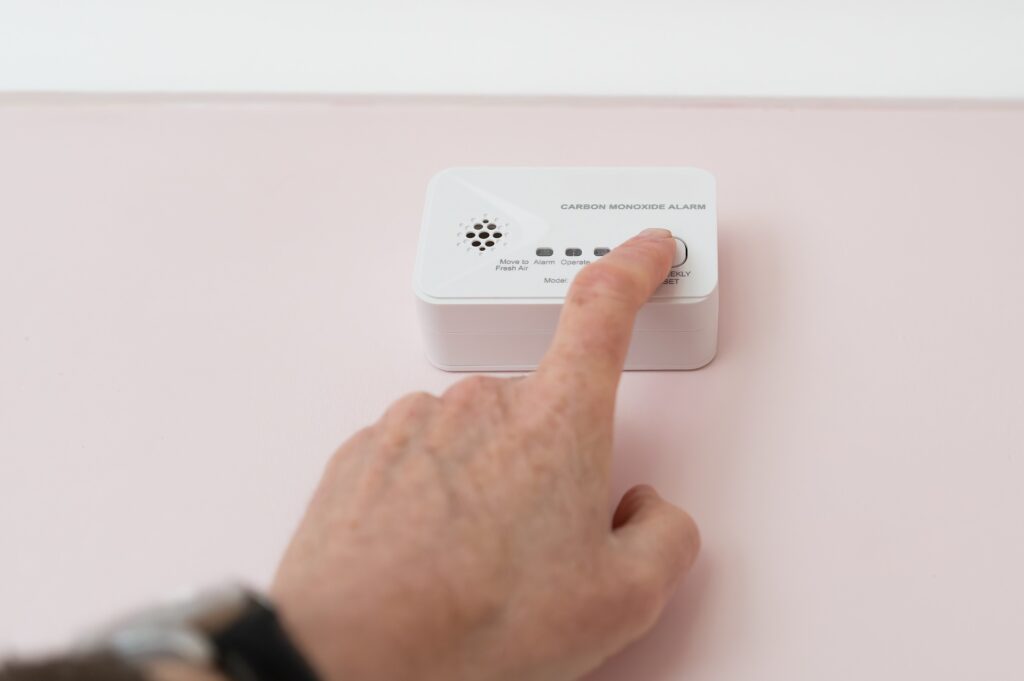
Carbon monoxide testing keeps families safe
As temperatures drop and we rely more on our heating systems, the importance of carbon monoxide testing becomes increasingly clear. This simple yet critical process can be the difference between a safe home and a dangerous environment. Especially in communities like Aledo, TX, and Azle, TX, where families gather indoors to escape the chill, ensuring the air is free from this invisible threat is essential. Carbon monoxide testing offers peace of mind, confirming that heating systems are operating safely and efficiently.
Understanding how carbon monoxide testing works is the first step in protecting your family. It involves checking the air in your home for the presence of carbon monoxide, a colorless, odorless gas that can be deadly if inhaled in large amounts. Professionals use specialized equipment to detect even the smallest amounts, ensuring your living spaces are safe. This process is quick, but its impact on your family’s safety is long-lasting.
Key safety practices go hand in hand with carbon monoxide testing, especially during the heating season. Ensuring that your heating system is regularly inspected and maintained is crucial. These practices not only extend the life of your heating system but also significantly reduce the risk of carbon monoxide buildup. Families in Fort Worth, TX, recognize the value of these safety measures, trusting local experts to keep their homes safe.
Carbon monoxide testing is a cornerstone of household safety during the colder months. It’s a service that One Hour Air Conditioning & Heating, based in Fort Worth, TX, takes seriously. By highlighting the importance of this testing and encouraging regular safety practices, we aim to keep families across Aledo, Azle, and beyond safe and warm all season long. Remember, when it comes to carbon monoxide, it’s better to be safe than sorry.
What is Carbon Monoxide and Why is it Dangerous?
Carbon monoxide, often referred to as CO, is a gas that’s both colorless and odorless, making it incredibly hard to detect without the right tools. It’s produced whenever any fuel such as gas, oil, kerosene, wood, or charcoal is burned. If appliances that burn fuel are incorrectly installed, improperly used, or not regularly maintained, they can produce dangerous levels of CO. This is why carbon monoxide testing is crucial, as it can identify the presence of CO before it poses a threat to your family’s health.
Inhaling carbon monoxide can be extremely harmful because it interferes with the body’s ability to transport oxygen. When CO is breathed in, it binds to the hemoglobin in the blood, taking the place of oxygen. This can lead to serious health issues, including headaches, dizziness, weakness, nausea, and even death in severe cases. Residents in Aledo, TX, are encouraged to be particularly vigilant during the colder months when heating systems are in constant use.
Understanding the dangers of carbon monoxide is the first step in prevention. Homes should have their heating systems, water heaters, and any other gas, oil, or coal burning appliances serviced by a qualified technician every year to prevent CO buildup. Additionally, installing a CO detector in your home can provide an early warning of carbon monoxide presence. These detectors should be checked regularly to ensure they are functioning correctly, offering an extra layer of safety for households in Azle, TX.
Finally, it’s important to recognize the symptoms of CO poisoning, as they can often be mistaken for those of other illnesses. If you or a family member are experiencing symptoms such as confusion, vomiting, or loss of consciousness, it’s crucial to get fresh air immediately and seek medical attention. Carbon monoxide testing plays a vital role in preventing these dangerous situations, ensuring that families in Fort Worth, TX, and surrounding areas can enjoy a warm and safe heating season.
How Carbon Monoxide Testing Works
Carbon monoxide testing begins with a professional visiting your home. They bring equipment designed to detect carbon monoxide levels in the air. This ensures accurate readings, crucial for assessing your home’s safety. The process is thorough yet unobtrusive, safeguarding your peace of mind without disrupting daily life.
During the visit, the professional checks various potential sources of carbon monoxide. This includes heating systems, gas stoves, and water heaters, among others. Each area is carefully evaluated to identify any risk of carbon monoxide leakage. It’s a comprehensive approach that covers all bases, ensuring no stone is left unturned.
After the assessment, the professional discusses the findings with you. If any risks are detected, they offer guidance on the next steps. This might include repairs, adjustments, or further testing, depending on the situation. Their expertise helps you understand the importance of each recommendation, empowering you to make informed decisions.
Finally, carbon monoxide testing is not a one-time task but a crucial part of home maintenance. Regular checks are recommended to ensure ongoing safety, especially before the heating season begins. By staying vigilant, families in Aledo, TX, Azle, TX, and beyond can enjoy a warm, safe home environment all year round.
The Importance of Professional Carbon Monoxide Testing
When considering the safety of your home, especially during the colder months, the role of professional carbon monoxide testing cannot be overstated. Experts equipped with the right tools conduct these tests, ensuring that your living environment in Fort Worth, TX, remains free from the invisible dangers of carbon monoxide. This proactive measure is essential, as it can detect the presence of CO at levels that are not immediately harmful but could become dangerous over time. By relying on professionals, you ensure that the testing is both accurate and reliable, providing peace of mind for you and your family.
Professionals not only test the air in your home but also inspect appliances that could potentially leak carbon monoxide. This includes common sources such as heating systems and gas stoves, ensuring they are functioning correctly and safely. In cities like Aledo, TX, where families rely heavily on these systems during the winter, such inspections are crucial. The expertise of these professionals means they can spot potential hazards quickly, advising on preventive measures to keep your home safe.
Following the testing, a detailed discussion of the findings is crucial. If any issues are identified, the professional will guide you through the necessary steps to mitigate the risk, whether it be through repairs or adjustments. This direct communication ensures that residents in Azle, TX, are not left in the dark about the safety of their homes. It empowers homeowners with the knowledge needed to make informed decisions about their property and the well-being of their families.
Finally, it’s important to remember that carbon monoxide testing should be part of a regular home maintenance schedule. Just like any other safety measure, it requires consistency to be effective. Scheduling regular testing before the heating season starts each year can help prevent carbon monoxide buildup, ensuring that homes across Fort Worth, TX, and beyond remain safe havens for their inhabitants. This ongoing vigilance is key to protecting your family from the silent threat of carbon monoxide.
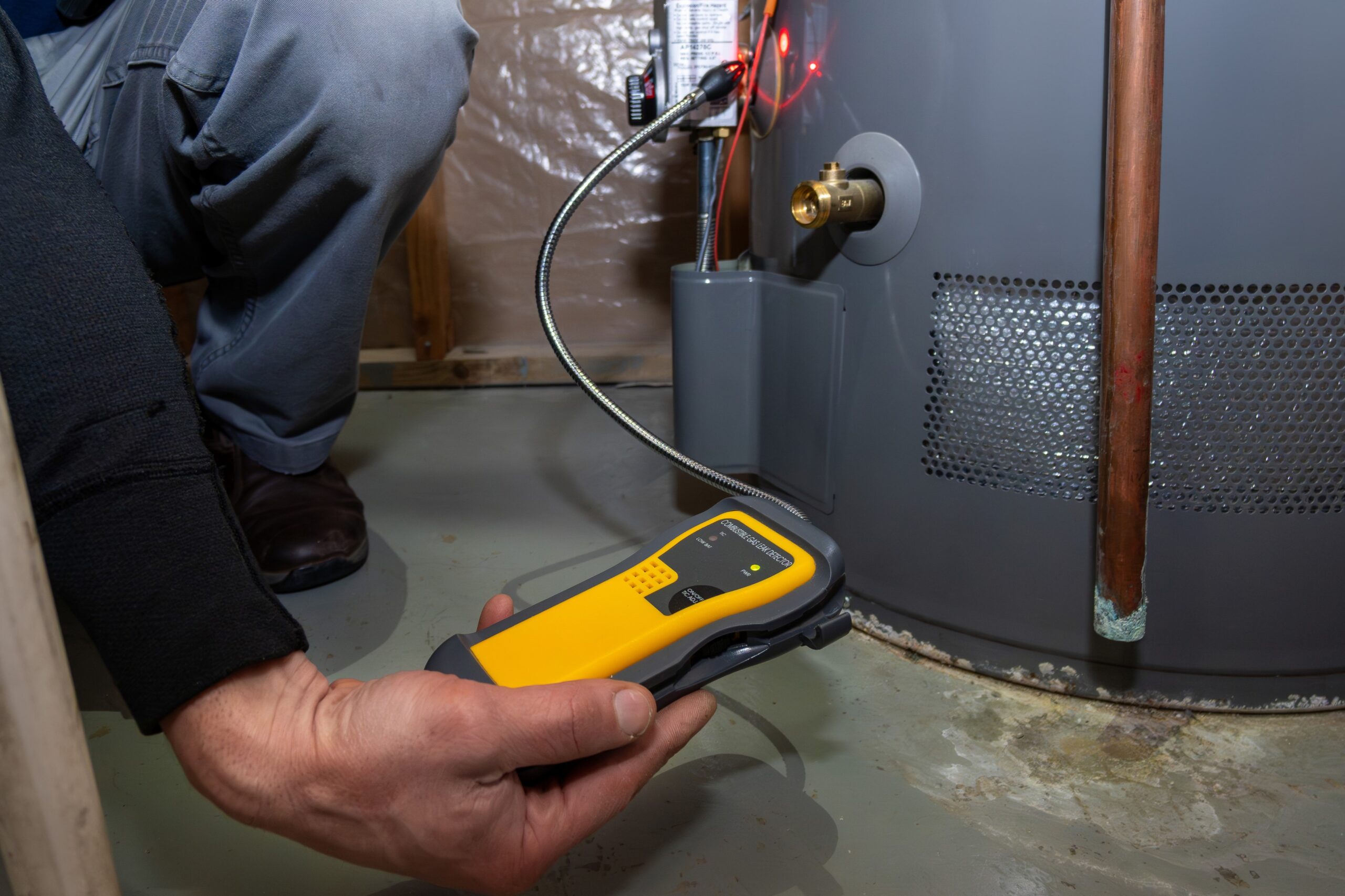
Identifying Common Sources of Carbon Monoxide in Homes
Identifying common sources of carbon monoxide in homes is crucial for maintaining a safe environment. Appliances that burn fuel, such as furnaces, water heaters, and gas stoves, are primary culprits. These should be inspected regularly to prevent leaks. Carbon monoxide testing plays a key role in this process, ensuring these potential hazards are managed effectively.
In addition to these usual suspects, portable heaters and fireplaces also pose a risk. Even vehicles running in an attached garage can increase levels of carbon monoxide indoors. It’s important for residents in Aledo, TX, to be aware of these less obvious sources. Regular carbon monoxide testing helps in identifying and mitigating risks from these sources as well.
Proper ventilation is another critical factor in preventing carbon monoxide buildup. Ensuring that vents for gas appliances are clear and unblocked can prevent dangerous emissions from lingering in your home. Residents in Azle, TX, can benefit from professional advice on improving home ventilation. This, combined with carbon monoxide testing, significantly enhances household safety.
Finally, educating family members about the dangers of carbon monoxide and the importance of testing can save lives. Knowledge about the potential sources and symptoms of exposure empowers individuals to act swiftly. Carbon monoxide testing provides a safety net, but awareness and prevention are equally vital. Together, these practices ensure families remain safe from the invisible threat of carbon monoxide.
Safety Practices for Preventing Carbon Monoxide Exposure
Ensuring your home is safe from carbon monoxide begins with adopting key safety practices. Carbon monoxide testing is a critical step, but it works best alongside preventive measures. Regularly checking and maintaining household appliances that burn fuel is essential. This approach helps catch potential leaks early, preventing carbon monoxide from reaching dangerous levels.
In Aledo, TX, families can enhance their safety by installing carbon monoxide detectors in strategic locations throughout their homes. These devices offer an additional layer of protection, alerting residents to the presence of carbon monoxide before it becomes a health risk. Testing these detectors regularly ensures they are always ready to perform their critical function. It’s a simple yet effective way to keep your family safe.
Educating everyone in the home about the dangers of carbon monoxide and how to respond if detectors go off is also vital. Knowledge is a powerful tool in preventing carbon monoxide exposure. Discussing what steps to take, including evacuating the home and calling for professional help, can save lives. In Azle, TX, community awareness programs help spread this important information.
Lastly, ensuring your home has proper ventilation is a key safety practice. This helps prevent carbon monoxide from accumulating to hazardous levels. Opening windows occasionally, especially in areas where fuel-burning appliances are used, can aid in this effort. Coupled with regular carbon monoxide testing, these practices significantly reduce the risk of carbon monoxide exposure, keeping homes safe and breathable.
Carbon Monoxide Detectors: Types and Placement Tips
Carbon monoxide testing is not just about identifying the presence of this gas but also involves taking preventive measures like installing carbon monoxide detectors. These devices are critical in providing early warnings, allowing families to react before the levels become harmful. There are several types of detectors available, including battery-operated and plug-in models, each designed to fit different needs and spaces within a home. Choosing the right type ensures that every corner of your house, from the basement in Azle, TX, to the attic in Aledo, TX, is monitored.
Placement of carbon monoxide detectors is just as important as the type you choose. Experts recommend installing them near sleeping areas to ensure that alerts can be heard even during the night. However, it’s also wise to place detectors near appliances that can emit carbon monoxide, such as furnaces and water heaters. This strategic placement helps in detecting any leaks immediately, safeguarding your family’s health and well-being.
Regular testing and maintenance of these detectors are essential to ensure they function correctly. Just as you would with smoke detectors, checking carbon monoxide detectors monthly and replacing batteries annually can prevent malfunctions. This routine check is a simple yet effective way to maintain the safety of your home, ensuring that the detectors are always ready to alert you to dangers.
Finally, educating your family about the importance of carbon monoxide testing and the role of detectors in home safety is crucial. Understanding how these devices work and what to do when they go off can make a significant difference in emergency situations. It’s about creating a culture of safety within your home, where every member knows how to respond to potential threats, ensuring the well-being of everyone inside.
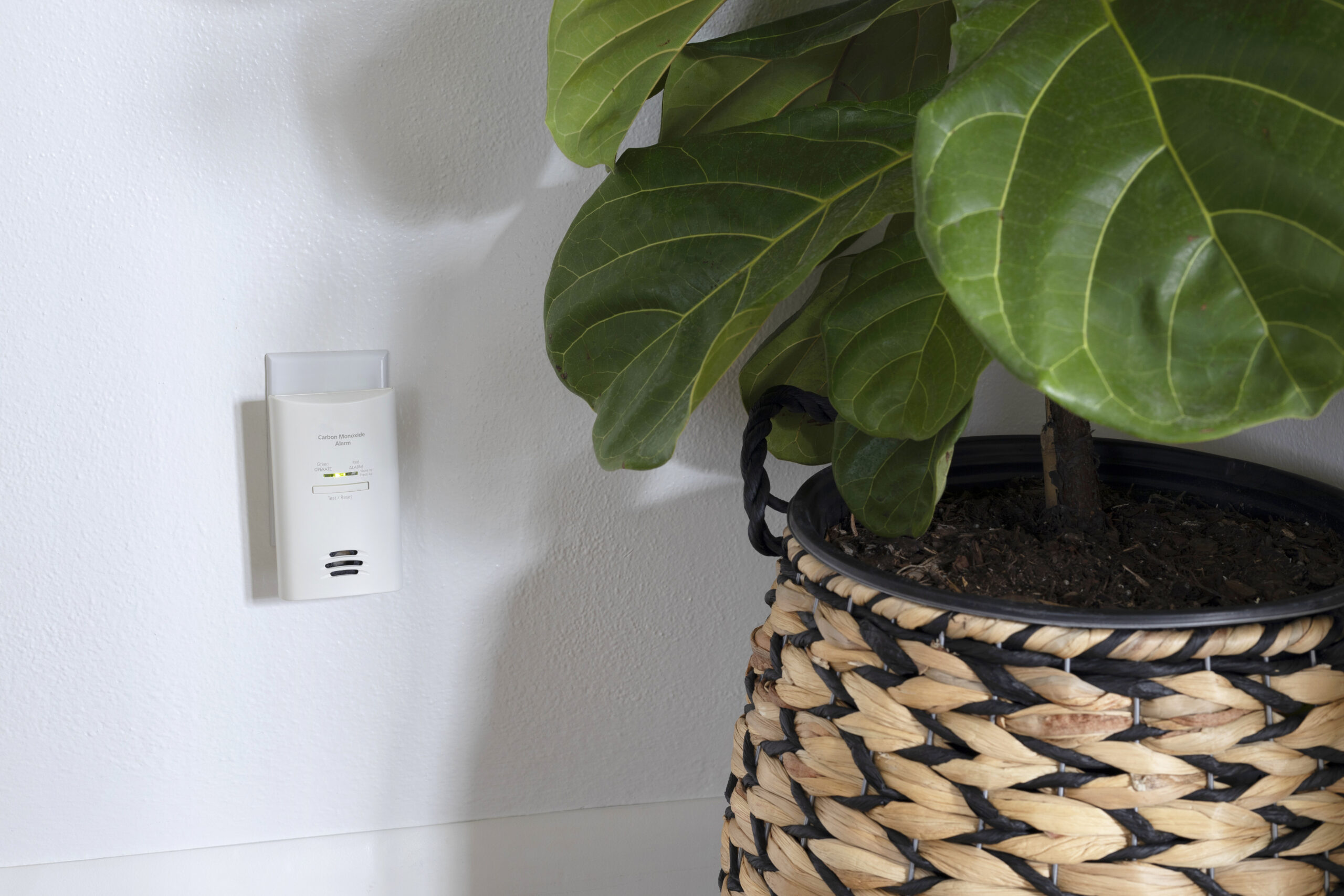
Preparing Your Home for the Heating Season
As the heating season approaches, preparing your home is crucial for ensuring safety and warmth. Carbon monoxide testing becomes an essential part of this preparation, offering a proactive measure against potential dangers. By having professionals test your home in Aledo, TX, you can identify and address any risks before they escalate. This process ensures your heating system and appliances are secure and efficient, providing peace of mind throughout the colder months.
In addition to professional testing, checking and maintaining your heating system can prevent carbon monoxide buildup. Ensuring that your furnace, water heaters, and any other fuel-burning appliances are in top condition is key. Residents in Azle, TX, can benefit from scheduling regular maintenance checks. These actions not only enhance safety but also improve the overall performance of heating systems, ensuring they run smoothly when needed most.
Installing carbon monoxide detectors throughout your home further enhances safety measures. These devices act as an early warning system, alerting you to the presence of carbon monoxide before it becomes hazardous. It’s important to place detectors in strategic locations, such as near bedrooms and living areas, to ensure maximum coverage and protection. Regular testing of these detectors is also vital, ensuring they function correctly and are ready to alert you at any sign of danger.
Finally, educating your family on the importance of carbon monoxide safety is essential. Discussing the signs of carbon monoxide exposure and the steps to take if a detector goes off can save lives. Knowledge and preparation are powerful tools in ensuring your home in Fort Worth, TX, remains a safe haven during the heating season. With carbon monoxide testing and these safety practices in place, you can enjoy the warmth and comfort of your home without worry.
When to Schedule Carbon Monoxide Testing
Knowing when to schedule carbon monoxide testing is crucial for keeping your home safe. Ideally, testing should be done before the heating season starts, as this is when homes in places like Aledo, TX, begin to use heating systems more frequently. Scheduling a test during the fall ensures any issues can be addressed before they become hazardous. This proactive approach helps prevent carbon monoxide buildup, ensuring your home remains a safe environment.
Regular maintenance checks of your heating system and appliances also play a significant role. These checks should be part of your annual home safety routine, alongside carbon monoxide testing. In Azle, TX, residents understand the importance of such practices, especially with the reliance on fuel-burning appliances during colder months. By keeping these systems in check, you reduce the risk of carbon monoxide leaks significantly.
In addition to professional testing, installing carbon monoxide detectors provides an extra layer of safety. These detectors should be tested regularly to ensure they are working correctly. Placing them near bedrooms and living areas maximizes their effectiveness, alerting you immediately if carbon monoxide levels rise. This simple measure can make a big difference in ensuring your family’s safety.
Finally, educating your family about carbon monoxide risks and the importance of testing is essential. Knowing the signs of carbon monoxide exposure and the actions to take can save lives. Discussing these topics ensures everyone in your home is prepared and understands the significance of carbon monoxide testing. Together, these steps create a comprehensive safety plan for your home, keeping everyone protected throughout the heating season.
Frequently Asked Questions
What is carbon monoxide?
Carbon monoxide is a colorless, odorless gas that can be deadly if inhaled in large amounts. It forms when fuels like gas, oil, coal, or wood do not burn completely. Carbon monoxide testing helps detect this gas early, keeping families safe from harm. Regular checks ensure heating systems work properly and efficiently.
How often should carbon monoxide testing be done?
Experts recommend conducting carbon monoxide testing at least once a year. This ensures your heating systems are safe and working efficiently. Ideally, tests should be done before the heating season begins. Regular testing helps prevent carbon monoxide poisoning, keeping your family protected.
What are the signs of carbon monoxide poisoning?
Signs of carbon monoxide poisoning include headache, dizziness, nausea, and shortness of breath. These symptoms often resemble the flu, making it tricky to diagnose without testing. Carbon monoxide testing can quickly identify unsafe levels in your home. It’s crucial to act fast and seek fresh air and medical help if you suspect poisoning.
Can carbon monoxide testing be done at home?
Yes, homeowners can perform carbon monoxide testing in their own space with the right tools. Various carbon monoxide detectors are available that alert you to unsafe levels. Installing these devices near sleeping areas and living spaces is a smart safety practice. For thorough inspection, however, professional services from HVAC experts ensure your system is not only safe but also efficient.
Where should carbon monoxide detectors be placed?
Carbon monoxide detectors should be installed near sleeping areas for maximum safety. It’s also wise to place them on every level of your home, including the basement. Keep them away from fuel-burning appliances to avoid false alarms. By strategically positioning these detectors, you ensure timely alerts to potential dangers, keeping your family safe.