

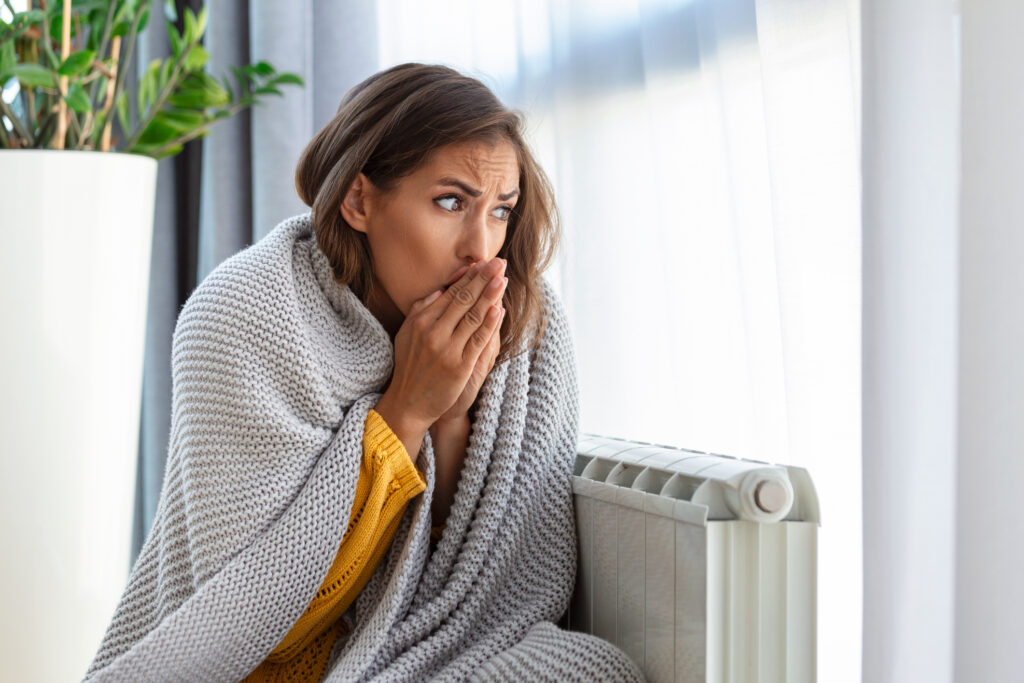
Heater Blowing Cold Air Quick Checks
When your home in Fort Worth, TX, feels chilly despite the heater running, it’s a clear sign something’s amiss. The issue of a heater blowing cold air can be perplexing, especially during the colder months. Before you rush to call for service, there are a few quick checks you can perform yourself. These checks might help you identify simple issues affecting your heater’s performance.
First, take a moment to inspect your thermostat settings. It’s not uncommon for settings to be accidentally adjusted, leading to unexpected cold air output. Ensure it’s set to heat mode and that the temperature is correctly adjusted for warmth. This simple step can sometimes resolve the issue without further action needed.
Next, consider the condition of your heater’s filters. A clogged or dirty filter can restrict airflow, significantly diminishing your system’s efficiency. Residents in areas like Benbrook, TX, and Arlington, TX, often find that regular filter maintenance greatly improves their heating system’s performance. Checking and replacing your filter if necessary could be the quick fix you need.
Lastly, ensure that your home’s vents and airflow are not obstructed. Furniture, curtains, or rugs blocking vents can prevent warm air from circulating properly. A quick inspection and rearrangement of these items can enhance airflow, potentially solving the problem of a heater blowing cold air.
Understanding Why Your Heater Blows Cold Air
Understanding why your heater blowing cold air occurs involves delving into more technical aspects beyond basic checks. One common reason could be issues with the pilot light or ignition system. Modern heating systems in Fort Worth, TX, rely on these components to start the heating process. If the pilot light is out or the ignition system is failing, the heater cannot produce warm air.
Another potential cause of a heater blowing cold air is a malfunctioning thermostat. While initial checks ensure it’s set correctly, the device itself might be faulty. In homes around Benbrook, TX, fluctuating indoor temperatures often point to this issue. A thermostat that doesn’t accurately detect room temperature can fail to signal the heater to start.
Additionally, the problem might lie within the heating system’s components, such as the heat exchanger or blower motor. Over time, these parts can wear out or malfunction, leading to inefficient operation or a complete failure to produce warm air. If you notice your heater blowing cold air intermittently, worn internal parts may be the reason. Regular maintenance is crucial to catch and address these issues early.
Lastly, for residents in Arlington, TX, checking the ductwork is essential if you’re dealing with a heater blowing cold air. Leaks or blockages in the ducts can significantly reduce the system’s ability to deliver warm air throughout the house. Inspecting for and repairing any ductwork issues can restore proper airflow and heater functionality. Keeping ductwork in good shape ensures your system heats your home evenly and efficiently.

Quick Check 1: Thermostat Settings
When your heater blowing cold air, a quick glance at your thermostat settings might offer an immediate solution. Ensure it’s switched to ‘heat’ mode and that the temperature is set higher than the current room temperature. This simple adjustment can sometimes kick-start your heating system back to producing warmth. Residents in Benbrook, TX, find this quick check to be a helpful first step in troubleshooting.
Another common oversight that can result in a heater blowing cold air is not checking the thermostat’s battery life or its connection to your home’s heating system. A weak or dead battery can lead to loss of control over your heating settings, causing unexpected cold air output. Replacing the batteries or ensuring a secure connection can often restore proper function. This is especially true in homes where the thermostat isn’t hardwired to the electrical system.
For those in Arlington, TX, it’s also wise to consider the thermostat’s location in your home if your heater blowing cold air continues. If it’s placed in a drafty area or near a door that frequently opens to the outside, it might read the room temperature as colder than it actually is. Relocating the thermostat to a more central location can provide a more accurate reading, ensuring your heater operates as expected. Better placement often leads to more consistent warmth throughout your home.
Lastly, it’s important to check if the thermostat is in ‘auto’ mode rather than ‘on’, especially when facing a heater blowing cold air. When set to ‘on’, the fan runs continuously, even when the heating cycle is off, which might feel like cold air. Switching to ‘auto’ mode ensures the fan only operates during the heating cycle, providing warmth when you need it. This simple switch can significantly improve your system’s efficiency and comfort level.
Quick Check 2: Inspect and Replace Your Filter
After ensuring your thermostat is correctly set, the next step in addressing a heater blowing cold air is to inspect your filter. A dirty or clogged filter can significantly hinder your heating system’s efficiency. In Fort Worth, TX, changing your filter regularly can prevent airflow restriction and improve the overall performance of your heater. This simple action can often rectify issues with cold air without needing professional intervention.
Residents in Benbrook, TX, should remember that filters play a crucial role in maintaining indoor air quality. A clean filter not only facilitates better heating but also captures dust, pollen, and other airborne particles. Checking your filter monthly and replacing it as needed can lead to a noticeable difference in your home’s warmth and air quality. This maintenance task is a proactive step in ensuring your heating system operates optimally.
For those in Arlington, TX, considering the type of filter used can also impact your heater’s effectiveness. High-efficiency filters, while excellent for air quality, may restrict airflow more than their standard counterparts. It’s important to choose a filter that balances air quality with your heating system’s requirements. Consulting with a heating professional can help determine the best filter for your specific setup.
Lastly, when a heater blowing cold air, a comprehensive check of your heating system should include the airflow around your home. Ensuring vents are unobstructed and registers are open allows for proper air circulation. Sometimes, the solution is as simple as rearranging furniture or opening a closed vent. Regularly inspecting and maintaining your heating system’s filters and airflow can significantly enhance its performance and prevent cold air issues.
Heater Blowing Cold? Check Your Airflow
When your heater blowing cold air, a crucial step is to check the airflow in your home. Sometimes, the simplest solutions are the most effective. For instance, ensuring that all vents are free from obstructions can make a significant difference. Furniture, toys, or even heavy drapes can block vents, preventing warm air from circulating properly throughout your home.
Another aspect to consider is the condition and setup of your ductwork. In homes around Benbrook, TX, leaks or blockages in the ducts can be a common culprit behind heating issues. An inspection might reveal that repairing or cleaning your ducts could restore the flow of warm air, solving the problem without needing further professional help.
Additionally, the location of your furniture can impact your heating system’s efficiency. Placing large pieces of furniture near or in front of heating vents can restrict airflow. By rearranging your rooms to ensure vents are clear, you can improve the distribution of warm air and eliminate cold spots in your home.
Lastly, for those in Arlington, TX, it’s beneficial to regularly check that your home’s registers are open and unblocked. Closed or partially closed registers can significantly reduce a heating system’s ability to warm your home. A quick walk-through to adjust registers can enhance your heater’s effectiveness, ensuring your living space stays comfortable during the colder months.
Quick Check 3: Ensure Proper Ventilation
Ensuring proper ventilation in your home is key when you’re facing the issue of a heater blowing cold air. In Benbrook, TX, homeowners should check that their air intake vents are clear of debris and obstructions. This can prevent your heating system from struggling to circulate warm air effectively. Regularly removing leaves, dirt, or snow from these areas can improve your heater’s performance.
Another important aspect is to verify that exhaust vents are not blocked, especially if you notice your heater blowing cold air. A blocked exhaust can cause the heating system to operate inefficiently or even shut down as a safety precaution. In Fort Worth, TX, it’s wise to inspect these vents after storms or high winds, which can bring unexpected blockages. Doing so ensures that your system works safely and efficiently all winter long.
In Arlington, TX, it’s beneficial to ensure that your home’s interior vents are also free from blockages, especially when dealing with a heater blowing cold air. Furniture, curtains, or toys can easily obstruct airflow, leading to uneven heating or a system that fails to warm the house. A simple rearrangement of these items can make a significant difference in how well your heating system distributes warm air. Taking a few minutes to check each room can improve comfort quickly.
Lastly, maintaining a clean environment around all your vents supports optimal heating efficiency and helps address the issue of a heater blowing cold air. Dust and pet hair can accumulate over time, reducing the quality of your home’s air and the performance of your heating system. Regular cleaning and vacuuming of these areas not only improve air quality but also help keep your home comfortably warm. Consistent maintenance can make all the difference during Texas winters.
Troubleshooting Tips for a Cold Air Heater
When facing a heater blowing cold air, it’s wise to start with some basic troubleshooting steps. First, ensure that your heating system’s power source is fully operational. In Arlington, TX, occasional power surges can disrupt system settings or reset them to default modes. Checking your circuit breaker and ensuring your system is powered can sometimes quickly resolve the issue.
Next, consider the age and condition of your heating system. Older systems in Benbrook, TX, may struggle to maintain consistent warmth, leading to periods of cold air output. Regular maintenance checks can identify aging components that need replacement, improving your system’s ability to heat your home effectively.
Another common issue could be with the heater’s pilot light or ignition system. If the pilot light has gone out or the ignition system is not functioning properly, your heater will blow cold air. Relighting the pilot light or resetting the ignition system can sometimes get your heater back to producing warm air.
Lastly, it’s important to listen for unusual noises coming from your heating system. Sounds like banging, whistling, or rattling can indicate internal issues that prevent proper heating. In such cases, turning off your system and calling a professional is the safest course of action to prevent further damage and ensure your home returns to a comfortable temperature.
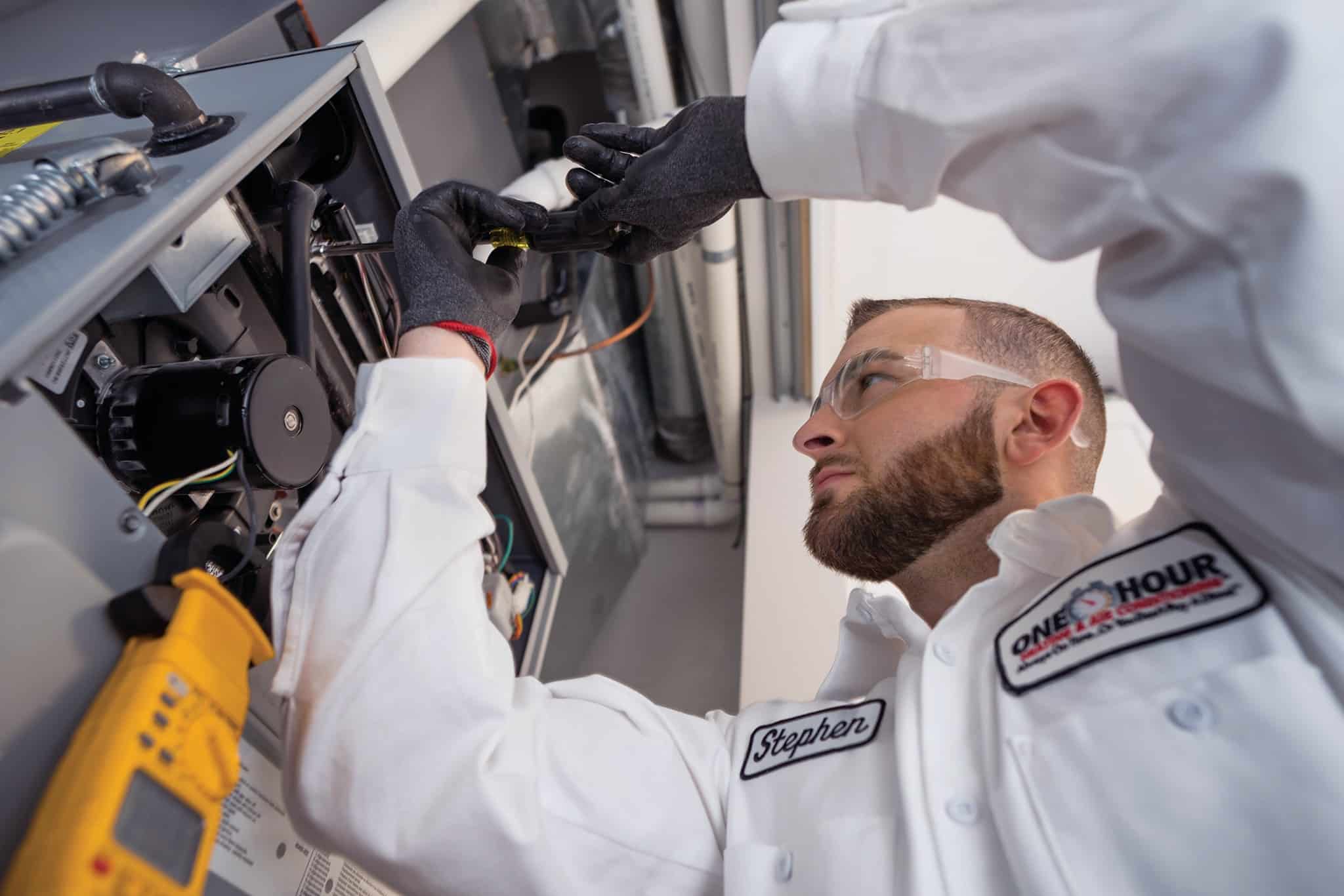
When to Call a Professional for Your Heater
After performing the initial checks on your heater blowing cold air, it might be time to call a professional. Experts in heating systems can diagnose issues that aren’t immediately obvious to homeowners. For instance, in Benbrook, TX, a technician can check for deeper problems like a malfunctioning heat exchanger or issues with the gas supply. These are complex issues that require a skilled hand and knowledge beyond basic troubleshooting.
In Arlington, TX, residents often find that calling a professional saves time and resolves the heater blowing cold air problem correctly the first time. A certified technician has the tools and experience to quickly identify and fix problems. Whether it’s a faulty wiring issue or a complex component failure, a professional can handle it efficiently. This approach not only restores warmth to your home faster but also prevents potential safety hazards.
Sometimes, the problem might be due to the need for a part replacement or a system upgrade to stop the heater blowing cold air. Professionals can offer advice on the best course of action, whether it’s replacing a worn-out part or considering a new, more efficient heating system. Their expertise ensures you make informed decisions about how to achieve optimal heating in your home. Long-term solutions can be more cost-effective than repeated short-term fixes.
Lastly, regular maintenance by a professional can prevent future instances of a heater blowing cold air. Scheduling annual check-ups can catch potential issues before they escalate into bigger problems. This proactive measure keeps your heating system in top condition, providing peace of mind and consistent warmth throughout the colder months. A little prevention can go a long way in avoiding winter discomfort.
Preventative Maintenance to Avoid Heater Blowing Cold Air Issues
Preventative maintenance is key to avoiding the frustration of a heater blowing cold air, especially as the seasons change. In Benbrook, TX, scheduling regular check-ups with a heating professional can catch minor issues before they turn into major problems. These maintenance visits often include cleaning components, checking for wear and tear, and ensuring the system operates efficiently. Taking this proactive approach can save homeowners from the discomfort of cold air during the winter months.
Another crucial aspect of preventative maintenance is paying attention to the heater’s performance and noises, which can hint at a heater blowing cold air. If you notice it’s not heating as well as it should or if it makes unusual sounds, it’s important to act quickly. Residents in Arlington, TX, understand that these signs can indicate underlying issues that, if addressed early, can prevent the system from blowing cold air. Quick action can mean the difference between a simple fix and a complex repair.
Homeowners can also play a part in maintaining their heating system’s efficiency and stopping a heater blowing cold air by regularly replacing or cleaning air filters. A clogged filter restricts airflow, making it harder for the system to circulate warm air. Ensuring vents are clear of furniture and debris also promotes better airflow, enhancing the system’s ability to heat your home effectively. These simple tasks contribute significantly to consistent warmth indoors.
Lastly, understanding your heating system’s needs and limitations helps avoid a heater blowing cold air during peak usage times. For instance, overloading the system by setting the thermostat too high can lead to unnecessary strain and potential malfunctions. By keeping the thermostat at a consistent, reasonable temperature, you can avoid putting extra stress on the system. This mindful practice, combined with professional maintenance, ensures your heater remains reliable and effective throughout the colder months.
Frequently Asked Questions
Why is my heater blowing cold air?
If your heater blowing cold air, a few quick checks can help. First, ensure your thermostat is set to heat mode and the temperature is correctly adjusted. Next, check if the air filter is clean, as a dirty filter can restrict airflow and affect heating efficiency. Finally, make sure all vents are open and unblocked to allow proper air circulation throughout your home. These steps can often resolve the issue without needing to schedule a service.
How to troubleshoot a heater?
Troubleshooting a heater blowing cold air starts with a simple check of the thermostat settings. Ensure it’s on heat mode and set above room temperature. Next, inspect the air filter for any clogs that might restrict airflow, impacting the heater’s performance. Also, verify that the circuit breaker hasn’t tripped, cutting power to the unit. These steps can often fix the problem, getting your heater back to warming your home efficiently.
What causes heater blowing cold air?
Several factors can lead to your heater blowing cold air, often starting with simple issues. A malfunctioning thermostat might not communicate correctly with your heating system, causing it to blow cold. Clogged filters can also restrict airflow, reducing the heater’s efficiency and leading to cold air output. Additionally, a tripped circuit breaker or a blown fuse can cut power to the unit, preventing it from heating properly. Regular checks and maintenance can help prevent these common issues.
Can a dirty filter cause heater issues?
Yes, a dirty filter can indeed lead to heater problems. When filters get clogged, they restrict airflow, making it hard for your heater to circulate warm air. This can cause the system to overwork, leading to inefficiency or even breakdowns. Regularly changing or cleaning your air filter can help prevent your heater from blowing cold air and ensure it runs smoothly.
How often should I service my heater?
To keep your heater running efficiently and avoid issues like it blowing cold air, experts recommend servicing it annually. This routine check-up can identify and fix small problems before they grow. Ideally, schedule this service in early fall before the heating season begins. Regular maintenance ensures your heater stays in top condition, providing warm comfort throughout the colder months.