


Hybrid vs Heat Pump: Which Lasts Longer?
Understanding the longevity of hybrid vs heat pump systems is crucial in making an informed decision that ensures lasting comfort and reliable performance in your home. With proper care, heat pumps typically last around 15 years, while hybrid systems can surpass the 20-year mark, making maintenance, climate, and usage key factors in their lifespan.
Choosing between a hybrid system and a heat pump is a significant decision for any homeowner, especially when considering the long-term implications on comfort, performance, and cost-effectiveness. By carefully evaluating the specific needs of your home in relation to the climate and your usage patterns, you can ensure a choice that offers lasting satisfaction and optimal home comfort. Whether in Fort Worth, Bedford, or Grapevine, TX, understanding the nuances of hybrid vs heat pump systems is the first step towards a wise HVAC investment.
Understanding Hybrid Systems
Understanding the mechanics and benefits of hybrid systems is essential when comparing hybrid vs heat pump options. Hybrid systems combine the efficiency of a heat pump with the power of a traditional heating system. This allows them to adapt to changing temperatures efficiently, making them particularly suitable for areas like Bedford, TX, where weather can be unpredictable. Their flexibility in switching between energy sources based on the most efficient option at any given time enhances their appeal.
In contrast, heat pumps operate by transferring heat from the outside air into your home during winter and vice versa in summer. While effective in milder climates, they might struggle in extreme cold without an auxiliary heat source. This is where hybrid systems stand out, especially in regions experiencing a wide range of temperatures throughout the year. Their dual-function capability ensures that your home remains comfortable regardless of the weather outside.
Maintenance plays a pivotal role in the longevity of both systems. Regular checks and servicing can significantly extend the life of your HVAC system, whether it’s a hybrid or a heat pump. Homeowners in Grapevine, TX, can benefit from establishing a routine maintenance schedule. This proactive approach not only prolongs the system’s lifespan but also ensures it runs efficiently, providing consistent comfort year-round.
Ultimately, the decision in the hybrid vs heat pump comparison hinges on individual needs and environmental conditions. Considering the climate of your area and how often you rely on heating and cooling can guide you towards the most suitable option. Both systems offer distinct advantages, but a hybrid system’s ability to seamlessly adapt to both extreme cold and mild temperatures often makes it a more versatile choice for ensuring lasting comfort and optimal performance in your home.
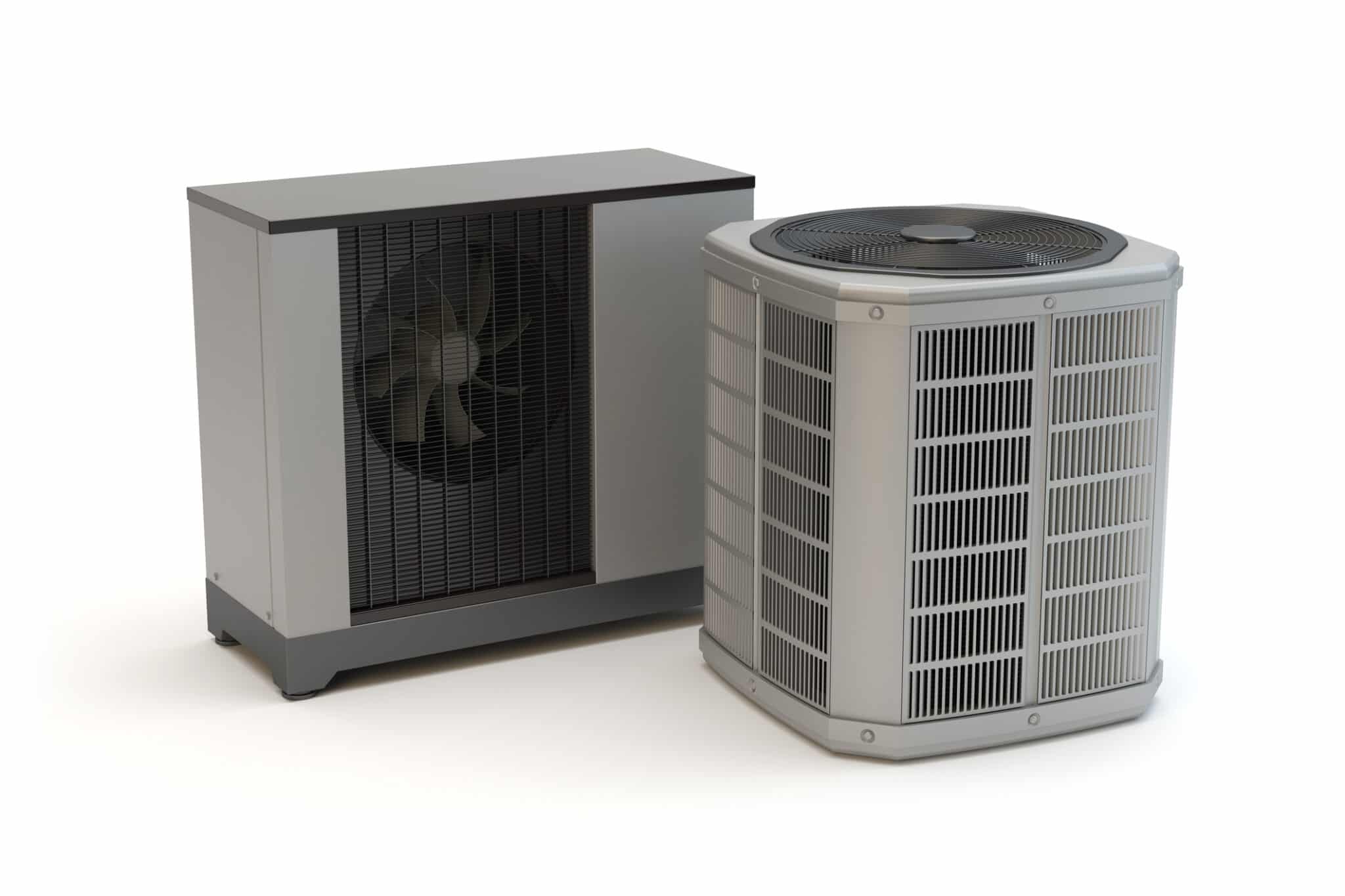
Heat Pump Basics: Function and Lifespan
Diving deeper into the specifics, heat pumps are renowned for their efficiency in climates that are generally mild. These systems excel by extracting heat from the outdoor air to warm your home during cooler months and reversing the process to cool your home when it’s warmer. This dual functionality makes them a go-to choice for areas like Grapevine, TX, where extreme temperature swings are less common. Their efficiency and simplicity underscore their popularity among homeowners seeking a straightforward solution to their heating and cooling needs.
However, the performance of heat pumps can be less optimal in areas experiencing severe cold. In such conditions, they may require an auxiliary heating system to maintain comfort, which can impact their overall efficiency. This is a pivotal reason why homeowners in Bedford, TX, where winters can be harsh, might lean towards a hybrid system. Hybrid systems offer the flexibility to switch to a more traditional heating method when temperatures plummet, ensuring consistent warmth.
The lifespan of a heat pump is significantly influenced by regular maintenance and the climate it operates in. In environments with moderate weather conditions, heat pumps can serve homeowners well for up to 15 years. Ensuring they receive timely servicing and repairs can prevent common issues, allowing these systems to operate efficiently for many years. It’s a testament to how a little care can go a long way in extending the life of your HVAC investment.
In conclusion, when comparing hybrid vs heat pump systems, it’s clear that both have their merits depending on your specific needs and the climate you live in. While heat pumps offer an efficient solution for areas with milder weather, hybrid systems provide unmatched versatility in regions with a wide temperature range. By understanding the basics of how these systems function and their expected lifespans, homeowners can make an informed decision that ensures comfort and efficiency for years to come.
Hybrid vs Heat Pump: Longevity Factors
When comparing hybrid vs heat pump systems, several factors contribute to their longevity, making this consideration vital for homeowners. In Bedford, TX, where temperature fluctuations are common, hybrid systems gain an edge due to their adaptability. They seamlessly switch between fuel sources, reducing wear and tear on the system. This capability not only ensures efficient operation but also prolongs the system’s lifespan, making it a durable option for many.
Conversely, heat pumps are favored in Grapevine, TX, for their simplicity and effectiveness in moderate climates. However, their reliance on the outdoor air temperature for heating and cooling can strain the system in extreme conditions. Regular maintenance is crucial to mitigate this stress, extending the heat pump’s life by preventing potential issues before they escalate. Such proactive care keeps the system running smoothly, enhancing its longevity.
Maintenance is a cornerstone of both systems’ longevity, emphasizing the importance of regular check-ups. For hybrid systems, this involves inspecting both the electric and fuel-based components, ensuring they function optimally. Similarly, heat pumps benefit from routine servicing to keep the heat transfer process efficient. These maintenance practices are essential in sustaining the system’s performance and extending its operational life, regardless of the climate.
Ultimately, the choice in the hybrid vs heat pump debate hinges on individual needs, climate, and commitment to maintenance. Both systems offer distinct advantages in terms of efficiency and adaptability. By understanding these factors and the importance of regular upkeep, homeowners can make an informed decision. This choice ensures a system that not only meets their heating and cooling needs but also provides lasting service and comfort.
The Role of Climate in Choosing Between Hybrid and Heat Pump
In Bedford, TX, the role of climate plays a pivotal role in deciding between a hybrid system and a heat pump. Homeowners in areas with frequent temperature shifts find hybrid systems more appealing due to their adaptability. These systems can efficiently switch between fuel sources, making them ideal for the unpredictable weather. This flexibility ensures that your home maintains a comfortable temperature, regardless of the external climate conditions.
On the other hand, in Grapevine, TX, where the climate tends to be more consistent, heat pumps are a popular choice. They excel in areas where the temperature does not reach extreme highs or lows, offering efficient heating and cooling. By relying on the outdoor air to regulate indoor temperatures, heat pumps provide a simple yet effective solution for maintaining comfort. Their efficiency in moderate climates makes them an attractive option for many homeowners.
Understanding the specific climate of your area is crucial in making an informed decision in the hybrid vs heat pump debate. If you live in a region with severe winters or unpredictable weather patterns, a hybrid system might be the better choice. It offers the versatility to switch heating methods based on the current temperature, ensuring your home is always comfortable. This adaptability is especially beneficial in areas where weather conditions can change rapidly.
Conversely, for those residing in areas with milder climates, a heat pump could be the more suitable option in the hybrid vs heat pump comparison. Its ability to efficiently transfer heat without the need for switching fuel sources makes it ideal for consistent weather conditions. By evaluating the climate you live in and how it affects your heating and cooling needs, you can choose the system that best suits your home. This decision will ensure you enjoy efficient and reliable comfort throughout the year.
Cost-Benefit Analysis: Hybrid vs Heat Pump Over Time
When assessing the long-term benefits of a hybrid vs heat pump, homeowners in Bedford, TX, should consider the overall impact on their home’s efficiency and comfort. Hybrid systems, with their dual-source heating capability, offer unparalleled flexibility in adapting to fluctuating temperatures. This adaptability not only ensures consistent indoor comfort but also contributes to the system’s longer lifespan. In contrast, heat pumps, which excel in moderate climates, provide a straightforward solution for heating and cooling needs, relying on the external air to regulate indoor temperatures efficiently.
In Grapevine, TX, where the climate is relatively stable, the simplicity of heat pumps might seem appealing to many. These systems maintain a comfortable home environment by efficiently transferring heat in and out, depending on the season. However, the longevity of a heat pump can be significantly enhanced with regular maintenance, just like hybrid systems. Ensuring both types of systems are well-cared for can lead to prolonged operational life, making either choice a viable long-term investment for homeowners.
The decision between a hybrid system and a heat pump also hinges on the homeowner’s preference for environmental adaptability versus simplicity. Hybrid systems can automatically switch between fuel sources to provide the most efficient heating or cooling, making them ideal for areas with wide temperature ranges. This capability ensures that the system operates optimally, reducing the wear and tear associated with constant use in challenging weather conditions.
Ultimately, the choice in the hybrid vs heat pump discussion should be informed by an understanding of each system’s benefits over time. Both options offer distinct advantages, from the hybrid’s versatility in changing climates to the heat pump’s efficiency in stable conditions. By considering the specific needs of their home and the typical weather patterns in their area, homeowners can select the system that promises not only immediate comfort but also lasting efficiency and reliability.
Hybrid vs Heat Pump: Key Factors to Consider
Making your decision between a hybrid and a heat pump involves weighing several factors. In Bedford, TX, where weather can change, consider how each system adapts to temperature fluctuations. A hybrid system’s versatility in switching between energy sources might offer the adaptability you need. On the other hand, the efficiency of a heat pump in consistent climates could simplify your home’s heating and cooling.
In Grapevine, TX, the climate’s stability might make a heat pump an attractive option for its straightforward operation. However, it’s essential to remember that no matter the system, regular maintenance is key to longevity. Ensuring your system is serviced regularly will help keep it running smoothly and efficiently for years to come. This proactive approach can extend the lifespan of either system, ensuring your comfort regardless of the season.
When considering hybrid vs heat pump, think about your home’s specific needs and the local climate. A hybrid system might be the better choice for homes in areas with wide temperature ranges. It can provide efficient heating and cooling by automatically adjusting to the most effective energy source. This capability ensures optimal performance and comfort in varying weather conditions.
Ultimately, the decision in the hybrid vs heat pump choice comes down to what best fits your lifestyle and home environment. Whether you choose a hybrid system or a heat pump, prioritizing regular maintenance will play a crucial role in the system’s durability. By carefully considering your needs and the characteristics of each system, you can make an informed choice that ensures lasting comfort and efficiency in your home.

Frequently Asked Questions
What is the lifespan of a hybrid system?
A hybrid system typically enjoys a longer lifespan, often exceeding 20 years with proper care. This durability stems from its ability to switch between fuel sources, reducing wear and tear. Regular maintenance plays a crucial role in extending its life. Homeowners in Fort Worth, TX, find that choosing a hybrid system ensures reliable performance and lasting comfort.
Hybrid vs Heat Pump: Which is more efficient?
When comparing the efficiency in the hybrid vs heat pumps discussion, hybrids often lead the pack. They smartly switch between fuel sources based on temperature, optimizing energy use. Heat pumps, while efficient, especially in mild climates, may struggle in extreme cold. Thus, for homeowners in Fort Worth, TX, hybrids offer a blend of adaptability and efficiency, ensuring comfort in various weather conditions.
How often do heat pumps need replacement?
Heat pumps generally require replacement every 15 years, depending on their maintenance and usage. Proper care and regular servicing can extend their lifespan, ensuring they perform efficiently. In Fort Worth, TX, where the climate can vary, choosing a heat pump can offer a balance of efficiency and durability. Homeowners should consider their specific needs and environmental conditions when deciding between a hybrid vs heat pump.
What maintenance does a hybrid system require?
Maintaining a hybrid system involves regular check-ups to ensure it runs smoothly. Experts recommend annual inspections to catch any potential issues early. These systems also benefit from clean filters and ducts, boosting efficiency and air quality. Homeowners should schedule professional servicing to keep their system in top condition, ensuring lasting comfort and reliability.
Hybrid vs Heat Pump: Which has higher upfront costs?
When comparing the initial investment in the hybrid vs heat pumps decision, hybrids often have higher upfront costs. This is due to their more complex design, which allows for switching between fuel sources. Heat pumps, while efficient, usually come with a lower initial price tag. However, the long-term savings and durability of hybrid systems can offset their initial cost, making them a valuable choice for homeowners.