


Prepare HVAC for Temperature Swings
How prepared is your HVAC system for March’s unpredictable weather in Colleyville, TX, and Azle, TX? One day brings warmth, the next a chilly breeze. These sudden swings force your unit to work harder, increasing wear and energy costs. Without maintenance, efficiency drops, and breakdowns become likely. Getting your HVAC system ready now ensures reliable performance, lower bills, and year-round comfort.
Understanding March’s Temperature Swings in Texas
Spring in North Texas is full of unpredictable temperature swings. One day may bring sunshine and mild warmth, while the next delivers gusty winds and chilly air.
These rapid shifts force your HVAC system to work harder, frequently switching between heating and cooling to maintain a comfortable indoor environment. Without proper maintenance, this constant cycling increases wear, reduces efficiency, and raises energy costs.
In Colleyville and Azle, March temperatures typically range from the mid-60s to low 70s during the day, but nighttime lows can dip into the 40s. Such fluctuations put extra strain on your HVAC unit, causing it to consume more energy. A well-maintained system can adapt more efficiently, preventing excessive wear and keeping your home consistently comfortable.
Neglecting seasonal HVAC maintenance can lead to uneven temperatures, poor airflow, and costly repairs. Dust buildup, clogged filters, and inefficient components make it harder for your system to adjust to changing conditions.
Scheduling a professional inspection ensures your HVAC system runs smoothly, reducing energy waste and preventing unexpected breakdowns. With proper care, your unit will handle North Texas’s unpredictable weather while keeping your home energy-efficient and comfortable year-round.
Why Your HVAC System Struggles During Temperature Swings
Frequent temperature swings in Colleyville, TX, and Azle, TX,can put extra stress on your HVAC system. As the weather shifts between warm afternoons and chilly nights, your unit must constantly adjust to maintain indoor comfort.
This repeated cycling increases wear and tear, reduces efficiency, and leads to higher energy bills. If not properly maintained, your system may struggle to keep temperatures consistent, resulting in poor airflow and uneven heating or cooling.
Older units or those with clogged filters and dirty coils are especially vulnerable. Restricted airflow forces your HVAC to work harder, increasing strain on essential components. Over time, this extra effort leads to overheating, frequent repairs, or even premature system failure. Ignoring these warning signs can result in costly breakdowns when you need your system the most.
Regular maintenance helps your HVAC system handle temperature fluctuations more efficiently. Replacing filters, cleaning coils, and scheduling professional inspections will extend its lifespan and prevent unexpected failures.
A well-maintained unit runs smoothly, keeping your home comfortable and energy-efficient despite unpredictable weather. Taking proactive steps now ensures your system remains reliable throughout the changing seasons.
Inspect and Replace Air Filters for Optimal Performance
Keeping your HVAC system in top shape starts with a simple task—replacing your air filter. A clogged filter reduces airflow, forcing your system to work harder and increasing energy costs. Over time, restricted airflow can lead to overheating, poor performance, and even system failure. Regular filter maintenance improves efficiency, extends the life of your unit, and enhances indoor air quality.
-
Improve HVAC Efficiency
When airflow is restricted, your HVAC unit struggles to maintain the desired temperature. This extra effort increases energy consumption and shortens the system’s lifespan. A clean filter allows proper airflow, helping your system run more efficiently while lowering utility bills.
-
Enhance Indoor Air Quality
Dust, pollen, and pet dander accumulate quickly, especially during spring in Colleyville and Azle. A dirty filter allows pollutants to circulate, worsening allergies and respiratory issues. Replacing your filter regularly helps keep indoor air fresh and free from harmful contaminants.
-
Prevent System Strain and Breakdowns
A clogged filter forces your HVAC system to work harder, leading to wear and tear on essential components. This strain can cause overheating and costly repairs. Regular filter changes help prevent unexpected breakdowns and extend your system’s lifespan.
-
Follow the Right Replacement Schedule
Most filters should be changed every 30 to 90 days, depending on your home’s needs. Households with pets or allergy sufferers may need more frequent replacements. Keeping up with this schedule ensures optimal performance year-round.
-
Maintain Year-Round Comfort
Replacing your air filter regularly keeps your home comfortable and energy-efficient, no matter the season. Simple maintenance ensures your HVAC system operates at peak performance during temperature swings.
Check and Clean Air Ducts to Improve Airflow
Your HVAC system depends on air ducts to distribute warm or cool air throughout your home. Over time, dust, pet dander, and even mold can accumulate inside the ductwork, restricting airflow and reducing efficiency.
When ducts become clogged, your system must work harder to maintain indoor comfort, leading to increased energy use and potential wear on critical components. If you experience uneven temperatures, excessive dust, or worsening allergy symptoms, your air ducts may need attention.
Identify Signs of Dirty Ducts
Common indicators of clogged ducts include weak airflow, inconsistent heating or cooling, and excessive dust buildup on surfaces. If your allergies worsen indoors, airborne pollutants trapped in your ducts could be the cause.
Improve Airflow with Professional Duct Cleaning
Professional duct cleaning removes built-up debris, enhancing your HVAC unit’s performance. Clean ducts allow for unrestricted airflow, helping your system run more efficiently while improving indoor air quality.
Seal Leaks to Prevent Air Loss
Leaks in ductwork allow conditioned air to escape, forcing your HVAC system to work harder. Sealing gaps and cracks ensures efficient airflow, reducing strain on the unit and lowering energy costs.
Maintain a Cleaner, Healthier Home
Regular duct maintenance improves system performance, enhances air quality, and keeps dust and allergens from circulating. A clean duct system supports year-round comfort and energy efficiency.

Program Your Thermostat for Changing Temperatures
March weather in Colleyville, TX, and Azle, TX can be unpredictable, with warm afternoons followed by chilly mornings. Constant temperature fluctuations can make maintaining indoor comfort challenging while increasing energy use. A well-programmed thermostat helps regulate temperatures efficiently, reducing strain on your HVAC system and lowering utility costs.
-
Set Ideal Temperature Ranges
To optimize energy efficiency, set your thermostat to 68°F for heating and 78°F for cooling. These recommended settings prevent excessive energy consumption while keeping indoor conditions comfortable during shifting temperatures.
-
Prevent HVAC Overuse with Smart Adjustments
Manually adjusting the thermostat multiple times a day can cause your HVAC unit to cycle too frequently, increasing wear and energy costs. A programmable thermostat maintains consistent temperatures by adapting to your routine.
-
Automate for Energy Savings
A smart thermostat monitors weather patterns and adjusts settings accordingly, preventing unnecessary heating or cooling. This automation optimizes efficiency, helping homeowners reduce their monthly utility bills without sacrificing comfort.
-
Upgrade for Greater Control
Homes with outdated manual thermostats can benefit from upgrading to a smart model. Features like remote access allow homeowners to adjust temperatures from anywhere, improving HVAC efficiency and energy management.
A programmable or smart thermostat is a simple yet powerful tool for enhancing comfort, reducing energy costs, and ensuring your HVAC system operates efficiently throughout the year.
Schedule Professional HVAC Maintenance for Spring
Seasonal temperature swings in Colleyville, TX, and Azle, TX can put extra strain on your HVAC system. As temperatures fluctuate, your unit works harder to maintain comfort, increasing energy consumption and the risk of breakdowns.
Scheduling a professional tune-up in early spring ensures your system is clean, lubricated, and operating efficiently before the summer heat arrives. Regular maintenance not only improves performance but also extends your unit’s lifespan and prevents costly repairs.
-
Improve Efficiency with a Spring Tune-Up
Dust and debris can accumulate inside your system, clogging components and restricting airflow. This buildup forces your HVAC unit to work harder, reducing efficiency and increasing energy costs. A professional technician will clean and inspect your system, ensuring optimal airflow and smooth operation.
-
Prevent Unexpected Breakdowns
Spring is the best time to catch small issues before they become major problems. Technicians check for refrigerant leaks, worn-out components, and electrical issues. Addressing these concerns early prevents system failures when your HVAC system faces its heaviest workload in summer.
-
Extend System Lifespan and Reduce Repairs
Routine maintenance reduces wear and tear, allowing your HVAC unit to last longer. A well-maintained system experiences fewer malfunctions, reducing repair costs and keeping your home comfortable year-round.
-
Prepare for the Texas Summer Heat
North Texas summers bring intense heat, making spring maintenance essential. Ensuring your system is in peak condition prevents cooling issues when you need it most.
Maintenance service from One Hour Air Conditioning & Heating of Fort Worth enhances energy efficiency, prevents major repairs, and extends system longevity, ensuring year-round home comfort.
Seal Windows and Doors to Prevent Energy Loss
Even when an HVAC system runs efficiently, air leaks around windows and doors can lead to temperature inconsistencies and higher energy consumption. Small gaps allow cold air inside during chilly mornings and let warmth escape during the day. This forces heating and cooling equipment to work harder, increasing strain and utility costs.
Drafts near entry points and baseboards indicate possible air leaks. Temperature fluctuations or rising energy bills often signal the need for better insulation. Sealing gaps with weather stripping and caulk helps maintain stable indoor conditions. Proper insulation reduces unnecessary strain on climate control systems, improving efficiency.
Older windows contribute to heat loss, making indoor temperature regulation more difficult. Installing energy-efficient windows minimizes heat transfer and lowers energy use. If replacements are not an option, thermal curtains add insulation by blocking drafts and stabilizing indoor temperatures.
Improving insulation and sealing leaks enhances comfort while reducing energy waste. One Hour Air Conditioning & Heating of Fort Worth recommends addressing these issues early to support long-term HVAC efficiency and maintain consistent indoor temperatures.
Ensure Proper Refrigerant Levels for Cooling Efficiency
Rising temperatures place greater demand on HVAC systems, making proper refrigerant levels essential for efficient cooling. Low refrigerant reduces the unit’s ability to absorb heat, leading to longer run times and increased energy consumption. Insufficient levels create difficulties in maintaining a comfortable indoor climate, adding unnecessary strain on system components.
Signs of refrigerant issues include weak airflow, ice buildup on coils, or warm air blowing from vents. Hissing sounds near the unit may indicate a leak, which, if left unchecked, could lead to overheating or compressor failure. Addressing these problems early helps prevent costly repairs and ensures reliable cooling during warmer months.
Certified technicians inspect refrigerant levels, detect leaks, and restore system efficiency. Proper maintenance reduces cooling inefficiencies, prevents breakdowns, and extends equipment lifespan. Keeping refrigerant levels balanced supports optimal energy performance while maintaining indoor comfort.
Routine system checks improve cooling effectiveness as seasons change. One Hour Air Conditioning & Heating of Fort Worth offers expert inspections, ensuring HVAC systems operate efficiently and reliably throughout the year.
Improve Indoor Air Quality with Proper Ventilation
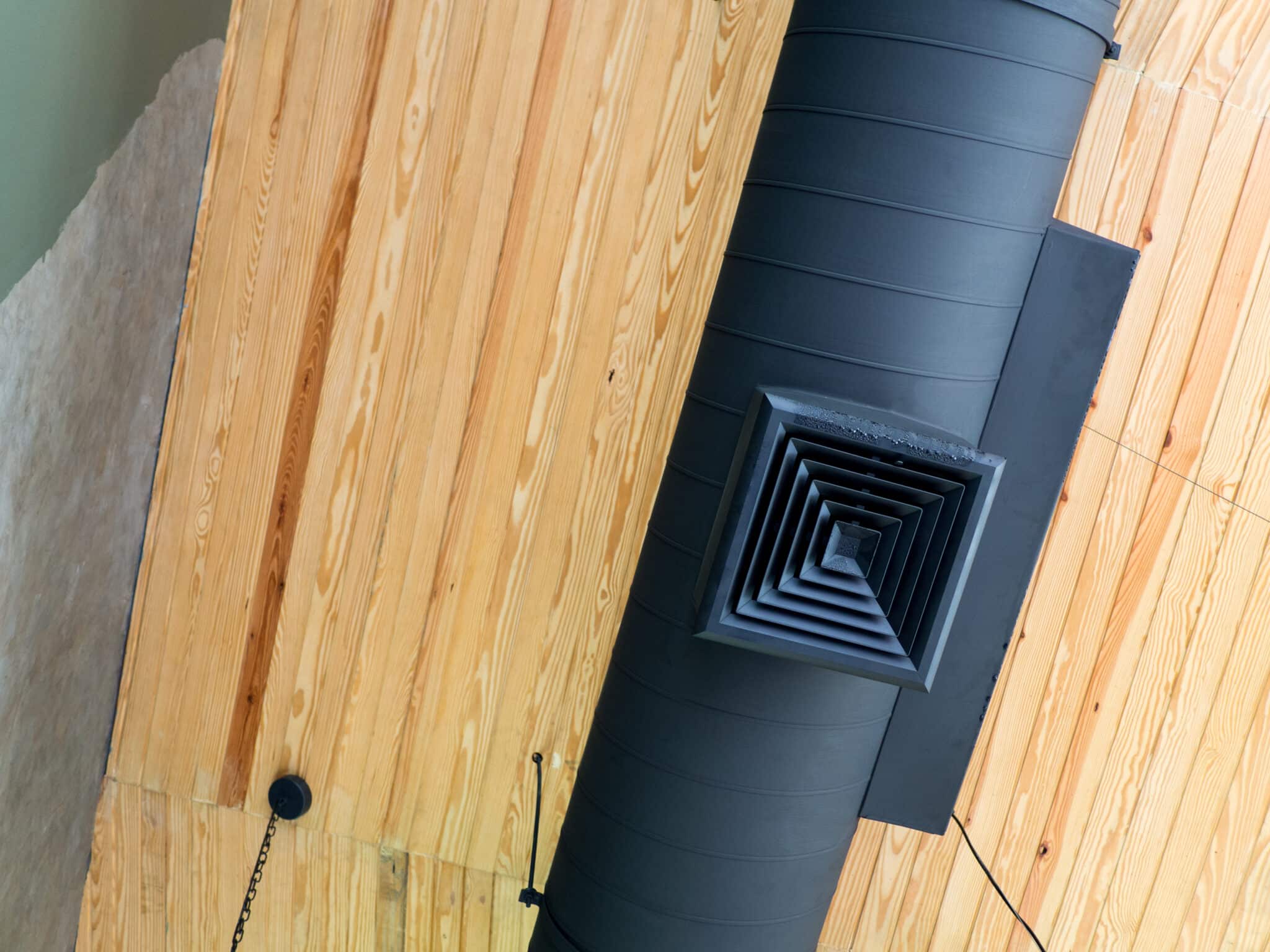
Maintaining clean indoor air is essential, especially during spring when allergens are at their peak. Dust, pet dander, and pollen can accumulate inside, making allergies worse and affecting overall comfort. Proper ventilation helps reduce indoor pollutants and supports a healthier living environment. A well-functioning HVAC system improves airflow while keeping contaminants under control.
-
Increase Fresh Air Circulation
Stale air allows pollutants to build up, causing discomfort. When weather permits, opening windows promotes natural ventilation, but mechanical ventilators provide consistent airflow. A properly ventilated home reduces allergens and prevents indoor air from becoming stagnant.
-
Use Air Purifiers and Dehumidifiers
Air purifiers filter out airborne particles, reducing allergens and dust. Dehumidifiers help maintain ideal humidity levels, preventing mold and mildew. Keeping moisture between 30-50% improves air quality and reduces respiratory issues.
-
Maintain HVAC Efficiency
A clean HVAC system ensures proper ventilation and airflow. Dirty filters and clogged ducts trap pollutants, worsening air quality. Regular maintenance, including filter replacements and duct inspections, improves circulation and system performance.
-
Prevent Excess Humidity
High humidity encourages mold growth, while low levels cause dryness and irritation. Monitoring humidity with smart controls helps maintain balanced indoor air conditions, supporting overall comfort.
Proper ventilation, humidity control, and HVAC maintenance create a healthier indoor environment. One Hour Air Conditioning & Heating of Fort Worth provides expert services to enhance air circulation and improve home air quality.
Prepare for Summer While Managing Spring’s Temperature Swings
March’s unpredictable temperatures signal the need for early preparation before summer arrives. Addressing seasonal changes in advance prevents HVAC inefficiencies, unexpected breakdowns, and rising energy costs. A proactive approach ensures consistent indoor comfort and smooth system performance.
Routine maintenance improves energy efficiency and reduces strain on cooling equipment. Cleaning coils, inspecting refrigerant levels, and replacing air filters support optimal airflow. A well-maintained HVAC system operates efficiently, extending its lifespan while keeping cooling costs manageable.
Optimizing thermostat settings enhances energy savings and ensures stable indoor temperatures. A smart thermostat adjusts automatically based on daily temperature fluctuations, reducing unnecessary strain. Sealing windows and doors prevents conditioned air from escaping, minimizing the workload on cooling equipment.
Preparing now prevents malfunctions during peak summer months. Clearing debris from around the outdoor unit and ensuring proper ventilation keeps airflow unrestricted. Reliable cooling performance throughout seasonal transitions improves home efficiency and enhances comfort.
One Hour Air Conditioning & Heating of Fort Worth provides expert maintenance services, ensuring systems remain efficient through spring’s shifting temperatures and summer’s intense heat.
Conclusion
Temperature swings in Colleyville, TX, and Azle, TX can put added stress on your HVAC system, making maintenance and preparation crucial in March. By replacing air filters, sealing air leaks, scheduling professional tune-ups, and optimizing thermostat settings, you can ensure your unit runs efficiently despite fluctuating temperatures.
A well-maintained HVAC system will not only improve comfort but also extend its lifespan and reduce energy costs. If you need professional HVAC maintenance or repairs, One Hour Air Conditioning & Heating of Fort Worth is here to help. Schedule your spring tune-up today to keep your home comfortable through every season!
FAQS
-
Why is HVAC maintenance important during seasonal temperature swings?
Frequent temperature changes force HVAC systems to work harder, increasing energy consumption and wear. Regular maintenance helps prevent unexpected breakdowns, improves efficiency, and ensures consistent indoor comfort throughout changing seasons. A well-maintained unit runs smoothly, reducing the risk of costly repairs.
-
How often should air filters be replaced?
Air filters should be replaced every 30 to 90 days, depending on indoor air quality. Homes with pets, allergy sufferers, or high dust levels may require more frequent replacements. A clean filter improves airflow, enhances efficiency, and prevents the system from overworking.
-
What thermostat settings improve efficiency during fluctuating temperatures?
Setting the thermostat to 68°F for heating and 78°F for cooling balances energy efficiency and comfort. A smart thermostat can automatically adjust settings based on temperature changes, reducing strain on the HVAC system and lowering energy bills.
-
How can I tell if my air ducts need cleaning?
Signs of dirty air ducts include excess dust, uneven temperatures, weak airflow, and musty odors. Contaminants trapped in the ductwork reduce efficiency and affect indoor air quality. Professional duct cleaning removes buildup, enhances airflow, and improves overall system performance.
-
When should HVAC maintenance be scheduled?
Spring and fall are ideal times for HVAC tune-ups. Routine inspections help detect issues early, optimize system performance, and prepare for extreme seasonal temperatures. Addressing potential problems before peak seasons prevents sudden failures.
Regular maintenance, smart adjustments, and professional inspections keep energy costs low and ensure long-term system reliability. One Hour Air Conditioning & Heating of Fort Worth provides expert services to keep HVAC systems running efficiently year-round.