
HVAC Maintenance for Arlington’s Changing Seasons
Key Takeaways About HVAC Maintenance
HVAC maintenance means routine checks and repairs to keep heating and cooling systems safe and efficient. This guidance is for homeowners and property managers preparing systems for seasonal transitions when problems are most likely.
- Identify unusual smells sounds or visible leaks quickly.
- Prevent sudden failures by testing capacitors and contactors.
- Avoid water damage by inspecting condensate drains and pans.
- Spot airflow issues by checking filters vents and blower operation.
- Reduce energy use by cleaning coils and maintaining clear condenser area.
- Plan professional service before cold weather to avoid emergencies.
Introduction
Arlington homeowners often notice their HVAC system behaves differently as the seasons shift from hot to cool. Heavy summer cooling can leave hidden wear that reduces comfort when temperatures drop. Poor performance can raise indoor humidity, trigger uneven heating, and shorten equipment life. Addressing these issues matters for safety, comfort, and preventing costly breakdowns.
After months of running a cooling system, common problems can appear that are easy to miss. Refrigerant imbalance, clogged condensate drains, and worn capacitors can all show subtle symptoms first. Odd smells, new noises, or higher energy use are early warnings that something needs attention. Ignoring these signs can make repairs take longer and cost more later.
Preparing for the heating season means checking components that rarely get attention during summer. The heat exchanger, thermostat response, and blower motor should all perform reliably before cold nights arrive. A professional inspection can reveal issues that quick visual checks miss. Scheduling service ahead of time reduces the chance of emergency calls during severe Texas weather.
For homeowners in Fort Worth, TX, seasonal transitions often bring rapid temperature swings that stress HVAC systems. A trained technician will inspect the evaporator coil, condensate drain line, and contactor to diagnose problems accurately. They use measurements and visual checks to confirm faults and recommend next steps. Knowing when to call a pro helps keep homes comfortable and safe all year.

Arlington Climate Effects On HVAC Performance
This section explains how Arlington seasonal changes affect HVAC performance and component stress on home systems.
- High summer humidity increases coil load.
- Rapid temperature swings cause cycling stress.
- Extended runtime accelerates capacitor wear.
- Debris and pollen clog outdoor coils.
Hot, humid summers leave residue on the evaporator coil and outdoor condenser coil, reducing heat transfer efficiency. Homeowners often ask whether this buildup can cause higher bills, and yes, dirty coils commonly raise energy use and reduce comfort. A visible film or reduced cooling capacity are common signs that cleaning would help. Technicians commonly inspect coil condition during routine HVAC maintenance visits.
Long summer runs can weaken electrical parts like the capacitor and contactor, leading to intermittent starts or humming noises. Homeowners may notice the system takes longer to reach set temperature, which suggests component fatigue or refrigerant imbalance. A pro will check voltage, capacitor microfarads, and contactor contacts to confirm failures. These tests help prevent sudden breakdowns when temperatures swing.
Condensate drain lines often clog after heavy cooling, which causes slow leaks and musty odors in the home that owners can detect. A technician will inspect the drain, run a water test, and use a wet/dry vacuum or flush to confirm flow. For guidance on seasonal checks and steps you can expect from a service visit, review the HVAC maintenance guide. Regular checks before heating season reduce emergency repairs and keep systems reliable in Fort Worth, TX.
How Summer Cooling Stress Causes Component Wear
Extended summer cooling cycles increase mechanical wear on specific components such as the blower motor, compressor, and fan bearings. Continuous operation leads to heat buildup in the motor windings and accelerated lubricant breakdown in bearings, which causes increased friction and noisy operation. Homeowners may notice higher pitch sounds or a grinding noise when the outdoor unit starts, signaling mechanical stress. A technician will inspect motor bearings and check current draw to confirm abnormal wear patterns.
Electrical parts endure stress from frequent cycling and high ambient temperatures, which shortens the life of capacitors and contactors. Failing capacitors often cause slow starts, repeated attempts to start the compressor, or a humming sound at startup. An HVAC technician will test capacitor microfarads and measure voltage across the contactor to verify whether replacement is needed. Replacing weakened electrical parts before the heating season reduces the risk of total failure during cold spells.
Refrigerant system components also suffer when cooling demand stays high for months, leading to oil breakdown, refrigerant migration, and stressed seals. These conditions can create small leaks or reduce lubricity for the compressor, which shows up as reduced cooling capacity or intermittent cycling. During diagnosis, a pro will check refrigerant pressure with gauges and inspect the evaporator coil and line set for oil stains and frost. Confirming pressures and visual signs helps distinguish refrigerant loss from airflow or compressor issues.
Condensate and drainage components receive heavy load during humid months, increasing blockage risk and corrosion of the drain pan and trap. Slow drainage often produces musty smells and visible water stains near the indoor unit when the system shuts off. A technician will run a water test, inspect the condensate trap, and use a wet/dry vacuum to confirm and clear obstructions. For homeowners scheduling a preventative visit before seasonal change, consider using the provider’s maintenance scheduling page to arrange timely inspection in Arlington, TX and routine checks for properties in Fort Worth, TX.
Typical Problems After Heavy Cooling Use Explained
After heavy cooling use, restricted airflow often appears due to torn or clogged return grilles and dirty filters that reduce system efficiency. You may notice weaker supply air at vents or rooms that do not cool or heat evenly, which signals airflow problems needing inspection. A technician inspects the blower motor, return grille, and supply plenum, measuring static pressure and airflow to confirm restrictions. Fixing duct leaks, replacing filters, or cleaning the blower can restore proper circulation and reduce compressor run times.
Compressor stress can lead to short-cycling or longer run times when internal wear or oil loss affects performance, and those changes can be subtle at first. Homeowners might hear more frequent on-off cycles or longer runtimes even when set temperatures seem steady, which suggests possible compressor or control issues. A pro will check refrigerant pressures, measure current draw, and observe startup behavior to diagnose compressor condition. Correct diagnosis helps determine whether repairs, refrigerant recharge, or component replacement is necessary.
Condensate system failures may show up as water stains, higher indoor humidity, or musty smells around the indoor unit after months of winter. Technicians perform a water test, inspect the trap and drain line, and use a wet/dry vacuum or camera inspection to locate clogs and confirm flow. Corroded drain pans or disconnected trap fittings also cause slow leaks that require component replacement or secure reattachment. Addressing the drain promptly prevents mold growth and protects ceilings and floors from water damage.
Electrical component fatigue often causes intermittent starts, humming noises, or the outdoor fan failing to spin, which homeowners can observe during startup periods. A technician will test the capacitor with a multimeter, measure voltage at the contactor, and inspect wiring and terminal connections for heat damage or corrosion. Replacing weakened capacitors or tightening connections usually restores reliable starts and prevents hard-starting conditions. For a full seasonal preparation list, consult the HVAC seasonal preparation checklist to plan repairs and inspections before Texas cold weather arrives.
HVAC Maintenance Checklist For Transitioning Seasons
Start with a basic visual and operational check for obvious issues that affect seasonal performance. Inspect air filters and replace or clean them to restore airflow and indoor air quality. Look for visible signs of condensate leaks around the indoor cabinet and under supply registers. Verify the thermostat runs through heating schedules and responds to setpoint changes promptly.
- Test supply and return vents for consistent airflow.
- Check condensate drain for visible blockages or standing water.
- Inspect electrical terminals for loose connections or corrosion.
- Listen for unusual startup noises from the outdoor unit.
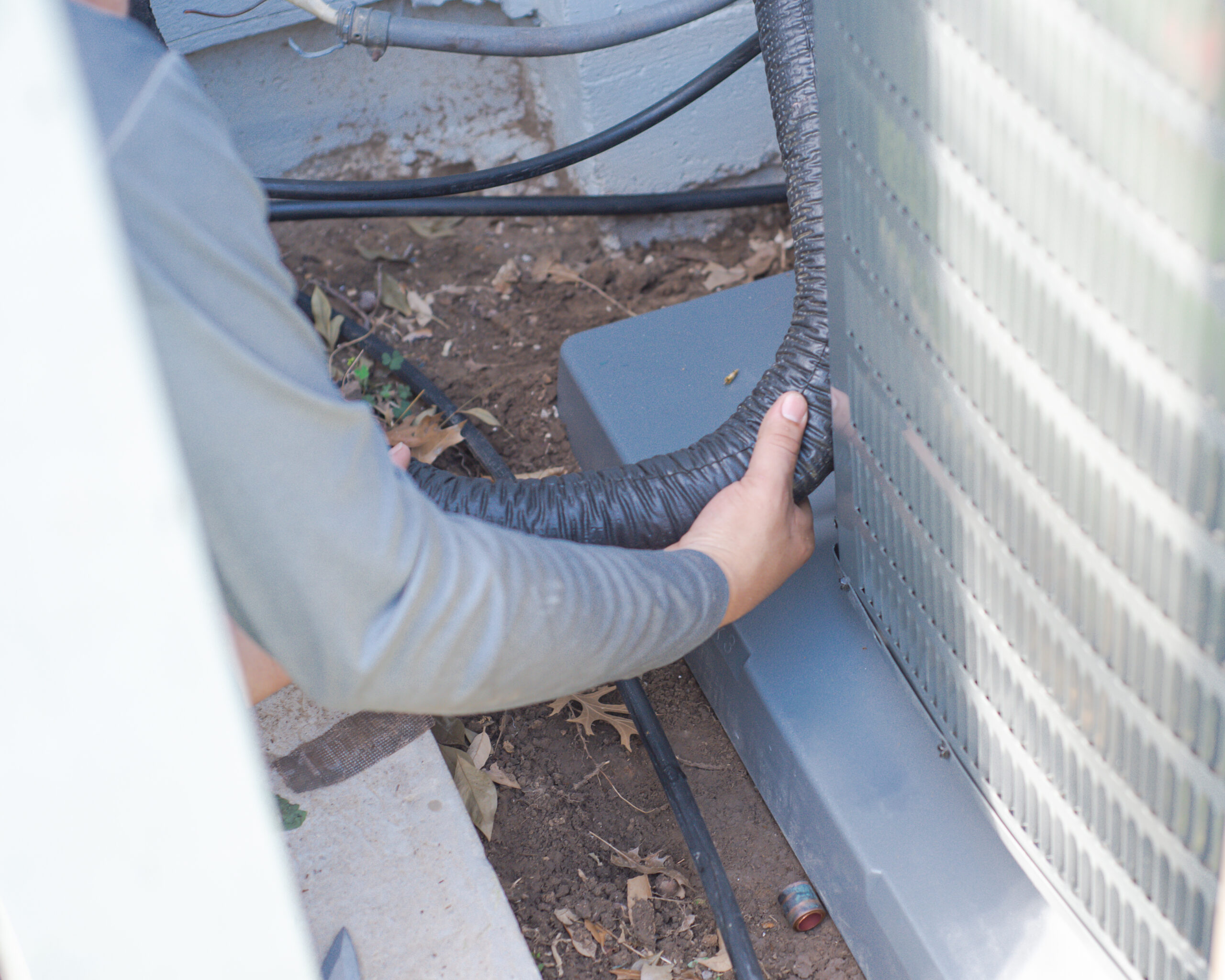
Next, perform component-level checks that catch wear from heavy cooling months. Observe blower operation and feel for steady, strong airflow from vents while the system runs. Check the outdoor condenser coil for debris that reduces heat transfer and clear loose material carefully. Confirm the refrigerant line insulation is intact and not saturated or damaged.
Include a safety-focused inspection before switching to heating mode this season. Inspect the heat exchanger visually for cracks or heavy rust and watch for odor changes during operation that may indicate combustion issues. Test safety controls such as the limit switch and high-pressure cutout to ensure they operate reliably. If any safety issue appears, stop further use and contact a professional for immediate diagnosis.
Record basic readings and note anything a technician should verify during a service visit. Measure return and supply temperature difference to estimate system efficiency and note unusually large deltas. Photograph any visible corrosion, oil stains, or damaged insulation for technician reference. When ready to schedule a professional tune-up, consider the provider’s spring HVAC checkup to book a detailed inspection Texas homes
When To Call A Professional HVAC Maintenance Service
Call a professional when you notice persistent performance loss that simple checks do not fix, such as uneven heating despite airflow seeming normal. A technician will perform targeted diagnostics like measuring refrigerant pressure and checking blower motor current to confirm the root cause. They also inspect the heat exchanger and electrical connections under load to reveal issues not visible during a quick homeowner check. Prompt professional attention reduces the risk of emergency failures once temperatures drop.
If you detect new smells, frequent cycling, or unusual vibration that do not resolve after filter replacement, schedule service for a closer look. During a visit, a pro will test the capacitor microfarads, examine the contactor, and take voltage readings to verify electrical health. They may also run a coolant pressure test and inspect the evaporator coil for oil or frost patterns that suggest a refrigerant leak. These diagnostic steps help prioritize repairs and prevent repeat problems in the heating season.
Call ahead if condensate water appears near the indoor cabinet again after you cleared the drain yourself, since recurring clogs often hide deeper issues. A technician will use a wet/dry vacuum and may perform a camera inspection of the drain line to locate stubborn blockages or sagging sections. They will inspect the condensate trap and pan for corrosion that could require component replacement to stop leaks. Resolving persistent drainage faults prevents mold growth and protects ceilings and floors from water damage.
Schedule professional maintenance before cold weather if the system shows reduced capacity after extended cooling months, or if startup sounds change noticeably at lower temperatures. The pro will verify thermostat calibration, test safety controls, and measure temperature split to confirm heating readiness for seasonal demand. If adjustments or part replacements are needed, they’ll provide a written report with observed readings and recommended next steps for your records. Homeowners in Arlington, TX and property managers in Fort Worth, TX often find scheduled tune-ups reduce emergency calls during sudden cold snaps.
Preparing Your Heating System Before Cold Weather
Begin by switching the thermostat to heat and observing startup behavior for at least one full cycle to catch intermittent faults early. Listen for unusual rattles or delays in ignition that suggest a failing blower motor or control board. Check that supply vents warm evenly within five to ten minutes of startup to confirm heat distribution. If the thermostat fails to call for heat or shows erratic readings, consider a professional calibration or sensor check.
Inspect visible sections of the heat exchanger area for soot, heavy corrosion, or loose seams that can indicate combustion issues needing further testing. Watch for persistent fuel odors or a sudden metallic smell when the furnace runs, and turn the system off if such odors persist. A technician will typically perform a combustion analysis and visual heat exchanger inspection to verify safe operation. These diagnostics help prevent carbon monoxide risk and ensure burners operate cleanly.
Check the condensate and drainage when the system operates in heating mode, as some condensing furnaces produce water during startup that can reveal blockages. Look for dampness around the furnace base and verify the condensate trap and line are clear and pitched correctly for flow. If you notice pooling or slow drainage, a technician may use a wet/dry vacuum or camera inspection to confirm obstruction location. Proper condensate flow prevents water damage and microbial growth inside the cabinet.
Confirm the blower motor and fan deliver steady airflow by testing vents and feeling for consistent pressure while the system runs. Reduced airflow may indicate belt wear, motor bearing issues, or a failing capacitor that needs measurement under load by a pro. An HVAC technician will measure amp draw and inspect electrical terminals to diagnose motor stress accurately. Documenting these observations helps the technician prioritize repairs during a scheduled visit.
Warning Signs Homeowners Should Never Ignore
Sharp changes in system sound or persistent clicking during startup can point to electrical or relay failures that need a technician’s tests. A professional will measure voltage at the contactor and test the capacitor to confirm intermittent faults. If you smell burning plastic or notice a hot electrical panel near the furnace, stop the unit and call for inspection immediately. These signs often indicate overheating connections or failing components that pose a safety risk.
- Continuous short cycling during warm-up.
- New burning or metallic smells while the system runs.
- Visible water pooling near the indoor unit.
- Vents blowing cool air when heat is expected.
Unexpected rises in indoor humidity during heating operations can signal blocked condensate flow or a failing heat exchanger condensation path. A technician will inspect the condensate trap, run a water flow test, and use a camera if needed to pinpoint the blockage location. If you notice uneven warmth between floors or rooms becoming unusually cold, that suggests duct restriction or a failing blower motor. Pros check supply plenum pressure, measure static pressure, and test blower amp draw to diagnose airflow faults accurately.
Repeated failure to start or a slow, labored startup often reveals a weak capacitor or failing motor bearing that requires measurement under load. During diagnosis, a pro will use a multimeter to check capacitor microfarads and a clamp meter to record starting amps. Sudden soot, yellow flames, or a persistent fuel odor during burner operation require immediate shutdown and inspection due to combustion safety concerns. Homeowners should treat these combustion cues as urgent and arrange professional service through the provider’s guidance on what to watch for with heating and AC repair.
DIY Care Tips To Extend System Lifespan
Change filters regularly to reduce strain on the blower and maintain airflow. Check reusable filters for trapped dust and rinse or replace them according to manufacturer guidance. Inspect return and supply grilles for visible blockages and remove lint or pet hair that restricts flow. Proper filter care helps prolong motor life and keeps indoor air cleaner between professional visits.
Keep the outdoor condenser area clear of leaves, grass, and debris that limit heat rejection. Trim vegetation to allow at least two feet of clearance and gently remove loose debris from coil surfaces. When the unit is off, use a soft brush to clear fins without bending them and avoid spraying high-pressure water directly on fins. Clear surroundings improve efficiency and reduce run times during transitional weather.
Monitor condensate lines and the pan for slow drainage or algae growth during humid months and early heating season. Pour a cup of white vinegar or a recommended cleaning solution into the overflow access to slow biological buildup and flush with water afterward. Inspect visible drain fittings for secure attachment and correct slope so water flows freely away from the cabinet. Preventing water backup reduces mold risk and helps maintain cabinet integrity.
Test your thermostat schedule and batteries before the heating season to ensure accurate control and predictable cycles. Clean the thermostat face and verify it sits away from direct sunlight or drafts that skew readings. If your thermostat supports simple calibration, compare room temperature with a reliable thermometer and adjust as needed for better comfort control. Correct thermostat behavior reduces unnecessary cycling and helps systems run as intended.
Check accessible electrical terminals for obvious signs of overheating like melted insulation or discoloration and tighten loose screw terminals when the power is off. Listen for unusual bearings or motor noises that suggest lubrication or replacement is needed and note them for the technician. Keep a simple log of observations such as strange smells, runtimes, and unusual noises to share with a professional during service. For guidance on how regular professional care complements these steps, review the importance of regular HVAC maintenance service and how it can help you avoid excessive AC repair for homes in Arlington, TX and properties in Fort Worth, TX.
Frequently Asked Questions
How does HVAC maintenance prevent winter breakdowns?
Regular HVAC maintenance catches worn parts like capacitors, contactors, and belts before cold weather stresses systems and causes failure. Technicians clean evaporator coils and clear condensate drain lines to restore airflow and prevent icing or water damage. They check heat exchangers, gas connections, and ignition components for leaks or cracks that risk unsafe operation. If you smell gas or notice carbon monoxide alarms, stop using the system and call a professional immediately.
What warning signs mean you need HVAC maintenance now?
Listen for unusual noises like grinding, rattling, or loud cycling that suggest motor, blower, or capacitor issues needing HVAC maintenance. Noticeable drops in cooling or uneven room temperatures often mean a clogged filter, low refrigerant, or airflow restriction. Water pooling, visible rust on coils, or a blocked condensate drain signal a moisture problem and potential mold risk, stop the system and call a professional. If the thermostat behaves erratically or breakers trip when the system runs, contact a technician to inspect electrical components and ensure safe operation.
Why does my system smell or cycle after heavy cooling?
Smells after heavy cooling often come from mold or bacterial growth on the evaporator coil or in the condensate drain. Cycling or short cycles can result from a dirty filter, restricted airflow, or an overworked compressor. A technician will inspect the evaporator coil, condensate drain line, blower motor, and refrigerant pressures during HVAC maintenance to confirm the cause. If you smell burning or detect electrical odors, turn off the system and call a professional immediately for safety.
When should a pro inspect the heat exchanger?
Have a professional inspect the heat exchanger annually before heating season to catch cracks or corrosion that worsen with use. If your system showed yellow burner flames, soot, or a persistent gas smell, schedule an immediate inspection for safety. Listen for new pops, rattles, or decreased airflow after heavy cooling months and call a pro to check the exchanger and heat exchanger seals. A cracked heat exchanger can leak combustion gases; do not attempt to test or repair it yourself and always hire a qualified technician.
How do clogged drains and coils affect system performance?
Clogged condensate drains cause water backups that trigger safety switches and force the system to shut down unexpectedly. Dirty evaporator coils reduce heat transfer, making the air conditioner work harder and lowering efficiency. Both issues raise energy use, shorten component life, and can lead to mold or musty odors in the home. If you see standing water, persistent odors, or reduced cooling, stop use and contact a professional for safe inspection and HVAC maintenance.