

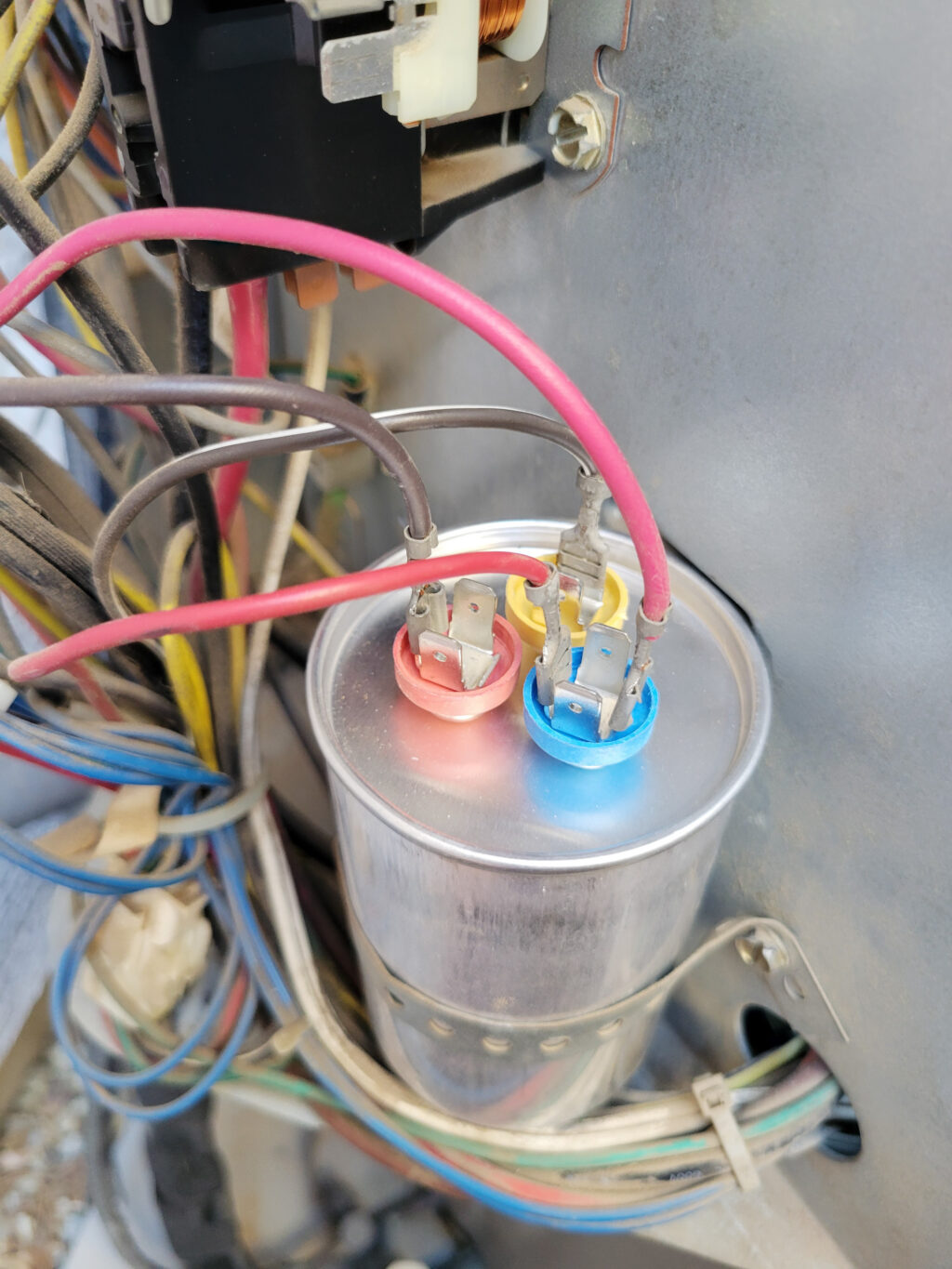
Compressor Relay Swap to Cure Random Shutdowns
Key Takeaways About Compressor Relay Swap
A compressor relay swap replaces the small electrical switch that tells the compressor when to start and stop. This summary is for homeowners and property managers who notice random AC shutdowns and need to know when to act.
- Identify clicking sounds and short cycling as early warning signs.
- Prevent overheating by keeping terminal connections clean and tight.
- Avoid live electrical work and contact a licensed technician for testing.
- Spot scorch marks and melted insulation near relay terminals quickly.
- Reduce compressor stress by confirming stable coil and contact voltages.
- Plan for follow up checks of capacitor contactor and wiring.
Introduction
A failing relay can make an otherwise healthy air conditioner shut down without warning, leaving a home unexpectedly warm. Relays are small electrical switches that tell the compressor when to run and when to stop. When a relay fails the compressor loses reliable control and the system can cycle erratically. That erratic cycling raises wear on the compressor and can lead to larger repairs.
Relays fail for a few clear reasons such as heat stress, electrical arcing, and worn contacts inside the relay. Those failures often start as intermittent problems that show up as random shutdowns or odd timing between cooling cycles. Homeowners notice the pattern when cooling stops mid-cycle or the outdoor unit refuses to start. Recognizing those cues matters because early action can prevent compressor overload and motor damage.
Signs to watch for include clicking at the outdoor unit, frequent short cycles, and a compressor that hums but does not start. You may also see scorch marks around the relay socket or feel excessive heat at the service panel. These observations give clues but do not confirm the relay as the single cause. A professional diagnosis helps separate relay problems from capacitor, contactor, or control board issues.
For properties in Fort Worth, TX a timely relay swap can restore stable compressor control and stop random shutdowns before they worsen. In Colleyville homes a failing relay often shows the same symptoms and needs the same careful inspection. Replacing the relay returns the compressor to normal command signals and reduces risk of repeated hard starts. If you see the warning signs it is wise to contact a trained HVAC technician for safe diagnosis and repair.
How The Compressor Relay Works And Why It Fails
A compressor relay is an electrical switch that tells the compressor when to start and stop.
- It routes the 24V thermostat signal to the compressor contactor.
- It opens when the call for cooling ends.
- It can suffer burned contacts from arcing.
- It may stick closed, causing long runtimes.
The relay sits between the thermostat circuit and the compressor motor contactor and receives constant electrical stress during operation. Heat from the outdoor cabinet and frequent on/off cycles accelerate wear on relay contacts. A homeowner might ask if a relay can cause random shutdowns, and the short answer is yes because intermittent contact will cut power unexpectedly. Technicians inspect the relay socket and contact surfaces to see pitting or discoloration that indicates contact failure.
Relays often fail for mechanical contact wear, electrical arcing, coil burnout, or loose wiring at terminals. Worn contacts increase resistance, which produces heat and can burn the relay housing or terminal block. A simple diagnostic check records voltage at the relay coil and across the contacts while the thermostat calls for cooling. This verifies whether the relay follows the control signal or drops out under load.
Professionals confirm relay problems by observing symptoms, performing continuity tests, and checking voltage under load with a multimeter. They also inspect the capacitor and contactor because those parts cause similar symptoms and can mask a relay fault. For damaged terminals and connection issues a related repair is compressor terminal repair which technicians may perform alongside a relay swap. In Colleyville and other nearby properties a relay swap often restores consistent compressor control and prevents further random shutdowns in Fort Worth, TX.
Common Causes Of Random Compressor Shutdowns
Motor overload trips can cut power to the compressor suddenly when current spikes during a hard start or stalled rotor. Thermal overloads in the compressor or the contactor produce heat that opens the protector before the relay has a chance to react. A failing relay can make these trips appear random by creating high-resistance connections that raise current draw under load. A technician checking the system looks for repeated overload reset history and measures running amps while the unit attempts to start.
Loose or corroded wiring at the relay terminals and compressor lugs causes intermittent loss of contact that mimics relay failure. Vibration from the outdoor unit can loosen terminal screws over time, and oxidation creates resistance hot spots. These faults often produce visible discoloration or melted insulation around terminals during inspection. A pro will tighten connections and use a multimeter to verify steady voltage during a cooling call.
Capacitor weakness often shows as a compressor that hums and then shuts down, which homeowners may blame on the relay. A weak start capacitor reduces starting torque and increases current draw, causing overloads that stop the compressor mid-cycle. Technicians swap in a known-good capacitor or test with a capacitance meter before replacing the relay to avoid unnecessary parts changes. For winding insulation concerns they may perform a compressor megohm test to check the motor before continuing with relay work.
Control board glitches or shorted thermostat wiring can interrupt the 24V control signal and cause the relay to drop out unexpectedly. Intermittent low-voltage wiring faults sometimes occur inside the thermostat or at the furnace control board terminals. A professional traces the 24V circuit, checks continuity, and watches the relay coil voltage while cycling the system. Confirming the control signal rules out the relay as the primary cause of random shutdowns.
Mechanical contact wear inside the contactor or relay produces arcing that grows over time and then opens under load without warning. Arcing leaves pitted metal and combustion-like smell near the outdoor unit that homeowners may notice. During diagnosis a technician compares contact resistance and performs voltage drop tests across the contactor and relay. Finding high resistance guides the decision toward a compressor relay swap or replacing the contactor to restore reliable compressor control.
Key Warning Signs A Relay Is About To Fail
Look for a steady increase in clicking frequency at the outdoor unit before complete failure, since repeated click patterns often precede relay breakdown. Owners may hear a rapid sequence of clicks that happens when the thermostat cycles on and off quickly during attempts to start the compressor. Technicians interpret that sound as the relay coil energizing and dropping out under load, which signals failing contacts or a weak coil. If you notice this noise pattern, document when it happens and which thermostat settings trigger it.
Temperature and burn smells near the service panel or outdoor disconnect indicate overheating at relay terminals and should not be ignored. Homeowners sometimes report a faint toasted odor at the outdoor unit that becomes stronger during a failed start attempt. A professional inspects the relay housing and terminal block for melted plastic, discoloration, or scorched insulation to locate hot spots. Those visual cues help point to high resistance at connections rather than only a control board fault.
For example, a homeowner notices short cycles and a faint burn smell, a pro measures voltage at the relay coil and across contacts while the system tries to start, confirming voltage drop and pitting under load.
Intermittent compressor hum without rotation but with circuit breaker remaining closed is a classic sign that control is incomplete and relay contacts may be failing. This differs from a blown capacitor because the relay will show inconsistent voltage under load while the capacitor might test out of spec on a meter. A trained technician checks continuity across the relay contacts and measures amp draw during start attempts to separate relay faults from motor or capacitor issues. Recording those readings guides whether a compressor relay swap is the appropriate repair.
Visible arcing marks or carbon buildup inside a relay socket tell a clear story of contact erosion causing unreliable switching performance. Vibration and heat accelerate this erosion, making contact surfaces rough and increasing start resistance progressively. During inspection, pros use a multimeter to test for increased contact resistance and may remove the relay to examine contact faces directly. Finding pitting or carbon traces almost always leads to replacing the relay to restore dependable compressor control.
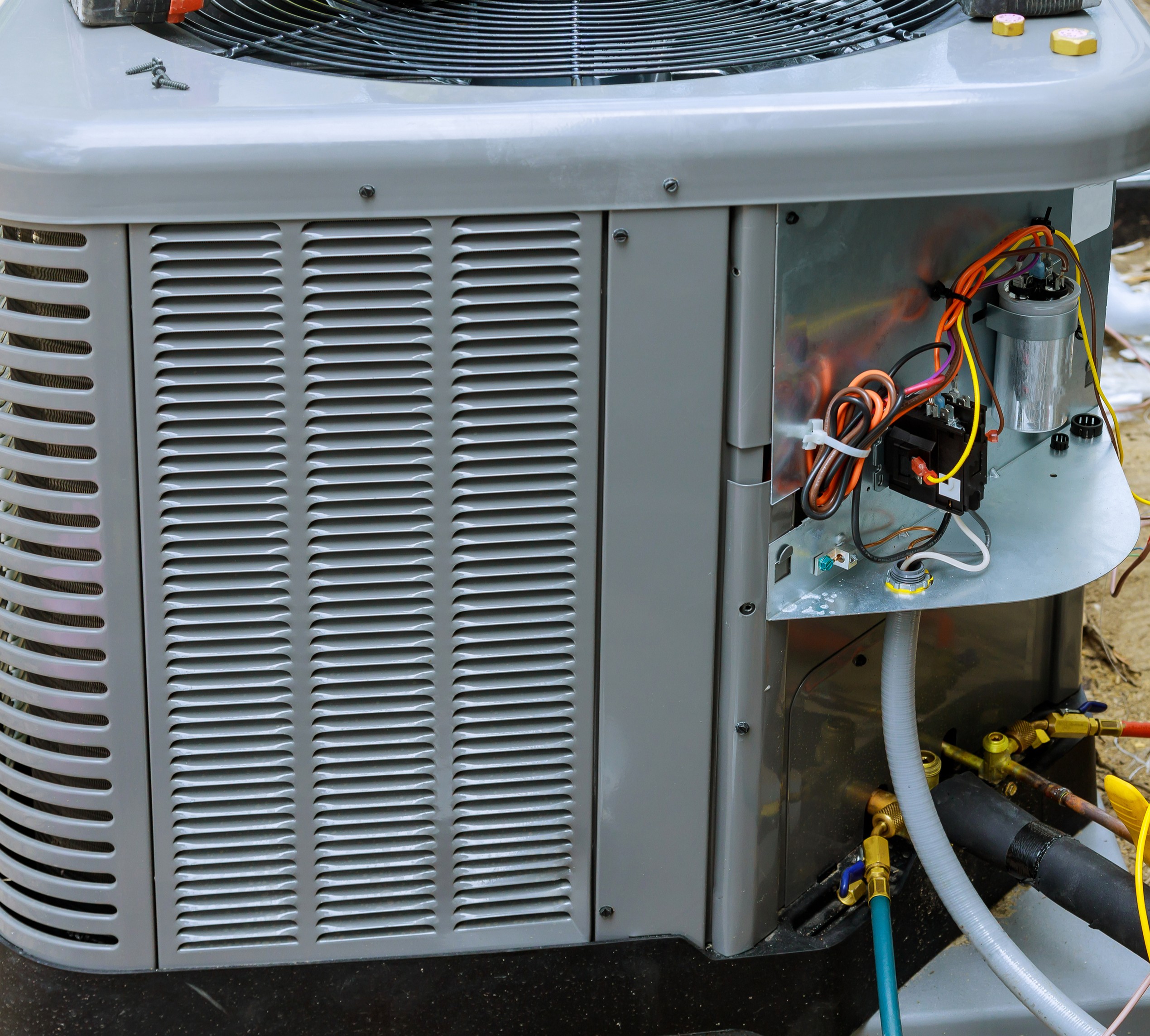
Compressor Relay Swap Step By Step Guide
Begin by turning power off at the outdoor disconnect and the indoor service panel to prevent accidental starts during the swap. Verify power is off with a non-contact voltage tester at the compressor terminals and the relay coil wires before touching anything. Take clear photos of the relay wiring and terminal labels to match colors and positions during reinstallation. Wear insulated gloves and safety glasses while working near the contactor and compressor lugs.
- Remove the relay cover to expose the socket and terminals.
- Label each wire with tape and a marker before disconnecting.
- Test the old relay coil for continuity with a multimeter.
- Compare contact resistance to manufacturer guidance if available.
- Install the replacement relay into the socket firmly and reconnect wires.
Inspect the relay socket and surrounding wiring for heat damage or melted insulation before inserting the new relay. Clean any corrosion or carbon deposits on terminal screws and use a small brush to remove debris from the socket area. If lugs or wire ends are badly damaged, trim and re-strip to expose clean conductor for a secure connection. Tighten terminal screws to manufacturer torque guidance when possible to avoid loose connections that cause resistance heating.
After installing the replacement, restore power and run a controlled cooling call from the thermostat while watching the outdoor unit. Measure coil voltage and contact voltage under load with a multimeter to confirm the relay holds under starting current. Listen for steady compressor engagement without rapid clicking or drop-outs that indicate remaining issues. If readings show voltage drop or the compressor still struggles to start, shut power off and inspect the capacitor and contactor next.
Document your test results with notes and photos for future reference and handed to a technician if further service is needed. In Colleyville situations a homeowner can use this documentation when seeking professional help to speed diagnosis. For Fort Worth, TX properties planning follow-up service, include voltage measurements and observed symptoms in the repair request. If you feel unsure at any step, contact a licensed HVAC technician for safe completion and verification.
When A Compressor Relay Swap Fixes The Problem
A compressor relay swap will fix random shutdowns when the relay is the single point of failure and other components test good. A successful swap restores reliable switching if coil continuity and contact surfaces were the only defects causing voltage drop under load. Technicians confirm success by measuring steady coil voltage and stable contact voltage during multiple start attempts after the replacement. If readings remain steady and the compressor runs normally, the relay swap resolved the control interruption.
Sometimes the swap reveals secondary issues that were masked by the bad relay, such as loose terminal screws or heat-damaged wire ends needing repair. In those cases replacing the relay plus repairing the wiring completes the restoration of compressor control and prevents recurrence. A professional will recheck amp draw during start and run to ensure the compressor does not draw excessive current after the swap. Recording these measurements provides a clear before-and-after verification for the homeowner.
When a relay swap does not stop random shutdowns, the problem often lies in the start capacitor, contactor, or intermittent low-voltage wiring in the control circuit. Technicians will then perform targeted tests such as capacitance checks, contactor contact resistance measurements, and tracing the 24V thermostat circuit. These additional checks avoid repeated relay replacements and identify the actual failing component behind continued shutdowns. Homeowners should expect the technician to explain those next diagnostic steps if the relay swap is not curative.
For homes in Colleyville a swap often helps when visual contact damage and voltage drop confirm the relay as the fault, and the same applies for many properties in Fort Worth, TX. If you still see the outdoor unit fail to start after a relay swap consult troubleshooting resources or schedule professional help using the AC not turning on guidance. Prompt follow-up prevents repeated hard starts and reduces the chance of compressor motor damage from unresolved electrical faults.
When To Call A Professional Service For Relay Issues
If the system shows repeated hard starts despite a relay swap, call a professional immediately to avoid compressor damage. A technician will perform live voltage drop tests and compare amp draw during multiple start attempts. They will also inspect compressor terminals, contactor, and start capacitor for hidden faults. Bringing measured readings helps the technician confirm the root cause quickly.
Contact a pro when you detect burning smells, visible melted insulation, or scorched terminal faces that suggest overheating beyond simple relay wear. These signs point to high-resistance connections or failing components that require trained hands to repair safely. A qualified technician will isolate the low-voltage thermostat circuit and test the relay coil under controlled conditions. This prevents unsafe handling and reduces the chance of repeating the same failure.
Call for service if the outdoor unit intermittently hums without starting and the circuit breaker does not trip, since that pattern can hide motor or capacitor problems. The technician will run capacitance tests and use an amp clamp to observe starting current in real time. If those results show abnormal values, they will recommend replacing the failing component alongside any relay work. Documented test results also support clearer repair decisions for the homeowner.
When troubleshooting becomes time consuming or reveals multiple marginal components, schedule professional assistance to save time and avoid misdiagnosis. A pro will provide a written inspection report with voltage readings, resistance measurements, and observed symptoms. For detailed HVAC service guidance, share those findings with the technician and consult resources like the AC repair guide to plan follow-up repairs.
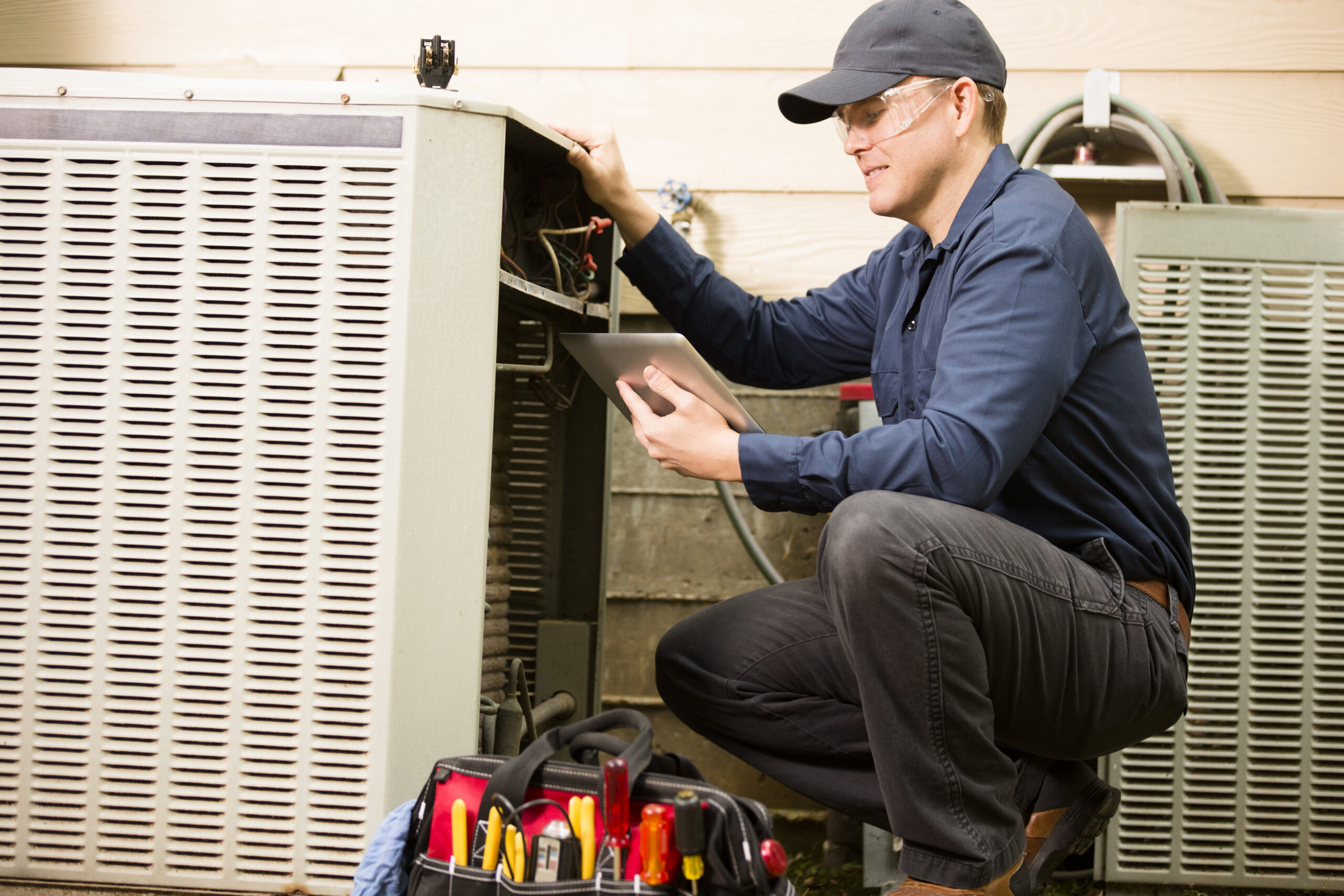
How To Prevent Relay Failures With Maintenance
Regular preventive maintenance reduces relay stress by keeping electrical connections clean and tight, which prevents heat buildup at terminals. Technicians inspect and tighten terminal screws to maintain low resistance and avoid hot spots. They also look for insulation damage and replace any worn wire ends to prevent arcing. Homeowners should record maintenance dates so technicians can spot recurring problems faster.
- Schedule annual HVAC electrical inspections.
- Ask for tightened and cleaned relay connections.
- Request capacitor and contactor checks during service.
- Keep the outdoor unit free of debris and shade.
Monitoring system runtime patterns helps catch intermittent relay degradation before failure occurs. Install a smart thermostat or use runtime logs to note unusual short cycles or frequent starts. Share those runtime records with a technician during service visits for targeted inspection. This data helps prioritize a compressor relay swap only when necessary.
During maintenance, professionals perform voltage drop tests and coil continuity checks under load to confirm relay health. They also inspect the contactor, start capacitor, and compressor lug condition for related stress signs. If any readings fall outside normal ranges, the technician documents findings and recommends corrective action. For homeowners, keeping a maintenance log improves diagnosis speed during service calls.
Simple homeowner actions between services reduce relay failure risk and prolong component life. Keep vegetation and debris away from the outdoor cabinet to improve airflow and lower internal temperatures. Avoid making control or electrical repairs yourself and call a licensed technician when you detect burning smells or visible terminal damage. Homeowners benefit from scheduled inspections to prevent unexpected compressor shutdowns and costly downstream repairs.
Costs Risks And Benefits Of A Relay Swap
A relay swap often brings immediate operational benefit by restoring consistent control signals to the compressor and stopping random shutdowns that disrupt comfort. Replacing a worn relay reduces electrical arcing at contacts and lowers the chance of heat-related damage to adjacent wiring. The repair also shortens diagnostic time for technicians who can verify clear voltage readings after the swap. Homeowners should weigh this practical benefit against any remaining system issues that may require follow-up repairs.
There is modest risk during a swap if hidden damage exists at compressor lugs, contactor, or start capacitor that the new relay will not fix. A professional will inspect for scorched terminals and damaged insulation before completing the job to reduce that risk. If the technician finds degraded wiring they will recommend repair so the new relay does not fail prematurely. Addressing these related faults at the time of the swap improves long-term reliability.
Another benefit is lower wear on the compressor when reliable starting is restored, which helps avoid repeat overload trips and motor stress during startup. Technicians often measure starting amps and running current after a swap to confirm the compressor operates within safe parameters. If abnormal amp draw persists, the tech moves on to capacitor or motor testing to prevent misattributing failure solely to the relay. Documented readings give homeowners clear evidence of improved electrical performance.
Performing a relay swap also creates a good opportunity to inspect safety accessories and upgrade controls that reduce future failures. For example, while assessing the outdoor unit a technician may recommend a condensate safety switch upgrade or other control improvements that protect the system during abnormal conditions. Including such preventive measures during service reduces repeat callbacks and lowers long-term repair frequency. Homeowners in Colleyville and Fort Worth, TX should consider combined electrical and safety checks when scheduling relay work.
Frequently Asked Questions
Can a compressor relay swap stop random AC shutdowns?
Yes—a compressor relay swap can stop random AC shutdowns when a failing relay causes intermittent power interruption to the compressor. Technicians confirm relay failure by checking voltage at the contactor and testing for burnt or pitted relay contacts. If the relay is the cause, replacing it restores consistent compressor control and often stops unexplained cycles. If you suspect electrical failure, exercise caution and hire a licensed HVAC technician to avoid shock or wiring damage.
What are early signs that the relay is about to fail?
Early signs include the compressor cycling on and off irregularly or the system struggling to start despite a normal thermostat signal. You may hear rapid clicking or a faint buzzing from the contactor or relay near the outdoor unit. A technician can confirm relay wear by checking voltage at the contactor and continuity across the relay coil during a diagnostic. If you smell burning or see scorch marks, stop the system and call a professional because electrical hazards require trained handling.
How does a technician confirm the relay causes the issue?
The technician first observes symptoms like random compressor shutdowns, clicking noises, or failed start attempts while the system runs. They check voltage at the relay and compressor with a multimeter to confirm control signal presence and absence. Next they test continuity and coil resistance on the relay and may swap in a known-good relay to see if the compressor control returns. If live electrical work is required, they caution homeowners and recommend a qualified professional perform the Compressor relay swap.
When should I replace relay versus capacitor or contactor?
Replace the relay when the compressor intermittently loses power but the capacitor and contactor test within normal ranges. Choose a capacitor replacement if the compressor struggles to start, hums, or draws high current during startup. Replace the contactor if you see pitted or welded contacts, arcing, or if the relay and capacitor check good but switching fails. If you are unsure or see scorch marks or live-voltage issues, stop and call a professional for safe diagnosis and repair.
Will a compressor relay swap prevent future hard starts?
A compressor relay swap can fix hard starts when the relay itself fails or the start circuit is weak. However, hard starts can also come from a failing capacitor, low refrigerant, or mechanical compressor wear. If symptoms persist after a relay swap, a technician should test the start capacitor, measure voltages, and check refrigerant pressure. For safety and accurate diagnosis, call a licensed HVAC professional rather than attempt live electrical tests yourself.