


Electronic Air Cleaner Service for Better IAQ
Key Takeaways About Electronic Air Cleaner Service
An electronic air cleaner service means cleaning collector cells and checking electrical components to keep particle capture effective. This information is for homeowners and property managers who notice dust smells or reduced airflow and need guidance on when to act.
- Identify dirty collector cells that block airflow and reduce efficiency.
- Prevent electrical faults by inspecting wiring and tightening terminal screws.
- Avoid power supply failures by verifying voltage under normal operating load.
- Spot smells sounds or flickering lights that indicate electrical issues.
- Reduce recontamination by cleaning plates and ensuring proper plate spacing.
- Plan regular inspections and record readings to track performance trends.
Introduction
Electronic air cleaner service keeps the air moving through your ductwork clean and reduces particles that aggravate allergies. Dirty collector cells and loose wiring can cut an electronic cleaner’s efficiency by a large margin. When power supplies fail or are unreliable, the unit cannot trap contaminants as intended. Homeowners often notice worse indoor air quality before they suspect the cleaner itself.
Collector cells trap dust, pollen, and smoke by charging particles so they stick to metal plates. Over time those plates build up and airflow drops, putting more load on the HVAC blower. Frayed or corroded wiring can interrupt the charging process and create intermittent operation. These electrical issues also increase the chance of nuisance tripping or component damage.
Verifying the power supply ensures the cleaner gets stable voltage and current for consistent performance. Professionals look for proper grounding and secure terminal connections to prevent arcing or loss of charge. Poor connections may produce buzzing, burning smells, or sudden shutdowns that homeowners can hear or smell. Addressing the electrical side restores reliable contaminant capture and safer operation.
For properties in Fort Worth, TX and nearby Benbrook, neglecting the cleaner can let particles spread through the whole house. Visible dust on supply registers and persistent odors are common clues that service is overdue. A targeted inspection of collector cells, wiring, and power supplies resolves many causes of poor indoor air quality. If you notice these signs, contact a professional to evaluate the system safely and accurately.
What Electronic Air Cleaner Service Involves
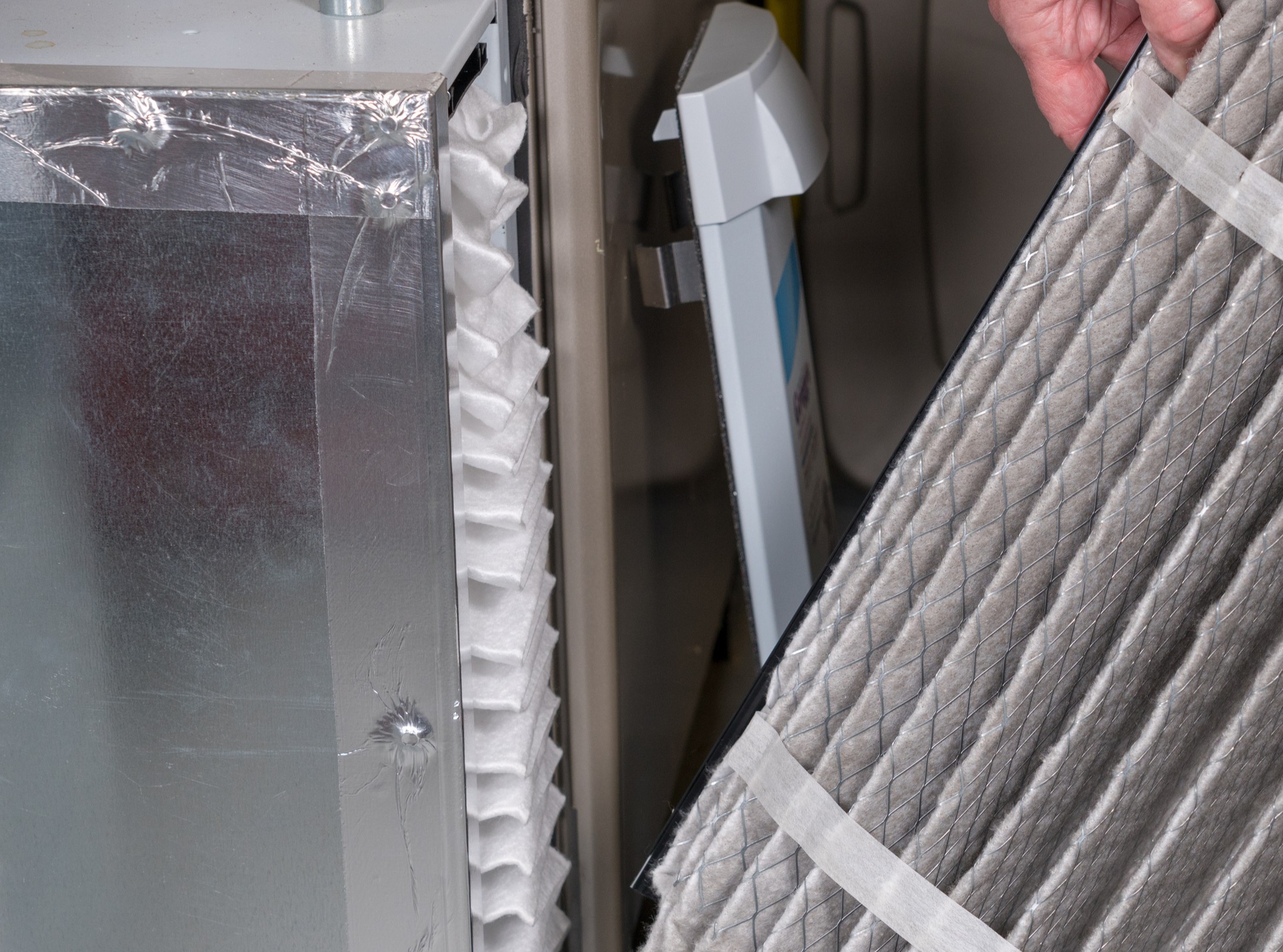
Electronic air cleaner service means cleaning collector cells, inspecting wiring, and verifying power supplies for dependable air cleaning. A technician starts with a visual inspection of the unit and mounting location to note obvious damage. They remove the collector cells to check for heavy buildup, oil, or sticky residues that block airflow. Next, the tech checks the access panels and seals to ensure the unit draws air through the cells properly.
- Remove and inspect collector cells.
- Clean or neutralize accumulated particles.
- Check wiring for corrosion or loose connections.
- Measure voltage and grounding at the power supply.
Service includes a careful wiring inspection using a flashlight and basic electrical tools to find loose or damaged conductors. A common homeowner question asks how professionals confirm faulty wiring, and the answer is simple: they perform continuity and voltage checks. Technicians look for frayed insulation, loose terminal screws, and evidence of overheating at connectors. If any damage appears, they document issues and recommend repair or replacement before reassembly.
Verifying the power supply involves measuring voltage under load and checking grounding for safety and stable operation. Technicians may test the transformer output and ensure the control circuit receives consistent current. They also inspect any control relays or timers that manage the cleaner to confirm proper cycling. Proper power verification prevents intermittent operation and helps maintain capture efficiency.
After cleaning and electrical checks, the collector cells are reinstalled and the system is tested while running to confirm performance. A professional will observe airflow, listen for unusual sounds, and note any burning smells that indicate electrical problems. They can provide a written report with findings and suggested next steps based on inspection results and test readings. Homeowners in Benbrook often request this service when dust reappears quickly despite regular filter changes in Fort Worth, TX.
How Collector Cells Capture Particles And Why It Matters
Collector cells use an electric field to charge particles so they stick to metal plates instead of passing through the system. Once charged, particles follow field lines and deposit onto the collectors, which removes fine dust, pollen, and some smoke from the airstream. The charged-plate process works best when the plates’ surfaces remain conductive and clean so they hold charge consistently. If a homeowner wants an added layer of protection, consider pairing the cleaner with a UV air purifier for microbial reduction during service checks.
Particle capture depends on three mechanical and electrical factors working together: particle charge, plate spacing, and airflow speed through the cell. If plates sit too far apart or airflow is too fast, charged particles may not reach the collectors before exiting the unit. Conversely, very slow airflow can allow re-entrainment of loosely held dust into the ductwork. Professionals measure these conditions when investigating capture problems and may note mismatches in airflow and plate alignment.
Surface condition of the collector cells directly affects capture efficiency because grime can insulate plate surfaces and reduce effective charging. Greasy residues from cooking or smoke form non-conductive layers that limit the plates’ ability to hold a stable charge. Technicians visually inspect plate surfaces and may rinse or neutralize residues to restore conductivity before reassembling the unit. For homes in Benbrook and properties across Fort Worth, TX, this is a common reason particles reappear on registers despite recent cleaning.
Confirming that collector cells capture properly requires simple diagnostic checks a professional performs during service visits. A tech will run the cleaner and observe particle deposition on test media or replaceable plates to verify trapping over a short period. They may also use a basic airflow check and a voltage measurement across the cells to confirm proper field strength. After these checks, the technician documents readings and suggests next steps, which can include adjusting plate spacing, deep cleaning, or inspecting power supplies linked with the collector circuit.
Common Causes Of Reduced Air Cleaner Performance
Electrostatic collector cell surfaces can lose conductivity from thin film deposits that professionals call resistive layers. When surfaces become resistive, the electric field weakens and fewer particles stick to plates. Technicians often find this issue on cells near kitchens where cooking oils form tacky films. For homeowners in Benbrook, persistent oily residue can be a common contributor to declining performance.
Mechanical misalignment of plates or warped frames also reduces capture by changing plate spacing and airflow patterns. Warped plates let particles bypass high-field regions, which cuts collection efficiency even when the power supply reads normal. A pro will check plate alignment and frame fit during inspection to confirm these mechanical faults. Correcting alignment restores predictable airflow paths and improves trapping.
Intermittent electrical faults can mimic other problems by causing the cleaner to cycle unpredictably or fail under load. Loose terminal screws, corroded connectors, and worn insulation often produce voltage drops that reduce field strength at the collector cells. Technicians perform continuity tests and measure voltage under operating conditions to locate these faults accurately. Repairing connectors and replacing damaged wiring stabilizes the field and prevents recurring issues.
Power supply degradation is another frequent cause of poor performance, especially in older transformers and control modules. A steady low voltage output lowers the charge on particles and reduces deposition rates across all plate surfaces. Professionals verify transformer output and grounding while the unit runs to ensure stable current delivery. If readings show sag under load, the technician recommends service to restore reliable operation.
Warning Signs Your Electronic Air Cleaner Needs Attention
Unusual sounds from the cleaner often signal electrical or mechanical trouble and should prompt a closer look. Rattling or buzzing can point to loose terminal screws, failing transformers, or vibrating mounts. A warm or hot access panel indicates heat buildup that needs immediate inspection. If you notice intermittent humming that starts and stops, that pattern suggests a power supply or relay issue.
- Reduced airflow at vents.
- Dust reappearing on registers.
- Burning or metallic smells.
- Lights or indicators flickering.
Persistent odors like slight burning or metallic scents often mean arcing or overheated electrical components inside the unit. Homeowners may smell this near return grilles or the equipment closet before seeing other signs. Visible discoloration or melted insulation where wiring enters terminals confirms the electrical source. In that case, shut off power and contact a professional for safe inspection.
Sharp increases in dust on surfaces despite recent cleaning frequently indicate cell conductivity loss or poor voltage to the plates. A technician would check voltage under load at the power supply and measure continuity through wiring to confirm the problem. They also inspect collector cell surfaces for non-conductive films that lower capture ability and document readings in a written report. For properties in Fort Worth, TX and nearby Benbrook, these diagnostic steps quickly identify whether cleaning or electrical repair is needed.
Cleaning Collector Cells Step By Step For Homeowners
Start by cutting power to the air cleaner at the breaker and confirming zero voltage with a non-contact tester before proceeding. Remove the collector cells carefully, supporting frames so edges do not bend and contacts are not stressed during handling. Set the cells on a protected surface and inspect each plate edge for chips, heavy deposits, or signs of pitting that reduce effective contact. If you see physical damage, note it and stop, a professional should assess repair or replacement to avoid further harm.
Rinse metal collector plates with warm water and a mild detergent solution to loosen stubborn dust and oily films, avoiding harsh chemicals that strip protective coatings. Use a soft brush or cloth to dislodge trapped particles, keeping strokes parallel to the plates to prevent bending. After cleaning, rinse thoroughly and let the plates air-dry completely on a flat surface to prevent warping or trapped moisture. Only reinstall fully dry plates to avoid shorts or corrosion when power is restored to the unit.
While cells dry, examine the cell housing and terminal connections for corrosion, loose screws, or burned insulation that indicate electrical stress. Look for green or white corrosion around terminals and brown discoloration that suggests overheating is present. If corrosion or damage is visible, photograph the area and make a note for the technician to verify continuity and grounding during the next professional visit. Homeowners in Benbrook can use these photos to show a technician the precise issue before scheduling a repair.
Reinstall the collector cells by aligning frames and seating them so contacts meet without force, then hand-tighten any clips or fasteners evenly to avoid warping. Restore power and observe the unit for steady indicator lights, normal humming, and no burning smells for several minutes to confirm basic operation. If indicator lights flicker or unusual sounds persist, shut off power and contact a technician to perform voltage and continuity tests and to verify the power supply under load. Consider upgrading to a whole-house unit during a service visit if persistent contamination requires a more robust air-purification solution.
Inspecting Wiring And Verifying Power Supplies Safely
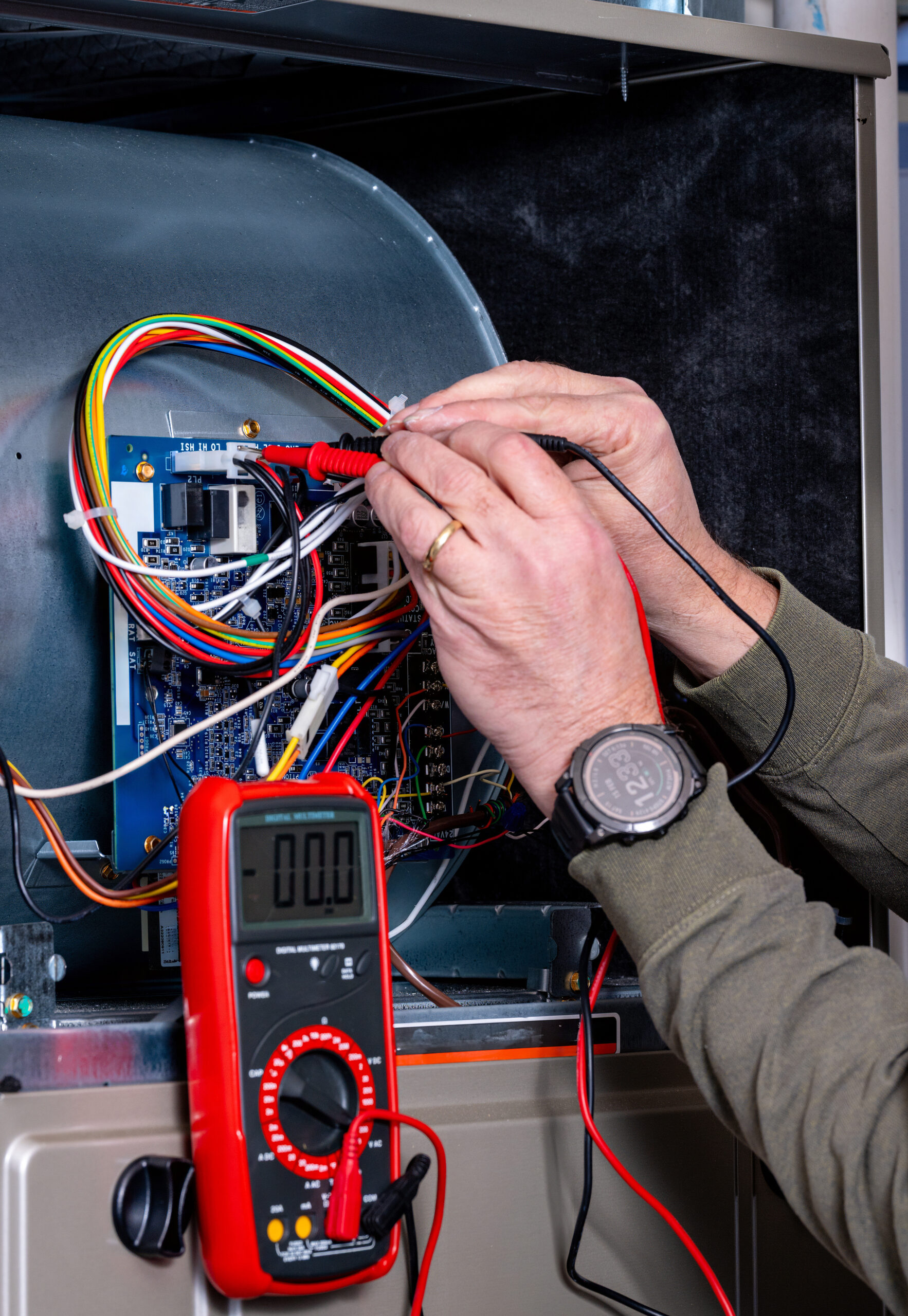
Start any electrical inspection by switching off the circuit and confirming zero voltage with a non-contact tester at the access panel. A professional will use a multimeter to measure voltage at the transformer secondary and at the collector terminals while the unit is isolated. They check for stable readings under simulated load and for voltage drop that would indicate poor connections or an aging power supply. If readings fluctuate or show significant drop, the tech documents values and plans corrective action.
Inspectors look closely at grounding and bonding next, since a solid ground path prevents stray currents and reduces interference with the charging field. They verify continuity from the cleaner chassis to the building ground with a continuity test and visually confirm the grounding conductor attachment at the service panel. Loose grounding or missing bonding can cause erratic performance and electrical noise that reduces particle capture efficiency. If grounding is inadequate, a licensed electrician should correct it before re-energizing the unit.
Careful wiring inspection includes checking terminal screws, splice connections, and the insulation condition along conductors near vibration points. Technicians probe for hotspots with a simple infrared scan or with hands-off thermal checks to find overheating at connectors or transformers. They also perform continuity tests across switches, relays, and control wiring to identify intermittent opens that create cycling problems. Any frayed conductors or melted insulation are photographed and flagged for immediate repair to avoid fire risk.
A professional will test control components such as relays and timers for proper operation by energizing them while watching voltage and current behavior. They may run the cleaner through a full control cycle and note any delayed or failed switching that suggests relay contact wear or control board faults. For homeowners concerned about indoor particle levels after wiring checks, consider integrating an air quality monitoring device to track performance trends over time. In Benbrook and in Fort Worth, TX properties, these tests help confirm stable power delivery and reliable cleaner operation.
When To Call A Professional For Electronic Air Cleaner Service
If the cleaner shows repeated electrical odors or visible melting at terminals, call a professional immediately for safety evaluation. A trained technician will isolate the circuit and use instruments to confirm whether arcing or overheating exists. Avoid resetting breakers or operating the unit until a professional inspects wiring and connections to prevent further damage. Prompt attention reduces the chance of fire and restores reliable operation.
- Unusual burning smells persist.
- Lights or indicators flicker irregularly.
- Collector cells fail to hold charge.
- Unit cycles on and off unpredictably.
If you detect ongoing poor capture after cleaning, schedule a professional diagnostic for electrical and field-strength testing. A technician will perform voltage measurements at the transformer and across collector terminals while the unit runs. They will check continuity, grounding, and control components for intermittent faults that homeowners cannot see. These tests pinpoint whether cleaning alone will fix performance or if electrical repairs are required.
Call an expert when physical damage exists to cell frames or when plates show pitting that affects conductivity and fit. Professionals can measure plate spacing and inspect frames with the unit disassembled to confirm mechanical alignment. They will also evaluate whether replacement cells or frame repairs are needed to restore proper field geometry. Repairing these issues prevents chronic recontamination and uneven airflow.
Homeowners in Benbrook and those managing systems in Fort Worth, TX should request a report documenting test readings and recommended repairs. A written summary helps track trends and supports decisions about upgrades or further air quality services. For ongoing monitoring, ask about integrating an air quality management plan to observe performance over time. Having clear diagnostics guides safe, effective next steps without guesswork.
Preventive Maintenance Tips To Keep IAQ Consistently High
Set a routine schedule for basic checks so problems get caught early before they affect indoor air quality. Inspect return grilles and visible duct runs for dust patterns that indicate bypass or leaks needing attention. During seasonal filter changes, take a quick look at the cleaner access panel for unusual heat discoloration or loose fasteners. These small steps reduce the chance of sudden failures and keep performance predictable between professional visits.
Keep a simple log of observable symptoms like new smells, noises, or dust reappearing quickly after cleaning to spot trends over time. Note the date of each collector cell clean and any unusual observations so a technician can compare current readings with past performance. If you use an air quality device, record spikes in particulate counts alongside maintenance actions to correlate cause and effect. This practice gives professionals clearer diagnostics when they perform service.
Ensure proper airflow by keeping returns and supply registers unobstructed and by replacing main filters on schedule to reduce stress on the cleaner and HVAC blower. Inspect surrounding areas for sources of oily films or heavy smoke that can coat collector plates and force more frequent cleaning. Consider pairing the cleaner with whole-house filtration upgrades for stubborn dust problems and discuss options with a technician. For guidance on compatible upgrades, review the information about air filtration systems for home.
When performing homeowner maintenance, always shut off power to the unit and verify zero voltage before opening access panels to avoid shock risks. If you see melted insulation, persistent burning smells, or flickering indicators, stop and contact a professional immediately for safe electrical diagnosis. For routine preventive work, schedule at least annual professional checks that include voltage and continuity tests to verify stable power delivery. Homeowners in Benbrook often find that a short annual service visit prevents most recurring indoor air complaints.
Frequently Asked Questions
How often should I schedule electronic air cleaner service?
Schedule electronic air cleaner service at least once every 6 months to clean collector cells and inspect wiring for reliable operation. Homes with pets, allergies, or heavy dust should move to quarterly service for better indoor air quality. Always have a qualified technician verify power supplies and perform any electrical work to avoid shock or damage. If you notice burning smells, unusual noises, or frequent tripping breakers, call a professional immediately for diagnosis and repair.
What are the signs of wiring or power supply faults?
Common signs include the cleaner failing to power on or intermittent operation when the system should run.
You may notice burning smells, visible scorch marks, or melted insulation near the unit junction box.
Flickering indicator lights, tripped breakers, or repeated blown fuses also point to wiring or power supply faults.
Caution: electrical risk is real, stop using the unit and call a licensed technician for Electronic air cleaner service and repairs.
How do technicians clean and inspect collector cells?
Technicians first power down the system and confirm the unit is de-energized before handling collector cells. They remove cells and inspect metal plates for pitting, burn marks, or excessive dust buildup. Techs clean cells using manufacturer-approved methods, typically low-pressure rinsing and gentle brushes, then dry thoroughly. If wiring or power supply issues appear, they caution homeowners and recommend a professional for safe repair and verification.
Can poor power or grounding reduce particle capture?
Poor power or weak grounding can lower the voltage and disrupt the ionization field that captures particles. Reduced ion output lets more dust and allergens pass through the electronic air cleaner. A professional performing Electronic air cleaner service will check voltage, grounding continuity, and connector integrity to confirm performance. If you suspect wiring or grounding issues, exercise caution and hire a licensed technician to avoid shock or equipment damage.
What steps confirm the unit works after service?
After an Electronic air cleaner service, the technician powers the unit and checks indicator lights for normal operation and fault codes. They verify current and voltage at the power supply with a meter and confirm the collector cells magnetize and hold charge. The tech measures airflow at the return and checks for reduced dust on the downstream return grille to confirm cleaning impact. If wiring or high voltage exposure seems unsafe, stop and call a professional to prevent shock or damage.