
Common HVAC Equipment Problems in Azle
Key Takeaways About HVAC Equipment Problems
HVAC equipment problems are common faults and performance issues that affect heating and cooling systems. This summary is for homeowners and property managers who need quick signs and actions before arranging professional service.
- Identify weak airflow by checking vents and filter condition.
- Prevent dirty filters with a monthly inspection during heavy use.
- Avoid thermostat errors by testing with an independent thermometer.
- Spot worn components by listening for new grinding or squealing noises.
- Reduce refrigerant risks by noting warm supply air or coil frost.
- Plan professional service when safety smells or repeated failures occur.
Introduction
Homes in Azle, TX often show subtle signs when HVAC equipment problems begin. A system that runs longer than usual can drive up discomfort in summer or winter. Strange noises and odd smells often point to parts that need attention. Catching issues early keeps indoor comfort consistent and prevents bigger failures.
Dirty air filters and restricted airflow cause many common performance problems. Reduced airflow makes rooms feel uneven and forces the blower to work harder. Visible dust and weakened airflow at supply vents are common homeowner observations. Addressing airflow issues improves efficiency and indoor air quality.
Thermostat problems and worn components also create persistent symptoms homeowners notice. A thermostat that misreads temperature causes short cycling or extended runtime. Worn capacitors, contactors, and belts can produce humming sounds or intermittent operation. Those symptoms often signal the need for a trained technician’s inspection.
Heating or cooling difficulties can start small and escalate quickly during extreme weather. Many problems show as temperature swings, frequent cycling, or persistent humidity issues. Homeowners in Arlington, TX should act when performance worsens suddenly or safety odors appear. Professional HVAC service helps diagnose causes and recommend targeted repairs or maintenance.
Dirty Air Filters Why It Happens And Action Steps
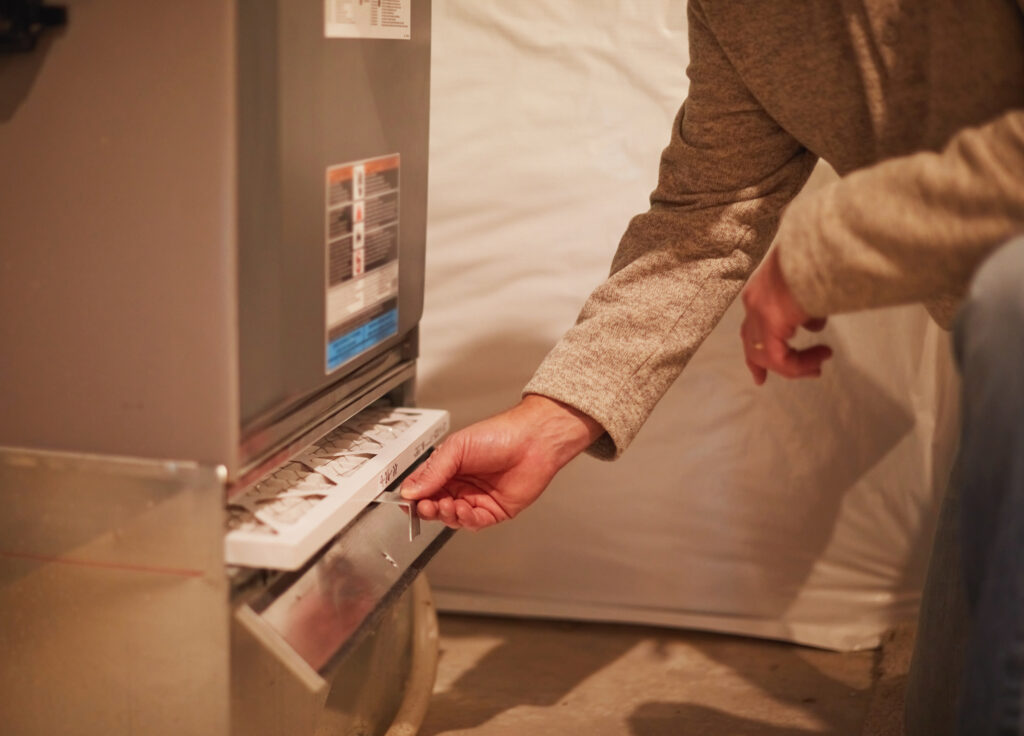
Dirty air filters are clogged panels that trap dust and reduce airflow in HVAC systems. A clogged filter often causes weak airflow at vents and higher runtime, which homeowners notice quickly. Replaceable filters should show visible dust or discoloration when inspected. A simple check answers the common question: how often should I change a filter? Inspect monthly during heavy use and change when visibly dirty.
- Inspect filters monthly.
- Turn off power before replacing a filter.
- Use the correct filter size and MERV rating.
- Note pets and renovations increase dirt load.
Typical causes include infrequent filter changes, dusty homes, and restrictive filter ratings. Filters with a very high MERV can choke airflow on older blower motors. Visible dust buildup, increased allergy symptoms, and louder blower noise are warning signs homeowners report. If you see uneven room temperatures, check the filter before calling for repairs.
A technician diagnosing a dirty filter problem will inspect the return grille, filter slot, and blower compartment. They may measure static pressure and compare airflow readings to manufacturer specs. Photographs or written notes often document filter condition and related findings. For more examples of common HVAC equipment problems homeowners face, see the related troubleshooting guide.
Restricted Airflow Causes And When To Act
Restricted airflow often comes from blocked ducts, closed dampers, or obstructions at supply grilles that homeowners might not see. A humming blower motor running harder than usual and warm or cold spots in rooms are common signs. Technicians check airflow by inspecting return and supply grilles, measuring static pressure, and observing blower speed and motor current. If ductwork shows visible gaps or crushed sections, a professional will note those issues for repair or sealing.
Accumulation of debris inside ducts and dirty evaporator coils can also reduce airflow even when filters look acceptable. Homeowners may notice increased dust on furniture and a musty smell when the system runs. A technician diagnosing the issue will remove registers, use an inspection camera if needed, and test airflow with an anemometer or by measuring temperature drops across the coil. Photographs and readings help show whether cleaning ducts or coil servicing is necessary.
Incorrect fan settings or a failing blower motor can mimic restricted airflow and require different fixes than duct clearance. Listen for grinding, rattling, or a high-pitched squeal that points to worn bearings or an unbalanced blower wheel. A professional may perform a voltage and continuity check on the motor, inspect the capacitor, and spin the wheel manually with power off to check for binding. These simple checks help confirm whether parts need replacement rather than cleaning alone.
Act promptly when airflow problems persist after replacing the filter, because reduced airflow stresses the system and shortens component life. Homeowners in Azle, TX should schedule an inspection when multiple vents are weak or when humidity rises despite normal settings. For routine filter care and guidance on proper filter selection, see the information on filter replacement importance. If a professional diagnosis finds damaged ductwork or electrical faults, contact a trained HVAC technician to correct the problem safely.
Thermostat Malfunctions How It Works And Responses
A thermostat that displays the wrong temperature or ignores settings often causes confusing HVAC equipment problems homeowners notice first. Common signs include the system running when the thermostat reads “off” or large differences between setpoint and room temperature. A basic check is replacing batteries and verifying the thermostat is level and away from direct sunlight or heat sources. If problems persist, document the thermostat display behavior before scheduling further inspection.
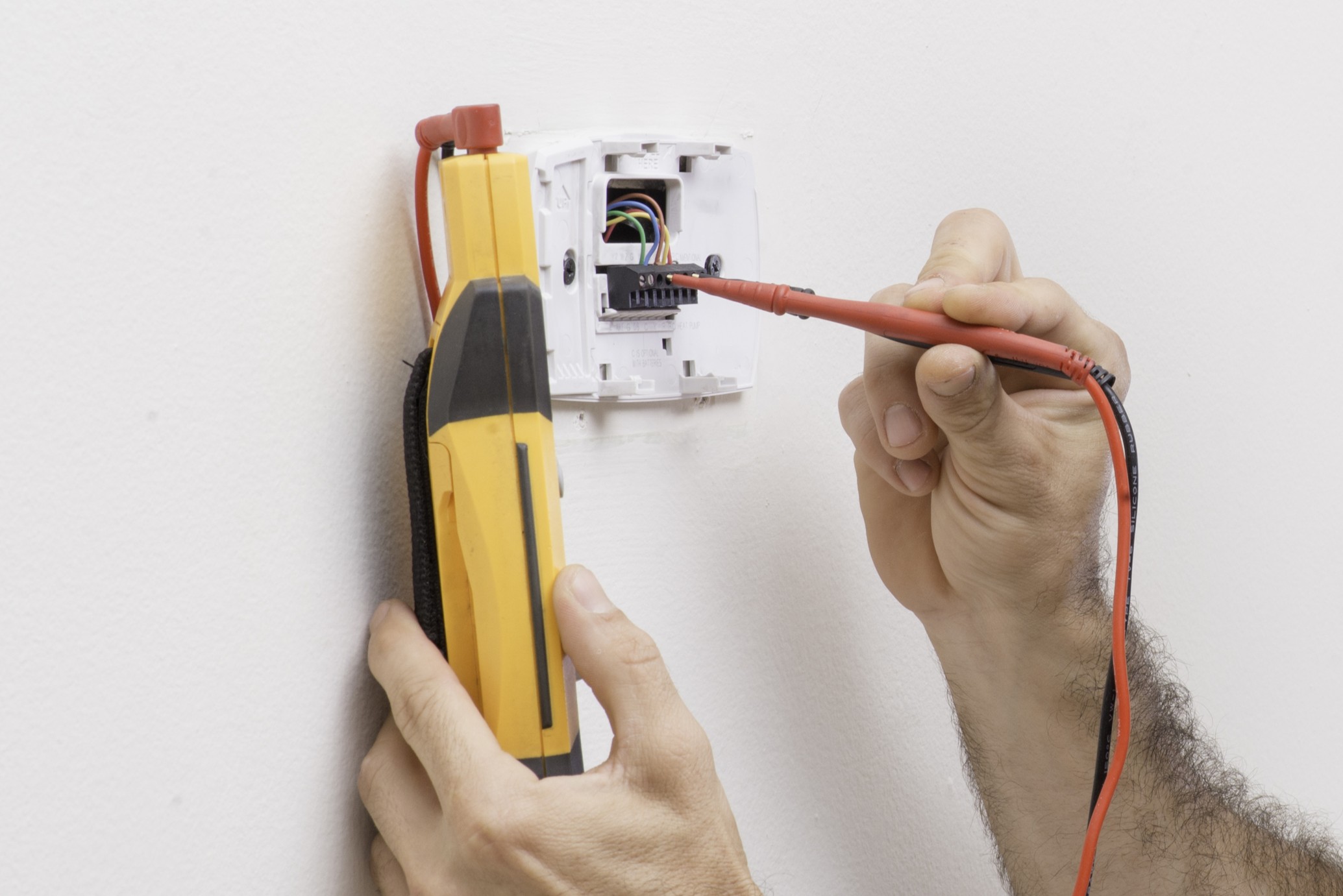
A technician diagnosing a thermostat issue will compare the thermostat reading to an independent thermometer and inspect wiring at the control board. They may perform voltage checks to confirm the thermostat gets the correct power and use continuity testing on heat and cool call circuits. Inspecting the fan switch and observing system response to manual calls helps determine whether the thermostat or the HVAC control board is at fault. Written test results and photos can show the sequence of operations and guide repairs.
Smart thermostats bring extra failure modes like lost Wi-Fi or software errors that affect schedules and remote control capabilities, which can look like broader HVAC equipment problems. A homeowner should note whether local control works when the app or schedule does not, and whether firmware updates are pending. Professionals will verify configuration, restart the device, and check for compatibility with the system’s control voltage and equipment type. If wiring is incorrect or the control board shows damage, a technician will recommend repair actions.
In some cases, the thermostat is fine but the system still cycles poorly due to sensor placement or malfunctioning temperature sensors inside the air handler. A technician will inspect the return grille sensor location, measure temperature differentials across the evaporator coil, and test outdoor unit responses during a call for cooling. For detailed airflow and system response checks, professionals use instruments during an airflow performance test and diagnostic sequence. Homeowners in Azle, TX and Arlington, TX should record when symptoms occur to help technicians reproduce and resolve intermittent thermostat issues.
Worn Mechanical Components Why They Fail And Checks
Mechanical wear causes many HVAC equipment problems that start quietly and worsen over time. Bearings, belts, and blower wheels lose alignment from normal use and vibration. Oil-free motors may still show increased current draw when bearings wear out. Homeowners might notice new rattles, a humming that changes pitch, or intermittent fan operation when parts begin to fail.
- Inspect belts for cracks or glazing.
- Check blower wheel for wobble or debris.
- Listen for grinding or squealing at startup.
- Look for oil or lubricant leaks near bearings.
A technician diagnosing worn parts begins with visual and audio checks and then moves to electrical tests. They will measure motor current and compare it to nameplate ratings to confirm overload. Technicians also remove access panels to inspect contactor condition and capacitor bulging or leakage. Written notes and photos document component condition and support repair recommendations.
Some failures start from related issues like a clogged condensate drain causing corrosion or a failing capacitor stressing the compressor. Technicians often test capacitors with a capacitance meter and perform a continuity test on motor windings. They may also check shaft play by turning the fan with power off to detect wobble or binding. If corrosion or oil staining appears, professionals investigate nearby seals and mounting hardware for hidden damage.
Refrigerant And Cooling Performance Causes And Decisions
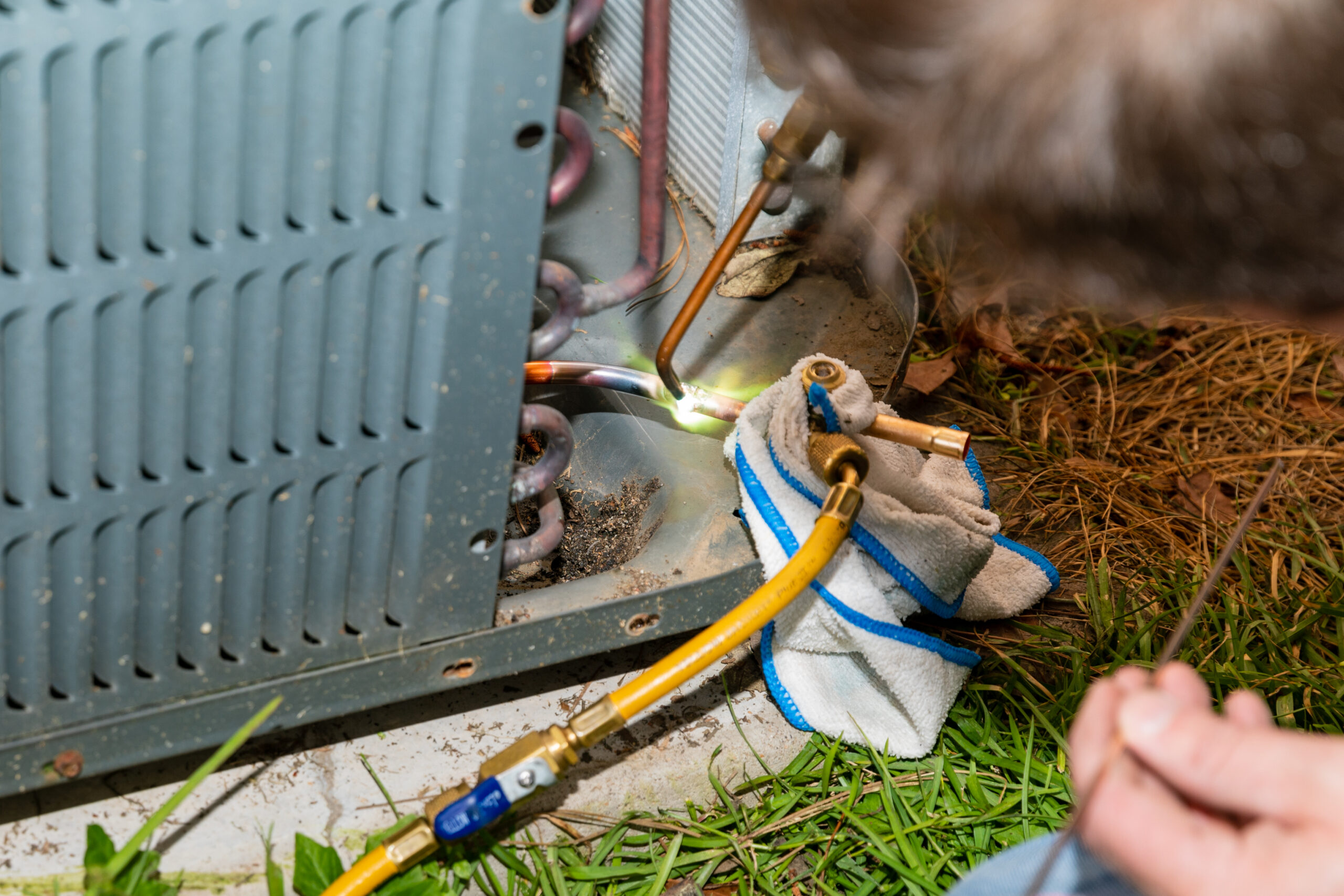
Low refrigerant levels and leaks often show as reduced cooling capacity and longer run times, which homeowners notice quickly. Warm air at supply vents during a cooling call and frost on the evaporator coil are common observable cues. A technician will check system pressures with a gauge set and measure subcooling and superheat to confirm refrigerant charge and locate leaks. Repair decisions balance adding refrigerant, locating and fixing leaks, and replacing damaged line sections when needed.
Undetected refrigerant issues can cause compressor stress and eventual failure if left unaddressed, signaling medium safety risk. Professionals inspect the refrigerant line set, service valve access, and the outdoor unit for oil stains that indicate leaks. They also inspect the evaporator coil for ice and measure temperature drop across the coil to assess heat transfer. Photographs, pressure readings, and a written report document findings to guide repair recommendations.
Another performance factor is condenser airflow obstruction from nearby debris or bent fins that reduce heat rejection at the outdoor coil. Homeowners may notice the outdoor fan running continuously or the unit cycling unusually when condenser airflow is restricted. A technician will remove debris, straighten fins, and measure the temperature difference between the liquid line and outdoor air to evaluate cooling performance. For recurring airflow or motor concerns, a professional may inspect the blower motor and explain blower issues in detail during service.
Deciding whether to repair or replace components depends on age, compressor health, and repeat failures, making measured diagnostics essential. In a common situation, a homeowner reports lukewarm air and noisy startup, a technician would check refrigerant pressures, capacitor readings, and compressor current next. Preventive servicing like coil cleaning and refrigerant checks during routine maintenance reduces the chance of unexpected failures later. Homeowners in Azle, TX and Arlington, TX should schedule regular inspections following an HVAC maintenance guide to catch refrigerant and cooling problems early.
Heating System Problems How They Develop And Remedies
Older furnaces and heat pumps can develop ignition, airflow, and combustion issues that show as uneven heat or frequent short cycles. Homeowners might smell a faint fuel or metal odor during startup, which warrants immediate inspection and shutdown if strong. A technician will inspect the heat exchanger, burners, and ignition components and perform a combustion and draft check when applicable. They may also record combustion readings and check for cracks or soot that indicate safety concerns.
Clogged or frozen condensate lines in high-efficiency furnaces can lead to water leaks and safety switches tripping, causing intermittent shutdowns. Visible water staining near the air handler or a persistent musty smell are homeowner cues to investigate. A technician diagnosing the problem will trace the condensate drain, clear blockages, and test the safety float switch for proper operation. They also inspect the condensate trap and recommend cleaning during regular maintenance to prevent recurrence.
Loss of heat due to blower or control failures often appears as reduced output despite normal burner operation, and the blower can make new scraping or grinding noises. Professionals check blower motor current, capacitor function, and control board signals to confirm the fault and avoid replacing parts unnecessarily. In some cases, the issue traces to a failing control transformer or loose wiring at the furnace control board. Documented voltage readings and blower tests help technicians choose repairs that restore reliable airflow and heat delivery.
Carbon monoxide risk rises with cracked heat exchangers or incomplete combustion, and homeowners should install detectors and report symptoms like headaches or nausea immediately. A certified technician uses a combustion analyzer and visual inspection to confirm safe burner operation and heat exchanger integrity. If repairs cannot guarantee safety, professionals recommend shutting down the heating source and arranging alternative heating until fixed. Homeowners in Azle, TX and Arlington, TX should treat safety-related symptoms as urgent and seek expert diagnosis promptly.
Preventive Maintenance Tasks Homeowners Should Follow
Create a seasonal checklist that homeowners can follow to reduce common HVAC equipment problems before they appear. Include visual checks of exterior units for debris and inspection of visible refrigerant lines for oil stains. Verify that drain lines are flowing by observing discharge during a short cooling cycle. Note any unusual sounds or smells and log when they occur for technician review.
- Replace filters on a regular schedule.
- Keep outdoor unit clear of foliage and debris.
- Test thermostat responses monthly.
- Run the system briefly after maintenance to confirm operation.
Inspect registers and returns to ensure they remain open and unobstructed for even airflow through the home. Clean or vacuum return grilles and washable filters as manufacturer guidance suggests. Check that fan belts and visible wiring show no fraying or looseness while power is off. If you see oil stains or liquid around lines, schedule a professional check.
Perform a simple operational test each season by running heating and cooling modes for several minutes while monitoring performance. Measure the time it takes to reach setpoint and note any persistent short cycling or extended runtime. For signs of low refrigerant or reduced cooling performance, refer to guidance on low refrigerant signs before calling for service. Homeowners in Azle, TX should document recurring issues to help technicians diagnose intermittent faults.
Schedule an annual professional tune-up to inspect components that require tools and technical checks beyond homeowner ability. Technicians can test capacitor values, contactor wear, and motor current to catch failing parts early. Keep maintenance records and any written reports to support timely repairs and to track recurring issues over time. For properties in Arlington, TX, a regular service plan helps maintain consistent comfort through seasonal changes.
When To Call A Professional For HVAC Equipment Problems
Call a professional when you observe persistent failures that simple checks do not fix, such as repeated cycling despite clean filters. If the system emits burning smells, shuts down unexpectedly, or trips breakers during operation, stop using it and arrange an inspection. Technicians perform safety-focused tests including voltage checks, combustion analysis when applicable, and visual inspection of heat exchangers or control boards. These actions protect occupants and prevent hidden damage from worsening while technicians document findings.
Schedule service when performance drops after a recent DIY attempt or part swap, because incorrect wiring or improper component installation can create new hazards. A technician will verify wiring at the thermostat and control board, measure motor current and capacitor values, and test the system under load to reproduce faults. They also perform pressure checks and inspect refrigerant lines when cooling remains inadequate after homeowner maintenance. Written test results and photos help explain repair rationale and next steps clearly.
Engage professional help for intermittent problems that only appear under specific conditions, as these require sequence testing and extended observation to diagnose. Professionals use diagnostic checks like static pressure measurements, temperature split readings across the evaporator coil, and controlled run tests to isolate root causes. For duct-related persistent losses or leakage suspected after other fixes, consider duct sealing verified with visual inspection and airflow testing. A technician may recommend sealing or repairs and reference duct sealing procedures during service.
If you notice unusual noises that change in pitch or rhythm during startup, call for a service visit before parts fail completely and cause secondary damage. Technicians inspect mechanical components like blower wheels, contactors, and bearings and perform simple manual checks with power off to detect binding or play. They can also test safety switches and condensate traps when water or odor issues accompany mechanical symptoms. Homeowners in Azle, TX and Arlington, TX should keep a brief log of when symptoms occur to help technicians reproduce intermittent faults during diagnosis.
Frequently Asked Questions
Why is my system showing common HVAC equipment problems?
Your system shows HVAC equipment problems because wear, dirt, and airflow restrictions reduce performance and trigger warning signs. Dirty filters, blocked return grilles, or a clogged condensate drain often cause reduced cooling or heating. Electrical component failure or a failing capacitor can produce clicking, humming, or intermittent operation, if you smell burning or see smoke, turn the system off and call a professional. A trained technician will inspect the thermostat, measure refrigerant pressure, check voltages, and test the blower to confirm the cause and recommend repairs.
How do I know if restricted airflow is the cause?
If rooms feel unevenly warm or cold and vents blow weak air, restricted airflow may be the cause. Check for dirty filters, closed or blocked vents, and reduced airflow at multiple registers. A technician would inspect the blower motor, evaporator coil, and ductwork for obstructions and measure static pressure to confirm diagnosis. If you detect burning smells, excess moisture, or suspect electrical issues, stop the system and call a professional for safety.
What signs point to thermostat or control failures?
Look for inconsistent temperatures or a system that runs but never reaches the setpoint, which often indicates control or thermostat failure. Rapid on-off cycling, unexplained short cycles, or a thermostat that shows the wrong temperature are clear warning signs. Unresponsive buttons, a blank display, or erratic behavior after battery replacement suggest internal faults or wiring issues, avoid probing live controls and call a professional. A technician will check thermostat settings, wiring, voltage at the control board, and write a report showing the diagnosis and recommended fixes.
When should I suspect worn components need service?
Suspect worn components when your system makes grinding, squealing, or rattling noises that weren’t there before. Noticeable drops in heating or cooling output or frequent short cycling indicate parts like capacitors or motors failing. Look for burning smells or visible damage around the blower motor, contactor, or belts and turn the system off, this can be a safety risk and needs a professional. A technician will inspect the blower motor, capacitor, contactor, and refrigerant line set, and confirm failures with voltage and continuity tests.
Could low refrigerant or leaks cause weak cooling?
Yes, low refrigerant or a refrigerant leak often causes weak cooling and longer run times without reaching set temperature. Signs include warm air from vents, ice on the evaporator coil, or hissing sounds near refrigerant lines. A certified technician will check pressure with gauges, inspect the coil and line set, and test for leaks using approved methods. Refrigerant handling has safety and environmental risks, so contact a licensed HVAC professional for diagnosis and repair.