

Bad AC Capacitor: Signs and Repair Options
Key Takeaways About Bad AC Capacitor
A capacitor stores and releases electrical energy to help AC motors start and run. This guide helps homeowners spot signs and decide when to schedule professional service for safety and prevention.
- Identify humming noises or delayed starts during warm weather.
- Prevent compressor strain by addressing repeated short cycling quickly.
- Avoid DIY capacitor discharge because stored voltage poses hazards.
- Spot bulging cans oil leaks or scorch marks on terminals.
- Reduce repeat failures with airflow cleaning and tight electrical connections.
- Plan professional testing to confirm capacitance and document readings.
Introduction
A failing capacitor can leave a home without cooling even when the thermostat looks normal. In many systems the capacitor helps start the compressor and the blower motor. When it weakens the AC may struggle to turn on or make odd noises during cycles. Homeowners should know the common signs so they can act before a total breakdown.
Often the first clues are sensory and timing related rather than obvious mechanical failure. You might hear a humming that does not stop or notice the system takes longer to start. Another sign is frequent short cycling where the unit turns on and off in quick bursts. These symptoms usually point toward an electrical component like the capacitor rather than the refrigerant or thermostat.
Capacitor problems matter because they stress other parts of the air conditioner over time. A weak capacitor forces the compressor and blower motor to draw extra electrical current. That extra strain can shorten motor life and lead to more complex repairs. In hot weather conditions, especially in Fort Worth, TX, delays in addressing the issue can leave a house uncomfortable and at risk for further damage.
For homeowners in Azle, TX noticing sudden changes in sounds or cooling performance, prompt inspection reduces risk. A professional technician will inspect electrical connections, test voltages, and confirm capacitor readings before replacing parts. Knowing what to watch for speeds decision making and helps prioritize service appointments. If you see repeated symptoms call a licensed HVAC technician to diagnose the problem safely.
What A Capacitor Does And Why It Fails
A capacitor is an electrical component that stores and releases energy to help motors start and run. It gives the compressor and blower motor the extra kick they need during startup. If a homeowner asks what it does, explain it smooths voltage and supplies brief high current to motors. Without a healthy capacitor, motors can struggle to start or fail repeatedly during operation.
- Start assist for compressor motor
- Start assist for indoor blower motor
- Run support to stabilize voltage
- Helps maintain efficient motor torque
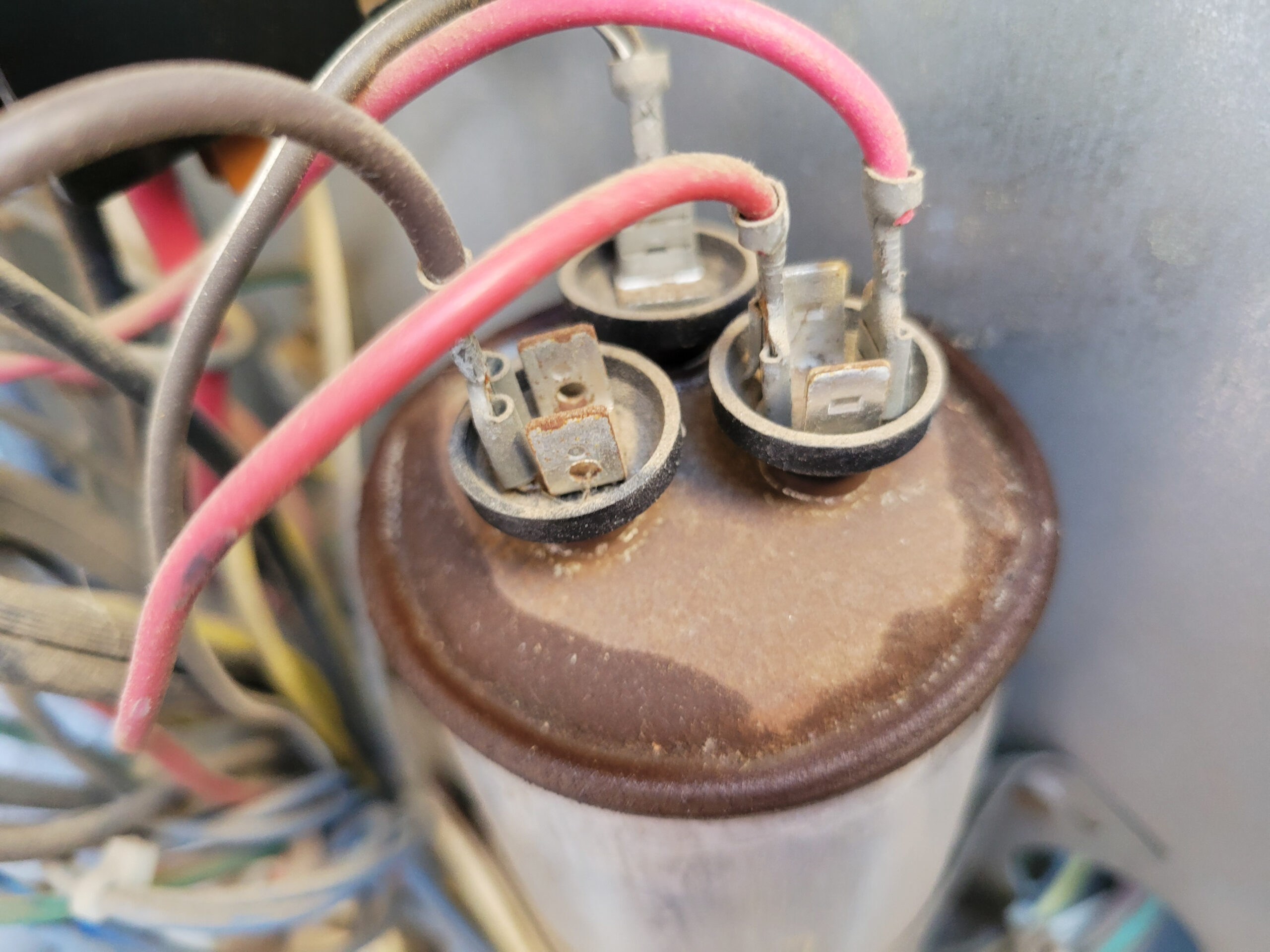
Capacitors fail mainly from electrical stress, heat, and age that degrade internal components. Over time the dielectric material breaks down and the capacitor loses its capacitance and ability to hold charge. A common homeowner question is whether a bad capacitor will smell or leak, it can produce a burned odor or bulge and sometimes show visible oil leakage. If you see swelling or oily residue on the capacitor can, it likely needs replacement.
Environmental factors speed failure when the outdoor unit runs in excessive heat or debris blocks airflow around the condenser fan. Frequent short cycling and power surges place repeated stress on the capacitor and shorten its service life. In Fort Worth, TX summer heat can increase the chance of premature failure when systems run continuously for long stretches. For homes in Azle, TX noticing a persistent humming or slow starts, the capacitor is a likely suspect to inspect first.
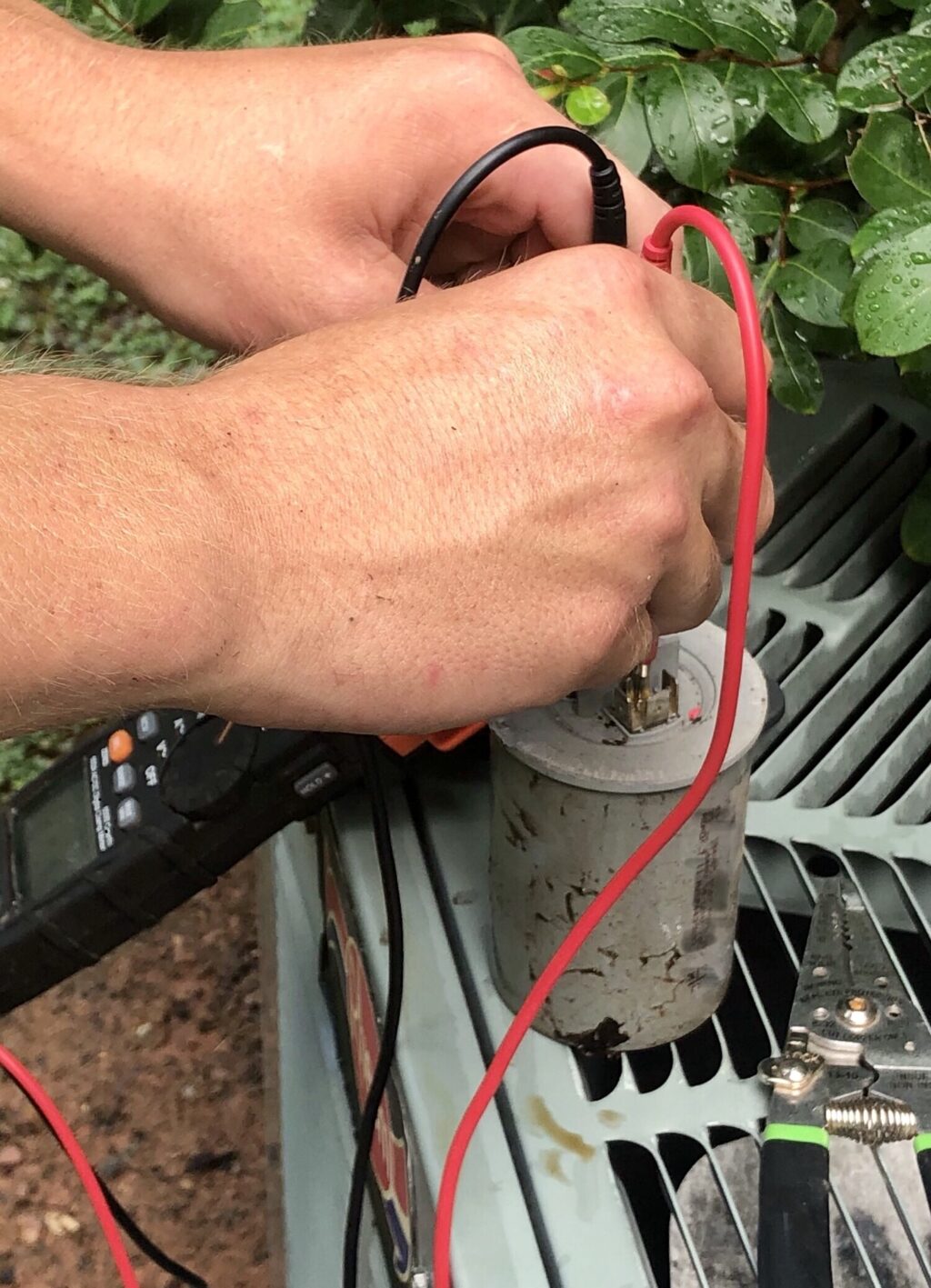
A technician confirms a bad AC capacitor by measuring capacitance and checking voltage while the system is off and on. They will visually inspect the capacitor can, test terminals with a multimeter, and record readings against manufacturer specs. A clear diagnostic step is comparing measured microfarads to labeled values to confirm a weak or failed unit. For more detailed signs and photos homeowners can reference the company’s page on AC capacitor failure signs.
Common Causes Of A Bad AC Capacitor
Electrical surges and unstable home power can damage the dielectric material inside a capacitor, reducing capacitance until it fails. Repeated small surges from appliances or larger spikes during storms both accelerate wear. Technicians often find evidence of surge damage as pitting on terminals or discolored insulation. For homeowners in Fort Worth, TX, frequent grid fluctuations make this a common cause to inspect.
Excessive heat inside the outdoor condenser cabinet shortens capacitor life by drying internal materials and warping the case. Poor airflow caused by blocked condenser fins or a failing fan forces the capacitor to operate at higher temperatures. Vibration from loose mounting or nearby mechanical issues can also stress internal connections and solder joints. In many inspections the capacitor shows a bulge or seam separation from thermal fatigue.
Continuous short cycling places repeated start-stop demands on start capacitors and shortens their useful life through constant high-current draws. A failing contactor, incorrect thermostat settings, or low refrigerant can cause this frequent restarting that stresses the capacitor. Technicians will note matching wear patterns on the capacitor and contactor when short cycling is present. If homeowners in Azle, TX notice rapid on-off cycles, the capacitor and cycling cause warrant inspection.
Age and manufacturing variance remain straightforward causes when no other failure mode appears, electrolytic breakdown slowly lowers capacitance until motors struggle. Contamination from moisture or oil carrying insulating particles into the can also causes internal shorts and leakage. HVAC technicians confirm the cause by combining visual inspection with capacitance and voltage testing at the terminals. For a deeper look at why capacitors stop AC systems, see this company resource on faulty capacitors and why AC stops working.
Early Warning Signs To Watch For At Home
Early warning signs often start with subtle changes in sound that homeowners can notice during normal use. A weak or clicking start sound from the outdoor unit may signal reduced capacitance before a full failure. You might also hear intermittent humming that becomes louder during startup or just before the compressor engages. Pay attention when sounds change only during hot afternoons or long run cycles.
Another common cue is slower-than-normal fan or blower spin at startup followed by normal operation once running. Motors that struggle to reach operating speed suggest the start circuit is not supplying enough energy. In some cases the system will start after a second attempt, which points to inconsistent start assistance. Note timing: delays of several seconds to many seconds are more significant than a brief hesitation.
Look for electrical signs inside the service panel or near the outdoor unit that occur with performance issues. Tripped breakers, frequently blown fuses, or scorch marks on the contactor terminals can accompany capacitor weakness. Flickering thermostat displays or dimming lights when the system starts also indicate high startup current draw. If you spot burned wiring or a bulging capacitor can, stop and schedule a professional inspection immediately.
Temperature and cycle changes provide helpful clues about component stress over time in hot climates like Fort Worth, TX. Rooms that cool unevenly or take much longer to reach setpoint may mean the compressor is failing to start reliably. For homeowners in Azle, TX noticing repeated short cycles paired with new noises, the capacitor deserves prompt evaluation. A trained technician will perform a start capacitor test and capacitance check to confirm the issue before recommending replacement.
Advanced Symptoms Technicians Use To Diagnose
Technicians use targeted electrical checks to confirm a bad AC capacitor beyond audible cues and visible damage. They measure capacitance with a meter designed for capacitors to compare microfarad readings to the label. A technician will also perform a no-load voltage test at the terminals while the unit is off to rule out power supply issues. These steps narrow the cause between the capacitor and other electrical components.
- Capacitance measurement against labeled value
- No-load voltage check at capacitor terminals
- Run test under controlled startup to watch current draw
- Inspect contactor and wiring for heat damage
During a live startup test, a technician records current draw on the compressor and fan to detect excessive startup amperage. They may use a clamp ammeter to capture inrush current over the first few seconds of motor engagement. High inrush with low capacitance commonly points to a failing start capacitor rather than a motor windings fault. This diagnostic separates intermittent electrical problems from mechanical motor failure.
Technicians also check the run capacitor function by monitoring motor speed and power factor during operation with a multimeter and tachometer. If the blower or condenser motor underperforms despite correct supply voltage, the run capacitor likely no longer provides proper phase shift. Observing slow ramp-up or reduced RPMs during testing helps confirm that the run capacitor needs replacement. In Fort Worth, TX this testing matters when systems run continuously in summer heat.
For example, a homeowner reports the outdoor fan sometimes stalls then restarts, a technician looks for reduced capacitance and loose wiring next. They document meter readings and visual evidence, then test the condenser fan motor for continuity and proper resistance. That written report and readings guide the repair decision and replacement selection. Homeowners in Azle, TX benefit from this documented approach when deciding on timely service.
DIY Checks To Safely Assess Capacitor Condition
Before touching the outdoor unit, turn off power at both the thermostat and the outdoor disconnect to reduce shock risk. Remove the access panel only if you are comfortable and keep your hands clear of exposed wiring and capacitor terminals during inspection. Look for visible signs such as bulging, oil stains, or cracked plastic on the capacitor can without probing terminals or wires. If you see any of these signs, stop and arrange professional service rather than attempting further DIY tests.
A simple non-contact voltage tester can confirm power is off at the control box without touching metal parts, which helps avoid accidental shocks when approaching the capacitor. With power verified off, check that mounting brackets and terminal screws are tight and free of corrosion using basic hand tools. Avoid attempting to discharge the capacitor by shorting terminals, this is dangerous and requires proper tools and training. If you lack a proper discharge tool and training, schedule a technician visit for safe testing and handling.
If you have a multimeter with a capacitance function and experience using it, you can measure the capacitor after it has been safely discharged by a professional or with the correct tool. Measure across the correct terminals and compare the reading to the value printed on the capacitor can, recording the measurement for the technician. Note that inaccurate wiring selection or an incomplete discharge can give misleading readings, so only perform this if you are confident in the procedure. Homeowners unsure about these steps should call to avoid damaging the unit or risking injury.
When your system won’t start or shows startup hesitation, avoid repeated manual resets and prolonged attempts to run the unit, because this stresses the compressor and other components. For guidance on what to do when the outdoor unit fails to power up, review resources about the AC not turning on and follow safe shutoff steps before calling for service. If you live in Fort Worth, TX or have a property in Azle, TX noticing intermittent starts or smell of burning near the unit, contact a licensed technician promptly. A trained professional will use proper tools to confirm a bad AC capacitor and recommend the correct replacement or repair sequence.
Professional Repair And Replacement Options Explained
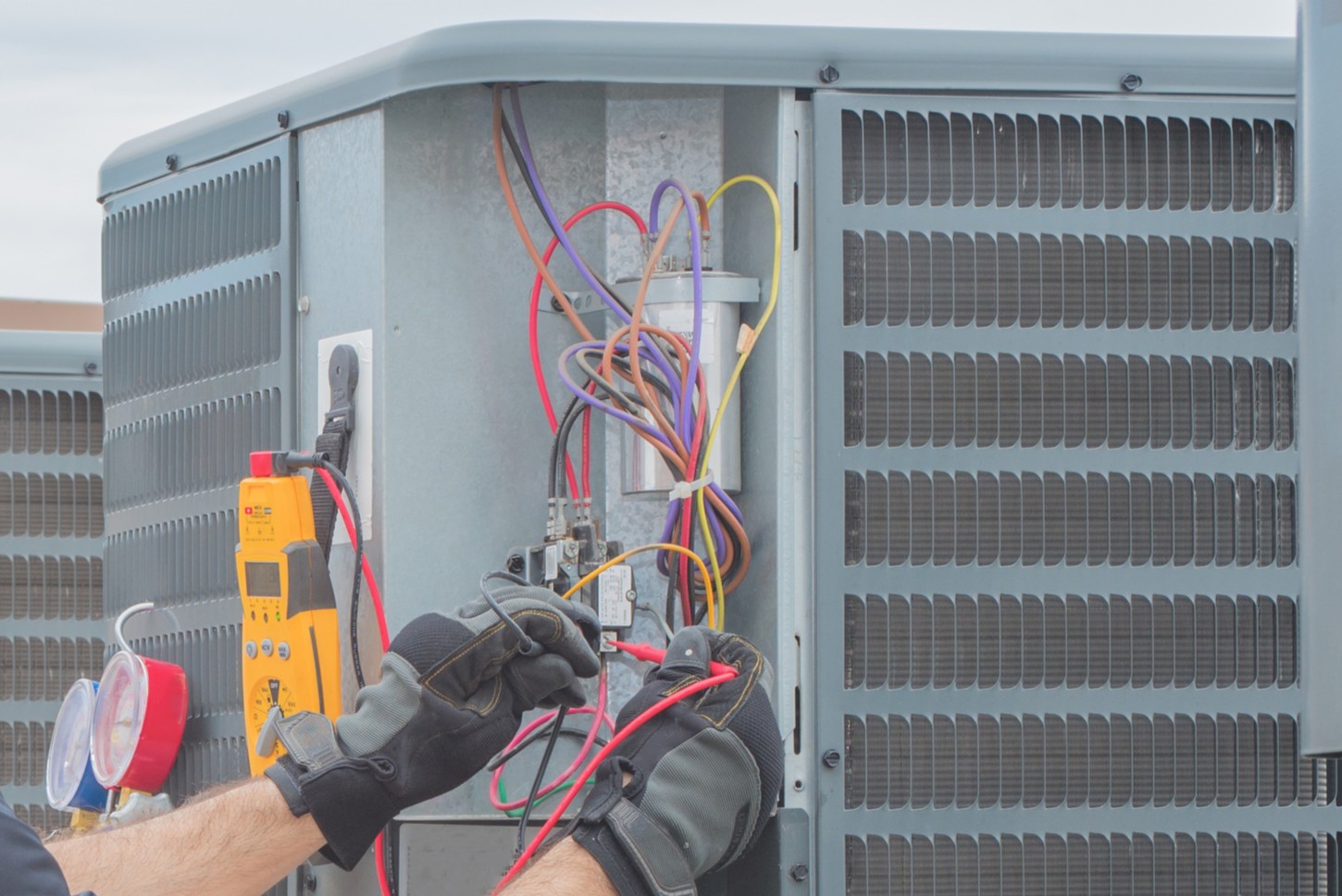
A technician will first determine whether repair or replacement makes the most sense by inspecting related components, not only the capacitor can. They check the contactor, starter relay, and motor windings for concurrent wear that might warrant multiple part changes. If wiring or terminals show heat damage, the tech documents those findings and includes recommended next steps in a written report. That evidence helps homeowners decide how to proceed without guessing.
When a capacitor alone shows clear failure and connected components test normal, most technicians replace the failed unit with an exact match for microfarad and voltage ratings. They remove stored charge safely, swap terminals, and secure a properly sized mounting bracket to prevent vibration damage over time. Technicians will also tighten connections and apply dielectric grease where appropriate to reduce corrosion at terminals. After replacement, they run a controlled startup to confirm proper motor spin and steady current draw.
In cases where a failing capacitor has stressed the compressor or blower motor, repair options broaden to include replacing the capacitor plus repairing or replacing the affected motor or contactor. A professional may recommend staged repairs based on documented meter readings and observed symptoms to avoid unnecessary immediate replacement of major components. They explain what tests justify each recommended step and provide a testing timeline for follow-up checks. This approach keeps decisions evidence-based and transparent for the homeowner.
Technicians also offer maintenance actions that reduce repeat failures, such as improving condenser airflow, securing mountings, and recommending surge protection for homes with frequent voltage issues. These preventative steps aim to extend the life of the new capacitor and reduce stress on connected motors during startup. For homeowners wanting broader guidance on maintaining cooling performance beyond a single repair, the company resource on AC repair and maintenance explains common service options. Homeowners in Fort Worth, TX and Azle, TX can use those checklists when planning seasonal service.
When To Schedule One Hour Fort Worth Service
Schedule service promptly when you notice recurring startup hesitation, unusual electrical smells, or if the unit fails repeatedly despite resets. A timely call helps technicians preserve compressor health and prevent cascading failures. Describe the sequence of events and any noises when booking to help the tech prepare. Mentioning recent power outages or breaker trips gives valuable context for the initial diagnosis.
- Call when the unit struggles at startup repeatedly.
- Book service after smelling electrical burning near the outdoor unit.
- Request inspection following frequent breaker trips during cooling cycles.
- Schedule when you see visible capacitor bulging or oil residue.
- Arrange service before peak heat to avoid emergency breakdown.
If the system works intermittently on hot days, consider priority scheduling to avoid outages during sustained heat. Technicians will bring testing tools and replacement capacitors based on the symptoms you reported. Ask for a documented diagnostic that lists measured capacitance and any related component findings. That documentation helps homeowners track recurring electrical or motor issues over time.
When safety concerns exist, such as scorch marks or melted insulation, do not attempt further operation and call for professional help immediately. For guidance on why DIY capacitor work is risky and when to rely on a technician, refer to the company resource about leaving AC repair to professionals. Homeowners in Fort Worth, TX or on properties in Azle, TX should prioritize an inspection when multiple warning signs appear together.
Preventive Maintenance To Avoid Future Failures
Regular seasonal tune-ups reduce stress on start and run capacitors by catching small issues early. A technician will clean the condenser fins and verify proper fan operation to improve airflow and reduce internal heat. They also check and tighten electrical connections at the capacitor and contactor to prevent arcing and premature failure. Owners should ask for written records of capacitance and amperage readings during each visit to track trends over time.
Proper airflow to the outdoor unit and secured mounting reduce vibration that shortens capacitor life. Technicians often recommend replacing aging capacitors proactively when other components show wear or the capacitor is within expected end-of-life range. Replacing a weak capacitor during routine maintenance prevents repeated hard starts that wear the compressor and blower motors. Homeowners benefit when service visits include terminal cleaning and protective measures against corrosion.
Adding whole-home surge protection can reduce capacitor damage from power spikes and frequent voltage fluctuations. A professional electrician or HVAC technician can evaluate your service panel and suggest compatible surge devices to protect sensitive AC electronics. During preventative service, technicians will inspect wiring insulation and look for heat-related discoloration around terminals that indicates previous electrical stress. For urgent situations outside normal hours, review guidance about when to call for emergency repair service to know when immediate action is appropriate.
Keep vegetation and debris away from the condenser to avoid airflow restrictions that raise cabinet temperatures and accelerate capacitor degradation. Track seasonal symptoms such as longer startup times or occasional humming so technicians can compare current and past observations during maintenance. If your property in Azle, TX has frequent short cycling or electrical irregularities, include that history when scheduling preventive visits. Routine attention and documented testing help avoid unexpected failures and extend component service life.
Frequently Asked Questions
What are early signs of a bad AC capacitor?
Early signs include slow or weak airflow from vents even when the fan runs at high speed. You may hear humming, buzzing, or a clicking sound from the outdoor unit. Frequent hard starts, short cycling, or the AC failing to kick on suggest a bad AC capacitor. Because capacitors store high voltage, avoid touching components and call a professional for diagnosis and repair.
How do technicians test and confirm capacitor failure?
Technicians first turn off power at the service disconnect and use a multimeter to check voltage at the capacitor terminals. They discharge the capacitor safely and then measure capacitance with a meter to compare against the labeled microfarad rating. Technicians also inspect the contactor, run capacitor, start capacitor, and motor behavior to rule out related failures. Because capacitors store dangerous charge, homeowners should let a trained technician confirm and replace a failing unit.
Can a weak capacitor damage the compressor or fan?
Yes, a weak capacitor can strain the compressor or fan by reducing starting torque and causing longer run times. Motors may overheat when they run inefficiently, which shortens component life and raises failure risk. If you smell burning or see smoke, stop the unit and call a professional immediately for safety. A trained technician will test the capacitor and related components and recommend repair or replacement to prevent further damage.
When should I schedule professional AC service for capacitor issues?
Schedule professional AC service as soon as you notice symptoms like humming, repeated short cycles, or the system failing to start. If you see a swollen or leaking capacitor can, turn the system off and call a technician because stored charge creates an electrical hazard. Technicians will perform voltage and capacitance checks, inspect the contactor and start/run circuits, and confirm whether replacement is necessary. In Fort Worth, TX homes with frequent power fluctuations or older units, prompt service helps prevent compressor or motor damage.
What repair or replacement options exist for a bad AC capacitor?
Technicians typically replace a failed run or start capacitor with a matching new unit rated for the same microfarads and voltage. If multiple capacitors show wear, they may replace the entire capacitor bank to restore reliable motor starts and fan operation. In some cases a hard-start kit or motor replacement becomes necessary when the compressor cannot start despite a good capacitor. Capacitors store high voltage even when power is off, so avoid DIY testing and contact a licensed professional for safe diagnosis and replacement.