


AC Capacitor Failure Warning Signs in Saginaw
In the heart of summer in Saginaw, the last thing anyone wants is an air conditioning hiccup. Yet, AC capacitor failure remains a common culprit behind cooling system woes. This crucial component helps start the AC unit, and when it falters, discomfort quickly follows. Recognizing the early signs of failure can save you from a sweltering ordeal.
Fort Worth, TX, residents know too well how vital a functioning AC is during the peak of summer. A weak or failing capacitor can cause your system to struggle to start or not start at all. Understanding these warning signs is crucial for timely intervention. It’s not just about comfort, it’s about preventing a complete system breakdown.
Nearby in Colleyville, TX, homeowners often report similar issues, underscoring the regional need for awareness about AC capacitor failure. Symptoms like humming noises or the AC unit shutting off abruptly can indicate problems. Early detection and response can mean the difference between a quick fix and a more significant issue.
Taking the next steps involves recognizing these warning signs and acting swiftly. Contacting a professional to inspect your AC unit can help ensure that capacitor issues are addressed before they escalate. Staying informed and proactive is key to enjoying uninterrupted comfort, even in the hottest months.
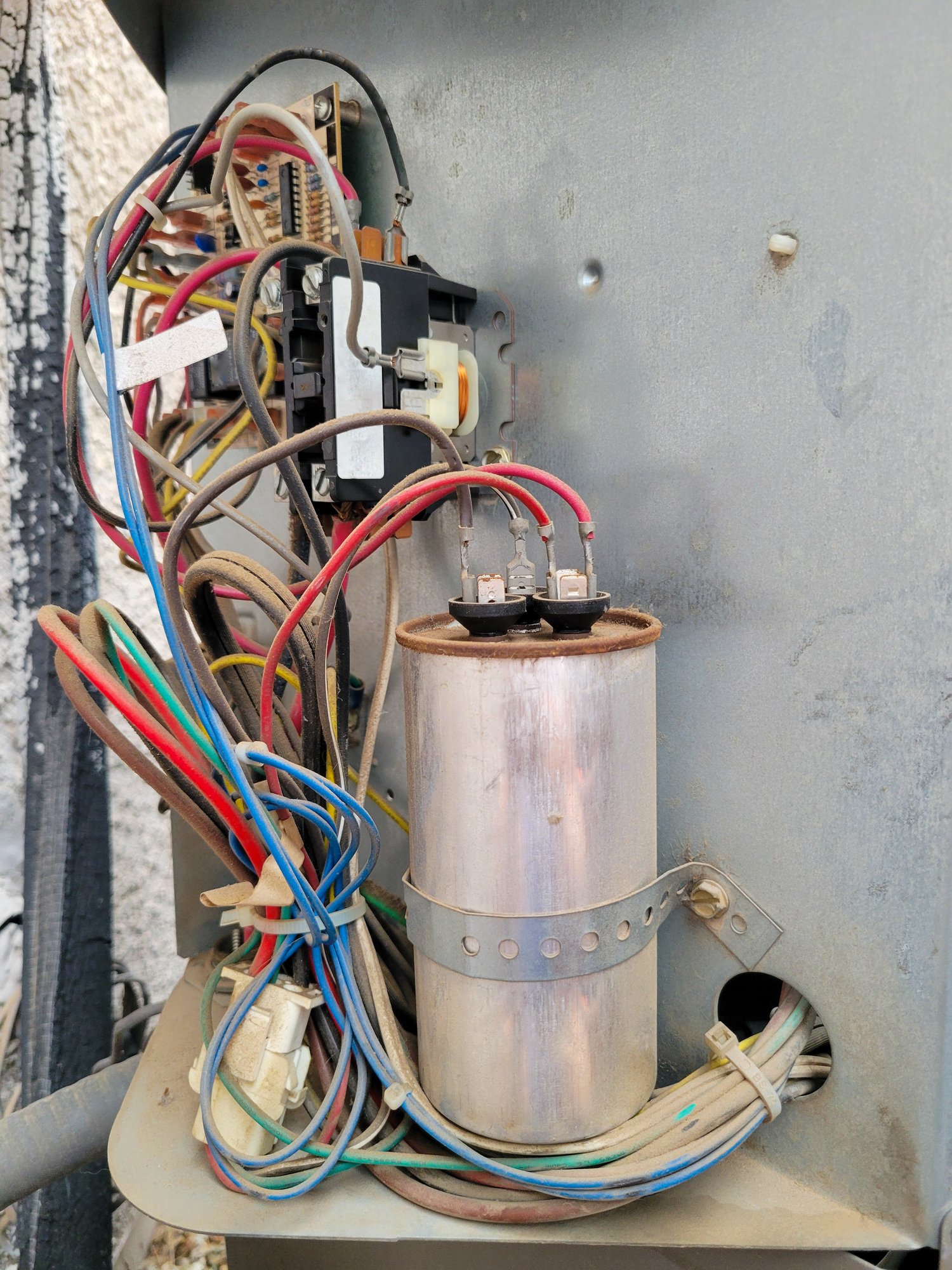
Understanding AC Capacitor Failure in Saginaw
When your air conditioning system struggles to kick on, it might be signaling AC capacitor failure, a common issue in Saginaw. This component acts like a battery, giving your AC the initial boost it needs to start. Without it functioning properly, your system may fail to start or could take longer than usual, stressing other parts of your AC unit. Recognizing this early can save you from the discomfort of a non-cooling home.
Another sign of potential AC capacitor failure is a humming noise coming from your AC unit. This sound indicates that the capacitor is trying hard to start the motor but can’t generate enough power. In Fort Worth, TX, where temperatures soar, such a sign should prompt an immediate check. Ignoring it could lead to further damage, making your AC unit work harder and reducing its lifespan.
In some cases, the AC unit might start but then quickly shut off. This short cycling is often a symptom of a failing capacitor. It puts undue strain on the compressor, one of the most critical and expensive parts of your AC system. Residents in Colleyville, TX, experiencing this should seek professional help promptly to avoid more severe issues.
Taking the next steps involves contacting a professional HVAC service as soon as you notice these warning signs. They can accurately diagnose the problem, whether it’s AC capacitor failure or something else. Acting swiftly not only helps in avoiding more significant repairs but also ensures you stay cool and comfortable throughout Saginaw’s hottest months. Remember, staying ahead of AC issues is always better than dealing with the aftermath.
Top Signs of a Failing AC Capacitor
If your AC unit takes multiple tries before it finally starts, it could be a sign of AC capacitor failure. This struggling start-up is not just frustrating, it also indicates that the capacitor can no longer store enough energy. In Fort Worth, TX, where reliance on air conditioning is high, this issue can lead to significant discomfort. Promptly addressing this symptom can prevent further damage to your cooling system.
A noticeable increase in your energy bills might also hint at a failing AC capacitor. When the capacitor isn’t functioning correctly, the air conditioning system has to work harder and longer to cool your home. This inefficiency is not only bad for your wallet but also for the environment. Residents noticing such changes should consider having their system checked by a professional.
In Colleyville, TX, another telltale sign of capacitor trouble is the air conditioner’s inability to cool your home effectively. Even if the unit runs, you might notice that the air isn’t as cold as it should be. This inefficiency can be due to the capacitor failing to provide the necessary startup boost, stressing the entire system. Early intervention can help restore your home to its comfortable state.
Lastly, if you hear a clicking noise from your AC unit when it tries to start, it’s time to investigate. This sound often precedes complete failure, signaling that the capacitor can no longer perform its function. Ignoring this warning could lead to a total system shutdown. Contacting an HVAC professional for a thorough inspection can ensure your cooling system remains reliable, especially during the peak summer months.
Why Your AC Struggles to Start: The Capacitor’s Role
Understanding the role of the capacitor in starting your air conditioning unit is crucial. In Fort Worth, TX, a smooth-running AC is a summer necessity. If your system takes multiple attempts to start, this often points to AC capacitor failure. This component provides the necessary energy burst to kick-start the system, and without it, you’re left in the heat.
When the AC struggles to start, it’s not just an inconvenience. It’s a sign that the capacitor might be failing to store and release the energy needed. This failure places additional stress on the air conditioner, leading to potential damage to other components. Recognizing this early can prevent a cascade of AC issues.
In Colleyville, TX, residents might notice their AC unit humming but not starting. This is another clear indicator of AC capacitor failure. The humming suggests the capacitor is trying to function but lacks the power to start the system. Prompt action is required to address this issue and restore cooling efficiency.
Lastly, if your AC system exhibits a delay in starting or fails to start, it’s time to call in a professional. They can confirm whether AC capacitor failure is the culprit. Dealing with this promptly ensures your comfort during the hot months and maintains your system’s longevity. Acting quickly can make all the difference in staying cool and comfortable.
How to Test for AC Capacitor Failure
Testing for AC capacitor failure is a critical step in maintaining your air conditioning system’s efficiency. If you suspect your AC is not starting due to a capacitor issue, a multimeter test can confirm your suspicions. This tool measures the microfarads discharged by the capacitor, comparing it to the unit’s specifications. If the readings fall short, it’s a clear sign of AC capacitor failure.
In Fort Worth, TX, homeowners can perform a visual inspection as a preliminary check before using a multimeter. Signs such as swelling or leakage from the capacitor suggest it’s time for a replacement. While a visual check doesn’t replace professional diagnostics, it can guide you on whether to call for help. Remember, safety first, ensure the power is off before inspecting.
For those in Colleyville, TX, understanding the capacitor’s role helps in identifying issues. The capacitor stores and releases electrical energy to start the compressor and fan. If these components struggle to start, it’s likely due to a failing capacitor. Recognizing this connection can prompt timely professional intervention.
Finally, consulting with a professional HVAC service is the best course of action after identifying potential capacitor issues. They have the expertise and equipment to accurately diagnose and resolve AC capacitor failure. By acting quickly, you can ensure your system runs efficiently, keeping your home cool and comfortable.
The Impact of Saginaw’s Climate on AC Capacitors
Saginaw’s climate plays a significant role in the lifespan and efficiency of AC capacitors. The intense summer heat can cause these components to work harder, accelerating wear and tear. This added strain increases the likelihood of AC capacitor failure, making timely detection and response even more critical. Homeowners in Fort Worth, TX, often face this challenge, underscoring the importance of regular system checks during peak seasons.
Humidity, alongside high temperatures, further complicates the situation. Moisture in the air can lead to corrosion and electrical issues within the AC unit, directly affecting the capacitor’s functionality. This combination of heat and humidity in Saginaw means capacitors may fail sooner than expected. Residents in Colleyville, TX, also encounter these conditions, which can disrupt the comfort of their homes without warning.
Preventive maintenance becomes a key strategy in combating the effects of Saginaw’s climate on AC capacitors. Regular inspections can identify early signs of failure, such as swelling or leaking capacitors, before they lead to more significant issues. This proactive approach ensures that the air conditioning systems remain functional and efficient, even during the hottest months.
Ultimately, understanding the impact of local climate conditions on AC capacitors can guide homeowners in their maintenance routines. By recognizing the added stress placed on these components, individuals can take timely action to prevent AC capacitor failure. This knowledge helps maintain a comfortable indoor environment throughout the year, making it essential for residents in both Fort Worth, TX, and Colleyville, TX.
DIY vs. Professional Capacitor Replacement
When facing AC capacitor failure, homeowners often weigh the options between DIY repairs and seeking professional help. Tackling capacitor replacement on your own might seem like a cost-effective solution. However, without the right tools and knowledge, this approach can lead to further damage. In Fort Worth, TX, the complexity of modern air conditioning systems makes professional assessment and repair a wise choice.
Professionals bring a level of expertise and diagnostic tools that ensure the job is done right the first time. They can quickly identify if AC capacitor failure is the sole issue or if other problems are at play. This precision saves time and prevents the risk of misdiagnosis, which is common in DIY attempts. Residents in Colleyville, TX, benefit from the peace of mind that comes with expert service, knowing their AC will run smoothly.
Moreover, safety should never be compromised in the pursuit of fixing an AC unit. Capacitors store a significant charge, and mishandling them can result in injury. Professionals are trained to handle these components safely and dispose of them properly. This consideration is crucial, as the well-being of homeowners and their families should always take precedence.
Ultimately, while the DIY route might appear tempting, the advantages of professional capacitor replacement are clear. Experts ensure a thorough job, mitigating the risk of future failures and ensuring your system operates at peak efficiency. For those in Fort Worth, TX, and surrounding areas, opting for professional help is a step towards reliable and effective air conditioning, especially in the face of AC capacitor failure.
Preventing Future AC Capacitor Failures
To prevent future AC capacitor failure, regular maintenance is essential. In Fort Worth, TX, scheduling seasonal inspections with a professional can catch early signs of wear and tear. These checks ensure capacitors and other AC components are in optimal condition, reducing the risk of unexpected breakdowns. By staying proactive, homeowners can extend the life of their air conditioning systems.
Another effective strategy involves upgrading the AC unit’s parts with higher quality components. For residents in Colleyville, TX, investing in premium capacitors can offer better performance and longer durability. This approach minimizes the likelihood of capacitor-related issues, providing peace of mind during the hot summer months. High-quality parts are designed to withstand the rigors of extensive use, offering a reliable cooling solution.
Educating homeowners about the signs of AC capacitor failure also plays a crucial role in prevention. Understanding what symptoms to look for, such as the AC unit struggling to start or making unusual noises, empowers individuals to act swiftly. Early detection and response can prevent minor issues from escalating into major problems, ensuring the AC runs efficiently.
Lastly, ensuring the AC system is not overworked can help prevent capacitor failure. During peak summer days, setting thermostats to a reasonable temperature prevents excessive strain on the unit. This practice helps maintain a balanced workload on the AC’s components, including the capacitor, promoting a longer lifespan and consistent performance. Adopting these preventive measures can significantly reduce the chances of future capacitor failures, keeping homes cool and comfortable.
When to Upgrade Your AC System
Deciding when to upgrade your AC system can be a pivotal step in avoiding the recurring issue of AC capacitor failure. In Fort Worth, TX, where the demand on air conditioning systems is high, upgrading can mean transitioning to a unit designed to handle the strain more efficiently. This move not only improves cooling performance but also reduces the frequency of maintenance issues related to capacitors and other components.
Residents in Colleyville, TX, should consider the age and performance of their current AC units when thinking about upgrades. If capacitor failures become a regular problem or if the system struggles to cool the home effectively, it might be time for a change. Upgrading to a newer model can offer more reliability and better energy efficiency, which is crucial for maintaining comfort during the hot months.
The decision to upgrade should also factor in the advancements in AC technology. Modern air conditioning systems come with improved capacitor designs that are less prone to failure. These innovations provide a more stable start-up process for the AC unit, ensuring a smoother operation and longer lifespan for the system overall.
Lastly, upgrading your AC system is a proactive measure against potential capacitor issues. It’s a step forward in ensuring that your home remains a haven of cool and comfort, even as temperatures soar outside. By choosing to upgrade, homeowners can sidestep the inconvenience and discomfort of AC capacitor failure, making it a wise investment for the future.

Frequently Asked Questions
What causes AC Capacitor Failure?
AC capacitor failure often stems from power surges or overheating. Regular wear and tear over time also contribute to its decline. Extreme temperature changes can weaken the capacitor’s ability to function properly. If not addressed, these issues can prevent your AC system from starting efficiently.
How to detect AC issues early?
Detecting AC issues early can save you time and trouble. Listen for unusual noises, like humming or clicking, which signal a problem. Watch for weak airflow or a system struggling to start, as these can indicate AC capacitor failure. Regular maintenance checks also help catch issues before they escalate.
Can weather affect AC performance?
Yes, weather plays a significant role in AC performance. Extreme heat can cause your system to work harder, potentially leading to AC capacitor failure. Cold snaps, too, can strain the system as it tries to maintain indoor comfort. Regular maintenance helps ensure your unit withstands weather changes effectively.
What are signs of AC Capacitor Failure?
Signs of AC capacitor failure include the air conditioning system taking longer to start or not starting at all. You might also notice a humming noise coming from the unit, indicating it’s struggling to operate. The AC may turn off unexpectedly or fail to cool your home efficiently. If you observe these symptoms, it’s crucial to contact a professional for a thorough inspection and timely repair.
How often should AC units be serviced?
AC units should be serviced at least once a year to ensure they run smoothly. This regular maintenance helps catch any signs of AC capacitor failure early. A professional technician can spot issues before they lead to bigger problems. Keeping up with annual check-ups extends the life of your AC system and improves its performance.