

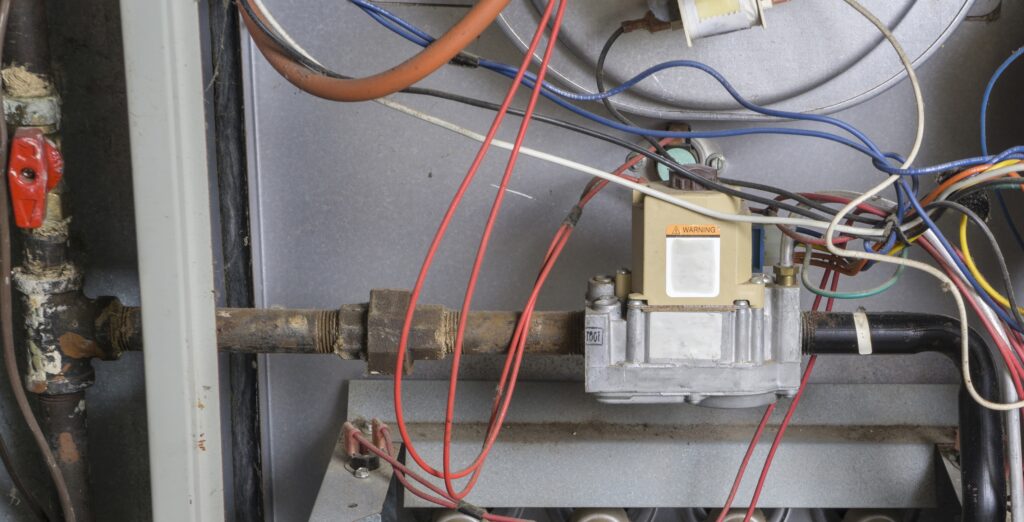
Pilot Light Issues and What They Mean
When the pilot light in your home flickers or goes out, it’s more than just an inconvenience. It’s a sign that there could be underlying pilot light issues needing attention. Residents in Fort Worth, TX, Trophy Club, TX, and Azle, TX, often encounter these problems, especially as the seasons change. Understanding what these issues mean can help ensure your home remains comfortable and safe.
Pilot light issues can range from simple fixes to indicators of more serious problems within your heating system. Whether it’s a weak flame that won’t stay lit or a pilot light that refuses to ignite, each symptom can point to different potential causes. Knowing what to look out for can save you time and stress, allowing you to address the problem more effectively.
Safety should always be your top priority when dealing with pilot light issues. Gas appliances carry inherent risks, and a malfunctioning pilot light could signify a gas leak or carbon monoxide build-up. Before attempting to troubleshoot, it’s crucial to ensure your environment is safe and to be familiar with the safety precautions necessary for dealing with gas appliances.
For those in Fort Worth and its surrounding areas, recognizing when to call in a professional is key. Sometimes, pilot light issues can be resolved with a bit of knowledge and effort. However, when the problem persists or if you’re unsure about the cause, scheduling a professional inspection can provide peace of mind. Experts are equipped to diagnose and fix the issue, ensuring your heating system operates safely and efficiently.
Understanding Pilot Light Issues
Understanding the different pilot light issues can help homeowners in Fort Worth, TX, and the surrounding areas like Trophy Club, TX, and Azle, TX, maintain their heating systems more effectively. A pilot light that frequently goes out or has a yellow flame instead of blue could indicate a lack of oxygen or the presence of contaminants. These signs often point to a need for cleaning or adjustment. Keeping an eye on the color and behavior of your pilot light is a simple yet effective way to monitor your system’s health.
Sometimes, pilot light issues stem from a more complex problem, such as a malfunctioning thermocouple or a clogged gas valve. These components are crucial for the safe operation of your heating system. If the pilot light won’t stay lit despite several attempts to relight it, this could be a sign that one of these parts needs attention. Homeowners should recognize this as a cue to seek professional help rather than attempting a DIY fix.
Safety precautions cannot be overstated when dealing with pilot light issues. Before investigating any problems, it’s important to turn off the gas supply to prevent accidents. Ensuring good ventilation in the area is also crucial to avoid the buildup of harmful gases. Residents in areas like Trophy Club and Azle should remember these steps to ensure their attempts at troubleshooting don’t put them at risk.
When pilot light issues persist, calling in a professional from a reputable company becomes necessary. Experts have the tools and knowledge to safely diagnose and repair any problems, ensuring your heating system operates efficiently. They can also provide valuable advice on maintenance to prevent future issues. Scheduling a professional inspection can give homeowners in Fort Worth and its neighboring cities the peace of mind that their heating systems are in good hands.
Common Causes of Pilot Light Problems
Understanding the common causes of pilot light issues is crucial for homeowners in Fort Worth, TX, and beyond. One prevalent issue is a dirty pilot tube, which can obstruct gas flow and prevent the pilot light from staying lit. Regular cleaning by a professional can often resolve this problem, ensuring the pilot light burns brightly and consistently. This maintenance step is essential for the efficient operation of your heating system.
In Trophy Club, TX, residents might find that a faulty thermocouple contributes to their pilot light woes. The thermocouple is a safety device that shuts off gas to the pilot light if it senses the light is out. If it malfunctions, it may mistakenly cut off gas, even when the pilot light is on. Replacing or repairing the thermocouple can quickly rectify this issue, restoring proper function to your heating system.
Another common cause of pilot light issues is an improper gas pressure setting. Too much or too little gas pressure can make it difficult for the pilot light to stay lit. Homeowners in Azle, TX, experiencing this problem should seek professional assistance. An expert can adjust the pressure to optimal levels, ensuring the pilot light operates smoothly and efficiently.
Lastly, a draft in the area where the heating system is installed can blow out the pilot light. Ensuring the installation area is well-protected from drafts and checking the ventilation system can help prevent this problem. Homeowners should consider an inspection to identify and rectify any issues contributing to drafts. By addressing these common causes, residents can significantly reduce pilot light issues and maintain a warm, safe home.

Safety Precautions for Handling Pilot Light Issues
When dealing with pilot light issues, safety must be the first consideration. Before attempting any troubleshooting, turn off the gas supply to prevent any accidents. This step is crucial in avoiding potential hazards that could arise from gas leaks or improper handling. Residents in Trophy Club, TX, should remember to also keep the area well-ventilated to reduce the risk of gas buildup.
Another important safety precaution is to never ignore the smell of gas. If you detect a gas odor, it’s essential to evacuate the area immediately and contact professionals. Trying to fix the issue yourself could be dangerous. People in Azle, TX, are advised to call for professional help instead of risking their safety.
Regular maintenance checks are also key to preventing pilot light issues. A professional can spot potential problems before they escalate, ensuring your heating system remains safe and efficient. These checks can help identify issues like a dirty pilot tube or a malfunctioning thermocouple, which are common causes of pilot light problems.
Finally, investing in a carbon monoxide detector is a wise safety measure for any homeowner. These devices can alert you to the presence of carbon monoxide, a dangerous gas that can be emitted by faulty heating systems. Installing detectors near sleeping areas and checking them regularly can provide an additional layer of safety for your home.
How to Troubleshoot Basic Pilot Light Issues
Troubleshooting pilot light issues can often start with a simple observation. If your pilot light is out, first ensure the gas valve is turned on, as it’s a common oversight. Next, check if the pilot light ignites when you follow the manufacturer’s relighting instructions. This step can quickly solve the problem without needing further intervention.
If relighting the pilot doesn’t work, inspect the pilot opening for any signs of dirt or debris. A clogged pilot can prevent gas from reaching the flame, making it impossible to light. Carefully cleaning the opening with a needle or a small brush can remove blockages. This fix is straightforward and can restore your pilot light to its normal function.
For pilot lights that light but won’t stay lit, the issue might be with the thermocouple. This safety device detects whether the pilot light is on and can shut off the gas if it thinks the flame is out. If it’s faulty or improperly positioned, it may not sense the flame correctly. Adjusting or replacing the thermocouple can often resolve this issue, ensuring the pilot light stays lit as it should.
Lastly, if you’ve tried these steps and the pilot light issues persist, it could indicate a more complex problem within your heating system. In such cases, it’s best to contact a professional for a thorough inspection. Experts in Fort Worth, TX, have the right tools and knowledge to diagnose and fix any underlying issues, ensuring your home stays warm and safe.
When to Call a Professional for Pilot Light Problems
Knowing when to call a professional for pilot light issues is crucial for homeowners in Fort Worth, TX, and its surroundings. If you’ve followed the troubleshooting steps without success, it’s time to seek expert assistance. Professionals have the tools and experience to safely identify and fix the root of the problem. This ensures your heating system remains reliable, especially during the colder months.
Residents of Trophy Club, TX, might hesitate to call in professionals, hoping the issue resolves itself. However, persistent pilot light problems can signal deeper issues within your heating system. An expert inspection can prevent minor issues from escalating into major repairs. It’s better to address these problems early on with professional help.
For those in Azle, TX, dealing with pilot light issues, remember safety comes first. If you smell gas or suspect a leak, contact a professional immediately. Attempting to fix these issues on your own can be dangerous. Professionals are trained to handle such situations safely, protecting your home and family.
Finally, scheduling regular maintenance checks can help avoid future pilot light issues. Experts can spot potential problems before they become serious. This proactive approach keeps your heating system in top condition, offering peace of mind throughout the year. Trusting a professional with your heating system ensures it runs efficiently, providing warmth and safety to your home.
The Importance of Regular Maintenance
Regular maintenance is the cornerstone of preventing pilot light issues in your heating system. By scheduling routine checks, homeowners in Fort Worth, TX, can ensure their systems are operating efficiently. These inspections allow professionals to clean and adjust components, reducing the risk of problems. This proactive approach keeps your home warm and safe, especially during the colder months.
For residents in Trophy Club, TX, understanding the role of regular maintenance in preventing pilot light issues is crucial. A professional can spot early signs of trouble that you might overlook. Addressing these signs promptly can prevent minor issues from escalating into major repairs. It’s a simple step that can extend the life of your heating system.
In Azle, TX, the benefits of regular maintenance go beyond just avoiding pilot light issues. It also ensures your system runs at peak efficiency, which can contribute to lower energy usage. Professionals can make necessary adjustments and recommend any upgrades. This not only improves performance but also supports environmental sustainability.
Lastly, regular maintenance offers peace of mind to homeowners. Knowing that your heating system has been professionally inspected and maintained lifts a burden off your shoulders. You can rest easy, confident that your home will remain comfortable and safe throughout the year. This assurance is invaluable, especially when it comes to the well-being of your family.
Signs Your Pilot Light Needs Immediate Attention
Recognizing the signs that your pilot light needs immediate attention can prevent larger pilot light issues from developing. A pilot light that frequently goes out or changes color could indicate a serious problem. Homeowners in Fort Worth, TX, should be particularly vigilant during colder months when heating systems are in constant use. Early detection of these signs can save you from discomfort and ensure your system’s longevity.
A strong, persistent gas odor around your heating system is a clear warning sign that should never be ignored. This could suggest a gas leak, which poses significant risks to your home and health. Residents of Trophy Club, TX, experiencing such odors should evacuate the area and contact professionals immediately. Safety measures like this protect not only your property but also the well-being of your family.
In Azle, TX, a pilot light that makes unusual noises or emits soot could also signal the need for urgent professional inspection. These symptoms often point to incomplete combustion or blockages in your system. Addressing these issues promptly can prevent further damage to your heating system and maintain its efficiency. It’s crucial to act swiftly when encountering these warning signs.
Lastly, if your heating system struggles to maintain consistent temperatures or fails to heat at all, the pilot light might be to blame. Such performance issues should prompt a call to a heating professional without delay. They can diagnose whether pilot light issues or other system malfunctions are at the root of the problem. Ensuring your system operates effectively is essential for a comfortable home environment.
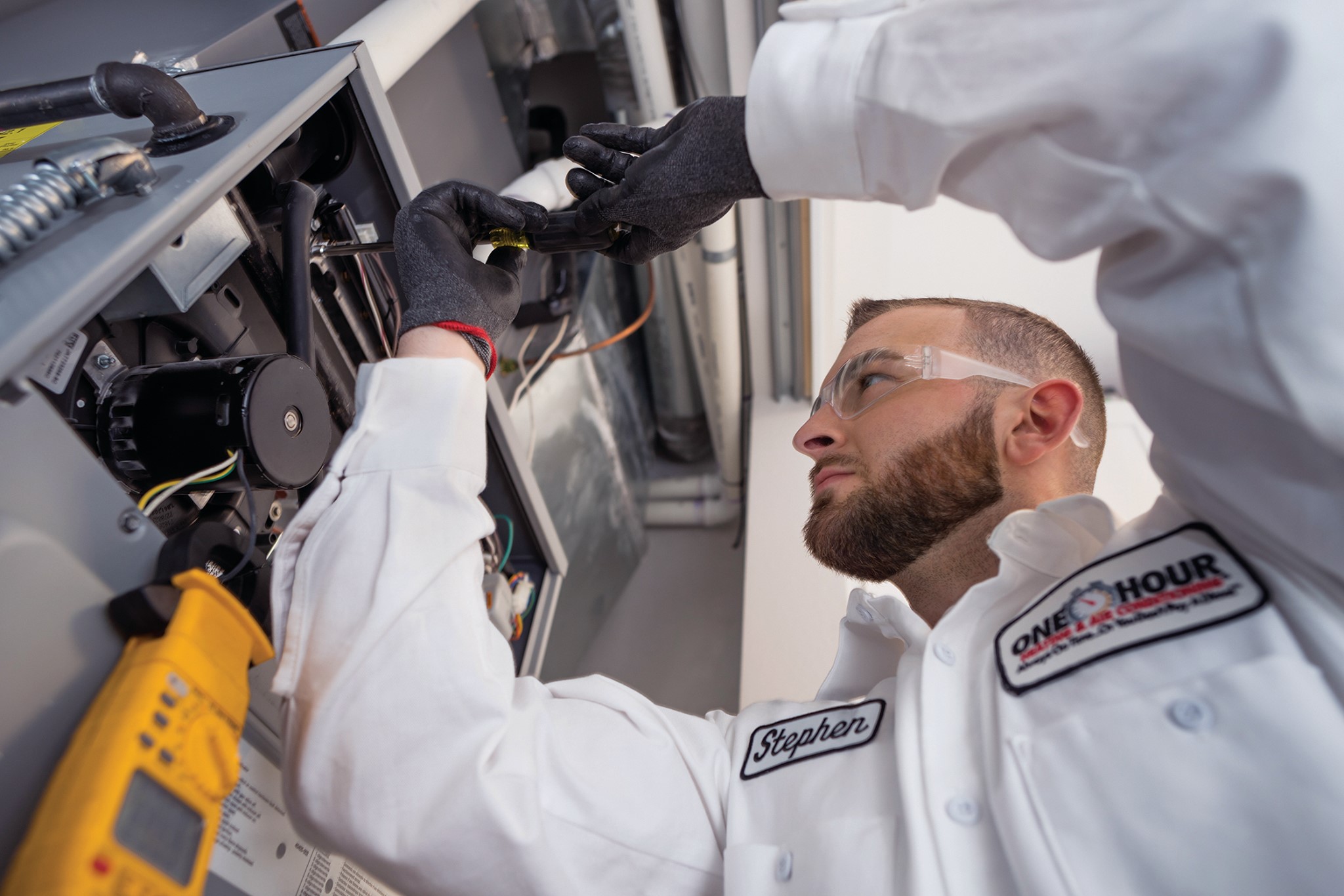
Scheduling a Professional Inspection for Pilot Light Issues
Scheduling a professional inspection for pilot light issues is a critical step for homeowners in Fort Worth, TX. Experts bring a wealth of knowledge and the right tools to diagnose problems accurately. They can identify whether the issue is a simple fix or something more complex. This ensures your heating system remains efficient and safe.
In Trophy Club, TX, residents should consider the benefits of a professional inspection. It not only addresses current pilot light issues but also helps prevent future problems. Professionals can offer advice on maintaining your system to avoid similar issues. Their expertise can save you time and ensure your heating system operates optimally.
For those in Azle, TX, a professional inspection can provide peace of mind. Knowing an expert has thoroughly checked your heating system can relieve stress. They can spot potential issues early, reducing the risk of unexpected breakdowns. This proactive approach keeps your home warm and comfortable.
Ultimately, addressing pilot light issues with a professional inspection is a wise choice. It ensures the safety and efficiency of your heating system. Professionals can quickly resolve problems, preventing further damage. Trusting an expert with your heating needs ensures your system’s longevity and reliability.
Frequently Asked Questions
What causes pilot light issues?
Pilot light issues often stem from a dirty pilot tube, interrupting the gas flow. Drafts in the area can also blow the light out, causing it to malfunction. Sometimes, a faulty thermocouple prevents the gas valve from opening, hindering the pilot light. Regular maintenance checks can help identify and fix these common problems efficiently.
How do I fix a flickering pilot light?
Fixing a flickering pilot light starts with ensuring the area is clean and free of drafts. Check the pilot tube for blockages and clean it gently. If the issue persists, inspect the thermocouple for signs of wear or damage. For complex pilot light issues, it’s best to call a professional to ensure safe and effective repairs.
Can pilot light issues be dangerous?
Yes, pilot light issues can pose safety risks. A malfunctioning pilot light might lead to a gas leak, creating a fire hazard. If it goes out often, it could signal a deeper problem that needs immediate attention. Always contact a professional for persistent pilot light problems to ensure your home stays safe and comfortable.
What are common signs of pilot light problems?
Recognizing pilot light issues early can prevent bigger problems. If your pilot light frequently goes out or won’t stay lit, it’s a clear sign of trouble. A weak or yellow flame, instead of a strong blue one, also indicates issues needing attention. Lastly, unusual noises coming from your furnace when the pilot light is on could suggest a deeper malfunction.
How often should I check for pilot light issues?
It’s wise to check your pilot light regularly, at least once a season, to catch any issues early. During routine maintenance, a professional can spot and fix any pilot light problems. If you notice any changes in performance, it’s time for a quick inspection. Keeping an eye on your pilot light helps ensure your system runs smoothly and safely.