

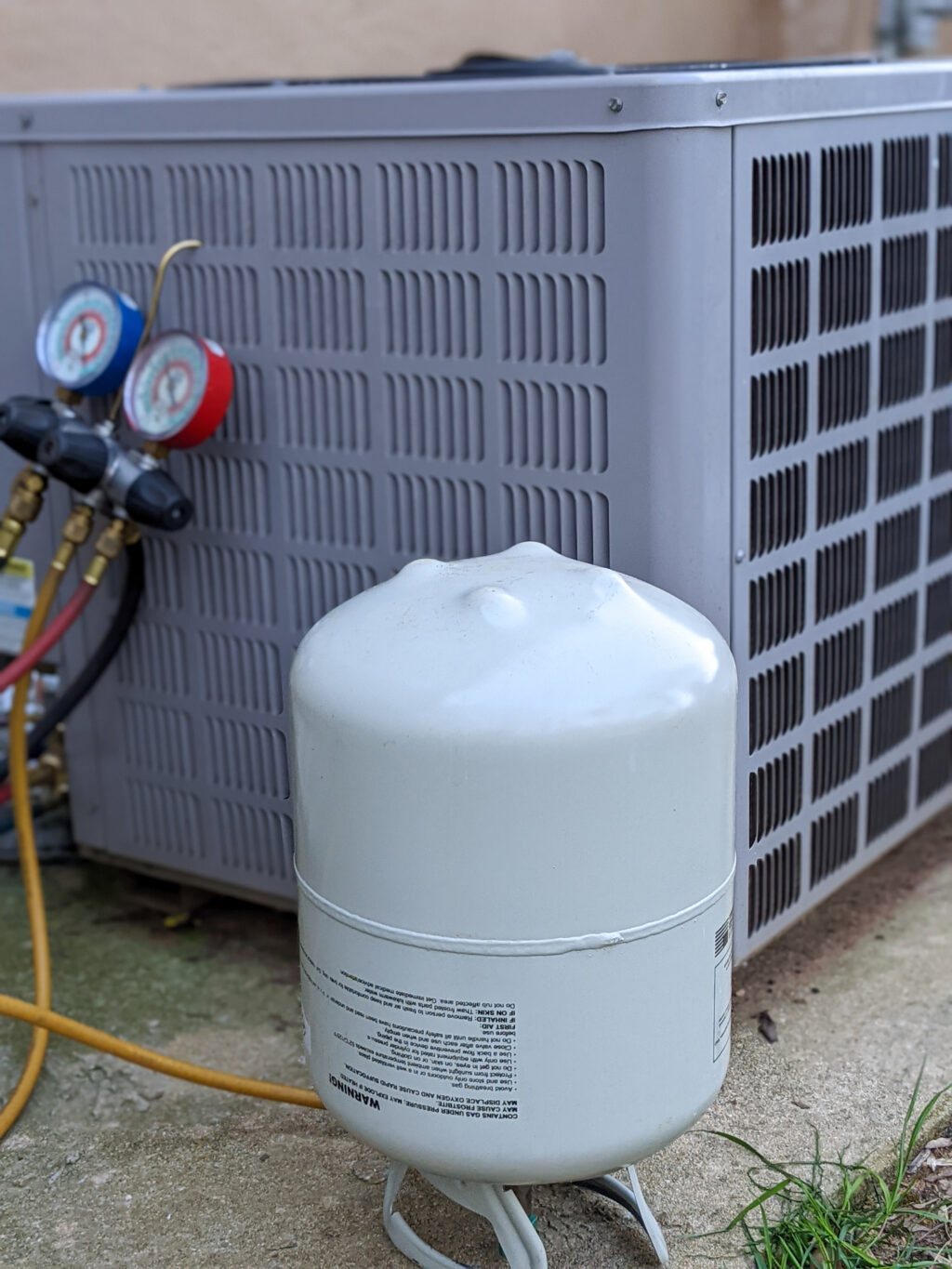
Low Refrigerant Signs Every Homeowner Should Know
Recognizing low refrigerant signs early can save you from a sweltering summer day in Fort Worth, TX, or a surprisingly warm evening in Aledo, TX. It’s not just about comfort, it’s about ensuring your system runs efficiently and effectively, avoiding unnecessary strain on its components. Understanding these signs is the first step towards maintaining a cool and comfortable home environment.
From Azle, TX, to the heart of Fort Worth, homeowners often overlook the subtle hints their HVAC systems give when in need of a recharge. Low refrigerant levels can lead to inadequate cooling, increased energy bills, and eventually, significant wear and tear on your system. It’s crucial to stay vigilant and recognize these early warnings to prevent more severe issues down the line. Each sign is a piece in the puzzle of maintaining an optimal home climate.
Professionals in the field stress the importance of not just identifying low refrigerant signs but also understanding why a proper check and correction are vital. An expert approach ensures that the solution addresses the root cause, preventing recurrence and ensuring your system’s longevity. This expertise is especially crucial in areas like Fort Worth and Aledo, where temperatures can swing dramatically, putting additional stress on your HVAC system.
In essence, being aware of low refrigerant signs is more than just a quick fix, it’s about safeguarding the comfort, efficiency, and durability of your air conditioning system. As we delve deeper into the performance symptoms of a low charge and the professional verification and correction process, remember that timely intervention is key. Keeping an eye out for these signs can make all the difference in enjoying a cool, comfortable home throughout the seasons.

Understanding Refrigerant and Its Role in Cooling
To understand why your air conditioning system may be underperforming, it’s essential to grasp the role of refrigerant. This chemical compound is pivotal in absorbing heat from your home’s interior and releasing it outdoors, a process central to cooling your space. When levels are low, the system can’t efficiently transfer heat, leading to less effective cooling. Recognizing low refrigerant signs early can prevent this inefficiency and maintain your home’s comfort.
One common symptom of low refrigerant is the air conditioner blowing warm air instead of cool. This happens because there isn’t enough refrigerant to absorb the heat from the air inside your home. Homeowners in Aledo, TX, experiencing this should see it as a clear indicator that their system needs a professional check-up. Prompt action can restore the cool, comfortable environment you cherish, especially during the hotter months.
Another telltale sign is the formation of ice on the refrigerant lines outside the unit. This occurs when there’s insufficient refrigerant, causing the remaining liquid to expand more than usual, dropping the temperature of the surrounding coils below freezing. If you notice ice in Azle, TX, it’s a signal to call in experts who can accurately diagnose and rectify the issue, ensuring your system operates at peak efficiency.
Lastly, an increase in humidity levels inside your home can also point to low refrigerant. The air conditioning system, apart from cooling, plays a crucial role in removing excess moisture from your indoor air. When it fails to do so effectively because of low refrigerant, you might start feeling more uncomfortable despite the thermostat setting. This underscores the importance of recognizing low refrigerant signs and seeking professional assistance to address them, keeping your home comfortable and your system running smoothly.
Low Refrigerant Signs to Watch For
Hearing unusual noises from your air conditioner could be alarming. These sounds, often hissing or bubbling, indicate a leak in the system where refrigerant escapes. Homeowners in Aledo, TX, should take this as a serious sign that their unit might be running low on refrigerant. Promptly addressing this issue can prevent further damage and maintain optimal performance.
Frequent cycling is another symptom not to overlook. If your unit turns on and off more often than usual, it’s struggling to maintain the desired temperature due to insufficient refrigerant. This not only affects your comfort but also puts undue stress on the system, leading to potential breakdowns. Recognizing these low refrigerant signs early ensures your unit remains efficient and reliable.
An unexpected rise in energy bills can also hint at low refrigerant levels. When the air conditioner lacks enough refrigerant, it works harder and longer to cool your home, consuming more energy. Homeowners noticing a spike in their bills, especially in Azle, TX, should consider it a red flag and call for a professional assessment to avoid further inefficiency.
Lastly, poor cooling performance despite a correctly set thermostat suggests low refrigerant. If certain rooms or areas in your home remain warmer than others, it’s likely the system can’t distribute cool air effectively. This uneven cooling is a clear indicator of low refrigerant, underscoring the need for a professional check to restore your home’s comfort levels.
The Impact of Low Refrigerant on Energy Bills
An unexpected rise in energy bills often alarms homeowners, signaling inefficiencies within their HVAC systems. If your air conditioner is consuming more energy, it might be struggling due to low refrigerant levels. In Azle, TX, observing such a spike should prompt a call to professionals who can check for these low refrigerant signs. This step not only helps in identifying the issue but also in implementing the necessary corrections to enhance efficiency.
Low refrigerant affects your air conditioner’s ability to cool your home, leading to longer operation times. This extended running period is not just about discomfort, it’s a sign that the system is overworking to achieve the set temperature. Homeowners noticing their units laboring harder, especially in Aledo, TX, should see this as a clear indicator of low refrigerant. Addressing this promptly ensures the system operates smoothly, avoiding unnecessary strain.
The environmental impact of low refrigerant extends beyond just the air conditioning system. As the unit struggles to cool your home, it consumes more electricity, contributing to a larger carbon footprint. Recognizing these low refrigerant signs and acting swiftly can make a significant difference. It ensures that your system not only works efficiently but also supports more sustainable living practices.
Finally, the overall comfort and well-being of your home environment are at stake when dealing with low refrigerant. Uneven cooling and extended run times can lead to a less comfortable living space. By staying vigilant and recognizing these low refrigerant signs early, homeowners can maintain a cool, comfortable, and energy-efficient home. This proactive approach not only enhances your immediate living conditions but also contributes to the longevity and performance of your HVAC system.
How Low Refrigerant Affects Indoor Comfort
Low refrigerant signs can significantly impact your indoor comfort, making your home feel less inviting. When the air conditioner lacks sufficient refrigerant, it struggles to maintain a consistent temperature across different rooms. Homeowners in Aledo, TX, might notice that some areas remain uncomfortably warm, despite the air conditioner running continuously. This uneven cooling is a clear signal that it’s time to seek professional help to address the issue.
In addition to affecting temperature consistency, low refrigerant levels can also lead to increased humidity inside your home. The air conditioner not only cools the air but also removes moisture, ensuring a comfortable indoor environment. If you find the air inside your home feels stickier or more humid than usual, especially in Azle, TX, this could indicate a refrigerant issue. Acting swiftly to correct this can restore the balance of comfort in your home.
Moreover, the quality of air circulating within your home can diminish when the air conditioner operates with low refrigerant. The system’s reduced efficiency means it can’t filter and circulate air as effectively, potentially leading to a buildup of dust and allergens. Recognizing these low refrigerant signs early and addressing them can significantly improve the air quality in your home, making it a healthier environment for everyone.
Lastly, the overall sense of well-being and comfort in your home is paramount, and being vigilant about low refrigerant signs plays a crucial role in maintaining this. Ensuring your air conditioning system is checked and corrected by professionals not only enhances your immediate living conditions but also safeguards the system’s efficiency and longevity. Homeowners who stay proactive in monitoring these signs can enjoy a cooler, more comfortable home environment throughout the year.

Diagnosing Low Refrigerant: Professional Methods
When homeowners in Azle, TX, notice their air conditioning system underperforming, it could be due to low refrigerant levels. Professionals use specialized tools to diagnose this issue accurately. They start by checking the pressure in the system, which can reveal if the refrigerant is indeed low. This method ensures that the diagnosis is precise, avoiding unnecessary repairs.
Following the initial pressure check, experts may employ electronic leak detectors around the system’s components. These devices are highly sensitive and can pinpoint where refrigerant might be escaping. This step is crucial because fixing a leak is essential before adding more refrigerant. It ensures that the solution is long-lasting and effective.
In Aledo, TX, technicians might also use dye tests to locate leaks. By adding a fluorescent dye into the refrigerant system, they can spot leaks that electronic detectors might miss. This method is particularly useful for complex systems where leaks are not obvious. It highlights the importance of professional expertise in diagnosing and solving the problem.
After identifying and repairing any leaks, professionals will recharge the system with the correct amount of refrigerant. They ensure the system’s charge matches the manufacturer’s specifications precisely. This final step restores the air conditioner’s efficiency and performance, bringing comfort back to your home. It underscores the necessity of professional intervention when dealing with low refrigerant signs.
The Risks of DIY Refrigerant Recharge
Attempting a DIY refrigerant recharge can tempt homeowners spotting low refrigerant signs, yet it carries significant risks. Without the proper tools and expertise, identifying the correct type and amount of refrigerant is challenging. This can lead to improper charging, which might damage the system further or cause it to operate inefficiently. Professionals in Aledo, TX, have the necessary skills and equipment to ensure the job is done right.
Moreover, handling refrigerant requires safety precautions that the average homeowner may not be aware of. Refrigerants can be hazardous if not handled correctly, posing risks to both the individual and the environment. Professionals are trained in safe handling practices and are equipped to deal with these materials safely. This ensures that the recharge process does not lead to accidents or environmental harm.
In Azle, TX, the importance of addressing leaks before recharging the system cannot be overstated. A DIY approach might overlook this crucial step, leading to continuous refrigerant loss. Professionals not only recharge the system but also ensure that any leaks are repaired, maintaining the system’s integrity and preventing future issues. This comprehensive approach addresses the root cause of low refrigerant signs, ensuring lasting solutions.
Lastly, relying on professionals for refrigerant recharge offers peace of mind. Homeowners can trust that their system’s performance and efficiency are restored without risking damage or safety. This professional intervention guarantees that the air conditioning system operates optimally, keeping homes comfortable throughout the year. It’s a reminder that when it comes to low refrigerant signs, professional expertise is invaluable.
Legal and Environmental Considerations of Refrigerant Handling
Handling refrigerant involves more than just technical know-how, it also includes adhering to legal and environmental guidelines. In Aledo, TX, professionals are well-versed in these regulations, ensuring that the process of addressing low refrigerant signs complies with both state and federal laws. This compliance protects homeowners from potential legal issues and contributes to environmentally responsible practices.
The environmental impact of refrigerant leaks is significant, as these substances can contribute to ozone depletion and climate change. Experts in Azle, TX, are trained to detect and repair leaks efficiently, preventing harmful substances from escaping into the atmosphere. Their specialized skills not only fix low refrigerant signs but also help in conserving the environment.
Refrigerant handling requires specific certifications that professionals possess. These certifications confirm that the technician has the knowledge and skills to safely manage refrigerants. Homeowners can trust that their systems are in capable hands, reducing the risk of improper handling that could exacerbate environmental damage.
Lastly, the move towards using more eco-friendly refrigerants is gaining momentum. Professionals stay updated on the latest advancements, ensuring that when they address low refrigerant signs, they can advise on the best and most sustainable options available. This approach not only solves the immediate problem but also aligns with broader environmental goals, making it a win-win for homeowners and the planet.
Preventive Measures to Avoid Low Refrigerant Issues
Regular maintenance is key to preventing low refrigerant signs from disrupting your comfort. Scheduling annual check-ups with professionals ensures your system in Aledo, TX, stays efficient. These experts can detect minor issues before they escalate, keeping your air conditioning running smoothly. It’s a proactive step that safeguards against unexpected breakdowns and maintains optimal performance.
Homeowners can also play a part in avoiding low refrigerant issues by being attentive to their system’s operation. Listening for unusual noises or monitoring cooling efficiency can help catch problems early. If something seems off, calling in a technician from Azle, TX, for a thorough inspection can prevent further complications. This vigilance helps in identifying potential leaks or inefficiencies promptly.
Educating yourself on the basic workings of your HVAC system also contributes to preventing low refrigerant signs. Understanding how your system should operate allows you to notice when performance dips. This knowledge empowers you to make informed decisions about when to seek professional help. It’s an effective way to stay ahead of issues and ensure your system’s longevity.
Lastly, ensuring your HVAC system is clean and free from blockages can prevent low refrigerant signs. Regularly replacing or cleaning air filters and keeping the area around outdoor units clear are simple tasks that enhance efficiency. These steps help maintain proper airflow and system pressure, reducing the risk of refrigerant-related issues. It’s a straightforward routine that can make a significant difference in your system’s health.
Frequently Asked Questions About Low Refrigerant Signs
What causes low refrigerant in AC units?
Low refrigerant in AC units often stems from leaks in the system. Over time, fittings can loosen and seals may wear out, allowing refrigerant to escape. Regular wear and tear or corrosion can also lead to small holes in the refrigerant lines. Professionals must inspect and repair these issues to ensure your system runs efficiently.
How do low refrigerant signs affect cooling?
Low refrigerant signs can greatly impact your home’s cooling efficiency. Your AC unit may struggle to reach the desired temperature, leading to longer run times and reduced comfort. Ice formation on the refrigerant lines and indoor coil is another common indicator. These issues not only decrease performance but also increase wear on the system, necessitating professional verification and correction to restore optimal function.
Can I check for low refrigerant signs myself?
While homeowners can spot some low refrigerant signs, a professional assessment is crucial for accuracy. You might notice your AC struggling to cool your home or ice forming on the coils as initial hints. However, correctly diagnosing and fixing the issue requires specialized tools and knowledge. Therefore, it’s best to call in experts from One Hour Air Conditioning & Heating to ensure your system is properly evaluated and repaired.
What are common low refrigerant signs?
Common low refrigerant signs include an AC unit that takes longer to cool your home and increased energy bills due to inefficiency. You might also notice ice forming on the evaporator coils, indicating the system is struggling. Another telltale sign is hearing a hissing or bubbling noise, suggesting a refrigerant leak. It’s essential to contact professionals like One Hour Air Conditioning & Heating for accurate diagnosis and repair.
How often should refrigerant levels be checked?
Experts recommend checking refrigerant levels at least once a year. This routine maintenance ensures your AC unit operates efficiently and effectively. During regular service visits, professionals can spot early low refrigerant signs, preventing larger issues. Trusting a team like One Hour Air Conditioning & Heating of Fort Worth for annual checks keeps your system in top shape.