

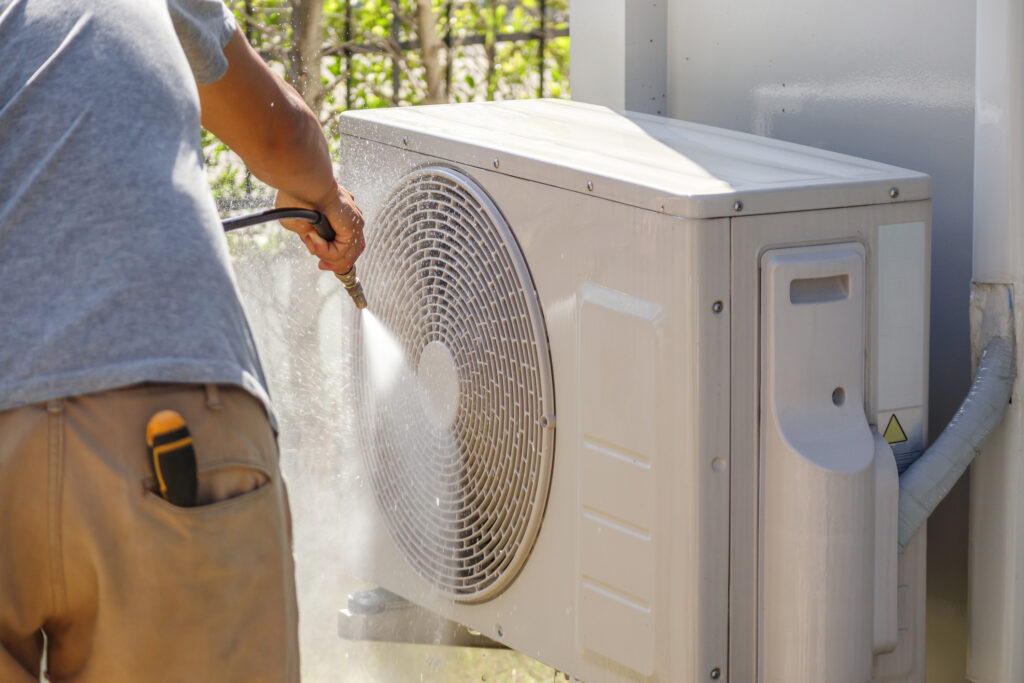
Mini Split Cleaning to Improve Airflow and Hygiene
Key Takeaways About Mini Split Cleaning
Mini split cleaning means removing dust mold and biofilm from indoor cassettes and outdoor coils to restore airflow and stop odors. This information is for homeowners and property managers who notice weak airflow persistent smells or water issues and need guidance on when to call a pro.
- Identify visible mold water stains or heavy debris inside cassettes.
- Prevent recurring odors by keeping condensate drains clear and flowing.
- Avoid DIY drills that risk electrical damage or spreading spores.
- Spot reduced airflow by checking supply grilles and blower performance.
- Reduce system strain by restoring clean coils and unobstructed fan flow.
- Plan regular inspections and documented maintenance to track improvements.
Introduction
Mini split cleaning matters when indoor cassettes smell musty or produce weak airflow. Accumulated dust, mold, and grime inside cassette housings reduce cooling and airflow. Outdoor units also lose efficiency when fins and coils clog with debris. Ignoring these problems can lead to uneven comfort and recurring odors in living spaces.
Professional cleaning focuses on restoring airflow and removing contaminants that cause smells and clog drains. Technicians inspect the evaporator coil, blower motor, and condensate drain to find common causes. They also assess the outdoor condenser coil, fan, and protective grille for blockages. Proper cleaning improves performance and helps prevent recurring system stress.
Homeowner observations often point to issues before measurements do, such as a sudden drop in airflow or water staining under the cassette. Technicians use visual inspection, coil access, and simple airflow checks to confirm problems. They may also look for signs of biological growth on drain pans or inside the cassette. Those signs explain why odors persist even when the thermostat seems to work normally.
For properties in Bedford or routine systems in Colleyville, regular professional maintenance reduces surprises and restores usable output. A trained technician can document findings with photos and specific inspection notes for future comparison. Homeowners benefit from clearer indoor air and more consistent conditioned spaces after a thorough cleaning. If you notice persistent smells or weak airflow, contact a professional for an inspection and documented results.
How Mini Split Cleaning Improves Airflow And Hygiene
How mini split cleaning improves airflow and hygiene means removing dust, mold, and debris from indoor cassettes and outdoor coils. Cleaning restores the evaporator coil surface so refrigerant can absorb heat efficiently again. It clears the blower and return paths so supply grilles deliver expected airflow to rooms. Technicians also remove biofilm from drain pans to stop musty smells and slow clogs.
- Evaporator coil fins cleaned to improve heat transfer.
- Blower wheel and motor area cleared of dust and lint.
- Condensate drain and trap cleared to prevent standing water.
- Outdoor condenser coil and fan inspected for debris and leaves.
Homeowners often ask if cleaning will remove odors, and yes, removing mold and stagnant water usually stops persistent smells. A professional can confirm this with a visual inspection and by checking condensate flow after cleaning. They also run a simple airflow check at the grille to compare before and after results. If odors remain, technicians look for hidden mold inside plenums or ducted sections to find the source.
Cleaning improves running efficiency by reducing load on the blower motor and compressor during operation. Technicians inspect the refrigerant line set and connections while accessing the evaporator coil to ensure nothing else affects output. For properties in Bedford or systems near Colleyville, regular cleaning prevents recurring performance drops and documentable improvements. If you want an on-site example of professional work, see a local mini split cleaning page for details and scheduling.
Common Causes Of Reduced Mini Split Performance
Blocked airflow often starts at the return grille or the cassette inlet where lint and pet hair accumulate fast. A technician inspects the evaporator coil and blower wheel for packed dust that causes uneven air delivery. Restricted airflow raises discharge temperature and makes rooms feel inconsistent even when the compressor cycles normally. In some cases the indoor filter mesh hides deeper buildup on coil fins that only a service visit reveals.
Biological growth and biofilm can form on drain pans and inside the cassette housing when moisture is present and airflow is low. Technicians look for black or brown staining and will probe the condensate trap to confirm slow drainage. When microbial colonies develop they often create musty or sour odors that travel with supply air. Identifying these colonies helps determine whether targeted cleaning or further remediation is needed.
Outdoor unit problems also reduce mini split output by interfering with heat rejection at the condenser coil and fan assembly. Leaves, grass clippings, and fine dust can coat the condenser fins and lower heat transfer efficiency during warm weather. A professional inspects the fan, grille, and coil for physical damage and restricted airflow to confirm the outdoor side contributes to performance loss. Proper coil access often reveals clogging not visible from a quick glance.
Refrigerant-related symptoms sometimes mimic poor airflow and require a different diagnostic path than cleaning alone. Technicians check refrigerant line sets and measure coil frost patterns or pressure readings to rule out leaks or undercharge. They also verify that the blower motor and capacitor operate within expected ranges while observing airflow at the supply grille. If a homeowner in Bedford or a routine maintenance client in Colleyville notices persistent weak output after cleaning, they should request these diagnostic checks.
Why Condensation And Mold Build Up Happens
Warm, moist air hitting a cold evaporator coil causes condensation to form on fins and in the pan during normal operation. When drainage slows or stops, water pools and creates stable damp surfaces where spores can settle and grow. Poor airflow over the coil increases surface humidity and extends drying time after each cycle, making microbial growth more likely. Technicians check the condensate trap and drain line for slow flow to confirm whether retained water drives the problem.
Organic material trapped on coil fins and in the cassette housing supplies nutrients microbes need to multiply, which changes odor and airflow. Even thin biofilm layers reduce heat transfer and can trap more dust, accelerating the cycle of buildup. A professional inspects the blower wheel and evaporator coil visually and with small probes to find sticky residues that indicate biological activity. They may also test condensate flow while operating the fan to observe whether the system clears properly.
Hidden plumbing issues and tilt problems allow condensate to collect in low spots instead of draining, creating ongoing wet areas inside the cassette or pan. A technician will look at the unit level, pan condition, and the drain hose run to diagnose trapped water or backflow. Outdoor factors like clogged line exits or animal nests can block the drain, so inspection follows the entire condensate path to the outdoors. If a homeowner in Bedford notices water staining near a cassette, these checks help pinpoint the obstruction source.
Temperature swings and long run times during hot weather increase condensate volume and challenge marginal drains and pans, promoting mold growth inside tight cassette cavities. Professionals inspect the refrigerant line set and airflow to rule out causes that raise coil surface coldness or runtime beyond normal limits. They document findings with photos and notes and recommend targeted cleaning or component repair based on observed evidence. For systems used in room additions, technicians also consider layout and drainage needs when evaluating persistent condensation issues and may reference mini split installation details for room additions during assessment.

Warning Signs Your Mini Split Needs Service Now
Noticeable changes in sound or smell often mean the system needs immediate attention. A grinding, squeal, or rattling that started recently can indicate a seized blower motor or loose mounting hardware. A sour or musty scent that intensifies while the unit runs suggests active microbial growth in the cassette or drain pan. If you smell persistent odors despite filter changes, schedule a professional inspection to locate the source and stop spread.
- Weak or uneven airflow at supply grilles.
- Visible water dripping or staining near the cassette.
- Fins or coils visible with heavy debris build-up.
- Ice forming on the evaporator coil during operation.
- New clicking or scraping noises when the unit starts.
When airflow drops suddenly, a technician first checks the filter and cassette inlet for blockages visible at a quick glance. They then remove the front panel to inspect the blower wheel, evaporator coil, and drain pan for trapped debris or biofilm. Simple diagnostic checks include a visual coil inspection, a condensate flow test, and a short airflow measurement at the grille. These steps help confirm whether cleaning alone will restore performance or if further repair is required.
If water appears under the cassette, the drain route must be traced immediately to prevent structural or mold damage. A professional inspects the condensate trap, drain hose run, and pan tilt to find trapped water or backflow points that cause pooling. For homeowners in Bedford or for maintenance in Colleyville, documenting the blockage location helps prioritize repairs and prevent recurrence. Prompt action reduces the chance of costly secondary problems like ceiling stains or hidden mold growth.
What Professional Technicians Check During Cleaning
Technicians begin with a systematic visual inspection of the indoor cassette and outdoor condenser, checking accessible components for obvious damage. They open the cassette cover to inspect the evaporator coil, blower wheel, and visible pan surfaces under bright light for biofilm or trapped debris. While inside the cassette, they check filter condition and note whether deeper access is needed to reach hidden buildup. Photos or written notes often document findings for later comparison and homeowner records.
Next they test condensate flow by running the unit and observing the drain trap and hose for steady discharge and proper slope. Technicians may use a small manual probe to clear soft clogs and then operate the blower to confirm no remaining pooling. They also examine the pan for cracks, corrosion, or tilted mounting that causes retention and forces water outside the designed path. If the drain exit outside is blocked, they trace the line to the outlet to ensure free flow.
On the indoor side, professionals inspect the blower motor, capacitor connections, and fan wheel for dust buildup and motor wear that reduces airflow. They spin the blower by hand when power is off to feel for rough spots and to check bearing condition before running electrical tests. A simple airflow check at the supply grille quantifies improvement after cleaning and helps determine if further motor or duct issues exist. For documented coil work see the separate coil cleaning in Aledo’s HVAC systems reference that explains coil access and cleaning steps.
Outside, the condenser coil and fan assembly receive a close inspection for bent fins, accumulated debris, and insect or rodent nests that block airflow. Technicians clear leaves and surface dirt, then inspect refrigerant line insulation and connection points for oil stains that could indicate leaks. They observe fan motor operation and look for abnormal vibration or wobble that could reduce airflow through the coil. A combination of visual checks and simple mechanical tests confirms whether the outdoor side limits heat rejection.
Finally, they reassemble panels, run the system, and compare output at the grille and condensate outlet to initial observations to verify cleaning effectiveness. Diagnostic notes include recorded observations, photos, and any remaining concerns that need repair beyond cleaning. Homeowners in Bedford should expect clear documentation and a recommended follow-up if symptoms persist after service. If systems in Colleyville show persistent odors or weak airflow after cleaning, technicians will advise on next diagnostic steps rather than repeat the same cleaning.
DIY Steps Homeowners Can Safely Perform First
Start with power off at the breaker and confirm the mini split is fully de-energized before touching any components. Remove and gently clean the reusable filters with warm water and mild detergent, then allow them to air dry completely before replacing. While the filters dry, wipe accessible interior plastic surfaces with a damp cloth to remove dust without pushing debris deeper into the cassette. If you find standing water near the pan, do not stick sharp objects into the drain, instead keep the area dry and call a pro if it persists.
Check the outdoor unit for loose leaves and visible debris around the grille, keeping the area clear to help air pass through the coil. Use a soft brush to remove surface dust from the condenser fins without bending them and avoid spraying high-pressure water directly into electrical housings. Inspect the refrigerant line insulation for obvious tears or exposure and note any oil stains that might suggest a leak needing professional diagnosis. If small animals or nests appear near the outdoor fan, keep people away and arrange for a technician to clear them safely.
Run a quick condensate flow check by pouring a small cup of water into the cassette pan until it reaches the trap level, watching for steady discharge at the outdoor exit. If the drain exit outside looks blocked, avoid forcing long tools down the line and instead consider a trained service that can follow the drain path properly. For guidance on cleaning and maintaining drain connections, see the condensate cleanout tee guidance at condensate cleanout tee resources which explains safe access points. Homeowners in Bedford should document slow flow symptoms with photos before calling for service to help technicians diagnose the issue faster.
Listen and note unusual sounds during a short, powered run after reassembly, clicking or scraping suggests mechanical problems needing a technician. A basic airflow check at the supply grille with your hand helps confirm immediate improvement after DIY steps, but don’t use this in place of professional airflow measurement tools. If weak airflow or persistent odors remain after these safe steps, schedule a professional cleaning and diagnostic visit rather than attempting deeper disassembly. For ongoing care of units in Colleyville, regular simple checks catch issues early and reduce the chance of hidden damage.
When To Call A Professional Mini Split Cleaning Service
Call a professional when problems persist after safe homeowner checks and simple filter cleaning has not fixed odors or weak airflow. A technician can perform a controlled condensate flow test and inspect internal pan condition with the unit open. They will also verify blower motor rotation and capacitor condition to rule out mechanical causes of reduced output. If you notice staining above the cassette that continues after DIY steps, arrange for a trained inspection.
- Visible mold inside cassette requires professional cleaning.
- Recurring water on ceilings calls for a full drain trace.
- Persistent sour odors need internal biofilm removal.
- Unusual mechanical noises should be diagnosed by a technician.
When technicians arrive they confirm symptoms by measuring airflow at supply grilles and observing condensate discharge during operation. They may remove the cassette to access the evaporator coil and pan for deep cleaning and photo documentation. If outdoor airflow looks restricted, they inspect clearances around the condenser and roofline to ensure proper heat rejection. For guidance on keeping outdoor airflow clear, review the linked outdoor unit clearance guidance before the visit.
Schedule service promptly when signs point to biological growth or trapped water that risks building damage or odors. A professional documents findings and recommends targeted repairs if cleaning alone will not restore performance. Homeowners in Bedford should provide photos of stains or slow drains to speed diagnosis. For systems in Colleyville, mention any recent landscaping or animal activity near the outdoor unit to help technicians prioritize checks.
Preventive Maintenance Tips To Maintain Output And Odors
Establish a simple maintenance rhythm to keep output steady and odors away by scheduling visual checks at regular intervals. Inspect the cassette intake and visible pan for dust or standing water and note any changes. Keep the outdoor condenser clear of new debris and check that fan airflow is unobstructed during hot months. If you spot persistent dampness, contact a technician to avoid hidden mold growth and structural staining.
Replace or clean reusable filters according to manufacturer guidance and record the dates to track when next cleaning is due. Gently wash filters with mild detergent and let them dry fully before reinstalling to prevent trapped moisture. While replacing filters, look for unusual discoloration on the filter medium as a cue for deeper inspection. If filters darken quickly, a professional can inspect the evaporator coil for hidden contamination.
Run a brief condensate flow test every few months by pouring a small amount of water into the cassette pan and watching the outdoor discharge. This quick check reveals slow drainage before it causes pooling or ceiling stains and helps you decide when to call for service. If the outlet shows intermittent flow or backing up, save photos and notes for the technician to aid diagnosis. Homeowners in Bedford should include drain photos with service requests to speed troubleshooting.
Keep an eye on system runtime and room comfort to detect gradual output loss early and prevent recurring odors from becoming established. If cooling cycles lengthen while airflow drops, a professional diagnostic can separate refrigerant problems from drainage or coil issues. Technicians commonly inspect the blower motor, condensate path, and evaporator coil during their assessment and document findings. For further guidance on odor sources and fixes related to coils, review the evaporator coil odor causes and fixes resource before scheduling a detailed inspection in Colleyville.

Frequently Asked Questions
How does mini split cleaning stop musty odors?
Mini split cleaning removes accumulated dust, mold, and biofilm from the evaporator coil, drain pan, and air filters that cause musty smells. Cleaning restores proper condensate flow so water does not sit and feed microbial growth. Technicians also disinfect components and flush the condensate drain to neutralize odors at the source. If you smell persistent mold or suspect contamination, stop use and hire a professional because improper cleaning can spread spores or damage components.
When should I call a pro for mini split cleaning?
Call a pro when you notice reduced airflow, persistent mildew smells, or water dripping from the indoor cassette.
Also schedule service if the unit cycles oddly, makes grinding noises, or fails to reach set temperatures.
A technician will inspect the evaporator coil, blower motor, condensate drain, and outdoor condenser for clogs or damage.
If you see electrical arcing, refrigerant leaks, or significant water near wiring, stop the unit and contact a professional immediately.
What causes weak airflow from a cassette unit?
Weak airflow from a cassette unit often stems from clogged filters and a dirty evaporator coil that restrict air movement. Blocked or dirty return grilles and obstructed supply vents also reduce output and change airflow patterns. Low blower motor performance or a failing fan capacitor can lower fan speed and should be inspected by a pro. If you suspect electrical or refrigerant issues, exercise caution and contact a professional for diagnosis and Mini split cleaning.
Can DIY filter cleaning fix condensate backups?
Cleaning or replacing washable filters can sometimes clear minor condensate backups caused by restricted airflow.
However, backups often result from a clogged condensate drain or a blocked condensate pan that filter cleaning alone won’t fix.
Because standing water and electrical components raise safety risks, stop if you see leaks, mold, or persistent pooling and contact a professional.
A trained technician will inspect the evaporator coil, condensate drain line, and perform Mini split cleaning if needed to fully restore proper drainage.
What inspection steps confirm cleaning worked?
After Mini split cleaning, technicians measure airflow at the supply grille and compare it to pre-cleaning readings to confirm improvement. They inspect the evaporator coil, drain pan, and condensate line for visible residue or standing water. Technicians run the system to check for reduced odors, steady temperature drop, and quieter blower operation. If any electrical or refrigerant issues appear, stop work and recommend a professional service for safe diagnosis and repair.