

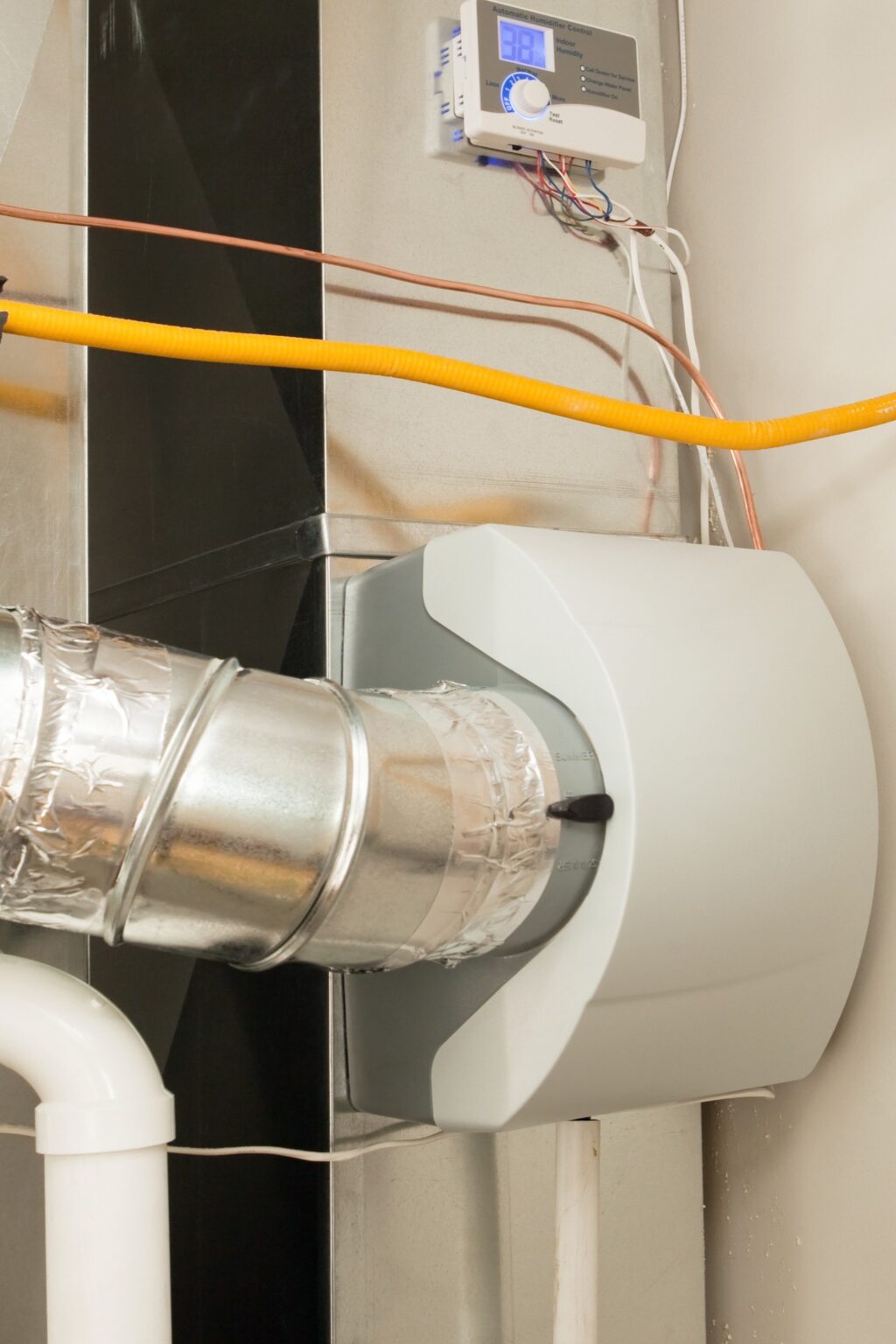
Humidifier Bypass Damper, Set It Right For Winter
Key Takeaways About Humidifier Bypass Damper
This article explains how the bypass damper routes furnace air through a home humidifier to control indoor moisture. It is for homeowners and property managers who notice humidity problems during heating season and need practical checks.
- Identify damper linkage issues by observing blade movement during cycles
- Prevent airflow short-circuiting by testing direction at multiple registers
- Avoid pad overwetting by checking water distribution and drain behavior
- Spot uneven humidity with room hygrometer readings during operation
- Reduce biological growth by replacing contaminated pads promptly
- Plan professional diagnostics when odors drips or inconsistent readings persist
Introduction
Too much or too little indoor humidity causes real problems for comfort and building materials. A humidifier bypass damper that sits wrong can push moist air where it should not go. Homeowners notice musty smells, window fogging, or dry skin when humidity is off. Getting the bypass position right matters for balanced humidity without overdoing it.
Airflow direction through the ductwork determines whether the humidified air reaches living spaces or returns to the furnace. If air flows the wrong way, pads stay wet and bacteria or mold can grow. You might hear unusual blower noise or see uneven humidity between rooms. These symptoms often signal a dampers or airflow issue rather than the humidifier alone.
Pad wetting affects how much moisture actually enters the house and how clean the system stays. Overly saturated pads drip and can cause water in the drain or near the furnace cabinet. Underwetted pads leave the blower to overwork and still fail to raise humidity effectively. Both extremes shorten component life and raise indoor air quality risks.
For homeowners in Euless, TX and properties in Richland Hills the winter months make these issues more noticeable. A professional will verify bypass position, check airflow direction, and inspect pad wetting to confirm what needs attention. If you spot persistent smells or uneven humidity, contact a qualified HVAC technician for a safe diagnosis. Acting early prevents moisture damage and keeps indoor air healthy.
How Humidifier Bypass Damper Works And Why It Matters
A humidifier bypass damper is the duct valve that routes furnace airflow through the humidifier or around it. The damper opens to send warm, dry supply air through the bypass into the return or supply plenum. It closes when humidification is not needed, preventing excess moisture from entering the system. Proper damper action balances humidity without creating condensation or mold risks.
- It controls how much heated air contacts the evaporative pad.
- Airflow direction decides whether moist air reaches living spaces.
- A stuck damper can leave pads wet continuously.
- Incorrect position causes uneven humidity between rooms.
The damper position matters because it directly changes moisture transfer into the house. Homeowners often ask if damper position alone can cause window fogging, and the answer is yes. If the damper stays open too long, humid air can condense on cold surfaces and cause visible moisture. If it stays closed, the humidifier adds little to no benefit during dry weather.
A professional will inspect linkage, damper blades, and the actuator to confirm proper movement and seal. They check airflow with simple smoke tests or by feeling supply registers during operation to confirm direction. They also examine the evaporative pad and drain for signs of overwetting that indicate the damper lets too much air through. For routine checks and pad service guidance, see the humidifier maintenance page from our site for clear steps.
When the damper and airflow work together, the humidifier delivers controlled moisture without drips or bacterial growth. In Euless, TX homes, winter heating can push indoor humidity too low without proper damper control. For Richland Hills properties, a misaligned damper often shows as uneven humidity between floors or rooms. If you notice these cues, a trained HVAC technician can diagnose and adjust the damper safely and effectively.

Signs Your Home Has Too Little Or Too Much Humidity
Dry indoor air often shows itself through static shocks, cracking wood trim, and increased respiratory irritation during sleep. Another common sign is frequent nosebleeds or very dry nasal passages that worsen over several days. Homeowners may notice hardwood floors shrinking or small gaps forming along baseboards in winter. These clues point to humidity below recommended levels and suggest the humidifier may not be adding enough moisture.
Too much humidity creates different, often visible problems such as condensation on windows, damp spots on walls, or a lingering musty odor in closets. You might also see water collecting in the drain pan near the furnace or notice wetness around the humidifier cabinet. Persistent surface condensation can lead to paint failure and promote mold growth on porous materials if not addressed quickly. In these cases, the humidifier bypass damper may be allowing excess warm air through the evaporative pad.
A professional diagnosing humidity extremes starts with simple, observable checks before any parts are removed or replaced. They will read relative humidity with a hygrometer at several locations, inspect the evaporator pad and drain, and watch damper movement while the furnace and fan run. Technicians often confirm airflow direction using a smoke pencil or by feeling supply and return registers to ensure humidified air reaches living spaces. That inspection may also include verifying the solenoid valve operation linked to pad wetting to rule out overwatering issues using the humidifier solenoid valve page as a reference.
For homeowners in Euless, TX and Richland Hills, uneven humidity between rooms or floors is a key symptom that deserves attention. If one room fogs its windows while another stays dry, airflow routing or closed dampers usually play a role. A professional will document register readings, take humidity measurements, and record visual evidence like wet pad photos to form a clear diagnosis. These actionable observations guide the right adjustment to avoid under- or over-humidifying the home.
Verify Bypass Position With Visual And Airflow Checks
Start by visually inspecting the damper linkage at the humidifier bypass damper to confirm the blade moves freely when the furnace cycles. Look for bent rods, loose screws, or foam debris that can block full travel and prevent a proper seal. A clear sightline to the damper blades helps identify whether the blade rests partly open when it should be closed. If you see corrosion or sticky residue on the pivot, note it for professional lubrication or replacement.
Next, perform a simple airflow check with the furnace fan on and the humidifier calling for moisture to verify direction and effectiveness. Hold a strip of tissue near the return and supply registers to confirm which way air moves while the damper cycles. If the tissue moves toward the return when the humidifier is active, humid air may be short-circuiting back to the furnace instead of entering living spaces. Record which registers show stronger flow to help a technician fine-tune damper position later.
Inspect the evaporative pad from the visual side while the humidifier runs to see how wetting changes as the damper opens and closes during cycles. Watch for steady, even darkening across the pad surface, uneven wet areas often mean incorrect bypass direction or insufficient airflow across the pad. If you observe dripping or pooling at the cabinet bottom while the damper is partially open, that indicates excessive air through the pad or a stuck-open damper. Photograph any overwetted areas to share with the technician for faster diagnosis.
If the damper moves but humidity outcomes still seem off, perform a timed observation to link damper position with humidity readings from a portable hygrometer. Place the hygrometer near an affected room and note readings before, during, and after several humidifier cycles to see if changes correspond to damper movement. A professional will use similar observations plus airflow checks to confirm whether linkage adjustment, actuator replacement, or damper sealing is needed. For step-by-step maintenance guidance and seasonal checklists homeowners can follow, consult the humidification needs page on our site for practical tasks to prepare before a service visit.
Confirm Airflow Direction And Furnace Fan Settings
Check the furnace fan mode before testing airflow since continuous fan or auto changes how humid air moves through the ducts. Set the thermostat fan to “auto” and run a single heat cycle to observe normal operation and damper response. Listen for the blower motor ramp and note any unusual rattles that appear only when the humidifier engages. If the fan runs continuously, humidified air may dilute before reaching target rooms and affect readings.
- Confirm fan is in the correct mode for testing.
- Observe blower speed during a heat cycle.
- Note noises when the humidifier turns on.
- Check supply registers for direction and strength.
Use a simple smoke source or a tissue near several supply registers to detect airflow direction during humidifier calls for moisture. Move the test point between rooms and near the return to see if moist air exits living spaces or short-circuits back to the furnace. Record which registers show the strongest moist flow and where the flow reverses to help a technician pinpoint damper orientation. This approach helps determine if damper linkage or actuator timing needs adjustment.
A professional would confirm airflow with a manometer or smoke pencil and compare register temperatures to identify supply versus return paths. They also check the blower motor, capacitor, and any variable-speed controls that affect airflow volume through the humidifier. If airflow is low, they inspect the return grille, filter condition, and supply plenum for obstructions or closed dampers. These diagnostic steps produce measurable results used to recommend corrective actions.
For homeowners in Euless, TX and Richland Hills, documenting fan mode, register readings, and smell or noise observations speeds diagnosis and helps the technician reproduce the issue quickly. Place a hygrometer near problem rooms before testing to see humidity shifts tied to fan changes and damper movement. If you detect musty odors or steady wetting while the fan runs, stop and contact a qualified HVAC technician for safe inspection. For more on recommended indoor targets and seasonal guidance, review the indoor humidity levels resource before a service visit.
Check Evaporative Pad Wetting And Performance Indicators
Inspect the evaporative pad while the humidifier runs to confirm even wetting across the entire surface and consistent water flow. Look for darkening that spreads uniformly from top to bottom, which indicates correct distribution from the solenoid and feed line. If sections stay dry or show lighter color, the feed line, distributor, or clogged or worn pad may be at fault. Photograph uneven wetting to share with a technician during diagnosis.
Check for dripping or pooling at the cabinet base when the pad is fully wetted and the furnace cycles on high heat, which signals overwetting or restricted airflow. Drips often appear near the pad bottom or drain outlet and can produce musty smells later when left unchecked. A professional would measure pad saturation visually and with a moisture meter if needed to confirm overwetting and trace the root cause. Stopping the furnace and inspecting the drain path helps identify immediate blockages.
Observe pad condition for biological growth, slimy texture, or black spots that mean bacteria or mold may be present and the pad needs replacement. Smell and visible residue near the humidifier cabinet during operation are strong cues for contamination and reduced performance. A technician would remove the pad, inspect the evaporator coil and drain, and possibly sanitize the cabinet before installing a new pad. For homes in Euless, TX, persistent odors from the humidifier warrant prompt professional inspection.
Perform a simple performance check by noting indoor relative humidity before and after several humidifier cycles to see if pad wetting produces the expected rise in readings. Place a hygrometer near an affected room and record changes while watching the pad wet and the bypass damper operate. If humidity fails to rise despite a well-wetted pad, the issue may be airflow short-circuiting or blocked supply registers that require duct testing. Consider scheduling an airflow performance test in Colleyville to verify duct balance and humidifier effectiveness.
Document all observations including pad wetting patterns, drain behavior, odors, and hygrometer results for technician review so they can diagnose efficiently without repeating checks. These notes speed a professional’s inspection and reduce unnecessary parts replacement during service visits. In Richland Hills properties, uneven pad wetting combined with single-room humidity swings often points to damper or duct routing problems. Share written findings with the HVAC technician to guide targeted corrections and safe remediation.
Common Causes Of Misadjusted Bypass Dampers And Fixes
A common mechanical cause is bent or loose linkage that prevents full travel of the humidifier bypass damper blade. Technicians inspect the linkage pivot, screws, and actuator arm for play or binding during a heat cycle. If the blade fails to seal when closed, moist air can leak into the ducts and cause uneven humidity in rooms. Homeowners may notice humidity changes tied to furnace cycling rather than consistent control.
Actuator and control timing faults can leave the damper open too long or out of sync with the furnace fan start. A professional diagnoses this by observing damper movement while measuring fan startup and thermostat calls for heat. They may check the actuator voltage and control wiring, and confirm timing with simple on/off cycles before recommending replacement. These checks clarify whether the control board or the actuator needs attention.
Improper duct routing or closed supply dampers often make the humidified air short-circuit back to the return instead of reaching living spaces. An HVAC tech traces airflow and may use an airflow balancing procedure to identify which registers receive humid air and which do not. They inspect dampers in the ductwork, test register pressures, and adjust routing to ensure proper distribution. This diagnostic approach helps resolve rooms that remain dry despite normal pad wetting.
Overwatering from a misadjusted solenoid valve or clogged distributor causes pad saturation and dripping near the cabinet base. A technician checks the valve timing, feed line, and distributor slots, and visually measures pad wetting during operation to confirm the issue. If biological growth appears, they recommend pad replacement and sanitizing the cabinet before resetting water delivery.
Finally, seasonal changes and neglected maintenance can let small faults become misadjustments that affect damper performance and pad wetting. Professionals perform simple checks like visual linkage inspection, actuator function tests, and register airflow observations to pinpoint root causes. They also use measurements and photos to create a repair plan and prevent repeat problems. If you prefer a full duct and register review, ask the technician about an airflow balancing visit to confirm even humidified air distribution.
When To Call A Professional For Humidifier Bypass Damper
If you notice persistent overwetting, strange odors, or humidity that spikes only during certain cycles, call a professional for a focused inspection. A trained technician will trace the control signals, watch the humidifier bypass damper during several furnace cycles, and test solenoid timing to confirm root causes. They can also check the humidifier cabinet for contamination and verify the drain path without you needing to disassemble parts. Contacting a pro reduces the chance of making an adjustment that worsens humidity or causes leaks.
- Verify damper linkage and actuator movement visually.
- Measure airflow direction at multiple registers.
- Inspect pad wetting patterns during operation.
- Test solenoid valve timing and water distribution.
- Document results with photos and readings.
When airflow patterns are unclear or registers show conflicting direction, a technician will perform an airflow balancing assessment. They may use a manometer, smoke pencil, and register temperature checks to identify short-circuiting or closed duct dampers affecting distribution. This diagnostic confirms whether damper tuning or broader duct adjustments are necessary for proper humidification. For targeted damper adjustments, ask the technician about professional airflow damper tuning.
If biological growth appears on the pad or you detect persistent musty smells, stop using the humidifier and schedule service promptly. A pro will remove and replace contaminated pads, sanitize the cabinet, and retest pad wetting to prevent recurrence. They will also assess whether overwetting stems from water feed issues or from the humidifier bypass damper position needing correction. Early professional action protects indoor air quality and reduces the risk of mold spreading in ductwork.
Homes often show humidity problems during winter heating, which calls for professional verification when household symptoms persist. For property owners, uneven humidity between rooms commonly means a pro should test duct routing and damper sequencing. A clear set of measurements and photos from the technician helps you decide between adjustments, pad replacement, or a more extensive duct balancing service. Professional diagnosis keeps fixes targeted and avoids unnecessary parts replacement.
Preventive Maintenance Tips To Keep Humidity Balanced
Schedule seasonal inspections that include damper travel checks and pad condition reviews to prevent performance drift over time. During a visit, ask the technician to note actuator response and linkage wear so adjustments match manufacturer tolerances. Keep a short log of observations like odd smells, run times, and hygrometer readings to share at each service. This record helps detect slow changes before they cause visible moisture or dry-air problems.
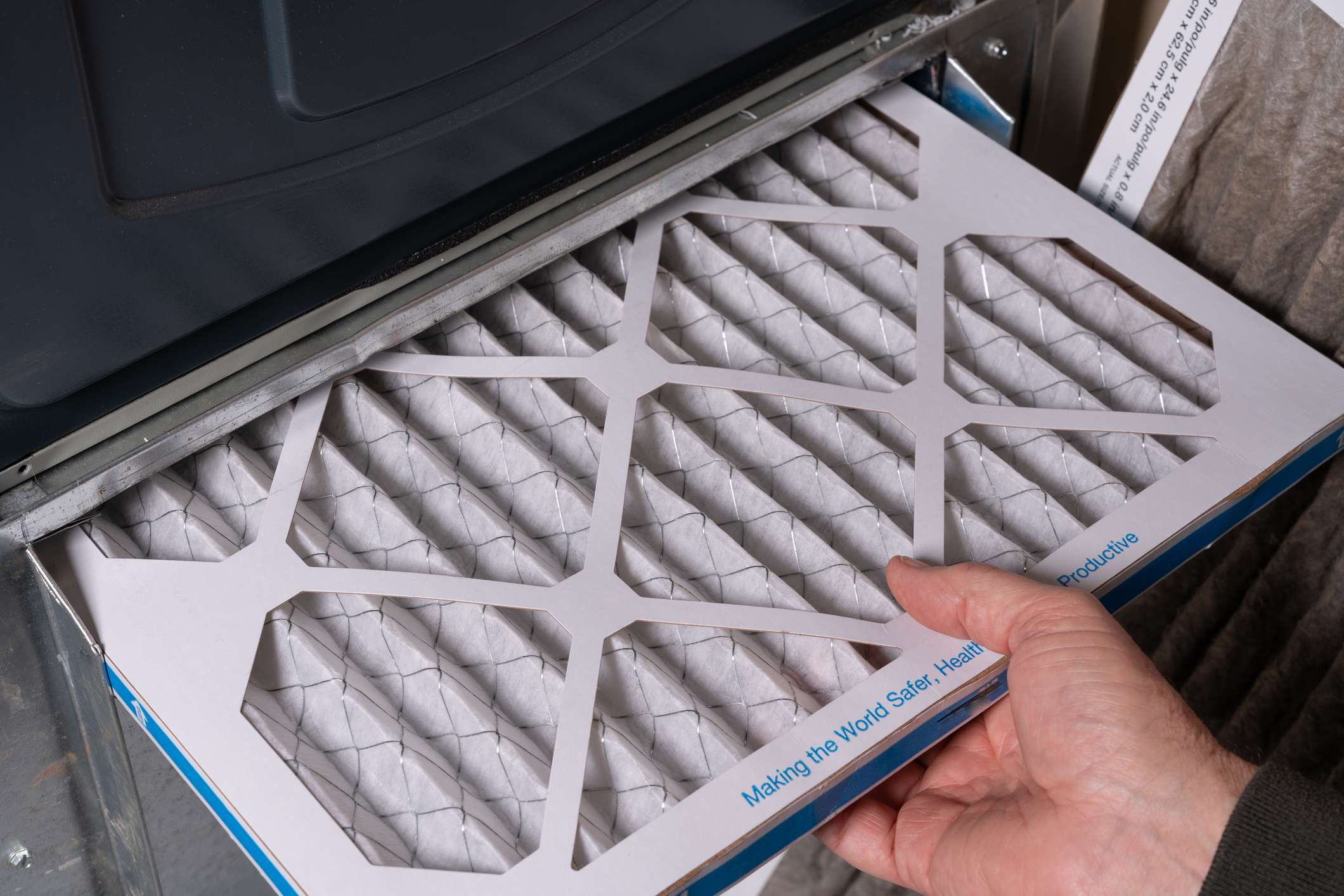
Change evaporative pads according to the manufacturer and sooner if you see slimy residue or dark staining that indicates biological growth. Between pad changes, flush the feed line and clean the cabinet to prevent mineral buildup and blockages that alter wetting patterns. Run the humidifier briefly during maintenance checks to confirm the bypass damper opens and closes fully under furnace operation. If you notice pooling or uneven darkening while testing, stop and request further inspection.
Test humidity with a reliable hygrometer placed in representative rooms to confirm balanced humidity after any adjustment or maintenance. Use the readings to set your humidistat or thermostat control for conservative winter targets to avoid condensation on cold surfaces. If rooms still show different readings after tuning, schedule an airflow balancing service linked near maintenance reviews to correct register distribution. Homeowners in Euless, TX should note any persistent room-to-room differences for the technician to evaluate.
Inspect furnace filters, return grilles, and supply registers as part of humidifier care because airflow restrictions change wetting and distribution. Replace or clean filters on a schedule and clear any blockages near the return to maintain steady airflow through the humidifier pad. Share photos or notes with the technician so they can reproduce issues during diagnostics without repeating checks. For guidance on preparing for broader HVAC service, review our maintenance considerations before scheduling an appointment.
Frequently Asked Questions
How do I check humidifier bypass damper movement?
Shut off the furnace power and open the humidifier access panel to see the bypass damper linkage and blade. Gently move the linkage by hand to confirm smooth travel from closed to open without binding or wobble. Watch airflow direction with a lit smoke stick or tissue near the bypass while the furnace fan runs to confirm correct flow. If movement is stiff, stuck, or you notice electrical issues, stop and call a professional due to burn and duct risks.
Why is humidity uneven between rooms?
Uneven humidity between rooms often comes from airflow imbalances caused by closed vents, blocked returns, or duct leaks. A misaligned humidifier bypass damper can send moisture unevenly into the supply or return stream. Differences in room size, ceiling height, and sun exposure change how quickly air holds moisture. If you suspect duct or damper problems, exercise caution around furnace components and call a professional to inspect and adjust the system.
Could the damper cause pad overwetting or dripping?
Yes, an improperly positioned humidifier bypass damper can route too much warm air through the humidifier and overwet the pad. Excess airflow can saturate the pad, increase dripping into the drain pan, and cause water to carry into the ductwork. If you notice pooling, water staining, or water where it shouldn’t be, turn off the system and exercise caution because electrical and water risks exist. Call a qualified HVAC technician to inspect damper position, airflow direction, and pad condition to prevent damage and ensure safe operation.
How can I verify airflow direction at registers?
Stand near a supply register and feel whether air blows outward or pulls inward while the system runs on fan mode at low speed. A weak outward flow at multiple registers can indicate the humidifier bypass damper is closed or misaligned and needs inspection. If you detect unusual scents, visible dust clouds, or no airflow, turn off the system and avoid probing the ductwork yourself. For any unsafe signs or unclear readings, call a trained HVAC technician to confirm airflow direction and adjust the damper safely.
When should I call a pro for damper or pad issues?
Call a pro if the bypass damper sticks, hums, or won’t hold the position you set despite adjustments. If the humidifier pad stays dry or soaks unevenly after cleaning, schedule a technician to inspect the water feed and pad alignment. If you smell mold, see persistent condensation, or notice water near the furnace, stop the system and call for help because mold and leaks are safety risks. A technician will check the humidifier bypass damper, dampers’ airflow direction, pad condition, and provide a safe repair or replacement.