

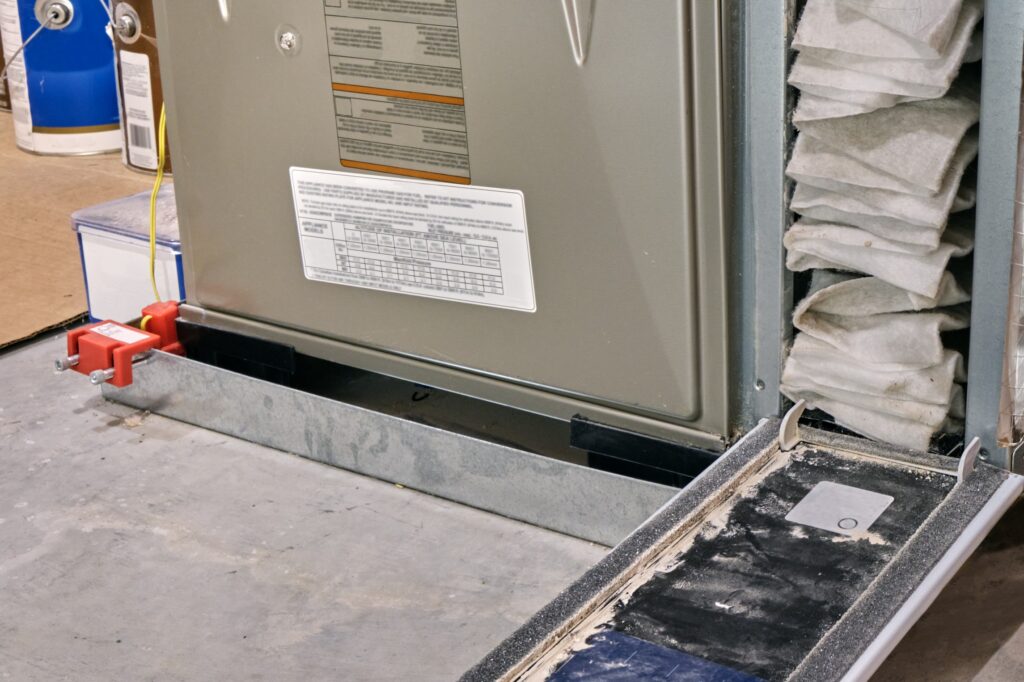
Condensate Pan Overflow Warning Signs and Fixes
Key Takeaways About Condensate Pan Overflow
Condensate pan overflow happens when the HVAC drain pan fills and spills instead of draining properly. This summary is for homeowners and property managers who need quick signs and fixes before damage or mold spreads.
- Identify puddles musty smells and dripping noises near the air handler.
- Prevent clogs by keeping filters clean and scheduling regular inspections.
- Avoid chemical drain cleaners that can damage PVC drain lines.
- Spot algae slime or biofilm inside the pan and at the trap outlet.
- Reduce risk with a secondary float switch or backup condensate pan.
- Plan professional diagnostics when overflow recurs or hidden moisture appears.
Introduction
Condensate pan overflow can lead to water damage, mold growth, and interrupted cooling on hot days. Homeowners often notice puddles, musty smells, or a constantly running air handler before seeing standing water. Clogs, algae, and slow or blocked condensate drain lines commonly cause the overflow. Recognizing the signs early limits damage and speeds safe repairs.
One common signal is a wet ceiling or warped drywall below the indoor air handler or near return grilles. You might also hear gurgling or dripping sounds that start during cooling cycles and stop when the system is off. Air filters left dirty can increase moisture production by reducing airflow across the evaporator coil. These symptoms matter because trapped water feeds mold and can damage insulation and framing.
Clogs from dust, household debris, and biological growth like algae or mold often block drains inside the condensate pan or the PVC drain line. A cracked pan or loose trap connection can redirect water toward finished areas instead of the drain. High humidity and long run times increase the volume of condensate produced each cycle. When drainage fails, the overflow switch or float switch should shut the system down to prevent further water damage.
For properties in Argyle and homes around Keller, TX, recurring overflow can harm indoor air quality and building materials if left untreated. A professional will inspect the evaporator coil, condensate pan, drain trap, and drain line to confirm the cause. Technicians use visual inspection, moisture meters, and basic flushing checks to diagnose the problem and document findings. Prompt professional attention restores safe drainage and reduces secondary damage risks.
What Condensate Pan Overflow Means And Why It Happens
Condensate pan overflow means the HVAC drain pan fills and spills water instead of sending it safely to the drain. The pan holds water from the evaporator coil and directs it through a trap and drain line away from the home. A homeowner might ask, “Will overflow ruin my ceiling?” and the clear answer is yes, untreated overflow can stain drywall and feed mold. Catching the issue early prevents structural damage and reduces indoor air quality problems.
- Evaporator coil produces condensate that drops into the pan.
- The pan’s trap links to a PVC drain line.
- Biological growth can block the drain or pan openings.
- A float or overflow switch should stop the air handler if water rises.
Overflow happens when the pan or drain line cannot move condensate away fast enough during cooling cycles. Common physical causes include a blocked trap, a clogged PVC drain line, or a cracked pan allowing water to escape. Another frequent cause is reduced airflow from a dirty filter that raises coil wetness and condensate volume. Homeowners often notice dripping sounds during the cooling cycle as the first sign of a restriction.
Biological growth such as algae and mold can form inside the pan and drain line when water sits and light or organic material exists. These organisms create slimy mats that trap dust and restrict flow, and they often produce musty smells noticeable near return grilles. Professionals confirm biological blockage by inspecting the pan, removing standing water, and taking a flashlight look down the drain. A common homeowner question is whether you can clear algae yourself, simple flushes can help but persistent growth usually needs professional cleaning.
Technicians diagnose the true cause by checking the evaporator coil, condensate pan, trap, and drain line in sequence during an inspection. They may run a water test to watch flow through the trap, use a moisture meter to spot hidden wet framing, and visually inspect for cracks or loose fittings. If needed, they use a snake or compressed air to clear the drain and then document findings with photos or a written report. For example, a homeowner in Argyle might report a ceiling stain and gurgling noise, and a technician would next test the drain flow and inspect the trap and PVC line to confirm the issue in Keller, TX.
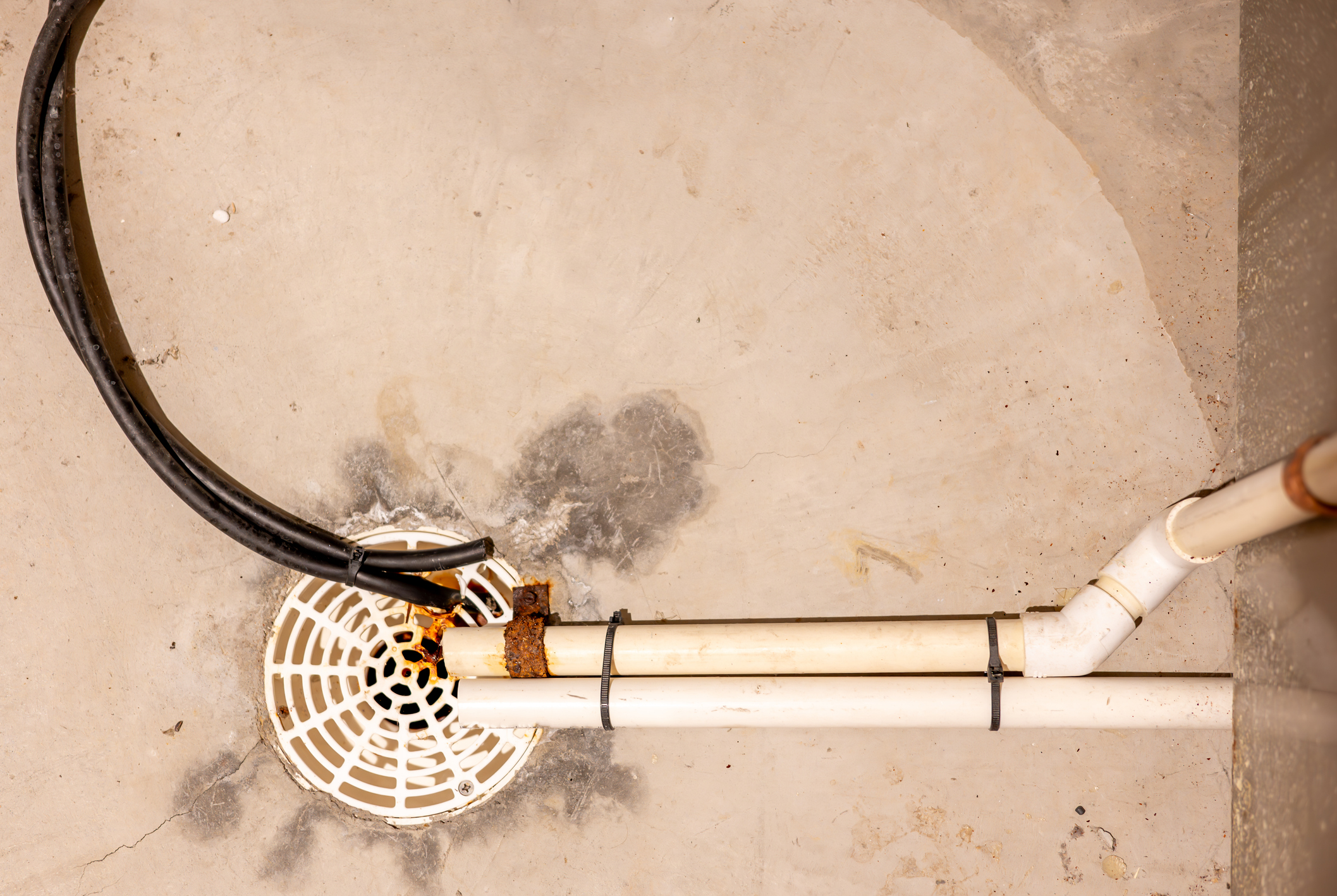
Common Causes Including Clogs Algae And Rust
Clogs often start where the pan meets the drain trap, with dirt and lint forming a physical plug that slows flow. Sediment from the return air or loose insulation can settle in low spots and trap moisture against the pan. Rust forms when metal pans or fasteners corrode after repeated wetting, creating rough surfaces that catch debris and accelerate blockage. Technicians look for pitted metal and loose screws as signs that corrosion contributes to future condensate pan overflow.
Algae and biofilm develop where light and organic material reach standing water, creating slippery deposits that cling to pan edges and inside PVC fittings. These organisms produce slimy strands that tangle with dust and hair, turning a small restriction into a full blockage. A visible slimy coating inside the pan or a musty odor near the air handler often indicates biological growth. In Keller, TX a tech may run a simple visual and manual probe to confirm live growth in the trap or outlet.
Improper slope or sagging in the PVC drain line causes water to pool and feed biological growth, which worsens clogs over time. A loose or missing trap seal can allow air pockets that interrupt steady drainage and lead to intermittent overflow events. Cracked pans redirect water toward finished spaces instead of the drain and often show staining or rust trails under the unit. Homeowners in Argyle sometimes report stains directly below the air handler when a cracked pan fails during a long cooling cycle.
Debris from recent duct work, rodent nesting material, or deteriorating insulation can suddenly appear in the pan and trigger fast clogs during a heavy cooling period. Professionals will inspect the evaporator coil, pan interior, trap, and drain line for these foreign materials to determine cause. They may also check the float or overflow switch operation, as stuck switches fail to stop the air handler when the pan fills. For targeted pan and trap cleaning information, see the condensate trap cleaning resource used by many local technicians.
Early Warning Signs Homeowners Should Watch For
A change in sound around the air handler often precedes visible water. You may hear steady dripping or irregular gurgling during cooling cycles. These noises usually get louder as the pan fills and the drain flow slows. Pay attention when sounds start only while the system runs on cool.
Musty or sour odors near return grilles often indicate trapped moisture and early biological growth. The smell can rise intermittently when the blower starts and stop when it shuts off. Odors plus slight humidity on nearby surfaces suggest the pan or trap holds water longer than it should. Homeowners should note timing and where the smell is strongest.
Surface staining or discoloration under the air handler can appear before active leaks form. Look for dark spots, bubbling paint, or warped flooring materials adjacent to the unit. These visual cues mean water has contacted building materials repeatedly over time. A technician will investigate stains to determine whether the pan overflow or a cracked drain caused them.
For properties in Argyle, small drips on ceiling tiles can become larger stains if ignored. Intermittent system shutdowns when the thermostat calls for cooling may point to a triggered overflow safety switch. The air handler may stop running until the float drops or someone resets the switch. Note whether shutoffs occur during long run cycles on humid days. A professional can test the float switch and confirm whether the shutdowns stem from genuine condensate pan overflow or an electrical fault.
Diagnosing Drain Line And Pan Problems At Home
Start by visually inspecting accessible areas around the pan for standing water, loose fittings, or visible cracks beneath the air handler. Run the system briefly and listen for new gurgling sounds while watching the pan and trap entry point to see if water flows. Use a flashlight to look down the drain opening and check for slime, hair, or debris that might block flow. Note any odors during this check and where they are strongest for the technician report.
- Check that the trap connection is tight.
- Look for loose or corroded screws on metal pans.
- Observe if water drains steadily during a test run.
- Smell for musty or sour odors near the unit.
Next, test the drain by pouring a cup of water into the pan and timing how quickly it clears to the visible drain line or floor drain. If water backs up or drains slowly, the restriction likely sits in the trap or further down the PVC line. A homeowner can use a wet/dry vacuum at the drain elbow to test suction and dislodge soft blockages while watching for improved flow. Record the before-and-after behavior to share with a service technician.
A moisture meter or simple touch checks around nearby framing reveal hidden wet spots that need repair before mold spreads. For suspected biological growth, inspect for slimy film inside the pan and at the trap outlet, that indicates a likely algae source. If the overflow switch seems to stop the system often, test its movement by lifting the float carefully to confirm it actuates the control. Homeowners in Argyle and properties in Keller, TX should report these findings when they schedule a diagnostic visit.
Simple DIY Fixes To Clear Clogs And Kill Algae
Start by turning off power to the air handler at the breaker and then remove the access panel to reach the condensate pan safely. Wearing gloves, use paper towels or a small cup to remove standing water and inspect the pan bottom for visible slime or algae buildup. If slimy growth is present, scrub the area gently with a soft brush and a mild bleach solution mixed per label directions to kill biological film. Rinse the pan with clean water and dry with towels to reduce immediate regrowth risk.
Next, clear the trap and drain elbow by pouring a cup of household white vinegar into the pan and letting it sit for 15 minutes to loosen deposits. Follow with a warm water flush while watching flow at the drain termination to confirm movement through the line. A wet/dry vacuum applied to the drain outlet can pull soft clogs free if the vacuum creates a steady suction for several seconds. Repeat the vinegar soak and vacuum test until water drains freely and no slimy residue remains at the opening.
If algae keeps returning, install a short maintenance routine of monthly vinegar soaks and pan inspection to interrupt growth before it clogs the line fully. For extra protection, consider fitting a secondary overflow pan or float switch to give an added safety layer against condensate pan overflow for vulnerable installations. Information about adding a backup pan and overflow protection explains how secondary measures reduce risk during heavy cooling cycles. Homeowners in Argyle often pair these measures with regular HVAC filter changes to lower moisture and debris in the system.
When the drain line shows a stubborn clog beyond a homeowner flush, avoid using chemical drain cleaners that can damage PVC and call a technician for a mechanical snake or camera inspection. A professional will use a snake and a moisture meter to confirm blockage location and ensure the evaporator coil and pan are not source contributors. For general guidance on related leak causes and fixes, review the resource about addressing AC leaking water and secondary pan protection before scheduling a service visit. If you live in Keller, TX contact a licensed HVAC technician when DIY steps do not restore reliable drainage.
When To Call A Professional For Condensate Pan Overflow
If you notice recurring slow drainage after DIY attempts or suspect a cracked pan, call a professional. Technicians will shut power and perform a controlled inspection of the pan, trap, and drain line. They use a moisture meter and visual checks to find hidden damp framing or insulation. This step prevents unseen water damage from worsening before repairs begin.
Call for service when the overflow safety switch trips repeatedly or the air handler shuts down during long cooling cycles. A pro will test the float switch, verify electrical continuity at the control, and inspect wiring to ensure proper operation. They may also run water tests while monitoring for backflow or intermittent blockage locations. These checks identify whether the issue is mechanical, electrical, or caused by the drain line.
If algae or biofilm returns quickly despite cleaning, schedule professional cleaning and a camera inspection of the PVC line. A camera lets the technician confirm buildup, sagging sections, or foreign objects without destructive access. They will also clear the line mechanically where vinegar or vacuuming fails to reach deep blockages. After clearing, they can recommend a maintenance plan to reduce repeat condensate pan overflow.
When standing water, stains, or musty odors appear near finished spaces, contact a technician promptly to limit mold spread and material damage. Professionals will document findings with photos and written notes for repair planning and homeowner records. In some cases, they will replace a corroded metal pan or refit a PVC trap to restore reliable drainage. Homeowners in Argyle and those in Keller, TX should report observed symptoms and any DIY steps already taken when they schedule service.
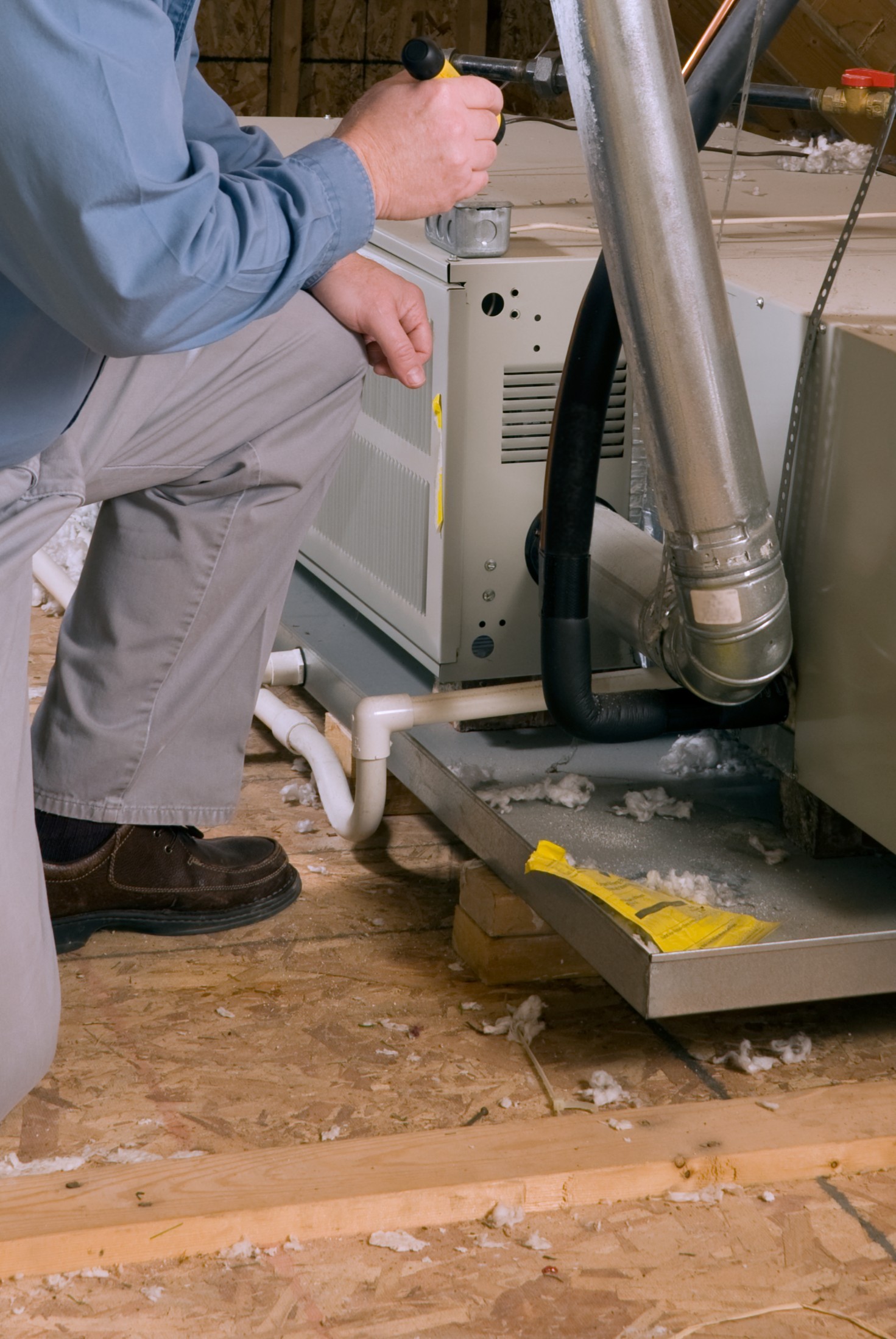
Professional Steps To Restore Safe Drainage Systems
A technician begins with a controlled water test to trace where condensate flow fails and confirm condensate pan overflow remains the active problem. They remove the access panels and inspect the evaporator coil, pan, and trap with a flashlight and mirror to spot hidden cracks or trapped debris. The pro will use a moisture meter on surrounding framing and insulation to locate damp areas that need remediation. Photos and notes document findings for any follow-up repairs or recommendations.
- Flush the line to verify full flow.
- Clear blockages with a mechanical snake when needed.
- Inspect and adjust drain line slope for proper flow.
- Replace corroded or cracked pans and seals.
If the drain line resists simple flushing, the technician runs a mechanical snake or air pressure test to push obstructions through the PVC. They may also perform a camera inspection to diagnose deep clogs, sags, or foreign objects without cutting the pipe. Where biological growth is present, the tech scrapes the pan, treats it with an appropriate biocide, and flushes the line until clear. Homeowners should ask the technician about routine flushing services to prevent repeat condensate pan overflow.
When replacement is required, the pro fits a correctly sized trap, repairs or replaces the pan, and secures connections to stop leaks and backflow. They retest the system with a water trial while running the blower to confirm steady drainage under normal operating conditions. Technicians also test the overflow float or safety switch for reliable shutdown and proper electrical continuity. For homeowners in Argyle and those in Keller, TX, sharing observed symptoms and prior DIY steps helps the technician target repairs efficiently.
Preventive Maintenance To Avoid Future Water Damage
Schedule regular condensate pan inspections at least twice a year to reduce the chance of future overflow and unnoticed damage. A technician will check trap seals, pan condition, and drain slope during these visits to find early wear. Homeowners should record any odors or sounds they notice between inspections and report these details to guide targeted checks. Including the timing of symptoms helps technicians reproduce conditions and confirm persistent risks quickly.
Ask the service provider to include a planned flush of the drain line and a pan treatment during routine tune-ups to limit algae regrowth. Professionals can apply appropriate pan treatments and document results to show whether biological film returns after service. For information about treatments that control odors and biological growth, review the recommended coil and pan product details found in the coil and pan treatment resource. Regular treatment reduces the frequency of manual cleanings and lowers overflow risk over time.
Install or test a secondary safety measure like a float switch or a condensate overflow sensor that cuts power when water rises above safe levels. Technicians verify electrical continuity and correct mounting so the device reacts reliably during heavy cooling cycles. Pairing a working safety device with scheduled pan inspections gives homeowners extra assurance against unnoticed leaks. For properties that have had repeat problems, an additional secondary pan under the air handler provides one more layer of protection.
Keep HVAC filters clean and follow the manufacturer’s recommended service intervals to reduce excess condensate production and dirt in the pan. Technicians will recommend filter MERV ratings and filter-change frequency based on system design and indoor air quality needs. Homeowners in Argyle and those in Keller, TX often avoid repeat alarms by combining sensible filter maintenance with periodic professional pan checks. These preventive steps shorten repairs and keep drainage reliable season after season.
Frequently Asked Questions
What are early signs of a condensate pan overflow?
You may notice water pooling around the air handler cabinet or wet insulation under the unit. A musty odor near vents or audible dripping during cooling cycles often appears early. Slow or gurgling drainage from the condensate drain line can indicate a developing condensate pan overflow. If you see persistent leakage or mold, stop using the system and contact a professional for inspection and safe repair.
How do algae and biofilm cause drain blockages?
Warm, standing water in the condensate pan feeds bacteria and algae that quickly form slippery biofilm along the pan and drain line walls. The slimy film traps dust, lint, and mineral particles so solids accumulate and restrict flow. As buildup narrows the drain, water pools and increases the risk of condensate pan overflow, staining, and mold growth. If you see persistent slime or slow drainage, exercise caution around electrical components and call a professional to clean and confirm safe drainage.
Can a cracked pan or loose trap cause ceiling stains?
A cracked pan or a loose condensate trap can allow water to escape and cause visible ceiling stains directly below the unit. Slow leaks often show as yellow or brown rings and may spread over days or weeks. Water damage can hide mold growth and structural harm, so stop using the system if you suspect active leaking and call a professional. A trained HVAC technician will inspect the pan, trap, drain line, and attic ceiling to confirm the source and recommend repairs.
How will a technician diagnose a slow drain or overflow?
A technician inspects the condensate pan, drain line, and trap for standing water, algae, and visible clogs using a flashlight and mirror. They run water into the pan while watching flow and listening for gurgling or slow drainage sounds. A moisture meter or infrared camera may check surrounding ceilings and drywall for hidden leaks or water damage. If the drain or pan shows blockage or deterioration, they recommend repair and caution homeowners to leave electrical or roof-access work to a professional.
When should I call a pro for repeated condensate pan overflow?
Call a professional if condensate pan overflow happens more than twice in a month despite basic maintenance. If you notice recurring water stains, musty smells, or mold growth, arrange service promptly. Also contact a pro if the overflow trips electrical breakers or reaches nearby wiring, because this is a safety risk. A technician will inspect the drain line, float switch, and pan, then recommend repairs or replacement.