

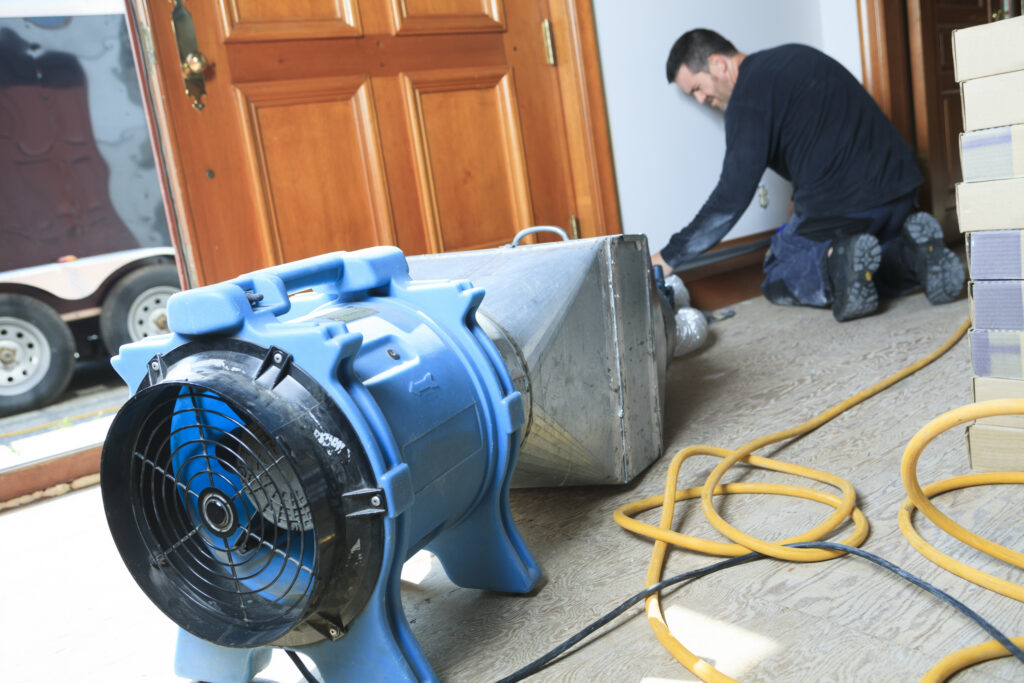
Blower Cabinet Cleaning Reduces Dust and Odors
Key Takeaways About Blower Cabinet Cleaning
Blower cabinet cleaning removes dust and debris from the blower area and adjacent compartments to stop recirculation. This summary is for homeowners and property managers who notice persistent dust or odors and want practical next steps.
- Identify visible dust patterns and odors at vents and registers.
- Prevent debris from re-entering living spaces by sealing gaps.
- Avoid electrical work yourself when motors or wiring are involved.
- Spot moisture or biofilm near the coil and drain pan quickly.
- Reduce airborne particles by cleaning the blower wheel and plenums.
- Plan periodic inspections based on runtime pets and indoor activities.
Introduction
Dust and stale odors often trace back to the blower cabinet and nearby compartments inside an HVAC unit. When debris builds up in the blower area, the system keeps pushing the same particles through ductwork. That recycling raises dust levels on furniture and triggers persistent smells that feel like indoor air won’t clear. Homeowners notice this most when furnaces or air handlers run for long cycles.
Clogged compartments change airflow and make the blower motor work harder than it should. Reduced airflow causes uneven heating or cooling and can worsen dust circulation throughout living spaces. Allergies and respiratory irritation often follow when dust and pet dander recirculate in this way. People sometimes assume the filter is the only problem but the cabinet itself matters too.
Visible dust around vents, a musty scent when the system starts, and a thin film on register grilles are common signs of buildup. A professional inspection can confirm whether debris is inside the blower cabinet or in the supply plenum and return plenum. Technicians will check components like the blower motor, evaporator coil, and access panels during an inspection. Recording photos or written observations helps homeowners decide on next steps.
For properties in Keller, TX and nearby areas such as Argyle, regular attention prevents dust from becoming a persistent indoor issue. Neglect allows particles to accumulate until odors and air quality problems become hard to ignore. If symptoms include persistent smells or more dust, contacting a trained HVAC technician is the safe next step. Professionals can diagnose the source and recommend cleaning or repairs as needed.
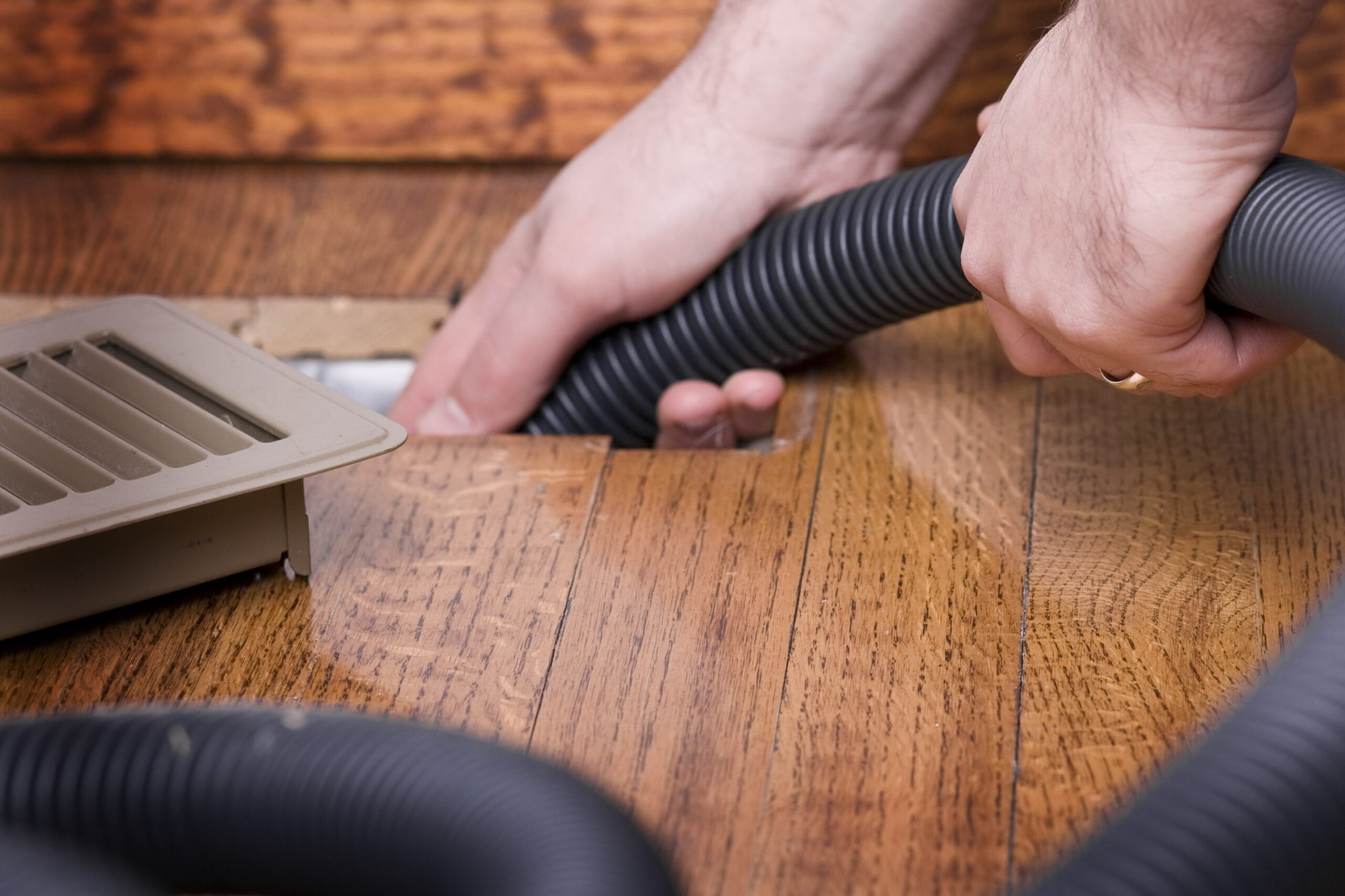
How Blower Cabinet Cleaning Reduces Dust
Blower cabinet cleaning means removing dust and debris from the blower area, access panels, and adjacent compartments to stop recirculation. Regular cleaning reduces airborne particles that settle on furniture and trigger allergies. Homeowners often ask whether cleaning the cabinet alone helps reduce household dust, yes, removing trapped debris cuts the amount the system reintroduces to rooms. Technicians focus on areas where dust hides and on restoring proper airflow through the system.
- Remove loose dust from the blower housing.
- Vacuum the supply and return plenums.
- Clean around the blower motor and wheel.
- Wipe access panels and nearby surfaces.
- Check filter seating for proper fit.
Cleaning reduces turbulent airflow caused by piles of debris, so the system pushes fewer particles into ducts. When airflow returns to designed levels, registers collect less dust and home surfaces stay cleaner. A clear answer to a common homeowner question is that cleaning the cabinet often lowers visible dust and reduces the need for constant dusting. Improvements are most noticeable after several system cycles run following a cleaning.
Professionals diagnose by inspecting the blower wheel, motor, and supply plenum for dust patterns and blockages during service. They may remove panels to photograph buildup and confirm whether the evaporator coil or filter contributed to the problem. For specific wheel cleaning details, technicians refer to guidance on blower wheel cleaning when deciding steps. Homeowners in Argyle and those in Keller, TX notice the biggest benefits when technicians correct buildup rather than only changing filters.
Why Debris Recirculates And How It Happens
Airflow paths inside the cabinet create where debris collects and then re-enters the living space through registers. Narrow gaps around the blower wheel and near the supply plenum cause turbulence that lifts settled dust into the airstream. Loose insulation fibers, pet hair, and powdered buildup near seams feed that turbulence each time the system starts. A small gap or misaligned housing can change the airflow pattern enough to increase recirculation of particles.
Pressure differences between the return plenum and the cabinet pull dust from hidden cavities when the blower runs. If access panels or filter frames do not seal tightly, the unit draws air through those leakage points. That air often carries odor-causing particles from dusty insulation and accumulated dirt. Technicians check seals and may reference alignment issues such as those addressed in blower housing alignment when diagnosing persistent recirculation.
Heat from the motor and warm surfaces near the evaporator attract organic debris and moisture that support mild microbial growth. When the system cycles off, trapped air warms and releases trapped odors into the airstream on the next start. Stale smells therefore return even after a filter change if the cabinet holds the source. Identifying where warm, moist pockets form helps target cleaning and drying steps to stop odor recurrence.
Professionals confirm recirculation by observing dust patterns and running simple checks like a tissue or smoke pencil at access gaps during operation. They inspect the blower motor, wheel, supply plenum, and filter seating to trace entry and exit points for debris. Recording photos and noting where leakage appears helps homeowners prioritize corrective work. For homeowners in Argyle and residents in Keller, TX, this diagnostic approach clarifies whether cleaning, sealing, or mechanical adjustment will stop repeated dust and smells.
Common Odor Sources Inside Blower Cabinets
Accumulated grease and cooking vapors near the return inlet can leave a persistent, chemical-like smell that wafts through vents. Organic debris such as pet hair and food particles trapped in cabinet corners breaks down and creates musty or sour odors over time. Dust that contains skin cells and sweat can produce faint body odors when warmed by the motor or heat exchanger. Technicians inspect the blower motor area and surrounding surfaces to find these deposits that cleaning should remove.
Moisture near the evaporator coil or drain pan often supports mild mold growth that releases a damp, earthy scent during system startup. Standing water or a slow condensate drain creates pockets where microbial films develop on metal and insulation surfaces. Home inspections include checking the condensate drain line and drain pan for standing water or biofilm that needs cleaning and treatment. If mold appears near the blower, professionals address both removal and drying to stop odor recurrence.
Insulation fragments and fiberglass dust inside cabinet seams sometimes give off a dusty, chemical edge when heated by the system. These particles often come from degraded duct or cabinet insulation and may spread throughout the airflow if left uncollected. Repairing or replacing damaged insulation reduces the source while thorough blower cabinet cleaning removes settled fibers. For units where the blower motor shows heat-related debris, technicians may recommend further service such as blower motor replacement if the motor contributes to burning smells.
Pest droppings and nesting materials create strong, unpleasant odors and attract more debris that the system distributes through ducts. Rodent or insect evidence near the blower housing requires careful removal and sanitization to prevent ongoing smells and contamination. Professionals will inspect tight corners, the supply plenum, and filter frames where pests tend to nest and leave droppings. Homeowners in Argyle should note visible pest signs and schedule a focused cleaning to restore indoor air quality.
Oily residues from nearby mechanical parts or old lubricants can produce a sharp, burning odor when the unit runs long cycles. These residues stick to the blower wheel and cabinet walls, slowly re-entering the airstream until removed. During diagnostics, a technician visually inspects the wheel, motor shaft, and bearings for residue and checks for oil leaks. Prompt cleaning and correcting the source of oil stops the recurring smell and prevents further contamination of the ductwork.
Signs Your System Needs Immediate Attention
If your HVAC system suddenly gives off a sharp, burning smell that continues while running, shut it off and arrange inspection promptly. Persistent odors that return after brief use often mean trapped residues or electrical overheating inside the cabinet. Noticeable rattling or scraping from the blower area while the fan runs signals loose debris or a misaligned blower wheel needing immediate attention. Heavier than normal dust settling on surfaces right after a run indicates active recirculation from inside the cabinet.
- Strong chemical or grease smells during startup.
- Continuous musty odor even after filter changes.
- New or worsening rattling sounds from the blower area.
- Visible dust falling from registers after cycles.
- Frequent short cycles with no temperature change.
Technicians diagnose these problems by observing odors and sounds while the unit operates and by inspecting the blower motor and wheel. They will check the evaporator coil, supply plenum, and filter seating to find entry points for debris. Simple checks include running the blower at different speeds and using a flashlight to look for loose insulation or grease deposits. Recording photos and noting exact smells and locations helps prioritize repairs and cleaning steps.
For homeowners in Argyle, noticing a sudden increase in dust or smells should prompt action to avoid spreading contaminants. Residents in Keller, TX who detect oily or burning scents need professional evaluation to rule out motor or electrical issues. If you see pest evidence near access panels or sense persistent microbial odors, contact a qualified technician for a focused inspection. Consider reviewing routine guidance in the air handler maintenance guide to understand inspection items and follow-up steps.
DIY Cleaning Steps For Safe Dust Removal
Start by turning off power to the air handler at the breaker and confirming the fan is not moving before opening any panels. Remove the access panel and inspect visible surfaces for loose dust, insulation fragments, and any oily residues near the blower wheel. Use a soft brush and a shop vacuum with a brush attachment to dislodge and collect loose debris from the cabinet walls and wheel without touching electrical connections. Wear a dust mask and eye protection to limit inhalation of settled particles during this step.
Next, clean the blower wheel blades by holding them steady and vacuuming each section to avoid dislodging balance weights. If the wheel is reachable, gently wipe it with a damp cloth and mild detergent, taking care to avoid moisture on the motor housing or electrical terminals. Check the condensate drain area and nearby surfaces for damp spots while the panel is open and dry any wet areas with a clean cloth. For seals and panel fit, inspect edges and replace any worn gaskets to prevent future air leakage.
After removing loose dust, clean the return plenum and filter frame area where debris commonly settles and re-enters the blower airstream. Replace the air filter with the correct size and rating, ensuring it seats fully to prevent bypass around the frame that draws dust into the cabinet. Lightly vacuum the supply plenum throat and accessible duct entrance to remove remaining particulates that would otherwise recirculate. If you find visible insulation damage or loose fragments, stop and document the condition for a professional to repair.
Perform a simple operational check by restoring power and running the blower at low speed while observing for rattles and vibration that indicate loose debris or misalignment. Use a flashlight to watch for airflow patterns and any visible dust dislodging from seams or gaps during operation. If you notice persistent odors, unusual sounds, or oil residues near the motor, contact a qualified technician for further diagnostics and repairs. Homeowners in Argyle and residents in Keller, TX should consider professional help when cleaning reveals damaged components or ongoing contamination.
When To Call A Professional For Cleaning
If cleaning reveals damaged insulation fragments, persistent odors, or oil residues, call a professional for a focused inspection and repair. A technician will safely isolate electrical components and remove debris that DIY cleaning cannot fully access. Professionals can also test for hidden moisture using visual checks and simple moisture indicators to find pockets that feed microbial growth. For homeowners in Argyle, early professional intervention prevents recurring smells from spreading through ductwork.
Schedule service when you detect unusual vibration or when the blower wheel balance seems off despite basic cleaning efforts. A trained technician uses handheld tools and visual inspection to confirm wheel alignment and motor bearing condition without guessing. They can also pressure-test seals and evaluate panel gaskets to stop unfiltered air entry into the cabinet area. Proper sealing often requires replacing the cabinet gasket to restore designed airflow and reduce recirculation.
Contact a professional if you smell burning, see oil stains near the motor, or find pest droppings inside the cabinet during a DIY check. Technicians will inspect the motor, capacitor, and wiring for overheating signs and test electrical readings when needed to confirm the source. They follow safe procedures to clean or remove contaminated material and advise on whether component replacement is necessary. Mentioning visible pest evidence when you call helps technicians bring appropriate tools and protective gear.
Ask for a documented inspection report and photos when the technician completes work so you can track improvements and future needs. A clear report shows what was cleaned, what components were replaced, and where seals were improved, aiding later maintenance decisions. If the technician recommends a new gasket, they may reference steps similar to guidance on cabinet door gasket air seal replacement to restore proper cabinet sealing. Residents in Keller, TX often find written records helpful for planning regular service intervals.
What Technicians Inspect During Service
Technicians start by documenting visible conditions with photos and notes to guide cleaning choices and confirm results. They open access panels and inspect the blower wheel, motor mount, and visible duct connections for loose debris. A visual check of the evaporator coil throat helps determine whether additional coil treatment or pan work is needed. If there is evidence of biological growth near the drain area, they note it for targeted treatment.
- Inspect blower wheel for accumulated deposits.
- Check motor mount and bearing play.
- Examine filter frame and seal integrity.
- Look inside supply plenum for loose insulation.
During service, technicians run the blower to observe vibration, airflow, and any noise coming from the cabinet area under operating conditions. They use a flashlight and mirror to view tight corners and seams where dust and fibers collect out of sight. Simple smoke or tissue checks at panel edges help reveal leaks that draw unfiltered air into the cabinet. When moisture is suspected, they inspect the drain pan and condensate trap for standing water or film.
A professional diagnosis often includes measuring electrical behavior and motor function to rule out overheating as a smell source before deep cleaning. They may check capacitor condition and look for oil stains that indicate lubricant leakage onto the wheel or cabinet walls. If microbial growth is present, technicians discuss options like cleaning combined with targeted treatments and follow-up drying strategies. In cases needing coil or pan treatment, they reference appropriate coil pan treatment steps to stop odors and prevent regrowth.
After cleaning, technicians verify results by running the system and re-inspecting for remaining debris, odors, or vibration that indicate incomplete work. They confirm that access panels and gaskets seat correctly to prevent future air bypass into the cabinet. Technicians document findings and recommend follow-up actions, such as scheduled rechecks or targeted repairs, tailored to the homeowner’s situation. Homeowners in Argyle and those in Keller, TX receive clear notes on what was addressed and what to monitor next.
Preventive Maintenance To Minimize Future Odors
Schedule regular blower cabinet cleaning as part of routine maintenance to keep odors from returning and reduce hidden debris buildup. A technician will set inspection intervals based on system runtime and visible dust accumulation. Homeowners should note how often odors reappear after service to fine-tune the schedule. Consistent checks prevent small issues from becoming persistent sources of smell or dust circulation.
During preventive visits, technicians tighten and lubricate motor mounts and bearings to reduce heat and oil leaks that can cause odors. They also verify filter fit and recommend filter types that balance airflow with particle capture. While inspecting, professionals look for early signs of insulation breakdown or loose fragments that could re-enter the airstream. Addressing these minor defects early reduces the need for deeper cleaning later.
Technicians routinely inspect condensate drain paths and dry any damp pockets to stop microbial growth that leads to musty smells and airborne spores. They may use simple moisture checks and visual inspection rather than invasive tools to confirm dryness. If evaporator coil odors are suspected, professionals follow targeted coil cleaning and drying steps before sealing the cabinet again. Homeowners in Argyle can request that technicians document moisture checks and coil treatment outcomes for future reference.
Seal maintenance is another preventive step, replacing worn gaskets and tightening access panels reduces unfiltered air entry and debris recirculation. Technicians will also run the blower to confirm that sealing changes restore intended airflow patterns and reduce turbulence. For properties in Keller, TX, keeping records of sealing and cleaning work helps identify whether odors return due to service intervals or new contamination. Regular preventive care keeps the blower cabinet cleaner and indoor air fresher between deeper services.

Frequently Asked Questions
How does blower cabinet cleaning stop dust recirculation?
Blower cabinet cleaning removes dust and debris that cling to the blower wheel, housing, and nearby panels before the system re-entrains them. A clean blower cabinet reduces loose particles that pass through the evaporator coil and air filter into living spaces. Technicians inspect the blower motor, wheel, and return plenum to confirm reduced dust sources and improved airflow. If access or motor work is needed, use a qualified HVAC technician because motors and wiring present safety risks.
How often should I schedule blower cabinet cleaning?
Most homes benefit from blower cabinet cleaning every 1 to 3 years depending on use, pets, and indoor air quality. Homes with pets, smokers, or renovation dust should schedule cleaning annually. If you notice persistent dust, musty smells, or reduced airflow, contact a professional for inspection and cleaning. For safety, avoid opening electrical panels yourself and hire a trained technician to prevent injury or equipment damage.
What odors indicate the blower cabinet needs cleaning?
Musty or damp smells often mean trapped moisture and mold growth inside the blower cabinet requiring attention. A persistent dusty or cardboard-like odor suggests accumulated debris and degraded insulation fibers recirculating through vents. Sour or rotten smells can indicate biological growth on the evaporator coil or in nearby drain lines, which can pose health risks. If you notice strong chemical or burning odors, turn off the system and call a professional for inspection and blower cabinet cleaning.
Can a technician diagnose cabinet leaks and debris sources?
A technician can inspect the blower cabinet, supply plenum, and return grille to find leak locations and debris sources. They will remove access panels and use visual checks and a flashlight to spot gaps, rust, or accumulated dust. A professional may use a moisture meter or airflow checks to confirm leaks and identify where air carries debris. If they find electrical damage or mold, stop use and call a trained technician for safe repairs and cleaning.
Will cleaning the blower cabinet reduce allergy symptoms?
Yes, blower cabinet cleaning can lower allergens circulating through your ducts by removing dust, pet dander, and debris from the blower compartment. Reduced debris on the blower and evaporator coil means fewer particles re-enter living spaces when the system runs. If mold, standing water, or heavy contamination exists, cleaning alone may not resolve allergy triggers and could pose health risks. For medium or high contamination, call a professional to inspect and safely clean the blower cabinet and adjacent components.