

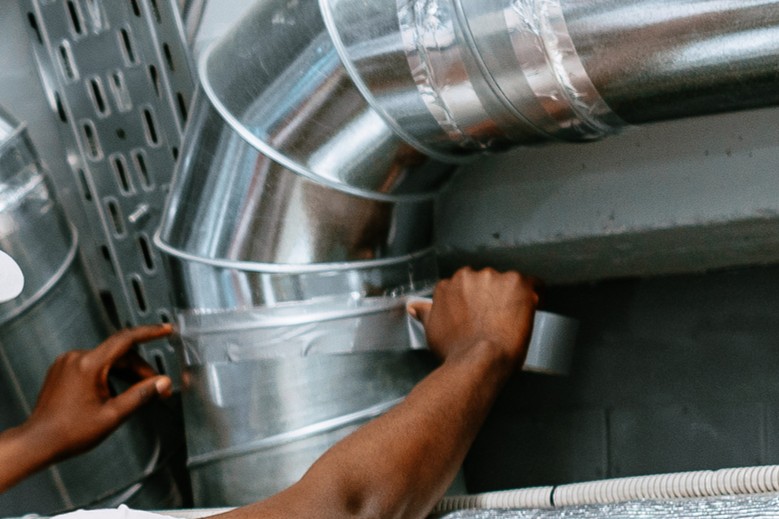
Duct Leakage Sealing That Boosts Efficiency
Key Takeaways About Duct Leakage Sealing
Duct leakage sealing means finding and closing gaps so conditioned air reaches intended rooms. This guide is for homeowners and property managers who notice uneven temperatures or high system runtime and want measured improvements.
- Identify leaks using pressure testing and visual inspection methods.
- Prevent future failures by repairing collars clamps and insulation.
- Avoid wasted energy by sealing trunk and branch leakage points.
- Spot hidden leaks with smoke tests aerosol sealants or infrared checks.
- Reduce room imbalance by verifying register airflow after sealing.
- Plan professional follow up testing and documentation for verification.
Introduction
Leaky ductwork can send heated or cooled air away from where it belongs and make some rooms never feel comfortable. Pressure testing reveals how much air escapes and where those leaks sit in the duct network. Homeowners notice uneven temperatures, higher runtime on the system, and sometimes strange noises that point to leaks. Identifying the real problem matters because lost airflow wastes energy and reduces comfort across the whole home.
Pressure testing measures leakage by comparing duct pressure to the house pressure while the system fan runs. Technicians use a pressure gauge and a calibrated fan to produce a numeric leakage result and locate leaky sections. Those numbers help decide whether to seal a few joints or address larger sections of the system. A clear test keeps repairs focused on the spots that actually hurt performance.
Sealing options range from mastic and foil tape at accessible seams to aerosol-based sealants for systems with many hidden leaks. Each method has trade offs for durability and where it works best inside the supply plenum or return runs. Choosing the right approach affects how much more air reaches every room and how long the fix lasts. Professionals evaluate duct material, access, and connection types before recommending a sealing method.
Homes in Argyle and properties in Keller, TX often show similar symptoms when ducts leak because the same basic system failures occur. A technician will inspect the supply plenum, register boots, and visible seams and then perform a pressure test to confirm the problem. Recorded test readings and photos provide evidence that sealing improved delivery to each room. If you notice uneven comfort or noisy ducts contact a professional to diagnose and recommend the next steps.
How Duct Leakage Sealing Works And Why It Happens
Duct leakage sealing is the process of finding and closing gaps in ductwork so conditioned air reaches every room. A professional starts by running a blower door or duct fan test and records leakage in cubic feet per minute. Technicians then inspect visible seams, register boots, and the supply plenum to confirm test readings match physical leaks. Homeowners often ask whether sealing will fix uneven temperatures, and the answer is yes when leaks are a primary airflow loss source.
- Inspect visible seams and connections
- Use a calibrated fan to measure leakage
- Locate leaks with smoke or visual checks
- Choose sealing products based on duct access
- Retest after sealing to confirm improvements
Leaks commonly occur at metal seams, flex duct collars, and register boots where movement breaks the seal. A technician uses a pressure gauge and sometimes smoke to trace airflow out of small gaps while the fan runs. If a homeowner hears whistling near vents or notices cold spots, a simple inspection can reveal loose collar connections or deteriorated tape. For more formal testing and documentation, consider a professional duct leak test to get objective leakage numbers and photos.
Sealing methods vary by access and material, so the choice affects durability and airflow gain over time. Mastic paste or foil tape works well where you can reach seams, and aerosol sealing helps when many leaks hide inside ducts. Professionals will evaluate the duct material, register locations, and return paths before recommending a method and will explain how each option changes airflow to rooms. Homeowners in Argyle should note recorded test results that show before-and-after leakage to justify the work performed.
After sealing, technicians rerun the pressure test to confirm that delivery improved and losses dropped to acceptable levels. The final readings and photos form a useful report homeowners can keep for future maintenance or efficiency discussions. For more details on how licensed technicians perform reliable duct leak testing, see the company service page about duct leak testing. A homeowner in Keller, TX who documents improvements will better track system runtime and comfort changes over the heating or cooling season.
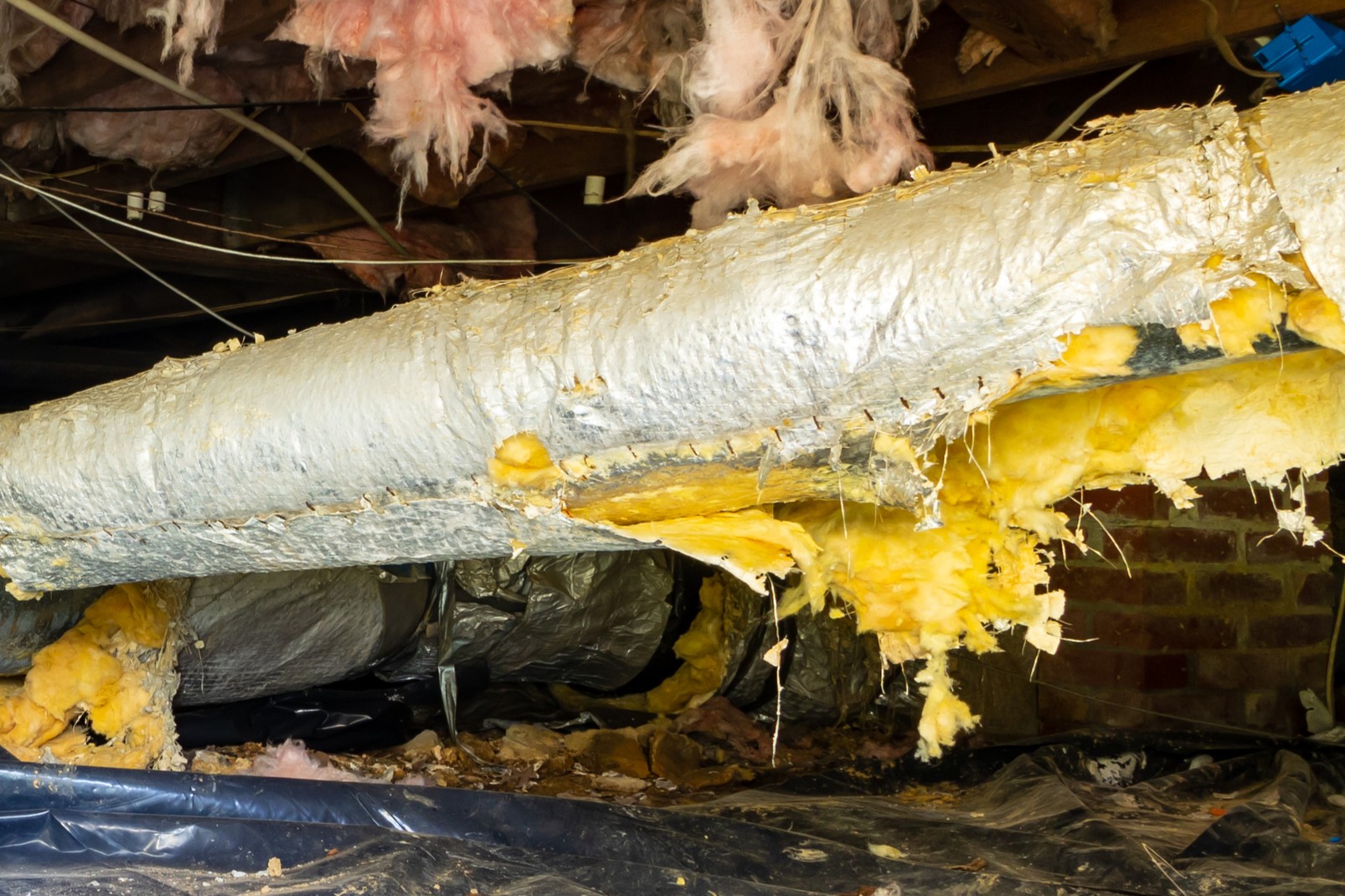
Common Causes Of Duct Leakage In Homes
Age and physical wear cause many duct leaks when metal seams separate and fasteners loosen over time. Vibration from the blower motor and repeated thermal expansion can pull joints apart, creating small gaps that add up. Flexible ducts can develop pinholes or crush points where access is tight or installers bent them sharply. Homeowners may notice reduced airflow or a soft whistling near vents when these mechanical stresses occur.
Poor installation practices also create weak spots where ducts join the plenum, collars, or takeoffs without proper sealing. If a collar is only pushed on without a clamp or if foil tape was used alone on a high-movement joint, the connection can fail. Return pathways with gaps behind drywall or missing transition fittings leak return air and reduce pressure balance. Inspectors will check seams, collars, and the supply plenum for these common workmanship issues.
Damaged insulation and deteriorated sealing materials expose the metal underneath and let air escape through seams and tears. Old cloth-backed tapes become brittle and peel off, while mastic can crack if applied over dirty surfaces. Rodent activity or attic foot traffic can also tear insulation and stress joints where ducts run across rafters. A professional will look for ripped insulation and failed tape as clear physical evidence of leakage.
Disconnections and hidden leaks at register boots and behind cabinets frequently go unnoticed but significantly affect room delivery. Loose register boots can open when airflow changes direction, especially during heating cycles, causing uneven temperatures. Technicians use visual checks, smoke, and a pressure gauge to confirm these concealed gaps are real and to prioritize sealing. For targeted sealing work in tight spaces, professionals often reference local service techniques like those used in Colleyville when planning access and materials.
How To Pressure Test Ducts And Interpret Results
Start by sealing all supply and return registers and then install a calibrated duct fan into the main supply or return to pressurize the system. A technician connects a pressure gauge to measure the pressure difference between the duct and the house while the fan runs, producing a leakage number in cubic feet per minute. During the test, the pro may close dampers or open registers one at a time to map which branches lose the most air. Recorded readings form a baseline that guides whether targeted repairs or broader sealing is needed.
Leak location follows from watching pressure changes while isolating sections and by using smoke pencils or infrared cameras near seams and connections. If pressure drops significantly when a particular branch is isolated, that run likely contains major leaks requiring access. Visible checks at the supply plenum, register boots, and takeoffs confirm what the gauges suggest and show where mastic or tape will work best. Photographs and written test outputs help homeowners track which repairs changed the numbers.
After sealing work, retesting uses the same fan and gauge setup so results compare directly to the baseline numbers and show leakage reduction. A successful sealing job shows a lower cubic feet per minute reading and improved pressure stability when branches are opened or closed. Technicians often perform multiple tests, including with the system fan and with an external blower door, to confirm overall home pressure interactions. Homeowners in Argyle can request before-and-after readings for documentation and to verify contractor claims.
Interpreting results also considers system airflow and thermostat behavior, since pressure numbers alone do not tell the whole story about room delivery. If readings drop but rooms still feel uneven, professionals check the blower motor, duct sizing, and register balancing next. For many homes, combining targeted sealing with register adjustments resolves delivery problems without major duct replacement. For detailed sealing methods and options, see the company’s guidance on eliminate ductwork leaks to understand common repair approaches and follow-up testing practices in Keller, TX.
Sealing Options Explained Mastic Tape And Aerosol
Mastic paste creates a thick, paint-like barrier that bonds well to metal and insulated ducts when applied properly. Technicians often use a brush to work mastic into seams and around collar connections so gaps fill completely. Mastic remains flexible after curing and resists peeling at vibration points where joints move during system cycles. For exposed ducts a professional may smooth mastic over fasteners and seams to form a continuous airtight surface that reduces leakage paths.
- Mastic fills irregular gaps effectively.
- Foil tape adheres to clean metal surfaces.
- Aerosol sealant travels into hidden leaks.
- Clamps and mechanical fasteners secure collars.
- Insulation improves long-term performance.
Foil-backed HVAC tape provides a fast sealing option for accessible seams and register boots when surfaces are clean and dry. Proper surface prep and pressure promote adhesion and help avoid later peeling from heat cycles and humidity. Technicians sometimes combine tape with mastic at high-stress joints to get immediate hold and long-term sealing from the paste. Tape works best where you can see and reach the joint, not for leaks inside long runs or concealed plenums.
Aerosol duct sealants, applied through the duct system while pressurized, coat interior leak paths from the inside and find hidden sources that surface checks miss. A prospector connects the aerosol machine to the main trunk while a duct fan pressurizes the network to force droplets into leaks. This method often reduces overall leakage quickly when many small gaps exist across long runs and inaccessible takeoffs. After aerosol work, technicians usually retest pressure to document leakage reduction and confirm improved distribution.
For durable results, many professionals pair sealing with adding or repairing insulation to maintain temperature and prevent condensation at cold ducts. Proper insulation reduces thermal stress that contributes to future joint failures and keeps conditioned air at intended temperatures during delivery. Homeowners in Argyle may see improved comfort when seams are sealed and ducts insulated, especially in unconditioned spaces. For guidance on insulating work that complements sealing, consult the company resource about insulating HVAC ductwork to learn about materials and placement.
When To Call A Professional For Duct Leakage Sealing
If ducts show complex leakage patterns or pressure mapping reveals large imbalances a professional assessment is the right next step. A trained technician will inspect hidden takeoffs, plenums, and junctions that are hard to access safely. They use tools like a pressure gauge, smoke, and camera footage to confirm leakage locations and the extent of air loss. Homeowners who notice persistent hot or cold rooms after DIY attempts should consider a pro evaluation.
Call a professional when you suspect leaks interact with other system issues such as weak blower output or closed dampers. The technician will measure static pressure, inspect the blower motor and evaporator coil, and check register airflow to diagnose root causes. If the duct layout causes rooms to starve for airflow the pro may recommend targeted sealing combined with register balancing. This coordinated approach prevents treating symptoms without fixing underlying distribution problems.
Schedule professional work when access is limited or when aerosols are the preferred sealing method inside long runs. Pros bring containment methods and equipment to safely pressurize ducts and apply sealant without contaminating living spaces. They will produce a before-and-after pressure report and explain how sealing affected delivery to each branch. Asking for documentation helps homeowners see measured improvements and confirms the work performed.
If a homeowner in Argyle or a property in Keller, TX experiences recurring leaks after patch repairs they should contact a professional for comprehensive diagnostics. Technicians often perform a detailed duct pressure mapping analysis to find interacting leaks and imbalances that single repairs miss. Requesting a written test report and photographed trouble spots gives clear evidence for follow-up maintenance. For information on detailed mapping services see the duct pressure mapping resource available from the company.
How Closing Leaks Improves Room Temperature Delivery
Closing leaks redirects conditioned air back into the intended duct path so more airflow reaches each register. When leaks are sealed, static pressure in the trunk stabilizes and supply branches receive a steadier share of airflow. Technicians can verify these changes by measuring register airflow with an anemometer and recording improved readings after sealing work. Homeowners often notice rooms reach set temperature faster and hold it longer after effective sealing.
Sealed ducts reduce the imbalance between supply and return airflow that causes some rooms to get too little air. A balanced system lowers the need for long fan runtimes and reduces temperature swings between rooms and floors. Professionals confirm balance improvements by comparing before-and-after pressure mapping and airflow measurements at key registers. This diagnostic evidence helps decide whether further adjustments like damper tuning are necessary.
Smaller rooms benefit when leaks near the supply plenum are closed because the trunk preserves pressure for branch takeoffs. Larger rooms improve when long runs stop losing air through hidden cracks or disconnected collars. In a common situation, a homeowner reports a cold bedroom while the rest of the house feels fine, and a technician checks the register flow, inspects the closet plenum, and runs a targeted pressure check to find leaks. After sealing those points, recorded register flow and occupant comfort both improve.
Sealing also cuts the chance of conditioned air mixing with attic or crawlspace air, so delivered air stays at intended temperature and lowers humidity issues in some rooms. Professionals often pair sealing with an airflow performance test to document improvements and show exact register airflow gains. For homeowners wanting that formal verification, request an airflow performance test to see measured delivery changes. Residents in Keller, TX who document delivery improvements can better track seasonal comfort and system performance.
Preventative Maintenance Tips To Avoid Future Leaks
Schedule yearly inspections to spot small seam failures before they grow into larger leaks that affect delivery. A technician will check collar clamps, register boots, and visible insulation for early signs of wear. Keep supply and return grilles clean so technicians can measure true airflow during routine checks. Homeowners in Argyle should note any new whistling or dust patterns that suggest developing gaps.
- Check register screws for looseness.
- Look for brittle or peeling tape.
- Observe attic ducts for shifted insulation.
- Run the system and listen for whistling.
- Record unusual temperature swings.
Maintain simple homeowner tasks like replacing torn insulation and tightening visible clamps to reduce stress on joints. Avoid storing heavy items on ducts in crawlspaces that can crush flexible runs and cause leaks. When you feel air at a seam while the system runs, mark the area for professional sealing later. Document these notes to share with your technician during the next service visit.
Balance airflow periodically after any sealing or remodeling work to preserve delivery to every room and reduce the chance of new leaks. A professional balancing check uses dampers and register adjustments to keep trunk pressure steady and prevent high-pressure areas that force air out of weak joints. For coordinated balancing work after sealing, request an assessment that includes register adjustments and system checks. Learn more about balancing and related services by requesting an airflow balancing assessment if you suspect distribution changes in Keller, TX.

Cost Considerations Savings And Return On Investment
When homeowners consider duct leakage sealing, they often want to know how the work pays back through lower energy use and better comfort. Professionals estimate savings by comparing measured run times and airflow before and after sealing, then projecting reduced fan runtime and compressor cycles. A written before-and-after pressure report and recorded register airflow readings provide concrete evidence that sealing improved efficiency. Homeowners should ask for these measurements to understand expected performance gains over heating and cooling seasons.
Another return comes from reduced wear on system components when airflow reaches each room as designed, which can extend the life of motors and compressors. Technicians will check the blower motor, static pressure, and evaporator coil condition to confirm reduced operating strain after sealing. These diagnostic checks give homeowners a clearer view of maintenance needs and expected equipment longevity. Recording this maintenance data helps prioritize future repairs and replacements based on real system improvements.
Sealing work can also lower indoor dust movement and improve filter performance by stopping air infiltration into the supply trunk and branches. For treatments targeting return pathways and attic connections, see specialized approaches like attic return sealing and dust control that reduce dust collection in registers and plenum areas. A pro will document changes with photos and measured dust patterns at registers to show reduced particulate migration. This documentation helps homeowners track indoor air quality improvements tied to sealing efforts.
Deciding whether to proceed depends on measured leakage reduction goals and how quickly improved comfort matters to the household. In Argyle or in Keller, TX properties, homeowners often weigh the value of evidence-based reports and the expected reduction in system runtime. Ask technicians for sample reports and typical register airflow improvements so you can compare options objectively before authorizing work. Clear test results let homeowners plan maintenance and budget for complementary improvements like insulation or balancing.
Frequently Asked Questions
How does duct leakage sealing improve room comfort?
Sealing leaks stops conditioned air from escaping into attics or crawlspaces, so more cooled or heated air reaches living rooms. That improves temperature balance and reduces hot or cold spots near supply registers. Professionals confirm gains with pressure testing and airflow readings to show improved delivery to each room. If ducts run through unsafe attics or near electrical hazards, exercise caution and hire a trained HVAC technician.
What does a professional duct pressure test measure?
A professional duct pressure test measures how much air leaks from the duct system by comparing internal pressure to the home’s pressure. Technicians seal registers and attach a calibrated fan and pressure gauge to the duct access. The test quantifies leakage in cubic feet per minute and shows pressure differences across zones. If technicians find large leaks, they will recommend Duct leakage sealing and caution homeowners to hire a trained professional for safe, effective repair.
Which sealing methods work for hard-to-reach leaks?
For hard-to-reach leaks technicians often rely on aerosol-based duct sealants that flow into gaps when applied under pressure. Mastic applied with extension nozzles also seals irregular joints and tight seams where tapes fail. Professionals may use a duct pressure test and smoke or infrared inspection to pinpoint hidden leaks before sealing. If access requires cutting or working near a heat exchanger, exercise caution and hire a trained professional to avoid safety risks.
How long do duct leakage sealing repairs typically last?
Properly performed duct leakage sealing typically lasts many years before rework becomes necessary under normal conditions.
Sealants like mastic or approved tapes bond to metal and rigid ducts and resist shrinking when applied correctly.
Flexible-duct repairs using specialized aerosol sealants can remain effective for five to ten years depending on duct movement and UV exposure.
If you notice persistent loss of airflow or safety concerns, stop attempts and contact a professional for inspection and repair.
Will sealing ducts reduce my system runtime and energy use?
Yes, duct leakage sealing typically reduces system runtime by improving airflow to each room, so the HVAC meets thermostat settings faster. Reduced runtime often lowers energy use because the blower and compressor run less while maintaining comfort. A professional will confirm savings by pressure testing ducts, measuring static pressure, and comparing runtime before and after sealing. If ducts run through unconditioned spaces, proceed cautiously and hire a pro to avoid disturbing insulation or creating combustion-air issues.