

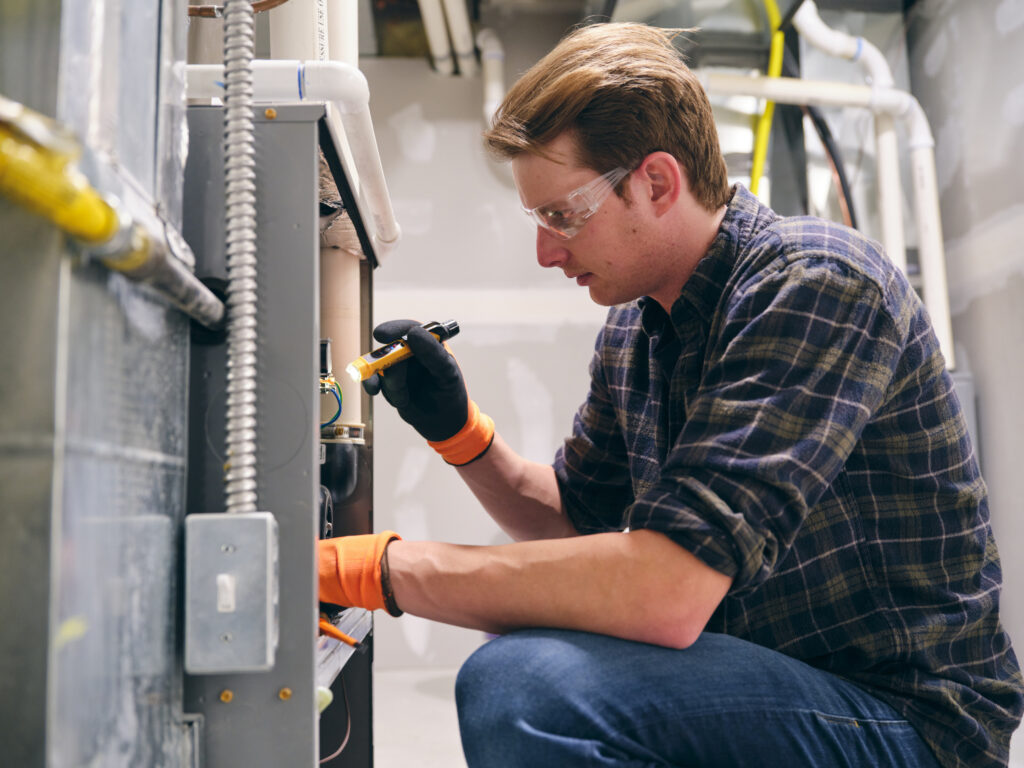
Furnace Flame Sensor Cleaning and Checks
Key Takeaways About Furnace Flame Sensor
A furnace flame sensor is a small metal rod that confirms burners are lit by detecting ionized flame current. This guide is for homeowners and property managers who notice short cycles or repeated shutdowns during cold weather.
- Identify short cycles and clicking during furnace ignition attempts.
- Prevent nuisance shutdowns with regular sensor inspections and checks.
- Avoid damage by shutting power off before touching furnace components.
- Spot soot corrosion or misalignment on the sensor rod early.
- Reduce repeat service calls by verifying grounding and continuity readings.
- Plan a professional diagnostic when cleaning does not stop trips.
Introduction
A furnace flame sensor can seem like a small part until it causes your furnace to shut down unexpectedly. Homeowners often notice short cycles, repeated ignition attempts, or the furnace clicking off shortly after starting. These symptoms usually point to a weak or dirty flame sensor rather than a major heat exchanger failure. Knowing why the sensor matters helps you avoid cold nights and repeated service calls.
When the flame sensor does not detect a steady flame, the control board stops the gas valve to prevent unsafe operation. That safety response prevents gas flow when the burner is not proven lit, but it also causes frequent nuisance shutdowns. You may first think the thermostat or gas supply is to blame when the real issue is the sensor. Recognizing this narrows down the problem for faster diagnosis.
Signs like a brief flame, a strong sulfur smell on ignition, or the furnace trying to restart every few minutes can all point to sensor trouble. Visible soot or corrosion on the sensor rod also reduces its ability to sense flame reliably. Homeowners in Bedford sometimes report these exact symptoms during seasonal startup after long idle periods. Timely verification prevents repeated interruptions and limits wear on the ignition and gas valve components.
A professional check will confirm whether the flame sensor is dirty, misaligned, or failing electrically by observing the burner, burner flame shape, and control board response. Technicians use visual inspection and basic electrical checks to verify continuity and proper signal to the control board. For properties in Colleyville, TX a verified sensor condition reduces repeat callbacks and nuisance trips during cold snaps. If you notice the symptoms described, arranging a professional inspection is a sensible next step.
How A Furnace Flame Sensor Works And Why It Fails
A furnace flame sensor is a thin metal rod that confirms the burner flame is lit before gas flow continues. The sensor sits near the burner and detects the ionized flame current when the burner runs normally. If the control board does not receive the sensor signal, it will shut the gas valve as a safety measure. Homeowners often ask if a weak flame can cause shutdowns, and the answer is yes, because the sensor needs a steady flame to register properly.
- The sensor must be free of soot and corrosion.
- It needs proper alignment with the burner flame.
- Continuity and grounding must be intact.
- Mounting screws should be tight and secure.
The sensor can fail electrically when its wiring or grounding develops a poor connection. Mechanical issues happen when the sensor rod bends or the mounting bracket shifts out of position. Environmental deposits like soot, dust, or combustion byproducts build a film that insulates the rod from the flame. A homeowner may notice short cycles or the furnace clicking off soon after ignition when these issues occur.
Professionals diagnose the problem by observing the burner flame shape and sensor alignment during a startup cycle. They inspect the sensor rod visually, test wiring with a multimeter for continuity, and check the control board for error codes. Technicians also look for weak or yellow flames that indicate combustion issues impacting the sensor signal. In some cases, a simple cleaning and resecure fixes the issue and prevents nuisance trips.
For step-by-step cleaning guidance or to schedule an inspection, see the company’s flame sensor cleaning page linked here: flame sensor cleaning. Homeowners in Bedford and properties in Colleyville, TX may want to verify sensor condition before the cold season. If you detect repeated shutdowns after basic checks, contact a qualified technician to avoid unnecessary gas valve cycling. Regular verification reduces wear on ignition components and limits repeat service visits.
Common Causes Of Dirty Flame Sensor Build Up
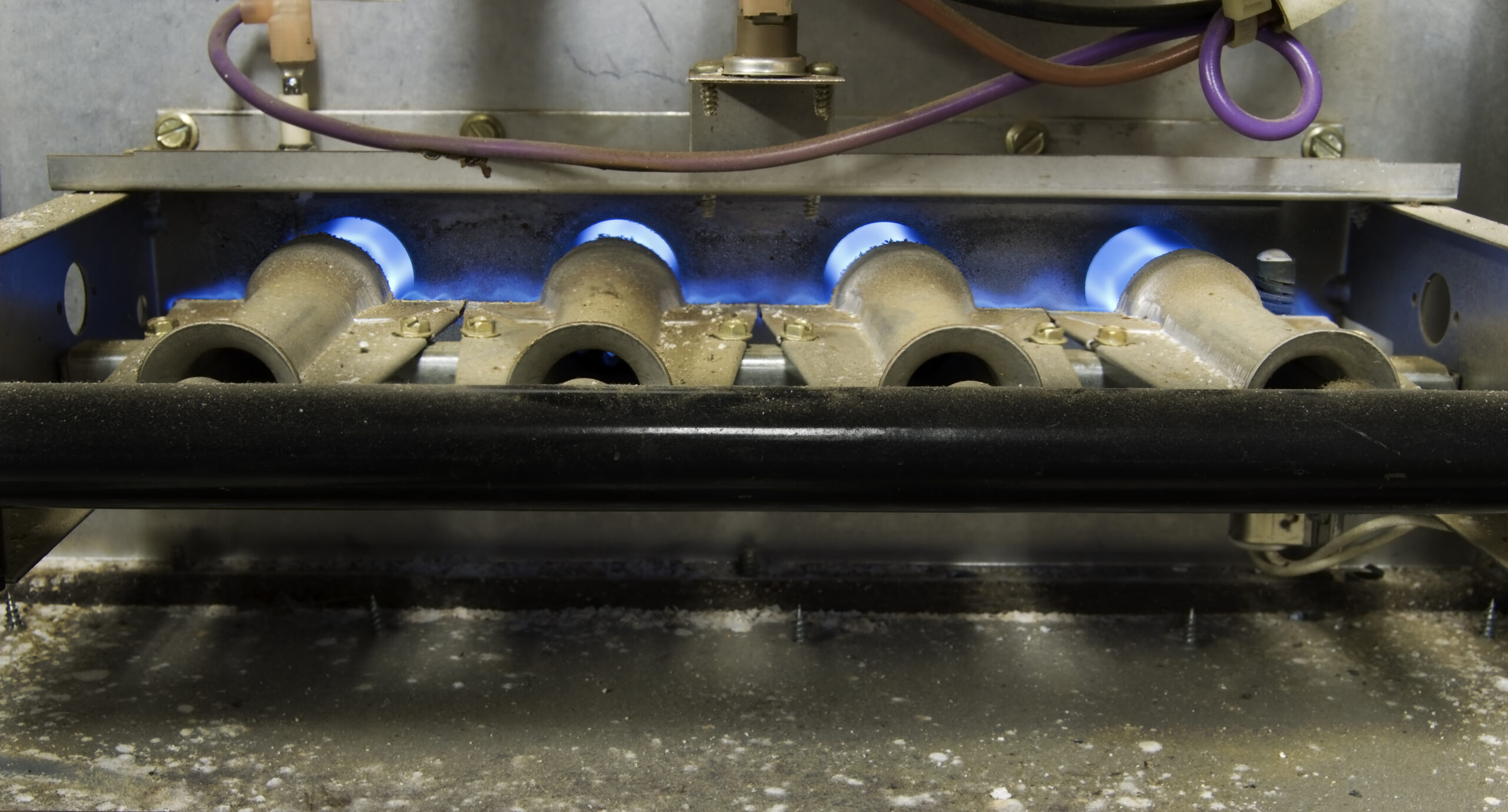
Combustion residues build up when burners run with incomplete combustion, leaving soot and acidic deposits that coat the metal rod. Oil or heavy dust from nearby renovation can also settle on the sensor and form an insulating film. High-efficiency furnaces that cycle frequently may expose the sensor to more condensate and byproducts that accelerate build up. Homeowners in Bedford sometimes notice heavier deposits after long gaps between professional tune-ups.
Misalignment or vibration can make deposits accumulate unevenly, which reduces the sensor’s exposure to the ionized flame. A bent mounting bracket or loose screw lets the sensor sit in cooler gas flow, encouraging residue to stick. Corrosion from moisture or acidic combustion byproducts weakens the metal surface and traps more debris. Technicians often check the sensor angle and bracket tightness along with visual condition during inspections.
Dirty burners and blocked air intake change flame shape and let soot form more readily on the sensor rod. If the flame lifts or becomes yellow, deposits increase and the sensor struggles to register current reliably. Problems upstream, such as a failing ignition module, can cause repeated short ignition attempts that spray additional byproducts onto the sensor. For more on ignition behavior and its impact, see the furnace ignition module basics page.
Electrical grounding issues can make a clean-looking sensor appear faulty because the control board receives a weak signal. Frayed wiring or a poor chassis ground prevents the ionization current from completing the circuit back to the control board. Technicians use a multimeter to confirm continuity and grounding during diagnosis, which separates electrical faults from physical soiling. In a common situation, a homeowner sees short cycles and visible soot, and a pro will inspect flame shape, sensor placement, wiring, and control board responses next.
Recognizing Symptoms Of A Faulty Flame Sensor
A failing furnace flame sensor often causes frequent short cycles where the burners ignite then shut off within seconds. You might hear the furnace click, run briefly, then try restarting several times in a row. Another common sign is the furnace runs longer between successful heat cycles because the control board delays gas flow until it sees a steady flame. Homeowners in Bedford frequently notice these patterns during seasonal startup when the system first runs after sitting idle.
Look for irregular burner behavior such as a flame that dances, lifts, or burns unevenly across the burner ports. Visible dark soot or a light gray film on the sensor rod usually accompanies those flame irregularities and reduces sensing ability. A weak blue flame with yellow tips can indicate combustion issues that also interfere with the sensor signal. Technicians inspect flame shape and color to determine whether flame quality or the sensor itself is the main problem.
Another symptom is the furnace control board logging repeated fault codes related to “flame sensed” or “no flame” during ignition attempts. If the blower runs but the burners never stay lit, that control response points to the sensor not sending a reliable signal. Professionals compare control board indicators with live observation of the burner assembly to confirm a sensor fault. They may also perform simple continuity and grounding checks on the sensor wiring to rule out electrical causes.
Occasional false trips that stop heating only after a minute or two suggest a sensor dirtying over time rather than immediate hardware failure. A homeowner might also notice unusual odors on startup as combustion byproducts heat a coated sensor rod. For steady combustion problems that keep recurring, a technician may recommend a draft check and combustion inspection and reference a furnace draft check for steadier combustion to address root causes. If the problem persists after cleaning and basic electrical checks, scheduling a professional diagnostic helps prevent repeated nuisance shutdowns in Colleyville, TX.
Safe Preparation Steps Before Cleaning The Sensor
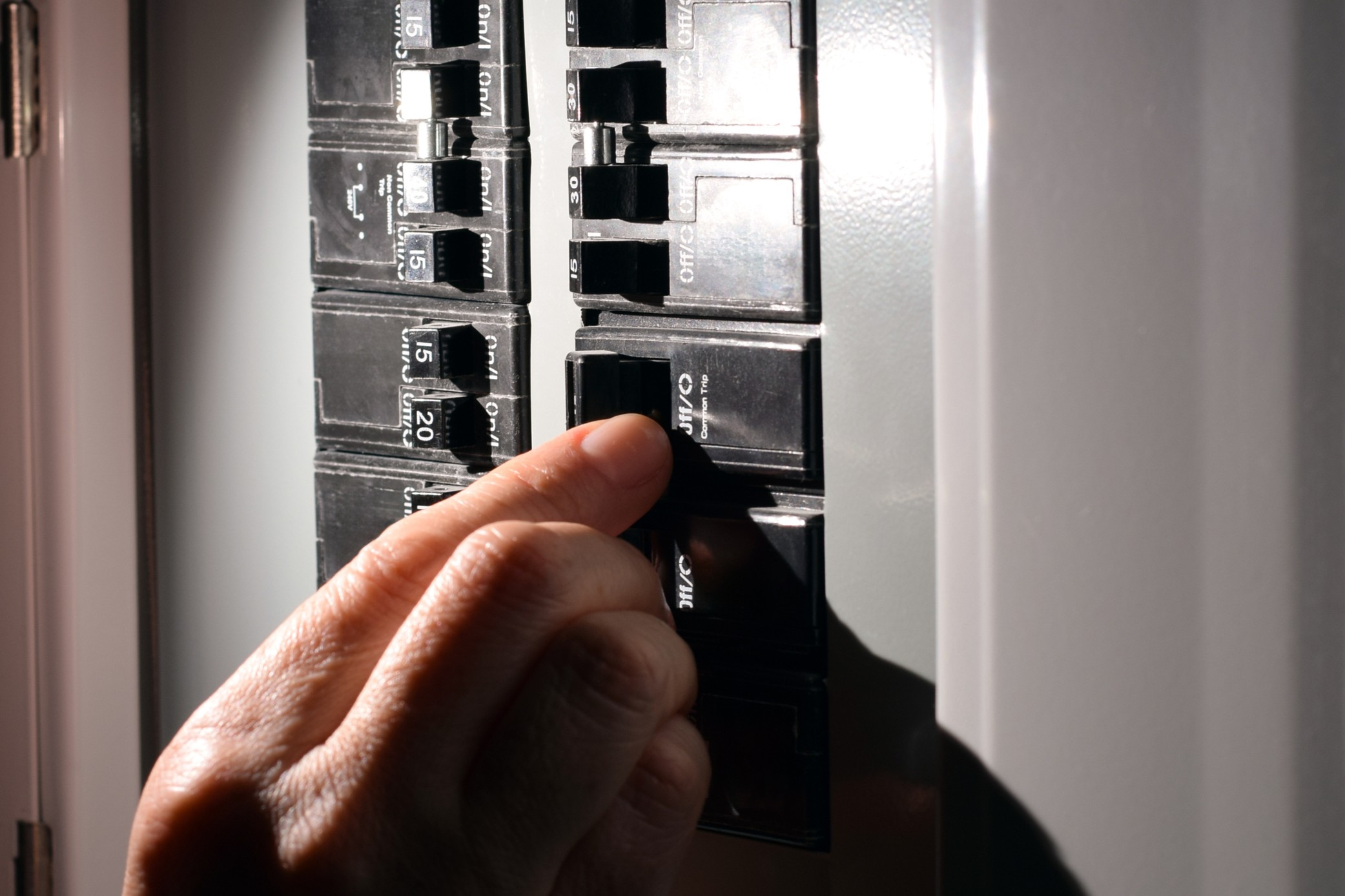
Turn off power to the furnace at the service switch or breaker before opening the access panel to avoid electrical hazards. Confirm the gas valve is in the off position if you will disconnect any gas-side components, and keep the thermostat set low. Wear safety glasses and thin work gloves to protect against sharp sheet metal and hot surfaces inside the burner compartment. Place a flashlight and a small tray or magnet nearby to hold screws and the sensor once removed.
- Shut off power at the breaker.
- Allow the furnace to cool for at least fifteen minutes.
- Use a non-abrasive cloth and soft brush for cleaning.
- Gather a multimeter for basic continuity checks.
- Keep screws and small parts secured in a tray.
Check the surrounding area for debris, rodent nesting, or heavy dust that could recoat the sensor after cleaning. Inspect the burner ports for obvious blockages while the access panel is open to avoid cleaning only the symptom and missing a root cause. A quick visual flue check helps identify draft problems that can affect flame quality, so consider scheduling a separate professional flue inspection if you see soot or staining. Homeowners in Bedford often find returning dust or construction debris causes re-soiling after a DIY clean.
Before touching wiring, use a multimeter to verify power is off and then test sensor wiring for continuity and secure connections. Note the sensor chassis ground and mounting screw locations so you can reinstall the rod in the same alignment with the burner flame. If you find frayed wires, loose terminals, or a bad ground, stop and contact a technician because electrical repairs carry medium risk. In Colleyville, TX properties, a professional will confirm both mechanical alignment and electrical integrity as part of a safe preparation checklist.
Step By Step Furnace Flame Sensor Cleaning Procedure
Start by removing the furnace access panel and locating the furnace flame sensor near the burners, keeping power off at the breaker. Disconnect the sensor wiring at the terminal and remove the mounting screw while supporting the sensor to avoid dropping it. Use a flashlight to inspect the rod for a thin gray film, soot, or minor corrosion before cleaning begins. If wiring looks frayed or the grounding screw is loose, stop and contact a technician due to electrical risk.
Gently wipe the sensor rod with a soft cloth dampened slightly with isopropyl alcohol or use fine 600- or 800-grit sandpaper lightly if the film resists. Rub along the length of the rod only until shiny metal appears, avoiding heavy scraping that can thin or bend the rod. After cleaning, allow the sensor to dry for a minute and blow off any loose particles with compressed air or a dry cloth. Do not use a wire brush or harsh abrasives that can damage the sensing surface and affect future performance.
Reinstall the sensor in the original position, tightening the mounting screw snugly but not overtightened to avoid bending the bracket or rod. Reattach the wiring to the proper terminal and verify the chassis ground is secure to ensure the ionization circuit can complete. Restore power and run a single heat cycle while observing the burner flame shape and listening for normal ignition without immediate shutdowns. If the burner still trips quickly, a professional will test continuity and signal to the control board to isolate electrical faults.
If cleaning fixed the issue, note the date and consider adding this task to annual maintenance checklists or a furnace tuneup essentials visit. For recurring soiling or combustion residue, a technician can evaluate burners, draft, and flue conditions to reduce recontamination risks. Homeowners in Bedford sometimes need that broader combustion tune-up after repeated sensor fouling, and properties in Colleyville, TX may benefit from coordinated checks during seasonal service. Schedule a professional inspection or a tune-up appointment if problems continue to ensure safe, reliable furnace operation.
Post Cleaning Verification And System Reset Checks
After reinstalling the furnace flame sensor, watch the first three ignition cycles closely to confirm stable operation and no immediate shutdowns. Observe burner flame color and steady contact across the ports while listening for normal ignition clicks and continuous burn. If the furnace still trips, note any control board LED codes or repeated click patterns for the technician to reference. Documenting these observations helps a pro target the correct follow-up tests.
Run a simple continuity check on the sensor wiring with a multimeter to ensure the ionization circuit completes through the chassis ground to the control board. Technicians will often compare that continuity reading to expected values and then monitor the flame-sensing signal during a live cycle to confirm the control board receives it. If grounding seems intermittent, re-seating the mounting screw and cleaning the contact area may restore a reliable path. In some cases, professionals also check the ignition module and gas valve response when signals look marginal.
Conduct a system reset by turning the furnace power off for thirty seconds, then restoring power and initiating a full heat call from the thermostat to clear transient errors. After reset, verify the blower delay and post-purge cycles run normally to confirm the control board sequencer operates as expected. If unusual noises or extra cycling appear, that can indicate related mechanical or control issues requiring diagnosis beyond the sensor. For persistent noises accompanying flame sensing problems, consult the furnace noise diagnosis guidance used by technicians.
Confirm that the sensor rod alignment matches the burner flame position and tighten the mounting screw snugly to prevent movement during operation. Schedule a follow-up check within a few weeks to ensure no recurring soiling, especially if the household has recent renovations or heavy dust. Homeowners in Bedford should watch for recurring short cycles after cleaning because repeat soiling suggests combustion or airflow problems upstream. If issues continue after these verification steps, arrange a professional diagnostic in Colleyville, TX to avoid repeated nuisance shutdowns and protect ignition components.
Preventive Maintenance To Avoid Future Sensor Problems
Establish a regular inspection rhythm to catch sensor drift and buildup before it causes interruptions in heating performance. Include the furnace flame sensor check as part of seasonal tune-ups to ensure steady ignition and fewer service calls. Note the date and observations after each check so you track recurring patterns and downstream issues. Homeowners in Bedford may find this record helpful when describing intermittent problems to a technician.
- Inspect the sensor during each annual tune-up.
- Check burner flame shape whenever you clean the sensor.
- Confirm sensor mounting screw remains snug after vibration.
- Verify wiring and chassis ground visually each season.
- Replace a bent or heavily corroded sensor promptly.
Consider simple upgrades that reduce contaminant exposure and help the sensor stay clean longer during operation. A tighter cabinet seal and cleaner return-air filtration reduce dust and airborne oil reaching the burner area. One useful improvement is assessing your filter housing and installation to prevent bypass and recirculation of dirty air. For filter housing options and upgrades see the furnace filter housing upgrades information.
Monitor combustion quality and venting as part of preventive work since poor combustion raises soot and acidic deposits on the sensor. A technician can measure flame temperature and draft during routine service and recommend adjustments if flame color or lift appears abnormal. If you notice strong combustion odors or frequent sooting between services, call for a combustion inspection soon. Scheduling preventive checks reduces the chance of nuisance shutdowns and limits stress on the ignition module in Colleyville, TX.
When To Call A Professional For Flame Sensor Issues
If the furnace flame sensor keeps causing intermittent shutdowns despite cleaning and basic checks, schedule a professional diagnostic to locate deeper causes. A technician will inspect wiring integrity, grounding continuity, and control board responses to determine whether the sensor or another component triggers trips. They will also observe burner ignition behavior during live cycles to capture intermittent faults that a homeowner cannot reproduce easily. Prompt professional attention prevents repeated wear on ignition components and unnecessary gas valve cycling.
Call for help when you notice recurring shutdowns within minutes of startup, when control board error codes appear, or when the sensor rod shows heavy corrosion. A pro will use a multimeter to confirm continuity and may monitor the flame-sensing signal while the furnace runs to verify proper function. If wiring or ground paths are unreliable, a technician will repair or replace connections to restore a stable ionization circuit. These steps reduce the chance of future nuisance trips and hidden electrical faults.
Request professional inspection if cleaning does not stop nuisance shutdowns or if you detect unusual burner flame shapes, frequent ignition attempts, or combustion odors during startup. Technicians often perform a broader combustion and venting evaluation and may recommend a formal safety check, including a heat exchanger inspection for related hazards. For owners concerned about safety and exhaust integrity, consider scheduling a linked heat exchanger inspection for full assurance and documented findings. Addressing combustion and vent issues helps the sensor operate in cleaner conditions.
Contact a technician immediately if you find frayed sensor wiring, a loose mounting bracket, or any burned electrical smell near the furnace cabinet. These conditions carry medium risk and require trained hands to fix safely, avoiding improper repairs that could worsen faults. When arranging service, describe the pattern of shutdowns and any control board LEDs to help the technician prepare diagnostic tools and parts. In Bedford and Colleyville, TX, a timely professional response preserves system reliability during cold weather demands.
Frequently Asked Questions
What are common signs a furnace flame sensor is dirty?
You may notice the furnace cycles briefly then shuts off as the control board treats the flame as unreliable. Burnt, weak, or inconsistent ignition flame and frequent short runs often point to a dirty sensor. Sooty buildup on the flame sensor rod can cause ignition failure and repeated lockouts, which homeowners sometimes confuse with thermostat issues. Caution: working on gas appliances carries risk, so contact a professional if you are unsure or the burner needs adjustment.
How do I safely access the furnace flame sensor?
Turn off power to the furnace at the service switch or breaker before opening the access panel to prevent shock or accidental ignition. Remove the furnace access panel carefully and locate the burner assembly and the thin metal rod held by a bracket near the burners. Avoid touching the rod with bare hands and do not perform repairs beyond visual inspection if you are unsure. If you detect corrosion, damage, or feel unsafe at any step, stop and call a qualified HVAC technician for help.
What cleaning steps should I follow for the flame sensor?
Turn off power to the furnace at the breaker and wait five minutes before touching any component to reduce shock risk. Remove the access panel and carefully slide out the burner assembly to access the furnace flame sensor without forcing connections. Gently clean the sensor rod with fine-grit emery cloth or Scotch-Brite until light discoloration is removed, then wipe with a clean dry cloth to remove dust. If you find deep pitting, heavy corrosion, or you are unsure, stop and contact a professional for safe replacement and verification.
When should a professional diagnose persistent sensor trips?
If the furnace flame sensor trips repeatedly after basic cleaning and resets, schedule a professional diagnosis promptly to avoid heat loss. A technician should inspect the sensor, control board, and ignition sequence to find root causes. If you notice burning smells, frequent short cycles, or error codes, stop the unit and call a pro because of safety risk. A trained technician will test continuity, check grounding, and verify proper flame signal strength before recommending repairs or replacements.
How does verifying the sensor prevent nuisance shutdowns?
Verifying the furnace flame sensor confirms it reliably senses flame each ignition cycle and prevents false shutdowns. A technician watches burner ignition while measuring continuity or millivolt output to confirm consistent readings. If readings stay within expected ranges but the furnace still trips, the tech inspects the control board and safety switches next. If you see corrosion, broken insulation, or uncertain readings, stop and call a professional for safe repair or replacement.