

Why HVAC Systems Work Harder in Fort Worth
Key Takeaways About HVAC Systems Work Harder
This article explains common causes that make HVAC systems work harder and how that stress shows up. It is for homeowners and property managers who need to recognize warning signs and act before major failures during hot seasons.
- Identify prolonged heat and high humidity that increase cooling load.
- Prevent dirty filters and routine maintenance from being skipped.
- Avoid restrictive ductwork and blocked return grilles that limit airflow.
- Spot thermostat placement and programming issues that shorten off cycles.
- Reduce wear by watching for unusual noises smells and longer cycles.
- Plan professional inspections when simple checks do not restore performance.
Introduction
Hot stretches of weather force HVAC systems to run longer and harder than usual. Prolonged heat raises indoor temperatures and pushes compressors to maintain a lower setpoint. When systems work harder they use more energy and parts wear faster. That extra strain can shorten equipment life and increase the chance of breakdowns.
Many homeowners assume their system is failing when cooling slows or bills climb. Often the root causes are things like dirty air filters or restricted airflow instead. Those problems make the blower motor and evaporator coil labor to move and cool air. Left unchecked, small issues become bigger repairs and uncomfortable rooms.
Thermostat settings and aging components also change how hard an HVAC system must perform. A thermostat set far below outdoor temperatures makes the system run nearly nonstop. Older heat exchangers, capacitors, and contactors lose efficiency and tolerate less stress. Regular maintenance helps identify these wear signs before failure.
In Fort Worth, TX summers and frequent cooling demand magnify these effects for homeowners. Properties in Azle, TX can face the same risks when air filters clog or ducts restrict flow. Paying attention to sounds, smells, and cycle timing gives early clues something is wrong. When those warning signs appear, scheduling professional inspection and maintenance is the sensible next step.
How Prolonged Heat Makes HVAC Systems Work Harder
Prolonged outdoor heat increases indoor cooling load and makes HVAC systems work harder to maintain set temperatures. As the heat persists, the compressor and fan run longer and cycle less efficiently. This sustained operation raises part temperatures and increases wear on components like the compressor and blower motor. Homeowners often ask if long heat waves can cause breakdowns, and the short answer is yes because continuous use accelerates wear and raises the risk of failure.
- Higher indoor humidity makes cooling take longer.
- Evaporator coils can ice or overheat under strain.
- Compressors run hotter and less efficiently.
- Blower motors face increased electrical load and wear.
Extended heat also drives up cooling demand in the system, which stresses the compressor trying to maintain pressure. Reduced efficiency appears as longer run times and smaller temperature drops across the supply vents. Watch for warm spots in rooms and longer cooling cycles as early signs your system is under extra load. If you notice these cues, a professional inspection can confirm whether heat alone or another issue is causing the strain.
Professionals diagnose heat-related strain by checking refrigerant pressure, compressor amperage, and temperature differentials across the evaporator coil and supply plenum. They will inspect the condenser for dirt and measure airflow at return and supply grilles to spot restrictions. Simple homeowner checks include feeling vent temperatures and timing cycles to see if the system runs continuously. For guidance on how extreme heat affects equipment, review resources that explain triple-digit heat impacts on systems.
Homes in Fort Worth, TX face longer cooling seasons that make these checks more important during summer. Early detection through visual inspection, airflow checks, and pressure readings helps prevent emergency failures on the hottest days. When technicians find elevated compressor temperatures or low refrigerant, they can recommend targeted repairs or maintenance. Scheduling seasonal service before heat waves reduces the likelihood that prolonged heat will turn into a major breakdown.
Heavy Cooling Demand And What To Watch For
During peak heat, heavy cooling demand forces the compressor and fan to run nearly nonstop, which raises internal temperatures and stress. You may notice the system cycles less efficiently and rooms take longer to reach setpoint. Listen for longer run times and a louder outdoor unit, which often indicate sustained heavy load. If you spot frost on the suction line or unusually warm supply vents, document those cues for a technician.
High demand also exposes weaknesses like marginal refrigerant charge, failing capacitors, or weak blower motors that struggle to move air. A pro will measure refrigerant pressure, check compressor amperage, and record temperature differences across the evaporator coil to confirm causes. They will inspect the condenser and outdoor fan for airflow restrictions and test the blower motor and capacitor under load. Homeowners can help by noting when the system starts making new noises or when cooling performance drops on very hot days.
Thermostat placement and frequent setpoint changes make heavy cooling demand worse by shortening off-cycles and increasing starts per hour. A technician checks thermostat calibration, wiring, and the control cycle times to detect these issues during diagnosis. Simple homeowner actions include keeping the thermostat away from direct sunlight and avoiding rapid temperature swings. For routine care tips, see the guide on filter maintenance, which can reduce strain caused by clogged filters and poor airflow.
Homes in Texas see higher cumulative cooling hours that magnify heavy-demand problems during summer. When professionals find components operating outside normal ranges, they document readings and recommend targeted maintenance or parts replacement. Regular seasonal service helps prevent emergency failures when cooling demand peaks, and homeowners should schedule inspections if they notice persistent issues. For more on preventive service and avoiding excessive AC repairs, read the maintenance service overview.
Dirty Air Filters Effects And When To Replace
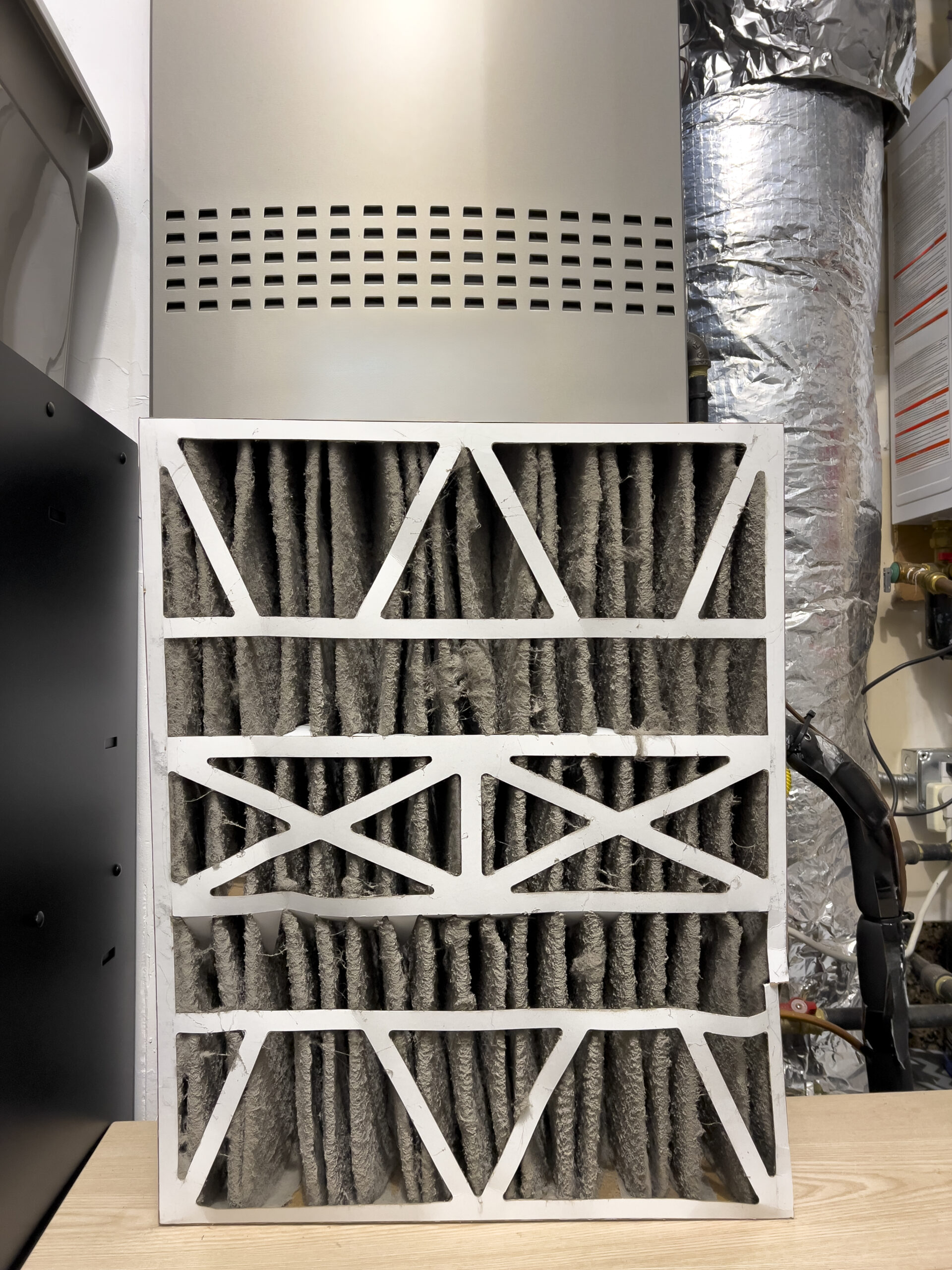
Dirty air filters reduce airflow and force the blower motor to work longer to move the same volume of air through the system. Restricted flow makes the evaporator coil colder and can cause it to collect moisture unevenly, which reduces heat exchange and increases run time. You may notice weaker air from supply vents and dust blowing when the fan starts, both signs a filter needs attention. Homeowners should check filters visually and replace them when they look gray or clogged rather than waiting for set intervals.
A heavily loaded filter raises the system’s static pressure and can cause the blower motor to draw higher current, shortening its lifespan. Technicians diagnose filter-related strain by measuring pressure drop across the filter, checking blower amperage, and comparing return and supply temperature differences. They also inspect the evaporator coil and condensate drain for debris that often accumulates when filters do not capture particles. Simple homeowner checks include feeling for cooler supply air and noting if rooms take longer to reach setpoint.
Using the wrong filter type or an overly restrictive high-MERV filter for your system can worsen airflow problems and increase compressor workload. If ducts are undersized or poorly configured, even a clean filter might not prevent strain, in that case professionals review duct layout and may reference common design mistakes like those described in the duct design resource. A technician will test airflow at grilles and assess whether the filter, blower, or ductwork creates the main restriction before recommending changes.
Dusty conditions and longer cooling seasons make timely filter checks especially important to avoid extra wear. If you hear unusual blower noises, smell dust when the system starts, or see visible dirt on the evaporator, schedule a professional inspection. A pro will report measured pressure drops, airflow readings, and coil condition so you can decide the best corrective steps. Regular filter maintenance prevents unnecessary strain and helps keep HVAC systems work harder only when truly needed.
Restricted Airflow Causes How It Impacts Performance
Restricted airflow often starts in the ductwork where bends, crushed sections, or closed dampers limit the volume of conditioned air. A trapped return grille or blocked vent changes pressure in the supply plenum and forces the blower motor to run harder for the same output. Homeowners might notice rooms that never reach setpoint despite long run times and uneven temperature between floors. When registers feel weak but the fan sounds normal, restricted ducts are a likely cause to investigate.
- Check that supply and return registers are fully open.
- Look for visible kinks or crushed flexible ducts in attics or crawlspaces.
- Ensure furniture or curtains do not block floor and wall vents.
- Verify attic access panels and return grilles are unobstructed.
Diagnosing duct restrictions requires both visual inspection and simple measurements like static pressure and temperature drop across the system. A technician will measure pressure at the return and supply, check airflow at grilles, and inspect the evaporator coil for airflow-induced dirt patterns. They may also examine the blower motor, fan wheel, and cabinet for signs of strain or dust buildup that reduce performance. Documented readings help pinpoint whether duct design or an individual blockage creates the problem.
Some homeowners discover restrictions when routine work reveals disconnected ducts or animal nests inside plenums and trunks. In Fort Worth, TX properties with older attics sometimes show crushed ducts or blocked returns that go unnoticed for years. For homes in Azle, TX, tight or undersized ducts installed during renovations can limit airflow and increase runtime. If you see weak vent airflow, unusual noises from ducts, or temperature differences between rooms, arrange a professional inspection to confirm causes and repair options.
Thermostat Settings That Increase System Strain
Incorrect thermostat programming can force HVAC systems to run at peak times and increase wear on compressors and fans. Rapid setpoint changes cause frequent starts that stress the contactor, capacitor, and motor bearings. Avoid extreme temperature swings that shorten off-cycles and raise the number of starts per hour. For guidance on sensible schedules and setbacks, review the recommended guidelines at optimal thermostat settings.
Using a thermostat in the wrong mode or with incorrect calibration makes equipment work longer to reach set temperatures. A thermostat that calls for cooling while the system is already close to setpoint reduces useful off time and raises run hours. Technicians diagnose this by checking thermostat calibration, verifying wiring, and recording control cycle times during inspection. Homeowners can note whether the indoor unit runs immediately after minor temperature changes as a clue.
Placing the thermostat near heat sources or in direct sunlight creates false high readings that command extra cooling. The system will run because the thermostat senses a warmer spot, not the whole house, creating uneven comfort and longer runtimes. A pro will inspect placement and compare temperature readings between the thermostat and different rooms to confirm the error. For properties in Fort Worth, TX this can be common when sunlight hits a small hallway sensor during afternoons.
Short off-cycles caused by aggressive setback programs or frequent manual changes increase mechanical wear and reduce efficiency over time. Professionals perform airflow and control diagnostics, sometimes using an airflow performance test to see how cycling affects temperatures and pressures during real operation. That test helps determine if thermostat behavior or airflow restrictions create the primary strain on components. For homes in Azle, TX, pairing correct thermostat programming with routine airflow checks often reduces unnecessary runtime and improves system longevity.
Aging Equipment Signs And When To Consider Replacement
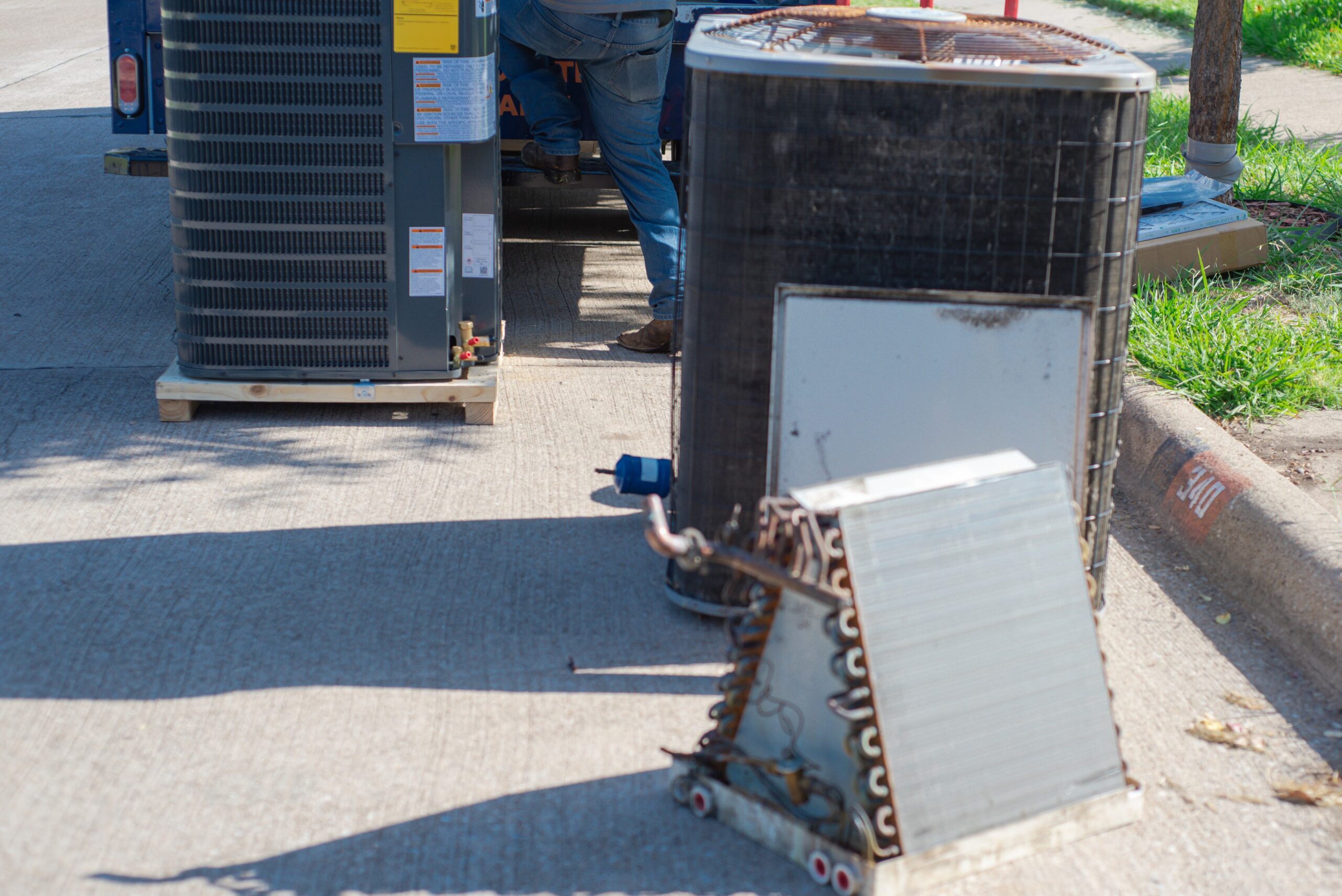
Older HVAC units lose efficiency in specific components like the compressor, capacitor, and blower motor long before total failure appears. Listen for longer startup hums, rattling that begins during acceleration, or a grinding noise that worsens over several cycles. A technician will inspect the contactor, test capacitor voltage under load, and measure motor amperage to confirm whether wear explains the symptoms. These checks reveal if parts still meet factory tolerances or if replacement will restore reliable operation.
Visible signs of aging include corroded refrigerant line fittings, oil stains near service ports, and bent fins on the condenser coil that reduce heat transfer. Technicians verify these issues by checking refrigerant pressures, scanning for leaks, and measuring temperature differences across the evaporator coil. They also inspect the heat exchanger and flue for cracks on gas furnaces, which can create safety concerns and require immediate evaluation. Documented readings and photos help homeowners decide whether repair or replacement best addresses the underlying wear.
Frequent short cycling or long continuous runs often indicate the system can no longer keep up with load despite working harder each cycle. A pro diagnoses this by recording run times, counting starts per hour, and comparing supply and return temperatures during operation. They may test thermostat calibration and measure static pressure to rule out control or airflow causes before concluding the equipment itself is aged. That diagnostic approach clarifies whether replacing the unit will improve comfort and reduce stress on remaining components.
Energy performance that drops noticeably even after repairs is a common sign an aging system needs replacement rather than further band-aid fixes. Technical checks include measuring total system amp draw, refrigerant superheat and subcooling, and airflow at registers to produce a written assessment. For guidance on extending service life versus planning for replacement, homeowners can consult the longevity resource that covers end-of-life indicators and maintenance priorities. In Fort Worth, TX and in Azle, TX properties, timely decisions based on measured diagnostics prevent emergency failures during peak cooling seasons.
Overlooked Maintenance Tasks How They Accelerate Wear
Small, routine maintenance tasks often get skipped and quietly increase system stress over months. Neglected condensate drains clog with algae or debris and cause water to back up into the evaporator cabinet. Stiff or dusty blower wheels reduce airflow and force motors to draw more current than normal. Ignoring loose electrical connections allows arcing that raises component temperatures and accelerates wear.
- Check the condensate drain for standing water.
- Inspect the blower wheel for dust buildup.
- Tighten visible electrical connections at the service panel.
- Clear debris around the outdoor condenser unit.
Filter replacement schedules are not the only routine items homeowners miss when they focus only on obvious issues. Leaving the evaporator coil dirty reduces heat transfer and increases compressor run time with subtle performance loss. Skipping capacitor and contactor checks lets marginal parts fail during high-load periods when replacement is most urgent. A professional inspection reveals component tolerances, loose wiring, and early signs of motor bearing fatigue.
Technicians diagnose these overlooked tasks by combining visual checks with simple measurements and tools they already use. They inspect the condensate trap, use a moisture meter near the drain pan, and measure blower motor amperage with a clamp meter. Technicians will also record temperature differences across the evaporator coil and note pressure drops in the return and supply. Those readings form the basis of a written maintenance recommendation that points to small fixes preventing larger failures.
Homeowners in Fort Worth, TX and those in Azle, TX should watch for smells, slow drainage, and odd timing that suggest maintenance is overdue. If you notice musty odors, water near the indoor unit, or longer cycles without improved cooling, schedule routine service. For guidance on a seasonal checklist and what a technician inspects, consult the maintenance guide to prepare for an effective visit.
When To Call A Professional For HVAC Systems Work Harder
Call a professional when you notice persistent warning signs that simple homeowner checks do not fix. Examples include repeated short cycling, burning or electrical odors near the indoor unit, or sudden loss of cooling in multiple rooms. A trained technician will perform targeted diagnostics like measuring refrigerant pressures, checking motor amperage, and testing thermostat control signals. These concrete checks confirm whether the problem stems from controls, refrigerant, or mechanical wear requiring repair.
If troubleshooting at home does not restore normal operation, schedule an inspection to avoid worsening damage or unexpected failure. During service a technician will inspect the evaporator coil, condenser fan, capacitor, and contactor while recording temperature splits across supply and return vents. They also check static pressure and airflow at grilles to determine if ducts or the blower cause increased load. Documented readings let the technician recommend focused actions that reduce strain and improve run-time behavior.
In some situations technicians will run longer operational tests to reproduce the issue under load and capture accurate measurements. They may use a clamp meter to record compressor and blower amperage and a temperature probe to record supply-return differences during operation. These results help decide if repairs, component replacement, or an airflow change is the best next step to prevent further stress. For homeowners managing peak cooling hours, professional load-balancing advice can reduce unnecessary runtime and improve comfort.
Contact a professional when signs persist after simple fixes like filter changes and vent checks. A qualified technician will provide a written report with measured values, observed faults, and recommended repairs or maintenance tasks. If recurring strain appears during the hottest days, consider scheduling planned service to address marginal parts before peak demand. For guidance on reducing system runtime during extreme heat, review the HVAC load management information.
Frequently Asked Questions
Why do HVAC systems work harder during Fort Worth heat?
Fort Worth’s prolonged high temperatures force HVAC systems to run longer each day, increasing compressor and blower wear. Higher outdoor heat raises indoor cooling load, making HVAC systems work harder to remove heat and humidity. Restricted airflow, dirty filters, or low refrigerant amplify strain and reduce efficiency, often causing short cycling or frozen coils. If you notice unusual smells, noises, or frequent cycling, stop using the system and call a professional for diagnosis and repair.
Can dirty filters really make my AC struggle more?
Yes, dirty filters restrict airflow, forcing the blower motor to run longer and work harder to move air through the system. Reduced airflow lowers cooling capacity and raises indoor temperatures, so the compressor cycles more frequently. You may notice weak vents, higher energy use, or a musty smell indicating trapped dust and moisture. If you suspect clogged filters or see ice on the evaporator coil, turn off the system and call a professional to inspect and clean components safely.
What signs show restricted airflow in my home?
You may notice weak or uneven airflow from vents, with some rooms feeling noticeably warmer than others.
Higher energy bills and longer run times can indicate the system struggles and HVAC systems work harder to reach set temperatures.
Listen for unusual sounds like rattling or strained blower noise and check for dusty or clogged return grilles and supply registers.
If you see ice on the evaporator coil, water pooling near the air handler, or suspect blocked ductwork, stop the system and call a professional because of potential safety risks.
How does thermostat programming increase system strain?
Frequent temperature setbacks and wide swings force the system to run long cycles to recover setpoints, which raises wear on the compressor and blower. Short cycling from aggressive programming stresses components and reduces dehumidification, leaving indoor air feeling muggy. Constant mode changes and too-tight night/day schedules make HVAC systems work harder and shorten equipment life. If you hear unusual noises or see rapid cycling, turn off the system and call a professional for inspection to avoid unsafe conditions.
When should I call a pro for an overworked HVAC system?
Call a professional when your system shows reduced cooling, rising indoor humidity, or long run cycles despite thermostat settings. Schedule service if you hear rattling, grinding, or high-pitched noises that suggest motor or compressor stress. Contact a technician when vents blow weak air or rooms stay unevenly cooled after filter and register checks. If you smell burning or notice frequent short cycling, turn the system off and call a professional immediately for safety.