

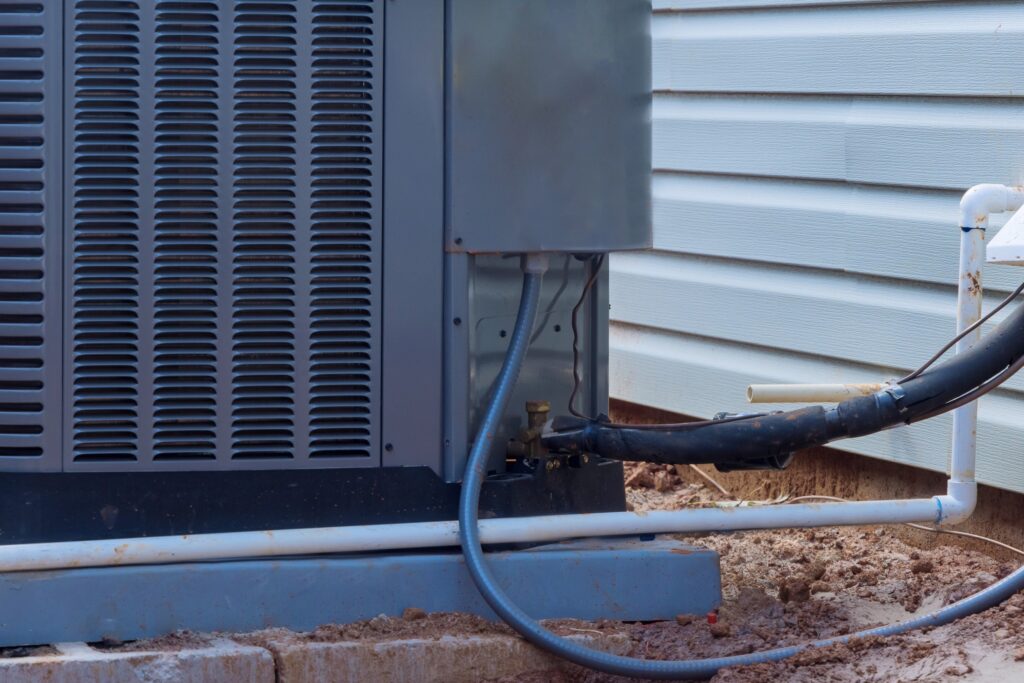
Condensate Line Reroute to Stop Recurring Leaks
In the heart of Fort Worth, TX, homeowners often face the challenge of managing their HVAC systems efficiently. One common issue is the need for a condensate line reroute, a solution that can significantly improve drainage and prevent unwanted backups. This process involves adjusting the path of the condensate drain line to ensure smooth and efficient removal of moisture. It’s a strategic move that can save homeowners from the hassle of recurring leaks.
Residents in Saginaw, TX, and surrounding areas are no strangers to the humidity and its impact on air conditioning systems. A properly executed condensate line reroute can be the key to enhancing the longevity and performance of these systems. By redirecting the flow of condensate away from areas prone to clogging, homeowners can enjoy a more reliable and efficient HVAC system.
In North Richland Hills, TX, the demand for effective HVAC solutions is on the rise. A condensate line reroute is not just about preventing leaks; it’s about ensuring that your air conditioning system operates at its best. This adjustment can lead to improved air quality and a reduction in humidity levels within the home, contributing to a more comfortable living environment.
Understanding the importance of a condensate line reroute is the first step towards maintaining a healthy HVAC system. With the right approach, homeowners can avoid common pitfalls and ensure their air conditioning units are prepared to handle the Texas heat. This proactive measure is an essential component of any comprehensive HVAC maintenance plan, aiming to deliver peace of mind and enhanced comfort to residents across the Fort Worth area.
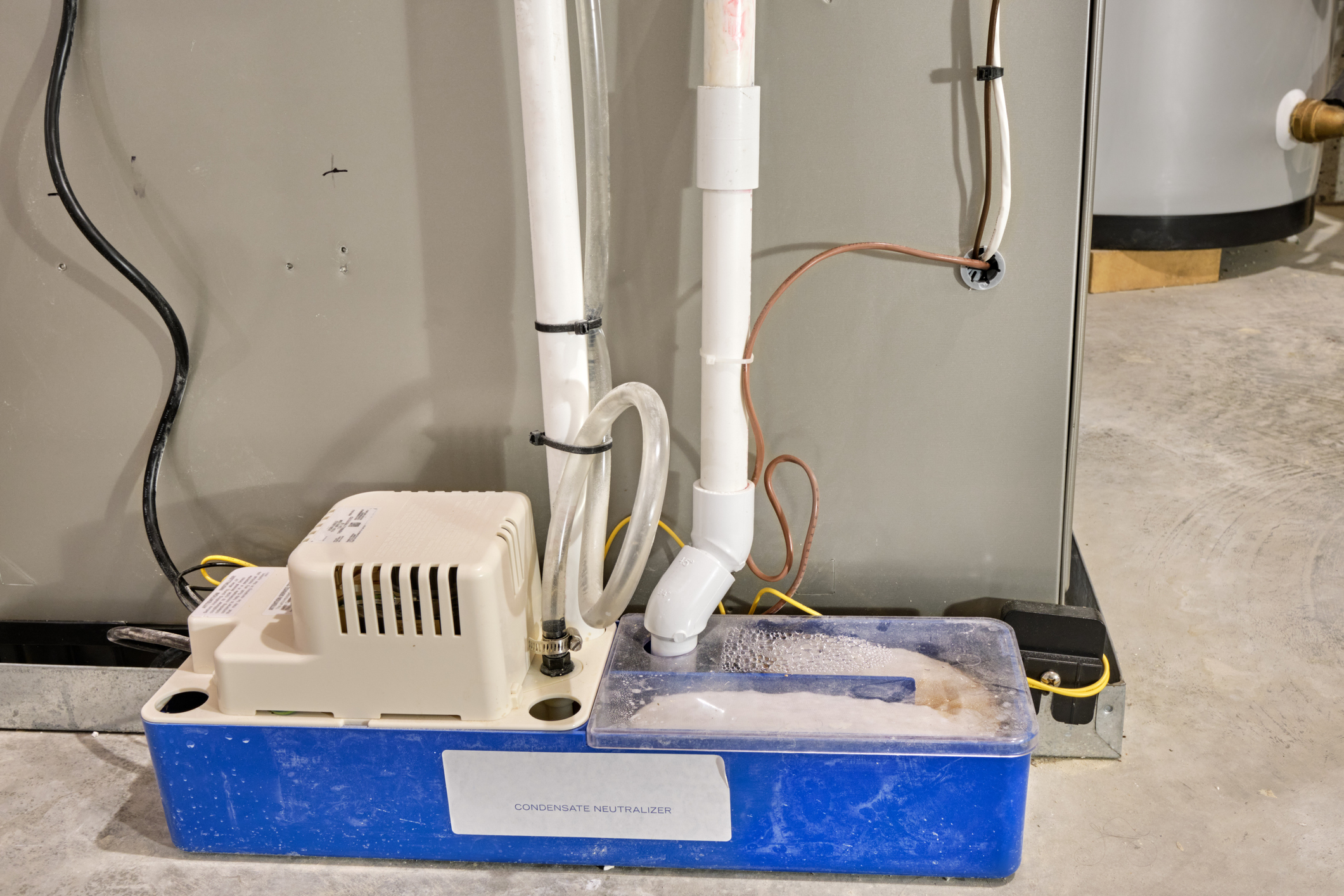
Understanding Your HVAC Condensate Line
Understanding your HVAC condensate line is crucial in maintaining an efficient system, especially in areas like Saginaw, TX, where humidity levels can wreak havoc on air conditioning units. The condensate line plays a key role in removing moisture that your HVAC system collects from the air. When it functions properly, it prevents water from accumulating and causing damage inside your home. However, when it gets clogged or malfunctions, it can lead to water leaks and other serious issues.
A condensate line reroute comes into play when the original pathway is no longer efficient or safe for moisture removal. By changing the route, the water flows more freely, reducing the risk of backups and leaks. This process not only protects your home from water damage but also ensures that your air conditioning system runs more smoothly. It’s a strategic move that can extend the lifespan of your HVAC unit and improve its overall performance.
In North Richland Hills, TX, homeowners understand the value of a well-maintained HVAC system. They know that a simple adjustment, like a condensate line reroute, can make a significant difference in their system’s efficiency. This proactive approach not only saves them from future headaches but also contributes to a healthier living environment. By ensuring proper drainage, they can keep humidity levels in check and enjoy a more comfortable home.
Lastly, it’s important to recognize that a condensate line reroute is not a one-size-fits-all solution. Each home has its unique layout and may require a different approach to achieve optimal drainage. Consulting with a professional who understands the intricacies of HVAC systems and local climate conditions is essential. They can assess your specific situation and recommend the best course of action to ensure your system is prepared to handle whatever the Texas weather throws its way.
Signs Your Condensate Line Needs a Reroute
Recognizing when it’s time for a condensate line reroute is crucial for homeowners in Saginaw, TX. If you notice water pooling around your HVAC system, it’s a clear sign that the drainage isn’t functioning as it should. This issue often arises from a clogged or improperly sloped condensate line. Acting quickly can prevent further damage and ensure your system operates efficiently.
In North Richland Hills, TX, another indicator is frequent system shutdowns. These can occur when the condensate line’s backup triggers safety switches to avoid water damage. If your air conditioning unit stops working unexpectedly, a blocked condensate line might be the cause. Consulting with a professional can help you determine if a reroute is necessary.
Musty odors inside your home also suggest that the condensate line isn’t properly removing moisture. This can lead to mold and mildew growth, which are harmful to both your health and your home’s air quality. A condensate line reroute can address this issue by ensuring moisture is efficiently expelled from your HVAC system.
Lastly, if you’ve had multiple repairs on your condensate line but problems persist, it might be time for a reroute. Sometimes, the original installation doesn’t account for the best drainage path. A professional can assess your system and recommend a new route that prevents future leaks and backups, keeping your home dry and comfortable.
Condensate Line Reroute: Planning and Preparation
When planning a condensate line reroute, the first step is assessing your home’s layout. This involves identifying the most efficient path for moisture to exit, ensuring it doesn’t pool around your HVAC system. A professional in Saginaw, TX, can help map out this new route, taking into account the unique structure of your home. This careful planning prevents future backups and leaks, safeguarding your living environment.
Preparation is key to a successful condensate line reroute. Homeowners should clear the area around their HVAC system, providing easy access for the technician. In North Richland Hills, TX, experts recommend checking the surrounding landscape to ensure it supports proper drainage. This foresight minimizes the risk of water damage, ensuring the reroute process is smooth and effective.
Choosing the right materials for the reroute is crucial. High-quality pipes and fittings ensure the new condensate line withstands the test of time. Professionals use durable materials that resist corrosion and leaks, enhancing the system’s reliability. This attention to detail makes all the difference, extending the lifespan of your HVAC unit.
Finally, testing the new route is an essential step in the reroute process. After installation, technicians run water through the system to ensure it flows correctly and exits the property. This test confirms the effectiveness of the reroute, giving homeowners peace of mind. With everything in place, your HVAC system is ready to handle the Texas weather, free from the threat of leaks and backups.
Step-by-Step Guide to a Successful Condensate Line Reroute
Embarking on a condensate line reroute begins with a detailed evaluation of your current HVAC system. A skilled technician from Saginaw, TX, will inspect your setup to identify the most effective new path for the condensate line. This step is vital to ensure that the reroute will indeed enhance the system’s efficiency and prevent future leaks. By understanding the specifics of your home’s structure and HVAC system, they can devise a plan that ensures optimal performance.
Next, the technician prepares the area for the reroute process. This involves clearing any obstacles that might hinder access to the condensate line and ensuring the workspace is ready. Homeowners can assist by making sure the area around their HVAC system is accessible. This preparation is essential for a smooth and efficient reroute process, minimizing the time needed to complete the task.
The selection of materials for the reroute comes third in the process. Professionals opt for high-quality pipes and fittings that are durable and leak-resistant. These materials are chosen to withstand the humid climate of North Richland Hills, TX, and ensure long-term reliability. Using the right materials is crucial for preventing future issues, safeguarding your home against water damage and leaks.
Finally, testing the new condensate line route is critical to confirm its effectiveness. Technicians conduct thorough tests, running water through the system to check for proper flow and exit points. This step verifies that the reroute is successful and that your home is protected from the risks of water damage. With the new route confirmed, homeowners can rest assured their HVAC system is optimized for efficiency and safety.
Tools and Materials Needed for a Condensate Line Reroute
To successfully carry out a condensate line reroute, certain tools and materials are essential. High-quality PVC pipes are a top choice, ensuring durability and resistance to moisture. Along with pipes, PVC cement and a saw for cutting are necessary to create a seamless fit. These items ensure the reroute process is smooth and effective, preventing future leaks.
Professionals also rely on level tools to ensure the new condensate line has the proper slope. This is critical for facilitating the flow of condensate away from the home. In addition, a tape measure is used to accurately plan the route, avoiding any unnecessary bends that could impede drainage. These tools help in achieving a precise installation, crucial for the system’s efficiency.
In Saginaw, TX, technicians often include insulation materials in their toolkit. Insulating the condensate line helps prevent freezing during colder months, ensuring uninterrupted drainage. This step is particularly important in areas where temperatures drop significantly, safeguarding the system against weather-related issues.
Lastly, in North Richland Hills, TX, safety equipment cannot be overlooked. Gloves and eye protection are vital for technicians during the reroute process. These safety measures protect against potential hazards, ensuring the job is not only done right but also done safely. With the right tools and materials, a condensate line reroute can significantly enhance an HVAC system’s performance.
The Role of Professional HVAC Technicians in Rerouting
When considering a condensate line reroute, the expertise of professional HVAC technicians becomes indispensable. These professionals bring a wealth of knowledge and experience to the table, ensuring the reroute is performed correctly. They understand the unique climate challenges of Saginaw, TX, and tailor the reroute to meet these specific conditions. Their skills guarantee the new path for the condensate line enhances system efficiency and prevents future leaks.
In North Richland Hills, TX, technicians apply advanced diagnostic tools to identify the optimal route for the condensate line. This precision prevents potential issues like water damage and mold growth. By assessing the home’s layout and the HVAC system’s requirements, they ensure the reroute addresses the root cause of drainage problems. Their meticulous approach results in a reliable and long-lasting solution.
Professionals also provide homeowners with valuable advice on maintaining their HVAC systems post-reroute. This guidance helps extend the lifespan of the system and keeps it running smoothly. They recommend regular inspections and cleaning to avoid future clogs or backups. Through their expertise, homeowners gain a deeper understanding of their HVAC systems and how to keep them in top condition.
Ultimately, the role of professional HVAC technicians in a condensate line reroute cannot be overstated. Their detailed planning, precise execution, and valuable maintenance tips make them essential partners in improving home comfort. By leveraging their skills, homeowners in Texas can enjoy a more efficient, leak-free HVAC system tailored to withstand the state’s demanding climate.
Maintenance Tips to Prevent Future Condensate Line Leaks
After a successful condensate line reroute, maintaining your HVAC system becomes crucial to prevent future leaks. Regularly cleaning the condensate pan and line ensures that water flows freely, avoiding backups. In Saginaw, TX, homeowners can use a mixture of vinegar and water to flush the line monthly. This simple practice keeps the system running smoothly and extends its lifespan.
Inspecting the condensate line for signs of wear or damage is another preventive measure. Over time, lines can become brittle or clogged, leading to potential leaks. Homeowners in North Richland Hills, TX, should visually check the line during routine HVAC maintenance. Catching issues early can save time and prevent water damage.
Ensuring proper insulation of the condensate line is key, especially in areas with fluctuating temperatures. Insulation prevents freezing in colder months and condensation in warmer ones. This step is vital for maintaining an efficient drainage path year-round. It’s a simple yet effective way to safeguard against unexpected leaks.
Lastly, scheduling annual inspections with a professional HVAC technician is advisable. They can assess the system’s overall health and make recommendations for improvements. Technicians have the tools and knowledge to spot potential problems that homeowners might miss. Regular professional oversight keeps your HVAC system in top condition, reducing the risk of condensate line leaks.
Cost Considerations for a Condensate Line Reroute
When considering a condensate line reroute, homeowners weigh various factors to ensure their HVAC system remains efficient. In Saginaw, TX, the decision to adjust the drainage path is often driven by the need to enhance system performance and prevent moisture-related issues. This proactive step can significantly reduce the likelihood of backups and leaks, contributing to a healthier home environment. It’s a strategic move that aligns with the goal of maintaining an optimal living space.
The process involves not only rerouting but also assessing the existing setup to identify the most effective solution. Experts in North Richland Hills, TX, utilize their knowledge to determine the best new path for the condensate line. This ensures that the reroute meets the specific needs of the home and its occupants. By customizing the approach, technicians can address the unique challenges presented by each property.
Homeowners also consider the long-term benefits of such an adjustment. A well-executed condensate line reroute can extend the lifespan of an HVAC system, making it a worthwhile consideration. The improvement in drainage efficiency helps to safeguard the system against common problems. As a result, residents can enjoy a more reliable and effective air conditioning unit.
Ultimately, the decision to proceed with a condensate line reroute comes down to the desire for a comfortable and safe home environment. By taking this step, homeowners in Texas can ensure their HVAC systems are better equipped to handle the demands of the climate. It’s a thoughtful investment in the home’s overall well-being, offering peace of mind and enhanced comfort for years to come.

Condensate Line Reroute Frequently Asked Questions
What causes condensate line leaks?
Condensate line leaks often stem from clogs or blockages within the pipe. Over time, dirt, algae, and other debris can accumulate, causing water to back up and leak. Improper installation or a lack of regular maintenance also contributes to these issues. A condensate line reroute can effectively address and prevent such problems by ensuring better drainage and reducing the risk of backups.
How does a condensate line reroute work?
A condensate line reroute involves changing the path of the drainage pipe to ensure better flow and prevent water from backing up. This process typically redirects the line to a location where water can drain more freely and efficiently. By doing so, it greatly reduces the chances of blockages and leaks. The new route is carefully planned to optimize drainage while minimizing the risk of future issues.
Can I reroute a condensate line myself?
Rerouting a condensate line by yourself is possible but it requires a good understanding of your HVAC system. It’s essential to know where the line should go for optimal drainage. However, without professional knowledge, you might miss key factors that ensure the reroute is effective. For the best results, consulting with experts like One Hour Air Conditioning & Heating is recommended to avoid future leaks.
What are the signs of a leaking condensate line?
Spotting a leaking condensate line can be straightforward if you know what to look for. You might notice water pooling around your HVAC unit, a clear indicator of a leak. Another sign is an increase in indoor humidity levels, making your home feel muggier. Musty odors often accompany leaks too, as stagnant water in the line can lead to mold growth. Lastly, if your air conditioning system starts to perform poorly, it could be due to a compromised condensate line.
How long does a condensate line reroute take?
A condensate line reroute typically takes a few hours to complete. The exact time depends on the complexity of the job and the layout of your home. Professionals from One Hour Air Conditioning & Heating work efficiently to minimize disruption. Rest assured, they ensure your system is back up and running smoothly as soon as possible.