

Furnace Ignition Module Troubleshooting Basics in Colleyville
Key Takeaways About Furnace Ignition Module
A furnace ignition module controls and times the furnace’s spark or hot surface ignition. This summary is for homeowners and property managers who need quick guidance when ignition problems affect comfort or safety.
- Identify repeated clicking long warm up delays or no ignition
- Prevent loose corroded wiring by inspecting connectors regularly
- Avoid DIY live electrical or gas testing without professional training
- Spot soot scorch marks melted insulation or electrical odors quickly
- Reduce failures by keeping burners sensors and cabinet clean
- Plan professional diagnosis when issues recur or bench testing fails
Introduction
A failing furnace ignition module is a common reason a home furnace will not light reliably. When the module malfunctions, homeowners often notice repeated clicking, long warm-up delays, or a complete lack of ignition. These symptoms matter because a faulty ignition module can leave a house without heat when temperatures drop. In Colleyville, TX homes, that loss of heat can quickly become urgent on cold nights.
Ignition module faults also create safety and efficiency concerns beyond lost heat. A module that misfires can cause frequent cycles that strain the blower motor and wear other components. Visible signs like burn marks, unusual smells, or scorch marks near the burner area are red flags that homeowners should not ignore. For properties in Grapevine, TX, repeated system failures can signal the need for timely professional testing.
Simple checks can indicate whether the ignition module is likely at fault, but many issues overlap with other parts like the thermostat, control board, or gas valve. Accurate diagnosis requires observing the sequence of operations, checking voltage and continuity, and inspecting physical damage. Because live gas and electrical hazards exist, cautious observation and professional confirmation are important. A clear diagnosis helps decide whether repair or replacement is the right next step.
Knowing the difference between an intermittent fault and a module at end of life helps homeowners avoid repeated service calls and breakdowns. A bad ignition module often shows progressive symptoms that worsen over time rather than a single sudden failure. Recognizing escalating patterns can prompt timely action before a cold night becomes an emergency. If you see recurring ignition problems, calling a trained technician is the safest course of action.
What A Furnace Ignition Module Does And How It Works
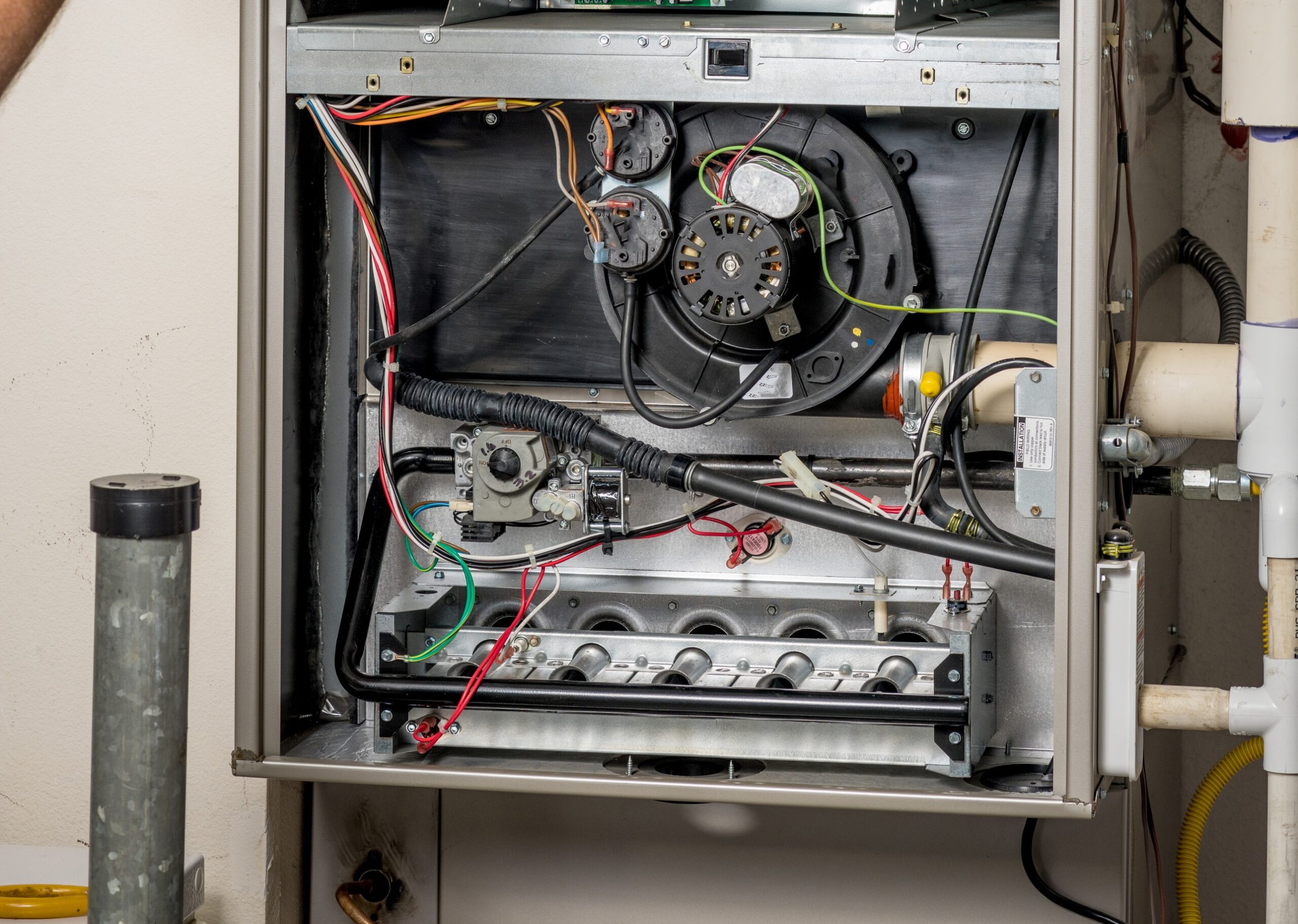
A furnace ignition module is an electronic control that creates and times the spark or hot surface ignition for the burners. It receives signals from the thermostat and control board, then opens the gas valve and energizes the ignition source in the correct sequence. Homeowners often ask whether a weak spark could mean the module is bad, and the answer is that weak or inconsistent ignition often points to the module or its related electrical connections. The module also monitors flame sensing on many systems and will shut down the gas if flame is not detected.
- Control signal from the thermostat starts the sequence.
- The module energizes the igniter or spark electrode.
- It commands the gas valve to open after ignition readiness.
- Flame sensors report back to confirm successful ignition.
Physically, modules sit near the burner assembly and connect to the igniter, gas valve, flame sensor, and control board. They rely on safe voltages and clean electrical connections to operate reliably and are sensitive to heat and corrosion. A homeowner may notice longer ignition times, repeated clicking, or an odor when the module struggles to ignite the burners. These observable cues give a technician clear starting points for testing the module’s outputs and input signals.
When a professional diagnoses the module, they trace the sequence with a multimeter, check continuity to the igniter and flame sensor, and observe voltages while the furnace attempts to light. They may also inspect for scorch marks, melted wiring insulation, or loose connectors that indicate electrical failure. Regular maintenance like a furnace tuneup can catch early wear on these components before complete failure, as described in the furnace tuneup essentials guidance. For homeowners in Colleyville, TX or those with properties in Grapevine, TX, understanding this sequence helps decide when simple cleaning or full module replacement is appropriate.
Common Electrical Faults Causing Module Failure
Loose or corroded wiring is a frequent electrical cause that stops modules from sending consistent ignition signals. Corrosion at connector pins or frayed insulation can increase resistance, causing delayed or weak sparks. A technician inspects the igniter, gas valve wiring, and ground connections visually and with a multimeter to find high-resistance points. Homeowners may notice intermittent starting that aligns with vibration or thermostat cycling when wiring is the problem.
Voltage supply problems from the control board or a tripped breaker can prevent a module from operating reliably. Low or fluctuating voltage may let the module attempt ignition but fail to hold flame, producing repeated retries. Professionals trace the 24V thermostat signal and the line-side voltage to the module using a multimeter to confirm proper levels. If readings are out of range, they test upstream components like the transformer and control board before replacing the module.
Shorted or grounded igniter and sensor circuits create fault conditions that force the module into lockout to protect the system. A short can show as visible melting on insulation or burn marks on terminals, and it often trips safety sensors. During diagnosis, a technician will isolate circuits, perform continuity checks, and test the flame sensor resistance to confirm whether the module or another component caused the fault. For persistent electrical faults, professional inspection is recommended to avoid repeated lockouts and component damage.
Voltage spikes and past overheating leave internal damage that shows as intermittent failures or total loss of function in the module. Evidence may include discoloration, cracked circuit boards, or blown internal fuses visible when the module is removed. A pro often bench-tests the module by supplying correct voltages and observing output to the igniter and gas valve, which confirms internal failure. Homeowners in Colleyville, TX and properties in Grapevine, TX seeing these signs should consider professional diagnosis, and can learn about repair options through furnace repair services in Colleyville.
Gas Flow Issues That Affect Ignition Performance
Gas pressure that is too low or too high can prevent a reliable flame even when the furnace ignition module sends correct signals. A weak gas flow often causes delayed ignition and repeated valve cycling that feels like long startup. Technicians check manifold pressure with a pressure gauge at the gas valve to confirm proper flow and rule out supply issues. Homeowners may notice delayed clicks followed by a strong odor only during startup, which should prompt a professional call.
Partial obstructions in the burner or gas line, such as debris or insect nests, change flame shape and stability and confuse the flame sensor. Irregular flames cause the control logic to shut off gas for safety, producing lockouts that look like module failure. During inspection, a technician inspects burners visually and uses a combustion analyzer or pressure readings to detect uneven flow or combustion. If persistent sputtering or yellow tipping appears on flames, the burner area needs cleaning or repair.
Problems at the gas valve itself mimic module faults because the module commands the valve to open but receives no flame feedback. Sticking valve stems, internal diaphragm failures, or weak solenoids can create intermittent gas flow cues that produce repeated ignition attempts. A pro will measure voltage to the valve coil while the system calls for heat and will test valve operation under live conditions. Measuring voltage and observing valve motion separates electrical module faults from mechanical gas-valve failures.
Supply-side issues like a partially closed shutoff, meter work, or regulator faults can change available pressure during startup and prevent stable ignition. Technicians often check both line pressure and downstream manifold pressure to find discrepancies that affect performance. For homeowners in Colleyville, TX, inconsistent gas supply can show as occasional failures that seem to come and go with no clear pattern. If a system shows these intermittent symptoms, a thorough pressure and flow check helps decide if the furnace ignition module or the gas supply needs attention.
Dirty Components And Why It Happens To Modules
Dust, lint, and combustion residues build up around ignition components and interfere with electrical contacts and heat transfer. Particulate accumulation on spark electrodes or hot surface igniters reduces effective spark gap or heating, leading to weak or delayed ignition cycles. Burners coated with soot change flame shape and can confuse the flame sensor, causing the control logic to shut the system down. Regular filter changes and keeping the cabinet clean reduce how fast contaminants reach the module area.
- Dust blocks airflow near the burner assembly.
- Lint accumulates around wiring and terminals.
- Soot coats igniters and sensors.
- Corrosion forms where moisture and dust meet.
Combustion byproducts and household contaminants can create conductive films on circuit boards and connectors. These films raise leakage paths and cause intermittent faults that appear like module failure during certain weather. Moisture from humid air or condensation accelerates corrosion on terminals and connector pins, which raises electrical resistance and leads to misfires. A visual inspection often reveals white powder or greenish corrosion where contacts were exposed.
Rodents and insects also introduce debris and nests into the burner compartment and near the module. Nesting material can smolder slightly and leave scorch marks that degrade nearby wiring insulation and connectors. Chewed wiring changes resistance and can produce intermittent starting problems that mimic internal module faults. If homeowners in Colleyville, TX notice nesting debris or droppings near the furnace, a technician should clear and inspect the area.
When technicians diagnose contamination-related problems, they inspect igniter surfaces, flame sensor condition, and connector cleanliness using a flashlight and magnifier. They may clean sensors with a soft cloth or fine abrasive and check continuity with a multimeter to confirm restored function. Professionals also recommend inspecting the heat exchanger and vent paths after heavy sooting, and may refer to a heat exchanger inspection for safety reasons. If cleaning and reconnection do not restore reliable ignition, the module may require replacement to ensure safe operation.
Warning Signs A Module Is Starting To Fail
Early signs include longer ignition cycles that get progressively worse over several startups, often accompanied by a soft humming from the control area. You might smell a faint electrical odor near the furnace cabinet without visible smoke, which suggests overheating or arcing inside the control housing. Another cue is irregular blower or burner timing where the system cycles but the burners fail to stay lit for the full sequence. If you notice these patterns during cool mornings, document when they happen to help a technician diagnose the trend.
Intermittent clicking that shifts into silence on some calls for heat points to internal component fatigue rather than a sudden wiring break. Pay attention to changes in sound quality because a healthy ignition sequence produces consistent clicks and a steady flame. Excessive retries before ignition, where the furnace attempts ignition multiple times in a short span, often means the module is failing to sense flame reliably. Homeowners in Colleyville, TX should note whether retries align with thermostat settings or specific weather changes.
Visible signs include discoloration, charring, or melted insulation near module connectors, which indicate heat damage that worsens over time. Also check for loose connectors that vibrate during startup and cause intermittent loss of contact under load. If the flame sensor clears visually but the system still locks out, the module’s internal flame-detect logic may be degrading and needs professional testing. For issues that include unusual mechanical noises, see guidance on how to stop furnace noise quickly and note which sounds occur during ignition attempts.
Another warning is when maintenance or cleaning temporarily restores normal operation, but failures return soon after, showing a progressive fault. A technician will often confirm this pattern with repeated start/stop cycles and voltage readings to catch intermittent drops. Sudden loss of all ignition outputs during a call for heat signals imminent module failure and requires immediate professional attention. Properties in Grapevine, TX experiencing these escalating issues should arrange a trained HVAC inspection rather than delaying repairs.
Safe Step By Step Home Diagnostics For Modules
Start with safe, non-contact observations: watch the ignition sequence from the furnace access panel while someone calls for heat. Note the timing between thermostat call, clicking, and any visible spark or glow without touching components. Record any unusual odors, sudden silences, or different click patterns to give a technician clear evidence. If you smell strong gas at any time, stop and call a professional immediately.
Check simple user-level items next: confirm the thermostat batteries and settings, and that the furnace power switch is on at the cabinet. Inspect visible wiring and connectors for obvious damage, loose plugs, or burnt insulation while power is off. Turn power back on and listen for repeated retries, counting how many ignition attempts occur before lockout. If the module clicks but no spark or glow appears, note whether the igniter itself shows damage or discoloration.
Perform safe electrical checks only if you are comfortable and have basic tools like a multimeter and insulated probes, and always follow safety precautions. With power on, measure the 24V thermostat signal at the control terminals to confirm the call for heat reaches the control board. A professional would next measure output voltage from the module to the gas valve and igniter while observing sequence timing to confirm failures. If you cannot get stable readings or you see intermittent voltage, that points to module or control-board issues requiring trained testing.
Visual cleaning can sometimes restore reliable sensing, but avoid abrading or touching delicate igniters and sensors directly with bare hands. Use a soft brush and compressed air to remove loose dust from around electrodes and the flame sensor, then retest operation for any improvement. For homes in Colleyville, TX or properties in Grapevine, TX, track whether cleaning temporarily fixes the problem or whether failures return quickly. If issues persist after safe checks and cleaning, arrange a professional inspection and reference what to expect in a furnace tune up when scheduling service.
When To Call A Professional Service For Modules
If ignition attempts are frequent and you cannot reliably reproduce safe starting after home checks, call a technician for further testing. A pro will perform live voltage checks and observe the module outputs under load to confirm intermittent faults. They can bench-test the module and check continuity to the igniter, gas valve, and flame sensor to isolate the fault. Scheduling a service avoids repeated lockouts that leave the system unreliable during cold spells.
- Technician checks live voltage and timing.
- They isolate igniter and sensor circuits.
- Bench-testing confirms internal module failure.
- They inspect connectors for heat damage.
- They verify gas valve response under load.
Contact a professional immediately if you detect electrical burning smells or visible scorch marks near the control area. Those signs indicate internal overheating that can progress quickly and requires shutting the system down for inspection. A technician will remove the module and inspect circuit board discoloration, connector pitting, and insulation damage to determine safety. They also check the control board and transformers for related faults to prevent repeat failures.
Call for service when cleaning or simple fixes restore operation only temporarily and problems recur within days. Recurrent issues suggest internal degradation or intermittent wiring that a homeowner-level check cannot fully diagnose. A trained tech uses a multimeter, continuity tests, and repeated start cycles to capture intermittent drops and document failure modes. For homeowners in Colleyville, TX, recurring faults warrant professional diagnosis to avoid emergency breakdowns on cold nights.
If any attempt to test under power shows unstable voltages or loose connectors, stop and schedule a professional visit rather than continuing DIY checks. Working around live gas and electrical components carries medium safety risk and requires proper PPE and training to manage. Technicians will also test flame-sensing performance and gas manifold pressure to ensure the module is not a symptom of another failing component. When ready to schedule, reference the guidance on common furnace warning signs to explain observed symptoms to the dispatcher.
Replacement Considerations And Cost Versus Repair
When deciding between repairing a malfunctioning furnace ignition module and replacing it outright, consider how consistently the fault appears and whether related components show wear. A repair may suit a single failed connector, corroded terminal, or a burned trace that a technician can safely restore. However, when internal electronic components show heat damage, repeated intermittent failures, or the module fails bench testing, replacement often prevents future breakdowns. For homeowners in Colleyville, TX, weighing repair versus replacement depends on the technician’s diagnostic findings and the likelihood of recurrence.
Another factor is the availability and condition of matching replacement modules for older furnace control systems, since some older parts are obsolete or costly to source. A professional will inspect the control board, transformer, igniter, and flame sensor to ensure the module is truly the failed part. They will also document voltage and continuity readings during multiple start cycles to confirm intermittent faults before recommending replacement. This diagnostic confidence helps avoid unnecessary parts swaps and repeat service calls.
Technicians balance the risk of continued intermittent operation against the benefit of replacing a module to restore reliable sequencing and flame sensing. If a module repairs cleanly and tests stable under load, a repair-first approach can be reasonable for a short-term solution. But if cleaning and connector replacement only temporarily stop failures, professionals typically advise full replacement to reduce the chance of lockouts during cold weather. When unsure, ask the technician to show test results that justify either choice.
Because ignition modules interact with gas valves, flame sensors, and the control board, a replacement decision should include a check of those related parts to prevent repeated failures. A thorough service report will list observed damage, test readings, and the recommended action so homeowners can make informed choices. For guidance on why trained technicians handle these jobs, see the explanation about why you should leave furnace repairs to a heating and AC repair company. In properties in Grapevine, TX, making the replacement decision with clear diagnostic evidence reduces the risk of recurring service visits.

Frequently Asked Questions
What are common signs a failing furnace ignition module shows?
Common signs include repeated ignition failure where the burners do not light despite thermostat calls for heat. You may hear rapid clicking as the module attempts ignition multiple times. Visible soot, scorch marks, or a strong gas smell near the furnace indicate unsafe ignition behavior and require immediate shutdown. If you suspect module failure, stop using the system and call a licensed HVAC technician for diagnosis and repair.
Can I safely test a furnace ignition module myself?
You can perform simple visual checks and power-cycle tests on a furnace ignition module if you are comfortable working near electrical panels. Always turn off power and gas before opening the furnace access panel to avoid shock or gas hazards. If you see burn marks, loose wires, or no spark after safe checks, stop and call a professional for further diagnosis. A trained technician can use voltage readings and continuity tests to confirm module failure and recommend replacement.
How do pros diagnose intermittent ignition failures?
A technician starts by recording the system’s behavior across multiple heat cycles and noting any timing patterns or error codes on the control board. They inspect the flame sensor, ignition wiring, and furnace ignition module connections for corrosion, loose terminals, or burn marks. Next they check voltage and continuity with a multimeter and monitor the ignition sequence while observing flame signal strength and combustion response. If intermittent faults persist, they advise caution due to electrical and combustion risks and recommend calling a professional for further testing and safe replacement.
When should a furnace ignition module be replaced?
Replace the furnace ignition module when repeated failure causes no ignition, frequent lockouts, or visible burn or corrosion on the module. If a technician confirms faulty output with a voltage or continuity test, replacement is warranted. Also replace when intermittent faults persist after cleaning electrodes, checking flame sensor, and verifying thermostat signals. If you suspect ignition module failure, avoid further attempts and call a professional because gas and electrical risks are present.
Could wiring or gas supply mimic module problems?
Yes, faulty wiring or low gas pressure can produce symptoms that look like a failing furnace ignition module. Loose connections, burned wires, or a tripped breaker can prevent the module from getting power. Low or interrupted gas supply can stop ignition even if the module functions. If you suspect wiring or gas issues, stop using the system and call a qualified HVAC technician for a safe diagnosis and repair.