
Blower Door Switch Safety and Proper Testing
Key Takeaways About Blower Door Switch Safety
A blower cabinet door safety switch stops the blower motor when the access panel opens. This summary is for homeowners and property managers who need clear steps when the switch shows wear or causes unsafe operation.
- Identify loose mounts worn plungers and corroded contacts quickly.
- Prevent motor damage by confirming the switch interrupts the control circuit.
- Avoid DIY work when you see burn marks melted insulation or smells.
- Spot intermittent operation by listening for short cycling or humming.
- Reduce repeat visits by documenting tests readings and photos for technicians.
- Plan seasonal inspections during filter changes to catch early wear.
Introduction
A faulty blower cabinet door safety switch can stop your HVAC blower from shutting down when it should. That failure risks motor damage and can leave systems running during unsafe conditions. Homeowners often notice unusual sounds or the system staying on after the door is opened. In Lewisville, quick attention to these signs prevents larger repairs later.
Many safety switches wear out from vibration, dirt, or loose mounts over time. When a switch fails, the control circuit may ignore open-door signals and continue powering the blower motor. That creates heat buildup and stress on the motor and capacitor components. For properties in Southlake, TX this problem can be particularly disruptive during heavy use seasons.
Visible symptoms include a humming blower motor, rattling under the cabinet, or a door that does not stop the fan immediately. Professionals inspect the switch, wiring, and mounting before recommending replacement or repair. They use basic diagnostic checks like continuity testing and observing system behavior under controlled conditions. Accurate diagnosis prevents unnecessary parts replacement and reduces repeat service visits.
Replacing a worn safety switch restores reliable shutdown when someone opens the cabinet for service or filter changes. A proper repair protects the blower motor, capacitor, and nearby electrical connections from damage. If you smell burning, hear abnormal noises, or see the door fails to stop the blower, contact a professional quickly. Prompt action keeps your system safe and reduces the risk of more extensive failures.
What A Blower Door Switch Is And How It Works
A blower door switch is a small safety switch that stops the blower motor when an access panel opens. It sits on the cabinet frame and interrupts the control circuit whenever the door is unlatched. This switch prevents the blower from running while someone works inside the cabinet. Homeowners often ask if the switch actually protects the motor, and yes it stops the blower to prevent injury and equipment damage.
- The switch mounts near the cabinet edge.
- It completes the control circuit when the door is closed.
- A plunger or lever detects door position.
- Wiring connects to the thermostat or control board.
- It must carry low-voltage or line-voltage depending on model.
The switch works by opening contacts that break the blower motor circuit when the door opens. In many systems it uses a simple mechanical plunger or magnetic reed contact. A full disconnect keeps the motor capacitor and contactor from energizing. For details about related components and safety checks see the furnace door switch safety guidance.
Professionals diagnose the switch by observing door action, checking wiring, and testing continuity with a meter. They look for loose mounts, bent plungers, or corroded contacts during inspection. Technicians will also verify the control board response and measure voltage where the switch connects. Homeowners in Lewisville and Southlake, TX should expect a clear report of these observed findings after inspection.
Common Causes Of Blower Door Switch Failure
Mechanical wear is a common reason a cabinet door safety switch fails. Repeated opening and closing can bend or shorten a plunger, stopping proper contact. Dirt, dust, and debris also jam the actuator and prevent consistent operation. Technicians look for worn plungers and loose mounting screws during an inspection.
Corroded or pitted contacts inside the switch reduce reliability and can cause intermittent failures. Moisture near the furnace cabinet accelerates contact corrosion and can create high-resistance connections. A technician will check contact surfaces visually and with a continuity test to confirm poor conductivity.
Vibration from an unbalanced blower or loose cabinet panels can work a switch loose or misalign the actuator over time. Electrical issues like shorted wiring or poor terminals can mimic switch failure by preventing the control circuit from opening. Professionals trace the control wiring and measure voltage at the switch to separate mechanical failure from wiring faults.
Incorrect replacement parts or improper installation also cause premature failures and unsafe conditions. Some switches carry low-voltage ratings while others handle line-voltage, and mixing types leads to overheating or no operation. A trained technician will verify the switch type, torque mounting fasteners correctly, and test the assembly under normal system cycles. Owners can consider related safety upgrades, such as condensate and safety switch replacements, when having the switch serviced.
Warning Signs Of Faulty Blower Door Switches
Listen for changes in blower noise that happen when the cabinet is closed or opened, as these can indicate switch problems. A switch that intermittently opens will cause the blower to cut out briefly, then restart, producing a short cycle sound pattern. If you notice the blower continuing to run after opening the access door, it signals the switch may not be breaking the control circuit. Homeowners should note the timing and frequency of these sounds to help a technician diagnose the fault.
Look for physical cues at the cabinet edge like a door that does not sit flush or a loose latch that lets the panel shift during operation. A misaligned panel can keep the actuator depressed or prevent contact, allowing the blower to run when it should stop. Also check for visible arcing or burn marks near the switch terminals that suggest contact failure under load. If you see melted plastic, scorched wire insulation, or a persistent burning smell, stop using the system and get professional help.
Electrical symptoms include circuit behavior such as fuse trips, blown control board fuses, or error codes on the furnace controller that reference safety interlocks. A faulty switch may show no continuity when closed, or it may show intermittent continuity under vibration. Technicians will use a multimeter and may wiggle the actuator to reproduce failures while observing readings, which helps confirm the switch rather than wiring as the issue. Keep a note of any error codes and when they appear for efficient troubleshooting.
Occasional user observations can pinpoint intermittent faults, like the blower stopping only after someone presses the cabinet firmly or the fan running only when the thermostat calls. For example, a homeowner might report the fan stops if they press the door inward, which suggests a loose mount or weak spring in the switch. A professional will inspect the mounting, test continuity under load, and check control voltage at the switch to confirm diagnosis. They may also recommend visiting the limit switch reset guidance if you see a related safety lockout.
How To Safely Inspect A Blower Door Switch
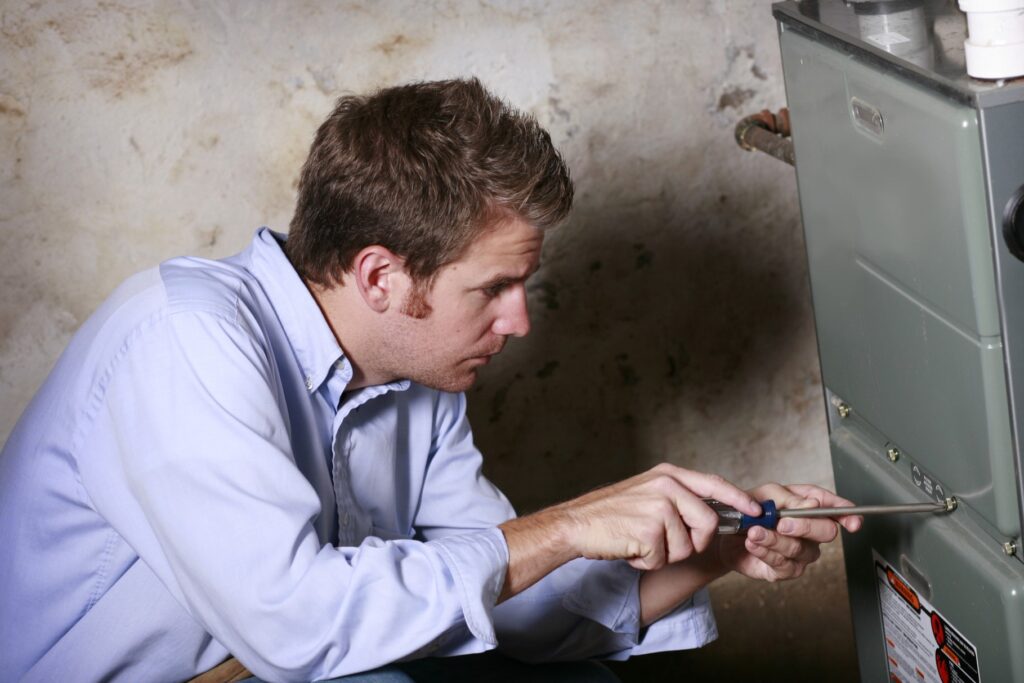
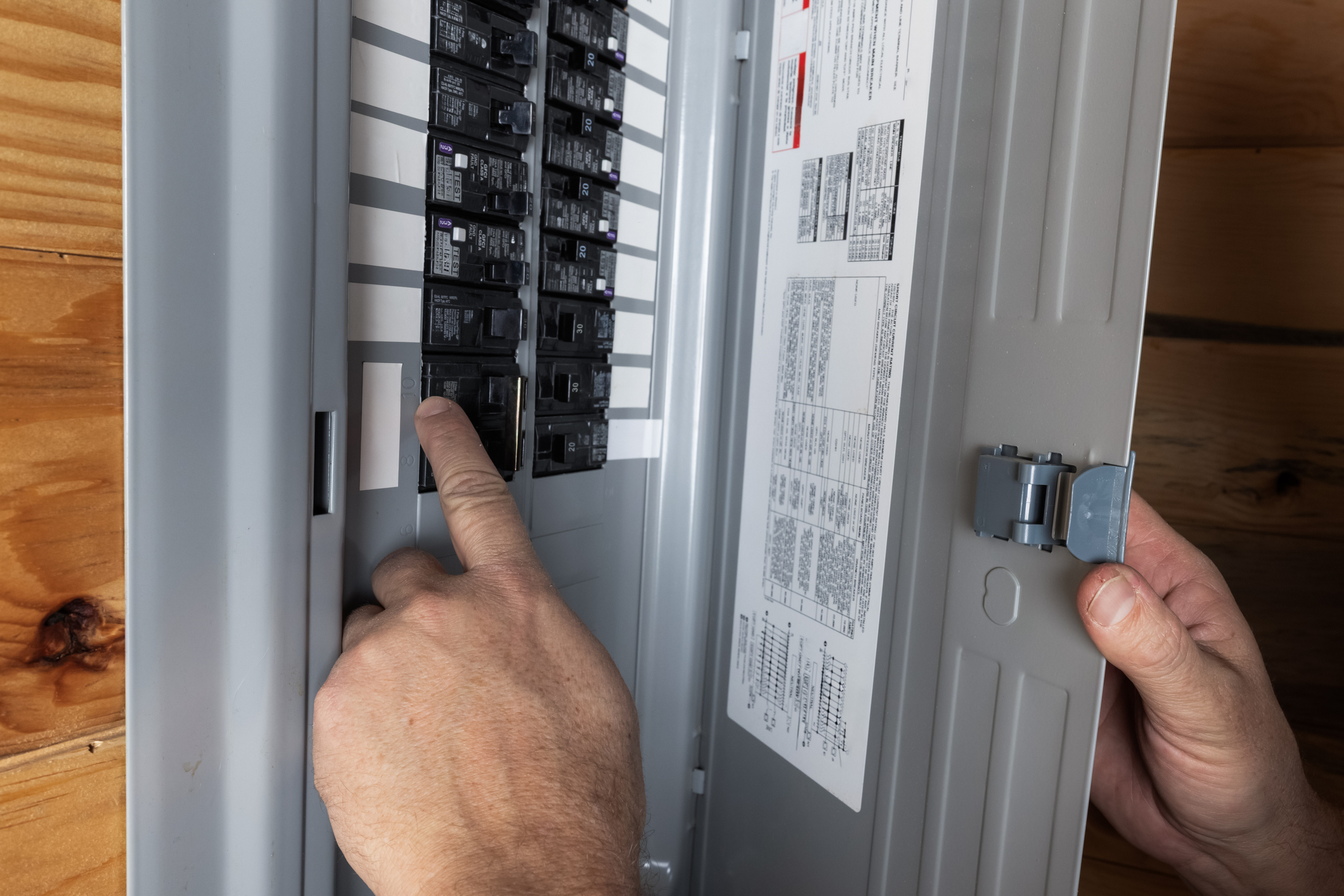
Start by cutting power to the furnace at the breaker and confirming the system is dead with a noncontact voltage tester. Remove the cabinet panel carefully and inspect the switch mounting and actuator for visible damage or debris. Check wire terminals for loose screws, frayed insulation, or signs of heat without assuming the switch is the only issue. If you detect burning smells or melted insulation, stop and call a professional for a safe next step.
- Look for loose mounting screws.
- Verify actuator moves freely.
- Inspect terminals for discoloration.
- Note any intermittent contact behavior.
Use a multimeter set to continuity to check the switch while the door is closed and open, recording the results for reference. A simple continuity check with the actuator depressed should show a closed circuit if the switch is functioning properly. If continuity is inconsistent while wiggling the actuator, that points to internal wear or corroded contacts rather than wiring alone. Technicians also compare control voltage readings at the switch to verify the control board and relay behave correctly during tests.
Document observed symptoms, test readings, and photos to aid diagnosis and future repairs, which helps both homeowners and technicians. For issues that appear to involve the relay or control board response, review related troubleshooting such as blower relay diagnostics before replacing the switch. Homeowners in Lewisville may use these notes to explain conditions clearly to a technician during a service visit. For properties in Southlake, TX taking a few measurements can shorten diagnostic time and reduce repeat visits.
Proper Testing Procedures For Blower Door Switch Safety
Begin testing with power removed and a multimeter ready, then restore power only when performing live checks to observe system response. A technician will first confirm control voltage at the switch terminals during a thermostat call to the blower, noting steady voltage readings and any drops. Next they apply a controlled open to the actuator while watching the control board and blower relay for immediate de-energizing. This step isolates whether the switch itself opens the circuit or if a relay or board fails to react.
Perform a continuity test with the door closed and again with the door open, recording each reading for comparison and later reference. While monitoring continuity, gently wiggle the actuator and body to reproduce intermittent faults that show as flickering continuity on the meter. If continuity stays steady but the blower does not stop when the door opens, the technician will check the relay and contactor behavior next. Those checks help determine whether the fault lies in wiring, the relay, or the switch contacts themselves.
For a live functional test, a professional will observe blower motor response when the switch opens, watching for delayed stops or continued operation that indicate failed contact interruption. They may use a clamp meter to confirm the blower motor current drops to zero when the switch opens, showing full shutdown of the motor circuit. If current remains, the problem could be a bypassed safety path, damaged wiring, or a stuck relay on the control board. These measurements connect electrical readings to the physical symptom of the blower continuing to run.
Inspect contact surfaces after disconnecting power, using magnification and cleaning methods appropriate for electrical parts to remove corrosion without damaging terminals. Technicians often replace a switch when they see pitting, melted plastic, or inconsistent continuity after cleaning, rather than risk intermittent failures. Documenting readings, photos, and the sequence of tests creates a clear repair recommendation and supports future troubleshooting. Homeowners in Lewisville and installers working on systems in Southlake, TX benefit from sharing those test results when discussing possible related issues like blower motor wear documented in blower motor diagnostics.
When To Replace A Blower Door Switch Yourself
If the switch shows clear mechanical damage like a broken plunger or melted housing, replace it yourself only if you are comfortable with basic electrical safety. Turn off power at the breaker and verify with a noncontact tester before touching terminals or wiring. Match the replacement switch type to the original, noting whether it carries low-voltage or line-voltage ratings and terminal layouts. Photograph wiring and label each conductor before removal to avoid miswiring on reinstallation.
Choose a replacement that fits the mounting location and actuator travel so the door reliably depresses the plunger when closed. Tighten mounting screws to secure the switch but avoid overtightening which can crack the plastic housing. After reinstalling, restore power and perform both continuity and live functional tests while someone cycles the thermostat or runs the blower. If the blower does not immediately stop when the door opens, power down and recheck the wiring and actuator alignment.
Use a multimeter to confirm steady control voltage at the switch during live checks and confirm continuity changes when the actuator is pressed. If readings fluctuate under gentle vibration or when the actuator is wiggled, the new switch may be defective or improperly seated and needs attention. When alignment issues persist, check blower housing fit and door gaps since poor alignment can prevent consistent actuator operation. For more on alignment and mounting problems review guidance on blower housing alignment.
Replace the switch yourself only if you have confidence in testing and safe work practices and if no signs of burning or damaged wiring exist. If you detect scorched terminals, melted insulation, or a persistent burning smell, stop and contact a professional immediately for safe repair. Homeowners in Lewisville should consider professional help when replacement requires accessing cramped or obstructed furnace compartments. In Southlake, TX properties with older control boards, a technician can confirm the board accepts the new switch type before finalizing the job.
When To Call A Professional For Blower Door Switch Safety
Call a professional when electrical signs point beyond a simple switch swap, such as melted insulation or repeated fuse trips that suggest wiring damage. A technician will safely isolate circuits, inspect the control board, and test relay behavior under live load conditions. If you smell burning near the cabinet or see scorched terminals, stop using the system and arrange service immediately. For homeowners in Lewisville, these symptoms often require trained electricians and HVAC technicians working together.
- If the control board shows error codes.
- If wiring appears burnt or frayed.
- If the blower keeps running despite a known-good switch.
- If access is cramped and risks accidental contact.
Bring in a pro when diagnostic checks produce inconsistent voltage readings that you cannot explain safely. A technician will use a multimeter and clamp meter to measure voltage and motor current while cycling the switch. They trace the control circuit to find hidden shorts, bypassed interlocks, or stuck relays on the control board. In Southlake, TX homes with older systems, these deeper electrical checks prevent misdiagnosis.
Schedule professional help if the system requires accessing the air handler or involves multiple safety devices working together. A trained technician will isolate the blower relay, test continuity under load, and confirm the safety switch interrupts the correct control circuit. They also document findings and recommend certified replacement parts or repairs to relays and wiring as needed. If you plan a service visit, mention air handler concerns so the technician can bring suitable tools and replacement parts for air handler repair.
Preventive Maintenance To Avoid Future Switch Problems
Establish a simple schedule to inspect the door switch every season, looking for loose mounts, debris, and actuator travel issues. Clean around the switch gently with a soft brush to remove dust without touching contacts directly. Record each inspection’s date and any observed changes to spot gradual wear before it causes failure. This proactive habit reduces unexpected shutdowns and keeps the control circuit functioning as intended.
Combine switch checks with routine airflow and filter maintenance so access happens without extra service calls or overlap. During filter changes, verify the door closes flush and the actuator aligns squarely with the switch plunger. If you notice recurring misalignment, tighten cabinet fasteners and replace worn hinges to prevent repeated switch stress. These small adjustments help maintain consistent Blower door switch safety and limit mechanical wear.
Use periodic electrical spot checks to confirm steady control voltage and solid continuity when the door is closed, especially after heavy use periods. A trained homeowner can take voltage readings and continuity checks safely following electrical precautions, or follow HVAC electrical safety tips for more guidance. If readings vary or you detect heat at terminals, stop and call a professional for a deeper electrical assessment. Consistent monitoring links small anomalies to potential wiring or relay issues early.
For example, a homeowner found the blower stopped only when pressing the cabinet, indicating a loose mount, a technician then tightened screws and verified steady voltage readings.
Keep replacement switches and compatible mounting hardware on hand if you perform your own maintenance, ensuring the part matches voltage and terminal layout. When replacing, take photos and label wires to maintain correct connections and prevent miswiring during reinstallation. After any replacement, perform live functional tests and document results for future reference. Homeowners in Lewisville and those with properties in Southlake, TX benefit from this organized approach to avoid repeat visits.

Frequently Asked Questions
How does blower door switch safety prevent blower operation?
The cabinet door switch interrupts the blower’s control circuit when the access panel opens, preventing the motor from starting. It uses a simple mechanical or magnetic contact that opens the electrical path to the blower relay or control board. Technicians test the switch with a continuity check and observe that the blower stays off when the panel is open to confirm function. If the switch fails to cut power, avoid using the system and contact a licensed HVAC technician for safe diagnosis and replacement.
What signs show a cabinet door switch is failing?
Common signs include the blower not shutting off when the cabinet opens, or intermittent operation that starts and stops unpredictably.
You may hear clicking or see visible wear, corrosion, or loose wiring at the switch assembly.
A tripped safety that won’t reset or frequent nuisance shutdowns suggest internal contact failure or a short.
If you suspect failure, stop using the system and call a professional, because improper handling can create electrical and safety hazards.
How do technicians test a blower door safety switch?
Technicians begin by turning off power to the furnace at the service switch and circuit breaker to ensure safety. They visually inspect the cabinet switch for loose wiring, corrosion, or broken actuator tabs. Using a multimeter, they check continuity with the door open and closed to confirm the switch operates correctly. If readings are out of range or the switch looks damaged, they recommend replacement and advise hiring a professional for safe repair.
Can I safely replace a faulty blower door switch myself?
If you have electrical experience and shut power at the breaker, you can sometimes replace a blower door switch safely. Use a multimeter to confirm no voltage before touching wiring or terminals. If you notice corroded contacts, inconsistent continuity, or a damaged actuator, stop and get help. For medium-risk situations or any uncertainty, contact a licensed HVAC technician to ensure blower door switch safety and proper operation.
When should I call a pro for blower door switch issues?
Call a pro when the blower door switch repeatedly trips or the furnace won’t stay off or on as expected. If you see burn marks, melted plastic, or smell burning, stop using the system and call immediately. A technician will inspect the switch, wiring, blower motor, and safety interlocks to diagnose the fault. For safety risks and electrical work, rely on a trained HVAC technician rather than attempting repairs yourself.