

Supply Plenum Insulation in Trophy Club
Key Takeaways About Supply Plenum Insulation
Supply plenum insulation means adding thermal and vapor-resistant material around the air handler outlet to keep conditioned air at the correct temperature. This matters for homeowners and property managers when uneven rooms, sweating, or long runtimes appear during cooling or heating seasons.
- Identify gaps at seams and fasteners that cause air loss.
- Prevent condensation by maintaining a continuous vapor resistant barrier.
- Avoid long system runtimes by stabilizing supply outlet temperature.
- Spot damp insulation or ceiling stains near the plenum quickly.
- Reduce humidity issues by sealing penetrations and restoring continuity.
- Plan seasonal checks and include plenum inspection in tune ups.
Introduction
Supply plenum insulation affects how well conditioned air reaches living spaces and how efficiently a system runs. When the plenum loses temperature to the surrounding area the system runs longer and cycles more. Homeowners often notice uneven rooms, higher humidity, or longer run times as signs. In Trophy Club these symptoms show up in both older and newer houses.
Insulating the supply plenum matters where the air leaves the air handler and enters the ducts. Heat gain or loss at that junction changes delivered temperature before air travels far. That small change multiplies across a whole system and alters comfort on every floor. For homeowners in Southlake, TX these differences can matter during peak summer and winter months.
The real problem is energy wasted and comfort lost between the air handler and first duct runs. Even modest temperature drift at the plenum forces the thermostat to call the system longer. You may not see damage immediately but you will feel inconsistent temperatures and higher humidity. Addressing the plenum reduces unnecessary runtime and stabilizes room conditions.
Most visible signs include longer cycling, uneven rooms, and a slightly warm or cool vent compared to set temperature. A professional can inspect the plenum, check insulation continuity, and measure supply temperature versus setpoint. Photographs, temperature readings, and simple airflow checks often confirm whether the plenum is the weak link. Acting on those findings usually yields clearer gains in comfort and system performance.
What Supply Plenum Insulation Does And Why It Matters
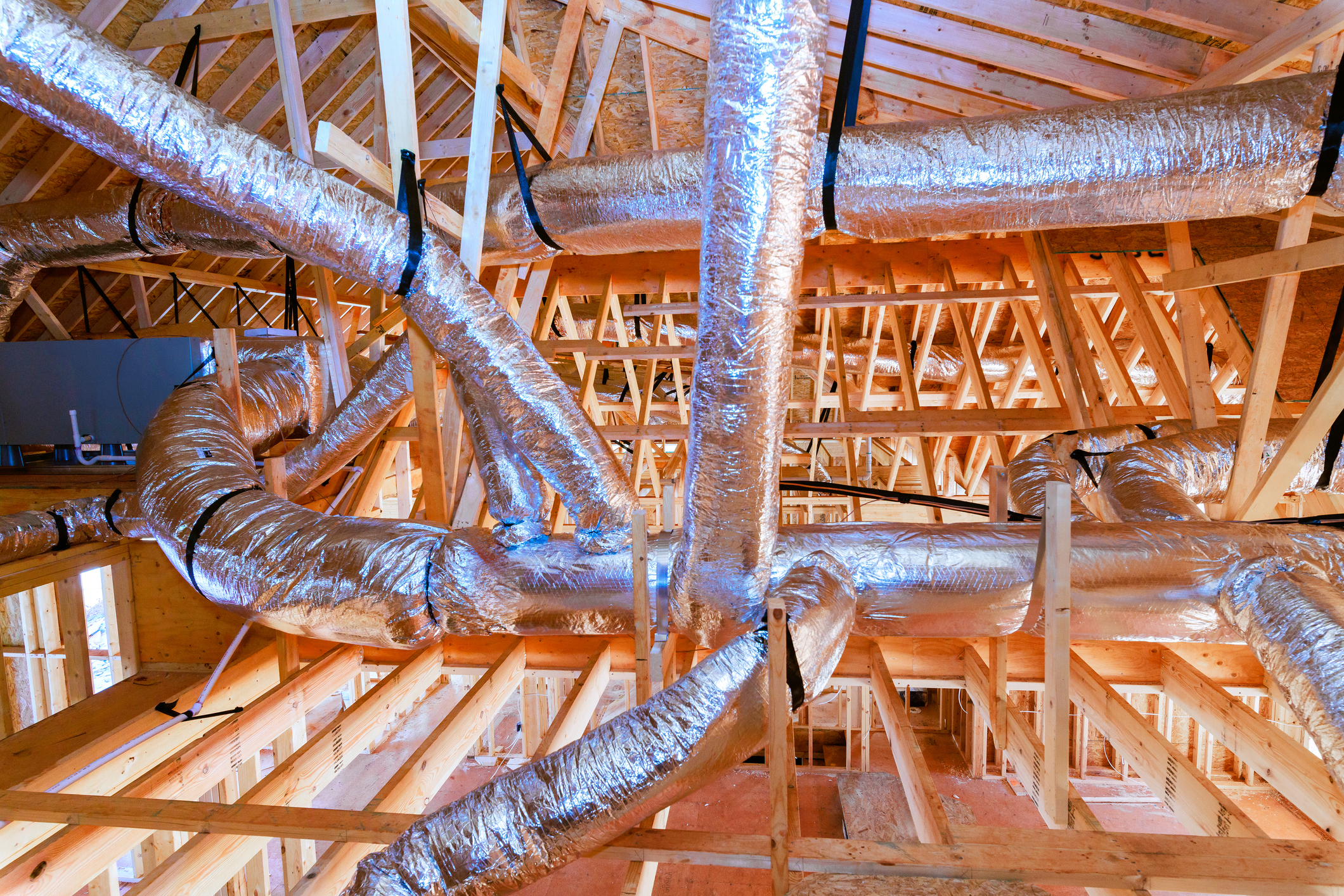
Supply plenum insulation is material added around the duct junction that keeps conditioned air at the correct temperature. It limits heat gain in summer and heat loss in winter at the air handler outlet. Homeowners often ask if insulating the plenum really improves comfort, and the simple answer is yes for many systems. Proper insulation can reduce runtime and help rooms reach setpoint temperatures more reliably.
- Reduces temperature drift between air handler and ducts.
- Prevents warm or cold spots at nearby vents.
- Limits condensation on metal plenum surfaces.
- Helps the system reach thermostat setpoints faster.
Insulation also controls moisture behavior on the plenum surface, which affects indoor humidity and coil performance. A common homeowner question asks whether poor insulation causes damp spots or musty smells, and it can when condensation forms and stays. Fixing the insulation reduces the chance of moisture making its way into duct insulation or ceiling cavities. In homes in Trophy Club, addressing this often helps persistent humidity complaints near vents.
Plenum insulation directly affects airflow efficiency by stabilizing temperature and pressure at the supply entry point. When supply temperature matches the thermostat setting more closely, the blower runs less and delivers steadier airflow. Professionals check temperature with a thermometer at the plenum and compare it to register readings to confirm the impact. For a primer on the plenum itself and its location, see this explanation of what a plenum is in HVAC systems.
Insulation choices matter because different materials resist heat and moisture differently around the plenum and first duct runs. A homeowner might notice a cold metal sound or visible sweating on the plenum when insulation fails. Technicians inspect insulation continuity, seam sealing, and attachment points during diagnosis to confirm whether the plenum causes the symptoms. If diagnostics show temperature loss or surface condensation, improving the insulation usually provides measurable comfort and efficiency gains for houses in Southlake, TX.
Common Causes Of Heat Loss In Supply Plenums
Air leaks at seams and fasteners are a common cause of heat loss in the supply plenum. Gaps where the plenum meets the air handler or first duct runs let conditioned air escape into the surrounding cavity. A leaky seam reduces the volume of correctly tempered air reaching registers and forces longer system run times. A technician inspects seams visually and may use a smoke pencil or simple pressure checks to locate leaks.
Thin or missing insulation where the plenum bends or around service panels often creates thermal bridges that steal heat. These spots are easy to miss because the rest of the plenum may look intact. Metal surfaces with reduced insulation feel noticeably warmer or colder to the touch compared with nearby insulated areas. Professionals check continuity of the insulation layer and look for compressed or torn material near access panels and corners.
Unsealed penetrations for refrigerant lines, control wiring, or condensate drains allow temperature exchange and sometimes moisture entry. Each penetration interrupts the insulating blanket and can create a localized cold spot that encourages condensation. A technician will inspect those penetrations, verify proper sealing, and recommend appropriate insulation or grommets to restore thermal protection. For guidance on insulating components around the air handler, homeowners can read about the broader benefits of air handler insulation.
Poorly attached or deteriorated tape and adhesives let insulation pull away from the plenum surface over time, exposing metal to the conditioned air. When tape fails at seams, the insulation can flap or sag and leave gaps that reduce whole-system efficiency. During diagnosis a professional may gently probe seams, take photos, and record temperature differences across the exposed area. These simple checks help prioritize repairs and confirm that restoring attachment will reduce heat loss and improve airflow delivery.
Corrosion or mechanical damage to the plenum shell can also cause heat loss by changing surface geometry or creating holes that bypass insulation. Rusted spots or impact dents often coincide with weakened insulation adhesion and small openings where air escapes. Technicians examine the plenum for visible damage and may use an infrared camera to reveal thermal irregularities not obvious to the eye. Repairing or replacing damaged sections and resealing insulation typically stops hidden heat loss paths.
How Condensation Forms In Supply Plenums And Solutions
Warm supply air meeting a cold plenum surface often creates condensation where the metal or insulation reaches dew point. Moisture first appears as tiny beads or a thin film on uninsulated seams and near penetrations. Homeowners may notice damp insulation, a musty odor, or water stains on nearby ceiling materials. A visual check during a cooling cycle usually shows where the cold spot forms and where condensation starts.
Diagnosing the issue begins with measuring surface and air temperatures and relative humidity near the plenum and evaporator coil. A technician will use a thermometer and a hygrometer or infrared camera to compare the plenum surface temperature to room dew point. They will inspect seams, taped joints, and penetrations for wetness and compromised vapor barriers. This combination of readings and observations confirms whether condensation originates from thermal bridging or from excess indoor humidity.
Solutions focus on eliminating the cold surface or lowering the local humidity so surfaces remain above the dew point during operation. Applying continuous, vapor-resistant insulation and sealing seams prevents warm room air from contacting cold metal surfaces. In some cases improving whole-home humidity control by adjusting ventilation or adding a dehumidifier reduces recurring sweating problems. For guidance on practical insulation approaches around ducts and plenums, consult the company’s insulating HVAC ductwork resource for typical methods and materials.
When condensation has soaked surrounding materials, professionals check for hidden moisture using a moisture meter and inspect the evaporator coil and condensate drain line for blockages. They will also test for air leaks at the air handler that draw humid attic or crawlspace air into the plenum area. Repair steps include resealing penetrations, restoring insulation continuity, and repairing any wet ceiling drywall or insulation. If you see active sweating or recurring damp spots, contact a trained technician to diagnose and correct the condition safely.
Signs Your Home Needs Supply Plenum Insulation Upgrade
Look for vents that blow noticeably warmer or cooler than the thermostat setting while the system runs, a clear sign to inspect the plenum. Check for a musty smell near supply registers that appears during cooling cycles and seems tied to the vents. Listen for new rattles or thumps near the air handler that start when the blower runs and stop when it shuts off. Visible water stains or darkening on nearby ceiling drywall during or after runtime suggest the plenum surface may be sweating.
- Registers feel inconsistent when compared room to room.
- Insulation around the air handler appears compressed or torn.
- Tape seams near the plenum look loose or separated.
- Small puddles or damp spots appear under the air handler area.
If you notice any of these signs a professional will inspect seams, tape, and insulation continuity around the plenum. They will take supply air temperature at the plenum and at a nearby register to measure temperature drop and confirm the issue. Technicians may use an infrared camera to reveal cold spots and a moisture meter where wetness appears on adjacent materials. Photos and readings provide a written report homeowners can use to track repairs and improvements.
In some homes the first clue is higher than normal runtime without comfortable rooms, which often traces back to plenum losses rather than the thermostat. For example, a homeowner in Trophy Club might see the blower run long during summer while a vent near the air handler feels warm and the attic-side plenum shows compressed insulation. Professionals will also inspect the evaporator coil, condensate drain, and nearby penetrations for signs that contribute to the problem. If noise or liner degradation appears part of the issue, consider reviewing duct liner replacement and noise control options with your technician as part of the solution in Southlake, TX.
Materials And Methods For Effective Plenum Insulation
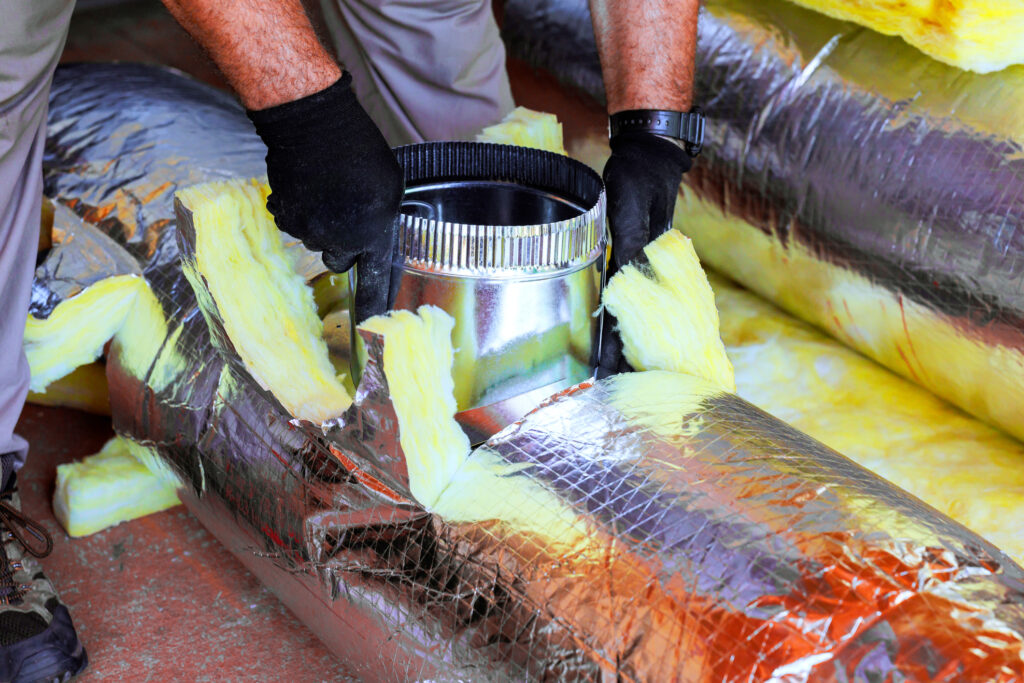
Choose insulation materials based on thermal resistance and moisture control properties near the supply plenum. Closed-cell foam and foil-faced fiberglass both provide vapor resistance that helps prevent surface sweating. Pay attention to material thickness and R-value for the short run between air handler and duct takeoff. A professional will recommend the right product for the plenum geometry and local humidity conditions.
Apply a continuous vapor barrier over seams and penetrations to maintain insulation performance around the plenum. Proper sealing prevents warm room air from contacting cold metal and forming condensation during cooling cycles. Technicians use HVAC-grade foil tape and mastic at seams to ensure long-term adhesion and air sealing. For larger repairs or damaged insulation consider contacting a service that performs duct insulation repair for durable results.
Insulation methods vary by plenum type and access limitations near the air handler cabinet and coil. Removable access panels require reinstalled insulation with intact gaskets or flanges to preserve the thermal blanket. For sheet-metal plenums, professionals often wrap and mechanically fasten insulation, then seal edges with compatible tape or mastic. In lined plenums, they inspect the liner attachment and replace or repair torn sections to restore continuous coverage.
During diagnosis a technician confirms effectiveness by taking supply temperature at the plenum and comparing it to a nearby register reading. They will also inspect seams, use an infrared camera when needed, and check for moisture with a moisture meter. Those readings show whether the chosen material and method stopped heat transfer and condensation at the plenum. Homeowners in Trophy Club can use those documented results to track improvements after the repair.
When To Call A Professional For Plenum Insulation
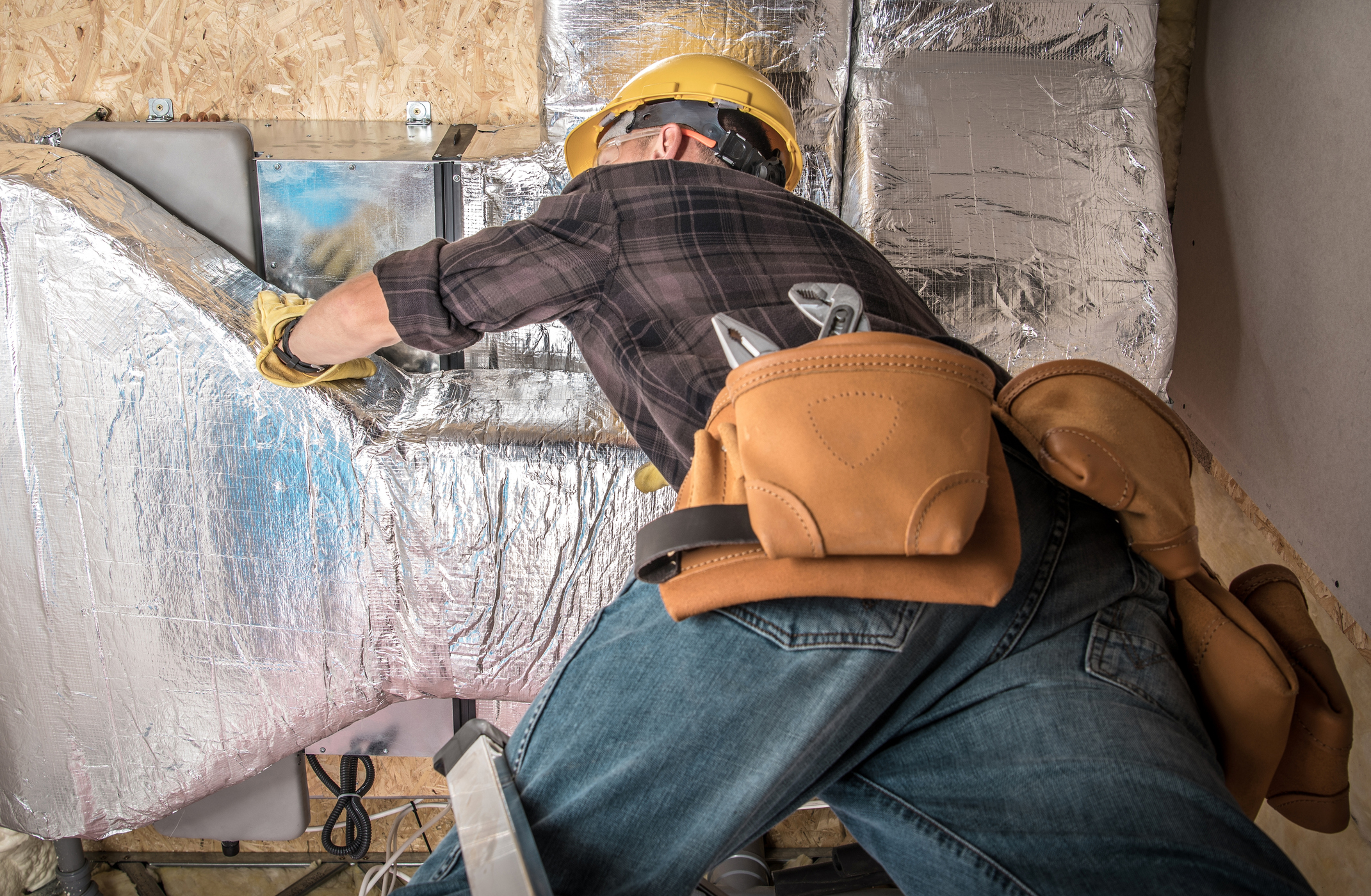
If you see active sweating, persistent damp spots, or registers blowing the wrong temperature despite pattern checks, call a professional. A technician will perform a targeted inspection including temperature readings at the supply plenum, a visual seam check, and a moisture meter scan. They will also inspect adjoining components like the evaporator coil, condensate drain line, and any penetrations that could undermine insulation performance. These checks confirm whether repairs must include sealing, insulation replacement, or component servicing to stop recurrence.
When noise or vibration appears along with thermal issues, a trained tech should evaluate attachment points and fasteners around the plenum. Professionals check the blower motor, airflow balance, and duct takeoffs for mechanical causes that mimic insulation problems. They may use a smoke test or simple pressure check to find leaks and identify whether duct sealing or plenum repair is the appropriate next step. For leak-focused repairs consider discussing duct sealing services with a specialist.
Call a professional if you spot damaged insulation material, torn liner, or failed tape that you cannot safely reach or reattach. A safe diagnosis often requires removing access panels and examining the plenum shell near the air handler, which can expose sharp metal edges and electrical components. Technicians have the ladder access, protective gear, and experience to reattach, replace, or upgrade insulation while preserving vapor barriers. They can also document findings with photos and temperature readings for your records.
If recurring humidity or uneven room temperatures continue after simple fixes, schedule a professional diagnostic session to rule out hidden leaks or system imbalances. The technician will compare supply temperature at the plenum to several register readings and record those numbers for a clear conclusion. In Trophy Club homes, persistent issues often need a coordinated approach involving sealing, insulation, and airflow adjustments. For properties in Southlake, TX a qualified visit helps decide whether targeted plenum work or broader duct work will deliver reliable comfort.
DIY Inspection Steps And When To Stop
Start with a visual check of accessible seams and tape around the supply plenum for gaps or loose edges that let conditioned air escape. Next, feel the plenum surface during a steady system run to spot cold or warm spots indicating thermal gaps or missing insulation. Check nearby ceiling drywall for fresh discoloration or softened texture that suggests recurring condensation issues needing attention. If you find active dripping or soaked insulation stop and schedule a professional evaluation immediately to avoid mold or structural damage.
- Look for loosened tape at seams.
- Probe insulation for soft or compressed areas.
- Inspect penetrations for wiring and lines.
- Note any new ceiling stains near the plenum.
Measure supply temperature at the plenum outlet and then at a nearby register to detect an early sign of heat gain or loss. Use a simple digital thermometer and record both readings while the system runs for at least five minutes to stabilize readings. If the plenum-to-register temperature drop is clearly larger than expected, pause DIY work and call a technician for a full diagnostic. Professionals will often perform duct pressure mapping and imbalance checks to find leaks and performance losses that DIY steps cannot resolve.
Check for unusual noises or vibrations coming from the plenum during operation that could indicate loose fasteners or internal damage. If you must remove any access panels to inspect further, turn off power to the air handler first and wear gloves to avoid cuts from sharp metal edges. When visible moisture or mold appears, stop any further DIY attempts and contact a qualified technician who can safely handle remediation and identify root causes. For homeowners in Trophy Club, professional documentation of issues helps plan repairs and track results over time.
Long Term Maintenance And Energy Savings Strategies
Plan regular checks of insulation seams and vapor barriers every season to catch gradual wear before it causes system stress. Inspectors often note small tape failures that widen over months and recommend resealing to restore continuous thermal protection. A scheduled visual and tactile check helps preserve insulation performance and avoids hidden condensation problems inside ceilings. For persistent balance issues, pair these checks with targeted airflow testing to confirm results.
Include supply plenum insulation in your annual HVAC tune-up so technicians can measure supply temperature changes and examine fasteners closely. A professional will compare plenum outlet temperature with several register readings and document the numbers for trend tracking. That documentation shows whether insulation repairs produced measurable reductions in runtime and improved comfort. When technicians perform an airflow assessment they can link insulation fixes to real delivery improvements.
Consider combining insulation maintenance with periodic airflow diagnostics to capture system effects beyond surface appearance and comfort. A formal airflow performance test reveals pressure imbalances, return leaks, and mis-sized ducts that insulation alone cannot fix. Technicians use that information to prioritize sealing, insulation, or register adjustments for the best energy outcome. Homeowners can ask for an airflow performance test to confirm combined gains after repairs.
Addressing moisture control near the plenum improves long-term insulation durability by preventing mold and adhesive failure over time. Technicians will check the evaporator coil, condensate drain line, and any nearby penetrations when they service the plenum area. Repairing those components reduces the risk that insulation will degrade and require replacement sooner than expected. For homeowners in Trophy Club and those managing properties in Southlake, TX, coordinated maintenance provides steady comfort and fewer surprises.
Frequently Asked Questions
Where on the supply plenum should insulation be applied?
Insulate the exterior surfaces of the supply plenum where conditioned air travels to reduce heat gain or loss. Pay special attention to seams, joint connections, and the first few feet after the air handler. Add insulation around branch takeoffs and near exterior walls or unconditioned spaces to prevent thermal leakage. If ducts are in tight or hazardous locations, use a professional for safe, code-compliant Supply plenum insulation installation.
How does supply plenum insulation reduce runtime?
Insulating the supply plenum reduces heat gain or loss between the air handler and supply ducts, so the system reaches setpoint faster. Faster temperature transfer means the thermostat calls for cooling or heating for shorter periods each cycle. Reduced runtime lowers wear on the blower motor, compressor, and the evaporator coil, improving component life. If insulation work involves access to electrical or refrigerant components, exercise caution and hire a qualified HVAC pro to avoid injury or system damage.
What signs show a plenum is losing temperature?
You may feel warm or cool spots near supply registers compared to thermostat readings, indicating heat gain or loss in the plenum. Metal surfaces on the plenum that sweat or show condensation suggest temperature difference and missing or damaged insulation. Unusually long run times, uneven room temperatures, or frost on refrigerant lines nearby can point to poor supply plenum insulation and reduced system efficiency. If you see moisture, significant temperature swings, or suspected air leaks, stop and call a professional to inspect and avoid mold or compressor damage.
Can condensation form on an uninsulated plenum?
Yes, condensation can form on an uninsulated supply plenum when cold supply air meets warm, humid attic or crawlspace air. Visible water droplets, wet insulation, or dripping sounds often indicate active condensation. Left unchecked, moisture can cause rust on the plenum, mold growth on nearby ductwork, and reduced system efficiency. If you see condensation, exercise caution around electrical components and contact a professional to inspect insulation and airflow problems.
How will a technician diagnose plenum heat loss?
A technician starts with a visual inspection of the supply plenum, looking for missing or damaged insulation and visible duct joints. They measure temperature drop between the supply plenum surface and air at the supply register using an infrared camera or thermometer. Technicians check airflow at the blower, inspect the evaporator coil and refrigerant line set, and note signs like sweating or warm duct surfaces. If the inspection shows insulation or leakage issues, the tech will caution homeowners to avoid DIY repairs and recommend a professional diagnosis and repair.