

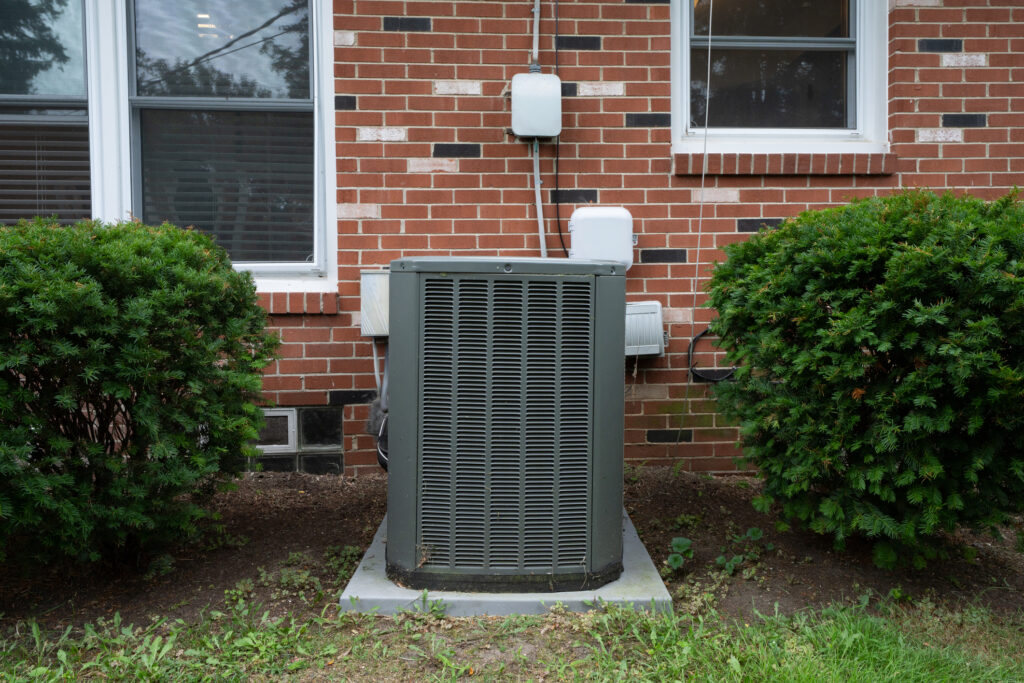
Anti Short Cycle Timer, Protect Heat Pump Compressors
Key Takeaways About Anti Short Cycle Timer
An anti short cycle timer is a control device that enforces a minimum off time to prevent rapid compressor restarts. This information is for homeowners and property managers who notice frequent cycling or hear odd noises and want to avoid premature compressor failure.
- Identify short cycling by timing runs and noting unusual startup sounds.
- Prevent immediate restarts by adding a hardware delay at the contactor.
- Avoid control conflicts by having a technician check thermostat wiring.
- Spot electrical wear by inspecting contactor contacts and capacitor condition.
- Reduce compressor stress by letting pressures equalize before restarting.
- Plan a professional diagnosis using voltage and amperage measurements.
Introduction
Repeated short cycling can silently damage a heat pump compressor by forcing it to restart before pressures and temperatures stabilize. An anti short cycle timer adds a pause that blocks rapid restarts and lowers thermal stress on the compressor. Homeowners hear short cycling as frequent on and off noises or notice uneven comfort across the house. These symptoms matter because they often precede larger failures and reduced equipment life.
Thermostat logic and control board behavior can unintentionally allow restarts too soon after a shutdown. Adding a delay helps the thermostat and contactor avoid conflicting signals that trigger repeated starts. That coordination reduces wear on the contactor and capacitor while keeping refrigerant pressures from spiking. You may not see immediate problems but repeated stress shortens reliable service life.
In many cases the timer is a small relay or module that sits between the thermostat and outdoor unit control wires. A professional checks control voltage, contactor operation, and compressor current to confirm short cycling. They also verify the thermostat’s cycle rate settings and how the timer interacts with existing controls. This keeps the solution aligned with the system’s electrical and control components.
For homes in Watauga and properties in Euless, TX the effects can show up during extreme weather when systems run longer and cycle more often. Acting on short cycling symptoms reduces the chance of a sudden compressor lockup or an expensive emergency repair. If you notice rapid on-off cycles or odd noises contact a licensed HVAC technician for a proper diagnosis. A professional can confirm whether adding an anti short cycle timer will help your specific system.
What An Anti Short Cycle Timer Does Mechanically
An anti short cycle timer is a control device that forces a fixed pause before a compressor can restart. It mechanically holds the outdoor contactor open for a set time after a shutdown. This pause prevents immediate re-energizing of the compressor motor and stabilizes refrigerant pressure. Homeowners often ask whether the timer simply delays a restart or actually protects the compressor, and the answer is that it does both.
- Stops the contactor from closing too soon
- Prevents pressure imbalance at the compressor
- Reduces repeated inrush current to the motor
- Coordinates with thermostat start signals
Inside the timer enclosure a relay or solid-state module watches the control circuit and interrupts the 24VAC signal. When the thermostat calls for heat or cool, the timer only passes that signal after its countdown finishes. Technicians test the timer wiring at the control board and measure control voltage when diagnosing operation. A typical diagnostic step is observing whether the contactor remains de-energized for the programmed delay period.
Mechanically, the timer protects the contactor, capacitor, and compressor by avoiding immediate re-closure of the contactor. That reduces repeated arcing and contact wear on the contactor terminals. It also lowers thermal cycling inside the compressor windings and improves lubricant distribution in the system. Homeowners hear fewer short successive starts and report steadier run cycles after correct installation.
Professionals confirm proper behavior by checking control wiring, using a voltage meter, and observing current draw at startup. They inspect the thermostat logic and the control board to ensure no conflicting signals bypass the timer. For systems where a full checklist is helpful, technicians refer to a heat pump service checklist during inspection.
Why Heat Pumps Need Restart Protection Explained
Heat pumps face mechanical and thermal stresses that an anti short cycle timer helps reduce by enforcing controlled off-times. Rapid restarts can trap high-pressure refrigerant near the compressor, which increases mechanical load when the motor tries to turn. That extra strain raises the chance of internal valve damage and oil foaming, which both degrade compressor performance. Technicians look for signs of these stresses at the compressor housing and in startup current measurements.
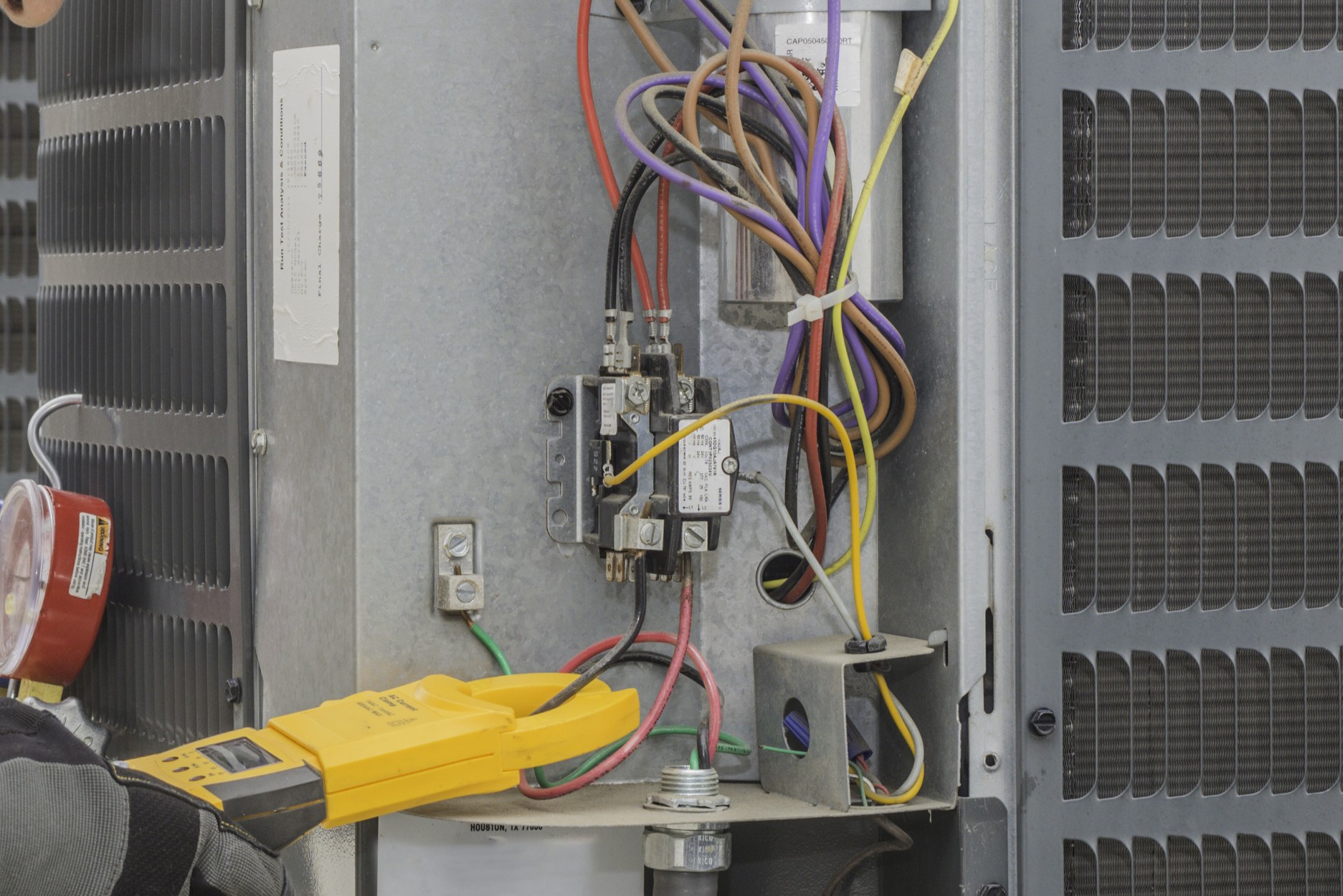
Electrical wear also accumulates when contactors close repeatedly within short intervals, and a timer prevents that accelerated arcing. Repeated arcing erodes contact surfaces and increases resistance, which shows up as heat at the contactor and lower control voltage. A pro will inspect the contactor, capacitor, and wiring for heat discoloration and loosened terminals during diagnosis. They often use a voltage meter and a clamp meter to record control and running currents during a controlled restart.
Control logic conflicts can make short cycling worse if the thermostat and control board issue overlapping commands, so the timer coordinates those signals physically. In some installations a thermostat’s anti-short-cycle feature may not match the outdoor unit behavior, creating ambiguous start attempts. A technician traces the 24VAC control circuit and watches for repeated call signals to confirm whether a separate timer is needed. For more detailed diagnostic approaches that may reveal compressor overload risks see the company’s diagnostic guide.
Homeowner observations can guide a professional diagnosis without invasive testing by reporting timing and sounds of cycles. Note how long the unit runs before shutting off, how soon it attempts to restart, and any unusual clunks or humming at startup. In a common situation, a homeowner hears short bursts separated by under a minute and a technician then checks suction and discharge pressures plus startup amperage. Those local observations help prioritize inspections during high-use periods.
Common Causes Of Short Cycling In Homes
Blocked airflow from dirty filters or closed vents often forces shorter run times and more frequent restarts, which mimic short cycling symptoms. A technician inspects return grilles, the blower wheel, and the filter to confirm restricted flow with a visual check. They may measure static pressure across the system using a manometer to show whether the blower is struggling. Homeowners often hear the fan change pitch or feel weak supply airflow when this occurs.
Incorrect thermostat placement or rapid setpoint changes create repeated calls that resemble short cycling but stem from control behavior instead. Pros test the thermostat by recording call durations and watching the 24VAC control signal while simulating setpoint changes. They also check staging and cycling behavior against the outdoor unit to ensure the thermostat isn’t commanding restarts too quickly. For systems using staged control, see the thermostat staging and comfort transitions information to align settings with equipment operation.
Electrical faults such as a failing capacitor, loose contactor coil, or intermittent wiring can cause abrupt shutdowns and immediate restart attempts. A service technician uses a voltage meter and a clamp meter to capture startup amperage and control voltage dips that indicate electrical weakness. They inspect the contactor for pitted contacts and test the capacitor for correct microfarad values under load. Visible signs include scorched insulation or a buzzing noise at the outdoor unit during attempted starts.
Low refrigerant or airflow issues change pressure balance and can trip safety controls, producing quick off-on cycles as the system tries to protect itself. During diagnosis a professional will read suction and discharge pressures and correlate those with temperature splits to confirm refrigerant charge problems. They also look for oil stains and listen for gurgling that suggests restricted refrigerant flow or leaks. In Watauga and Euless, TX properties technicians prioritize these checks when short cycling shows during Texas seasonal extremes.
Warning Signs Of Compressor Stress To Watch
You may notice longer, louder startup noise than usual when the compressor struggles to turn over. Listen for a heavier clunk or prolonged hum that lasts several seconds after a restart. Check whether the outdoor fan spins immediately with the compressor or delays, which can signal blocked pressure equalization. If you hear metallic scraping or repeated rattles during start attempts, record the timing and sounds for the technician.
- Longer-than-normal startup hum
- Repeated rapid clicks at the contactor
- Unit attempts to restart within a minute
- Unusual rattles or scraping sounds
- Outdoor fan delayed or not spinning
Visible signs can include oil stains near refrigerant fittings or darkening on the compressor shell that indicates heat stress. Inspect control wiring for melted insulation or discoloration near the contactor and terminals. A technician will measure startup amperage with a clamp meter to confirm abnormally high inrush current. They also compare measured current to the nameplate ratings to assess electrical stress on the motor.
Thermostat behavior sometimes reveals stress through frequent short runs despite steady setpoints at the thermostat. Check thermostat deadband and staging settings that may cause repeated calls, see adjustments like the thermostat deadband settings guidance for proper configuration. A professional watches the 24VAC control signal while the thermostat commands the outdoor unit to detect overlapping or chatter. If the thermostat cycles while the outdoor unit is still stabilizing, that pattern raises compressor wear risk.
In a common situation, a homeowner reports unit cycles every few minutes with rising outdoor fan noise and occasional tripped breakers. The technician then inspects contactor contacts, measures control voltage, and records suction and discharge pressures with gauges. They may also observe capacitor health by checking voltage and physical bulging or leakage. For properties in Watauga and Euless, TX these checks help decide whether an anti short cycle timer or deeper repair is required.
How Anti Short Cycle Timer Prevents Damage
An anti short cycle timer reduces thermal stress by enforcing a predictable wait before the compressor can attempt another start. This controlled pause lets refrigerant pressures equalize and oil redistribute inside the compressor sump. By preventing immediate re-energizing, the timer lowers repeated high inrush currents that strain the motor windings. Technicians note steadier startup amperage and fewer surge events when the timer is present.
The timer also protects the contactor and control circuit from frequent arcing and pitting due to rapid closures. With consistent delays, contact surfaces see fewer high-energy events and less heat buildup at terminals. That improves long-term contactor reliability and reduces the chance of loose connections causing intermittent starts. A pro inspecting the unit will look for cleaner contact surfaces and cooler terminal temperatures after timer installation.
In some systems the timer coordinates with thermostat functions to avoid conflicting commands during mode changes or auxiliary heat engagement. That coordination prevents the outdoor unit from receiving simultaneous contradictory 24VAC signals. For guidance adjusting such interactions, consult the aux heat lockout settings to keep thermostat and timer behavior aligned. Correct coordination lowers control chatter and reduces unnecessary compressor cycles during transitions.
Technicians confirm protection by observing measurable changes in system behavior after adding a timer as part of diagnosis and verification. They record startup current with a clamp meter and compare suction and discharge pressure stabilization during delayed restarts. A written report often shows reduced amperage spikes and fewer rapid restarts captured on a time-stamped inspection. Homeowners in Watauga and Euless, TX commonly see smoother operation and longer continuous run periods following the upgrade.
When To Call A Professional Service For Anti Short Cycle Timer
If your system keeps trying to restart despite proper run cycles, call a pro to check control wiring and relay logic. A technician will inspect the thermostat wiring, contactor coil, and any add-on timer connections. They will use a voltage meter and clamp meter to confirm control voltage stability and startup current behavior. If a failing contactor or intermittent control signal shows up, a technician can recommend the correct hardware and wiring changes.
When you notice the outdoor unit attempting starts within a minute or two of shutdown, schedule service to avoid compressor damage. The service tech will observe the actual time between cycles, test thermostat deadband behavior, and trace the 24VAC call circuit. They will check whether the existing thermostat logic conflicts with a physical timer and whether wiring bypasses a delay. This on-site verification prevents unnecessary parts swaps and ensures the remedy targets the real cause.
Call for service if the outdoor unit shows heat stress signs such as oil stains or scorched wiring near the contactor. A professional will open the control box, inspect terminals for pitting, and test the capacitor and contactor under load. They may also review defrost control interactions and consult related guidance on avoiding common heat pump defrost mistakes. Proper diagnosis avoids installing a timer where the underlying problem requires repair or component replacement.
For homes in Watauga or properties in Euless, TX with repeated short cycling during extreme seasonal use, get a technician to perform a full control-system check. The tech will simulate calls from the thermostat, measure pressure stabilization, and confirm the timer or thermostat settings prevent rapid restarts. They provide a written inspection note showing measured voltages and amperages so you can see the problem clearly. If safety risks exist, the professional will recommend immediate action and safe shutdown until repairs finish.
Installing Timers Versus Thermostat Logic Coordination
Choosing between installing an anti short cycle timer and relying on thermostat logic depends on how control signals behave in your system. A physical timer enforces a hardware-level pause that cannot be overridden by conflicting thermostat calls. Thermostat-based delays depend on the thermostat model and programming and sometimes fail to match the outdoor unit’s control board behavior. A pro evaluates whether the existing thermostat reliably holds the 24VAC call during mode changes before recommending a software-only approach.
- Physical timers block control voltage directly.
- Thermostat logic lives in the thermostat or control board.
- Some thermostats have configurable anti-short-cycle settings.
- Mechanical timers avoid thermostat firmware mismatches.
When coordination is needed, technicians inspect wiring at the control board to see which device controls the outdoor contactor. They check whether the thermostat’s common and call wires route through a control relay that a timer could interrupt. A professional also verifies the contactor coil voltage and watches for chatter when the thermostat changes stages or calls auxiliary heat. That prevents installing a timer where wiring bypasses the intended control point.
Integrating a timer with existing logic sometimes requires adding an isolation relay or changing jumper settings on the control board. The relay ensures the timer only interrupts the compressor call without affecting fan or auxiliary circuits. A technician uses a voltage meter and continuity checks to confirm the relay wiring and avoids creating unwanted interactions during defrost cycles. If the system has thermostat staging, the tech documents how the timer will affect each stage before proceeding.
Some homeowners prefer adjusting thermostat settings before adding hardware, but this needs careful verification by a technician. In one scenario a homeowner changed the deadband only to find the outdoor unit still attempted rapid restarts during mode transitions. The pro then added a hardware timer and recorded improved startup amperage and pressure stabilization. For guidance on broader maintenance and compressor longevity, review the HVAC compressor care tips to complement control coordination decisions when living in Watauga or when servicing properties in Euless, TX.
Practical Tips For Homeowners To Reduce Cycling
Check simple things first, like air filters and return grille obstructions that shorten run times and increase cycles. Observe how long the system runs and how soon it tries to restart, and note any unusual sounds or smells. If the thermostat setting seems stable but the outdoor unit still cycles, record timings to show the technician. These observations let a pro focus diagnostic steps and avoid unnecessary parts replacement.
Use basic thermostat adjustments before hardware changes, such as increasing the temperature differential or enabling built-in cycle protection features. Do not assume every thermostat option prevents short cycling with the outdoor unit, verify behavior after each change. Keep a daily log for a few days showing setpoint, run duration, and restart interval to provide useful data. This helps a technician confirm whether thermostat logic or a timer will best resolve the issue.
When you prepare for a technician visit, power down the system and clear debris around the outdoor unit for safer access and clearer inspection. Photograph control panels and wiring before any work so the technician can see current jumper settings and wire labels. Ask the pro to test control voltage, contactor operation, and startup amperage during their visit for measurable confirmation. If electrical safety tips are needed while handling controls, review the company’s HVAC electrical safety tips guidance before doing anything yourself.
Consider simple interim steps if a compressor repeatedly attempts quick restarts, like setting the thermostat to hold for longer cycles or avoiding rapid mode changes. Avoid repeatedly resetting breakers or manually cycling power, which can mask symptoms and cause further stress. If short cycling continues despite these actions, schedule professional service to diagnose control wiring and possible timer installation.

Frequently Asked Questions
What is an anti short cycle timer and how does it work?
An anti short cycle timer is a control device that prevents a heat pump from restarting too quickly after shutdown. It enforces a minimum off time to protect the compressor from thermal and mechanical stress. Technicians install it at the contactor or inside the control board and sync it with thermostat logic. If you suspect frequent short cycling, caution is advised and you should contact a professional to diagnose and fix the underlying cause.
How does an anti short cycle timer protect the compressor?
An anti short cycle timer forces a minimum off time after the compressor stops, preventing immediate restarts that stress components. Rapid restarts raise current draw and heat inside the compressor, increasing wear on windings and valves. By limiting restart frequency the timer reduces thermal cycling and oil foaming that can cause mechanical failure. If you suspect frequent short cycling, shut down the system and contact a professional for safe diagnosis and repair.
What symptoms indicate short cycling at my outdoor unit?
You may hear the outdoor unit start and stop several times within an hour, often with short runs under five minutes. Look for frequent temperature swings at the thermostat and rooms that never reach setpoint. Watch for rapid compressor clicking, unusually hot refrigerant lines, or frequent fuse or breaker trips. If you suspect short cycling, shut the system off and call a professional because an anti short cycle timer or other diagnosis may be required to avoid compressor damage.
How will a technician diagnose repeated rapid restarts?
A technician will start by noting the timing and audible pattern of each restart and recording thermostat and compressor run cycles. They will inspect the thermostat wiring, control board, contactor, and capacitor for loose connections or failed components. The tech may use a voltage reading and a run-time log to confirm short cycling and determine if an Anti short cycle timer or control change is appropriate. If electrical or refrigerant faults appear, avoid DIY repairs and call a professional because live circuits and refrigerant pose real hazards.
Should I adjust thermostat settings before adding a timer?
Yes—check thermostat programming before adding an anti short cycle timer so modes and setback schedules won’t conflict with delayed starts. Adjust hold and recovery settings to avoid frequent call cycles that a timer would block. If your thermostat has compressor protection options, enable them to work with the external timer. If you are unsure or wiring changes are needed, stop and hire a professional to avoid electrical or control damage.