


Coil Leak Detection That Protects Comfort and The Environment
Key Takeaways About Coil Leak Detection
Coil leak detection means finding where refrigerant escapes from coils or line sets. This guide is for homeowners and property managers who need timely checks to protect comfort and the environment.
- Identify oily stains and hissing near the air handler as warning signs.
- Prevent corrosion by keeping coils clean and condensate drains clear.
- Avoid DIY pressurizing or venting refrigerant for safety and legal reasons.
- Spot slow leaks with electronic detectors UV dye and soap tests.
- Reduce environmental impact by recovering leaked refrigerant during repairs.
- Plan regular inspections and keep documented pressure and temperature readings.
Introduction
Refrigerant leaks in air conditioner coils quietly reduce comfort and raise energy use in homes. A small puncture or corrosion can let refrigerant escape over months. When levels drop, systems run longer and struggle to reach set temperatures. Homeowners often notice weak airflow, longer cooling cycles, or unusual hissing sounds.
Leaks most commonly form in evaporator coils inside the air handler and in copper line sets near tight bends. Corrosion, vibration, and factory brazes all create weak spots over time. In some cases a coil will hold pressure but still lose refrigerant slowly. Detecting those slow leaks early prevents repeated cooling failures and needless refrigerant loss.
Tools like electronic leak detectors, ultraviolet dye, and soap-foam checks help locate active leaks without guessing. A professional will also watch pressure readings and inspect the evaporator coil, filter, and condensate pan for related issues. Accurate detection matters because refrigerant is regulated and leaks can harm the environment. Proper diagnosis avoids unnecessary component replacement and repeated service calls.
For homeowners in Saginaw, TX and property managers in Azle, TX a leaking coil can become urgent during hot months. Visible oil stains on coil fins, weaker cooling right after a recharge, or hissing near the air handler are clear warning signs. If you suspect refrigerant loss, contact a licensed HVAC technician to diagnose and stop the leak safely. Quick action protects indoor comfort and reduces environmental impact.
Where Coil Leaks Form And Why It Happens
Where coil leaks form refers to the specific spots on evaporator coils and line sets where refrigerant escapes through damage or deterioration.
- Evaporator coil seams can crack from corrosion.
- Factory brazes sometimes fail under vibration.
- Tight copper bends can develop stress fractures.
- Connection fittings may loosen and leak.
Leaks often start at joints, brazed seams, and where fins meet tubing because those points handle stress and moisture. Homeowners often ask whether visible oil always means a leak, and the answer is that oil on fins commonly indicates refrigerant loss and should prompt inspection. Technicians also check nearby components like the condensate pan and filter for oil droplets that track from a leak. Detecting oil helps narrow where to test with instruments.
Corrosion forms when moisture and acidic deposits sit against coil metal and eat through the tubing over time. Vibration from fans or poorly mounted line sets loosens joints and can open tiny paths for refrigerant to escape. Physical damage during service or from rodents can puncture coils in hidden places that only show under inspection. A professional will trace visible damage to confirm the leak source before repair.
Slow leaks may show as reduced cooling efficiency but not immediate failure, which is why early detection matters to prevent repeated recharges. For technical leak-search methods and how technicians isolate hard-to-find sources, see the section on refrigerant leak search methods. In a common situation, a homeowner smells oil or hears hissing, and a technician will pressurize the system and use electronic detectors to confirm leak location. This diagnostic step produces readings and sometimes photos that document the leak for repair planning.
If a leak originates in an evaporator coil inside the air handler, replacing or repairing the coil is often necessary because coils rarely patch reliably. Line set leaks near the outdoor unit may allow section replacement or re-brazing when accessible and corrosion-free. Homeowners in Saginaw, TX should expect a technician to inspect both the indoor and outdoor connections when diagnosing persistent refrigerant loss. Property managers in Azle, TX should document symptoms and test results to plan repairs and minimize downtime.
Common Causes Behind Refrigerant Coil Damage
Mechanical wear and vibration often weaken coil joints and tubing over years of regular operation. Repeated thermal expansion and contraction stresses brazed seams and soldered fittings until small cracks open. Loose mounting straps or an unbalanced blower can increase vibration and speed this breakdown. Technicians look for movement marks and fatigue where metal shows shiny wear or slight separation.
Chemical corrosion attacks coil metal when acidic deposits or cleaning residues remain on surfaces after service. Salt, airborne pollutants, or harsh detergents can accelerate pitting on aluminum and copper. Corrosion usually starts as small pinholes that grow, creating slow refrigerant loss that is hard to notice. Professionals inspect fins and tube walls and may use dye tests to highlight corroded areas.
Physical damage from access, maintenance, or pests can create punctures in tubing or bent fins that tear seals. Rodent chewing, accidental tool strikes, or crushed insulation at the line set are common causes of this damage. When visible oil appears near a damaged spot, technicians trace oil to confirm the leak source before planning repairs. For homeowners concerned about ongoing performance from low charge, review guidance on low refrigerant levels to understand symptoms and next steps.
Improper brazing or poor factory welds can fail under pressure cycles and cause leaks at seams or fittings. Some failures appear only after years of operation when microscopic defects propagate into cracks. A technician diagnosing these failures will pressurize the system and inspect joints under magnification to confirm the defect. Homeowners in Saginaw, TX should note any recent service that involved refrigerant handling so technicians can check those areas first.
Electrochemical reactions between dissimilar metals in humid environments may create galvanic corrosion at connections and joints. This process can eat through tubing walls where copper meets other metals, creating hidden leaks near fittings. HVAC professionals check for dissimilar-metal contact and trace oil or moisture patterns to find these problem spots. Property managers in Azle, TX should document any recurring leaks to help technicians identify patterns during diagnosis.
Early Warning Signs Of Refrigerant Loss At Home
Early warning signs can be subtle and appear as small changes in how your system performs during normal use. One common clue is a steady drop in cooling power while the fan and compressor still run, which suggests a shrinking refrigerant charge rather than mechanical failure. Another sign is unusual frost forming on the evaporator coil or on refrigerant lines during operation, visible when you open the access panel. Homeowners who notice these patterns should note timing and conditions to help a technician diagnose the issue.
Sound changes often accompany refrigerant loss and can guide a targeted inspection without guesswork. A faint hissing or bubbling near the air handler or along the line set can indicate an active leak point needing immediate attention. Clicking or frequent short cycling may also follow refrigerant loss because the compressor struggles under lower pressures. Recording when sounds occur helps the technician reproduce the fault during testing.
Visible oil residue or dark streaks near joints and brazes is a strong physical cue that refrigerant has escaped with lubricant. Oil marks on the evaporator or at fittings often track the leak path and narrow search areas for technicians using detectors. Corrosion pits or flaked metal near those stains should raise concern for progressive deterioration rather than a single puncture. When you spot oil, photograph it and keep that evidence for the service visit.
For example, in a common situation, a homeowner notices weaker cooling and a hissing sound from the air handler, a technician may pressurize the system and use an electronic detector to confirm the leak location.
Tools Technicians Use For Coil Leak Detection
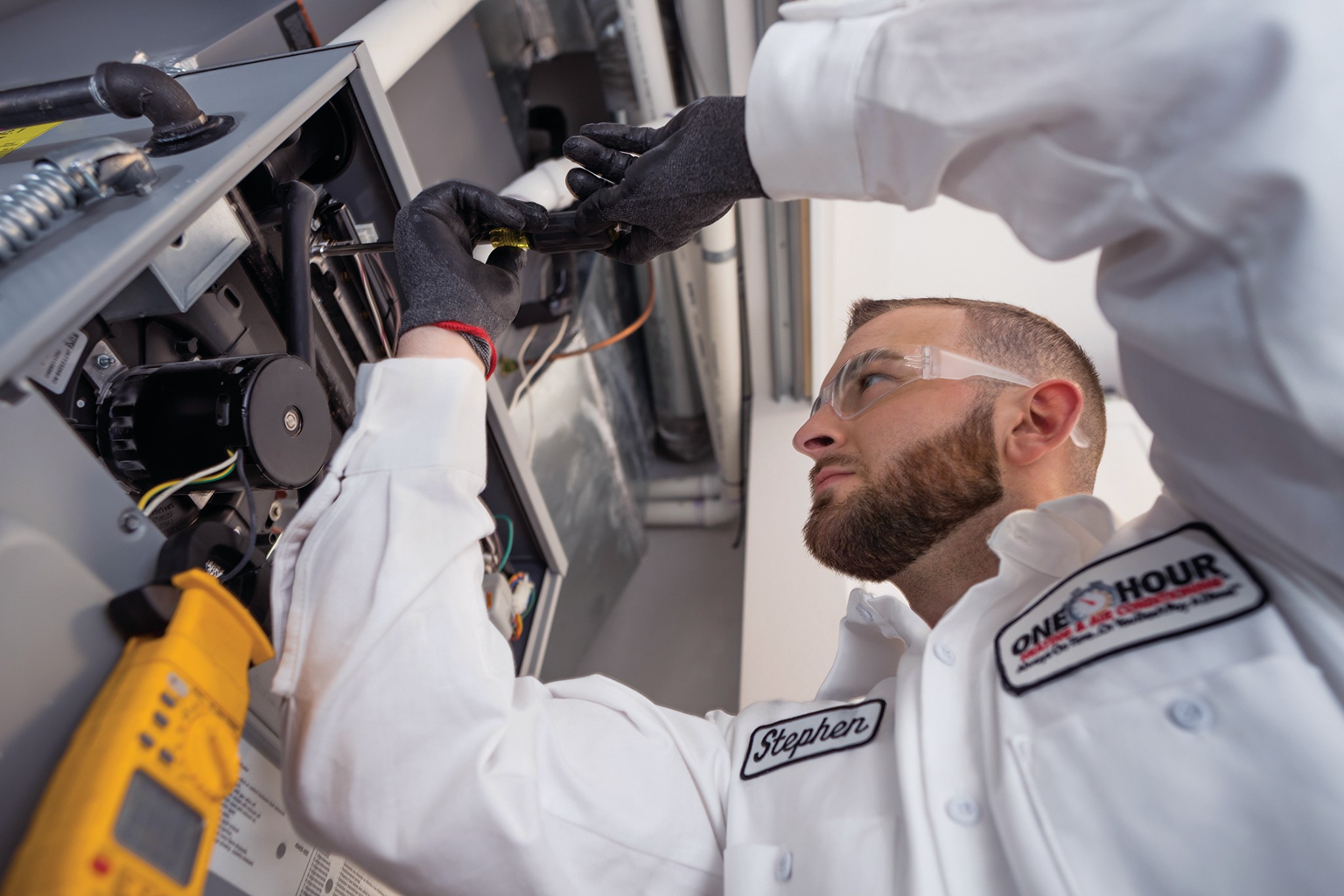
Technicians carry several portable tools to pinpoint refrigerant escape without guessing, focusing on sensor readings and visible evidence. An electronic leak detector flags active refrigerant odors at fittings, seams, and coil surfaces while the system runs. Infrared cameras help spot cold spots that suggest a low-charge area on the coil or line set. Technicians also rely on visual inspections for oil streaks and damaged fins to guide testing.
- Electronic refrigerant leak detector for active gas
- Ultraviolet dye and UV lamp for tracing oil paths
- Bubble solution to check small fittings visually
- Manifold gauges to read system pressures
- Infrared camera for temperature patterns
When a slow leak hides inside the air handler, dye testing can reveal the trail of lubricant that follows escaping refrigerant. A UV lamp illuminates dye spots on coils, insulation, and pans to show where to repair or replace components. Manifold gauges then confirm charge levels and help reproduce pressure conditions where leaks become detectable. This sequence limits wasted time and reduces unnecessary part swaps.
Direct sound and smoke tests assist when visual cues are unclear and leaks emit faint hissing. A small smoke pencil directed near joints will show air movement out of a pinhole when pressure is applied. Technicians listening with stethoscopes or probes can localize the sound before applying other tests. Documented readings and photos from these checks form a diagnostic record for repair planning.
Professionals will also test connected components like the blower motor, condensate pan, and filter cabinet because leaks often leave secondary clues in those areas. A technician may find oil in the pan or on the filter that tracks back to a coil joint or line fitting. For guidance on keeping coils accessible and clean for accurate testing, see the advice on coil cleaning in Aledo’s HVAC systems. Homeowners in Saginaw, TX and property managers in Azle, TX should share any observed oil stains or noises with the technician before testing begins.
Step By Step Home Checks Before Calling Pros
Start with visible checks you can do safely: look for fresh oil streaks near the air handler access panel and along refrigerant lines. Gently remove the panel and shine a flashlight on coil seams and brazed fittings to spot wet or darkened areas. If you find oily spots, photograph them and note their location for the technician to review. Avoid touching insulation or wiring and do not attempt to pressurize lines yourself.
Next, listen and time system behavior during a normal cooling cycle to gather useful clues for the service call. Note any persistent hissing, changes in cycle length, or whether the compressor runs continuously without reaching thermostat setpoint. Check the condensate pan for oil droplets and the filter cabinet for stains that may trace back to a leak. Record these observations and keep them handy when you call for service.
Perform simple noninvasive tests that don’t disturb refrigerant or electrical components, like a soap-foam check on accessible fittings and visible joints. Mix mild soap and water, apply with a cloth to exposed fittings while the system runs, and watch for tiny bubbles that appear at leak points. Do not use aerosol products or open refrigerant ports, those actions require a licensed technician. If you see bubbling, stop the test and document the location for professionals.
Before scheduling a visit, make safety and regulatory preparations so the technician can work efficiently and legally when onsite. Clear access around the air handler and outdoor unit, turn off power at the service disconnect for safety, and gather your notes and photos for the technician. Review guidance about refrigerant handling rules so you understand legal limits and technician responsibilities, particularly any new rules in the linked HVAC regulations. Homeowners in Saginaw, TX and property managers in Azle, TX should avoid attempting repairs and instead contact a licensed pro to stop refrigerant loss safely.
When To Call A Professional For Coil Repairs
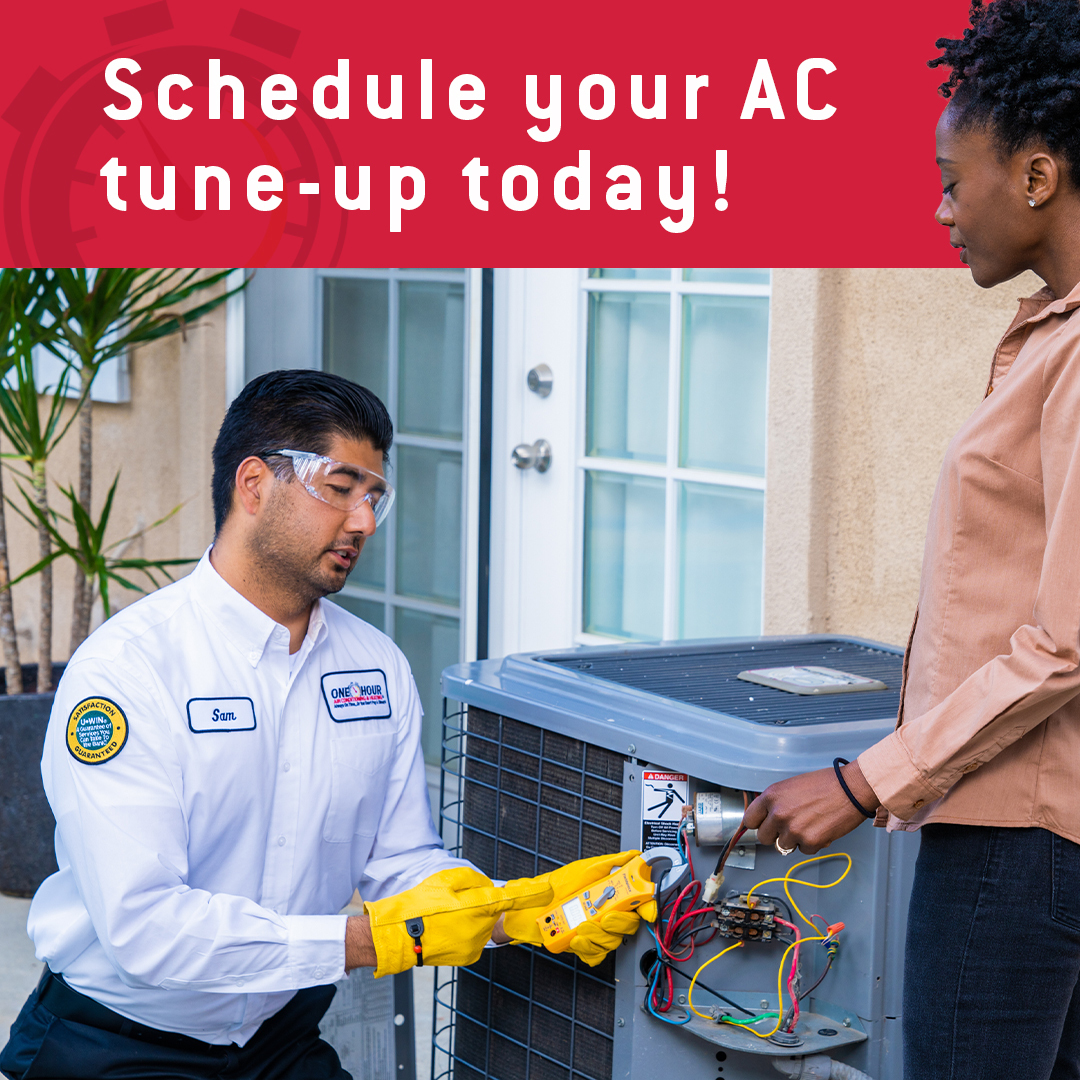
Call a licensed technician when you detect active hissing near coils, persistent performance loss despite routine fixes, or oil streaks that spread. A professional will perform certified leak-detection procedures that homeowners should not attempt, such as pressure testing and manifold gauge readings under controlled conditions. These tests confirm whether the coil or a line fitting is the source and whether repair or replacement is necessary. If a leak remains undocumented after home checks, stop further DIY attempts and schedule service promptly.
If the system shows frost buildup on the evaporator coil while the blower runs normally, contact a technician rather than continuing to run the unit. Continued operation under low refrigerant can damage the compressor and cause larger failures that require major repairs. The technician will use an electronic detector and pressure diagnostics to determine if the evaporator coil or a nearby connection leaks under operating pressures. Documented readings help the technician decide between a targeted repair or a coil replacement strategy.
When oil tracks appear inside the air handler or on line insulation, arrange professional diagnostics to trace the oil back to its origin and evaluate corrosion extent. A trained tech will inspect brazed seams, remove panels safely, and may apply UV dye or a soap test under controlled conditions to confirm the leak path. They will also check the outdoor condenser and refrigerant lines for related damage and recommend actions to prevent recurrence. Homeowners in Saginaw, TX can prepare notes and photos to speed up this on-site diagnosis.
Choose professional service immediately if the system cycles frequently or fails to reach thermostat setpoints even after filter and airflow checks. A technician will confirm low charge with manifold gauges and then isolate whether the evaporator coil, line set, or service valve causes the loss. For outdoor-unit related concerns, technicians often inspect condenser fins and connections as part of the leak search, review guidance on condenser care to understand what they assess. Property managers in Azle, TX should arrange timely service to protect occupants and reduce environmental refrigerant release.
Safe Repair Options And Environmental Steps
Start repairs by isolating the leak source and removing refrigerant under safe, legal procedures handled by a licensed technician. The technician will recover refrigerant following EPA guidelines and use manifold gauges to confirm low-pressure conditions before opening the system. Never attempt to vent refrigerant or braze lines while the system contains refrigerant because that risks injury and legal violations. Professionals document pressure readings and leak locations to guide the chosen repair method.
- Replace a damaged evaporator coil when corrosion or multiple pinholes exist.
- Repair accessible copper line sections by cutting and re-brazing under vacuum.
- Use approved patching only for temporary, documented emergency repairs.
- Retest the repaired area with an electronic detector and pressure test.
When technicians plan a coil replacement they evacuate the system, remove the failed coil, and install a correctly sized replacement following manufacturer orientation. They vacuum the refrigerant lines to deep vacuum levels to remove moisture and non-condensables before charging the system to specification. After charging, they run the system and monitor pressures and temperatures to confirm normal operation and no new leaks. This sequence reduces the chance of compressor damage from moisture or improper charge.
Services often include environmental steps like recovering leaked refrigerant, disposing of contaminated oil, and recording recovery quantities for compliance. Technicians may also recommend compressor checks after long-term low-charge operation to avoid future failures, see maintenance tips on compressor care for common inspection points. Homeowners in Saginaw, TX should ask for written test results and photos to document repairs for building records. Property managers in Azle, TX can request service reports showing recovery and repair steps to satisfy environmental concerns.
Preventive Maintenance To Reduce Future Leaks
Create a regular inspection schedule that targets vulnerable parts of the cooling loop, including evaporator coil fins and visible line set runs. Have a technician check mounting straps, insulation, and nearby fasteners to limit vibration that stresses brazes and fittings. Ask the service provider to record pressure and temperature readings during each visit to spot gradual trends before a leak becomes obvious. Keep clear access around the air handler so inspections and minor repairs happen without delays.
Include coil-cleaning and condensate-pan checks in routine maintenance to remove acidic deposits that accelerate metal pitting. Technicians can apply noncorrosive coil cleaners and verify drain lines stay clear to prevent standing moisture that feeds corrosion. Schedule an inspection after any rodent activity or attic work that might have dented or pinched refrigerant lines. Routine attention reduces the chance of hidden, slow leaks that are costly to find later.
Request leak-detection tests during annual tune-ups, such as an electronic detector sweep and pressure checks with manifold gauges under controlled conditions. These checks help technicians confirm system tightness and catch tiny leaks before they grow into larger failures. Ask for written test results and any photos that document detected issues so you can track recurrence. Homeowners in Saginaw, TX should keep those records for seasonal comparisons and service planning.
When technicians leave, ensure they explain steps taken to protect the system and the environment, including refrigerant recovery practices and vacuum verification. Property managers in Azle, TX can require documented diagnostics when scheduling preventative work to meet building maintenance standards. Consider combining preventive visits with an overall AC diagnostics review to address compressor and airflow concerns at once. Good preventive care lowers the chance of sudden refrigerant loss and extends component life.
Frequently Asked Questions
How do technicians perform coil leak detection on an evaporator coil?
Technicians start coil leak detection by visually inspecting the evaporator coil, fins, and nearby refrigerant line set for oil stains or corrosion. They pressurize the system with nitrogen and watch gauges for pressure loss and abnormal readings. Technicians then use an electronic leak detector and fluorescent dye or UV lamp to pinpoint a slow leak. Because refrigerant handling is hazardous, homeowners should hire a licensed professional to perform detection and repairs.
What visible signs point to a refrigerant leak in line sets?
Look for oily residue or dark streaks along the refrigerant line set where fittings or insulation joins the copper tubing.
Frost or ice buildup on the line during normal running can indicate escaping refrigerant and pressure loss.
Hissing sounds near the line set or visible bubbling when a leak-detection solution is applied suggest active leakage, stop and call a pro.
Because refrigerant can pose safety and environmental risks, contact a licensed technician for proper leak repair and coil leak detection confirmation.
Can a slow leak cause longer cooling cycles and higher bills?
A slow refrigerant leak reduces cooling capacity, forcing the system to run longer to reach the thermostat setpoint. Longer run times increase electricity use and can raise your energy bills over weeks. Coil leak detection helps identify low-charge symptoms before the compressor sustains damage. If you suspect a leak, stop DIY refrigerant handling and call a qualified HVAC technician to inspect and repair safely.
Which tools find tiny leaks: detectors, dye, or smoke tests?
Electronic refrigerant leak detectors spot very small traces of refrigerant along tubing and coil seams with high sensitivity.
UV dye helps locate slow leaks by showing visible streaks under a UV lamp after the system runs.
Compressed air or smoke tests reveal flow paths and larger breaches but may miss minute pinholes in the evaporator coil.
Because refrigerant is hazardous, exercise caution and hire a trained technician for coil leak detection and repair confirmation.
When should homeowners in Saginaw, TX call for leak diagnosis?
Call for professional leak diagnosis when you notice steady performance drops, warm rooms, or an HVAC system that short-cycles. If you see oily residue on the evaporator access panel or refrigerant lines, arrange coil leak detection promptly. If you detect unusual hissing sounds or a chemical odor near the indoor coil, stop using the system and call a technician because refrigerant exposure is a safety risk. Homeowners in Saginaw, TX should also call when the system repeatedly trips breakers or when a recent recharge loses pressure quickly.