

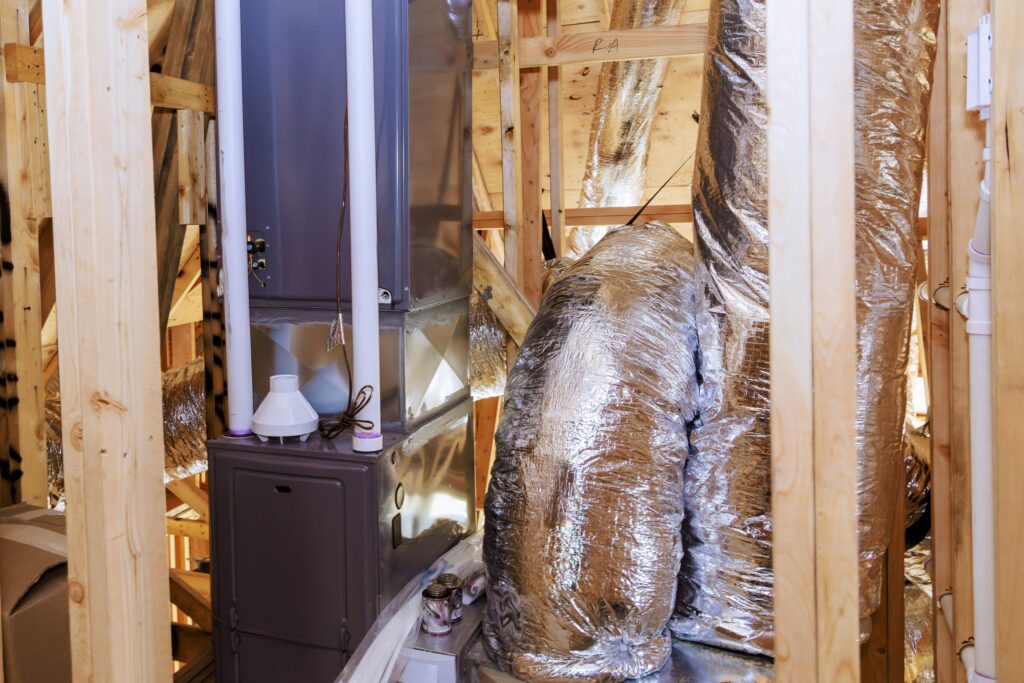
Combustion Air Sizing That Protects Safe Furnace Burns
Key Takeaways About Combustion Air Sizing
Combustion air sizing determines how much fresh air a fuel-burning appliance needs to burn safely and efficiently. This matters for homeowners and property managers when they see soot yellow flames or after home changes that affect ventilation.
- Identify visible signs of poor combustion like soot or yellow flames.
- Prevent negative pressure by ensuring proper opening placement and size.
- Avoid using decorative covers that reduce net free area significantly.
- Spot competing exhausts that can steal combustion air during operation.
- Reduce risk by scheduling professional pressure and combustion testing.
- Plan documentation and follow up testing after any ventilation changes.
Introduction
Combustion air sizing matters because furnaces need the right amount of fresh air to burn cleanly and safely. Too little combustion air can cause incomplete combustion, producing carbon monoxide and soot. Too much uncontrolled air can change appliance performance and increase drafts. Homeowners often notice smells, yellow burner flames, or frequent pilot outages when combustion air is wrong.
Rules for safe combustion air come from building practices and safety standards that guide opening sizes and placements. A trained technician evaluates the appliance, surrounding enclosure, and available ventilation before sizing openings. They look for blocked vents, nearby exhausts, and tight mechanical rooms that restrict air flow. Proper sizing reduces the risk of backdrafting and keeps the heat exchanger working as designed.
When combustion air is undersized, the furnace can create negative pressure and pull combustion gases into living areas. Visible signs include sooty burners, unusual odors, and a furnace that cycles oddly or runs inefficiently. Technicians inspect the heat exchanger, vent connector, and supply plenum to confirm unsafe conditions. If a problem is suspected, contact a professional to inspect and document findings.
Homeowners in Bedford often notice issues in older utility closets with limited ventilation and no dedicated air openings. For properties in Arlington, TX a tight attic or sealed garage can hide inadequate combustion air until symptoms appear. A qualified HVAC professional uses measurements and observations to determine whether openings meet safety needs. Prompt evaluation protects occupants and prevents longer term appliance damage.
How Combustion Air Sizing Works And Why It Matters
Combustion air sizing is the process of determining how much fresh air an appliance needs for safe, complete combustion. Technicians measure the appliance’s input rating and the enclosure volume to match air supply needs. They also account for nearby ventilation that can affect pressure and airflow around the appliance. Homeowners often ask whether a small closet can supply enough air, and professionals answer by measuring and comparing required opening area to actual openings.
- Measure appliance input in BTU or cubic feet per minute.
- Calculate enclosure volume and ventilation paths.
- Decide between indoor or outdoor air sources.
- Select louvered or permanent-opening types and locations.
- Verify with combustion analysis after changes.
Techs use specific steps when sizing openings, starting with a visual inspection of the appliance, vent connector, and surrounding walls. They check for blocked vents, dryer or bathroom exhausts nearby, and any tight seals that could create negative pressure. A trained technician will also use a manometer or smoke test to confirm whether the room drafts toward the appliance. If measurements show insufficient air, they determine the correct opening size or route to outdoor air.
Combustion analysis often finishes the job to confirm safe burner performance and correct flue draft, so homeowners know the remedy worked. That final check records combustion gases and draft readings to validate the opening sizes and installation. For more on what that test involves and why it matters, see the linked combustion analysis resource.
Key Codes Standards For Proper Air Openings
Codes set basic rules for combustion air openings to protect occupants and equipment. They specify whether air can come from indoors or directly outdoors. Minimum opening sizes depend on appliance input, room volume, and whether the openings are single or paired. A technician references these code options when planning permanent openings and ducted air supplies.
Common code approaches include using free-area calculations or engineered air paths that meet equivalent flow. Free-area tables determine how large a grille or louver must be to supply required cubic feet per minute. Techs evaluate the manufacturer’s required combustion air and then translate that need into required net free area. This prevents installing a grille that looks large but has insufficient actual airflow.
Placement rules aim to avoid contamination or short-circuiting of combustion air with exhaust flows. Openings should not draw from areas near dryer vents, kitchen exhausts, or combustion appliance vents. Professionals will often route an outdoor duct or provide two openings at different heights for balanced air movement. For guidance on verifying flue draft and final safety checks, technicians may perform a furnace draft check before and after work using a referenced procedure.
Inspectors check the installer’s measurements against code and appliance instructions during final review. They look at net free area, grille protection, and whether the opening prevents clogging from debris or pests. In Bedford or an Arlington, TX property, clear documentation and labeled openings make later inspections simpler. If readings show unsafe draft or incomplete combustion, contact a trained professional for corrective work and verification.
Calculating Required Opening Sizes Step By Step
Start by finding the appliance input rating on the data plate and convert that value into the required combustion air flow using accepted tables or formulas. A technician measures the enclosure volume with a tape measure and records height, width, and depth for accurate cubic footage. They then decide whether to use indoor air or route a duct to outdoors based on available pathways and nearby exhausts. Documenting these measurements helps match opening size to appliance needs and supports later verification.
Next, calculate net free area for required openings by accounting for grille or louver free flow percentages and screen blockage. The tech measures the manufactured grille’s nominal size and multiplies by its free-area factor to get net free area. If two openings are required, the pro positions them high and low to encourage cross flow and prevent short-circuiting of combustion air. Proper placement reduces the chance of the appliance drawing contaminated air from dryers or exhaust fans.
For ducted outdoor air, measure duct diameter and length and include any elbows when estimating effective flow capacity. A professional may use a manometer to check room pressure and a smoke test near openings to confirm airflow direction after installation. Combustion analysis follows to record CO, O2, and draft readings and validate the opening sizes and installation adjustments. This testing step documents that the appliance now operates within safe combustion parameters.
When documenting the job, technicians produce a brief report with measurements, net free area calculations, and test readings for inspector review and homeowner records. Homeowners in Bedford should keep this report with appliance manuals for future reference during inspections or service calls. If the installer adjusted vents or added ducting, schedule a follow-up combustion check to confirm long-term performance remains safe. For guidance on checking flue draft and completing the final tuning, consult the linked flue draft tuning resource.
Common Causes Of Undersized Combustion Air
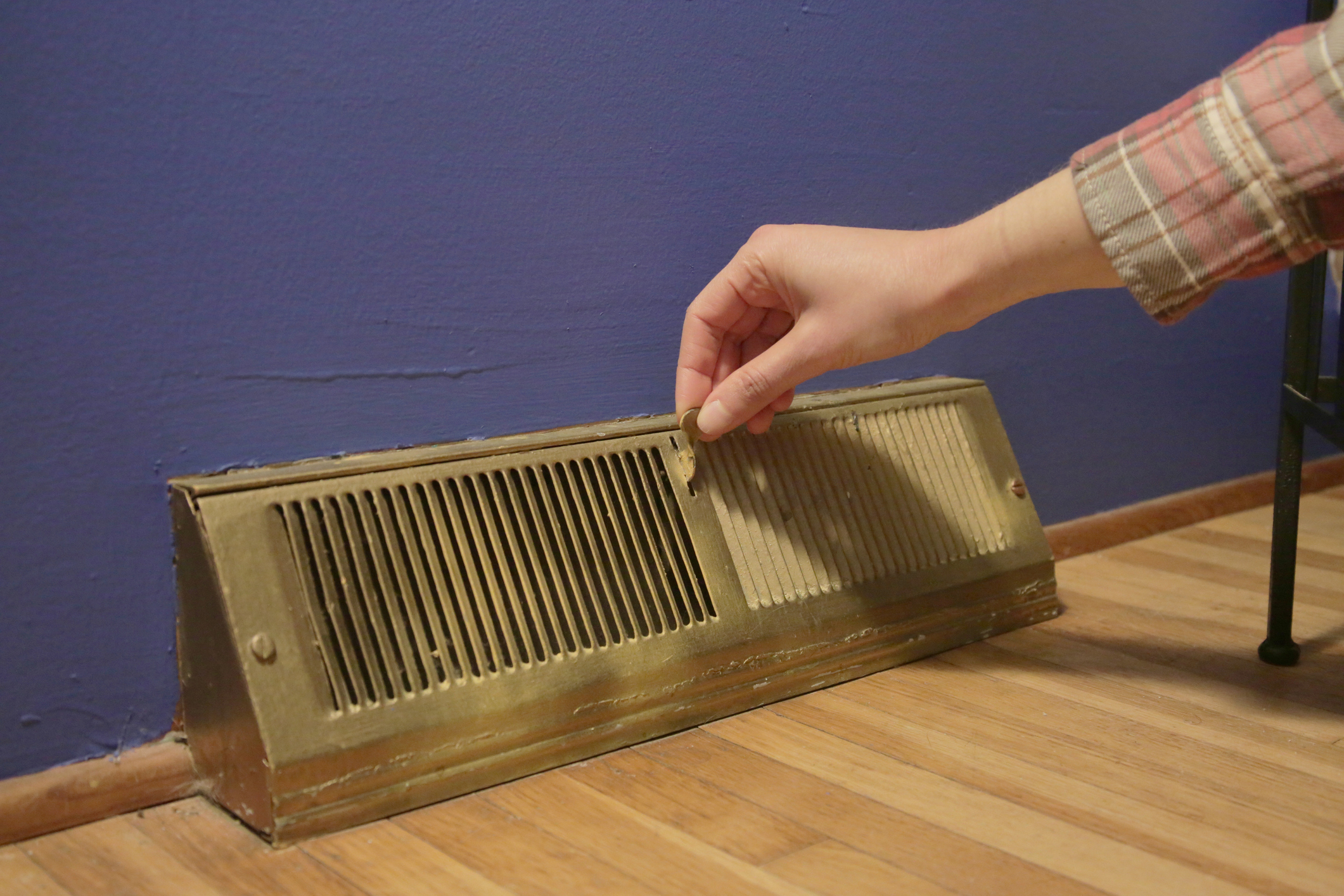
Poorly chosen grille or louver types often reduce net free area and cause undersized combustion air, especially when installers use ornamental covers. Screens, bird guards, and tight louvers can cut airflow far more than expected, so techs must calculate net free area rather than rely on nominal grille size. A visual check often misses these reductions, so technicians measure or reference the manufacturer’s free-area percentage during sizing. Homeowners sometimes add covers later that undo professional calculations without realizing the effect.
- Blocked or dirty grilles reduce airflow substantially.
- Incorrect grille free-area assumptions cause undersizing.
- Adding screens or guards after installation lowers net flow.
- Using interior return ducts instead of dedicated openings fails code checks.
Restricted duct runs and long bends can make an outdoor ducted supply deliver less flow than planned, creating effective undersizing even with correct inlet area. Technicians consider duct diameter, length, and elbows when converting required air to a duct size and will rework ducts that cause loss of flow. Simple smoke tests at the grille can reveal weak air movement that indicates hidden restrictions. For problems related to vent connectors or sealed joints, professionals may recommend resealing or inspecting joints like a flue pipe reseal after work on ducts.
Mechanical room modifications and tight building envelopes can unintentionally remove available indoor air sources and leave the appliance starved for combustion air. Adding weather stripping, new doors, or converting spaces into storage changes enclosure volume and available ventilation paths. A field technician compares current room volume and ventilation after renovations to the original calculations to detect this issue. In Bedford properties, small utility closets converted to storage often reveal this change during routine inspections.
Competing exhaust devices and pressure imbalances often steal combustion air, producing underfed burners despite adequate openings. Dryer vents, kitchen range hoods, and large bath fans can create negative pressure that pulls required air away from the appliance. A pro diagnoses this by checking simultaneous operation and by measuring room pressure with a manometer during peak exhaust use. In Arlington, TX homes, tight construction plus heavy exhaust use can make this scenario more likely.

Warning Signs Of Combustion Air Problems At Home
Look for unexplained soot around the burner area or dark streaks near the vent connector, which signal incomplete combustion and poor air supply. A steady yellow flame instead of the normal blue flame often indicates low oxygen at the burner and needs professional measurement. If you smell persistent gas or faint exhaust odors near the furnace, stop using potential ignition sources and call a qualified technician immediately. Technicians will inspect the heat exchanger and perform a combustion analysis to confirm unsafe combustion conditions.
Frequent pilot outages, delayed ignition, or loud popping when the furnace lights suggest air imbalance or pressure issues affecting safe operation. These symptoms prompt a tech to check room pressure with a manometer and observe draft across the flue during startup. Visible corrosion or rust on the flue or vent connector can mean wet combustion products are condensing, which relates to improper combustion air and venting. Professionals often record draft readings and take photos as part of a written report for homeowners.
Household signs such as soot on nearby walls, unexplained headaches, or recurring headaches when the furnace runs may indicate combustion gases entering living spaces. A technician confirms this risk with a smoke test at openings and by inspecting return grilles and supply plenums for cross contamination. If flue performance looks suspect, the pro might recommend a furnace flue inspection to check for blockages or leaks in the venting system. In Bedford homes, tight closets converted to storage can hide these clues until noticeable symptoms appear.
Strong, continuous exhaust fans or dryer operation that coincides with furnace issues often reveals competing air demands causing negative pressure. A technician will test simultaneous operation and measure pressure differential to identify whether exhausts steal combustion air. If improper gas delivery is suspected, the tech may perform a gas pressure check to ensure the appliance receives correct manifold pressure. For safety, have a professional complete these diagnostic steps rather than trying adjustments yourself.
Practical DIY Checks Before Calling A Technician
Start by checking visible openings for obvious blockages like paint, insulation, or debris that reduce airflow into the appliance space. Shine a flashlight into the grille and move any light obstructions with gloved hands while the furnace is off and cool. Note whether screens or bird guards are present because they can lower net free area more than they appear. If you see heavy buildup or damage, mark it for professional attention rather than attempting permanent repairs yourself.
Perform a simple smoke check using a stick of incense or smoke pencil held near each opening to observe airflow direction and strength toward the appliance. Watch the smoke pattern for steady movement into the room, which suggests the opening supplies air rather than leaking outward. If smoke drifts away or hangs without movement, the opening may not be effective and requires a technician’s pressure test. Keep windows and doors in their normal positions when testing to reflect typical house pressure.
Inspect nearby exhaust devices such as bathroom fans or dryer vents while the furnace runs to see if they create suction that competes for combustion air. Run one exhaust at a time and observe any change in furnace flame color or burner behavior, then stop the exhaust to compare symptoms. A manometer reading performed by a pro will confirm pressure differentials, but your simple on/off check helps prioritize concerns for the technician. Homeowners in Bedford often find conflicting exhaust timing reveals the problem.
Look for visible gaps or sealed pathways between the appliance room and adjacent spaces that could alter enclosure volume and airflow patterns after renovations. Open door undercuts or intentional transfer ducts may be present and should remain unobstructed to supply air as designed. Also check return grilles and supply plenums for dust patterns that indicate reversed airflow or contamination routes. If you suspect combustion air remains inadequate after these checks, schedule a professional inspection promptly to avoid unsafe operation.
When To Call A Professional For Combustion Air Sizing
If you notice persistent yellow flames, soot near the burner, or vent odors despite basic checks, call a professional promptly. A trained tech will perform pressure measurements and combustion analysis to confirm unsafe conditions. They inspect the heat exchanger visually and may recommend a detailed heat exchanger inspection when signs point to internal deterioration. Do not attempt adjustments to gas or vent components yourself because improper changes can increase risks.
- Schedule an inspection when symptoms persist after DIY checks.
- Call if multiple appliances run and furnace behavior worsens.
- Request pressure and combustion testing from a licensed technician.
- Ask for written measurements and recommended corrections.
Arrange a service call if you detect worsening symptoms during operation of exhaust fans or dryers. The pro will use a manometer and smoke testing to locate pressure imbalances and confirm inadequate combustion air. They will measure net free area and compare it to required values for the appliance and enclosure. This diagnostic approach prevents guesswork and documents the condition for future reference.
Contact a technician when you see corrosion on vent connectors or repeated pilot outages after basic cleaning. A professional inspects vent joints, the flue, and the burner assembly to find the failure mode. They may recommend routing outdoor air or installing correctly sized louvers based on measurement results. For homeowners in Bedford and properties in Arlington, TX, schedule evaluation before symptoms escalate into safety problems.
Preventive Maintenance For Long Term Safe Burns
Create a seasonal checklist to keep combustion air openings clear and effective, and add it to your home maintenance routine. Inspect grilles visually for debris and test airflow with a smoke pencil to confirm movement toward the appliance. Record grille free-area changes caused by added screens, bird guards, or paint so a technician can adjust calculations later. Schedule a pro to verify room pressure when you notice persistent airflow changes after sealing or remodeling projects.
Include combustion analysis during annual furnace tune-ups to confirm safe burn patterns and proper flue draft under normal operating conditions. A technician will measure O2, CO, and draft, then compare results to prior records to spot gradual deterioration. Keep written test results with appliance manuals so changes over time become obvious during future visits. If measurements trend toward unsafe ranges, contact a professional for corrective work without delay.
Maintain nearby exhaust devices and dryer vents to prevent sudden pressure shifts that can steal combustion air during operation. Check dryer vent paths and bathroom fans for clogs or excessive flow that might compete with your furnace for indoor air. Professionals can perform simultaneous-operation tests to see how exhausts affect draft and recommend timed use or separate outdoor air routing. Homeowners in Bedford should watch for changes after installing new exhaust appliances or heavy-duty fans.
Install and maintain carbon monoxide detection as part of long-term safety planning for combustion appliances, and test alarms monthly for reliable operation. A trained technician can advise proper placement and verify detectors during service visits to ensure coverage where combustion products could enter living spaces. Keep detectors powered and replace units per manufacturer guidance to avoid false security. For guidance on selecting and locating alarms, consult the linked carbon monoxide alarm resource before your next inspection.
Frequently Asked Questions
How does combustion air sizing protect against carbon monoxide?
Proper combustion air sizing ensures a furnace gets enough oxygen to burn fuel cleanly, reducing incomplete combustion that creates carbon monoxide. When air openings match the appliance needs, flame stability improves and soot buildup decreases. A technician checks vent size, room volume, and pressure differences to confirm airflow meets standards. If you suspect CO or poor airflow, stop using the appliance and call a professional for testing and correction.
What symptoms mean my furnace needs a combustion air check?
Look for yellow or sooty flames instead of steady blue ones, which can indicate poor combustion air flow to the burner.
Notice strong gas or fuel smells near the furnace or house depressurization when other exhausts run, as these suggest backdrafting.
Listen for unusual rumbling, delayed ignition, or frequent cycling that can point to air-starved combustion and heat exchanger stress.
These signs present a safety risk, so stop using the appliance and call a qualified HVAC technician to perform combustion air sizing and testing.
How do technicians measure enclosure volume and openings?
Technicians measure enclosure volume by recording length, width, and height and multiplying for cubic feet to support combustion air sizing calculations. They measure openings by noting clear free area of louvers, grills, or duct intakes using a tape measure and estimating percentage of obstruction. Techs also check for vents between rooms and measure each opening’s net free area to combine results accurately. If measurements or access look unsafe, stop work and call a qualified professional for inspection and safe correction.
Can adding grilles or screens change combustion air sizing?
Yes — adding grilles or screens can change airflow and effectively alter combustion air sizing by restricting free area. A fine mesh or backdraft damper can reduce available opening area and cause under-ventilation for a furnace. If you notice yellow flames, soot, or strange odors, stop and call a professional because this creates a safety risk. A qualified tech will measure net free area, adjust openings, and document compliance with combustion air sizing requirements.
When should I schedule a professional combustion air test?
Schedule a professional combustion air sizing test if you notice yellow burner flames, soot buildup, or soot stains near the furnace vent. Schedule testing after replacing or relocating appliances, adding insulation, or sealing air leaks in the home. If you smell persistent gas or suspect backdrafting, stop using the appliance and call a professional immediately. A trained technician will measure draft, inspect the heat exchanger and venting, and confirm safe combustion air levels.