

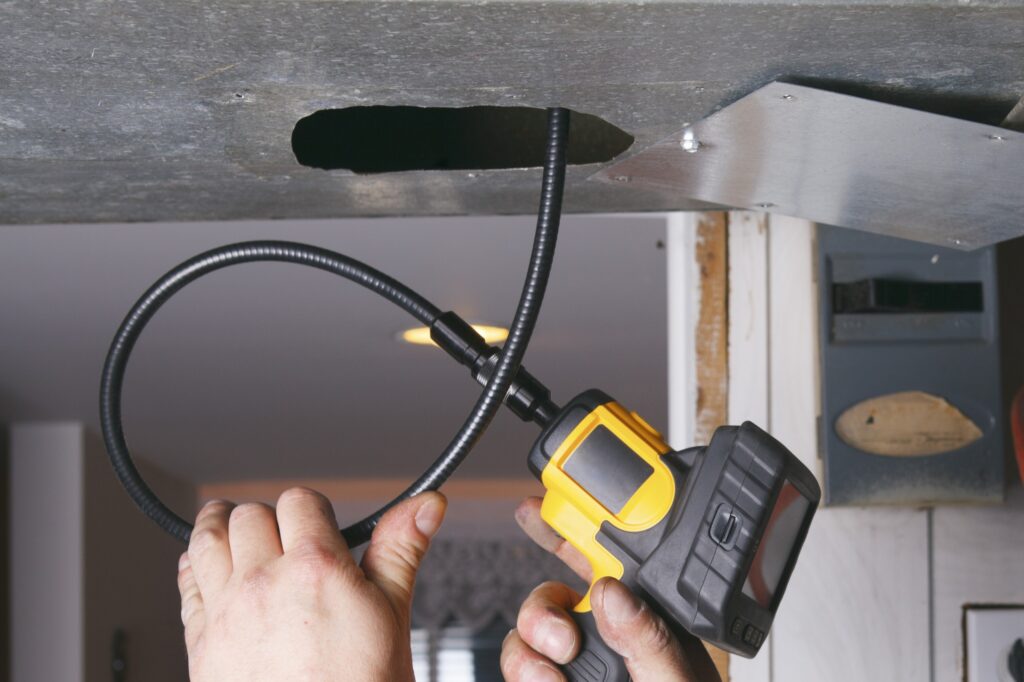
Duct Camera Inspection in Colleyville Finds Hidden Problems
Key Takeaways About Duct Camera Inspection
A duct camera inspection uses a flexible video probe to show the inside of air ducts and reveal blockages leaks and deformations. This summary helps homeowners and property managers decide when to schedule an inspection and what to expect during diagnosis and repair.
- Identify exact blockage locations and types inside supply and return ducts.
- Prevent hidden leaks by documenting tears disconnected seams and holes.
- Avoid prolonged system strain from crushed runs that reduce airflow.
- Spot moisture mold and insulation damage near plenums and coils.
- Reduce guesswork by pairing visual footage with pressure and airflow tests.
- Plan repairs sequencing cleaning sealing or section replacement based on evidence.
Introduction
Visible symptoms like uneven airflow, musty smells, and sudden utility spikes often trace back to hidden duct problems. A Duct Camera Inspection can pinpoint blockages, leaks, and crushed runs that hand inspections miss. Homeowners notice cold rooms or poor system performance before they suspect the ducts. In many cases the duct issue causes the system to work harder and shortens component life.
Blockages can come from accumulated debris, rodent nests, or construction materials pushed into supply paths. Leaks let conditioned air escape into attics or crawl spaces instead of living areas. Crushed runs reduce airflow and create pressure imbalances that make some rooms noisy or drafty. Finding the exact location matters for effective repairs and lasting comfort.
Technicians feed a small camera through supply plenums or access panels to record the duct interior. Recorded footage and photos show material buildup, tears, and flattening in real time. Professionals also note nearby components like the evaporator coil and condensate drain line when inspecting connections. Clear visuals help decide whether repair, sealing, or partial replacement is needed.
Homeowners in Fort Worth, TX and property managers in Grapevine, TX report relief when footage confirms what they suspected. A confirmed leak or crush removes guesswork about why certain rooms underperform. If you detect odd smells or persistent airflow problems call a qualified HVAC professional for a focused inspection. Prompt diagnosis reduces the chance of repeated breakdowns and hidden moisture damage.
What Duct Camera Inspection Reveals And How It Works
Duct camera inspection uses a small, flexible video head to show the inside of air ducts and reveal hidden problems. The camera lets a technician confirm whether a visible symptom comes from a blockage, leak, or crushed run. Homeowners often ask, “Will footage show the exact location of a leak?” Yes, camera footage combined with visual markers usually pinpoints the problem area. The live video also records images for a written report and repair planning.
- Shows debris and nesting material inside supply and return ducts.
- Reveals tears, disconnected joints, and visible holes in ductwork.
- Identifies crushed or flattened sections reducing airflow.
- Documents sagging or kinks near bends and fittings.
During inspection a technician watches for buildup patterns that indicate a long-term blockage or recent contamination. They note nearby components like the evaporator coil or condensate drain line to see if connections contribute to the issue. Simple diagnostic checks include measuring airflow at a grille and comparing it to expected room performance. If moisture or mold is visible, the inspector documents it for targeted remediation steps.
Professionals confirm findings by combining camera footage with pressure or smoke tests when needed, and by inspecting access panels and plenums. For suspected leaks, a duct leak test can quantify leakage and guide sealing work. Homeowners in Fort Worth, TX and property managers in Grapevine, TX use the images to decide whether sealing, partial replacement, or rerouting is needed. If you notice odd smells or persistent airflow problems, contact a licensed HVAC technician for a focused inspection.
Common Causes Of Blockages And Why It Happens
Dust and construction residue often collect where ducts narrow or change direction, forming dense mats that block airflow over time. Loose insulation or crushed fiberglass can collapse into the airflow path after attic work or rodent activity, which creates partial or complete obstructions. Technicians use camera footage to see whether debris is surface-level dust or compacted material that needs removal or section replacement. Homeowners who smell stale dust after running the system should suspect accumulated material near branch takeoffs.
Animal nests and droppings commonly cause irregular blockages that trap moisture and promote mold growth in the duct interior. A camera reveals nesting material, separated insulation, and concentrated waste deposits that simple grilles cleaning will not reach. When inspectors see organic debris, they also check the return grille area and the access panel for chew marks or entry gaps. If pests are the source, a technician notes where to seal openings and recommends targeted cleaning before sealing joints.
Mechanical damage at bends and transitions can pinch flexible ducts or crush sheet-metal runs, creating turbulence and trapping lint near the pinch point. Foot traffic in attics or storage pressure can flatten duct runs and make the collapse worse with seasonal temperature shifts. Footprint or compression marks are visible on camera footage and help decide if a section must be supported or replaced. Where flattening causes pressure imbalance, professionals often recommend rerouting or installing additional supports to restore proper shape.
Incorrect installation details produce recurring blockages when return grilles are undersized or supply boots point into joist bays. A camera will show upstream buildup that reflects persistent low velocity or dead zones in the network. Technicians pair the visual record with simple airflow readings at the grille and note grille size and boot alignment for corrective work. For duct sealing and targeted fixes, homeowners can review documented footage and consider professional sealing services such as duct sealing in Colleyville to address leakage that contributes to debris accumulation.
Insulation failure and water intrusion leave residue, sagging sections, or visible mold that a camera easily documents for remediation planning. Inspectors look for rust, wet insulation, and dark streaks indicating chronic moisture that traps particles and invites microbial growth. When moisture appears, they also inspect nearby components like the condensate drain line and the evaporator coil area for contributing faults. Properties in Fort Worth, TX and Grapevine, TX with recurring moisture should prioritize inspection to prevent damage to duct materials and indoor air quality.
Identifying Leaks And What A Technician Checks
Technicians use camera footage to locate visible tears, disconnected seams, and corrosion that indicate active air leaks. They check joints near plenums and register boots where airflow loss often starts. A technician also inspects seals around access panels and the transition to the furnace plenum for signs of bypass. If insulation is wet or damaged near a leak, they note that for repair coordination.
Next, professionals perform simple diagnostic checks to confirm a leak and its effect on system performance. They may measure static pressure across the duct system and compare readings to expected values for that HVAC model. A technician will test airflow at supply and return grilles to see which rooms lose the most delivery. Recorded footage paired with pressure or airflow readings pinpoints where sealing will have the most impact.
When footage shows moisture, mold, or degraded insulation, inspectors follow up by examining nearby components that commonly cause leaks. They look at the evaporator coil area and condensate drain line for clogs or overflows that route water into ducts. Technicians also inspect duct insulation condition and recommend repair where wet or missing sections allow heat transfer. Homeowners in Fort Worth, TX should treat recurring wet spots as a priority for inspection and repair.
Visible deformation or crushed areas near support points prompt a structural check and measurements of duct shape. Technicians probe access points to see if a section needs reinforcement, re-routing, or replacement rather than simple sealing. They document findings with photos and recorded footage and include recommendations in a written report for clear homeowner decisions. For insulation failures found alongside leaks, professionals may suggest services such as duct insulation repair to restore thermal performance.
Detecting Crushed Runs And When To Act Immediately
When a camera shows a flattened or pinched duct run, a technician first checks airflow and static pressure to confirm functional impact. They measure velocity at supply grilles and compare readings to expected room delivery during operation. The inspector also looks for nearby compression sources like attic storage or unsupported spans causing repeated collapse. If the crush sits near the furnace plenum, they note implications for blower load and filter performance.
- Locate the exact distance from the plenum or register.
- Check for support straps or missing hangers.
- Inspect adjacent insulation for compression marks.
- Measure static pressure upstream and downstream.
Footage recording helps decide if the section can be reshaped or requires replacement to restore full flow. A technician may insert a small probe or use tactile checks at access panels to confirm the camera view. Where crushed runs trap debris, the inspector documents accumulation and recommends removal before repairs. Repair urgency increases when the blower shows excessive strain or abnormal noise tied to the damaged section.
Homeowners in Fort Worth, TX should act quickly when a crushed run causes persistent room imbalance or loud duct noise during heating or cooling cycles. For properties in Grapevine, TX, seasonal attic storage can worsen collapse and make immediate support or replacement advisable. If the camera footage shows sharp kinks or crushed metal edges, schedule professional intervention to avoid motor stress and poor filtration. A technician can perform a formal static check during the same visit to prioritize fixes and confirm restored performance after repairs using a duct static check report.
Health And Efficiency Impacts From Hidden Duct Problems
Hidden duct problems can worsen indoor air quality by circulating dust, skin cells, and microbial particles through living spaces. Mold growth in a duct cavity releases spores and compounds that occupants may notice as persistent musty odors or increased allergy symptoms. A Duct Camera Inspection often reveals visible mold or moisture stains that correlate with resident reports of sneezing, headaches, or throat irritation. When footage shows contamination near the return grille, a technician will recommend targeted cleaning and containment before sealing work begins.
Airflow loss from leaks and crushed runs forces the HVAC system to run longer and cycle differently, reducing efficiency and comfort during occupied hours. Reduced airflow can make the blower motor work harder, which may raise motor temperature and shorten component life if left unaddressed. Professionals confirm functional impact using an airflow performance test and compare recorded deliverability against expected values for room size and system type. Using documented readings and footage helps homeowners decide between sealing, support, or section replacement to restore proper flow.
Uneven pressure from blocked or leaking ducts can pull dusty or contaminated attic air into living spaces when return leaks sit near unconditioned zones. A camera that shows holes or gaps near seams indicates a route for dust and insulation fibers to enter the system and spread through supply registers. Technicians pair visual evidence with simple checks at grilles and may note changes in fan behavior or filter loading to diagnose the problem fully. Repairing leaks and reinstalling supports reduces particle transfer and often improves filter life and indoor air clarity.
Visible corrosion, wet insulation, or accumulated debris recorded during inspection signals potential mold reservoirs and thermal loss that affect humidity and comfort control. When footage documents these issues, technicians often follow with moisture checks and inspect the evaporator coil area for contributing problems without delay. Homeowners in Fort Worth, TX should consider inspection results seriously when occupants report respiratory sensitivity or unexplained musty smells. Properties in Grapevine, TX with documented duct contamination may need coordinated cleaning and sealing to restore both health and system performance.
What To Expect During A Professional Duct Camera Inspection
A technician will arrive prepared to access ducts through existing panels or carefully opened registers to avoid unnecessary damage. They will set up the camera and lighting, then feed the flexible head into supply and return paths while narrating visible conditions. Expect them to capture recorded footage and still photos for the written inspection report and repair planning. You should receive clear notes on locations needing attention and recommended next steps after viewing the footage together.
- The inspector will check supply plenums first.
- They will examine return trunks and branch takeoffs.
- Footage will document any visible debris or deformation.
- Technicians often mark problem sections for repair access.
During the visit, simple diagnostic checks complement the camera work to confirm functional impact on airflow and pressure. The technician may measure static pressure at the furnace plenum and compare it to expected system values. They might also record airflow at a few registers to show differences between rooms for the report. These measurements help prioritize repairs like sealing, support addition, or section replacement.
Professionals will explain visible causes and outline repair options while on site so you can decide next steps without guesswork. If contamination appears, they will note which areas need cleaning before sealing or insulation repair is performed. Homeowners in Fort Worth, TX often use the footage to schedule targeted fixes and to confirm workmanship afterward. For regular maintenance and prevention guidance ask about services like maintain HVAC duct integrity to reduce recurrence.
At the end of the inspection expect a written report with recorded footage and clear action items prioritized by urgency and performance impact. The report will show exact distances from plenums or registers where issues occur so technicians can quote targeted repairs accurately. If the inspector observed moisture or mold, they will recommend coordinating with cleaning and HVAC repair specialists. For properties in Grapevine, TX, documented results help plan off-season repairs to minimize occupant disruption.
Costs Timeline And Decision Points For Repairs
After the inspection, homeowners receive a timeline that ties necessary repairs to observed risks and expected outcomes. Technicians often group actions by urgency, noting problems that create immediate airflow or moisture risks. The written report will recommend sequencing so that containment or cleaning happens before sealing or insulation work. This order reduces the chance of trapping contaminants inside repaired sections.
Decision points depend on diagnostic checks completed during the visit, like static pressure and targeted airflow readings at registers. When a camera shows a concentrated debris plug, the next step may be cleaning and a follow-up airflow test to confirm improvement. If footage reveals compromised insulation near the plenum, professionals may advise repair before cosmetic work proceeds. The report should state which actions restore function fastest and which prevent repeat failures.
For homeowners in Fort Worth, TX and property managers in Grapevine, TX, scheduling choices often reflect occupant disruption and seasonal use of HVAC systems. A visible leak near the evaporator coil usually moves higher on the timeline because moisture can damage system components. Crushed runs that increase blower load may be prioritized when static pressure readings exceed safe thresholds. Technicians explain how repair sequence affects comfort recovery and equipment strain.
Professionals confirm results after each repair step by repeating the same diagnostic checks used during inspection, such as re-recording footage, measuring static pressure, and noting register airflow. This post-repair testing shows whether sealing, reshaping, or section replacement met expectations and documents outcomes in the final report. If problems persist, the report outlines further measures and suggests routine follow-up inspections. Homeowners can schedule ongoing checks using services like regular ductwork inspections to track performance and prevent recurrence.

Frequently Asked Questions
How does a Duct Camera Inspection locate hidden blockages?
A technician feeds a flexible camera head through access points to visually follow the duct path and find obstructions. The camera records footage showing debris piles, collapsed insulation, or rodent nests and their exact location. Technicians note airflow changes at supply registers and confirm blockages by comparing camera footage to pressure or static readings. If the camera reveals sharp damage or mold, stop and call a professional because repairs or remediation may pose safety risks.
Will camera footage show exact leak locations in ducts?
Duct camera inspection can often pinpoint visible gaps, disconnected seams, or holes where air escapes from ductwork. Footage shows location and size of many leaks when the camera reaches the affected section. Small hidden leaks behind insulation or in inaccessible plenums may require pressure testing or smoke testing to confirm. If you suspect a hazardous leak or mold, stop and call a professional for safe diagnosis and repair.
Can a duct camera detect crushed or flattened runs?
Yes, a Duct Camera Inspection can reveal crushed or flattened runs by showing narrowed passages and visible deformation inside the duct. Technicians look for reduced cross-sectional area, crushed seams, and creases where airflow must pass. Recorded footage and still photos help confirm the location and length of the damage for repair planning. If you see signs of collapse or mold growth, stop using the system and call a professional because leaks and contamination pose health and safety risks.
What signs should prompt a homeowner to request inspection?
Noticeable pressure loss at vents, uneven room temperatures, or persistent dust buildup should prompt a Duct Camera Inspection to look for blockages. Listen for rattling, whistling, or sudden changes in airflow that suggest crushed runs or disconnected duct seams. Visible mold, musty smells, or moisture around registers indicate possible leaks and a health risk, so stop system use and call a pro. If you suspect carbon monoxide or electrical overheating, evacuate, ventilate if safe, and contact a qualified technician immediately.
How do technicians confirm camera findings with tests?
Technicians compare camera footage to airflow readings at supply and return grilles using anemometers or pitot probes to spot pressure drops. They perform smoke or theatrical fog tests to reveal leak locations and confirm breaches seen on video. For suspected crushed runs they measure static pressure and visually re-inspect the run with the Duct Camera Inspection to verify obstruction. If testing involves attic or access panels, technicians follow safety protocols and recommend calling a professional for any hazardous conditions.