

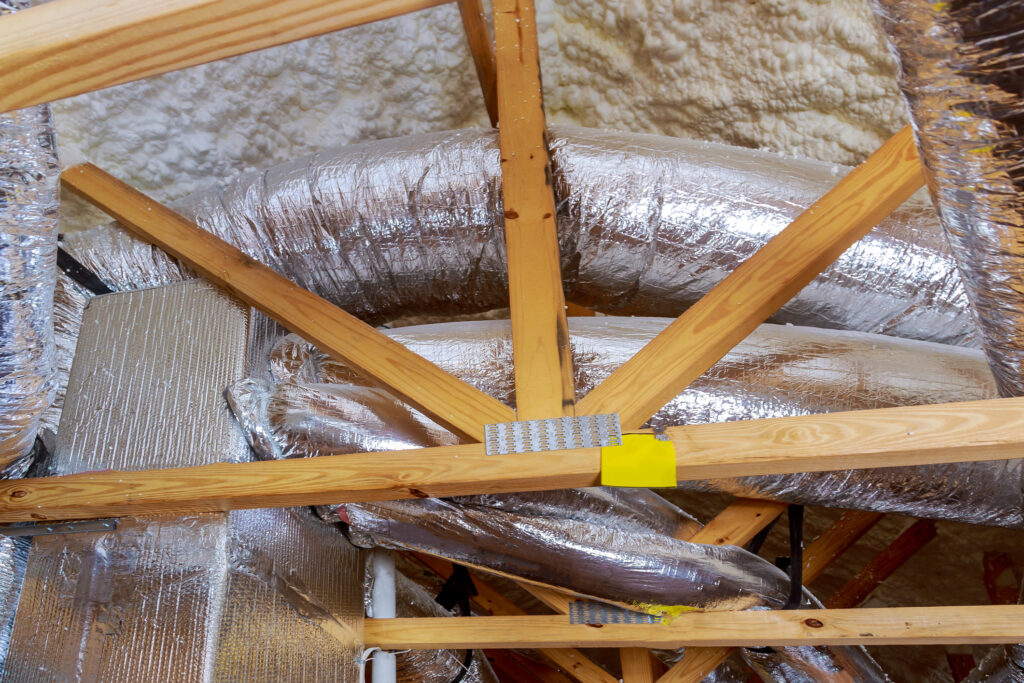
Duct Liner Replacement That Cuts Noise and Contamination
Key Takeaways About Duct Liner Replacement
Duct liner replacement means removing and installing interior duct insulation to restore sound control and hygiene. This guide helps homeowners and property managers decide when to act and what to expect.
- Identify loose fibers wet spots and visible liner damage quickly.
- Prevent moisture by keeping the condensate drain and coil clean.
- Avoid DIY removal when mold or heavy contamination is present.
- Spot airflow changes noise shifts and obstructions at registers.
- Reduce airborne dust allergens and microbial growth risks after replacement.
- Plan professional inspection documentation and follow up maintenance tasks.
Introduction
Duct liner replacement matters when the soft insulation inside ducts breaks down and causes real problems in homes. Worn or detached liner sheds fibers into airflow and raises dust and allergy risks. Many homeowners notice louder HVAC noise and a musty smell before visible dust appears. In Benbrook, TX properties, these signs often prompt calls for professional inspection.
When liners fail, noisy airflow and reduced sound dampening are common and immediate complaints. The liner acts like acoustic foam inside the supply plenum and ducts to absorb fan and airflow noise. Once the material compresses or delaminates, sound travels farther into living spaces. Homeowners in Azle, TX often describe a thumping or rattling that was not there before.
Failed duct liner also creates a hygiene issue by trapping moisture and harboring mold or contaminants. Loose fibers and accumulated dust move through return grilles and land on surfaces in the house. That increases cleaning needs and can aggravate respiratory symptoms for sensitive people. Addressing the liner stops the source rather than masking symptoms with filters alone.
A professional replacement focuses on diagnosing liner breakdown and then removing contaminated material safely. Technicians inspect the supply plenum, evaporator coil access, and duct seams for adhesive failure and moisture damage. They also check the blower and condensate drain for signs that contributed to liner deterioration. Knowing why the liner failed guides better material and installation choices going forward.

What Duct Liners Are And How They Work
Duct liner is the soft insulation bonded to the inside of ducts to control sound and surface condensation. It absorbs fan and airflow noise and reduces echoes that travel through plenum cavities. Homeowners often ask whether liner affects indoor air quality, and the answer is yes because loose fibers can enter the airflow. Professionals consider liner condition when diagnosing persistent dust or odor problems inside homes.
- Fiberglass blanket liner for noise control
- Foam-faced panels where rigidity is needed
- Adhesive and mechanical fasteners hold liner in place
- Seams and access panels permit inspection
The liner sits on the supply plenum, near the evaporator coil, and along long duct runs to absorb sound energy. It also provides a thermal layer that can limit surface condensation on metal duct walls. When intact, the liner traps small dust in place and prevents it from re-entering the rooms. In some cases, duct cleaning pairs well with liner service to remove settled debris before replacement.
Visible properties include a fibrous surface, adhesive edges, and a facing material where present to stop shedding. A professional inspects seams, adhesive bond, and areas near the blower for compression or delamination. They use visual checks and simple probes to confirm whether the liner remains attached and hygienic. For homeowners in Benbrook, TX this inspection often highlights sections needing removal and replacement.
The liner’s role in acoustics and hygiene ties to material condition and installation quality rather than brand or age alone. Poor adhesive, moisture near the condensate drain, or contact with the coil can cause the liner to fail over time. For properties in Azle, TX, homeowners frequently notice increased noise or dust when liner starts to break down. If you want guidance on cleaning before replacement, see our page about duct cleaning benefits.
Common Reasons Why Liners Fail Over Time
Age alone can weaken adhesive bonds and facing materials, making liner detach from duct walls over time. Repeated thermal cycling from daily HVAC use expands and contracts metal ducts, stressing the glue and fasteners that hold liner in place. In many homes the liner near seams and access panels shows the first signs of separation because those spots see the most movement. A professional inspecting these areas often finds loose edges that begin to sag into airflow paths.
Moisture exposure inside the duct is a common culprit that accelerates decay of liner materials and facing. Condensate near the evaporator coil or a clogged condensate drain can soak adjacent insulation, causing delamination or collapse of the fibrous material. When the liner remains wet, it also loses some of its sound-absorbing performance and can compact under airflow pressure. Technicians will check the coil access and condensate drain for moisture as part of routine checks and when planning duct liner replacement.
Mechanical damage from technicians, rodents, or shifting ductwork can tear or compress liner and lead to long-term failure. HVAC service access, slide-out dampers, or rough handling during repairs sometimes abrade the facing or break adhesive spots. Rodent chewing or nesting inside plenums leaves visible gaps and contamination that require full removal of affected sections. Regular duct system checks can catch mechanical damage early before contamination spreads through the supply and return paths, see our page about regular ductwork inspections for more detail.
Chemical exposure and airborne contaminants can also degrade liner binders and facing materials, reducing integrity and causing shedding. Strong cleaning chemicals, solvents, or unusual particulate loads from nearby construction may weaken the liner surface over time. In some installations, improper fastener placement creates stress points that lead to premature tears when airflow fluctuates. A careful inspection looks for chemical staining, missing fasteners, or areas where panel edges have pulled away from the duct wall.
Warning Signs Of Duct Liner Degradation At Home
Look for visible tearing or frayed edges inside accessible registers and plenums, which indicate binder failure and shedding. A homeowner might notice tiny fibers on return grilles or on nearby furniture after a short runtime. Technicians often confirm this with a flashlight inspection and gentle probe to see if the material pulls away from the metal. When you see these cues, plan a full evaluation rather than a simple spot repair.
Changes in airflow patterns suggest liner pieces are obstructing passages or the liner has detached and collapsed. Reduced airflow at distant registers or uneven room temperatures can point to internal debris or sagging liner. A professional would remove a grille and inspect the duct interior, using a mirror or a camera to confirm obstructions. Recorded photo evidence helps decide whether partial replacement or full section removal is needed.
Persistent musty or moldy odors that persist after filter changes can mean the liner holds moisture and biological growth. Smell alone is not definitive, so a technician will check the evaporator coil, condensate drain, and adjacent liner for staining or dampness. They may use a moisture meter at the liner surface and photograph areas of concern for documentation. In Benbrook, TX homes with seasonal humidity swings, these checks are especially useful.
Louder HVAC noise or new rattles often come from sections where the liner has compressed or delaminated and no longer dampens sound. You might hear whistling near seams or a thumping that changes with fan speed. A pro listens at the supply plenum, inspects around the blower motor and mounting, and isolates the noise source before recommending duct liner replacement. For guidance on keeping ducts structurally sound prior to service, review our page about maintain HVAC duct integrity.
Finding rodent droppings, nesting material, or chew marks inside the duct indicates contamination that requires removal and replacement of the liner. A technician will inspect the full run, pay attention to seams and access panels, and document contamination levels in a written report. They may also recommend sealing entry points to prevent recurrence and to protect new liner material. Homeowners in Azle, TX often combine these repairs with a follow-up inspection after wildlife exclusion work.
Health And Hygiene Risks From Damaged Liners
Damaged duct liner can shed fibers that settle on surfaces and in HVAC components, increasing indoor particulate levels. Those fibers worsen symptoms for people with asthma or allergic rhinitis and can trigger coughing or eye irritation. A professional inspecting the system will note surface deposits on the evaporator coil and inside the supply plenum to evaluate exposure. For a quick homeowner check, look for new dust patterns near registers and under return grills after a short run.
- Loose fibers can aggravate allergy and asthma symptoms.
- Moist liner encourages microbial growth on the insulation surface.
- Fragments can reach the evaporator coil and reduce efficiency.
- Contaminated air increases cleaning needs for home surfaces.
When moisture allows mold or bacteria to grow on liner, occupants may notice persistent musty odors that cleaning cannot remove. A technician will use a moisture meter and visual inspection of adjoining components like the evaporator coil to confirm biological growth. They may also sample visible colonies for lab analysis if the homeowner requests documentation. Promptly addressing contaminated liner reduces airborne spores and stops ongoing distribution of microbes through the ducts.
If rodents or pests damage the liner, droppings and nesting materials present both allergen and pathogen risks, and they attract more pests over time. A thorough inspection checks seams, access panels, and the return plenum for evidence and photographs findings for a written report. Replacing compromised liner removes contaminated material and prevents continued dispersion of waste particles into living spaces. Homeowners in Benbrook, TX should treat such contamination seriously and consult a professional to avoid health risks in the home.
Proper duct liner replacement also improves hygiene by eliminating the porous surface where dust and microbes cling and by restoring smooth metal or approved-faced surfaces that resist settling. Technicians will inspect the supply plenum and may reference what a plenum is during the assessment to explain airflow paths and contamination sources. Replacement stops the source of ongoing contamination and supports better performance from filters and the coil. In Azle, TX properties, addressing liner hygiene often reduces repeat cleaning and lowers occupant complaints about air quality.
DIY Assessment Steps Before Replacing Liners
Start with a visual check through accessible return and supply grilles using a flashlight to spot loose fibers, staining, or tears along the liner surface. Remove one grille and look for sagging liner, detached seams, or small fragments in the airflow path to judge the extent of visible damage. If you see evidence of pests or nesting, photograph the area for records and avoid disturbing the material to limit airborne particles. For example, a homeowner noticing fibers on a living room table would check the nearest grille and then call a pro if the liner pulls away when probed.
Next, perform simple airflow and sound checks to identify functional impacts that suggest deeper liner failure. Run the system at different fan speeds and listen near the supply plenum and at several registers for new rattles, whistling, or loss of muffling that previously existed. Observe airflow at each register and note any rooms with weaker delivery, as blocked or collapsed liner can redirect or reduce flow. A technician would follow these homeowner notes with register removal and a visual duct camera to confirm internal obstruction or delamination.
Use a moisture meter or a basic dampness check at accessible seams and the evaporator coil access panel to see if wetting contributed to liner breakdown. Feel for cool, damp areas behind the access panel and check the condensate drain near the coil for slow drainage that might allow moisture to reach the liner. Photograph any damp spots and record how long odors or damp smell persist after a system run to help a professional correlate moisture with liner damage. If you detect persistent dampness, avoid running the system and call a technician to reduce contamination spread.
Finally, collect simple diagnostic evidence to guide decisions about duct liner replacement rather than repair. Take short videos of noise patterns and photos of visible damage, then note when the symptoms occur during the HVAC cycle for the technician. Compare your findings to the signs listed on our page about 8 signs of air duct issues to see if professional evaluation is warranted. Homeowners in Benbrook, TX and Azle, TX can use this evidence to help technicians prioritize sections needing full removal versus targeted patching.

When To Call A Professional For Duct Liner Replacement
Call a professional when your DIY checks show ongoing wetness near the coil, repeated fiber shedding, or worsening odors that persist after cleaning. A technician will perform controlled inspections with a moisture meter and a visual camera to confirm material saturation and contamination. They also check the evaporator coil, condensate drain line, and blower motor area to identify contributing failures. Prompt professional attention reduces the chance of mold spreading deeper into the system.
If you notice major changes in airflow or new noises that vary with fan speed, schedule a service visit rather than attempting a full replacement alone. A pro uses register removal, airflow measurement, and a duct camera to map blocked sections and confirm whether loose liner pieces obstruct passages. They will also inspect seams and fasteners to see if structural repairs are needed before any new liner installation. Proper diagnosis helps determine whether partial removal or full section replacement is necessary.
Call for professional help when you find rodent nesting, droppings, or significant physical damage inside ducts that suggest contamination beyond surface cleaning. The technician will document contamination and remove all compromised liner material using containment practices to limit fiber release into the home. They will inspect adjacent plenum surfaces, the evaporator coil, and the return grille to ensure no secondary contamination remains. After removal, they recommend appropriate facing or nonporous surfaces to reduce future hygiene risks.
If household members experience worsening respiratory symptoms that correlate with HVAC runtime, consult a pro to evaluate the liner and indoor air quality. A professional can install temporary air monitoring or recommend monitoring strategies and reference readings for airborne particulates and humidity. This evidence supports a decision for duct liner replacement and helps prioritize sections that impact sensitive occupants most. For homeowners interested in ongoing IAQ tracking, consider professional advice about air quality monitoring in HVAC.
When you are unsure whether the liner issue stems from installation, moisture, or mechanical damage, a trained technician provides diagnostic clarity and a written report to guide repairs. They inspect adhesive bonds, fasteners, and ductwork alignment, and they may use photos to show where replacement is needed. For homeowners in Benbrook, TX a clear report helps coordinate any follow-up repairs or pest control work. For properties in Azle, TX scheduling a professional assessment prevents guesswork and ensures the right replacement approach.
Typical Professional Replacement Process And Timeline
A professional begins replacement by isolating the affected duct section and setting containment to limit fiber spread into the home. Technicians remove registers and access panels, then use hand tools to cut out damaged liner down to sound metal or approved facing. They inspect the evaporator coil, blower housing, and nearby seams for secondary contamination before proceeding with installation of new material. A written checklist documents removed sections, photos, and any moisture findings for the homeowner’s records.
- Remove contaminated liner safely.
- Inspect adjacent HVAC components.
- Prepare surfaces for new liner.
- Install replacement liner securely.
- Seal seams and access panels.
During surface preparation, techs clean the plenum and exposed metal using vacuum and nonabrasive wipes to reduce remaining dust. They verify the evaporator coil and condensate drain are dry and functional to prevent premature liner failure after replacement. Installers fit new liner panels or wrapped sections, using mechanical fasteners and approved adhesives to ensure a uniform bond. Careful sealing at seams and around screw heads restores both hygiene and acoustic performance in the duct run.
Typical timelines depend on access, run length, and contamination level, with small sections replaced within a few hours and larger plenum work taking a day or more. Professionals allow adhesive cure time and then run the system briefly while listening and rechecking airflow to confirm noise reduction and proper delivery. They finish by reinstalling grilles, cleaning work areas, and delivering photo documentation along with care and maintenance advice. Homeowners in Benbrook, TX receive guidance on observing any recurring odors or sounds after completion and when to call back.
Post-replacement checks include a visual inspection of seams and a functional test of the blower at multiple speeds to confirm acoustic improvements. Technicians may use simple airflow readings and a brief sound comparison to demonstrate reduced noise and restored muffling, guided by HVAC noise management tips. They recommend follow-up inspections scheduled on typical maintenance cycles to prolong liner life and to catch early signs of failure. For properties in Azle, TX, this routine follow-up helps maintain hygiene and keeps the duct system performing as intended.
Preventive Maintenance To Extend Liner Lifespan
Establish a regular inspection schedule that focuses on seams, access panels, and the supply plenum to catch early adhesive failure. Inspect during seasonal system changes and after any coil or condensate service to spot fresh moisture intrusion. Use a moisture meter and visual photos to document conditions for future comparison and to support repair decisions. Keeping records helps technicians identify patterns that precede full duct liner replacement.
Keep the condensate drain and evaporator coil clean and flowing to prevent moisture that shortens liner life and promotes microbial growth. Check the drain trap and clean the coil fin area annually or as recommended by a technician to reduce wetting events. Address any persistent humidity issues with ventilation or dehumidification solutions to limit repeated damp cycles. These steps reduce the chance that a professional will recommend duct liner replacement later.
Minimize mechanical wear inside ducts by securing loose duct runs and protecting liners near service access points from abrasion during maintenance. When installing registers or working near the plenum, use protective covers and soft tools to avoid tearing the facing or compressing the insulation. Consider replacing damaged facing with approved nonporous panels in high-traffic service areas to limit future contamination. These preventive actions keep the liner intact and reduce fiber shedding into living spaces.
Follow a filter and airflow maintenance plan that prevents excessive dust loading on the liner surface and keeps the blower from redistributing particles. Replace filters on the schedule recommended for your household and inspect return grilles for buildup monthly during heavy-use seasons. If persistent odors or humidity recur, consult professional mold-prevention guidance and services to avoid liner contamination. Homeowners in Benbrook, TX and Azle, TX find this combined approach reduces the need for frequent duct liner replacement and supports long-term hygiene.
Frequently Asked Questions
When is duct liner replacement necessary for dust or odors?
If you notice persistent dust blowing from registers or a musty odor after cleaning, duct liner replacement is likely necessary. Visible erosion, softening, or blackened liner surface during an inspection confirms material breakdown and contamination. Professionals will check for mold growth, accumulated debris, and compromised adhesive with a flashlight and simple probes. If mold or structural failure exists, avoid DIY removal and hire a professional because airborne spores and fibers pose health and safety risks.
How does duct liner replacement reduce HVAC noise?
Old or damaged duct liner absorbs less sound and lets ductwork act like a drum when the blower runs. Replacing liner restores the porous surface that traps and dissipates airborne and mechanical noise. Technicians also seal seams and secure loose liner so vibration and rattles drop noticeably. If the liner is near a heat source or shows mold, stop use and hire a professional for safe replacement and verification.
What steps do professionals take to diagnose liner failure?
Technicians begin with a visual inspection of the supply plenum, ducts, and accessible liner for tears, delamination, or mold. They listen for airflow noise at grilles and near the blower to correlate sound with liner breakdown. Technicians use a moisture meter and flashlight to check wet insulation and may take photos or recorded footage for a written report. If they find contamination or structural damage, they caution homeowners about exposure and recommend a professional duct liner replacement.
Can duct liner replacement stop mold or pest contamination?
Replacing a damaged, moldy, or pest-contaminated liner removes a common harbor for spores and insects inside ductwork. Proper duct liner replacement alone won’t fix mold growing from active moisture sources like leaks or high humidity. A trained technician will inspect the evaporator coil, condensate drain, and return plenum to confirm causes and stop recurrence. If you see extensive mold or droppings, exercise caution and hire a professional for removal and repairs.
How long does a typical duct liner replacement take?
Most residential duct liner replacement jobs take two to six hours depending on duct length, access, and liner removal difficulty. Technicians first inspect the plenum, seams, and insulation to set a realistic timeline. If mold, extensive collapse, or hard-to-reach ducts appear, the crew may need more time or additional equipment. For safety and indoor air concerns, hire a trained HVAC professional rather than attempting risky DIY removal.