

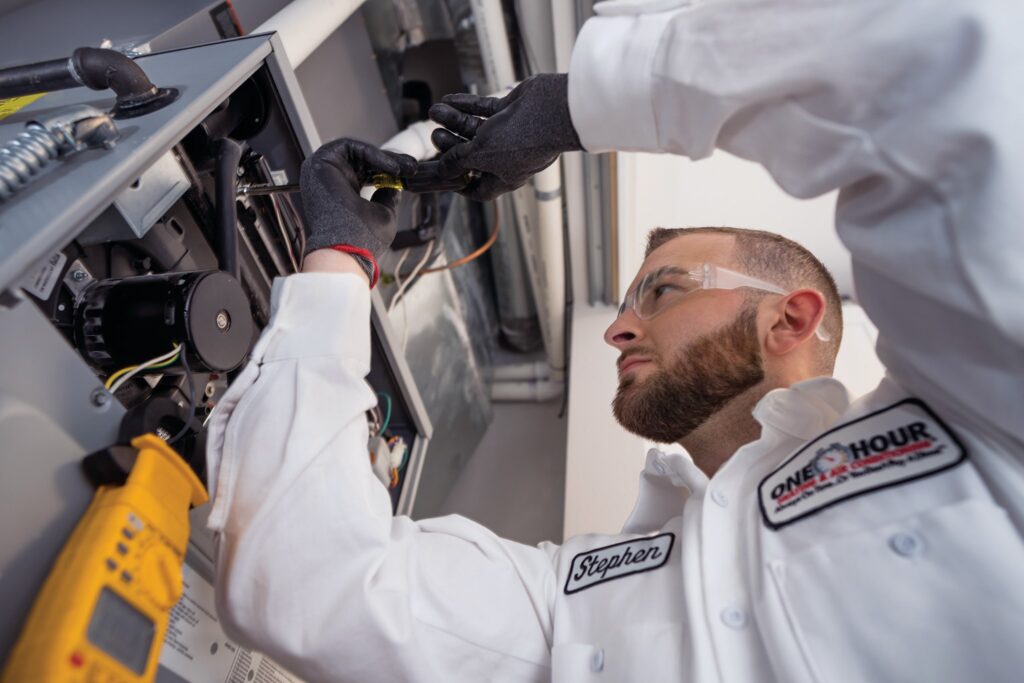
Heat Rise Measurement Confirms System Health
One essential step in ensuring this is performing a heat rise measurement. This process checks the temperature difference across your furnace to confirm it’s working as it should. Homeowners in Colleyville, TX, and Watauga, TX, can benefit from understanding why this matters.
A heat rise measurement helps HVAC professionals validate proper airflow within your heating system. Without the right airflow, your furnace may struggle to deliver consistent warmth throughout your home. This simple test can reveal hidden issues before they become bigger problems. Regular checks can help maintain comfort and extend the life of your equipment.
Many homeowners overlook the importance of a heat rise measurement during routine maintenance. However, it plays a crucial role in confirming your system’s health and efficiency. By monitoring temperature differences, technicians can spot early warning signs of airflow restrictions. This proactive approach supports reliable performance throughout the colder months.
If you want peace of mind about your furnace’s operation, consider the benefits of a professional heat rise measurement. It’s a straightforward way to keep your system running smoothly all season long. With the right care, your heating system will provide steady comfort for your family. Trust local experts to ensure your home stays warm and inviting, no matter the weather.

Understanding Heat Rise in HVAC Systems
A heat rise measurement checks the difference between the supply and return air temperatures in your furnace. This test helps HVAC technicians ensure your system is moving air as designed. When airflow is restricted, your furnace may overheat or fail to heat your home evenly. Regular checks help maintain comfort and prevent unnecessary strain on your equipment.
During a heat rise measurement, a technician uses a thermometer to record the temperature before and after air passes through the furnace. The difference between these readings is the “heat rise.” Each furnace has a recommended heat rise range set by the manufacturer. Staying within this range confirms your system is working efficiently and safely.
If the heat rise measurement is too high, it may signal a clogged filter or blocked vent. Low readings could mean the blower is running too fast or there are leaks in the ductwork. Both issues can lead to uneven heating and reduced comfort in your home. Addressing these problems early helps keep your system reliable through the winter.
Homeowners in Colleyville, TX, and Watauga, TX, can benefit from understanding how heat rise measurement impacts furnace performance. This knowledge empowers you to ask the right questions during maintenance visits. Keeping your furnace within the proper heat rise range supports a comfortable and healthy home environment. Trusting a professional ensures your heating system delivers warmth when you need it most.
Why Heat Rise Measurement Matters
Heat rise measurement plays a key role in protecting your furnace from potential damage. By tracking the temperature difference, technicians can spot airflow problems before they affect system performance. This approach helps prevent overheating, which can shorten your furnace’s lifespan. Regular monitoring ensures your equipment operates safely and efficiently.
Consistent heat rise measurement also supports better indoor air quality. When airflow is balanced, your furnace filters and circulates air as designed. This helps reduce dust and allergens, making your home more comfortable for everyone. Families in Watauga, TX, benefit from improved air and even heating throughout the season.
A properly performed heat rise measurement gives you confidence in your heating system’s reliability. Knowing your furnace is working within the recommended range brings peace of mind during cold weather. Early detection of issues allows for quick fixes, avoiding unexpected breakdowns. This simple test helps maintain warmth and comfort in your home.
Homeowners in Colleyville, TX, appreciate the value of regular heat rise measurement as part of routine furnace maintenance. It’s an easy way to confirm your system is ready for winter’s demands. Trusting trained professionals ensures accurate results and long-lasting performance. With routine checks, your furnace will deliver steady, dependable heat all season.
Tools Needed for Heat Rise Measurement
Performing a heat rise measurement requires a few essential tools to ensure accurate results. A reliable digital thermometer is the primary instrument used by HVAC professionals. This tool measures the temperature at both the supply and return air ducts. Accurate readings help confirm your furnace is operating within the recommended heat rise range.
Technicians also use a flashlight to inspect ductwork and furnace components during the process. This allows them to spot any visible blockages or issues that could affect airflow. A clean filter is important before testing, as a dirty filter can skew results. Proper preparation ensures the heat rise measurement reflects true system performance.
In Colleyville, TX, HVAC experts may use additional tools like a notepad or mobile device to record temperature readings. Keeping detailed records helps track system health over time and identify patterns. This organized approach supports ongoing maintenance and reliable furnace operation. Consistent documentation makes it easier to address any changes quickly.
Watauga, TX, homeowners benefit from professionals who bring the right equipment for every service visit. Using the correct tools ensures each heat rise measurement is both safe and effective. Technicians can quickly identify and resolve airflow issues with these tools on hand. This attention to detail helps keep your home comfortable all season long.
Step-by-Step Guide to Measuring Heat Rise
To begin a heat rise measurement, a technician first ensures the furnace is running and the filter is clean. They locate the return and supply air ducts, which are key points for taking temperature readings. Using a digital thermometer, the technician measures the air temperature at the return duct. This reading represents the air entering the furnace before it is heated.
Next, the technician measures the temperature at the supply duct, where heated air exits the furnace. It’s important to take this reading several feet away from the furnace to avoid hot spots. With both temperatures recorded, the technician calculates the difference between them. This difference is the actual heat rise measurement for your system.
The technician compares the measured heat rise to the manufacturer’s recommended range for your specific furnace model. If the result falls outside this range, it signals a possible airflow issue or system imbalance. The technician will then inspect for blockages, dirty filters, or blower problems. Addressing these issues helps restore proper furnace function and keeps your home comfortable.
Homeowners in Colleyville, TX, and Watauga, TX, benefit from this careful process during routine maintenance. Regular heat rise measurement checks help catch small problems before they grow. This step-by-step approach supports reliable heating performance throughout the season. Trusting skilled professionals ensures your furnace delivers consistent warmth and peace of mind.
Interpreting Heat Rise Measurement Results
Interpreting the results of a heat rise measurement is key to understanding your furnace’s performance. When the measured heat rise falls within the manufacturer’s recommended range, your system is running as it should. This means airflow is balanced, and your furnace is delivering steady, even heat throughout your home. Consistent results indicate your equipment is healthy and ready for colder weather.
If the heat rise measurement is higher than recommended, it often points to restricted airflow or a blocked filter. This can cause your furnace to overheat, putting extra stress on system components. Technicians will check for dirty filters, closed vents, or duct obstructions that may be causing the problem. Addressing these issues promptly helps restore safe and efficient operation.
A low heat rise measurement suggests your furnace may be moving air too quickly or losing heat through leaks. This can lead to uneven heating and reduced comfort in your living spaces. Technicians will inspect the blower speed and ductwork to identify any leaks or imbalances. Making the right adjustments keeps your home warm and energy-efficient.
Homeowners in Colleyville, TX, and Watauga, TX, can rely on professional interpretation of heat rise measurement results. Skilled technicians use these findings to recommend targeted solutions for your system. Regular analysis ensures your furnace continues to perform at its best. With expert care, your home stays comfortable and inviting all winter long.
Common Issues Revealed by Heat Rise Measurement
A heat rise measurement often uncovers common furnace issues that might go unnoticed during regular operation. One frequent problem is a dirty or clogged air filter, which restricts airflow and raises the heat rise above safe levels. This can cause your furnace to work harder, increasing wear on system components. Addressing filter issues early helps maintain steady and efficient heating.
Another issue revealed by heat rise measurement is blocked or closed vents within your ductwork. When airflow is restricted, certain rooms may feel colder, and your system struggles to heat your home evenly. Technicians can quickly identify these blockages and restore proper airflow. This ensures every area receives consistent warmth throughout the season.
Leaky ductwork is also a concern that heat rise measurement can highlight. If your system loses heated air through gaps or cracks, the measured heat rise may fall below the recommended range. This leads to uneven heating and increased strain on your furnace. Sealing ducts helps retain heat and improves overall comfort in your living spaces.
In Colleyville, TX, and Watauga, TX, homeowners benefit from regular heat rise measurement as part of routine maintenance. Skilled technicians use these results to pinpoint airflow problems and recommend effective solutions. By addressing issues early, you help extend your furnace’s lifespan and avoid unexpected breakdowns. Reliable heating starts with a thorough understanding of your system’s performance.
How Proper Airflow Impacts Furnace Performance
Proper airflow is essential for your furnace to deliver consistent heat throughout your home. When airflow is balanced, every room receives steady warmth, and your system runs efficiently. A heat rise measurement confirms that your furnace is moving air as designed. This helps prevent uneven temperatures and keeps your living spaces comfortable during colder months.
Restricted airflow can cause your furnace to work harder and overheat, leading to unnecessary wear on vital components. By performing a heat rise measurement, technicians can quickly spot these issues and recommend solutions. Addressing airflow problems protects your system from damage and supports long-term performance. Reliable airflow also helps maintain a healthy indoor environment for your family.
Leaky or blocked ductwork can disrupt airflow and reduce your furnace’s ability to heat your home evenly. A heat rise measurement will reveal if heated air is escaping or not reaching every room. Technicians in Colleyville, TX, use this information to seal leaks and clear obstructions. These steps restore balanced airflow and improve overall comfort in your home.
Proper airflow also helps your furnace filter and circulate air more effectively, supporting better indoor air quality. When your system operates within the recommended heat rise range, it can trap dust and allergens more efficiently. Homeowners in Watauga, TX, benefit from cleaner air and reliable heating all season. Regular heat rise measurement ensures your furnace continues to perform at its best.

When to Call a Professional for Heat Rise Concerns
Knowing when to contact a professional for heat rise measurement concerns can make a big difference in your home’s comfort and safety. If you notice uneven heating, frequent cycling, or unusual furnace noises, it’s time to seek expert help. These signs often point to airflow problems or hidden issues within your heating system. A trained technician can diagnose and resolve these concerns quickly.
Homeowners in Colleyville, TX, should contact a professional if their furnace struggles to maintain consistent temperatures. DIY attempts may miss subtle issues that only a thorough heat rise measurement can reveal. Professionals use specialized tools and experience to ensure your system operates within the recommended range. This helps protect your furnace and maintain reliable performance all season.
If you live in Watauga, TX, and experience cold spots or reduced airflow, a heat rise measurement can pinpoint the cause. Technicians can identify blocked vents, dirty filters, or duct leaks that disrupt your comfort. By addressing these issues early, you avoid unnecessary strain on your heating system. Timely service also helps extend the life of your equipment.
Scheduling regular maintenance with a qualified HVAC professional ensures your furnace stays in top condition. Experts perform accurate heat rise measurement checks and make targeted adjustments as needed. This proactive approach keeps your home warm and your system running efficiently. Trusting a professional gives you peace of mind during the colder months.
Frequently Asked Questions
What is heat rise measurement in HVAC systems?
Heat rise measurement in HVAC systems checks the temperature difference between the air entering and leaving the furnace. This process helps confirm proper airflow and ensures your heating system runs efficiently. Technicians use heat rise measurement to identify potential issues affecting comfort or performance. Regular checks help maintain system health and support consistent indoor temperatures throughout your home.
How does heat rise measurement confirm system health?
Heat rise measurement confirms system health by showing if your furnace heats air within the recommended range. Consistent readings indicate proper airflow and balanced performance throughout the system. Deviations in heat rise measurement may reveal airflow restrictions or component issues needing attention. Regular checks help prevent breakdowns and keep your home comfortable all season.
Why is monitoring temperature changes important for equipment?
Monitoring temperature changes helps protect your equipment from overheating and unnecessary wear. Heat rise measurement ensures your system operates within safe temperature limits every cycle. By tracking these changes, technicians can spot airflow problems or failing parts early. Consistent monitoring supports reliable performance and extends the life of your heating equipment.
What tools are needed for accurate heat rise measurement?
Technicians use a reliable thermometer or temperature probe to perform a precise heat rise measurement on your furnace. Accurate readings depend on placing the tool before and after the heat exchanger during operation. Some professionals also use an airflow meter to confirm proper system function. These tools help ensure your heat rise measurement reflects true furnace performance and supports long-term system health.
How often should system heat rise be checked for maintenance?
Heat rise measurement should be checked at least once a year during routine furnace maintenance by a qualified technician. Regular annual checks help catch airflow or performance issues before they affect your comfort. If you notice uneven heating or airflow problems, request a heat rise measurement sooner. Consistent testing keeps your system efficient and supports reliable operation throughout the heating season.