

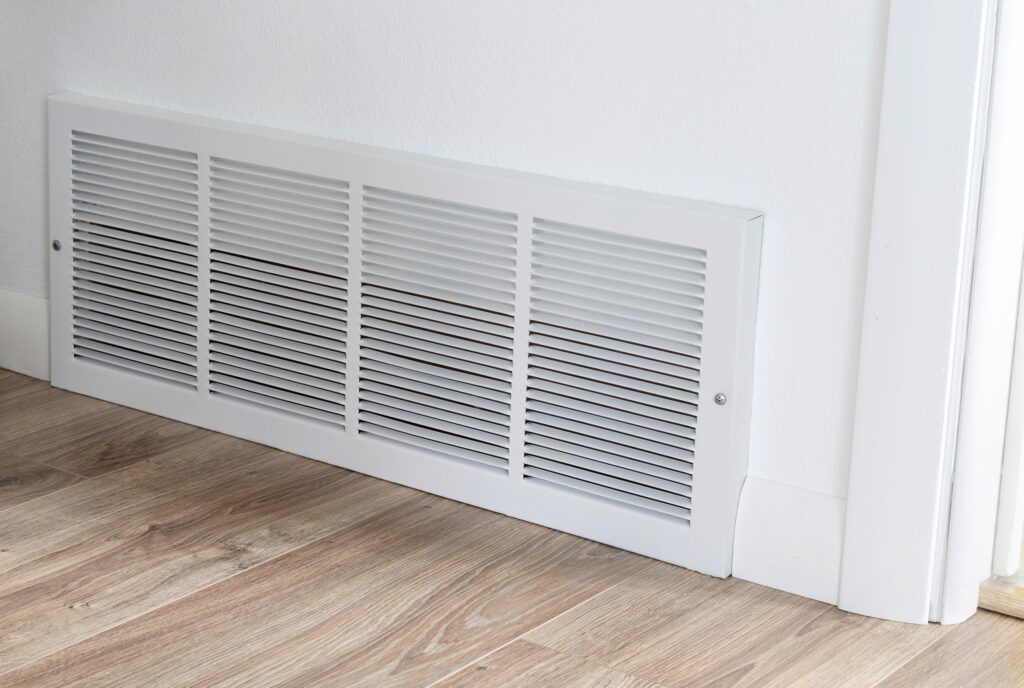
Return air sizing for quiet efficient airflow
When it comes to maintaining a comfortable home environment, return air sizing plays a pivotal role. This process ensures that air circulates efficiently, keeping noise levels down and stabilizing room temperatures. For residents in Fort Worth, TX, understanding the importance of this aspect can make a significant difference in their home’s comfort and energy efficiency. Properly sized return air paths are essential for achieving a quiet, pleasant living space.
In areas like Bedford, TX, where temperatures can vary widely throughout the year, the right return air sizing becomes even more critical. It’s not just about comfort; it’s also about ensuring your heating and cooling systems work as efficiently as possible. Without the correct sizing, systems can strain, leading to unnecessary noise and uneven temperatures across different rooms. This highlights the need for expert guidance in achieving optimal airflow.
Azle, TX, homeowners also stand to benefit greatly from understanding and implementing the right return air sizing. The process involves calculating the appropriate path size to ensure that air moves smoothly and quietly back to your HVAC system. This is crucial for extending the life of your system and avoiding frequent repairs. A well-sized return air path can significantly enhance the quality of your indoor air, contributing to a healthier home environment.
Ultimately, the goal of return air sizing is to create a harmonious balance between efficiency and comfort. By ensuring that your HVAC system receives the right amount of air for heating and cooling, you can enjoy a quieter home with more stable temperatures. Whether you’re in Fort Worth, Bedford, or Azle, the benefits of proper return air sizing are clear. It’s a key step in optimizing your home’s heating and cooling systems for peak performance.
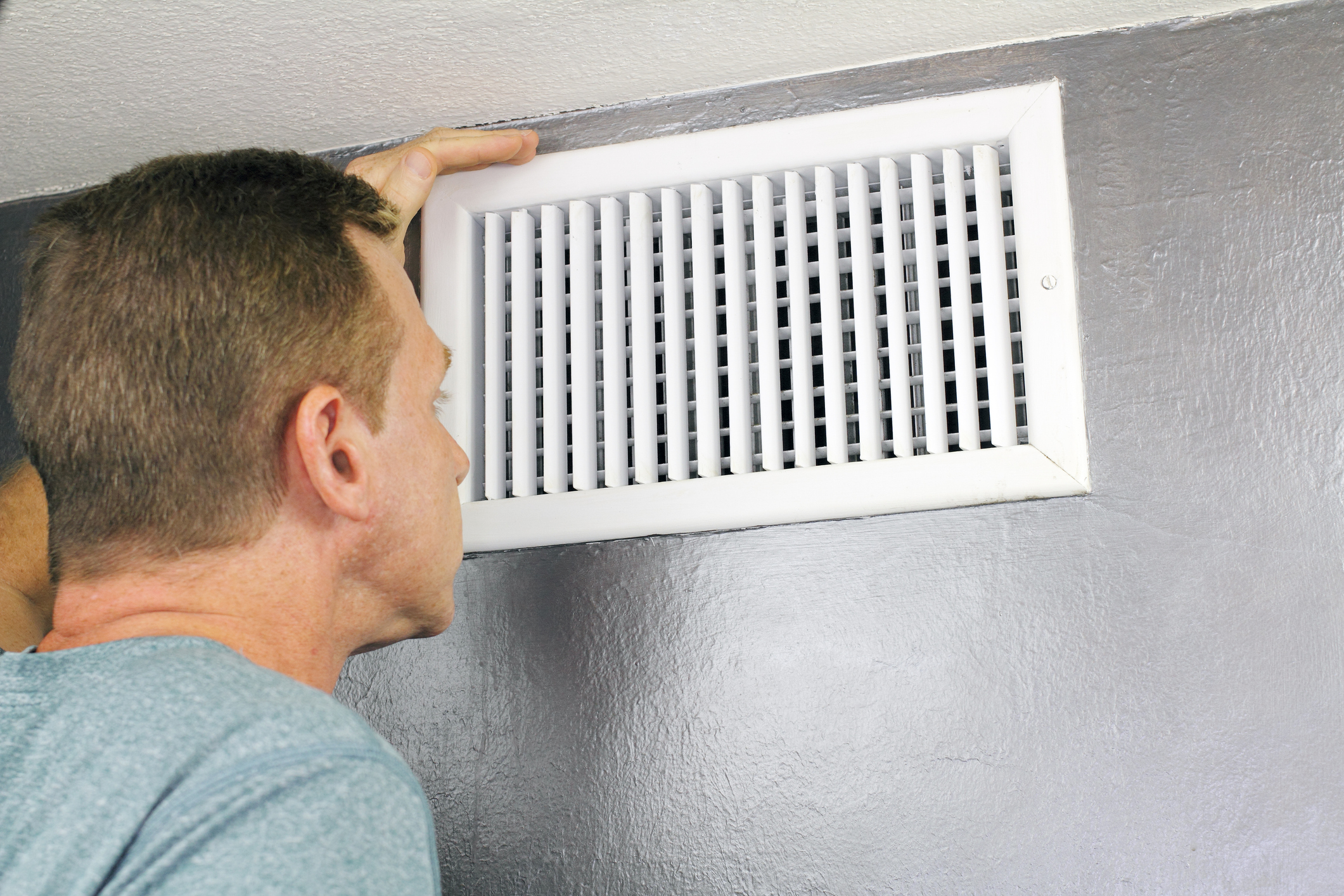
The Basics of Return Air Sizing
Understanding return air sizing begins with knowing what it is and its impact on your HVAC system. Essentially, it’s the process of determining the correct path size for air to return to your HVAC unit. This ensures that air flows efficiently throughout your home. When done right, it helps maintain a quiet and comfortable living space.
In Bedford, TX, homeowners should be aware that not all homes have the same requirements for return air paths. Various factors, such as the size of the house and the efficiency of the HVAC system, play a role. A professional can assess these factors and recommend the optimal sizing. This personalized approach guarantees that your system operates at its best, keeping your home comfortable year-round.
For those in Azle, TX, it’s important to note that improper return air sizing can lead to several issues. These include increased noise levels, reduced system efficiency, and uneven heating or cooling. By ensuring your return air paths are correctly sized, you can avoid these problems. This not only makes your home more pleasant but also helps in prolonging the life of your HVAC system.
Lastly, the benefits of proper return air sizing extend beyond just noise reduction and temperature stabilization. It also plays a crucial role in improving air quality and reducing energy consumption. With the right size, your system doesn’t have to work as hard to circulate air. This means you can enjoy a healthier indoor environment while saving on energy costs.
Identifying Signs of Improper Air Return Sizing
Identifying when your home’s return air sizing isn’t up to par is crucial for maintaining a comfortable and efficient living environment. If you notice your HVAC system is noisier than usual, it might be a sign that the return air paths are too small, forcing the system to work harder. This can lead to increased wear and tear on your system, especially in places like Bedford, TX, where the weather demands a lot from heating and cooling systems. Paying attention to these noises can save you from bigger issues down the line.
Another telltale sign is experiencing uneven temperatures in different rooms of your home. If some rooms are too hot while others are too cold, it could indicate that the return air paths are not correctly sized for your house. This imbalance forces your HVAC system to compensate, often leading to inefficiency and discomfort. Residents of Azle, TX, might particularly notice this issue due to the area’s varying climate conditions throughout the year.
Additionally, a significant increase in dust and allergens in your home could suggest inadequate return air sizing. When air doesn’t circulate properly, it can’t pass through the HVAC system’s filters effectively. This means more dust, pollen, and other allergens might circulate in your home, impacting the air quality. Keeping an eye on the cleanliness of your indoor air can help identify if there’s an issue with your return air paths.
Lastly, if your energy bills are creeping up without a clear reason, it might be time to check your return air sizing. An inefficiently sized system requires more energy to heat or cool your home, leading to higher costs. Recognizing these signs early can help ensure your HVAC system is properly sized, enhancing comfort and efficiency in your home. Being proactive in identifying these issues can lead to a more pleasant and cost-effective living environment.
How Return Air Sizing Influences Noise Levels
Understanding the influence of return air sizing on noise levels is essential for maintaining a peaceful home environment. When return air paths are correctly sized, your HVAC system operates more quietly. This is because the air flows smoothly, without forcing the system to work harder than necessary. In Bedford, TX, where quiet living is highly valued, ensuring your return air paths are properly sized can make a significant difference in your home’s ambiance.
In Azle, TX, residents can also appreciate the benefits of optimal return air sizing. Proper sizing not only reduces noise but also enhances the efficiency of your HVAC system. This means that your heating and cooling units can perform their best without unnecessary strain. As a result, you can enjoy a more comfortable and serene home environment throughout the changing seasons.
Another key aspect of return air sizing is its role in preventing the system from overworking. An overworked system can produce more noise, disrupting the tranquility of your home. By ensuring that the return air paths are not too small, you can avoid this issue. This proactive approach helps in maintaining a quiet and efficient HVAC system, contributing to a more pleasant living space.
Lastly, the right return air sizing contributes to the overall well-being of your HVAC system. It allows for efficient airflow, which in turn, minimizes noise levels and maximizes performance. Whether you’re in Fort Worth, Bedford, or Azle, understanding and implementing proper return air sizing is key. It ensures that your heating and cooling systems provide comfort quietly and efficiently, making your home a more enjoyable place to live.
Calculating the Correct Size for Your Return Air Path
Calculating the correct size for your return air path is a precise task that requires careful consideration of several factors. First, it’s essential to assess the total square footage of your living space. This initial step ensures that the return air sizing aligns with the size of your home, promoting efficient airflow. In Bedford, TX, where homes vary in size, this tailored approach guarantees that each residence achieves optimal comfort and efficiency.
Next, factor in the layout and design of your home. Homes in Azle, TX, for example, might have unique architectural features that influence air circulation. By considering these characteristics, you can determine the most effective placement and size for return air paths. This step is crucial for ensuring that air moves freely, without obstructions, back to your HVAC system.
The capacity of your HVAC system also plays a significant role in return air sizing. A system that’s too large or too small for your home won’t operate efficiently if the return air paths are not sized correctly. Ensuring a match between system capacity and return air path size helps maintain a quiet, comfortable environment. This harmony between system size and air path size is key to achieving seamless airflow.
Lastly, consulting with HVAC professionals who understand the nuances of return air sizing can make a significant difference. These experts can provide insights specific to your home’s needs, ensuring that your HVAC system operates at its best. Whether you’re in Bedford or Azle, professional guidance can help you navigate the complexities of return air sizing, resulting in a more efficient, quieter home environment.
The Role of Return Air in Stabilizing Room Temperatures
Return air sizing plays a crucial role in stabilizing room temperatures across your home. By ensuring the paths are correctly sized, air circulates more evenly, preventing hot or cold spots. In Bedford, TX, this means your living spaces remain comfortable, regardless of the season. Proper sizing ensures that each room reaches the desired temperature efficiently and stays there.
In Azle, TX, residents understand the discomfort of fluctuating room temperatures. Correct return air sizing eliminates this issue by facilitating consistent airflow. This consistency helps maintain a steady temperature throughout your home. As a result, you enjoy a more uniform and pleasant indoor climate year-round.
Another benefit of optimal return air sizing is its ability to enhance the overall efficiency of your HVAC system. When air moves freely and efficiently, your system doesn’t have to overwork to heat or cool your home. This efficiency not only stabilizes room temperatures but also contributes to the longevity of your HVAC system. It’s a win-win for homeowners seeking comfort and durability.
Lastly, achieving the right balance in return air sizing can significantly improve your home’s energy efficiency. Efficient airflow means your system uses less energy to maintain comfortable temperatures. This efficient operation is especially important in areas like Bedford and Azle, where the weather can change dramatically. Homeowners can enjoy a comfortable, stable indoor environment without excessive energy use.
Installation Tips for Efficient Airflow
After understanding the critical role of return air sizing in ensuring a quiet and efficient airflow, the next step is to focus on the installation process. Proper installation is key to maximizing the benefits of correctly sized return air paths. In Bedford, TX, professionals emphasize the importance of precise installation to prevent airflow obstructions. This attention to detail ensures air moves freely, enhancing both comfort and system efficiency.
In Azle, TX, experts recommend regular checks during installation to verify that return air pathways are clear and unblocked. Ensuring these paths are properly aligned with the HVAC system’s needs promotes smoother airflow. This proactive approach minimizes the risk of noise and inefficiency, contributing to a more serene and comfortable home environment.
Another crucial installation tip involves the strategic placement of return air vents. Positioning these vents in locations that facilitate optimal air circulation can significantly impact the system’s overall performance. By allowing for the unimpeded return of air to the HVAC system, these placements ensure that air is efficiently cooled or heated, maintaining stable room temperatures throughout the home.
Lastly, it’s essential to collaborate with HVAC professionals who possess a deep understanding of return air sizing and its implications for installation. Their expertise ensures that the return air paths are not only correctly sized but also expertly installed. This combination of proper sizing and installation expertise leads to an HVAC system that operates quietly and efficiently, providing a comfortable living space year-round.
Return Air Sizing and Energy Efficiency
Return air sizing is not just about comfort; it’s also a key factor in enhancing energy efficiency in homes. By ensuring that return air paths are properly sized, HVAC systems operate more efficiently, using less energy to heat or cool a space. This is particularly important in Bedford, TX, where the climate can demand a lot from heating and cooling systems. Properly sized return paths help these systems work less strenuously, promoting energy conservation.
In Azle, TX, homeowners can see a noticeable difference in their energy consumption with correct return air sizing. When air flows smoothly and freely back to the HVAC system, it reduces the need for the system to run longer or work harder. This not only conserves energy but also contributes to a more sustainable home environment. It’s a straightforward yet effective way to support both personal comfort and environmental responsibility.
Another benefit of optimal return air sizing is the reduction in wear and tear on HVAC systems. Systems that don’t have to overcompensate for poor air flow last longer and perform better. This means that residents in areas with varying temperatures, like Bedford, TX, can rely on their systems to maintain comfort without the constant need for repairs or adjustments. The longevity of an HVAC system is greatly enhanced by ensuring it operates under the best conditions possible.
Lastly, homeowners in Azle, TX, and beyond can enjoy a more consistent and comfortable indoor climate with proper return air sizing. This approach not only makes homes more energy-efficient but also improves the overall quality of life. By focusing on the right sizing for return air paths, homeowners can achieve a balance between efficient energy use and a comfortable, healthy living space. This makes return air sizing a critical consideration for anyone looking to optimize their home’s HVAC system.
Common Mistakes in Return Air Sizing
When tackling return air sizing, a common mistake is overlooking the specific needs of a home’s layout and size. For instance, a large home in Bedford, TX, requires a different approach compared to a smaller residence. Ensuring that the sizing matches the square footage and layout prevents inefficiency and discomfort. This precision keeps air flowing smoothly, enhancing both comfort and system performance.
Another frequent error is neglecting the impact of furniture and interior design on air flow. In Azle, TX, where homes may feature diverse interior styles, it’s crucial to consider how furnishings can obstruct air paths. Proper placement of vents and furniture can significantly improve air circulation. This strategic arrangement ensures that return air paths are unblocked, optimizing the HVAC system’s efficiency.
Failing to consult with HVAC professionals is also a common pitfall. Homeowners might attempt to estimate return air sizing on their own, which can lead to inaccuracies. Professional guidance ensures that the sizing is perfectly tailored to the home’s requirements. Experts bring a level of precision that significantly enhances the system’s effectiveness and longevity.
Lastly, underestimating the importance of regular maintenance for return air paths can lead to issues. Over time, dust and debris can accumulate, hindering air flow. Regular checks and cleaning are essential to maintain optimal performance. This routine care keeps the system running smoothly, ensuring that homes remain comfortable and energy-efficient.

Frequently Asked Questions
What factors affect return air sizing?
Several factors play a crucial role in determining the right return air sizing for your home. The size of your home directly influences the amount of air that needs to circulate. Additionally, the layout, including ceiling heights and room sizes, can affect airflow efficiency. The type of HVAC system you have also impacts the required return air capacity. Lastly, local climate conditions dictate the amount of air handling needed to maintain comfortable indoor temperatures.
How does return air sizing improve efficiency?
Correct return air sizing ensures your HVAC system works efficiently. It allows for optimal airflow, reducing the strain on your system. This balance helps maintain even room temperatures throughout your home. As a result, you enjoy a quieter operation and enhanced comfort.
What are common mistakes in sizing?
A common mistake in return air sizing is not considering the unique layout of a home. Many people underestimate the impact of high ceilings on airflow needs. Others forget to account for the number of rooms, which can lead to inefficient air circulation. These oversights result in noisy systems and uneven temperatures, detracting from home comfort.
How to calculate the right size for return air?
Calculating the right return air sizing involves understanding your home’s layout and HVAC system requirements. First, assess the total square footage of your space. Then, factor in the unique characteristics, like ceiling height and room distribution, that influence airflow. Professionals often use these details to determine the optimal size, ensuring efficient and quiet heating and cooling.
Can return air sizing reduce noise levels?
Absolutely, proper return air sizing can significantly reduce noise levels in your home. When the system is correctly sized, it minimizes the strain on your HVAC, leading to quieter operation. This ensures air flows smoothly and efficiently through your ducts, cutting down on any rattling or whistling sounds. Ultimately, it enhances your comfort by providing a serene and evenly tempered environment.