

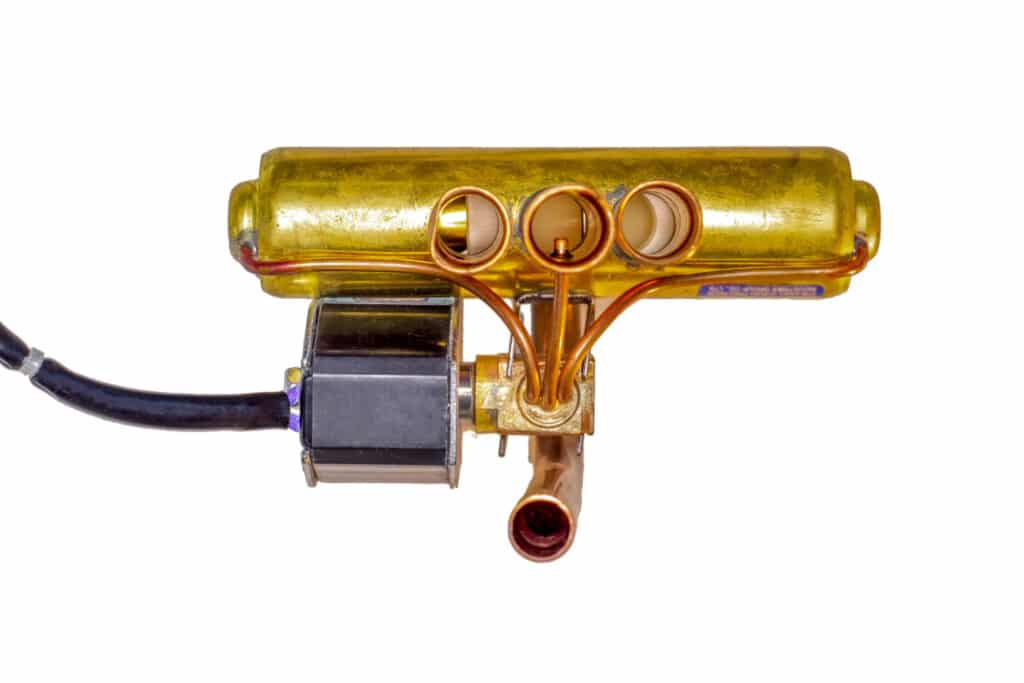
How a Reversing Valve Heat Pump Works
A reversing valve heat pump stands out as a versatile solution, adept at switching between heating and cooling to ensure year-round comfort. This innovative system relies on a crucial component: the reversing valve. Its ability to change the direction of refrigerant flow allows the system to adapt to the needs of every season.
Understanding how a reversing valve heat pump works can demystify the process behind your home’s temperature regulation. At its core, the reversing valve is what dictates whether your system is in heating or cooling mode. This switch is essential for residents in Arlington, TX, and surrounding areas, where weather patterns can shift unexpectedly. Knowing the role of this vital component can enhance your appreciation for the technology that keeps your home comfortable.
However, like any sophisticated piece of equipment, a reversing valve heat pump can experience failures. These issues often stem from the reversing valve itself, which, if malfunctioning, can disrupt the system’s ability to properly heat or cool your home. Identifying signs of trouble early can prevent discomfort and ensure your system operates efficiently, regardless of the season.
In conclusion, the reversing valve is the heart of a heat pump system, seamlessly transitioning it between heating and cooling modes. Its operation is crucial for maintaining an ideal home environment, especially in areas with fluctuating temperatures. By understanding how this component works and its impact on your heat pump’s performance, you can better appreciate the technology that makes modern living more comfortable.
Understanding the Basics of a Reversing Valve Heat Pump
A reversing valve heat pump operates efficiently by directing the flow of refrigerant. This flow determines whether your home in Trophy Club enjoys warmth or coolness. At the heart of this system, the reversing valve acts on a simple command, shifting the refrigerant’s direction to suit the desired temperature setting. This flexibility makes it a preferred choice for many homeowners seeking year-round comfort.
When the system needs to switch from cooling to heating, or vice versa, the reversing valve receives a signal from the thermostat. This signal prompts the valve to change positions, redirecting the refrigerant flow accordingly. Such a seamless transition ensures that residents in Arlington, TX, can enjoy consistent indoor temperatures, even when outdoor conditions are unpredictable.
However, the reversing valve’s efficiency can be compromised if it starts to fail. Symptoms of a malfunctioning valve include the inability to switch between heating and cooling modes, leading to discomfort. Early detection of these signs is crucial for maintaining the system’s performance. Homeowners should stay attentive to their heat pump’s operation to catch issues before they escalate.
In conclusion, the reversing valve is a vital component of a reversing valve heat pump, ensuring the system meets the heating and cooling demands of your home. Its proper functioning is essential for achieving optimal comfort and system efficiency. By understanding how this component works, homeowners can better appreciate the technology that keeps their living spaces comfortable throughout the year.
The Role of the Reversing Valve in Seasonal Comfort
The reversing valve in a heat pump plays a pivotal role in ensuring seasonal comfort for homeowners in Trophy Club and beyond. By flipping the flow of refrigerant, it allows the system to switch between heating and cooling with ease. This versatility is crucial in areas like Arlington, TX, where temperatures can swing dramatically between seasons. Ensuring your home remains a haven of comfort, regardless of the weather outside, hinges on this component’s seamless operation.
As winter turns to spring or summer fades to fall, the reversing valve heat pump adjusts to meet the changing needs of your home. With just a simple signal from the thermostat, it transitions from warming to cooling your living space, or vice versa. This adaptability is what makes the heat pump a smart choice for maintaining consistent indoor temperatures year-round. Residents can thus enjoy a comfortable home environment, no matter the season.
However, the importance of a well-functioning reversing valve cannot be overstated. Should it begin to fail, the ability of the heat pump to switch modes is compromised, affecting comfort levels. Homeowners should be vigilant, listening for signs that the system struggles to change from heating to cooling. Catching and addressing these issues early helps ensure the heat pump continues to provide reliable service through all seasons.
In essence, the reversing valve is the cornerstone of a heat pump’s ability to provide seasonal comfort. Its proper functioning is key to the system’s efficiency and the comfort it delivers. By understanding the role this vital component plays, homeowners can better appreciate the sophisticated operation of their reversing valve heat pump. This knowledge is crucial for ensuring their living spaces remain welcoming and comfortable, regardless of the time of year.
How the Reversing Valve Switches Modes
Understanding the mechanism behind how the reversing valve switches modes in a heat pump is key to appreciating its efficiency and functionality. When the thermostat in a home sends a signal based on the desired temperature, the reversing valve activates. This action shifts the flow of refrigerant inside the heat pump, enabling the system to switch from cooling to heating or vice versa. This process is essential for maintaining a comfortable indoor environment in places like Trophy Club, where seasonal temperatures can vary widely.
The design of the reversing valve is such that it can respond quickly to changes in the thermostat settings. This responsiveness ensures that the transition between heating and cooling is smooth and immediate, minimizing any discomfort for the residents. In Arlington, TX, where weather conditions can change abruptly, this feature of the reversing valve heat pump proves particularly beneficial, keeping homes comfortable regardless of the outdoor temperature.
However, the functionality of the reversing valve is not infallible. Over time, wear and tear or other mechanical issues can affect its ability to switch modes efficiently. When the valve struggles to change the direction of the refrigerant flow, the heat pump may fail to properly heat or cool the home. Recognizing the early signs of such issues is crucial for preventing prolonged discomfort and ensuring the system remains operational.
In conclusion, the reversing valve is a critical component of a heat pump, enabling it to meet the heating and cooling needs of a home effectively. Its ability to switch modes seamlessly is what makes the reversing valve heat pump a versatile and reliable choice for year-round comfort. Homeowners should be aware of the importance of this component and attentive to any signs of malfunction, to maintain the optimal performance of their heat pump system.

Key Components Supporting the Reversing Valve Heat Pump
Beyond the reversing valve, a reversing valve heat pump comprises several key components that work together to ensure efficient operation. The compressor, for instance, plays a crucial role by pressurizing the refrigerant, preparing it for the heat exchange process. This component’s effectiveness directly influences the system’s ability to provide heating or cooling. In Trophy Club, where temperatures can vary, the compressor’s performance is vital for consistent home comfort.
Another essential part of the system is the evaporator coil, which absorbs heat from the indoor air when in cooling mode. Conversely, it releases heat into the home when the pump is set to heating mode. This dual functionality underscores the versatility of the reversing valve heat pump, making it an ideal choice for Arlington, TX, residents who experience diverse weather conditions throughout the year.
The condenser coil also plays a pivotal role, acting oppositely to the evaporator coil depending on the mode of operation. In heating mode, it expels heat outside the home, while in cooling mode, it releases absorbed heat from the indoors. This component’s efficient operation is crucial for maintaining the desired temperature within the home, ensuring comfort regardless of the season.
Lastly, the expansion valve adjusts the refrigerant flow, controlling its pressure as it moves between the evaporator and condenser coils. This regulation is critical for the system’s overall efficiency, impacting both heating and cooling effectiveness. Homeowners should understand these components’ functions to appreciate their reversing valve heat pump’s sophisticated operation fully, ensuring their living space remains a haven of comfort year-round.
Common Reasons for Reversing Valve Failures
Understanding the reasons behind reversing valve failures in a reversing valve heat pump can help homeowners in Trophy Club prevent common issues. One frequent cause is a solenoid failure, which prevents the valve from receiving the electrical signal needed to switch modes. This failure can lead to the system being stuck in either heating or cooling mode, affecting comfort. Early detection of solenoid issues can save homeowners from experiencing inconsistent indoor temperatures.
Another common problem is contamination within the refrigerant system, which can hinder the reversing valve’s operation. Debris or dirt can obstruct the valve’s movement, preventing it from shifting correctly between heating and cooling. Residents in Arlington, TX, should ensure regular maintenance to keep their system clean and functional. Keeping the refrigerant system free of contaminants is crucial for the reversing valve’s reliability.
Wear and tear is also a natural contributor to reversing valve malfunctions. Over time, the mechanical parts of the valve may wear down, affecting its ability to switch modes efficiently. Regular check-ups can identify wear and tear early, allowing for timely repairs. This maintenance ensures that the reversing valve heat pump continues to provide optimal comfort throughout the year.
Lastly, improper installation can lead to reversing valve failures. If the reversing valve is not correctly installed, it may not function as intended, leading to operational issues. Homeowners should ensure that their reversing valve heat pump is installed by a professional to avoid such problems. Proper installation and maintenance are key to ensuring the system’s longevity and performance.
The Impact of a Faulty Reversing Valve on Performance
A faulty reversing valve in a reversing valve heat pump significantly impacts its performance, leading to inefficient heating and cooling. When the valve malfunctions, it struggles to switch the flow of refrigerant, causing the system to underperform. This inefficiency can leave homes in Trophy Club less comfortable during extreme weather. Regular checks can identify issues early, ensuring the system operates smoothly.
In Arlington, TX, where temperatures fluctuate, a well-functioning reversing valve is crucial for maintaining consistent indoor climates. A compromised valve not only affects comfort but also strains the heat pump, potentially shortening its lifespan. Homeowners should be vigilant, listening for unusual noises or observing inconsistent temperatures, which might indicate a problem. Prompt attention to these signs can prevent larger issues.
Moreover, a reversing valve heat pump with a faulty valve might consume more energy as it attempts to maintain the desired temperature. This increased energy usage can lead to higher utility bills, adding an unnecessary financial burden. Ensuring the reversing valve operates correctly is key to keeping energy consumption in check. Regular maintenance is a proactive step toward energy efficiency.
Lastly, the overall reliability of the heat pump system hinges on the condition of the reversing valve. A system that frequently fails to provide adequate heating or cooling can disrupt daily life. Residents in both Trophy Club and Arlington, TX, depend on their heat pumps for year-round comfort. Keeping the reversing valve in optimal condition is essential for dependable home temperature control.
Maintaining Your Reversing Valve Heat Pump for Longevity
Maintaining your reversing valve heat pump is essential for ensuring its longevity and reliability. Regular maintenance checks can identify potential issues before they escalate, keeping the system running smoothly. For homeowners in Trophy Club, scheduling seasonal inspections can help prevent the common pitfalls that affect heat pump performance. By staying proactive, you can enjoy consistent comfort in your home throughout the year.
In Arlington, TX, the fluctuating weather demands a lot from your heat pump. Ensuring the reversing valve functions properly is crucial for adapting to these changes efficiently. A well-maintained reversing valve ensures that your system switches between heating and cooling without a hitch. This not only keeps your home comfortable but also supports the overall health of your heat pump.
Another key aspect of maintaining your reversing valve heat pump is listening for any unusual sounds or noting inconsistent temperatures. These could be signs that the reversing valve or another component may need attention. Addressing these signs early can save you from more significant issues down the line, ensuring your system remains effective and efficient.
Lastly, understanding the importance of professional servicing cannot be overstated. Having a qualified technician inspect and service your reversing valve heat pump can make a world of difference in its operation. They can catch issues that might not be obvious to the untrained eye, providing peace of mind and extending the life of your system.
When to Call a Professional for Your Heat Pump
Knowing when to call a professional for issues with your reversing valve heat pump is crucial for homeowners in Trophy Club. If you notice your system struggles to switch between heating and cooling, it’s time to seek expert help. Professionals have the tools and knowledge to diagnose and fix problems efficiently. This ensures your heat pump operates optimally, providing comfort without interruption.
In Arlington, TX, where weather conditions can change rapidly, a malfunctioning heat pump can quickly affect your home’s comfort. If your system makes unusual noises or fails to maintain consistent temperatures, these are signs that something is amiss. A trained technician can identify whether the reversing valve or another component is at fault. Prompt professional intervention can prevent minor issues from becoming major headaches.
Regular maintenance by a professional can also extend the lifespan of your reversing valve heat pump. Technicians can spot early signs of wear and tear that homeowners might miss. By addressing these issues early, you can avoid unexpected breakdowns. Regular servicing ensures your system remains reliable year-round, keeping your home comfortable in both summer and winter.
Lastly, professionals can offer invaluable advice on maintaining your heat pump’s efficiency. They can recommend best practices for operation and care, tailored to your specific system. This guidance can help you get the most out of your reversing valve heat pump. Trusting a professional with your heat pump maintenance guarantees peace of mind and optimal system performance.

Frequently Asked Questions
What is a Reversing Valve Heat Pump?
A reversing valve heat pump is a versatile system that efficiently heats and cools a home by switching modes. This key component, the reversing valve, directs refrigerant flow to alternate between heating and cooling. Its operation is crucial for year-round comfort, seamlessly adapting to the changing seasons. Failures in this system can disrupt this balance, affecting both performance and indoor climate.
How does a heat pump switch modes?
A reversing valve heat pump switches modes through the movement of a reversing valve. This valve changes the direction of refrigerant flow, enabling the system to alternate between heating and cooling. The switch is controlled by the thermostat based on the indoor temperature needs. This process ensures your home remains comfortable throughout the year, regardless of the season.
What are the benefits of a heat pump?
A reversing valve heat pump offers impressive energy efficiency, making it a top choice for managing indoor climates. By using a single system to both heat and cool a space, it simplifies home comfort solutions. This system adjusts to seasonal changes with ease, ensuring a consistently comfortable environment. Additionally, its streamlined operation reduces the need for multiple units, enhancing overall system reliability.
When should you replace a Reversing Valve Heat Pump?
You should consider replacing your reversing valve heat pump when it fails to switch between heating and cooling modes efficiently. If you notice persistent issues with your home’s comfort levels or if the system makes unusual noises during operation, it might be time for an inspection. Regular maintenance can extend its life, but aging systems lose efficiency and effectiveness. Ultimately, a professional evaluation can determine whether repair or replacement is the best course of action for maintaining your home’s climate control.
Can heat pumps work in cold climates?
Yes, heat pumps, including those with a reversing valve, are designed to operate in cold climates. Modern units are efficient down to freezing temperatures. They extract warmth from outdoor air to heat your home, even when it feels chilly outside. For extremely cold areas, supplementary heating might be necessary to ensure comfort.