

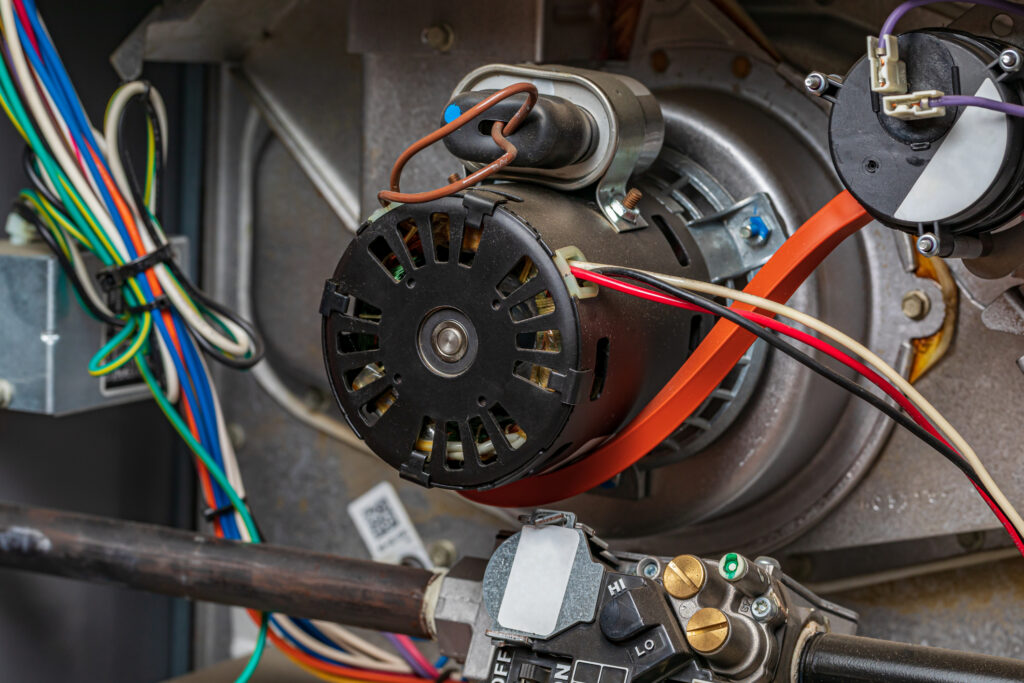
Pressure Switch Tubing Inspection and Routing
Key Takeaways About Pressure Switch Tubing
Pressure switch tubing is the small line that transmits vent pressure signals to the furnace control. This matters for homeowners and property managers when kinks leaks or moisture cause ignition failures or safety lockouts.
- Identify kinks cracks or loose fittings during a visual inspection.
- Prevent moisture buildup by routing tubing with proper high points.
- Avoid sharp edges and tight bends that cause tubing wear.
- Spot longer inducer runtimes unusual noises or repeated lockouts.
- Reduce recurrence by replacing aged tubing and securing supports.
- Plan professional testing with pressure gauges and documented readings.
Introduction
Kinks, leaks, and trapped moisture in pressure switch tubing can quietly disrupt furnace operation and safety. When tubing bends or deteriorates, the pressure switch may not sense combustion air correctly. That misreading can cause the furnace to short cycle or fail to shut down when it should. Homeowners often notice strange noises or repeated starts and stops before the underlying tubing problem gets checked.
Leaky or blocked tubing also changes how the inducer motor and pressure switch interact during ignition. If the switch sees the wrong pressure it can prevent burners from lighting or it can allow unsafe conditions to persist. Those failures raise both comfort and safety concerns for anyone using their heating system. A furnace that behaves unpredictably typically needs a technician to inspect the venting and tubing path.
Moisture inside tubing creates another set of problems by allowing corrosion and freezing in cold weather and by blocking the small bore of the tubing. Condensate can trap inside the line and produce intermittent operation that mimics electrical or control failures. Corroded fittings and tiny pinhole leaks can go unnoticed until symptoms escalate. Homeowners in Aledo, TX may find these issues show up after heavy rain or long periods of system use.
Addressing tubing issues matters because the pressure switch protects the heat exchanger and prevents unsafe combustion. Faulty sensing can increase wear on components like the inducer motor, control board, and gas valve. For properties in Fort Worth, TX a slow-developing tubing problem can mean repeated service calls and lost heating reliability. If you hear odd cycling or see soot or water near the furnace, contact a qualified HVAC technician for an inspection.

How Pressure Switch Tubing Works And Why It Matters
Pressure switch tubing is the small plastic or rubber line that carries pressure signals from the furnace vent to the pressure switch. The tubing transmits a slight vacuum or positive pressure the control board uses to confirm the inducer motor and venting are working. A common homeowner question is whether damaged tubing can stop a furnace from igniting, yes, a kink or leak can prevent burners from lighting. Proper tubing function matters because the furnace will not proceed through ignition without the correct pressure signal.
- Small bore tubing connects the inducer housing to the switch.
- Kinks change the pressure waveform inside the line.
- Leaks let outside air dilute or remove the signal.
- Moisture can collect and block the tube bore.
- Stiff or aging tubing cracks at fittings.
The pressure switch senses changes in vent pressure each time the inducer runs and when draft conditions change. If tubing is pinched or bent, the timing and amplitude of that pressure change can shift and the switch may not close. Technicians confirm this by observing the inducer motor run, watching the switch contacts, and checking tubing integrity with a visual inspection. Homeowners often notice repeated short cycles or failure to light when this sensing fails.
Routing and material matter because tubing that runs near sharp edges or tight bends will wear faster and trap condensate. Moisture that pools in low spots can freeze or hide corrosion, reducing the effective bore size. A technician will often remove sections of tubing to check for water, perform a smoke test or pressure gauge reading, and replace degraded lengths. Including pressure switch tubing checks as part of a furnace tune-up can avoid repeat service calls and extend component life for homeowners in Fort Worth, TX.
Inspecting the tubing path during routine maintenance helps prevent many common failures and clarifies next steps for repair or rerouting. For typical tune-up tasks and what technicians check, see the guide on furnace tuneup essentials. If you see visible damage, hear unusual cycling, or smell combustion byproducts, contact a qualified HVAC technician rather than attempting complex repairs yourself in Aledo, TX. A professional diagnosis will use direct observation, simple pressure checks, and documented test results to confirm the problem and recommend safe corrective actions.
Common Causes Of Kinks Leaks And Moisture
Incorrect routing is a frequent cause when pressure switch tubing develops kinks. Tubing run too close to sharp sheet metal edges or wrapped tightly around corners will crease over time. Constant vibration from the inducer motor can wear a bend into a tube where it flexes against a fit. In several inspections, technicians find tubing pinched behind panels or tucked under harnesses.
Aging and material degradation also lead to leaks and micro-cracks in pressure switch tubing. Rubber and vinyl harden after years of heat cycling, making small splits more likely at fittings and clamps. Chemical exposure from cleaning products or spilled fluids accelerates cracking near the connection points. A visual check often shows brittle sections or white stress lines where a replacement is needed.
Moisture collects when condensate drains poorly or when flue gases cool inside low spots of the tubing path. Pooling water lowers effective bore size and can cause intermittent pressure readings that confuse the control board. Freezing in cold conditions can stop the tube flow completely and produce the same symptoms as a kink. Technicians will often remove a section to reveal trapped water or use a simple moisture meter during diagnosis.
Installation errors commonly create both kinks and drainage problems at once when tubing follows a downhill slope toward the inducer. A proper slope and high point before the switch allow condensate to run back toward the inducer and away from the sensing line. For safety concerns tied to venting and sensing, homeowners should consider a heat exchanger inspection alongside tubing checks, which a professional can document and explain. Homeowners in Aledo, TX and Fort Worth, TX often avoid repeat failures by addressing these routing and material issues early.
How Kinks And Blockages Affect Furnace Operation
Kinks and blockages change the timing and strength of the pressure signal the control needs to proceed through ignition. When the switch sees a delayed rise in vacuum, the furnace can stall mid-sequence and enter safety lockout. That interrupted sequence often shows as repeated attempts to light followed by quiet pauses and then another attempt. Technicians look for this pattern when tracing intermittent start failures.
Restrictions in the tubing raise resistance to flow so the inducer motor must run longer to create the expected pressure change. Prolonged inducer runtimes increase wear on the motor and increase the chance of motor bearing failure. You might hear longer-than-normal motor noise or observe the inducer running after the burners fail to light. A professional will note run times while watching the pressure switch to confirm the symptom.
Partial blockages can produce inconsistent switch closures that mimic electrical faults or a bad control board. To diagnose, a technician will remove tubing segments, perform a smoke test or apply a handheld pressure gauge, and observe the switch contacts during an induction cycle. Recorded readings and photos often accompany the written report to show whether the tubing or the switch caused the fault. For households in Aledo, TX a documented inspection clarifies whether repeated service calls stem from tubing or another component.
Severe restrictions can also allow unsafe conditions by preventing the pressure switch from detecting a failed venting situation. A trusted technician inspects the vent system, checks tubing routing for high points that trap condensate, and tests the switch operation under load. If the furnace stops cycling normally or goes into lockout, review of these items often reveals a blocked or kinked sensing line. Homeowners in Fort Worth, TX who notice persistent start failures should have a professional confirm tubing integrity and switch behavior before using the system further.
How Moisture Enters Tubing And What To Do
Moisture usually gets into pressure switch tubing where the line drops into a low spot or loops below the inducer housing, allowing condensate to collect. Water sitting in the bore blocks airflow and can cause intermittent switch closures that mimic electrical faults. A technician will often detach a section and look for visible droplets or use a moisture meter to confirm liquid inside the tubing. If you notice a musty smell near the furnace, mention it during the inspection because it can point to trapped condensate.
- Check high and low points along the tubing path
- Look for visible water at fittings and connections
- Observe inducer run time for delayed pressure response
- Inspect tubing material for stiff or brittle sections
Another entry route is from the vent system when warm flue gases cool and condense, especially after long run cycles or sudden temperature drops outside. Condensate can then backflow into the sensing line if the route lacks a proper high point or if a trap exists incorrectly. A simple smoke test or applying a handheld pressure gauge helps professionals confirm whether the moisture is coming from the vent or forming inside the tubing. For homeowners, odd dripping sounds or wet stains near the flue pipe are useful clues to report.
To remove trapped moisture safely, a technician may remove and blow out the tubing or replace short sections with new material routed to avoid low spots. They will also check the inducer, condensate trap, and nearby condensate drain to stop recurrence. After corrective action, they record pressure readings and observe switch behavior through several cycles to ensure the problem is resolved. For related symptoms like unusual fan or motor noises during these checks, see the guide on common furnace repair noises.
In a common situation, a homeowner notices the furnace short cycling after heavy rain and calls for inspection, reporting visible water near the vent connection and longer inducer runtimes. The technician checks tubing for water, measures pressure changes with a gauge, and inspects the vent for condensation patterns that point to routing issues. They document readings and photos in a written report so the homeowner understands whether rerouting or a replacement tube section fixed the issue. Homeowners in Aledo, TX should consider scheduling a professional inspection if moisture symptoms persist despite simple fixes.
Signs Of Pressure Switch Tubing Failure To Watch
You may notice a change in burner behavior that points to a failing pressure switch tubing connection, such as longer pre-ignition inducer runs before the burners light. Another clear sign is intermittent furnace operation where the system cycles on and off unpredictably without thermostat changes. Look for steady or repeating patterns of failed ignition attempts that end in temporary lockout conditions, which indicate inconsistent pressure sensing. If these patterns appear after any service or panel removal, mention that to the technician during diagnosis.
Listen for faint hissing or whistling near the inducer area when the furnace runs, which can signal a small leak in the tubing or a loose fitting. A different symptom is a sudden absence of the usual inducer sound, paired with immediate lockout, suggesting a disconnected or collapsed tube. Technicians will often use a handheld pressure gauge and observe switch contacts while inducing a cycle to confirm whether the tubing or the switch caused the fault. Homeowners should note the timing and sound changes to help the professional narrow the issue.
Visible signs include wet streaks, crusted mineral deposits, or tiny droplets at tubing connections where condensate escaped or a pinhole leak developed. Corrosion or white crystalline residue near fittings can indicate long-term moisture exposure that weakens the tubing material. During inspection a technician might remove short sections to check for internal moisture and then record pressure readings and photos for the report. In Aledo, TX, reporting visible residues speeds up diagnosis and helps prioritize repairs during the visit.
Rapid temperature-related failures, like loss of operation on cold mornings, often mean moisture in the tube froze or stiffened the line into a partial blockage. A professional checks for this by warming the area and re-testing pressure changes across several cycles to see if the symptom clears. If the tubing path shows repeated low spots or contact with sharp edges, rerouting prevents recurrence and protects the inducer and pressure switch. For comprehensive checks of furnace safety items including tubing routing and switch operation, consider scheduling an HVAC safety inspection in Fort Worth, TX.
Inspecting And Rerouting Pressure Switch Tubing Safely
Begin any visual inspection by tracing the pressure switch tubing from the inducer housing to the switch, looking for unsupported spans that sag or contact sharp sheet metal edges. Gently press along the tube to feel for soft spots, cracks, or hidden splits near clamps and fittings that could cause slow leaks. A technician will often use a flashlight and mirror to see behind panels where tubing may pinch or rub. If you spot oil-like residue or white mineral deposits, mention those exact locations during a professional inspection in Aledo, TX.
When confirming a suspected blockage, a simple diagnostic step is to disconnect a short section and blow through the tubing to feel for resistance or moisture. Professionals may follow that with a handheld pressure gauge or observe the switch contacts while starting an induction cycle to confirm whether the line transmits the correct pressure waveform. They will also inspect the inducer outlet and vent for signs of condensate that could re-enter the tube. Recording pressure readings and photos provides clear evidence to guide rerouting or replacement decisions.
Rerouting focuses on creating a smooth path that avoids low spots where condensate can pool and places high points to let moisture drain toward the inducer or condensate trap. Secure the tubing with soft clamps or zip ties placed at regular intervals to prevent vibration wear without compressing the line. Use a short service loop near the switch to reduce strain on fittings and allow room for minor movement during operation. After rerouting, run multiple start cycles while monitoring switch behavior to confirm consistent, timely closures.
If moisture or recurring drainage issues appear during inspection, address nearby condensate management and follow recommended practices to prevent water migration toward the sensing line. Proper condensate control helps avoid damage to other components and reduces repeat trips for the same fault. For guidance on protecting a home from HVAC-related water problems, review the resource on preventing HVAC water damage. After completing routing changes, technicians should provide a brief written checklist of steps taken and testing outcomes for the homeowner in Fort Worth, TX.
When To Call A Professional For Tubing Issues
If tubing problems persist after basic checks, call a qualified technician to avoid unsafe operation and wasted time. A professional will confirm whether the pressure switch tubing itself or another control caused the symptom. They use direct observation, a handheld pressure gauge, and circuit checks to verify switch function under real cycles. If you notice unusual cycling or smells, schedule an inspection rather than running the furnace.
- Technicians test pressure changes during inducer startup.
- They inspect tubing connections and check for hidden moisture.
- Professionals evaluate inducer motor runtime and switch response.
- They document findings with readings and photos for clarity.
Call a pro immediately when the furnace repeatedly enters lockout and simple fixes do not help. A technician can perform leak testing and a smoke test to find tiny leaks that shrug off visual checks. They will also check the control board inputs and voltages to rule out electrical faults that mimic tubing issues. This comprehensive approach prevents unnecessary parts replacement and repeat trips.
If you find ongoing water near the vent or wet filters, mention those details during scheduling to prioritize condensate-related checks. Professionals will trace condensate paths and evaluate routing that might allow moisture into the sensing line. For guidance on related symptoms like clogged or wet filters, reference the resource on wet air filters and when to call. Homeowners in Aledo, TX and Fort Worth, TX should consider a professional inspection when symptoms continue despite basic troubleshooting.
Preventive Maintenance Tips For Long Term Reliability
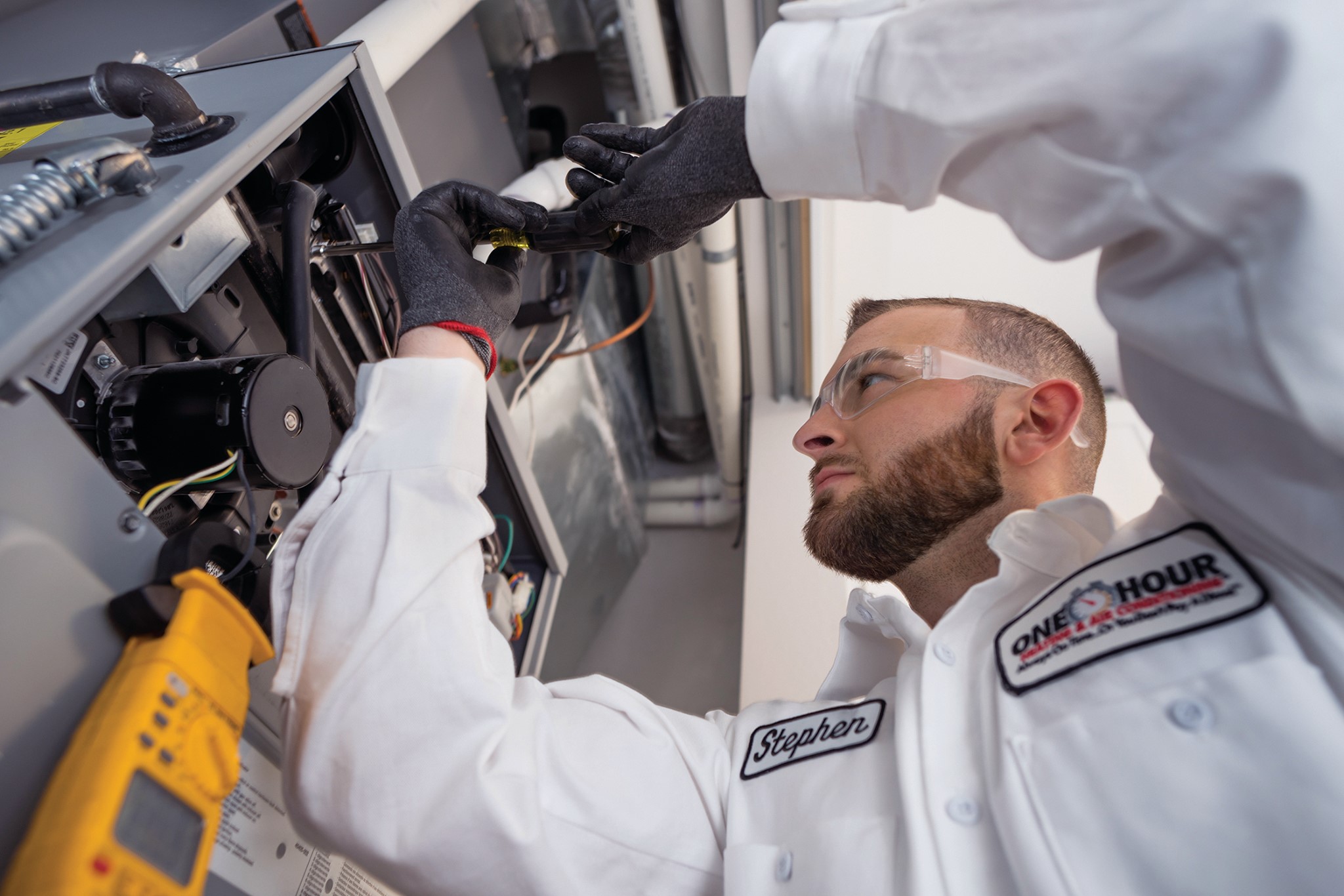
Schedule regular furnace tune-ups that include a focused check of the pressure switch tubing path to catch slow-developing problems early. During each visit ask the technician to inspect fittings, feel for soft spots, and confirm tubing support without tight clamps. A pro can run several start cycles and record pressure readings to spot trends before failure. Regular checks reduce surprise breakdowns and extend component life.
Keep the area around the furnace clean and dry to prevent accidental moisture from migrating into the tubing or nearby components. Avoid storing liquids or boxes near the inducer outlet where splashes or spills could reach the line. If you see any wetness during routine homeowner inspections, flag it for the next professional visit. Small visible changes often indicate developing issues that deserve attention.
Adopt simple visual routines between service visits like checking for sags in the tubing and feeling for unusual flexibility that signals aging material. If the tubing rests on sharp edges or vibrates against panels, arrange for rerouting during the next maintenance appointment. Note any new noises during startup and reference resources such as the guide to stop furnace noise quickly when discussing symptoms with a technician. Clear notes from homeowners help professionals diagnose intermittent faults faster.
Plan seasonal inspections to anticipate weather-related effects that can worsen trapped moisture or freezing inside the tubing for homes in Aledo, TX. A technician will verify condensate traps, confirm proper high-point routing, and recommend material upgrades where needed to resist stiffening. After adjustments, ask for a short written summary of the checks and any measurements taken to track condition over time. This documentation helps prioritize future maintenance for reliable furnace performance in Fort Worth, TX.
Frequently Asked Questions
How do kinks in pressure switch tubing affect furnace ignition?
A kink in pressure switch tubing can restrict airflow and prevent the furnace control from seeing the required negative pressure. When the control does not sense correct pressure, it blocks the ignition sequence to protect against unsafe venting. You may hear repeated lockouts, long start cycles, or no ignition at all when tubing is pinched. Exercise caution and contact a licensed HVAC pro to inspect and repair tubing rather than attempting risky fixes yourself.
Can moisture in the tubing cause intermittent furnace lockouts?
Yes, moisture in pressure switch tubing can cause intermittent furnace lockouts by preventing the switch from sensing proper pressure changes. Water droplets or condensation can block the tube or change the vacuum signal, causing the control board to register a fault. Technicians will caution that repeated lockouts risk stress to the control board and reduced heating reliability. If you suspect moisture, stop running the furnace and call a professional to inspect and dry or replace the tubing safely.
What visual signs indicate leaks or corrosion on pressure switch tubing?
Look for visible cracks, brittleness, or split areas along the pressure switch tubing near fittings and bends. Check for white or greenish mineral deposits and rust-colored stains that indicate slow leaks or condensation. Notice damp spots, water beads, or persistent moisture on tubing or nearby components, which can impair switch function. If you see corrosion, heavy leakage, or physical damage, stop the system and call a licensed HVAC professional for safety.
How do routing errors create condensate traps in the sensing line?
Incorrect routing lets the tube dip below the furnace connection, forming a low point where condensate collects and pools. That pooled water blocks pressure signals and can prevent the furnace from proving combustion air flow. Moisture buildup also accelerates corrosion and can cause the tubing to leak or collapse, creating intermittent safety shutdowns. If you suspect a condensate trap or water damage, exercise caution and call a professional to inspect and correct the pressure switch tubing.
What diagnostic steps will a tech take to confirm a tubing fault?
A technician first visually inspects the pressure switch tubing for kinks, loose fittings, and visible leaks along the run. They gently disconnect tubing from the switch and blow or use low-pressure air to confirm clear airflow and check for resistance. The tech may use a moisture meter or inspect for condensation and trap points where water could collect and block the line. If any fault or safety concern appears, they will advise turning off the furnace and recommend a professional repair for safe correction.