

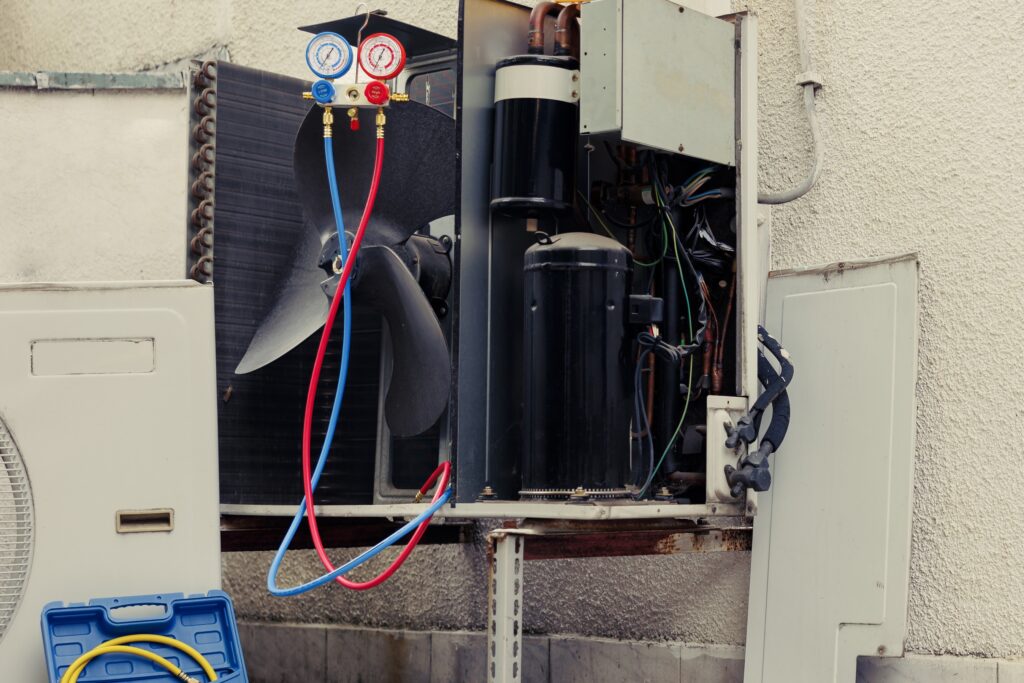
Compressor Megohm Test for Early Motor Winding Insights
Key Takeaways About Compressor Megohm Test
A compressor megohm test measures insulation resistance to reveal moisture or decay in motor windings. This guide helps homeowners and property managers know when test results matter and when to call a technician.
- Identify early insulation decline before a compressor fails completely.
- Prevent moisture related leakage by scheduling controlled drying procedures.
- Avoid repeat failures by checking capacitors and contactor condition.
- Spot coil imbalance by comparing resistance between all three terminals.
- Reduce risk by documenting readings and repeating tests over time.
- Plan professional diagnostics when readings remain low after drying.
Introduction
A compressor megohm test checks insulation resistance in motor windings to spot early deterioration. Low insulation resistance can lead to shorts, winding damage, and compressor failure. Homeowners usually notice strange sounds, tripping breakers, or poor cooling before a complete failure. In many cases those early signs mean acting sooner can prevent costly replacements.
Insulation breaks down from moisture, heat cycling, oil contamination, and age. Windings with reduced resistance allow leakage current that stresses the motor and control components. Technicians use the test to quantify how much the insulation has weakened. The measurement gives a clearer picture than visual inspection alone.
For properties in Haslet, TX, and similar climates, humidity can accelerate insulation problems. Condensation inside the compressor or oil-soaked winding insulation often lowers megohm readings. Recognizing when a reading is borderline helps decide between drying, repair, or replacement. That decision matters because a misdiagnosed winding problem can cause repeat failures.
When readings drop, a professional will correlate symptoms with test results and inspect related parts like the contactor and start capacitor. A careful diagnosis includes checking voltage, continuity, and visible signs of heat damage. Reporting clear, measured values gives homeowners a defensible next step. If you see persistent running issues, contact a qualified technician for further evaluation.

What A Megohm Test Measures In Compressors
A compressor megohm test measures the electrical resistance of motor winding insulation against current leakage to ground and between windings. Technicians use a megohmmeter to apply a DC voltage and read resistance in megohms. The reading shows how well the varnish, mica, and insulating materials are holding up. Homeowners often ask whether a low reading always means a failed compressor, and the short answer is no.
- It detects leakage paths through degraded insulation.
- It compares measurements to manufacturer or industry guidelines.
- It helps decide if drying or repairs might restore function.
- It guides whether further electrical tests are required.
Measured values represent how much current can bypass the intended winding paths and flow to ground. A clear homeowner question is whether a specific number is safe, and technicians compare readings to thresholds and trend history. Readings alone do not tell the full story without checks of voltage, continuity, and operational behavior. Professionals also inspect the contactor, capacitor, and terminal connections for related issues.
During the test, technicians note ramp behavior where resistance increases over time under applied voltage. A rising curve suggests trapped moisture or surface contamination, while a flat low reading often indicates deeper insulation damage. For a homeowner noticing tripping breakers, a rapid test plus voltage checks will point toward winding leakage versus other electrical faults. For more routine guidance on protecting compressors, see compressor care tips.
In a common situation, a homeowner in Keller, TX might hear a humming compressor and find the air handler breaker tripping intermittently. The technician would record megohm values, measure line and run capacitor condition, and check for oil on the motor leads. If the megohm reading recovers after drying and the capacitor tests good, repairs or controlled reuse may be possible. If the reading stays low, replacement is often the safer long-term choice for Haslet, TX properties.
How Insulation Breakdowns Develop Over Time
Insulation degrades in stages that homeowners can sometimes observe before a complete failure occurs. Early on, surface contamination and light moisture create leakage paths that show as variable megohm responses during a compressor megohm test. Over time, repeated heat cycles and electrical stress drive partial discharge and pitting inside the varnish and paper insulation. Those internal changes reduce dielectric strength even if the winding looks intact from the outside.
As breakdown progresses, readings often shift from unstable to consistently low on successive tests, signaling more than surface contamination. Technicians watch the time-based ramp of the megohmmeter to distinguish moisture from deep insulation faults during diagnosis. They also compare insulation resistance between all three compressor terminals to find imbalance that points to one damaged coil. That imbalance can cause one phase to overheat, which shows up as unusual vibration or a louder humming noise.
Advanced deterioration may show additional symptoms such as repeated breaker trips, scorch marks at terminals, or oil contamination on lead wires. A professional would confirm the issue by recording megohm values, measuring winding continuity, and checking line voltage and capacitor condition. They may also remove the compressor cover to inspect terminal insulation and test for conductive deposits. When evidence points beyond simple drying, technicians document readings and recommend repair or replacement steps.
In a common situation, a homeowner in Keller, TX might notice longer run times and reduced cooling before a final failure, while a property in Haslet, TX may see humidity-related trends. If you want an expert to correlate symptoms with test data and electrical checks, consider contacting a specialist who performs thorough diagnostics like those described in diagnosing HVAC issues that may cause compressor overload. Clear records and repeated megohm tests over time give the best chance to catch insulation problems early and avoid sudden compressor loss.
Interpreting Megohm Readings For Windings
Interpreting megohm values begins by comparing readings between the three compressor terminals and to ground to spot imbalances that indicate a single degraded coil. A professional will note whether resistance values rise during the test or remain flat, since a steady low number usually signals deeper insulation failure. They also check for wide variation from one terminal to another, which often correlates with uneven heating or phase stress during operation. Technicians use those comparisons to decide if the problem is localized or systemic within the motor.
Time-based ramp behavior gives clues about moisture versus permanent damage, and pros use that pattern to plan next steps like drying or replacement. If values climb steadily under applied DC voltage, surface contamination or trapped moisture is likely and controlled drying can improve readings. When readings stay low despite drying attempts, internal breakdown of varnish or insulation layers is more likely. At that point technicians document results and test continuity, capacitor condition, and line voltage to confirm the diagnosis.
Technicians also look for matching symptoms during operation such as unusual vibration, increased run time, or tripping breakers to correlate with megohm numbers and pinpoint the failing component. They will measure winding continuity and check terminal insulation for oil deposits or scorch marks to support their interpretation. A clear testing protocol includes recording initial and post-dry readings, noting environmental factors like recent humidity, and photographing evidence for the homeowner. This documentation helps decide whether repair, controlled reuse, or replacement is the safest path forward.
For owners in Haslet, TX or similar climates, a documented trend of falling megohm values with humid seasons can justify scheduled drying and tighter maintenance intervals to avoid sudden failures. When homeowners call about repeated trips or poor cooling, technicians often reference the most frequent repair reasons to determine whether the compressor insulation is the primary issue. Accurate readings combined with operational checks give a defensible recommendation rather than an uncertain guess. If tests point to marginal insulation, contact a qualified technician to confirm findings and discuss repair options.
Common Causes Of Low Insulation Resistance
Moisture intrusion is a frequent cause of low insulation resistance because it creates conductive paths on winding surfaces. Water or high humidity can condense inside the compressor housing after cycling and collect on terminal insulation. Technicians often find readings improve after controlled drying, which indicates surface conduction rather than permanent breakdown. Homeowners may notice intermittent tripping or reduced cooling when moisture is the culprit.
- Oil contamination on leads reduces surface resistance.
- Heat-damaged varnish creates internal leakage paths.
- Mechanical abrasion exposes conductor surfaces.
- Poor sealing allows dust and conductive deposits.
- Incorrect storage can trap moisture inside the motor.
Oil or refrigerant contamination lowers megohm values by creating conductive films on windings or terminals. Leaks allow oil to migrate and soak insulating paper or varnish, reducing dielectric strength and creating leakage paths. A professional inspects for oil on terminal booting, measures resistance, and may perform a solvent cleaning or drying procedure. Persistent low readings after cleaning usually point to deeper insulation failure.
Thermal aging also causes low readings by cracking varnish and embrittling insulation materials over years of cycling. Repeated high run temperatures accelerate chemical breakdown and reduce dielectric strength between turns. Technicians will check for uneven resistance between terminals that signals a localized coil overheating. When thermal damage is present, repairs rarely restore original insulation properties.
Mechanical damage and contamination each create specific test patterns that technicians use during diagnostics, often corroborated by visual inspection. For example, a single low terminal compared to the other two suggests physical damage to one coil rather than overall moisture. Professionals follow with continuity checks, ramp testing, and an inspection of terminal insulation and capacitor condition. For a detailed procedure technicians use during troubleshooting, refer to the AC system diagnostics guide.
Homeowner actions such as delayed maintenance or exposure to humid storage can contribute to reduced insulation resistance over time. In Haslet, TX properties, seasonal humidity swings may increase the chance of moisture-related readings if equipment sits idle. If you see recurring low measurements or operational symptoms, contact a qualified technician for a full diagnostic and documented test results. Prompt professional evaluation helps decide between drying, repair, or replacement for long-term reliability.

When To Call A Professional For Compressor Megohm Test
Call a professional when a megohm reading remains low after you perform basic drying and checks, because persistent low insulation resistance often signals internal winding damage. A trained technician will use controlled drying, polarization index tests, and continuity checks to confirm whether readings improve. They will also inspect related components like the contactor and start capacitor for secondary causes of failure. If symptoms include repeated breaker trips, unusual vibration, or burning smells, arrange a technician visit promptly.
Technicians will diagnose by comparing resistance between all three compressor terminals and to ground, looking for imbalance that points to a single damaged coil. They often record time-based ramp behavior under applied DC voltage to separate moisture-related leakage from permanent breakdown. The pros also check line voltage, run capacitor condition, and terminal insulation for oil or scorch marks to corroborate megohm results. This layered approach prevents misdiagnosis and reduces the risk of repeat failures.
If a compressor shows intermittent operation with marginal megohm values, a technician may perform additional tests like insulation absorption ratio or a controlled bake-out to dry windings. Those procedures require experience and equipment to avoid further harm to the motor or refrigerant system. A professional will document initial and post-dry readings, photograph terminal conditions, and provide a clear recommendation based on measurable results. For related electrical failure modes, a technician will also inspect capacitors and controls as described in the failed capacitor and AC repair reasons.
Homeowners in Haslet, TX should call a technician when they notice persistent cooling loss paired with low insulation resistance readings that do not recover after simple steps. Waiting on a suspected insulation fault increases the chance of catastrophic compressor failure during peak cooling demand. A professional report with recorded megohm values, voltage checks, and visual evidence helps decide between controlled reuse, rewind, or replacement. When in doubt, contact a qualified HVAC technician to protect system reliability and safety.
Simple At Home Checks Before Calling A Technician
Before calling a technician, check whether the breaker or fuse feeding the outdoor unit has tripped or shows burn marks, and reset if safe. Inspect the outdoor unit for visible oil on terminal covers, which can indicate a leak reaching wiring insulation. Confirm the thermostat calls for cooling and the indoor air filter is clean to rule out airflow issues that mimic compressor strain. If you smell burnt insulation near the outdoor unit, stop and arrange professional service immediately.
With power off at the disconnect, gently check wire connections at the compressor terminal box for loose lugs or corroded spade terminals that can cause overheating. Look for melted or discolored terminal booting that suggests electrical arcing or long-term heat damage to insulation. If you see heavy oil residue inside the box, do not attempt to clean it yourself, note it for the technician. For homeowners in Keller, TX, timing these inspections before peak cooling season helps avoid emergency failures.
Try a simple dry-start approach when humidity is high: after a full power-off period, restart the system and listen for unusual hums or grinding that indicate internal winding issues rather than control faults. Pay attention to run time and whether breakers trip within minutes, which points to electrical leakage instead of mechanical load. Record the symptoms, approximate times, and any visible terminal conditions to share with the technician for faster diagnosis. A clear symptom log helps the technician focus their compressor megohm test and other checks.
If you have a multimeter, measure available line voltage at the outdoor unit with protective gear and the system running, checking for significant imbalance among phases that could stress the motor. Do not perform insulation resistance tests yourself, those require a megohmmeter and trained procedures to avoid further damage and personal risk. When observations suggest possible insulation problems, review the common warning signs in one helpful resource about compressor failure and contact a technician. Homeowners in Haslet, TX should ensure they provide observed readings and photos to speed a safe, accurate professional inspection.
Repairs And Remedies For Marginal Megohm Results
If a compressor megohm test returns marginal values, technicians often begin with controlled drying to remove moisture without disassembling the motor. Controlled bake-out uses low heat and circulated air while the unit is isolated from the system to avoid refrigerant damage. After drying, a pro repeats the megohmmeter reading and documents any improvement or persistent low values for decision-making. Homeowners should provide the symptom log and any photos taken during earlier checks to speed evaluation.
- Visual inspection of terminal insulation.
- Controlled drying and retest procedures.
- Cleaning oil or residue from terminals.
- Balancing checks between compressor terminals.
When drying and cleaning do not restore acceptable insulation resistance, technicians check for localized coil damage through comparative readings between terminals. They may run polarization index or absorption ratio tests to distinguish surface leakage from core dielectric failure. If tests indicate internal breakdown, the technician explains options like rewind or replacement based on documented test trends. For safety reasons, repairs that involve opening the refrigerant circuit require professional service and proper tools.
Sometimes a marginal result ties to related components, so technicians inspect contactors, run capacitors, and motor lead connections for secondary causes. Replacing a failing capacitor or repairing a corroded contactor can stop additional stress on windings and improve long-term reliability. If the megohm trend still declines after these fixes, replacement becomes the more reliable long-term choice. Homeowners who notice the outdoor unit not starting should mention that symptom during scheduling so diagnostics can focus faster using resources like AC not turning on.
For properties in Haslet, TX, seasonal humidity can make marginal readings recur without preventive steps such as sealing and routine drying. A technician can set a maintenance plan that includes repeat megohm testing and terminal inspections during humid months to catch decline early. Recording numbered test results over time helps decide whether a controlled reuse is reasonable or a full replacement is necessary. Always have a qualified technician perform the tests and repairs to avoid safety risks and further compressor damage.
Preventative Maintenance To Preserve Insulation Health
Schedule routine megohm checks as part of HVAC maintenance to catch insulation decline before it affects reliability. Technicians can add insulation resistance testing to seasonal tune-ups for repeat comparison and trend tracking. Trend records help decide if controlled drying or further action will likely restore acceptable megohm values. Homeowners in Haslet, TX benefit when these checks align with humid-season inspections to reduce recurrence of moisture-related leakage.
Keep terminal boxes clean and sealed to limit contaminants that lower surface resistance over time. A technician will inspect terminal booting and replace degraded covers during a maintenance visit to maintain dielectric paths. Regularly checking for oil stains or discoloration prevents surprises during a compressor megohm test and informs whether cleaning is effective. These physical upkeep steps reduce the chance of marginal readings turning into permanent failures.
Maintain proper system airflow and compressor load to avoid thermal stress that accelerates insulation aging in windings. Clean filters, clear coils, and ensure correct refrigerant charge so the motor does not overwork and overheat during operation. Technicians also verify capacitor condition and contactor health because electrical stress from those parts can worsen winding insulation problems. Addressing related components prevents repeated insulation damage and extends compressor life.
Ask your technician for scheduled re-testing after any drying or repair to confirm insulation recovery and document results for future comparison. Professionals follow safe procedures for insulation checks and wiring work, and homeowners should review safety guidance before attempting checks themselves. For basic electrical safety around HVAC units, consult these electrical safety tips to reduce risk during visual inspections. In Keller, TX properties, a maintenance plan with periodic megohm testing helps catch early winding deterioration and avoid emergency replacements.
Frequently Asked Questions
What is a compressor megohm test and why use it?
A compressor megohm test measures insulation resistance between motor windings and ground using a high-voltage megohmmeter. Technicians use the reading to spot moisture, dirt, or breakdowns that precede motor failure. Low readings suggest weakened insulation and higher risk of short circuits or winding damage. For safety and accurate interpretation, have a qualified HVAC technician perform the test and evaluate results.
What megohm reading suggests moisture versus deep damage?
Readings above 100 megohms usually indicate clean, dry insulation and minimal moisture risk in motor windings. Readings between 1 and 100 megohms often point to surface contamination or moisture that may improve after drying and retesting. Values below 1 megohm suggest serious dielectric breakdown or internal winding damage requiring immediate attention. If readings fall under safe ranges, stop testing and contact a professional because live-capacitor and shock risks exist.
How do technicians diagnose winding faults after a low reading?
After a low compressor megohm test reading, technicians first visually inspect the motor, wiring, and terminal box for oil, burn marks, or moisture. They perform insulation resistance tests between each winding and ground, and between windings, to localize leakage. Technicians may then use a clamp meter, motor winding resistance checks, and polarization index to confirm winding degradation. If tests suggest internal shorting or contamination, caution is required and a professional should recommend motor replacement or shop rewind.
Can drying or repairs restore low compressor megohm values?
Yes, drying and targeted repairs can improve low readings from a compressor megohm test when moisture or surface contamination causes leakage paths. Technicians often use controlled heat and vacuum drying or clean terminals and insulating surfaces to raise insulation resistance. If readings remain low after drying, winding damage or deep insulation breakdown likely exists and needs further evaluation. Because capacitors and high voltage are involved, stop work and call a qualified HVAC technician if you suspect internal motor damage.
When should I call a pro for persistent low insulation readings?
If insulation readings stay low after drying and retesting, call a professional to avoid sudden motor failure. Persistent low values on a compressor megohm test often indicate deteriorating winding insulation or internal contamination. A trained technician will perform controlled diagnostics, including polarization index and visual checks of the motor, capacitor, and terminals. Caution: low insulation can cause shorts and shock risk, so disconnect power and get a pro to inspect and repair.