


Duct Design Mistakes That Choke Airflow
Key Takeaways About Duct Design Mistakes
This article explains common duct problems that reduce comfort and system efficiency. It is for homeowners and property managers who notice weak airflow and need measurement-based fixes.
- Identify undersized runs and sharp bends that raise system resistance.
- Prevent leaks and poor seals that waste conditioned air and pressure.
- Avoid crushed flex and blocked trunks that restrict branch airflow severely.
- Spot misplaced registers and returns that cause short circuited air paths.
- Reduce long runs and tight elbows that cause cumulative friction losses.
- Plan staged repairs using pressure and CFM readings before major work.
Introduction
Poor duct layout can quietly steal comfort and raise energy use in homes. Duct design mistakes that choke airflow create uneven rooms, noisy vents, and strain on your system. Homeowners often notice weak airflow, odd pressure changes, or rooms that never reach set temperatures. Fixing the root duct problems matters for comfort, indoor air quality, and equipment life.
Several common sins produce those symptoms, from undersized runs to excessive bends and restricted returns. Each mistake changes airflow paths and boosts resistance inside the ducts. The result is higher static pressure at the blower and reduced air delivery to registers. That combination shortens component life and increases the chance of coil or compressor stress.
Signs often show up as sounds, timing, or visible cues around vents and equipment. Strange whistling, cold spots near doors, or dusty vents that never clear point to flow issues. A solid inspection looks at supply and return grilles, the supply plenum, and visible duct joints. In Grapevine, TX and nearby areas, these issues commonly become more obvious in seasonal temperature swings.
Diagnosing the problem requires measuring airflow, checking static pressure, and comparing duct sizes to expected system capacity. A technician will examine the evaporator coil, blower motor, and condensate drain for secondary effects. Recorded readings and photos help confirm where leaks, kinks, or constrictions exist. For homes in Fort Worth, TX, taking action sooner reduces comfort complaints and helps systems run as intended.

Why Duct Design Mistakes That Choke Airflow Happen
Duct design mistakes that choke airflow occur when layout, sizing, or installation choices increase resistance and reduce delivered air. These errors often start during initial planning or when systems change but ducts do not. Homeowners frequently ask whether poor duct layout can cause cold rooms, and the short answer is yes. Fixing the design removes hidden restrictions and restores balanced airflow to registers.
- Incorrect duct size relative to system capacity
- Excessive sharp bends and long runs
- Blocked or poorly placed return grilles
- Undersized or missing plenums
- Improperly sealed joints and transitions
Design choices that look minor can create major pressure drops inside the system. For example, reducing a main duct diameter to fit in a chase raises resistance dramatically. Technicians confirm this by measuring static pressure at the blower and comparing airflow to manufacturer specs. Those readings show whether the system can deliver rated cubic feet per minute to the house.
Many mistakes trace back to three causes: space constraints, cost-cutting during installation, and lack of coordination between HVAC and framing trades. Installers squeezing ducts into tight spaces add extra fittings and short-radius bends. Homeowners often notice weaker flow in distant rooms when these compromises occur.
Another common factor is changing equipment without updating the ductwork to match new airflow needs. Swapping for a higher- or lower-capacity air handler affects required duct velocities and static pressure. A professional will inspect the supply plenum, returns, and register layouts to see if the ducts still match the system.
When planning repairs, consider verified design checks like a duct sizing calculation and a visual layout review. A technician will use airflow measurements, static-pressure readings, and photos to confirm problems and recommend targeted fixes. For homeowners wanting an example of local design work, view a related ductwork design page for Saginaw by following this link: ductwork design in Saginaw.
How Poor Sizing Causes Airflow Loss And When To Resize
When duct runs are too small for the air handler, velocity rises and static pressure increases inside the system. Higher static pressure reduces delivered cubic feet per minute at each register and makes rooms feel under-conditioned. A professional compares measured airflow to the air handler’s rated CFM and checks return grille sizes to confirm a mismatch. Simple signs include rapid noise at the register and the blower cycling more often than normal.
Oversized ducts can also harm performance by lowering velocity and reducing mixing, which causes temperature stratification in rooms. Low velocity can make registers feel weak even when total airflow meets system capacity. Technicians inspect the supply plenum, individual branch sizes, and register velocity with anemometers during diagnosis. They also check the evaporator coil and blower motor for signs of stress caused by mismatched duct volume.
Deciding whether to resize involves assessing long-term goals and practical constraints in the attic or crawlspace. A tech will run a duct sizing calculation, measure static pressure at the blower, and record airflow at several registers to see which branches underperform. For homes in Grapevine, TX a visual layout review often reveals space-driven compromises that limit corrective options. If sealing is needed before resizing, crews may reference duct sealing reports similar to what you can see for duct sealing in Colleyville.
Minor mismatches sometimes resolve with targeted fixes like adding a properly sized return or rebalancing dampers rather than full reconstruction. A professional will explain tradeoffs using measurements, photos, and a written plan before any resizing work begins. For homeowners in Fort Worth, TX, airflow optimization checks that include static-pressure readings lead to clearer decisions. Learn more about those diagnostic steps in an airflow optimization overview to understand the usual testing sequence.
Common Blockages And How To Identify Them Early
Dust buildup, animal nests, and accumulated insulation can narrow branch ducts and reduce airflow to rooms noticeably. Homeowners often hear reduced airflow, odd whistling near specific registers, or see persistent dust around vents as early warnings. A technician inspects accessible trunks, removes grille covers, and uses a flashlight plus camera to locate visible blockages inside supply and return paths. If insulation has fallen into a duct, crews may recommend repair and re-insulation to restore full cross-sectional area.
Collapsed flex duct or crushed connections commonly occur where ducts pass through tight framing or under flooring and can cut airflow dramatically. You might notice one room underperforming while others remain fine, or a distinct drop in register velocity compared to central rooms. During diagnosis a pro will gently probe flex runs, check tensions at collars, and measure register velocity with an anemometer to confirm reduced flow. Repair usually means replacing the crushed section and securing proper bends to avoid future kinks.
Obstructed returns are a frequent silent culprit that raises system resistance and reduces whole-house circulation efficiency. Signs include longer run times, uneven temperature recovery, or warmer returns at the air handler during cooling cycles. Technicians open return grilles, look into the plenum with a scope, and compare static-pressure readings at the blower to typical values to confirm a restriction. Restoring unobstructed return paths may require moving furniture, enlarging grille openings, or adding return ductwork and sealing connections afterward.
Foreign debris near the air handler, like construction dust or packing materials, can lodge at the evaporator coil and restrict airflow across the coil surface quickly. Residents may notice reduced cooling capacity, frost patterns, or the blower running continually without achieving set temperatures. A professional will examine the coil, check the condensate drain for signs of blockage, and record airflow readings before and after cleaning to document improvement. In some cases insulating nearby duct runs back in the attic helps prevent future debris and thermal losses.
Leaky Seams And Gaps How They Affect Flow And Fixes
Leaky seams and gaps in ductwork reduce delivered air by letting conditioned air escape before reaching registers. Homeowners may hear faint whistling near duct runs or notice rooms take longer to reach set points. A pro checks for gaps around sheet metal seams, flex-duct collars, and boot connections using visual inspection and smoke testing. Sealing these leaks improves system balance and reduces blower runtime without changing the air handler.
- Locate visible metal tape failures at seams.
- Check collar connections at the plenum and boots.
- Inspect flex duct where it meets fittings.
- Look for gaps where ducts pass through framing.
- Verify boot-to-register seals at each grille.
To confirm leakage, a technician measures static pressure at the blower and compares it to expected values while recording register airflow readings. They may also use a smoke pencil or theatrical smoke to reveal escaping air at seams and connections. For harder-to-reach trunks, a pro can remove access panels and document leaks with photos for a repair plan. Homeowners in Grapevine, TX often find that visible tape failures signal deeper seam issues needing full sealing.
Effective repairs use mastic sealant and metal-backed HVAC tape applied to cleaned seams, not cloth-backed duct tape which fails quickly. Insulating repaired ducts prevents thermal losses, and crews commonly combine sealing with insulation work described in an insulation repair scope. After sealing, a technician rechecks static pressure and register velocities to verify measurable improvement. If leaks occur near the air handler, professionals also inspect the evaporator coil and blower for secondary dirt or moisture issues.
For homeowners, simple checks include inspecting exposed ducts for broken tape, feeling for drafts at boots, and listening for unusual air noises during runtime. If you detect these cues, schedule a professional diagnosis so a technician can run pressure tests and document results with readings. Repairing seams reduces wasted conditioned air and helps maintain expected comfort in Fort Worth, TX homes. Prioritize safety and call a trained HVAC technician when access or testing requires equipment and experience.
Sharp Bends And Long Runs Why They Reduce Efficiency
Sharp turns in rectangular or flex duct cause turbulent flow that lowers delivered air to distant registers. Turbulence increases static pressure near the bend and reduces effective cross-sectional flow downstream. Technicians look for tight 90-degree elbows and compressed flex runs during inspections to spot these losses. In many cases improving bend radii restores smoother airflow and reduces blower strain.
Excessively long duct runs add cumulative friction that cuts velocity and temperature control at endpoints. Each foot of duct and each fitting adds resistance, so distant rooms show delayed response and lower register velocity. A professional measures pressure drop along a branch and compares readings to expected values to confirm length-related loss. Where possible rerouting or adding a booster or return improves delivery without full reconstruction.
Diagnosing these problems involves visible inspection, register velocity checks, and static-pressure measurement at the air handler. A tech may use an anemometer to record CFM at several registers and a manometer to check static pressure across the system. They also trace flex duct for kinks and note elbow radii to document where smoothing or shortening helps. For formal leakage confirmation, crews pair these checks with a duct leak testing procedure when suspected losses exceed layout issues.
Simple homeowner cues include weaker airflow in the farthest rooms, persistent temperature lag, and whistling around tight fittings. In a common situation, a room feels cooler in summer while the nearest register blows noticeably harder, a pro would then inspect the long supply run and return sizing. Correcting long runs sometimes also requires checking return capacity and comparing to the supply layout, referencing return-air calculations. For homes in Grapevine, TX and Fort Worth, TX, correcting bends and run length often yields faster, quieter recovery and more even temperatures throughout the house.
Improper Register Placement How It Disrupts Distribution
Registers placed too close to corners, doors, or windows can short-circuit flow and leave central areas under-conditioned. You may see strong airflow at the grille while the room still feels uneven because supply air hits an obstruction or exits the room quickly. A technician checks register angle, distance from walls, and grille orientation while measuring velocity with an anemometer to confirm poor distribution. Moving or re-angling a register often fixes directional loss without major duct changes.
Placing many registers on one supply branch creates uneven distribution as that branch loses pressure downstream and starves other rooms. Visible cues include one register blowing hard while others on the same run feel weak even at full damper opening. A pro traces the branch, measures CFM at each register, and compares readings to expected balances to locate the problem. Rebalancing dampers or adding a splitter can equalize delivery in most cases.
Low-floor registers that draw air across cold floors in winter can cause stratification and reduce mixing, producing temperature layers near ceilings. Homeowners may notice cold toes while the thermostat reads neutral temperatures, indicating poor vertical mixing of conditioned air. Technicians inspect register placement relative to ceiling height and furniture, and they may recommend relocating a register or adding a ceiling-level supply to improve circulation. Small changes in location often reduce runtime and improve comfort noticeably.
Return grille placement affects whole-house circulation, returns tucked inside closets or behind doors raise system resistance and lower delivered CFM to supplies. An inspection includes checking return grille free area, verifying the return path to the plenum, and using a smoke test to see airflow routes toward the return. If a return is obstructed or poorly located, professionals may add dedicated returns or transfer grills to restore balanced pressure. For homeowners in Grapevine, TX and Fort Worth, TX this step often reveals simple fixes that improve distribution quickly.
Duct Design Mistakes That Choke Airflow When To Call Professionals
If you notice persistent weak airflow after basic checks, call a technician to diagnose hidden design failures. A pro starts with static-pressure measurements and airflow readings at multiple registers to confirm systemic restrictions. They inspect main trunks and the supply plenum to spot collapsed sections or undersized transitions that are not obvious. Recorded measurements guide the repair plan and create a clear before-and-after comparison for your records.
- Confirm system static pressure with a manometer.
- Measure register CFM with an anemometer.
- Visually inspect main trunks and plenums.
- Perform smoke tests at suspect seams.
Major duct reconstruction or resizing is best handled by experienced crews because the work changes system balance and airflow dynamics. Professionals will map the main supply ducts and branch layout, then run calculations to match fan capacity and target velocities. They also check the blower motor, evaporator coil, and return sizing to ensure the fix does not create new problems. For homeowners, this prevents recurring issues after a partial repair attempt.
Some symptoms require immediate professional attention when detected, such as continuous blower operation or freezing evaporator coil patterns. These signs often mean restricted return flow or high static pressure that risks component damage over time. A technician will isolate the fault by comparing readings at the air handler to expected manufacturer ranges. If ductwork near the air handler shows excessive leakage or collapse, technicians document findings and recommend corrective action.
After diagnosis, professionals may propose staged repairs so homeowners can prioritize critical work first for comfort improvement. Typical staged steps include sealing main trunks, enlarging critical transitions, and rebalancing registers to restore even distribution. They will provide inspection photos and measurement logs to explain each step and expected results. Homeowners in Grapevine, TX should schedule inspections sooner when seasonal demand exposes hidden weaknesses.
If you live in Fort Worth, TX, call a licensed HVAC technician when visual checks and simple fixes do not restore normal airflow. A trained crew will use pressure gauges, anemometers, and visual inspection to confirm design faults and make targeted repairs. For major supply trunk work, professionals also coordinate access and sheet metal changes to minimize disruption. Scheduling a diagnostic visit ensures the problem receives accurate measurement-based solutions rather than guesswork.
Simple Homeowner Upgrades To Improve Airflow Immediately
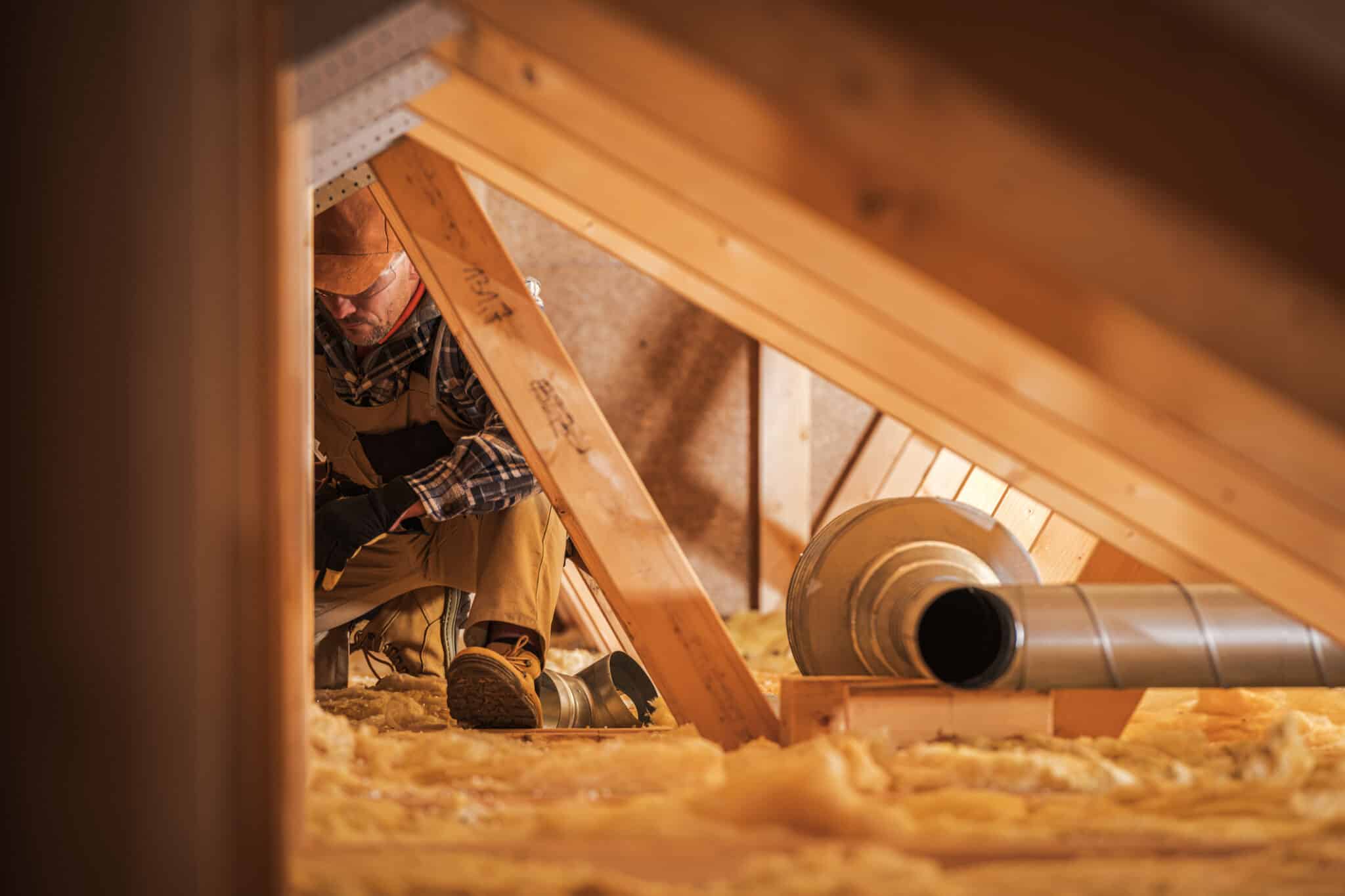
Start with quick fixes that don’t require tearing into ducts: clean supply and return grilles, straighten visible flex runs, and remove nearby obstructions. These actions often raise register velocity and reduce blower runtime without changing system components. Use a screwdriver to remove grille screws and a vacuum brush to clear dust from register louvers and screens. If you find large debris or animal nesting, note it for professional follow-up during a scheduled inspection.
Adjust manual dampers and balance registers room-to-room to improve distribution when one area feels weak compared to others. Slight damper changes can redirect airflow toward under-served rooms and reveal whether a branch run lacks capacity. Measure the effect by feeling the register airflow and noting temperature recovery time after changes. If balancing does not help, it suggests a deeper layout limitation that needs a pro evaluation.
Upgrade visible flex duct sections to smoother, less crushed alternatives and support long runs with proper hangers to prevent sagging and kinks. Replacing badly compressed flex restores cross-sectional area and reduces turbulence that limits flow downstream. While you work, insulate exposed ducts in attics to limit thermal losses that can disguise airflow problems. For significant trunk layout problems, consider a targeted supply trunk redesign to improve main flow paths and pressure balance.
Check return paths by ensuring transfer grills are unobstructed and doors that block returns have proper undercuts or vents to permit airflow. A simple smoke test with a cigarette paper or smoke pencil shows whether air moves freely toward the return grille and helps identify dead zones. If returns remain restrictive, plan a professional return enlargement or added grille to restore whole-house circulation. Homeowners in Grapevine, TX should document observed changes and schedule a diagnostic visit in Fort Worth, TX when fixes do not restore expected performance.
Frequently Asked Questions
What common Duct Design Mistakes That Choke Airflow should I look for?
Look for undersized or overly long runs that restrict volume and add static pressure in the system. Check for abrupt transitions, excessive elbows, and crushed flexible ducting that create turbulence and holdback. Inspect closed or poorly placed supply registers and missing return paths, these cause pressure imbalance and reduced flow. If you suspect major duct issues, stop DIY repairs and contact a professional for safe measurement and correction.
How do undersized runs and sharp bends reduce register airflow?
Undersized runs and sharp bends increase air resistance, lowering static pressure and reducing register airflow noticeably. Air loses speed through narrow sections and hits turbulence at tight elbows, so less conditioned air reaches rooms. A technician checks pressure, measures CFM at registers, and inspects duct diameter and bend radius to diagnose the problem. If you suspect restrictive ducts, avoid DIY structural changes and call a professional because improper fixes can worsen airflow or create safety hazards.
Could blocked returns or collapsed flex ducts cause weak rooms?
Yes, blocked return grilles or collapsed flex ducts often cause weak airflow in specific rooms by reducing return air and upsetting system balance. Visible sagging, flattened insulation, or low suction at the grille point to collapsed flex ducts needing attention. A professional will inspect return paths, measure static pressure, and use airflow readings to confirm the diagnosis. If ducts are hard to access or moldy, stop DIY repairs and hire a licensed technician for safe correction.
When should I call a pro to measure static pressure and CFM?
Call a professional when you notice weak airflow, uneven room temperatures, or unusually loud duct noise that suggest restricted flow. A technician measures static pressure and CFM when system performance problems persist after basic checks like filter replacement. Measurement requires tools and access to the return plenum and supply registers, so avoid risking injury or system damage. If you smell burning or see wiring damage, stop the system and call a pro immediately for a safe inspection.
How will sealing seams and fixing plenums improve balance?
Sealing seams and fixing plenums prevents conditioned air from leaking into unconditioned spaces, restoring the intended volume to each branch. That improved containment helps pressure balance between supply and return, reducing rooms that blow hot or cold unevenly. A tighter system makes dampers and registers more effective at fine-tuning flow during balancing. If duct access is limited or work involves the plenum near the furnace, call a professional because improper sealing can create safety or combustion-air issues.