


Condenser Fan Motor Warning Signs in Colleyville
Key Takeaways About Condenser Fan Motor
A condenser fan motor moves air across the outdoor coil to remove heat from your cooling system. This guide helps homeowners and property managers know when symptoms matter and when to call for professional service.
- Identify unusual noises that start during system startup.
- Prevent overheating by keeping the cabinet and fins clean.
- Avoid running the unit if you smell burning or see smoke.
- Spot reduced airflow or wobble during peak temperature times.
- Reduce compressor risk by documenting and reporting symptom timing.
- Plan a professional inspection when electrical or mechanical signs persist.
Introduction
When a condenser fan motor starts to fail you may notice your outdoor unit struggle on hot days. A failing condenser fan motor reduces airflow across the condenser coil and forces the whole system to work harder. That strain can raise indoor temperatures and shorten the life of other components. Homeowners who ignore these signs often see more frequent cooling problems.
Common early clues include unusual noises, frequent cycling, and reduced cooling output during peak hours. A grinding or squealing sound near the outdoor unit often points to a motor bearing or shaft problem. Intermittent fan operation can cause the compressor to overheat and trip safety controls. These symptoms matter because they affect comfort and can lead to more extensive repairs later.
Smells and visible damage also offer useful cues about motor health around the condenser fan motor area. A burning odor from the outdoor cabinet often means an electrical or motor winding issue that needs immediate attention. Bent or broken fan blades and oil or refrigerant stains signal a need for prompt inspection. For properties in Bedford, TX these failures can be especially inconvenient during warm months.
Deciding when to call a professional depends on symptom severity and frequency of occurrence. If the unit makes loud new noises or the fan fails to start the risk to the compressor increases quickly. A trained technician will inspect components like the capacitor, contactor, and motor to confirm the cause. In a common situation, a homeowner in Azle, TX might notice reduced airflow then have a pro check voltage and continuity readings to diagnose the motor.

How A Condenser Fan Motor Works And Why It Fails
A condenser fan motor is the electric motor that spins the outdoor fan to move air across the condenser coil. It converts electrical input into mechanical rotation to pull heat from refrigerant so your system cools effectively. Homeowners often ask whether a bad motor can cause higher energy use, and the answer is yes because reduced airflow makes the compressor run longer. Technicians explain that the motor, fan blade, capacitor, and mounting all work together and one failure affects the whole unit.
- The motor shaft spins the fan blade.
- The capacitor gives the motor the starting boost.
- The contactor supplies power to the motor circuit.
- The fan draws air across the condenser coil.
- Mounting and bearings keep the motor aligned.
Heat, age, and electrical stress cause most motor failures through clear mechanical and electrical paths. Bearings wear over time and cause increased friction or wobble that eventually stalls rotation. Thermal overload from high cabinet temperatures or a failing capacitor can burn motor windings and reduce torque. Homeowners who smell burning near the outdoor unit should treat it as a potential motor winding or electrical issue and avoid touching components.
Professionals diagnose problems by observing symptoms and running specific checks with safe procedures. A technician will inspect the capacitor, measure voltage at the contactor, and perform a continuity test on the motor windings. They often check shaft play, spin the blade by hand to feel bearing roughness, and record voltage readings under load to confirm faults. If further action is needed, a written report will outline whether the motor needs replacement or if the capacitor and contactor are the likely causes.
Routine preventive steps reduce motor failures and improve system life in local homes like those in Bedford, TX and Azle, TX when done yearly. Cleaning debris from the cabinet, straightening bent blades, and ensuring the fan spins freely are useful checks for homeowners. For persistent or electrical symptoms, schedule a professional inspection rather than attempting high-voltage repairs yourself. For condenser fan repair and service details, see the company’s condenser fan repair page for what to expect during an inspection.
Common Causes Of Condenser Fan Motor Problems
Mechanical wear often starts with the bearings and shaft where friction increases and the motor resists rotation. Worn bearings produce roughness you can feel when spinning the blade by hand and create heat that shortens winding insulation life. Misaligned or damaged fan blades also overload the motor by changing balance and adding stress to the shaft and bearings. Homeowners who see vibration or visible blade damage should note it as a likely mechanical contributor.
Electrical problems commonly lead to motor failure through weak starting torque or intermittent operation caused by a failing capacitor. A weak capacitor can let the motor struggle to start, draw high current, and overheat the windings. Technicians confirm this by performing a capacitor test and comparing measured microfarad readings to the rated value shown on the can, learn more about capacitor failure signs in the linked resource. Repeated short cycling and contactor pitting also raise the odds of motor damage over time.
Heat buildup inside the outdoor cabinet accelerates insulation breakdown and bearing lubricant loss, which reduces motor life significantly. Restricted airflow from a dirty coil or clogged cabinet forces the motor to run longer and at higher temperatures during peak demand days. Corrosion on electrical terminals and on the motor housing invites shorts and poor connections that lead to arcing and winding damage. For homes in Bedford, TX and systems near coastal or humid areas, moisture-related corrosion can be a common contributor.
Incorrect voltage or an overloaded circuit can cause low torque and premature failure when the motor runs under electrical stress. Technicians check for proper voltage at the contactor under load and use a clamp meter to look for high current draw that indicates binding or shorted windings. A professional may also perform a continuity test on motor windings and inspect the motor starter and overload device to confirm the root cause. In a common situation in Azle, TX, a technician documents readings and photos in a report to recommend repair or replacement when faults appear.
Early Warning Signs Homeowners Should Recognize
Homeowners often notice early electrical flicker or a brief fan stall when the motor struggles to start under load. These brief stalls may happen only during the hottest part of the day when the cabinet temperature and system demand peak. If you see the fan hesitate for a few seconds then resume, that intermittent behavior suggests weakening start torque or a failing start device. Record when and how often the stalls occur to share with a technician during inspection.
A gradual rise in runtime without matching indoor temperature drop can signal declining motor efficiency long before a complete failure. When the fan runs but airflow feels reduced at the return or vents, check the outdoor unit for restricted airflow or wobble at the fan hub. Visible wobble while the fan runs, or increased vibration felt at the cabinet, points to balance or bearing deterioration that will worsen without service. Homeowners should note times of day this happens and snap photos or short videos to document the issue for a professional.
Smells such as faint electrical ozone or hot insulation that appear only near the outdoor unit while running deserve prompt attention. These odors often correspond with electrical stress on motor windings or a failing capacitor causing higher current draw. A technician will use a clamp meter, voltage readings at the contactor, and a continuity test on motor windings to confirm the source. For guidance on diagnosing motor bearing noise and related vibration, see the company’s motor bearing diagnostics resource.
Warm cabinet surfaces or localized heat spots near the motor base provide a tactile early warning homeowners can check safely from outside the unit. If heat concentrates near the motor or conduit box, it indicates internal resistance or wiring issues that need a pro’s hands-on testing. Technicians perform infrared checks, measure current draw, and spin the fan by hand to feel bearing roughness during diagnosis. Homeowners in Bedford, TX and Azle, TX should report these observations when scheduling service to help prioritize the inspection.
Loud Noises And Vibration Indicators Of Failure
When the fan motor bearings fail, homeowners often hear sudden grinding or rattling that grows louder over time. These sounds usually start during startup and can persist while the compressor runs at high load. A noticeable thump or slap once per revolution often means a bent blade or bad hub connection. If you feel heavy vibration at the cabinet, avoid touching the unit and document when it happens for the technician.
- Grinding during startup suggests bearing wear.
- High-pitched squeal points to slipping or failing bearings.
- Intermittent clunks can signal blade contact with the shroud.
- Continuous vibration often means imbalance or loose mounting.
Technicians listen and then inspect specific components to confirm the problem rather than guessing from sound alone. They remove the fan guard, check blade straightness, and spin the fan by hand to feel bearing roughness. A clamp meter measures current draw to see if the motor overworks while producing vibration. They may also check the capacitor and motor mounting bolts for looseness that would increase noise.
Visible signs often accompany loud noises, so ask the professional to photograph the fan blade, hub, and motor base during inspection. A report with photo evidence and measured current or voltage readings helps you understand whether repair or replacement makes sense. For homeowners in Bedford, TX include notes about when the noise occurs and whether weather seems to affect it. If you need guidance on ensuring good airflow around the unit, review the outdoor unit clearance guidance before the technician arrives.
Short-term homeowner actions can reduce immediate risk but not fix the underlying motor defect. Turn off power at the disconnect if you detect burning smells or severe vibration that shifts the unit on its pad. Do not attempt electrical repairs, let a qualified technician perform lockout-tagout and run diagnostic tests safely. Prompt professional diagnosis prevents further damage to the compressor and other components that rely on the condenser fan motor.
Overheating And Poor Cooling Performance Signs
When a condenser fan motor begins to overheat, the outdoor cabinet often feels hotter than the surrounding air near the motor housing. This excess heat reduces the fan’s ability to pull air through the condenser coil and lowers overall cooling efficiency. You may notice longer runtimes with smaller indoor temperature drops during peak heat. A technician will use infrared readings and current measurements to confirm elevated motor temperature under load.
Poor cooling performance can show up as warm spots in the house or higher return air temperatures despite normal thermostat settings. If indoor rooms fail to reach set temperature while the compressor runs, airflow across the coil is likely inadequate. A pro will inspect the fan blade condition and perform airflow checks at the condenser and supply registers. They also compare voltage at the contactor and measure motor current to rule out electrical causes.
Restricted airflow across the condenser coil compounds overheating and often links to bent fins, debris, or restricted clearances around the unit that reduce heat rejection. Straightening fins and restoring proper airflow can improve cooling, see the condenser coil straightening guidance for efficiency steps the technician may take during service. During diagnosis, the technician may record static pressure, measure refrigerant pressures, and document coil condition with photos to show how restricted airflow affects motor load.
Another sign is rapid cycling of the compressor caused by high head pressure when the condenser cannot shed heat efficiently, which stresses the motor and compressor. A homeowner might notice the outdoor fan running continuously while indoor cooling still lags, indicating the fan cannot move enough air. Technicians check refrigerant pressures, fan speed, and motor winding continuity to determine whether the motor or another component is primary. Homeowners in Bedford, TX and Azle, TX should report timing and weather conditions when these symptoms occur to help prioritize professional testing.
Electrical Symptoms And Safety Decision Points
Electrical symptoms often appear before mechanical failure and can create immediate safety concerns around the condenser fan motor. Flickering outdoor lights when the unit starts, or a tripped circuit breaker during high-load periods, indicate possible high current draw or a weak capacitor. A homeowner who notices frequent breaker trips should avoid repeatedly resetting the breaker and record when the trips occur. These observations help a technician focus testing on current and voltage under load during inspection.
Another clear electrical sign is a burning or hot-smelling odor that comes from the outdoor cabinet while the unit runs, which suggests insulation breakdown or overloaded windings. If you detect that smell, shut off power at the disconnect and do not operate the unit until a pro verifies safety. A technician will check the contactor, measure voltage at the motor terminals, and perform a continuity test on the motor windings. They may also inspect the capacitor and starter circuit to find weak components causing overheating.
Visible arcing, melted insulation, or discolored wiring require immediate professional attention because they show unsafe electrical connections or long-term overheating near the condenser fan motor. Photograph any visible damage and note whether the issue follows heavy runtime or storms, then keep the unit powered off for safety. During service, a technician uses a voltage meter, clamp meter, and visual inspection to identify loose terminals, corroded connections, or high-resistance points. Repairs often include tightening terminals, replacing damaged wiring, and confirming safe grounding and breaker operation.
Professionals follow methodical diagnostic steps to confirm electrical faults while keeping safety central to their work around the condenser fan motor. They record voltage readings at the contactor under load, measure motor current, and perform insulation or continuity tests on windings to determine failure modes. Infrared scans and written findings help homeowners see hotspots and understand recommended repairs or replacements. For related condensate and drain considerations, technicians may also check nearby components like the condensate cleanout setup when addressing outdoor-unit electrical hazards.
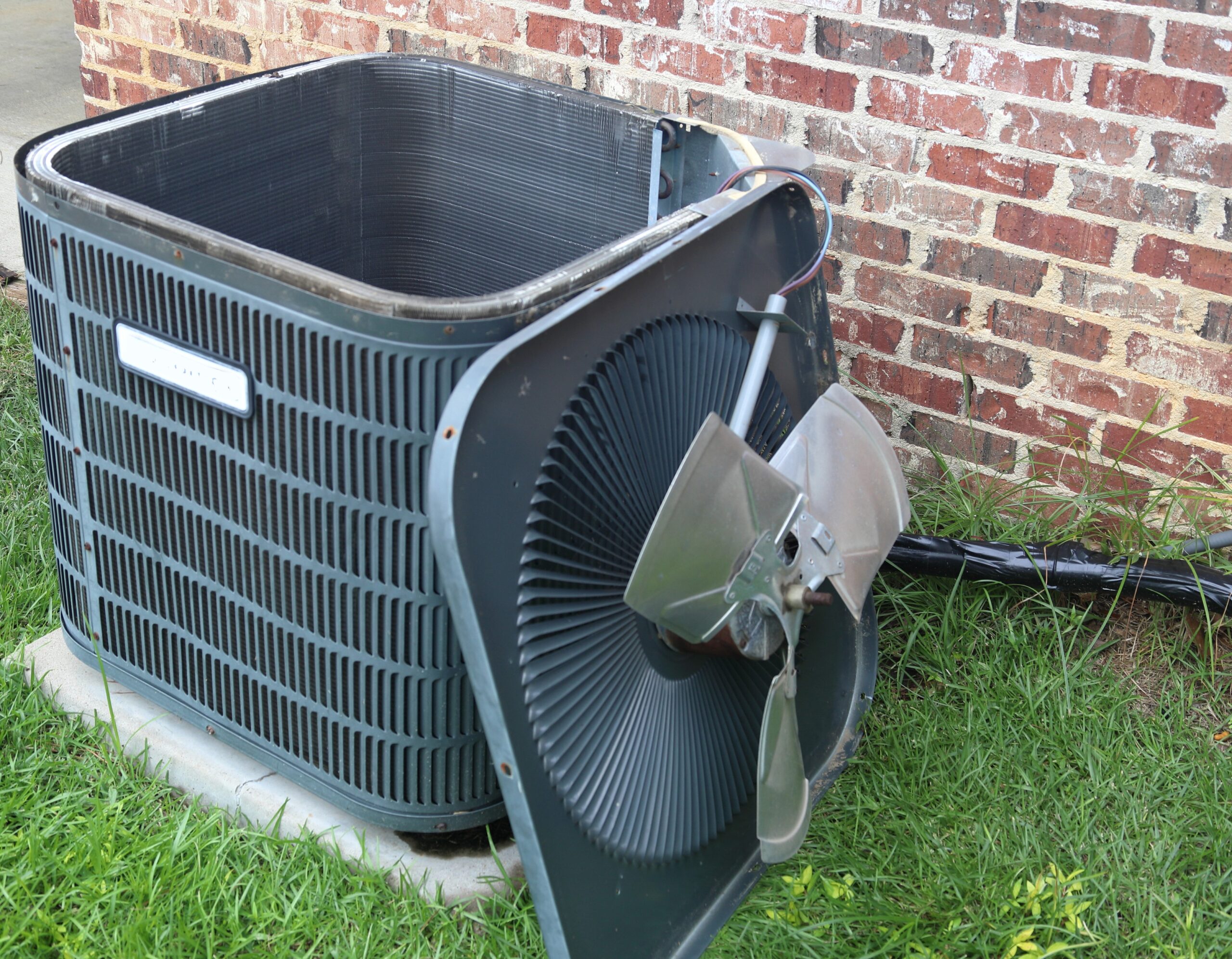
When To Call A Professional For Condenser Fan Motor
Call a technician when the fan stops entirely, the unit repeatedly trips a breaker, or safety smells persist. These signs show immediate risk to the compressor and electrical system and need hands-on testing. A professional will perform safe lockout-tagout procedures before any inspection or repair begins. While waiting for service, keep the outdoor disconnect off if burning odors or visible damage exist.
- A technician will test voltage at the contactor.
- They will measure motor current with a clamp meter.
- Technicians perform a continuity test on motor windings.
- They inspect the capacitor and starter circuit components.
For intermittent noises, scheduled service is appropriate when symptoms occur more than once or grow louder. A pro uses a visual inspection, hand-spin checks, and recorded voltage readings to confirm motor faults. Documenting when the issue happens helps the technician reproduce and diagnose it during the visit. Homeowners can note whether sounds start at peak heat or after storms to aid diagnosis.
If electrical arcing, melted insulation, or recurring breaker trips appear, request prompt service rather than waiting. The technician will look for loose terminals, corroded connections, and high-resistance points during a focused electrical inspection. They may also perform an infrared scan and provide a written report showing measured readings and photo evidence. For urgent HVAC failures, consider the company’s emergency repair guidance when timing matters.
Routine problems like slight vibration or occasional stalls can be evaluated during a regular maintenance visit if they do not pose immediate safety risk. The pro will check mounting bolts, blade balance, and bearing condition and may test the capacitor under load. After diagnosis they will explain repair versus replacement with clear measurable findings. In Bedford, TX or Azle, TX properties, scheduling a timely inspection prevents small faults from causing larger system failures.
DIY Checks And Temporary Fixes Before Service
Before a service visit, perform a few low-risk checks that can clarify whether the condenser fan motor is the likely culprit. Turn power off at the outdoor disconnect, then look for loose debris or leaves that might block the fan and gently remove them. Try spinning the fan blade by hand to sense roughness or tight spots, but stop if you feel strong resistance or hear grinding. Record what you observe and when it happens to share with your technician.
Check the condenser coil fins for heavy buildup that reduces airflow and can make the motor work harder than normal. Carefully clear visible dirt with a soft brush or low-pressure water spray, while avoiding bends to fins that reduce performance. After cleaning, run the system briefly and note whether airflow and fan speed improve to give the technician useful before-and-after observations. If airflow remains weak, consider scheduling a professional airflow and performance test to measure system impact.
Inspect the compressor contactor area for obviously loose or melted connections without touching wiring, and photograph any damage for the service report. You can also listen for intermittent clicking at startup that might point to the contactor or a weak capacitor, while avoiding testing electrical components yourself. If the outdoor unit trips breakers repeatedly, leave the disconnect off and wait for professional lockout-tagout and diagnostic testing. In Bedford, TX homeowners should include timing and weather notes when booking a visit to help prioritize inspection steps.
As temporary fixes, secure any loose fan-shroud screws and tighten accessible mounting bolts without over-torquing, which can reduce vibration until a technician arrives. Do not attempt capacitor or motor electrical repairs, those tasks require a trained technician with a voltage meter, clamp meter, and safe procedures. For a measured check of how reduced airflow affects cooling, ask the professional about an airflow performance test during your service visit. In Azle, TX properties, these documented steps help the technician reproduce symptoms and diagnose the condenser fan motor accurately.
Frequently Asked Questions
What are the first signs of a failing condenser fan motor?
The first signs include unusual humming or grinding noises coming from the outdoor unit when the system runs. You may notice reduced airflow and longer cooling cycles inside your home. Visible wobbling or a fan blade that stops and starts suggests bearing or motor failure. If you smell burning or see smoke, turn off power and call a professional immediately for a safe inspection.
Why does my outdoor unit make grinding or squealing noises?
Grinding or squealing noises from the outdoor unit often mean the condenser fan motor bearings are worn or the fan blade is rubbing the housing. Loose mounting bolts or a failing capacitor can also cause vibration and high-pitched sounds during startup. Continued operation with these symptoms can damage the motor or wiring, so shut the system off if you smell burning and avoid touching electrical parts. For safety and accurate diagnosis, contact a licensed HVAC technician to inspect the condenser fan motor, capacitor, and mountings.
Can reduced airflow mean the condenser fan motor is bad?
Yes, reduced airflow can indicate a failing condenser fan motor, but other causes may also reduce airflow. Clogged fins, a dirty coil, or a restricted return can mimic a motor problem. A technician will inspect the fan, measure airflow, check capacitor and motor voltage, and test motor bearings. If you see burned wiring, smoke, or the motor won’t start, stop the unit and call a professional for safety.
When should I shut off power for a burning smell near the unit?
Shut off power immediately if you smell persistent burning near the outdoor unit or suspect the Condenser Fan Motor is overheating. Turn off the circuit breaker at the service panel rather than relying on the thermostat to stop the system. Avoid touching components or running the unit until a qualified technician inspects wiring, capacitor, and motor for damage. Caution: a burning smell can indicate electrical failure or fire risk, so call a professional promptly.
What inspections confirm a condenser fan motor fault?
A technician will inspect the fan blade for damage, motor shaft play, and abnormal bearing noise while the unit is off and safe. They will check voltage and amperage at the motor with a multimeter or clamp meter to compare manufacturer specifications. A professional will test the capacitor, contactor, and wiring continuity to rule out related electrical issues. If live testing or panel access is required, exercise caution and hire a qualified HVAC technician to perform the work.