
Thermostat Wiring Inspection in Bedford for Reliable Comfort
Key Takeaways About Thermostat Wiring Inspection
Thermostat wiring inspection checks low-voltage control wires, terminations, and basic function to find loose connections or shorts. This summary is for homeowners and property managers who notice odd HVAC behavior and need guidance before scheduling a professional diagnostic.
- Identify loose or corroded terminations at the thermostat base.
- Prevent transformer stress by confirming stable low-voltage output.
- Avoid accidental contact with line-voltage when inspecting wiring.
- Spot intermittent resets or display flicker that indicate power issues.
- Reduce risk to equipment by documenting readings and photos.
- Plan a professional diagnostic when burning smells or repeated faults appear.
Introduction
Thermostat wiring inspection matters because miswired controls can leave a home too hot or too cold and can damage HVAC components. A wrong connection may cause short cycling, incorrect fan behavior, or failure to heat or cool. Homeowners often notice odd thermostat behavior before any visible damage appears. For properties in Bedford, TX an early check can prevent larger system problems during peak seasons.
Signs of miswiring often start with simple observations like the system running at the wrong times. Strange sounds from the air handler or frequent on off cycles may point to wiring errors. Thermostat display quirks and unexplained thermostat resets are also common clues. These symptoms matter because they affect comfort and can increase wear on major components.
Basic code and safety concerns guide how a technician inspects thermostat wiring and connections in a house. Technicians look for proper circuit protection, secure terminations, and correct grounding when present. Safe corrections prioritize turning off power at the breaker and verifying voltage and continuity with standard tools. Local professionals in Fort Worth, TX follow those safety steps to protect people and equipment.
If you suspect miswiring a qualified HVAC technician will diagnose the issue with visual checks and electrical tests. They will inspect the thermostat base, control board, and low voltage transformer for faults and loose wires. A written report or recorded readings often confirm the problem and recommended fix. Prompt attention reduces the risk of compressor damage or control board failure.
What Thermostat Wiring Inspection Involves
Thermostat wiring inspection is a step-by-step check of low-voltage control wiring, terminations, and related components. A technician looks for correct wire-to-terminal mapping and secure connections that match the thermostat and control board. Homeowners often ask whether a visual check alone can find problems, and the answer is that visual checks catch loose or damaged wires but do not replace electrical tests. The inspection also confirms the thermostat has appropriate power and that the system responds to control signals during functional tests.
- Verify wire colors and terminal labels.
- Check for loose or corroded terminations.
- Measure transformer voltage and continuity.
- Test system response to thermostat commands.
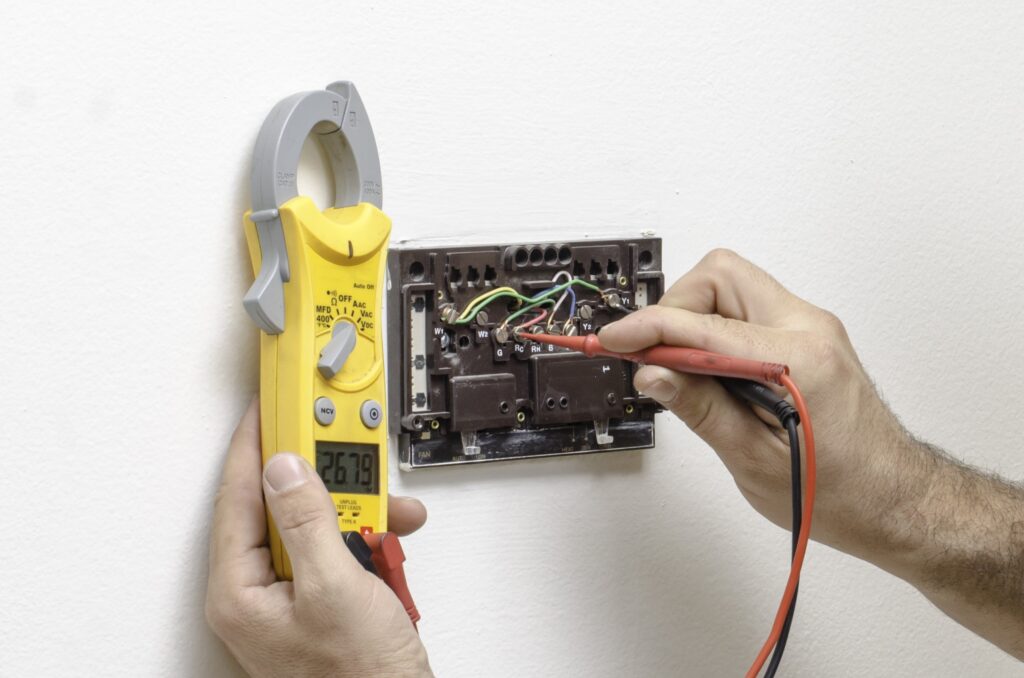
Inspectors begin at the thermostat base, removing the cover to examine wires and the wall box for damage or paint-obscured markings. They then check the control board or air handler for matching terminals and signs of burning, melting, or corrosion near the low-voltage transformer. A common homeowner question is whether a breaker must be turned off, professionals usually turn off power at the service panel before touching control wiring for safety. After power is off, they use a multimeter to verify voltage and continuity at key points.
Technicians also run live functional checks to confirm each stage of heating and cooling calls the correct relays and the fan operates as commanded. They observe timing and cycle behavior to detect short cycling or delayed starts that wiring errors can cause. If a thermostat uses a common wire, they verify the C terminal is present and delivering stable voltage to prevent intermittent resets. Records such as voltage readings and photos often appear in the written inspection report for homeowner reference.
When wiring defects are suspected, the inspector traces wires through junction boxes and checks nearby devices like humidifiers or zone controllers that share control circuits. They look for improper splices, shared neutrals, or unauthorized connections that create feedback or short conditions. For more background on safety and basic wiring practices, review the company’s guidance on thermostat wiring basics and safety. Homeowners in Bedford, TX benefit from documented findings when deciding whether to schedule repairs with a licensed technician in Fort Worth, TX.
How Thermostat Wiring Works And Why It Fails
Thermostat wiring carries low-voltage control signals from the thermostat to the air handler and furnace control board. Those wires typically include power, call-for-heat, call-for-cool, fan, and common conductors that tell relays and the transformer when to run. Each conductor connects to a specific terminal on both the thermostat base and the control board, and the integrity of these connections determines reliable operation. A proper wiring path avoids shared neutrals or accidental contact with 120/240V conductors in junction boxes.
Failures often start where wires terminate or where they pass through boxes and wall cavities, because strain and corrosion damage insulation over time. Rodent chews, paint overspray, or crushed cables behind trim can break conductors or cause intermittent contact that shows as random thermostat resets. Professionals use continuity tests and voltage readings at the thermostat and at the control board to confirm whether a suspected conductor is open, shorted, or carrying the right voltage. They also inspect the transformer secondary for stable low-voltage output under load to rule out a weak power source.
Miswiring can also come from human error during system changes, such as replacing thermostats or adding accessories like zone dampers and thermostatic humidifiers. Incorrect splices, swapped terminal connections, or tying two control circuits together causes commands to cross-feed and relays to energize unexpectedly. A technician traces each wire back to its origin and uses labeled photos and written notes to map the terminals for a clear repair plan. For guidance on locating thermostats to avoid wiring stress and false readings, see the company advice on thermostat placement.
To confirm a diagnosis, a professional follows a systematic sequence of checks that move from visual inspection to live testing. They first look for visible damage, then turn off power and verify continuity, followed by restoring power and measuring voltage under operating conditions. Functional checks include calling for heat and cooling while observing relay activity, fan response, and timing to capture intermittent faults. Homeowners in Bedford, TX often find that documented readings and photos make repair decisions clearer, and technicians in Fort Worth, TX use those outputs to produce a concise repair recommendation.
Common Causes Of Thermostat Miswiring In Homes
Loose terminations at the thermostat base or furnace control board often cause miswiring symptoms when conductors separate under vibration. Wires pulled too tightly through a wall box can fracture insulation or break strands at a terminal. Paint, drywall dust, or plaster can hide damaged insulation and promote corrosion at contact points. Technicians check for these mechanical faults during a thermostat wiring inspection because they explain intermittent calls and erratic relay behavior.
Incorrect wiring during thermostat replacement is a frequent cause when homeowners or untrained installers swap terminals without mapping original functions. Mixing up the R, C, W, and Y conductors creates crossed calls that make systems run incorrectly. Modern smart thermostats also require a reliable C connection, and attempting to force operation without one leads to resets and improper charging of internal electronics. For homeowners considering an upgrade, review guidance on thermostat replacement strategies to avoid common wiring mistakes.
Shared control circuits and accessory hookups create trouble when unrelated devices tie into the same low-voltage bundle without proper isolation. Humidifiers, zone dampers, and UV lights sometimes share transformers or use relays that feed back into thermostat outputs. These cross-connections can create voltage backfeed or nuisance energizing of relays, which a professional identifies during live functional testing. In Bedford, TX homes, such accessory wiring often shows up as unexpected fan or compressor starts during off cycles.
Damaged cable from rodents, nails, or legacy runs behind plaster often creates intermittent shorts that mimic miswiring. A continuity test and insulation inspection reveal whether conductors touch or ground out inside a wall cavity. Junction box splices left unsecured or tucked behind insulation can work loose and hide the true fault location. When technicians in Fort Worth, TX trace wiring, they document readings and photos to pinpoint these concealed failures and guide safe repairs.
Signs Of Miswiring To Watch For Immediately
Look for unexpected system behavior like the heat running during a cooling call or the fan running constantly without command. Observe the thermostat screen for flickering, blanking, or rapid resets that appear when the system cycles. Smells such as faint electrical ozone or burning plastic near the thermostat or air handler warrant immediate attention. Pay attention to timing issues, like long delays before the system starts or very short run cycles that repeat.
- Thermostat display flickers or resets frequently.
- System runs the wrong stage for a command.
- Fan runs when thermostat shows it is off.
- Unusual electrical smells at the thermostat or air handler.
- Very short on/off cycles that repeat.
Visible signs at the thermostat include loose wires, charred insulation, or corroded terminal screws that change when you nudge the wires. At the furnace or air handler, check for tripped control board indicators or scorch marks near low-voltage terminals. A professional will verify these visible clues with voltage readings, continuity checks, and by watching relay activity during live calls. Those tests identify whether the symptom comes from a bad wire, loose termination, or a failing transformer.
For example, a homeowner notices the thermostat blinks during cooling calls and the condenser does not start despite proper display messages. A technician would first inspect the thermostat base for loose R and Y connections, then measure transformer output at the control board. They would also confirm relay clicks and compressor contactor engagement while recording voltage under load. Photos and written readings help document intermittent faults and guide the safe repair plan.
If you see blinking indicators, sudden resets, or component smells, stop interacting with the thermostat and cut power at the breaker if safe to do. Avoid probing live terminals without a multimeter and basic electrical knowledge. For guidance on display blinking that often links to power issues, review the company information on thermostat blinking. Homeowners in Bedford, TX should consider scheduling a professional diagnostic to confirm the exact fault and prevent further equipment stress in Fort Worth, TX.
Basic Safe Corrections Homeowners Can Make
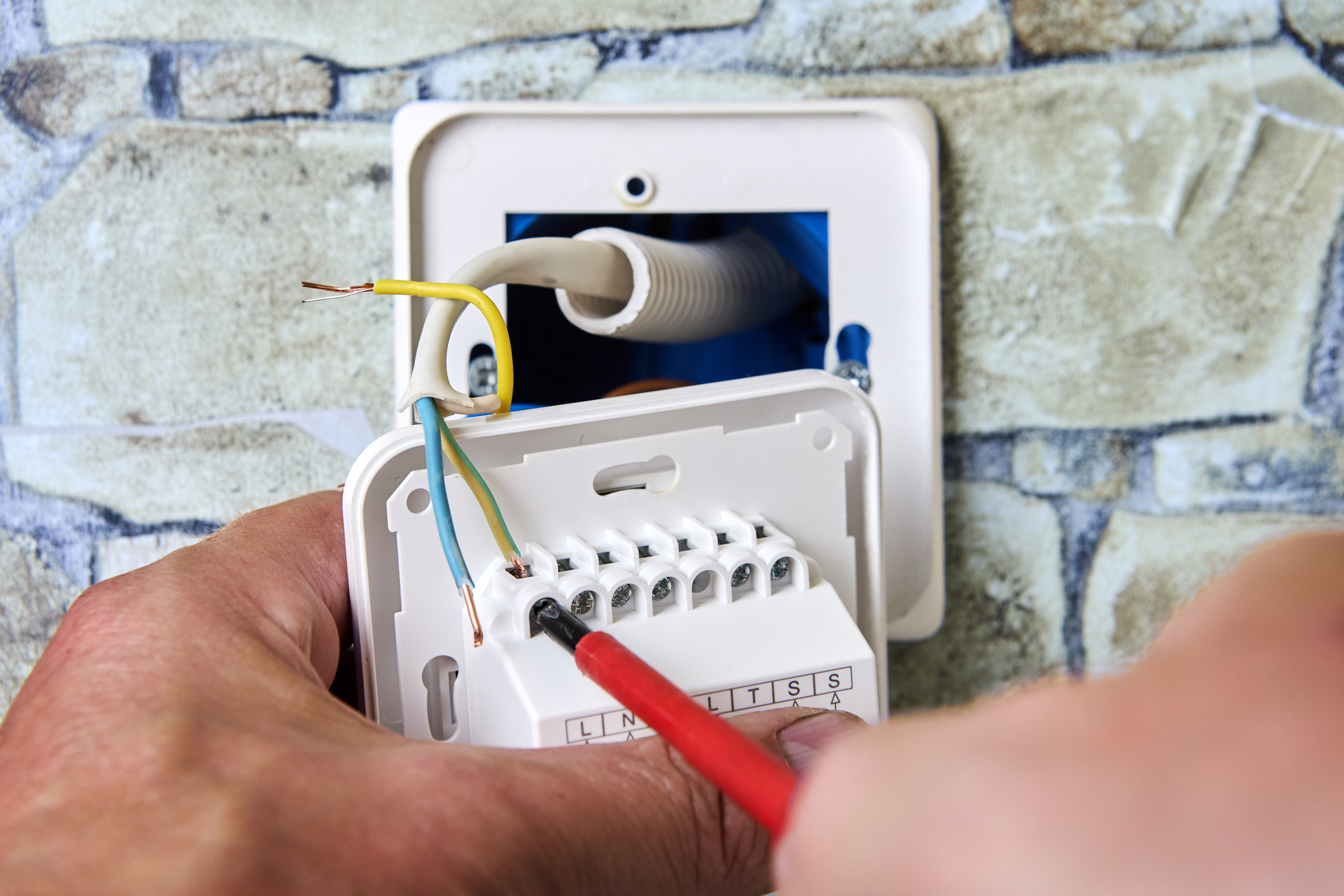
Homeowners can start with noninvasive checks that reduce risk and often fix minor issues without touching live wiring. Turn off power at the breaker and remove the thermostat cover to look for loose or displaced wires, broken insulation, or crushed cable that could cause intermittent contact. If you find paint-covered wire labels or a loose terminal screw, mark the wire and tighten the terminal with the power still off to restore a solid connection. Take photos before and after so a technician can review documented evidence if the problem returns.
Another safe step is to confirm thermostat settings and battery condition if present, since weak batteries or incorrect mode settings mimic wiring faults. Replace batteries and set the thermostat to the correct system mode, then use the thermostat’s built-in call function to observe whether the air handler or condenser responds. If the thermostat display shows the correct call but the outdoor unit fails to start, review guidance on situations where the thermostat won’t switch to cool for further homeowner checks. Avoid probing terminals with metal tools when power is on and only use approved insulated screwdrivers when tightening screws.
When you suspect a short or stray conductor inside a wall, you can remove the thermostat and inspect the wall box for loose splices or visible damage without pulling wires into the open. Look for signs like melted insulation, char marks, or multiple wires sharing a single terminal that could indicate improper splicing. If evidence of a damaged cable exists, restore power only after securing the area and then limit use until a professional confirms safe repairs to avoid stress on the transformer or control board. For broader wiring concerns that go beyond a thermostat base, consult information about faulty HVAC wiring issues to understand common hidden problems.
Simple continuity checks are possible for confident homeowners who own a basic multimeter and understand test safety, but only perform these checks with power off and verified by a voltage test. Measure continuity between suspected conductors and ground to detect shorts, and check for open circuits between thermostat wires and the control board when accessible. If readings are inconsistent, stop and schedule a professional diagnostic rather than risking further damage or incorrect isolation attempts. In Bedford, TX, homeowners often find documenting readings and photos helps technicians quickly confirm faults when they arrive in Fort Worth, TX.

When To Call A Professional For Wiring Issues
Contact a professional when you find electrical burning smells near the thermostat or air handler that persist after shutting power off. These odors can indicate insulation failure or overheating components that need trained inspection and safe access to junction boxes. A technician will isolate circuits and visually inspect the transformer, control board, and nearby wiring for heat damage. They will also document findings with photos and written notes for clear next steps.
Seek professional help if the system shows repeated random resets or display failures that return after simple fixes like battery replacement. Such recurring behavior suggests intermittent voltage loss or a failing transformer that standard homeowner checks cannot reliably trace. A contractor will use a multimeter to record voltage under load and continuity tests to locate intermittent opens or shorts. These steps confirm whether the issue stems from wiring, the thermostat, or the control board.
If multiple zones, accessories, or external controls respond incorrectly after a thermostat change, involve a technician to check for shared circuits or improper isolation. Complex interactions between humidifiers, zone dampers, and thermostats can create feedback that a professional will trace at junctions and control modules. They will inspect splices, relay outputs, and any tied transformer secondaries using voltage and continuity diagnostics. This approach prevents further cross-feeding and protects the compressor and control relays.
When visible damage, rodent chewing, or concealed wiring faults appear inside walls, hire a pro to avoid unsafe probing and structural damage during repairs. A technician can open access points safely, test conductors for shorts with the power off, and restore secure terminations following electrical best practices. For thermostat sensor issues that mimic wiring faults, professionals apply targeted checks described in the company guidance on thermostat sensor problem spotting. Homeowners in Bedford, TX should schedule a diagnostic with experienced technicians who also operate in Fort Worth, TX when the problem exceeds simple homeowner corrections.
Local Code Basics And Safety Considerations
Local code basics focus on safe low-voltage practices and accessible junction points that reduce fire risk and ensure serviceability. Contractors follow general electrical safety guidance and common industry practices for thermostat wiring inspection, such as securing low-voltage cables in approved boxes. Inspectors also look for proper separation between low-voltage thermostat wiring and line-voltage conductors where they run together in chases or junctions. When in doubt about local interpretations, ask a licensed technician to confirm compliance before making changes.
- Keep thermostat wiring in an accessible junction box.
- Avoid splicing low-voltage conductors without a proper connector.
- Do not run low-voltage next to high-voltage without separation.
- Label wires and document terminal mapping during any change.
Safety considerations include locking out power at the service panel and testing for voltage before touching terminals or splices. Use a multimeter to confirm power is absent on both low-voltage and nearby line-voltage conductors prior to any work. If you find damaged insulation or burnt terminals, stop and request professional repairs to prevent shock or further component damage. Technicians record test readings and photos to support a safe repair plan and clear communication with the homeowner.
Special cases involve smart thermostats and add-on controls that may need a dedicated C conductor and compatible transformer wiring. Installing smart devices without a stable common wire can cause resets, unexpected behavior, or stress on the transformer that creates safety concerns. For guidance when considering smart upgrades, review the company page on smart thermostats installing smart to understand wiring implications. Homeowners in Bedford, TX should include these wiring checks when scheduling a professional inspection in Fort Worth, TX.
Preventive Maintenance Tips For Reliable Comfort
Schedule thermostat wiring inspection as part of seasonal HVAC maintenance to catch early wear or loose terminations before they cause failures. Include a basic visual check of the thermostat base and the air handler control board during routine service visits. Ask the technician to record voltage and continuity readings so you can track changes between inspections and spot degradation. Keep simple notes about odd symptoms and the dates of any adjustments for future reference.
Protect wiring from mechanical stress by ensuring thermostat cables have gentle bends and are secured at the wall box to prevent pull and strand breakage. When replacing a thermostat plate or trim, avoid pinching the cable or forcing wires into a narrow cavity where insulation can compress. Consider routing spare conductors into the box to allow future upgrades without new wall penetrations or risky splices. Label each conductor clearly inside the box so any technician can confirm terminal mapping quickly.
Limit accessory cross-connections by assigning dedicated transformers or using relays to isolate humidifiers, UV lights, and zone controls from thermostat outputs. Isolation prevents backfeed and nuisance energizing that can confuse control logic and stress relays. A professional can add a relay or separate transformer where needed and verify the arrangement during a focused thermostat wiring inspection. Record any changes in an inspection report so future service visits reflect the updated wiring plan.
Maintain clear access to junction boxes and control panels to speed diagnostics if problems appear and reduce the chance of accidental damage during other home work. Keep insulation, drywall, and paint away from terminals and wire markings so labels remain legible for future technicians. Encourage technicians to leave photos and written notes in your service record that show terminal mapping and test results. These records make repeat problems easier to diagnose and reduce time spent tracing wires during follow-up visits.
Learn basic electrical safety practices and review the company guidance on HVAC electrical safety tips before attempting any checks yourself to minimize risk. If you notice burning smells, repeated resets, or unusual relay activity, schedule a professional diagnostic rather than continuing to operate the system. For homeowners in Bedford, TX keep a prioritized list of symptoms to report during visits to help technicians reproduce issues. Technicians working out of Fort Worth, TX can then focus inspection time efficiently on confirmed problem areas.
Frequently Asked Questions
What does a thermostat wiring inspection include?
A technician checks thermostat wiring inspection by confirming each wire matches the control terminals and labeling where needed. They test voltage and continuity with a multimeter to verify safe power and signal paths. The inspection includes checking the thermostat subbase, terminal screws, and nearby junction boxes for loose or corroded connections. If wiring shows damage or unsafe voltage, stop and call a licensed professional for repair to avoid shock or equipment damage.
How can I tell if thermostat wiring is miswired?
You may notice odd HVAC behavior like continuous fan operation, incorrect heating or cooling cycles, or inability to control temperature accurately. Look for physical clues such as loose, frayed, or multiple wires under one terminal and mismatched wire labels. A simple thermostat wiring inspection can include checking voltage at the control wires and continuity with a multimeter, but if you see exposed conductors or uncertain readings, stop. If you suspect miswiring, turn off power at the breaker and call a qualified HVAC technician to avoid shock or system damage.
When should I call a pro for thermostat wiring inspection?
Call a professional when your thermostat shows erratic behavior like sudden temperature jumps or frequent short cycling. If the display is blank but the HVAC has power, schedule a thermostat wiring inspection to locate wiring faults. If you smell burning, see scorch marks, or experience tripped breakers, stop using the system and call immediately because of fire risk. A pro will test voltages, check continuity at the thermostat and control board, and recommend safe corrections.
Can miswiring damage my HVAC components?
Yes. Incorrect thermostat wiring can send the wrong signals and cause short cycles, compressor damage, or burned relay contacts. A thermostat wiring inspection can reveal reversed or crossed wires and faulty common connections that stress the control board and blower motor. If you suspect miswiring, turn off power to the HVAC system and contact a licensed technician, improper handling can cause electrical shock or further equipment damage.
What safety steps do technicians take during inspection?
Technicians start by turning off power at the HVAC breaker and verifying absence of voltage with a multimeter before touching wires. They document wire colors, terminal labels, and any unexpected connections during the thermostat wiring inspection. If they find frayed wiring, loose connections, or signs of overheating, they stop work and advise replacement to prevent fire or equipment damage. For any live-panel or complex rewiring, technicians recommend a licensed professional to complete repairs safely.