

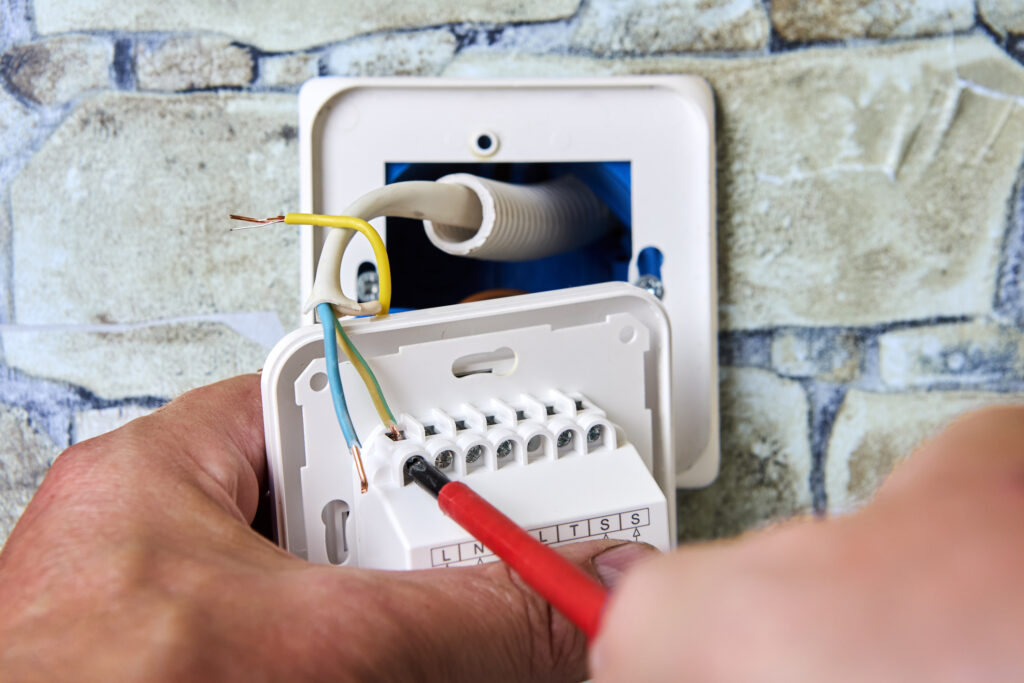
Thermostat wiring basics for safe operation
Understanding the basics of thermostat wiring is crucial for maintaining a comfortable and safe environment in your home. Whether you’re nestled in the heart of Trophy Club, TX, or the bustling streets of North Richland Hills, TX, the principles of thermostat wiring remain the same. It’s a key component in ensuring your heating and cooling systems operate efficiently and effectively. However, getting it right requires a blend of knowledge and caution.
Thermostat wiring might seem straightforward, but it involves more than just connecting wires. Each wire has a specific role and ensuring they are correctly connected is essential for your system’s operation. Mistakes can lead to malfunctions, inefficiencies, or even safety hazards. That’s why it’s important to understand the common layouts and the purpose behind each wire.
Safety checks are an integral part of dealing with thermostat wiring. Before attempting any adjustments or troubleshooting, ensuring the power is off is a critical first step. This not only protects your system from potential damage but also keeps you safe from electrical hazards. Regular inspections by professionals can also help identify and rectify any issues before they escalate.
There are times when a DIY approach might be tempting, especially for those who enjoy tackling home improvement projects. However, when it comes to thermostat wiring, the risks often outweigh the benefits. Professional HVAC services, like those offered in Fort Worth, TX, have the expertise to handle complex wiring systems safely and efficiently. Calling in a pro can save time, ensure safety, and guarantee the longevity of your heating and cooling systems.
Understanding Thermostat Wiring Basics
Understanding thermostat wiring basics is crucial for ensuring your heating and cooling systems work as they should. Each wire in a thermostat has a unique function, from controlling the heat to managing the air conditioning. Correctly connecting these wires ensures your system runs smoothly, keeping your home at the perfect temperature. It’s essential to familiarize yourself with the common wiring layouts to avoid any potential issues.
Safety should always be your top priority when dealing with thermostat wiring. Before you start any work, make sure to turn off the power to prevent any electrical hazards. This simple step can protect you from injury and your system from damage. Additionally, wearing protective gear and using insulated tools can further enhance your safety during the process.
Even with a basic understanding of thermostat wiring, some tasks are best left to professionals. Complex wiring systems require a skilled hand to navigate and repair without causing further issues. If you’re unsure about anything, it’s wise to call in a pro. They have the expertise and tools to handle the job safely and efficiently, ensuring your system’s longevity.
Remember, while it might be tempting to fix thermostat wiring issues on your own, the risks can be significant. Incorrect wiring can lead to system malfunctions, inefficiencies, and even safety hazards. Therefore, if you’re not completely confident in your abilities, it’s always better to seek professional help. This way, you can ensure your heating and cooling systems operate safely and effectively, keeping your home comfortable all year round.
Common Thermostat Wiring Layouts
Understanding thermostat wiring is essential for the smooth operation of your HVAC system. Common layouts often include wires labeled with letters like R for power, W for heat, Y for cooling, and G for the fan. Each wire’s connection to its corresponding terminal on the thermostat ensures your system responds accurately to temperature adjustments. Familiarizing yourself with these layouts can prevent misconnections that could impair system performance.
Safety checks play a crucial role in thermostat wiring tasks. Before starting any work, confirm that the power to your HVAC system is completely turned off. This step is vital to avoid electrical shocks and protect the system from accidental damage. Additionally, inspecting wires for signs of wear or damage can help identify potential issues before they escalate.
Sometimes, thermostat wiring can uncover more complex problems within your HVAC system. If you encounter wiring that doesn’t match standard configurations or if the system doesn’t respond correctly after wiring adjustments, it’s time to call a professional. Experts have the knowledge to diagnose and resolve intricate issues, ensuring your system operates efficiently and safely.
While DIY projects can be rewarding, thermostat wiring requires a careful approach. Double-checking each connection and testing the system before fully powering it can prevent mistakes. However, if at any point you feel uncertain, reaching out to a professional is the safest option. Their expertise ensures your HVAC system remains reliable, keeping your home comfortable in any season.
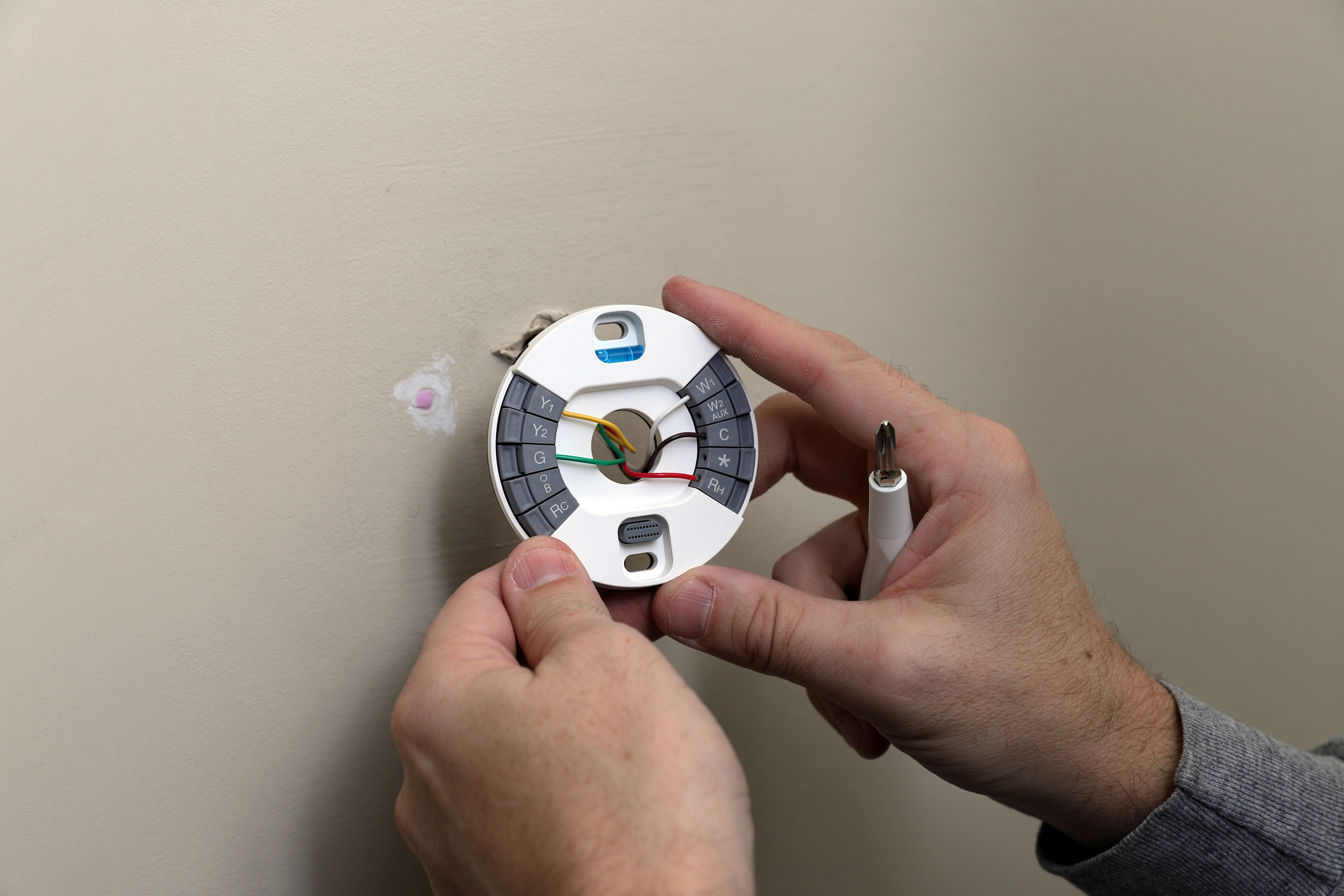
Tools Needed for Safe Thermostat Installation
Embarking on a thermostat wiring project requires the right set of tools to ensure safety and efficiency. A non-contact voltage tester is indispensable for confirming the power is off before starting. This tool provides peace of mind and prevents accidental electrical shocks, making it a must-have for any DIY enthusiast. Additionally, a screwdriver specifically designed for electrical work helps secure connections and adjust components with precision.
Wire strippers also play a critical role in preparing the wires for a secure fit. Stripping the insulation accurately without damaging the wire is essential for a reliable connection. For those in Trophy Club, TX, ensuring a clean and precise strip can mean the difference between a successful installation and a potential hazard. It’s a simple yet effective way to enhance the safety and effectiveness of your thermostat wiring.
Labeling equipment is another tool that cannot be overlooked. Marking wires as you disconnect them from the old thermostat prevents confusion and ensures each wire goes to the correct terminal. Residents in North Richland Hills, TX, will find this step invaluable, especially when dealing with multiple wires and terminals. It streamlines the process, reducing the risk of errors during the reconnection phase.
Lastly, having a flashlight or a headlamp provides the necessary visibility in dimly lit areas or tight spaces. It allows for a clearer view of the wiring and terminals, ensuring no detail is missed. Whether you’re a seasoned DIYer or a novice, good lighting is crucial for a safe and successful thermostat wiring project. With these tools in hand, you’re well-prepared to tackle your project with confidence and safety.
Troubleshooting Common Thermostat Wiring Issues
Even with careful installation, thermostat wiring can sometimes lead to issues that affect your HVAC system’s performance. In Trophy Club, TX, homeowners might notice their heating or cooling isn’t responding as expected. This could be due to wires becoming loose or disconnected. A quick inspection can reveal if any wires need to be re-secured to their proper terminals, resolving the issue without much hassle.
Another common problem arises when the thermostat fails to power on, leaving residents of North Richland Hills, TX, in discomfort. This often stems from a tripped circuit breaker or a blown fuse in the HVAC system. Checking the home’s electrical panel and resetting the breaker or replacing the fuse can quickly bring your thermostat back to life. Always ensure the power is off before handling any electrical components for safety.
Incorrect temperature readings can also signal an issue with thermostat wiring. If your thermostat is located in an area that receives direct sunlight or is near heat-producing appliances, it might misread the actual room temperature. Relocating the thermostat to a more suitable location, where it’s not influenced by external factors, can improve its accuracy and functionality. This adjustment ensures your heating and cooling systems operate only when necessary, maintaining comfort efficiently.
When these troubleshooting steps don’t resolve the problem, it’s wise to call in a professional from Fort Worth, TX. They have the expertise to diagnose and repair more complex thermostat wiring issues. Professionals can also identify and fix any underlying problems with your HVAC system that might be causing the thermostat to malfunction. Trusting a pro with your thermostat wiring ensures your system runs smoothly, keeping your home comfortable throughout the year.
When to Call a Professional for Thermostat Wiring
While DIY thermostat wiring projects can be tempting for the enthusiastic homeowner, there are certain situations where calling a professional becomes necessary. If you find yourself facing complex wiring diagrams or configurations that don’t match standard setups, it’s time to seek expert help. Professionals in Trophy Club, TX, come equipped with the right tools and knowledge to safely navigate and resolve intricate wiring challenges. Their expertise ensures that your HVAC system functions optimally, avoiding any potential risks or damages.
In cases where thermostat wiring adjustments lead to unexpected system behavior, such as constant cycling or failure to maintain set temperatures, a professional’s insight is invaluable. These symptoms often indicate deeper issues within the HVAC system that require a skilled hand for diagnosis and repair. Experts in North Richland Hills, TX, can quickly identify and address the root cause, restoring your system’s efficiency and reliability.
Safety concerns are another critical reason to opt for professional assistance with thermostat wiring. Electrical work carries inherent risks, and without the proper training and precautions, you could put yourself and your property in danger. Professionals follow strict safety protocols and are familiar with local building codes, ensuring that all work is done safely and up to standard. This peace of mind is especially important when dealing with the complexities of electrical systems.
Lastly, when time is of the essence, and you need your heating or cooling system operational without delay, a professional service is your best bet. They can often complete the job more quickly and efficiently than a DIY attempt, thanks to their experience and specialized tools. This swift service means your home in Fort Worth, TX, won’t be left uncomfortable for long, allowing you to enjoy a properly functioning HVAC system sooner. Trusting a professional with your thermostat wiring not only saves time but also guarantees a job well done.
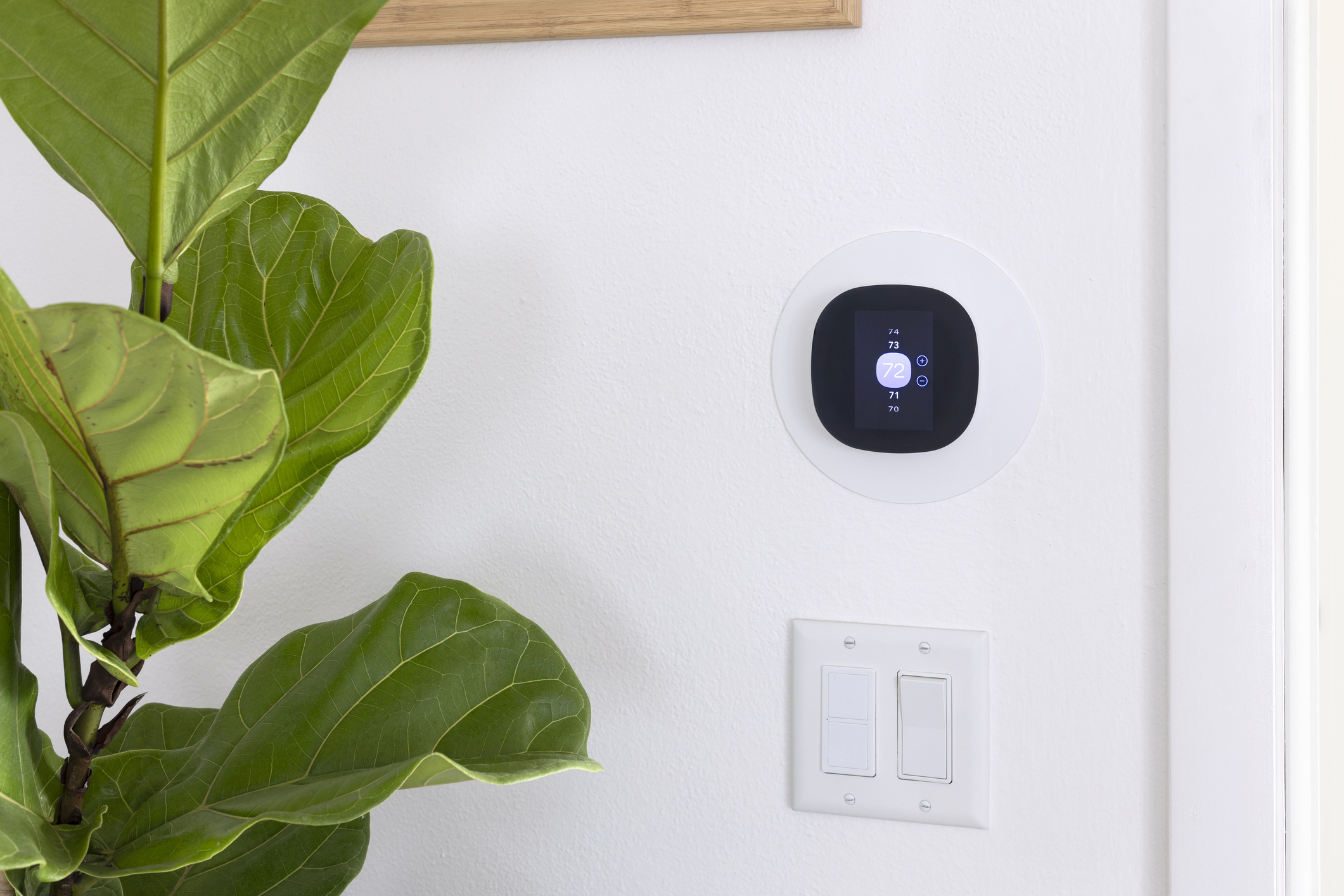
Maximizing Efficiency with Proper Thermostat Wiring
Proper thermostat wiring is crucial for maximizing the efficiency of your HVAC system. Ensuring each wire is correctly connected can significantly improve your system’s response to temperature changes. In Trophy Club, TX, residents who pay attention to these details enjoy a more comfortable home environment. It also helps in reducing unnecessary strain on the system, leading to better energy usage.
Regularly checking your thermostat wiring can prevent potential issues before they escalate. Residents in North Richland Hills, TX, find that a simple inspection can reveal if wires are properly seated. This proactive approach not only maintains optimal performance but also extends the lifespan of the HVAC system. Keeping an eye on your wiring helps catch minor problems that could lead to bigger issues down the line.
Sometimes, adjustments to thermostat wiring are necessary to accommodate updates or changes in your HVAC system. When adding new components or upgrading your system, ensuring that the wiring matches the new setup is essential. This adjustment ensures that your system operates efficiently, providing the right amount of heating or cooling as needed. It’s a step that can make a significant difference in your home’s comfort levels.
Lastly, understanding the basics of thermostat wiring can empower homeowners to make informed decisions about their HVAC systems. Knowing when to call a professional for wiring issues is just as important as any DIY efforts. In Fort Worth, TX, relying on skilled technicians for complex wiring tasks ensures safe and efficient operation. This knowledge helps homeowners maintain an efficient and reliable HVAC system, contributing to a comfortable and energy-efficient home.
Frequently Asked Questions
What tools are needed for thermostat wiring?
To work on thermostat wiring, you’ll need a few basic tools. A screwdriver is essential for loosening and tightening connections. Wire strippers help in removing insulation without damaging the wires. A multimeter allows you to check for electrical continuity and avoid potential hazards. Finally, having a set of needle-nose pliers can make maneuvering and securing wires much easier.
How do you ensure safe thermostat wiring?
Ensuring safe thermostat wiring begins with turning off the power to your HVAC system. Use a multimeter to verify that no current is flowing through the wires. Carefully follow the wiring diagram provided by the manufacturer to avoid mistakes. If you’re unsure or encounter complex wiring, calling a professional is the safest choice.
What are the common wiring mistakes?
Common wiring mistakes include mixing up wire connections, which can harm your HVAC system. Not securing wires properly may lead to loose connections and system failures. Skipping the step of checking for continuity with a multimeter can result in unsafe operations. Lastly, ignoring the manufacturer’s wiring diagram often leads to incorrect installations, necessitating professional intervention.
Can thermostat wiring affect HVAC efficiency?
Correct thermostat wiring plays a crucial role in HVAC efficiency. If wires are not connected properly, your system may run longer than necessary, wasting energy. Poor connections can also lead to uneven heating or cooling in your home. To ensure optimal performance, always double-check that your thermostat is wired correctly or consult a professional for assistance.
What are the color codes in thermostat wiring?
Understanding the color codes in thermostat wiring is key to a safe and effective setup. Red wires usually power the thermostat, while white ones control the heat. For cooling, look for a yellow wire, and green wires typically manage the fan. Always refer to the manufacturer’s guide, as these colors are standard but can vary by system.