

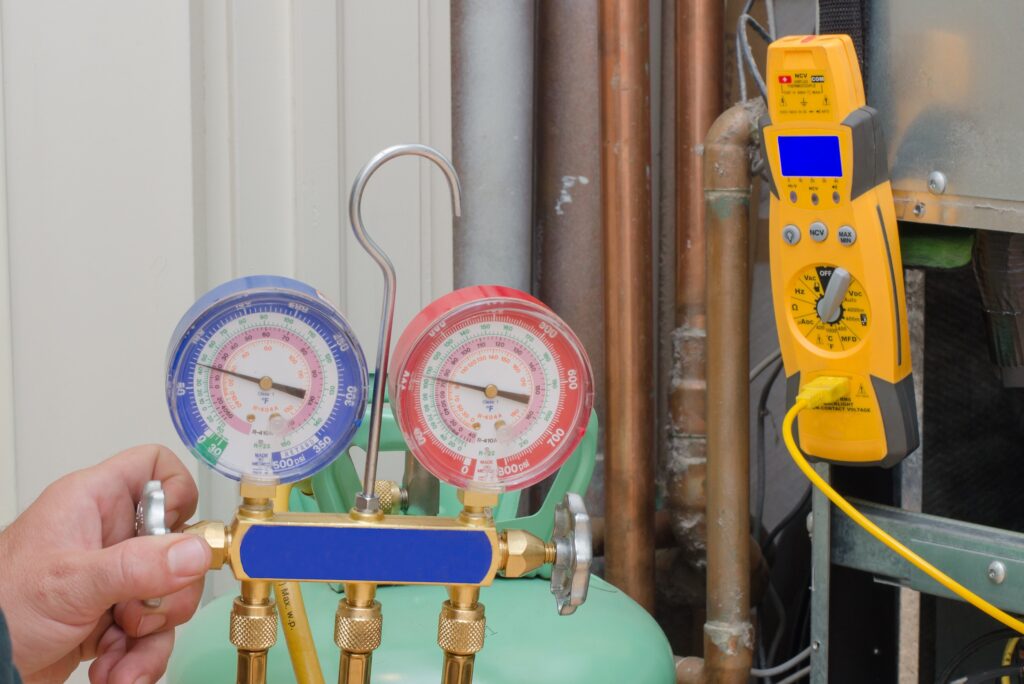
Static pressure test for accurate airflow diagnostics
A static pressure test is a key diagnostic tool used to achieve this. It measures the resistance in your system’s airflow, identifying any restrictions that could be affecting its efficiency. This test is essential for pinpointing problems and guiding the necessary corrections to ensure optimal operation.
In areas like Fort Worth, TX, where temperatures can soar, ensuring your air conditioning and heating system is functioning correctly is not just about comfort but also about energy efficiency. The static pressure test plays a pivotal role in this process. By detecting any airflow issues early, it helps prevent larger, more costly problems down the line. This proactive approach is beneficial for homeowners in Colleyville, TX, Euless, TX, and surrounding areas, looking to maintain their systems at peak performance.
Conducting a static pressure test can reveal a variety of issues, from ductwork obstructions to improperly sized components. These findings are critical for HVAC professionals to make the necessary adjustments. Without this test, these issues could go unnoticed, leading to decreased system efficiency, higher energy bills, and a shorter lifespan for your HVAC unit.
For residents of Fort Worth, TX, and its neighboring cities, understanding the importance of a static pressure test is the first step toward ensuring their HVAC system’s longevity and efficiency. It’s a straightforward yet effective diagnostic tool that helps keep your home comfortable year-round. By identifying and addressing airflow restrictions, it ensures your system is corrected properly, enhancing your home’s overall air quality and comfort.
Understanding the Basics of a Static Pressure Test
Delving deeper into the workings of a static pressure test, it’s essential to grasp how it functions. Essentially, this test measures the pressure difference between the air inside your HVAC system and the air outside of it. This measurement helps identify if the air moves freely or faces obstacles. By understanding these dynamics, technicians can pinpoint where the system might be faltering.
The beauty of a static pressure test lies in its ability to uncover hidden issues. For instance, it can reveal if ductwork in a home, perhaps in Colleyville, TX, is too narrow or if there are bends and turns restricting airflow. Such insights are invaluable because they guide HVAC professionals in making precise adjustments. These corrections can significantly improve airflow and, by extension, the system’s efficiency.
Moreover, the test is not only about finding problems but also about ensuring the right solutions are implemented. In Euless, TX, for example, a technician might discover that the air handler is oversized for the ductwork. This discovery would prompt a reevaluation of the system’s design. Adjusting the components to match correctly ensures that air flows smoothly, enhancing the system’s performance and the home’s comfort.
In summary, a static pressure test serves as a critical diagnostic tool for any HVAC system. It shines a light on issues that are not always visible but have a significant impact on system performance. By guiding technicians in making accurate corrections, it ensures that homes in Fort Worth, TX, and surrounding areas maintain optimal air quality and comfort. This test is a cornerstone of HVAC maintenance, ensuring systems run efficiently and effectively.

The Importance of Accurate Airflow in HVAC Systems
Ensuring accurate airflow within an HVAC system is crucial for maintaining a comfortable and healthy living environment. A static pressure test plays a vital role in this process, as it helps identify any airflow restrictions. When airflow is not properly balanced, it can lead to hot or cold spots in a home, impacting comfort levels. By using this test, technicians in Colleyville, TX, can make informed decisions on how to optimize airflow and enhance system performance.
Airflow restrictions can strain an HVAC system, forcing it to work harder to maintain desired temperatures. This not only affects the system’s efficiency but can also shorten its lifespan. A static pressure test allows technicians to pinpoint these issues, ensuring that the system operates smoothly. Addressing these restrictions early on prevents unnecessary stress on the system, promoting longer operational life.
Proper corrections following a static pressure test can significantly improve a home’s air quality. Blocked or restricted airflow can lead to poor air circulation, which might increase dust and allergen levels inside. Technicians in Euless, TX, utilize the insights gained from the test to adjust the system, improving air quality and creating a healthier environment for residents.
Ultimately, the importance of accurate airflow in HVAC systems cannot be overstated. A static pressure test is a key tool in achieving this, guiding technicians in making precise adjustments for optimal system performance. By ensuring that air moves freely throughout the system, homes in Fort Worth, TX, and surrounding areas can enjoy improved comfort, air quality, and system efficiency. This test is an essential part of maintaining an HVAC system’s health and the well-being of those living with it.
How a Static Pressure Test Identifies Airflow Issues
A static pressure test is an invaluable tool for identifying airflow issues in HVAC systems, crucial for maintaining a comfortable home environment. This test helps technicians in Fort Worth, TX, to detect any blockages or restrictions that hinder the system’s performance. By pinpointing these problems, the test ensures that the air moves freely, preventing the system from overworking and ensuring it operates efficiently.
In Colleyville, TX, performing a static pressure test can uncover specific areas within the ductwork that cause airflow disruptions. These findings enable HVAC professionals to make targeted adjustments, improving the system’s overall functionality. By rectifying these issues, the test plays a pivotal role in enhancing the airflow, which is essential for the system’s longevity and the comfort of the home’s occupants.
Furthermore, the test is not limited to detecting problems but also aids in verifying the effectiveness of the corrections made. After adjustments, technicians can conduct another static pressure test to ensure that the airflow is now unobstructed. This step is critical for homeowners in Euless, TX, as it confirms that their HVAC system is now optimized for peak performance, ensuring their comfort and the system’s efficiency.
Lastly, the static pressure test is a proactive measure that can save homeowners from future inconveniences. By identifying and addressing airflow issues early, it prevents the escalation of minor issues into major problems. For residents of Fort Worth, TX, and its surrounding areas, this test is a key component of regular HVAC maintenance, ensuring their systems run smoothly and efficiently year-round.
Tools and Equipment Needed for a Static Pressure Test
To perform a static pressure test accurately, specific tools and equipment are essential. A manometer, which measures pressure differences, is key to identifying any airflow resistance within the HVAC system. Technicians also rely on a set of pressure tips that attach to the manometer, allowing for precise readings from within the ductwork. This setup is crucial for detecting any blockages or restrictions that could be impacting system performance.
Additionally, a temperature probe is often used alongside the manometer to assess the temperature differential across the system. This helps in understanding how the airflow restrictions might be affecting the system’s ability to heat or cool effectively. In Colleyville, TX, where temperature demands on HVAC systems can vary greatly, this information is invaluable for ensuring optimal operation.
For a comprehensive evaluation, HVAC professionals also utilize an airflow hood. This tool measures the amount of air coming out of registers, providing a clear picture of how well the system is distributing air throughout a home. In Euless, TX, where homes may have unique architectural features that affect airflow, this tool is particularly useful for ensuring that air is reaching all areas as intended.
Finally, detailed documentation is vital for comparing pre and post-correction performance. Technicians record all readings and findings, using them as a baseline for verifying the effectiveness of any adjustments made. This step ensures that once a static pressure test indicates a problem, the corrective actions taken are successful in enhancing the HVAC system’s efficiency and the home’s comfort.
Step-by-Step Guide to Performing a Static Pressure Test
To begin a static pressure test, the first step involves setting up the manometer correctly. Technicians ensure the device is calibrated to accurately measure the pressure within the HVAC system. This precision is crucial for identifying any discrepancies that might indicate airflow restrictions. With the manometer ready, they proceed to connect the pressure tips at strategic points in the ductwork to start the measurement process.
Next, the technician records the initial pressure readings, noting any variations that could suggest blockages or airflow issues. These initial readings serve as a baseline for understanding the system’s current performance. Attention to detail is key in this step, as even minor variations in pressure can have significant implications for airflow and, by extension, the system’s efficiency. This meticulous approach helps in pinpointing the exact locations where airflow might be compromised.
After identifying potential airflow restrictions, the technician then assesses the impact of these restrictions on the system’s ability to distribute air evenly throughout the home. Using an airflow hood, they measure the air output at various registers to determine if the air distribution matches the system’s design specifications. This step is essential for verifying that the system delivers air efficiently to all areas of the home, ensuring consistent comfort levels across different rooms.
Finally, the technician compares the post-correction readings with the initial measurements to confirm that the adjustments have effectively resolved any airflow issues. This comparison is critical for validating the success of the corrections made. Improved airflow readings not only signify enhanced system performance but also indicate an increase in the overall comfort and air quality within the home. This process underscores the importance of a static pressure test in maintaining an HVAC system’s optimal performance.
Interpreting Results from Your Static Pressure Test
After conducting a static pressure test, interpreting the results accurately is crucial for understanding the health of your HVAC system. When technicians in Colleyville, TX, analyze these results, they look for pressure differences that indicate airflow restrictions. These findings help pinpoint the exact locations where improvements are needed, guiding the next steps in the maintenance process. This careful examination ensures that any issues are addressed effectively, enhancing the system’s performance.
In Euless, TX, the interpretation of static pressure test results also involves comparing the current system’s performance against optimal performance standards. This comparison reveals whether the airflow within the HVAC system meets the expected criteria for efficiency and comfort. If discrepancies are found, technicians can make informed decisions on the necessary adjustments, ensuring that the system operates at its best.
The process of interpreting results from a static pressure test also includes assessing the impact of any identified restrictions on the system’s overall functionality. This assessment helps in understanding how these restrictions might be affecting the comfort levels within the home. By identifying the root causes of airflow problems, technicians can target their corrections more accurately, leading to more effective solutions and improved indoor air quality.
Lastly, the final step in interpreting these results is planning and implementing the appropriate corrections. This plan is based on a thorough understanding of the test outcomes and is tailored to address the specific issues identified. Once corrections are made, a follow-up static pressure test verifies that the adjustments have successfully resolved the airflow issues, ensuring that residents in Fort Worth, TX, and surrounding areas enjoy a comfortable and efficient home environment.
Solutions and Corrections for Common Airflow Problems
After conducting a static pressure test, identifying the specific issues causing airflow restrictions is crucial. In Colleyville, TX, technicians often find that improperly sized ducts are a common culprit. They then focus on resizing or redesigning the ductwork to eliminate these bottlenecks. This approach ensures that air moves freely, significantly improving the system’s efficiency and the home’s comfort levels.
In Euless, TX, another frequent issue discovered through static pressure tests is blocked filters or vents. Technicians address this by cleaning or replacing the filters and removing obstructions from vents. This simple correction can dramatically enhance airflow, making the HVAC system operate more smoothly and efficiently. Regular maintenance, including these checks, helps prevent future airflow problems.
Sometimes, the test reveals that the HVAC system’s components, like the blower motor, are not working at their optimal capacity. Technicians then work on adjusting or replacing these components to match the system’s requirements. This ensures that each part of the HVAC system contributes to an unimpeded flow of air, optimizing the home’s heating and cooling processes.
Lastly, after making the necessary corrections, a follow-up static pressure test is vital. This step confirms that the adjustments have effectively resolved the airflow issues. It gives homeowners peace of mind, knowing their HVAC system is now optimized for performance and comfort. This proactive approach to HVAC maintenance ensures systems in Fort Worth, TX, and surrounding areas run efficiently, providing a comfortable environment year-round.
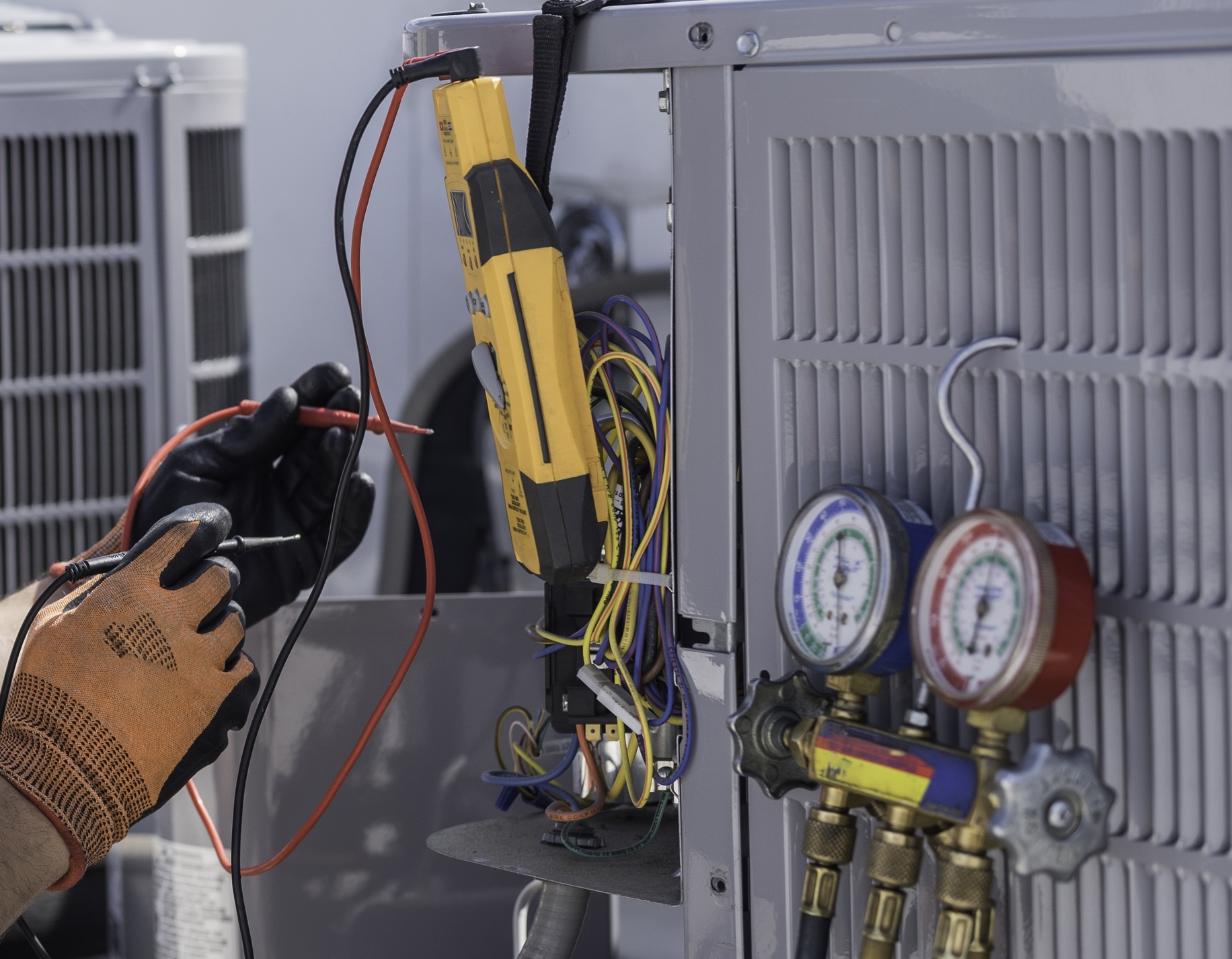
The Role of Professionals in Conducting Static Pressure Tests
Conducting a static pressure test requires expertise and precision, making the role of professionals indispensable. In Colleyville, TX, trained technicians use their skills to accurately measure and interpret airflow resistance within an HVAC system. They ensure the test is performed correctly, using specialized tools to identify any issues that might compromise system efficiency. This professional approach guarantees that homeowners receive reliable diagnostics and effective solutions.
In Euless, TX, HVAC professionals not only conduct these tests but also provide invaluable insights into the health of the system. Their experience allows them to pinpoint the root causes of airflow restrictions quickly. By analyzing the test results, they can recommend the best course of action to improve air distribution throughout the home. This expertise ensures that every adjustment is based on solid data, enhancing system performance and homeowner comfort.
Professionals also play a crucial role in implementing the necessary corrections identified through the static pressure test. Whether it’s adjusting the ductwork, cleaning filters, or replacing components, they handle each task with care. Their work ensures that the HVAC system operates at its peak, providing efficient heating and cooling. This meticulous attention to detail helps prevent future issues, maintaining the system’s longevity.
Finally, a follow-up static pressure test is essential to confirm the effectiveness of the corrections made. Professionals in Fort Worth, TX, conduct these tests to ensure that the adjustments have successfully resolved the airflow issues. This step provides homeowners with peace of mind, knowing their HVAC system is optimized for performance. Through their expertise, professionals ensure that the static pressure test serves its purpose, guiding improvements that enhance home comfort and system efficiency.
Frequently Asked Questions
What is a static pressure test?
A static pressure test measures the resistance to airflow in your HVAC system. It helps identify any blockages or leaks affecting performance. By assessing this pressure, technicians can pinpoint where adjustments are needed. This ensures your system operates efficiently and effectively.
How does airflow diagnostics work?
Airflow diagnostics begin with a static pressure test to assess your HVAC system’s efficiency. Technicians use this test to uncover any airflow restrictions. They then analyze these findings to determine the best course of action. This approach ensures your heating and cooling system runs smoothly and effectively.
When should you perform a static pressure test?
A static pressure test is best performed during regular maintenance checks or when you notice your HVAC system isn’t working as it should. It’s crucial for detecting airflow issues before they lead to bigger problems. Scheduling this test can help ensure your heating and cooling system remains efficient. By identifying and correcting any restrictions early, you can keep your system running smoothly and effectively.
What tools are needed for airflow testing?
To carry out a static pressure test, technicians need a few key tools. They use a manometer, which measures the pressure within the ductwork. A handheld digital device helps them read these measurements accurately. They also employ an airflow hood to assess the air volume passing through vents. Together, these tools enable precise diagnostics of your HVAC system’s airflow.
Can HVAC efficiency be improved with testing?
Yes, HVAC efficiency can greatly benefit from testing. A static pressure test identifies where the system might be underperforming due to airflow restrictions. By pinpointing these issues, technicians can make informed corrections. This process ensures your heating and cooling system operates at its best, enhancing overall efficiency.