
Thermostat Staging for Smoother Comfort Transitions
Key Takeaways About Thermostat Staging
Thermostat staging controls HVAC output in steps so systems match demand without abrupt on off cycles. This matters for homeowners and property managers who want steadier comfort, lower wear, and better humidity control during seasonal use.
- Identify whether your system and thermostat support multiple stages.
- Prevent short cycling by using minimum run times and proper wiring.
- Avoid false calls by placing thermostats away from drafts and sunlight.
- Spot airflow and duct issues with temperature readings at grilles.
- Reduce noise and equipment stress by favoring low stage runtimes.
- Plan professional diagnostics when wiring or components behave intermittently.
Introduction
Thermostat staging matters because many HVAC systems struggle with abrupt on off cycles that cause uneven temperatures. Homeowners notice hot or cold pockets and frequent short cycles that waste energy. Staging helps systems match output to demand so they run steadier and last longer. In places like Aledo, TX the difference between noisy cycling and steady comfort becomes obvious during seasonal swings.
Setup considerations start with knowing what type of system you have and whether it supports multiple stages. Single-stage systems turn full on or off while staged systems add intermediate output levels for smoother changes. Proper wiring and thermostat compatibility matter for reliable operation and safe control of compressors and furnaces. For properties in Grapevine, TX owners often report improved overnight comfort once staging works correctly with existing ductwork.
Comfort benefits show up as fewer temperature swings, calmer equipment starts, and reduced drafts near vents and doors. Occupants often mention steadier bedroom temperatures at night and less noisy cycling during quiet hours. Staged operation also reduces the sensation of sudden blasts of hot or cold air when the system calls for big corrections. These practical changes make daily living more consistent and predictable for families.
Diagnosing whether staging will help begins with observing how long systems run and how quickly rooms change temperature. A technician will check thermostat settings, confirm the presence of multi-stage wiring, and inspect the compressor, furnace, and blower motor. Simple checks include recording run times and noting sounds, airflow, and temperature differences at supply and return grilles. If safety risks appear during inspection call a professional to evaluate components and controls.
What Thermostat Staging Means And How It Works
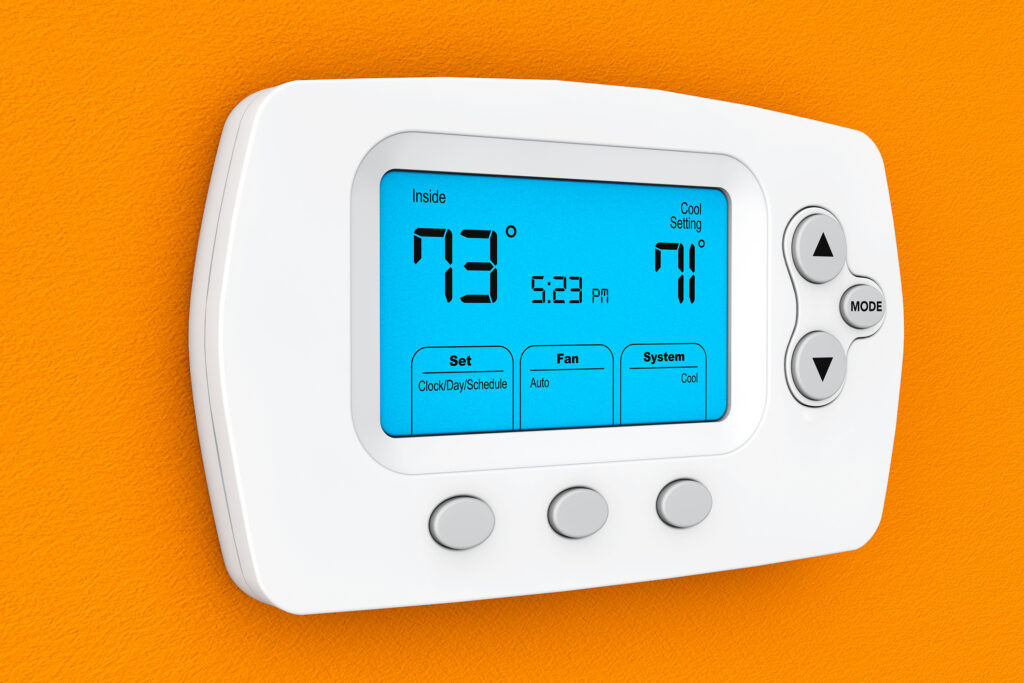
Thermostat staging means controlling HVAC output in steps so the system meets demand without cycling fully on or off abruptly.
- Single-stage systems use one on position.
- Multi-stage systems add low and high output levels.
- Variable-capacity equipment modulates continuously.
- Thermostat wiring tells equipment which stage to run.
- Proper control avoids short cycling and overshoot.
Staging engages different components in sequence to reduce strain on the compressor, heat exchanger, and blower motor during start-up. Homeowners often ask if staging reduces temperature swings, and the answer is yes because smaller corrections keep rooms closer to setpoint. A staged call may start the blower and run the compressor at low capacity before increasing output for larger loads. This sequence reduces loud starts and abrupt airflow that occupants notice near supply grilles.
A professional diagnoses staging needs by observing run times, measuring supply and return temperatures, and checking thermostat wiring and control signals. They will record temperature differences across the evaporator coil and note blower motor speed and sound during each stage. Simple checks include verifying multi-stage terminals on the thermostat and using a temperature reading to see if the first stage holds the room near setpoint. If wiring or control boards show signs of wear or improper configuration, a trained technician should make the repair.
Placement and settings affect how effectively stages restore comfort, so refer to proper thermostat siting advice to avoid false readings from drafts or sunlight. Homeowners in Aledo, TX should be aware that a thermostat near a kitchen or direct sun will trigger unnecessary stages. For properties in Grapevine, TX ensuring return grille airflow is unobstructed helps the system sense demand accurately. When staging works with good placement and clear airflow, the system maintains steadier temperatures and runs longer, more efficient cycles.

Why Thermostat Staging Improves Temperature Control
Staged operation reduces overshoot by matching output to the size of the temperature gap, which keeps rooms closer to setpoint. When the system responds in smaller steps, the compressor and blower avoid harsh start currents and sudden airflow surges. That gentler response limits pressure swings across the refrigerant lines and reduces stress on the heat exchanger. Homeowners often notice fewer sudden bursts of hot or cold air at supply grilles with properly tuned staging.
Staging improves control in homes with varying load zones by allowing the system to run longer at lower capacity instead of short cycling. Longer low-stage runs remove humidity more gradually in cooling mode, which often makes rooms feel more comfortable even if the thermostat setpoint stays the same. Technicians confirm this by measuring supply and return temperature differences and by recording runtime at each stage. These readings show whether the first stage holds the space near the setpoint before higher stages engage.
Proper staging also reduces noise and vibration because motors and compressors operate at lower, steadier speeds during mild demand periods. That smoother operation can lower the chance of loose duct connections becoming audible at vents or registers. A professional will inspect the blower motor, contactor, and control board during diagnosis to ensure each component responds correctly to stage signals. For guidance on safe wiring practices, consult thermostat wiring basics and safety before attempting adjustments.
In some houses, uneven airflow or thermostat placement masks staging benefits until those issues are fixed by adjusting vents or relocating controls. A technician may use an infrared camera or temperature readings at multiple rooms to confirm airflow balance and stage effectiveness. For homeowners in Aledo, TX and properties in Grapevine, TX this step often reveals whether staging changes will produce noticeable comfort improvements. When diagnosis shows wiring or control faults, a trained HVAC professional should perform repairs to maintain safe operation.
Common Causes Of Faulty Thermostat Staging
Incorrect thermostat configuration is a common root cause when stages fail to behave as expected. A miswired thermostat can send a constant high-stage call or skip low-stage activation, so a technician will inspect terminal wiring at the control board and thermostat. They will also check that the control board interprets the R, W, Y, and G signals correctly using a voltage or continuity test. If wiring damage or loose connections appear, a professional should correct them to avoid repeated stage faults.
Faulty sensors and inaccurate temperature feedback can trick the control system into over- or under-staging. Thermostat sensors, remote temperature sensors, or the return-air sensor may drift, report wrong readings, or lose calibration, causing stages to engage at improper times. A technician will compare thermostat readings to room and return temperatures with a thermometer and may inspect the sensor wiring for continuity. When the sensor output and measured temperatures disagree, replacement or recalibration is usually required.
Control board and relay failures also produce staging problems by not switching compressors, burners, or blower speeds as commanded. Relays, contactors, and motor capacitors wear out and can stick or fail electrically, so a technician will visually inspect components and take voltage and current readings during stage transitions. They will observe whether the blower motor changes speed and if the compressor shifts capacity when stages change. Evidence of burning, pitting, or inconsistent relay clicks often points to component replacement.
Ductwork and airflow restrictions can prevent a first stage from meeting demand, which triggers unnecessary higher-stage calls. Blocked return grilles, closed dampers, or dirty filters reduce airflow and make the thermostat sense a larger temperature gap than exists. A professional will measure static pressure and do temperature readings at supply and return grilles to confirm airflow issues. Fixes include cleaning filters, adjusting dampers, and sealing obvious leaks to restore proper staging response.
Firmware or thermostat programming errors can override staging logic and lead to erratic operation after updates or manual changes. Incorrect stage temperature differentials, deadband settings, or installer setup options may bypass lower stages during normal loads. A technician will review thermostat setup menus and compare programmed stage setpoints to manufacturer recommendations, and may reflash firmware or reset configuration. Homeowners in Aledo, TX should keep notes of changes and report unusual behavior after thermostat updates to help the technician diagnose the root cause.
Warning Signs Your System Needs Staging Adjustment
Uneven room-to-room response, like one bedroom staying warm while others reach setpoint quickly, often signals staging issues that need attention. You may notice longer runtimes with little temperature change or repeated short cycles that do not resolve the gap. A persistent humming or irregular clicks at the control board during calls can indicate relays struggling to shift between stages. If you smell burning or plastic near the furnace or control board, stop the system and call a professional immediately.
- Rooms that overshoot the setpoint repeatedly.
- Frequent short cycles with minimal temperature change.
- Odd relay clicks or no sound when stages should change.
- Blower that runs but compressor fails to ramp.
- Thermostat display shows stage calls out of order.
Another common sign is inconsistent airflow where supply registers change intensity when stages switch, suggesting blower or damper control problems. Technicians will inspect the blower motor, capacitor, and contactor while recording static pressure and temperature at supply and return grilles. They may also check thermostat signals at the control board using a multimeter to confirm proper R, W, Y, and G responses. Simple homeowner checks include noting timing of sounds and measuring temperature differences with a thermometer at vents.
When remote sensors or smart controls act up after an update, staging can behave oddly and skip lower stages unexpectedly. A pro will compare thermostat readings to independent room measurements and may review thermostat programming or firmware history. For homeowners considering upgrades, pairing multi-stage thermostats correctly matters, and guidance on compatible models can start with resources about smart thermostat installation. In Aledo, TX owners sometimes report that a misplaced sensor amplified staging symptoms until corrected by relocating the sensor.
In some situations, visible signs such as frost on refrigerant lines or a hot return grille point to deeper component faults that affect staging. A technician will inspect the evaporator coil, refrigerant line set, and heat exchanger and take temperature differentials to diagnose the fault. They will also run the system through staged calls while recording blower speed and compressor behavior to confirm whether adjustments fix the issue. If diagnostic checks reveal wiring or component damage, hire a qualified HVAC technician to make safe repairs.
How To Configure Thermostat Staging At Home
Start by confirming your thermostat supports multiple stage outputs and has accessible terminal labels for R, Y1, Y2, W1, W2, and G. Turn off power at the breaker before touching wiring to avoid shock and prevent control board damage. A visual check for loose wires, corrosion, or burnt terminals helps flag issues before deeper testing. If you find damaged wiring or uncertain connections, contact a professional to avoid risking component damage.
Next, use a multimeter to verify voltage at the thermostat terminals and continuity through stage wires while a controlled call is made at each stage. Observe whether the thermostat sends low-stage signals first and whether the compressor and blower respond at expected speeds. Record supply and return temperatures during each staged call to see if the first stage holds the room near setpoint. If stage signals skip or components do not respond, stop further testing and seek professional diagnosis.
Adjust thermostat programming to match equipment type and stage deadbands following manufacturer guidance and installer options on the device. Smart thermostats often include stage-related settings worth reviewing for sensitivity and minimum run times, consult the smart thermostat settings page for setup tips. Homeowners in Aledo, TX should be careful relocating sensors or changing setback scheduling, as these actions can change staging behavior. When in doubt, save current settings before changing them so you can revert if comfort worsens.
Balance airflow by checking filter condition, supply registers, and return grilles so the low stage can meet demand without falsely triggering higher stages. Measure temperature at multiple rooms during a staged call to confirm even response and look for unusual sounds like labored blower or relay chatter. Consider zoning if certain areas consistently require different outputs, resources on HVAC zoning explain when zoning complements thermostat staging. If diagnostics show control board, relay, or compressor issues, hire a qualified HVAC technician to complete repairs and verify safe operation.
When To Call A Professional For Staging Issues
If your system shows unpredictable stage switching during normal operation, call a professional to avoid trial-and-error adjustments that could worsen control. A technician will perform live stage calls while watching compressor and blower responses and taking supply and return temperature readings. They may use a multimeter to confirm proper voltage and continuity at multi-stage thermostat terminals and the control board. When sensors or relays behave intermittently, a trained technician can isolate electrical faults safely and recommend next steps.
Persistent short cycling that resists simple fixes is a sign to stop DIY attempts and contact an HVAC pro for a controlled diagnosis. The technician will inspect the contactor, blower motor capacitor, and control relays while recording run times for each stage. They may also perform static pressure checks and temperature measurements at multiple registers to see if airflow prevents low-stage satisfaction. If the issue involves staging logic or programming, a professional can review thermostat installer options and restore correct settings.
If you notice unusual noises, burning smells, or visible damage near the control board or furnace, power down the system and call an HVAC technician immediately for safety reasons. A pro will visually inspect wiring, look for heat-damaged terminals, and test components under load to confirm safe operation. They will also check refrigerant line temperatures and evaporator coil behavior during staged calls to find component-related causes. For homeowners in Aledo, TX, documenting when symptoms occur helps the technician reproduce issues during inspection.
Consider professional help when planning upgrades that change stage behavior, such as adding zoning or switching thermostats to multi-stage capable units. A technician can evaluate compatibility and advise whether two-stage equipment benefits your home, and you can read about advantages of two-stage furnaces to learn more before deciding. They will also verify that any new thermostat wiring and control settings match the equipment and that safety interlocks remain functional. For properties in Grapevine, TX, having a technician confirm settings after an upgrade prevents comfort regressions and avoids repeated service calls.

Preventive Maintenance To Keep Staging Optimal
Regular filter and register checks keep airflow steady so staging can operate as intended and avoid unnecessary higher-stage calls. Inspect filters monthly during heavy use and replace when visibly dirty or restrictive to prevent reduced supply and return airflow. A technician will also check belt condition and pulley alignment on older blowers to ensure consistent airflow delivery. If you notice weak airflow or rooms that take much longer to reach setpoint, schedule an inspection to verify system response.
- Change or inspect air filters regularly.
- Keep supply and return grilles unobstructed.
- Check blower access panels for dust buildup.
- Verify vent dampers open and operate smoothly.
Blower maintenance matters for staging because motor speed and air volume affect the system’s ability to meet low-stage demand precisely. A pro will test the blower motor, capacitor, and fan controller while measuring static pressure and airflow at grilles. Homes with variable-speed blowers benefit from tuning and periodic checks to ensure speed settings match staging signals and maintain stable temperatures. For more on variable blower service consider information about variable-speed blowers to learn how airflow control pairs with staging.
Thermostat care prevents false stage calls caused by soiled sensors, loose wiring, or outdated firmware that drifts from expected behavior. Clean the thermostat interior gently and tighten terminal screws with power off, then observe stage behavior during controlled calls. A professional can calibrate remote sensors or confirm wiring continuity using a multimeter during routine visits. Homeowners in Aledo, TX should keep a log of unusual stage events to help the technician diagnose intermittent issues faster.
Seasonal tune-ups let a technician run staged calls and measure supply, return, and coil temperatures under controlled loads to confirm stage thresholds. They will inspect contactors, relays, and control boards and replace worn parts before failure affects staging. Routine checks also include refrigerant line inspection and condensate drain cleaning to avoid faults that interfere with stage performance. Schedule preventive maintenance annually to catch issues early and keep staging operating reliably.
Daily Use Tips For Smoother Comfort Transitions
Set modest temperature ramps on weekdays to let the system use lower stages first and avoid abrupt corrections during occupied hours. Program gradual setpoint changes over 30 to 60 minutes so the thermostat staging has time to hold the space without calling the highest stage. Observe how rooms near exterior walls respond and adjust ramp speed if one zone lags behind others. If you have a zoning system, coordinate ramp schedules with zone dampers so each area warms or cools at its own pace.
Use minimum run times on your thermostat to prevent short cycling and give the first stage a chance to stabilize room temperature before higher stages engage. Confirm minimum run settings so the blower and compressor reach steady operation and remove humidity in cooling mode. Watch for steady airflow and even temperature at supply grilles as evidence that the low stage is effective. Homeowners in Aledo, TX should note room-by-room timing to fine-tune minimum run durations for comfort.
When you change thermostat setbacks for sleep or away periods, stagger return-to-comfort times instead of restoring the setpoint all at once to reduce large stage jumps. Schedule the thermostat to move halfway back to setpoint first, then reach the final target shortly after, allowing staging to increase output progressively. Check for sounds like a soft blower ramp or modest compressor hum as signs staging is following the plan. If abrupt high-stage starts persist, a service visit can confirm wiring and control board responses during staged returns.
Place portable temperature sensors in rooms that often differ from the main thermostat reading and use them with compatible thermostats to smooth transitions across the house. Monitor supply and return grille temperatures briefly after a staged change to see whether the first stage keeps spaces near setpoint. If one area still experiences lag, consider zoning upgrades and consult resources on zone control systems to learn how separate schedules and dampers reduce stage conflict. For properties in Grapevine, TX coordinate sensor placement away from direct sunlight and cooking areas to avoid false stage calls.
Frequently Asked Questions
How does thermostat staging reduce short cycling?
Thermostat staging reduces short cycling by matching compressor or furnace output to the actual load instead of running full power. Smaller staged steps reach setpoints without causing frequent on-off cycles that stress the compressor and blower. Technicians confirm staging reduces cycling by checking run times, thermostat settings, and refrigerant pressures or draft readings. If you suspect persistent short cycling, stop using the system and call a professional to inspect controls and safety limits.
Which systems support thermostat staging upgrades?
Most multi-stage and variable-capacity heat pumps and gas furnaces support thermostat staging upgrades when the control board and wiring terminals match the thermostat. Single-stage systems generally do not benefit from staging unless you add a compatible multi-stage or variable-speed air handler or furnace. Older systems or units with proprietary manufacturer controls may need a compatible OEM thermostat or an adapter, so check equipment manuals. If electrical or refrigerant plumbing changes are required, stop and hire a professional to avoid safety risks and voiding warranties.
What setup checks confirm proper staging operation?
Check that each stage activates and deactivates in sequence by observing system response when you change setpoints slowly. Verify thermostat wiring terminals match the equipment diagram and that the thermostat menu shows multi-stage configuration. Watch indoor temperature drift and listen for compressor and fan changes to confirm stages engage without short cycling. If wiring or stage behavior seems incorrect or unsafe, stop and call a licensed HVAC professional to diagnose and fix the issue.
How do staging changes improve overnight comfort?
Thermostat staging lets your system run lower-capacity stages first, reducing loud on/off cycles that wake sleepers. Gradual increases in heating or cooling keep bedroom temperatures steady through night-time setbacks. A technician will check thermostat settings, temperature sensor placement, and stage thresholds to confirm proper operation. If you notice odd noises or frequent cycling, stop changes and call a professional to inspect the control board and compressor for safety.
When should I call a pro for staging diagnostics?
Call a pro when your system cycles oddly, rooms stay uneven, or the thermostat staging fails to bring steady comfort.
If you hear frequent short cycling, unusual noises from the blower or compressor, or smell burning, stop using the system and call.
A technician will inspect the thermostat, staging settings, control board, relay operation, refrigerant pressures, and airflow readings to diagnose causes.
If ladder work or electrical access is required, take caution and let a qualified HVAC professional perform the diagnostic and adjustments.