


Refrigerant Charge Audit in Benbrook to Validate Performance
Key Takeaways About Refrigerant Charge Audit
A refrigerant charge audit checks refrigerant behavior using superheat and subcooling to confirm proper charge. This information helps homeowners and property managers know when to call a technician to protect the compressor and restore cooling.
- Identify incorrect charge by measuring pressures and temperatures accurately.
- Prevent compressor damage by confirming proper superheat and subcooling.
- Avoid guessing adjustments by fixing airflow and electrical issues first.
- Spot leaks and restrictions with pressure gauges and targeted inspections.
- Reduce energy use by restoring correct pressure temperature balance.
- Plan follow up service and record readings for trend tracking.
Introduction
Proper refrigerant charge keeps an air conditioner running efficiently and protects the compressor from damage. When systems are undercharged or overcharged, the compressor can overheat or work harder than necessary. Homeowners often notice reduced cooling, higher energy use, or odd sounds before a compressor fails. In hot Texas summers these small problems become urgent for comfort and property safety.
Technicians use superheat and subcooling measurements to check if a system has the correct refrigerant charge. Those readings show how the refrigerant behaves at the evaporator and condenser, which tells a tech whether the charge is right. Incorrect charge changes refrigerant temperature and pressure patterns in predictable ways. Recognizing those patterns helps prevent premature compressor wear.
Symptoms that suggest a refrigerant problem include long cooling cycles, frost on the evaporator coil, and unusual compressor noise. A trained technician will inspect the evaporator coil, refrigerant line set, capacitor, and contactor as part of a diagnostic. They will record pressure gauge and temperature readings to confirm whether superheat and subcooling fall within expected ranges. Clear diagnostic data guides safe repairs and protects the compressor.
Homeowners in Benbrook, TX often wait until cooling drops noticeably before calling for help, which increases risk to the compressor. For properties in Arlington, TX a small leak can quickly reduce charge enough to cause damage during sustained heat. If you notice falling performance or strange system behavior, contact a qualified HVAC professional for a refrigerant charge audit and diagnostic inspection. Prompt action can extend component life and restore reliable cooling.
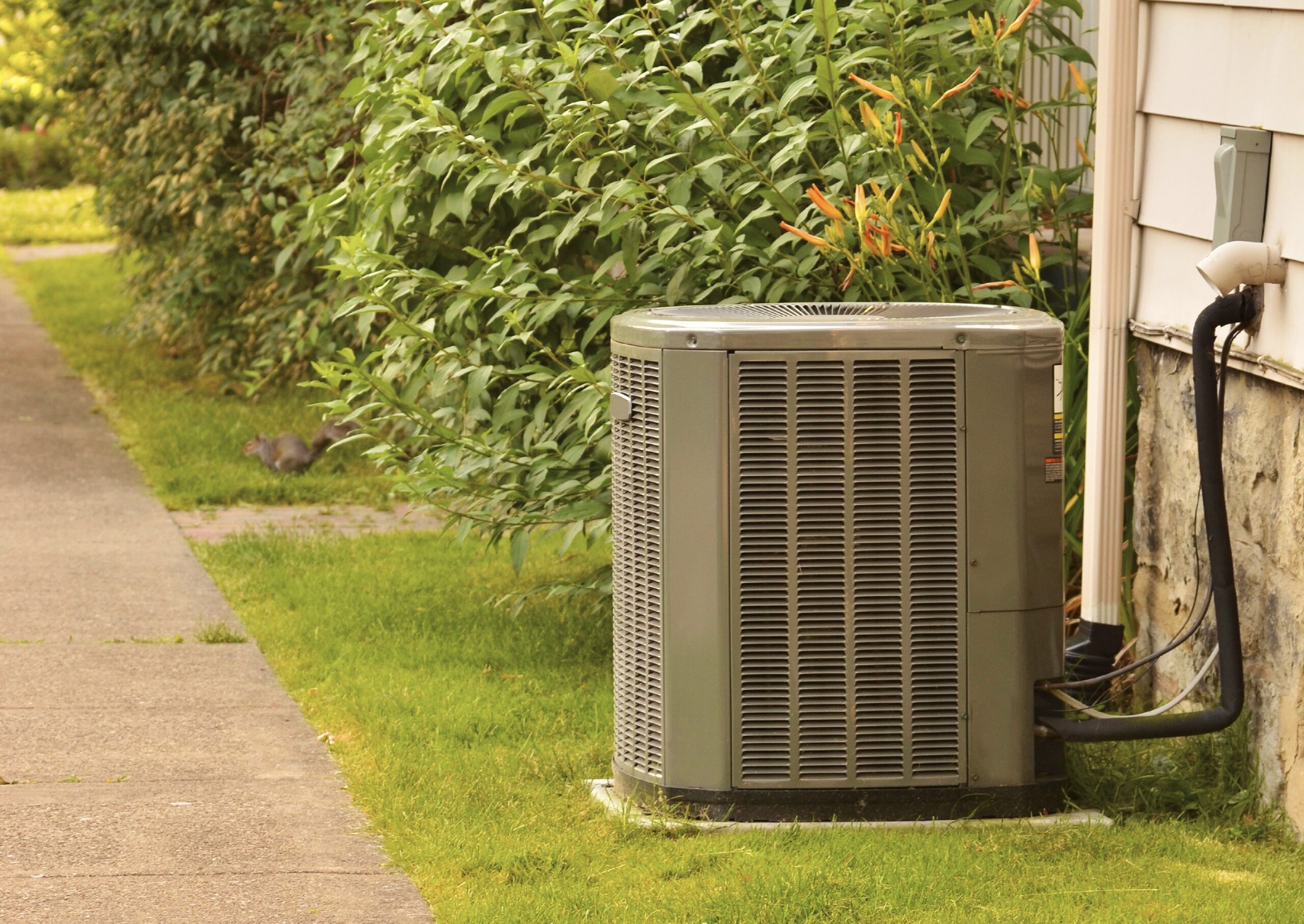
How Superheat Works And Why It Happens
Superheat is the temperature increase of refrigerant vapor above its evaporation point at the evaporator outlet.
- Superheat shows how much heat the refrigerant picked up.
- Too little superheat can let liquid refrigerant reach the compressor.
- Too much superheat indicates insufficient refrigerant or poor airflow.
- Technicians measure superheat with temperature and pressure readings.
Superheat happens because the evaporator coil transfers heat into the refrigerant, turning liquid into vapor and then warming that vapor. Homeowners often ask whether a warm return air duct affects superheat, and the answer is yes because reduced airflow raises superheat. A technician compares measured superheat to the recommended range for the system to decide if refrigerant charge adjustments are needed. Simple checks include checking return grille airflow and measuring refrigerant pressure at the service port.
When superheat is low, liquid can enter the compressor and cause mechanical damage over time. When superheat is high, the compressor runs hotter and works harder, shortening its life. Professionals use an evaporator saturation temperature (from pressure reading) and a thermometer at the evaporator outlet to calculate superheat. If a leak is suspected during this check, a tech will follow documented refrigerant leak search methods like those described on the site refrigerant leak search methods to locate it.
In Benbrook, TX and Arlington, TX homes, seasonal humidity and filter condition can change superheat readings between service visits. For a homeowner noticing longer run cycles or less cooling, a measured superheat outside the normal range is a clear sign to call a professional. A technician will confirm by inspecting the evaporator coil, refrigerant line set, and airflow before making any charge changes. Proper diagnosis protects the compressor and keeps cooling consistent during hot weather.
How Subcooling Works And When To Adjust
Subcooling describes how much the liquid refrigerant cools below its condensation temperature after leaving the condenser. Technicians measure subcooling using condenser pressure and a liquid-line temperature reading near the service valve. Proper subcooling confirms the condenser is rejecting heat and that the metering device is receiving liquid refrigerant. Low subcooling can indicate a refrigerant shortage or noncondensables raising head pressure.
High subcooling usually means the system has too much refrigerant or restricted liquid flow before the metering device. That condition may cause the evaporator to receive overly cold liquid and increase the chance of slugging the compressor. A tech will compare measured subcooling to the manufacturer’s expected range before adding or removing refrigerant. Adjusting charge based only on pressure without temperature readings risks overcorrection and further damage.
When adjusting charge, professionals use a charging chart or manufacturer guidance and rely on both subcooling and superheat together. They’ll record condenser pressure, liquid-line temperature, evaporator outlet temperature, and other readings to confirm balance. If repairs or leak searches follow, technicians document pre- and post-repair subcooling so future trends are visible in written reports. Homeowners concerned about persistent low readings can review resources about low refrigerant levels for common indicators and next steps.
For properties in Arlington, TX, seasonal outdoor conditions can push condenser pressures into unusual ranges that affect subcooling numbers. A trained technician will factor ambient temperature and condenser fan operation into the diagnosis before changing the refrigerant charge. If adjustments are needed, they make small changes and remeasure to avoid overcharging. Always contact a qualified HVAC professional rather than attempting refrigerant handling yourself to reduce safety and equipment risks.
Common Causes Of Improper Refrigerant Charge
Incorrect refrigerant charge often starts with simple leaks in the line set or at service ports, which reduce system charge gradually over time. Leaks change pressure and temperature patterns that affect both superheat and subcooling readings and lead to reduced cooling performance. Technicians use pressure gauges and visual inspection of fittings, tracer dye, or electronic leak detectors during a refrigerant charge audit to confirm a leak. If a homeowner notices longer run cycles, a professional will verify pressures and trace the refrigerant path for signs of escape.
Restricted refrigerant flow is another frequent cause and can mimic both low and high charge symptoms depending on the restriction location and severity. Blockages at the metering device, liquid-line screen, or thermal expansion valve cause abnormal subcooling or superheat values that mislead charge adjustments. A technician will inspect the metering device, measure liquid-line temperature, and compare readings to condenser pressure to identify a restriction. Correct diagnosis prevents adding refrigerant when the problem is actually a flow obstruction.
Poor airflow across the evaporator coil changes measured superheat even when refrigerant charge is correct, which can lead to improper adjustments. Dirty filters, obstructed return grilles, or a failing blower motor reduce heat transfer and raise evaporator outlet temperature readings. During a refrigerant charge audit a tech checks airflow with static pressure measurements and inspects the evaporator coil visually and with a thermometer to separate airflow problems from true charge issues. Homeowners in Benbrook, TX should note visible dust buildup or soft airflow as cues to mention during scheduling.
Noncondensable gases in the system and refrigerant cross-contamination also disrupt subcooling and head pressures, leading to misleading charge readings that cause incorrect work. Technicians will recover system refrigerant, evacuate to required vacuum levels, and recharge using correct refrigerant to remove contaminants when found. Proper evacuation and recharge steps are recorded in a service report so future comparisons are possible and trends are visible to the homeowner. For more details on diagnostic steps used during this process, refer to the AC system diagnostics guide.
Warning Signs Of Undercharge And Overcharge
Low refrigerant charge often produces a combination of longer run times and warmer supply-air temperatures that homeowners notice first. You might also smell a faint chemical odor near the outdoor unit or hear the compressor cycling more frequently than normal. Technicians confirm undercharge by measuring elevated superheat alongside low liquid-line pressure and lower-than-expected subcooling. For properties in Benbrook, TX, these cues are common reasons to request a formal refrigerant charge audit and inspection.
- Longer run cycles with poor cooling.
- Frost or ice forming on the evaporator coil.
- High compressor discharge temperature readings.
- Low liquid-line pressure at the service valve.
Overcharge creates different but recognizable symptoms such as hard-starting compressors and unusually high head pressures. Homeowners may hear a louder compressor or notice short cycling if liquid slugging starts to occur. A technician will see low superheat and high subcooling readings together with elevated condenser pressure during diagnosis. In Arlington, TX houses, those high-pressure readings can accelerate component stress when outdoor temperatures stay high.
Both undercharge and overcharge can cause abnormal compressor noise and reduced efficiency that a homeowner can report. A pro will inspect the suction and liquid line temperatures, measure pressures, and check metering device operation to confirm charge issues. If electrical signs of overload appear, technicians refer to diagnostic practices that address compressor stress and system load. For further diagnostic guidance, a homeowner can review resources about diagnosing HVAC issues that may cause compressor overload.
Impact On Compressor Life And When To Act
Incorrect refrigerant charge stresses the compressor in ways that shorten bearing and valve life, increasing failure risk over months. Mechanical wear shows as higher discharge temperatures and more frequent start attempts that accelerate fatigue. Technicians watch discharge temperature and motor current trends to determine when the compressor has already lost efficiency. If readings show rising trends despite airflow fixes, plan for immediate corrective service to avoid sudden compressor seizure.
Liquid slugging from low superheat or excess liquid entering the compressor can bend valves and damage pistons within a single event. Signs include loud knocking and sudden loss of compression that a homeowner may hear near the outdoor unit. A professional will inspect the refrigerant line set, measure suction and discharge pressures, and check oil condition to confirm slugging damage. Early detection through a refrigerant charge audit reduces the chance of catastrophic compressor failure.
High head pressure from poor subcooling balance raises internal stress and can overheat the compressor windings, risking electrical failure. Technicians diagnose this by comparing condenser pressure against liquid-line temperature and reviewing fan operation and condenser cleanliness. When persistent high condensing temperatures exist, technicians follow established diagnostic steps such as those in the guide for diagnosing causes of high refrigerant condensing temperatures. Reversing the underlying cause often prevents compressor replacement when caught in time.
For homeowners in Benbrook, TX and Arlington, TX, waiting on vague symptoms increases the chance of irreversible compressor damage during hot weather peaks. A professional will document gauge readings, temperatures, and any abnormal noises to decide whether repair, recharge, or compressor replacement is required. If the audit shows a leak, the technician will recommend leak repair and controlled recovery before recharging to protect the compressor. Acting promptly after a documented refrigerant charge audit preserves equipment life and maintains cooling reliability.
StepByStep Refrigerant Charge Audit Process
Begin by securing safety measures and turning off the system power at the service disconnect before accessing service ports and panels. A technician mounts pressure gauges to the suction and liquid service ports and records static readings along with outdoor ambient temperature. They also measure the liquid-line temperature near the condenser outlet and the suction-line temperature at the evaporator outlet with a clamp thermometer. Those initial readings create the baseline needed for calculating superheat and subcooling accurately.
The next step is to verify airflow and electrical conditions so the refrigerant readings reflect true system behavior rather than another fault. The tech inspects the air filter, measures return and supply temperatures, and checks blower motor voltage and current for anomalies. If airflow or electrical issues appear, they correct those first before changing refrigerant to avoid misdiagnosis. Only after airflow and electrical checks clear do they proceed with charge verification measurements.
To calculate superheat the technician converts suction pressure to saturation temperature and subtracts the evaporator outlet temperature measured with a thermometer. For subcooling they convert condenser pressure to saturation temperature and subtract the liquid-line temperature measured at the service valve. The tech records those numbers in a service report and compares them to manufacturer or system-target ranges before altering the charge. This step ensures adjustments are data-driven rather than guesswork.
If readings indicate undercharge, the tech follows recovery and controlled addition procedures while monitoring subcooling and superheat after each small addition. When overcharge is present they recover refrigerant methodically until subcooling and superheat fall within expected ranges, confirming the compressor runs at safe temperatures. Technicians also document final pressures, temperatures, and any anomaly for homeowner records and future trend tracking. Homeowners in Benbrook, TX and Arlington, TX receive a clear explanation of findings and recommended follow-ups, including routine compressor care tips found in the resource on hvac compressor care tips.
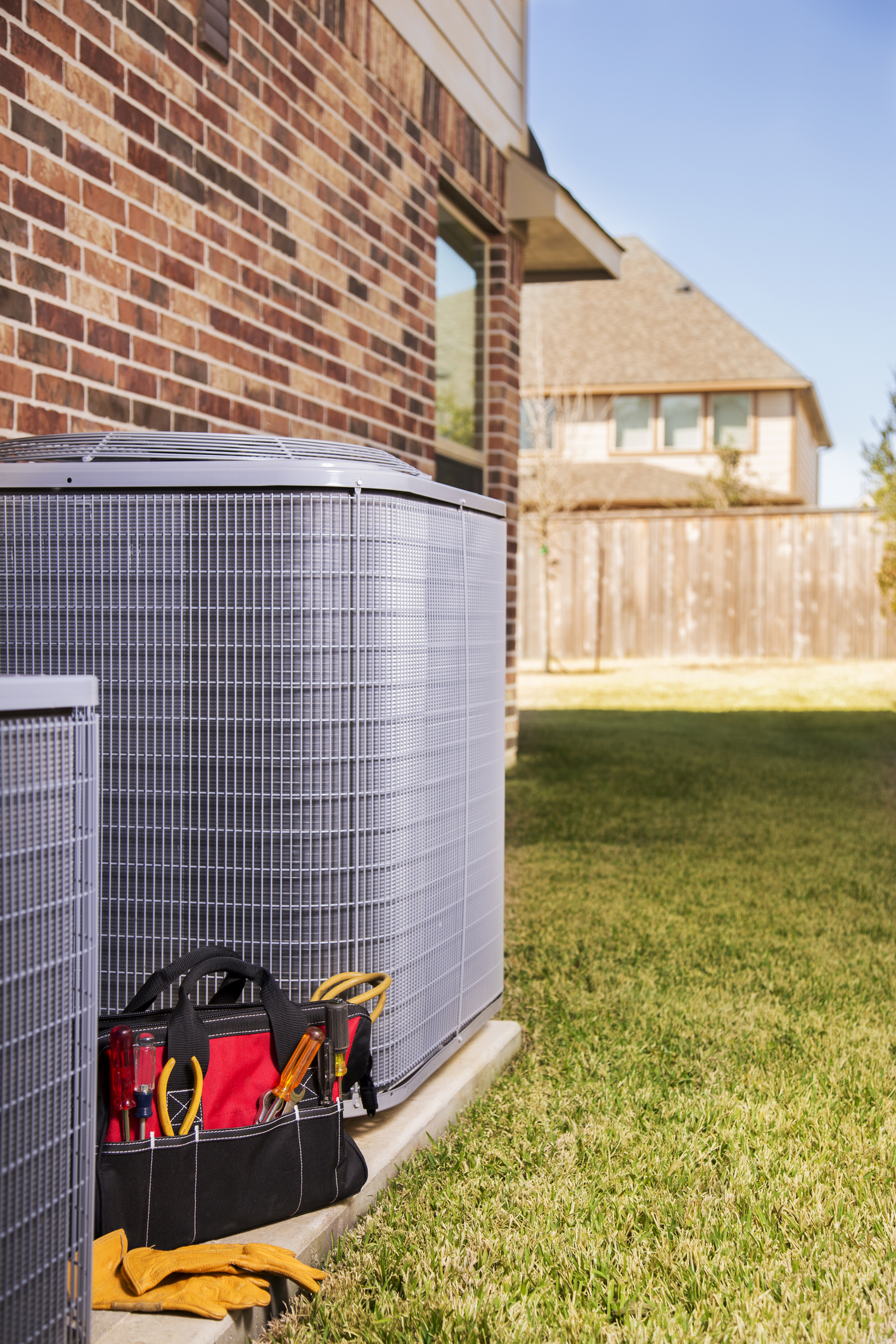
When Homeowners Should Call A Professional
If you notice new or worsening symptoms after a DIY check, stop and call a technician who can perform a full refrigerant charge audit. A pro will bring gauges, a thermometer, and recovery equipment and will follow safe handling procedures during any refrigerant transfer. They can confirm whether abnormal readings come from a real charge issue or from airflow, metering, or noncondensable gases. Contacting a technician prevents accidental overfilling or unsafe refrigerant handling that can harm the compressor.
- When cooling drops despite clean filters.
- If you hear unusual compressor noises persistently.
- When frost recurs on the evaporator coil.
- If pressures read outside safe ranges.
If a leak is suspected, a professional will perform leak detection, recover refrigerant, and repair the leak before recharging the system. They document measured superheat and subcooling and provide a written report showing pre- and post-repair readings for your records. This documentation helps track trends and supports follow-up if symptoms return after service. Homeowners often find the written report useful for scheduling future preventive maintenance.
For homeowners in Benbrook, TX or Arlington, TX, call for service when high indoor humidity or longer run times develop suddenly alongside odd system sounds. A trained technician can also perform a professional AC service that includes electrical checks, refrigerant verification, and airflow inspection to pinpoint causes. Scheduling timely professional help reduces the risk of compressor damage and restores predictable cooling performance. If you are unsure whether to call, err on the side of professional inspection to protect system components and indoor comfort.
Refrigerant Charge Audit Benefits For Efficiency
A refrigerant charge audit often yields measurable efficiency gains by restoring correct pressure-temperature balance in the system. Technicians use superheat and subcooling targets to ensure the evaporator and condenser transfer heat as designed. Better heat transfer reduces compressor run time while maintaining consistent supply-air temperatures for improved comfort. Homeowners often notice steadier thermostat response after a successful audit.
Correcting charge avoids the hidden energy losses caused by liquid slugging or excessive motor work from high superheat. When the refrigerant matches manufacturer ranges, the compressor operates closer to its intended electrical load and thermal limits. Lowered runtime and fewer starts also reduce wear on the contactor and capacitor, improving overall system efficiency. These mechanical benefits translate into lower energy use without changing thermostat habits.
Audits help reveal secondary issues that impact efficiency, such as dirty condenser fins or weak fan motors that mask true refrigerant performance. Technicians document pressure and temperature readings and suggest targeted repairs that improve airflow and heat rejection. Fixing those related problems after an audit makes subcooling and superheat readings reliable for long-term efficiency tracking. For homeowners in Benbrook, TX, documented readings help prioritize maintenance during seasonal service visits.
Regular refrigerant charge audits create a baseline of performance data that technicians use to detect gradual efficiency loss before failures occur. Comparing recorded superheat and subcooling over time highlights slow leaks or declining condenser performance early. That trend data supports proactive repairs and preserves compressor life by preventing emergency failures. If you suspect low refrigerant or declining efficiency, see guidance on whether your AC system is low on refrigerant to decide on a professional audit.
Frequently Asked Questions
What is a refrigerant charge audit and why schedule one?
A refrigerant charge audit is a systematic check of an HVAC system’s refrigerant using superheat and subcooling measurements to confirm proper charge. Technicians measure pressures, temperatures at the evaporator and condenser, and compute superheat and subcooling against manufacturer specs. Proper charge preserves compressor life, restores capacity, and reduces energy waste. Refrigerant handling poses safety and legal risks, so hire a trained professional to perform the audit and any needed adjustments.
How do superheat and subcooling confirm proper charge?
Superheat measures how much the refrigerant vapor warms above its boiling point at the evaporator, indicating whether the evaporator fully vaporizes liquid. Subcooling measures how much the liquid refrigerant cools below its condensing temperature, showing if the condenser rejects enough heat. Together these readings tell a technician if the system has the correct refrigerant charge and if the compressor risks liquid slugging or overheating. For safety, technicians should perform a refrigerant charge audit and related pressure checks using proper gauges and training rather than attempt risky adjustments.
What symptoms mean I need a refrigerant charge audit now?
If the system runs but rooms never reach the set temperature, that persistent undercooling suggests a refrigerant issue. Noticeable hissing at the outdoor unit, ice on the evaporator coil, or oily residue on lines are clear warning signs. Rapid cycling, high head pressures, or a warm suction line call for a professional refrigerant charge audit to protect the compressor. Refrigerant work carries safety and EPA requirements, so contact a qualified HVAC technician rather than attempting repairs yourself.
How will a technician measure superheat and subcooling?
A technician connects refrigerant gauges to the service ports and records high‑side and low‑side pressures with the system running. They measure suction line temperature near the evaporator outlet and use pressure-to-saturation charts to find saturated suction temperature. For subcooling the tech measures liquid line temperature at the condenser outlet and compares it to saturated liquid temperature from high-side pressure. Refrigerant work can be hazardous, so the tech follows safety procedures and recommends a professional for a proper refrigerant charge audit.
Can incorrect charge damage the compressor over time?
Yes, an incorrect refrigerant charge can harm the compressor by causing inadequate lubrication or excessive discharge temperatures. Low charge raises suction superheat and lets liquid refrigerant carry less oil back to the compressor. Overcharge increases subcooling, floods the compressor with liquid, and can cause mechanical damage. If you suspect wrong charge, exercise caution and schedule a professional refrigerant charge audit to confirm and correct the condition.