

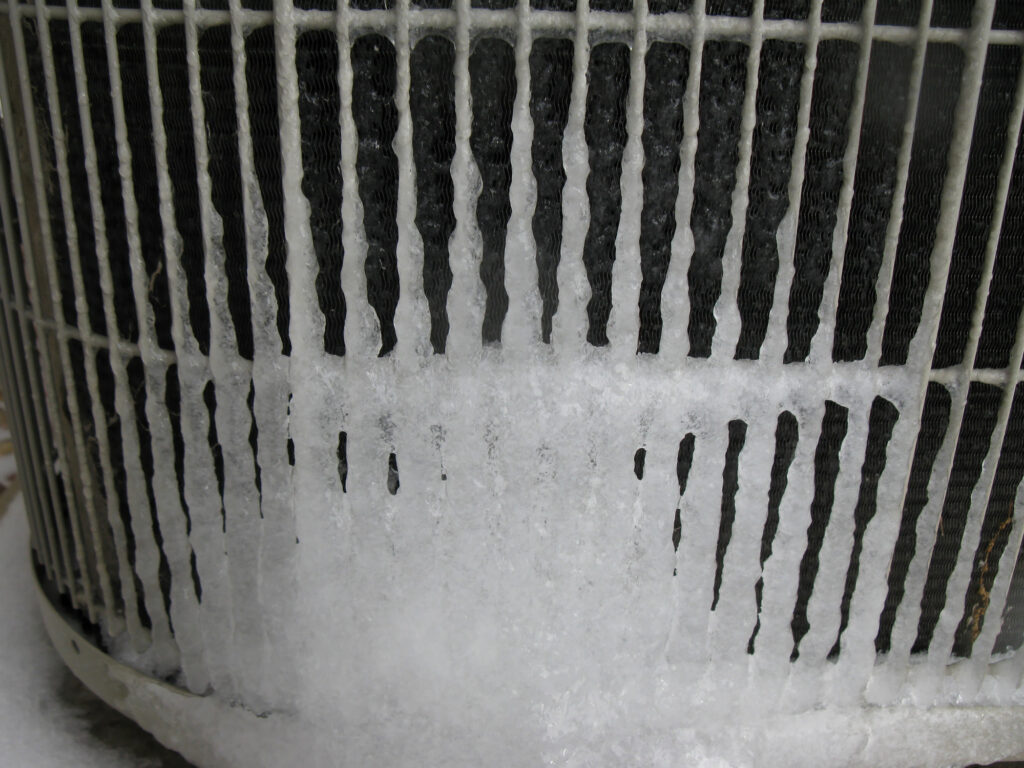
Evaporator Coil Freeze Causes and Fixes
Key Takeaways About Evaporator Coil Freeze
An evaporator coil freeze happens when the indoor coil gets cold enough that condensation turns to ice. This summary is for homeowners and property managers to spot causes early and act before damage occurs.
- Identify reduced airflow from dirty filters or closed vents quickly.
- Prevent ice by keeping filters clean and vents fully open.
- Avoid compressor damage by turning off system if you see ice.
- Spot unusual sounds or musty smells as early warning signs.
- Reduce repeat freezes by checking refrigerant and blower performance.
- Plan professional inspection when ice returns after a thaw.
Introduction
Evaporator coil freeze can stop your air conditioner from cooling and cause water damage when ice melts. The problem starts when the coil gets too cold and moisture freezes on the fins. Left unchecked, ice can block airflow and stress the blower motor. Homeowners notice reduced cooling and higher indoor humidity as common early signs.
Multiple causes lead to an evaporator coil freeze, and they often interact. Low refrigerant, restricted airflow from a dirty filter, or a failing blower motor all reduce heat transfer. When the coil cannot absorb enough heat, condensation turns to ice on the coil surface. That ice grows until the system struggles or shuts down entirely.
Warning signs appear before a full freeze takes hold and can be subtle at first. You might hear unusual sounds near the air handler or feel weak airflow from supply vents during a hot afternoon. Visible frost or dripping around the return plenum are clear indicators to act. In Euless, TX homes, quick attention matters to avoid ceiling stains and mold from overflowing condensate.
A trained technician uses measurements and inspection steps to confirm an evaporator coil freeze and its cause. They will check refrigerant pressures, inspect the filter and blower motor, and look for blocked vents and frozen surfaces. For properties in Bedford, TX, addressing the root cause prevents repeat freezes and reduces system wear. If you suspect a freeze, contact a qualified HVAC professional to diagnose and repair the issue safely.
How Evaporator Coils Work And Why It Happens
How the evaporator coil cools air and why it can freeze: the coil absorbs heat from indoor air so refrigerant can carry it outdoors. Air passing over the coil transfers heat and humidity to the refrigerant, which should keep the coil above freezing when the system runs correctly. A common homeowner question asks whether a frozen coil always means low refrigerant, not always, since airflow problems often cause the same symptoms. Knowing this helps you avoid unnecessary refrigerant work when a clogged filter or closed vent is the root problem.
- Warm indoor air passes through the return grille.
- Air crosses the cold evaporator coil fins.
- Moisture condenses on the coil surface.
- Refrigerant carries absorbed heat outside.
- The blower returns cooled air to rooms.
Ice forms when the coil surface drops below freezing for long enough that condensed water solidifies and builds up. Reduced heat transfer causes the refrigerant and coil to grow colder as ice covers the fins. A homeowner may notice reduced cooling, weak supply airflow, or ice visible on the access panel during inspection. These observable cues tell a technician which system parts to check first when diagnosing the problem.
Professionals confirm causes with step-by-step checks and simple tools like a temperature probe and pressure gauge. They compare return and supply air temperatures, read refrigerant pressures, and inspect the filter, blower motor, and duct takeoffs for blockages. If ice exists, they will document the frozen areas and then advise safe thawing before repair work continues. For guidance on related scenarios and practical tips, see the linked explanation of common freeze reasons at 5 reasons your air conditioner might be freezing up.
In some homes, repeated freeze cycles point to an underlying airflow imbalance or refrigerant leak that needs repair. A technician inspects the blower capacitor and motor, examines refrigerant line set connections, and checks the condensate drain for restriction. In Euless, TX properties, rapid response prevents water damage from melting ice in attic or ceiling cavities. For landlords and homeowners in Bedford, TX, resolving the root cause helps avoid future system downtime and increased humidity.

Common Causes Of Evaporator Coil Freeze
Dirty air filters are one of the most frequent causes of an evaporator coil freeze because they cut airflow across the coil. When airflow drops, the coil surface stays colder longer and condensation freezes instead of draining. Homeowners often notice weaker supply airflow or dust buildup at the return grille before ice appears. A quick filter check can reveal this issue and prevent further icing when addressed promptly.
Blocked return or supply vents also reduce the air moving through the evaporator coil and encourage ice buildup on the fins. Closed or obstructed vents create pressure imbalances that change how much warm air reaches the coil during operation. Look for cold spots on registers or rooms that never get fully cooled as early warning signs. Technicians will inspect vent dampers and duct takeoffs to confirm whether restricted airflow caused the freeze.
Failing blower motors or weak fan speeds lower the volume of air crossing the coil and can lead to an evaporator coil freeze over time. A motor running slowly or a failing capacitor often causes fluctuating airflow and uneven cooling across the coil. Professionals check the blower motor, capacitor, and belt or fan assembly to measure actual airflow and voltage. Readings from a temperature probe or airflow meter help confirm a motor-related cause.
Dirty evaporator coils and restricted condensate drains both contribute to icing by preventing proper heat exchange and moisture removal from the coil surface. Grime on the coil fins insulates the metal and reduces heat transfer, allowing temperatures to drop below freezing. Clogged drain lines can cause standing water and increased humidity that freezes when temperatures fall. For more detail on typical coil problems, review the linked discussion of common HVAC coil issues at common HVAC coil issues.
Low refrigerant and small leaks remain important causes but often present alongside airflow problems rather than alone. Reduced refrigerant pressures lower the coil temperature, making it easier for moisture to freeze on the surface during normal operation. A technician confirms refrigerant issues with pressure gauge readings and compares them to expected values for the system. In Euless, TX and Bedford, TX properties, prompt diagnosis prevents repeat freezes and protects indoor finishes from meltwater damage.
Restricted Airflow Signs And Immediate Actions
Look for uneven temperatures at supply registers and a steady drop in airflow from vents as signs of restricted airflow causing an evaporator coil freeze. Another clear cue is unusual whistling or rattling near the return grille that suggests a blocked duct or collapsed flexible duct reducing air volume. If you smell musty air while the system runs, trapped moisture and poor circulation may be present and require inspection. Homeowners in Euless, TX should note any persistent humidity increases that coincide with weaker supply airflow.
Inspect the air filter, return grille, and visible ductwork quickly when you notice these symptoms to reduce freeze risk. A filter clogged with dust often shows visible darkening and causes immediate airflow loss that technicians can confirm with static pressure readings. Check that supply registers are fully open and unobstructed by furniture or drapes to allow balanced airflow across the coil. For restricted or dirty coils, professionals recommend a targeted coil cleaning rather than broad treatments to restore heat transfer.
When immediate actions do not restore airflow, a technician will measure blower motor voltage and fan speed to verify sufficient air movement before addressing the coil. They may use a temperature probe to compare return and supply temperatures and a pressure gauge to rule out refrigerant contributions while focusing on airflow. Visual inspection of the evaporator access panel reveals frost patterns that indicate which coil sections receive the weakest airflow. For coil cleaning options and service, consider the procedures described for coil maintenance at coil cleaning in Aledo’s HVAC systems.
If you find sagging ductwork, closed dampers, or a malfunctioning blower control, act quickly to prevent a full evaporator coil freeze and potential water damage. Temporarily switching the thermostat fan to ON can help defrost minor frost while you arrange a professional inspection and repairs. A trained technician will identify whether the issue is a simple duct repair, a failed blower capacitor, or a deeper airflow imbalance needing systematic correction. In Bedford, TX rentals and homes, resolving these airflow problems reduces the chance of recurring freeze cycles and protects indoor finishes.
Refrigerant Issues And When To Schedule Repair
Low refrigerant causes the evaporator coil to run colder than designed and can lead to an evaporator coil freeze when combined with normal humidity. A technician confirms low refrigerant by measuring system pressures with a gauge set and comparing temperatures across the coil. They will also inspect the refrigerant line set and fittings for oil stains or visible damage that suggest a leak. For detailed steps on fixing leaks, review the linked refrigerant leak repair guide provided by the company.
- Check refrigerant pressure readings.
- Inspect line set for oil or damage.
- Measure superheat and subcooling values.
- Test for active leaks with approved methods.
Small leaks often cause slow pressure loss that creates intermittent icing instead of immediate failure, making diagnosis trickier for homeowners. A professional uses a pressure gauge and temperature probe to calculate superheat or subcooling and determine whether refrigerant charge is correct. They may perform a dye test or electronic leak detection to isolate the source before adding refrigerant or repairing lines. In Euless, TX homes, catching a slow leak early prevents repeat evaporator coil freeze episodes and further component stress.
When a refrigerant leak is confirmed, schedule repair promptly because adding refrigerant without fixing the leak only delays recurrence and can hide the root problem. Technicians recover remaining refrigerant, repair or replace the leaking section of the line set, and then evacuate and recharge the system to manufacturer specifications. After repair, they recheck pressures and airflow to ensure the evaporator coil operates above freezing during normal cycles. For rental properties and multiunit homes in Bedford, TX, timely repair reduces tenant complaints and prevents secondary water damage from melting ice.
Thermostat And System Settings To Check
Start by checking thermostat mode and setpoint to ensure the system runs normal cooling cycles and avoids continuous low-temperature operation. Confirm the fan setting is on AUTO rather than ON, because continuous fan operation can change coil temperature dynamics and condensation patterns. Inspect the programmable schedule for unusually low setpoints during occupied hours that could push the coil colder than needed. If the thermostat uses remote sensors, verify they read room temperature accurately before changing settings.
Look for short cycling where the compressor turns on and off frequently, as this reduces heat exchange time and can encourage ice buildup on the evaporator coil. A visible pattern of short cycles often points to thermostat deadband, faulty temperature sensing, or improper equipment staging. Technicians use a temperature probe and runtime logs to confirm short cycling and then adjust thermostat settings or recommend control repairs. For homeowners noticing rapid cycling alongside other symptoms, a professional check can find whether controls or refrigerant issues drive the behavior.
Check for incorrect temperature differentials between return and supply air, since excessive drop suggests the coil runs too cold and may freeze during long runs. Measure the return and supply temperatures using a probe and compare the difference to expected values for your system to detect anomalies. If the readings show an unusually large delta, inform the technician so they can correlate with refrigerant pressure checks and airflow measurements. Accurate thermostat location matters because a sensor near supply vents gives misleading readings that affect cycle length.
Verify that any smart thermostat settings, such as adaptive recovery or equipment protection modes, are not forcing longer low-temperature operation that risks freezing the coil. Review humidity control features since some thermostats lower fan speed to save energy, which changes airflow across the coil. If the home uses auxiliary heat or multi-stage cooling, confirm stage thresholds are set correctly to prevent prolonged low-stage runs that can lower coil temperature. Homeowners in Euless, TX and Bedford, TX should note these control interactions for technicians diagnosing recurring evaporator coil freeze.
Preventive Maintenance To Avoid Evaporator Coil Freeze
Schedule regular inspections of the air handler and evaporator coil at least once per year to catch problems before ice forms. A technician will inspect the blower motor, capacitor, and drain line during that visit to verify normal operation. Keep a simple log of airflow readings and any unusual sounds to share with the service tech at the next visit. Homeowners in Euless, TX benefit from documented patterns when freezing issues recur.
- Replace air filters on a consistent timetable.
- Keep return grilles and supply registers clear.
- Have the condensate drain flushed annually.
- Schedule periodic coil cleanings as recommended.
Follow a consistent filter replacement plan and note filter changes on the equipment access panel to prevent restricted airflow. For guidance, review the recommended cadence at filter change schedule and adjust frequency for pets or heavy dust. Also, check that the thermostat location and settings do not cause extended low-temperature runs that stress the coil. If you manage multiple units, record each unit’s maintenance to track recurring patterns efficiently.
Inspect the condensate drain and trap quarterly to avoid backups that increase humidity near the coil and raise freeze risk. A visible slow drain or algae growth signals the need for cleaning and sometimes a treatment to prevent regrowth. Technicians also tighten line set fittings and inspect for oil stains during routine maintenance to catch small refrigerant leaks early. For rental properties, such as those in Bedford, TX, proactive drain checks reduce tenant complaints and potential water damage.
When To Call A Professional For Evaporator Coil Freeze
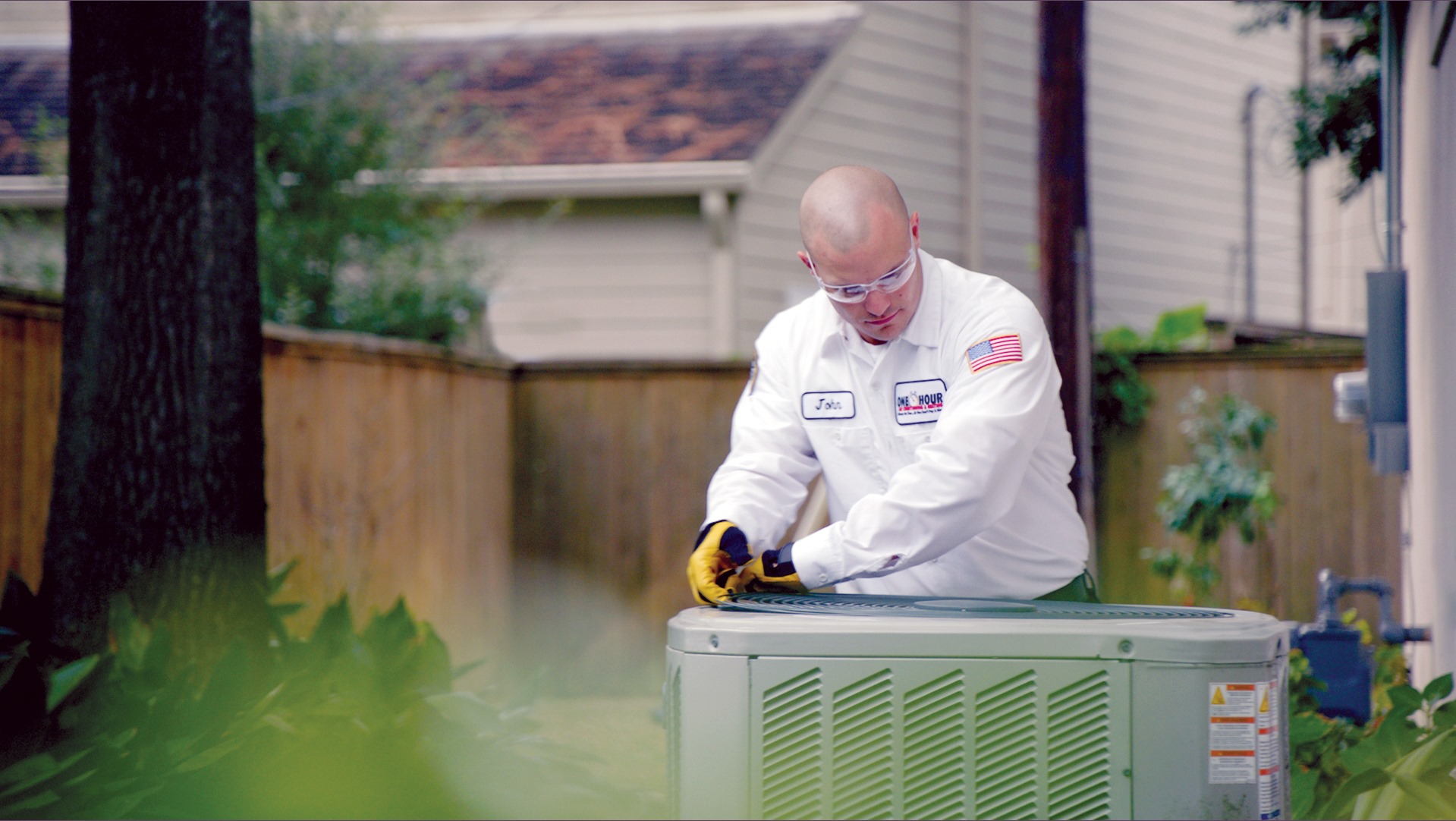
Call a professional when ice returns after thawing and basic checks, because repeated freezing often signals a hidden fault. A technician will perform an airflow performance test and measure refrigerant pressures to pinpoint the issue. They also inspect the blower motor capacitor and condensate trap with tools like a temperature probe and pressure gauge. If you notice oil stains near the line set or refrigerant odor, contact a qualified HVAC technician immediately for diagnosis.
Seek service when you detect unusual sounds from the air handler or a sudden drop in supply airflow that you cannot fix. A professional will remove the access panel and document frost patterns, then take readings across the evaporator coil to locate low-flow regions. They may use a moisture meter to check for trapped water in insulation or ceilings that signals a concealed condensate problem. For persistent smells coming from the evaporator area, see guidance about evaporator coil odors and fixes before scheduling a visit.
Call when the thermostat shows normal cycles but rooms remain humid or unevenly cooled despite a clean filter and open vents. The technician will verify blower motor voltage and fan speed, then check duct takeoffs and return grille balance to confirm proper airflow. They may perform a duct inspection or static pressure measurement to find collapsed or disconnected ducts causing low air volume. If the homeowner manages rentals in Bedford, TX, arrange prompt service to prevent tenant complaints and potential water damage.
Schedule professional help if thawing produces excess meltwater beyond the drain pan or you see ceiling stains forming after operation. A trained tech will test the condensate drain, clear algae or blockages, and inspect the drain trap and pan for damage that can hide leaks. They will also evaluate refrigerant charge and perform a written report of findings and recommended repairs for your records. Homeowners in Euless, TX should prioritize service when ice has caused visible water staining or lingering humidity problems.
Frequently Asked Questions
Why does an evaporator coil freeze in the first place?
An evaporator coil freezes when too little warm air passes over the coil, letting refrigerant temperature drop below freezing. Restricted airflow often comes from a dirty air filter, blocked return vents, or a failing blower motor. Low refrigerant due to leaks also lowers coil pressure and causes ice to form, so a professional should check for leaks and proper charge. Turn off the system if you see ice and call an HVAC technician to avoid compressor damage and water leaks.
What warning signs point to an evaporator coil freeze?
You may notice weak or warm airflow from vents while the system runs, a common sign of an evaporator coil freeze.
Look for ice or frost on the indoor coil or refrigerant lines and excessive condensation around the air handler.
Listen for unusual sounds like the blower struggling or the system short-cycling, and watch for rising indoor humidity or musty odors.
If you see ice or smell refrigerant, turn the system off and contact a professional because this situation can cause damage and safety risks.
How do airflow problems lead to an evaporator coil freeze?
Restricted airflow reduces warm return air over the evaporator coil, letting coil temperature drop below freezing. Cold refrigerant and stagnant air cause moisture on the coil to freeze into ice buildup. Ice blocks more airflow, worsening the Evaporator Coil Freeze and reducing cooling performance. If you see ice, turn off the system and call a professional—frozen coils can damage the compressor and pose safety risks.
When should I call a pro for an evaporator coil freeze?
Call a professional if you see visible ice on the evaporator coil or refrigerant lines that does not melt after the system rests. If airflow issues, warm air from vents, or unusual sounds accompany the Evaporator Coil Freeze, schedule inspection promptly. Turn off the system if you suspect electrical problems or significant water from a thaw to avoid safety risks, then call a pro. A technician will check refrigerant levels, blower motor function, and the condensate drain to diagnose and fix the root cause.
What steps prevent an evaporator coil freeze in my home?
Keep return vents and air filters clean and unobstructed so airflow reaches the evaporator coil and prevents cold spots. Have a technician check refrigerant pressure and the evaporator coil during annual maintenance to avoid an Evaporator Coil Freeze. Clear and inspect the condensate drain line and pan regularly to prevent backup that can worsen freezing and mold. If you see ice, turn the system off and call a professional because working on refrigerant and electrical components can be dangerous.