

Expansion Valve Check Restores Stable Cooling
Key Takeaways About Expansion Valve Check
An expansion valve check verifies how the valve meters refrigerant to stabilize superheat and cooling. This information helps homeowners and property managers decide when to call a technician during uneven cooling or recurring frost.
- Identify fluctuating superheat with suction pressure and temperature readings.
- Prevent compressor damage by restoring steady refrigerant flow to the coil.
- Avoid unnecessary replacements by confirming valve and sensing bulb condition.
- Spot timing patterns such as frost cycles and unusual compressor sounds.
- Reduce room temperature gaps by confirming proper metering under load.
- Plan technician visits with documented run cycle readings and symptom notes.
Introduction
When an air conditioner struggles to hold a steady temperature, an unstable refrigerant flow is often the cause. A failing expansion valve can let too much or too little refrigerant reach the evaporator coil. That imbalance shows up as fluctuating superheat and uneven cooling across rooms. Homeowners notice this problem because comfort becomes inconsistent and energy use can rise without obvious reason.
Superheat measures how much the refrigerant warms after it evaporates in the coil and it affects cooling performance directly. If superheat swings, the system may short cycle or leave some zones too warm. Technicians check the expansion valve to see if it meters refrigerant correctly and to restore steady superheat readings. Fixing the valve often stops temperature swings and reduces stress on the compressor.
Symptoms that suggest an expansion valve issue include long run cycles, frost on the refrigerant line, and warm spots near supply registers. You might hear irregular compressor sounds or notice the thermostat running but no steady cooling. In Fort Worth, TX homes those signs can worsen during high outdoor temperatures and prolonged use. A professional evaluation connects these symptoms to measured superheat and component condition.
For properties in Haltom City the practical effect is simple comfort and system longevity. Addressing an unstable expansion valve prevents recurring problems and helps the system reach designed performance. A trained technician will measure temperatures, inspect the evaporator coil, and test the valve operation to confirm the diagnosis. Acting on those findings restores consistent cooling and more reliable indoor comfort.
How Expansion Valve Check Controls Superheat And Why It Matters
An expansion valve check verifies that the valve meters refrigerant correctly to control superheat and coil performance. Technicians use that check to confirm whether unstable superheat is causing uneven cooling and compressor stress. Homeowners often ask if the check will show why some rooms feel warmer, and the answer is yes because the test links temperatures to valve operation. This check focuses on measurable differences rather than guessing at symptoms.
- Measure evaporator coil temperature differences.
- Record suction line and evaporator inlet temps.
- Compare superheat against manufacturer ranges.
- Inspect valve body and sensing bulb placement.
Controlling superheat matters because it keeps refrigerant fully evaporated before the compressor, protecting the compressor from liquid slugging. Stable superheat also helps the system deliver consistent cooling to all supply registers. When superheat sits within the proper range, run times and thermostat behavior align more predictably. This improves comfort and reduces unnecessary compressor cycling that shortens component life.
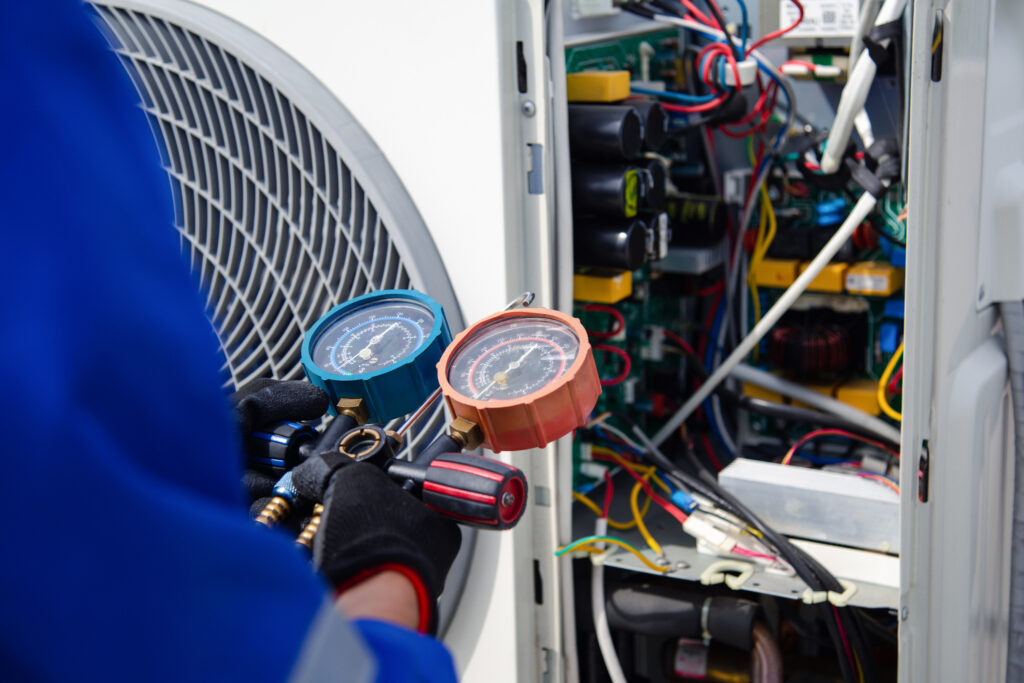
During an expansion valve check a technician watches temperature readings and valve response over several minutes of normal operation. They will take suction pressure, suction line temperature, and evaporator inlet temperature to calculate superheat. If readings jump or drift, the technician inspects the valve mechanism and sensing bulb for leaks or poor thermal contact. A clear written report helps homeowners decide next steps based on observed readings and component condition.
Signs Your System Needs An Expansion Valve Check Soon
Uneven cooling that appears only at certain times of day can signal a valve problem needing an Expansion Valve Check. You might notice longer run cycles when humidity is high or the system struggles after the home has been closed up. Another sign is a fluctuating suction line temperature that changes noticeably during steady operation. Technicians treat those timing and temperature patterns as early warnings of metering inconsistency.
Frost or ice buildup near the evaporator or on the suction line during normal operation often points to low refrigerant flow through the valve. Watch for thaw cycles where ice melts and then reforms within hours while the system is running. Strange compressor noises during those cycles suggest the compressor works harder because the valve is not keeping superheat stable. A written log of when sounds and frost occur helps a technician connect symptoms to valve behavior.
Reduced airflow at supply registers combined with room-to-room temperature gaps also indicates potential metering issues rather than just a dirty filter. Check register temperatures and note which rooms lag behind during both daytime and nighttime operation. When airflow seems normal but cooling is uneven, technicians focus on refrigerant metering and valve response during diagnosis. Homeowners in Haltom City often report these subtle clues before a full failure appears.
Frequent short cycling or unusually long run times under similar thermostat settings are key signals to schedule an Expansion Valve Check soon. A pro will inspect the sensing bulb, measure suction pressure and line temperatures, and observe valve movement over a run cycle. For a deeper read on how expansion valves work and what technicians look for, see this resource about AC expansion valves. If you notice any of these signs, contact a trained technician to avoid further compressor stress and comfort loss in Fort Worth, TX.
Common Causes Of Expansion Valve Problems And Diagnostics
Mechanical wear and contamination inside the valve often cause erratic metering and unpredictable refrigerant flow. Technicians look for scoring, sludge, or stuck parts during a visual and functional inspection of the valve body. They also check the bulb mounting and thermal contact because poor sensing can mimic mechanical failure. If evidence of contamination appears, the tech will note system cleanliness and possible causes for further action.
Improper superheat settings result when the sensing bulb loses thermal connection or is mispositioned on the suction line. A technician will verify bulb placement and use temperature measurements at the bulb and suction line to confirm proper sensing. They may also compare recorded superheat with expected values for the system to see if the bulb is reading correctly. Correcting the bulb location often restores accurate feedback to the valve mechanism.
Refrigerant issues like undercharge or non-condensables can make the valve react outside normal ranges and produce fluctuating superheat. During diagnosis, the tech measures suction pressure and compares it to suction line temperature to detect signs of undercharge or gas contamination. They might attach gauges and take multiple readings across a run cycle to observe trends rather than a single snapshot. Those readings help separate valve faults from broader refrigerant system problems.
Electronic valve controls and thermostatic elements can fail differently, with electrical faults or sensor drift producing similar symptoms to mechanical sticking. A technician will inspect wiring, check voltage at the valve, and verify signal responses during operation to find control faults. For homeowners considering upgrades, one helpful reference explains the advantages of modern electronic valve options and benefits. In Haltom City and throughout Fort Worth, TX homes, these diagnostic steps help pinpoint the cause so technicians can recommend targeted repairs or replacements.
What Technicians Look For During An Expansion Valve Check
Technicians begin by observing system behavior during a normal run to see how the valve responds to load changes. They record suction pressure, suction line temperature, and evaporator inlet temperature to calculate current superheat. A tech will note whether readings hold steady or drift while the compressor runs for several minutes. This live observation helps separate intermittent valve faults from steady refrigerant problems.
- Check sensing bulb placement.
- Measure suction and evaporator temperatures.
- Inspect valve body for signs of wear.
- Observe valve response during load changes.
Next they inspect the physical valve assembly for leaks, corrosion, or mechanical binding that restricts movement. The technician examines the sensing bulb clamp and thermal paste or contact to ensure accurate temperature feedback. They also look for oil or debris around the valve that could indicate internal contamination or compressor wear. Clear photos and notes often become part of a written diagnostic record for the homeowner.
Electrical checks follow for thermostatic or electronic valves to verify control signals and continuity without assuming the valve itself is bad. A tech measures voltage and compares control inputs to expected responses while watching superheat trends. If readings suggest a refrigerant charge issue, they may recommend a targeted audit such as a refrigerant charge audit in Benbrook to rule out undercharge or non-condensables. That audit pairs with the valve inspection to pinpoint whether the valve or the charge drives instability.
Finally, technicians test the system across multiple run conditions to confirm consistent metering and stable superheat under changing loads. They may record short-term trends and provide guidance on whether cleaning, repair, or replacement is the appropriate next step. Homeowners in Haltom City report it helps to show technicians when symptoms occur for more accurate diagnosis. For residents in Fort Worth, TX these checks help ensure cooling comfort returns predictably across rooms.
How An Expansion Valve Check Restores Stable Cooling Performance
During an expansion valve check, a technician restores steady refrigerant flow by confirming how the valve reacts to normal load changes. They watch short-term superheat trends and compare those readings to expected ranges while the system cycles. If the valve lags or hunts, the tech adjusts or replaces the element to stop swings in evaporator performance. Stabilizing the valve reduces strain on the compressor and helps cooling deliver consistent room temperatures.
Technicians also verify the sensing bulb’s thermal contact to ensure accurate feedback that controls metering. Proper bulb placement prevents false readings that let liquid refrigerant reach the compressor or starve the coil. They may pair that check with a refrigerant weight verification and recharge procedure when charge problems appear linked to valve behavior. Accurate charge and correct sensing work together to maintain steady superheat across different operating conditions.
Once adjustments or repairs occur, the tech confirms stability by recording multiple run-cycle measurements, noting suction pressure and line temperatures for consistency. These written readings show whether superheat holds steady under varying thermostat demand and humidity. A stable pattern indicates the valve now meters correctly and the evaporator receives a predictable refrigerant flow. Homeowners can expect fewer temperature swings and quieter compressor operation after this confirmation.
If instability persists despite a functioning valve, the technician inspects related components like the evaporator coil and blower motor for airflow or heat-exchange problems. Restricted airflow can mask as metering faults, so resolving those issues may be necessary to keep superheat stable. In a common situation, a homeowner notes frost cycles and inconsistent room temperatures, a pro would then check bulb contact, measure superheat, and review system airflow next. Homeowners in Haltom City should ask a technician to document post-check readings and suggested next steps for clarity in Fort Worth, TX.
When Homeowners Should Call For An Expansion Valve Check
If you hear unusual compressor cycling or notice persistent frost that returns after thawing, schedule an Expansion Valve Check promptly. A technician will confirm whether unstable metering or a related refrigerant issue causes those recurring symptoms. Early attention reduces the chance of compressor damage and helps restore predictable cooling across rooms. Homeowners in Haltom City should note when symptoms started and any patterns tied to humidity or time of day.
Call sooner if the system runs much longer than normal without achieving set thermostat temperatures during peak heat. The tech will run live measurements and may review refrigerant condition if readings suggest a charge problem. For suspected undercharge or slow leaks, professionals often pair the valve check with a low refrigerant level inspection and follow-up actions. Documented readings help make clear whether the valve or the refrigerant charge drives instability.
Contact a pro immediately when you detect warm spots near registers while other areas feel cool and the blower appears normal. A technician will inspect evaporator coil condition, sensing bulb placement, and suction line temperatures to isolate the cause. They may also test electrical signals on electronic valves to rule out control faults. Clear notes about which rooms lag and when cooling drops speed diagnosis during the visit.
Arrange an Expansion Valve Check before a planned heavy-use season if your system recently developed minor oscillations in temperature or odd compressor sounds. Proactive checks let technicians confirm stable superheat and avoid emergency breakdowns when demand peaks. During the appointment, ask for written run-cycle readings and recommended next steps so you can track system performance. After the check, follow technician guidance for any repairs or monitoring to keep cooling steady in Fort Worth, TX.
Simple Home Checks Before Scheduling A Professional Visit
Before you schedule a professional visit, check basic airflow by ensuring supply and return grilles are open and unobstructed. Replace or inspect the air filter for proper fit and visible dirt that reduces airflow. Listen near the outdoor unit for steady fan operation during a normal run cycle to note unusual sounds. If you see water pooling near the indoor coil, flag it for the technician since drainage problems can affect thermal performance.
- Check filter condition and airflow at registers.
- Confirm outdoor fan runs smoothly during operation.
- Look for frost on accessible refrigerant lines.
- Note any unusual compressor or system noises.
- Record times when cooling falters for technician reference.
Next, make a simple temperature check by comparing return and supply grille temperatures with a handheld thermometer or non-contact thermometer. Note differences during steady operation and write down the room locations that feel warmer than others. A record of when warm spots occur helps the technician focus diagnostic steps on metering and coil issues. Mention any recent changes to thermostat settings that coincide with the symptoms when you call for service in Fort Worth, TX.
If you suspect a refrigerant leak because of visible frost or repeated loss of cooling, avoid running the system continuously and contact a pro. Professionals may perform targeted leak detection and refrigerant analysis during their visit to decide whether the valve or a leak drives instability. Homeowners in Haltom City should preserve notes about symptom timing and any visible signs for the technician. Keep pets and valuable items away from service areas before the appointment to allow unobstructed access for the inspection.
Preventive Steps To Avoid Future Expansion Valve Issues
Keep the suction line insulation in good condition to prevent heat gain that changes sensing bulb readings and metering response. Inspect insulation annually and replace torn sections to maintain stable evaporator conditions. A technician can show you proper insulation placement near the sensing bulb during a maintenance visit. Proper insulation reduces false superheat swings caused by ambient heat on the suction line.
Maintain steady airflow by cleaning coils and keeping the blower and return pathways clear so the evaporator sees designed heat load. Schedule coil cleaning when you notice reduced cooling that is not airflow filter related, since dirty fins change heat transfer and affect valve behavior. A clean evaporator coil helps the valve reach target superheat without hunting or overreacting. If you detect persistent odors from the return or coil, consult guidance about evaporator coil odor causes and fixes before proceeding with valve work.
Check the sensing bulb clamp and contact periodically to ensure tight thermal contact on the suction line where the bulb reads temperature. If the clamp is loose or the bulb has shifted, it can report wrong temperatures and cause incorrect metering. During routine HVAC maintenance ask the technician to verify bulb placement and replace thermal paste if contact seems poor. Tight, correct mounting prevents sensing errors that lead to unstable cooling cycles.
Keep refrigerant service records and note any past leak repairs so technicians can track recurring issues that affect valve performance over time. If a leak reappears or non-condensables enter the system, the valve can behave erratically even after adjustment, so documentation helps diagnose repeat problems. Share these records with your service provider during appointments to speed diagnosis and avoid unnecessary part changes. Homeowners in Haltom City benefit from this approach when coordinating long-term system care in Fort Worth, TX.

Frequently Asked Questions
What is an Expansion Valve Check and why schedule one?
An Expansion Valve Check evaluates the thermal expansion valve and refrigerant flow to stabilize superheat and cooling performance. A technician inspects the valve, measures superheat, and checks pressures with gauges and temperature probes. Schedule one when you notice fluctuating temperatures, long run cycles, or frost on the evaporator coil. Caution: refrigerant work can be hazardous, so hire a licensed HVAC professional to perform the check and any repairs.
How does a faulty valve cause fluctuating superheat?
A faulty expansion valve meters refrigerant inconsistently, causing the evaporator coil to receive varying amounts of liquid refrigerant. When refrigerant flow jumps or starves, the coil surface temperature and refrigerant vaporization change, producing fluctuating superheat readings. Technicians spot this by comparing suction pressure, evaporator temperature, and superheat during an Expansion Valve Check and watching for unstable values. If you suspect valve failure, do not attempt refrigerant work yourself, contact a qualified HVAC pro for diagnosis and safe service.
Which symptoms warrant an Expansion Valve Check now?
Watch for fluctuating indoor temperatures, long cooling cycles, or iced evaporator coils that suggest inconsistent superheat and poor refrigerant control.
If the system blows warm air while the compressor runs, an Expansion Valve Check is a logical next diagnostic step.
Also note unusual hissing near the indoor unit, reduced airflow, or frequent short-cycling that a technician will investigate.
Turn off the system if you see frost or strong refrigerant smell and call a professional because refrigerant work poses safety risks.
How do technicians diagnose valve problems and superheat?
Technicians start by recording suction and liquid line temperatures and pressures at the service ports to calculate superheat and subcooling. They inspect the expansion valve visually for leaks, stuck parts, or improper bulb mounting on the evaporator line. Technicians may adjust or test the valve while monitoring superheat, using a refrigerant gauge set and temperature probe to confirm stable readings. If tests show abnormal readings or refrigerant handling is required, homeowners should hire a professional for safe service and repair.
Can valve adjustment prevent compressor damage?
Yes. A proper expansion valve check can reduce abnormal superheat and keep liquid refrigerant from flooding the compressor, lowering damage risk. Technicians measure superheat, inspect the valve, and adjust or replace it to restore correct refrigerant flow. If you suspect valve problems, avoid DIY adjustments and call a professional because refrigerant handling and pressure work pose safety risks.