

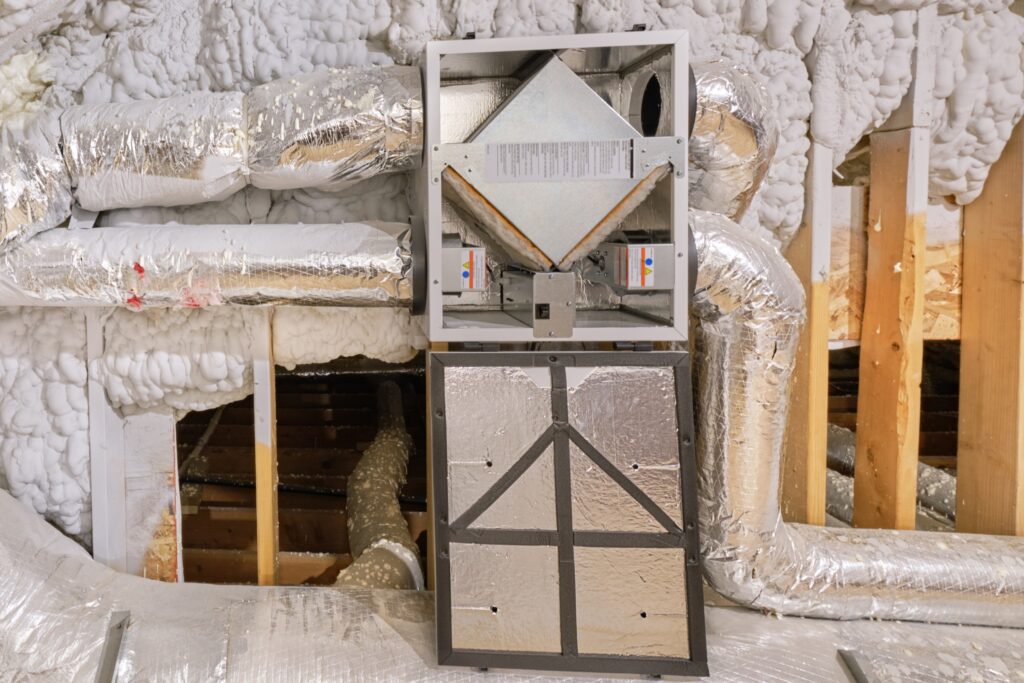
ERV Maintenance in Colleyville to Improve Fresh Air
Key Takeaways About ERV Maintenance
An ERV moves fresh air into a home while helping control indoor humidity. This guide is for homeowners and property managers who notice odors, dampness, or uneven humidity and need practical upkeep steps.
- Identify filters and cores that need cleaning or replacement.
- Prevent airflow loss by keeping intake and exhaust screens clear.
- Avoid motor and bearing damage by noting unusual noises early.
- Spot condensate pooling and drain blockages before mold forms.
- Reduce humidity swings by verifying damper sequencing and controls.
- Plan seasonal checks and professional diagnostics when issues persist.
Introduction
ERV Maintenance keeps fresh air moving through a home while controlling indoor humidity that causes discomfort and mold. When an ERV falters, stale air pockets and higher moisture can appear in living spaces. Homeowners often notice musty smells, damp walls, or uneven temperatures before the system shows obvious faults. In Fort Worth, TX properties these problems can hurt comfort and trigger hidden damage over time.
An ERV that is dirty or misaligned struggles to balance incoming and outgoing air flows. Filters, core condition, and fan performance directly affect how well stale air leaves and fresh air enters. Reduced airflow raises indoor humidity and can make cooling systems work harder. For Colleyville, TX homes that means more runtime and uneven humidity control in certain rooms.
Signs you might need professional attention include unfamiliar noises, lingering odors, and visible dust at vents. Technicians check filters, inspect the heat exchanger core, and confirm motor and damper operation during a diagnostic. These checks reveal whether the ERV is moving the correct volume of air and keeping humidity under control. Ignoring symptoms lets moisture problems worsen and allows indoor air quality to decline.
Routine ERV Maintenance preserves ventilation balance and prevents moisture driven problems like mold growth and odor. A well-maintained unit keeps supply and exhaust airflow matched so living areas stay fresher and drier. If you notice persistent smells or dampness reach out to a qualified HVAC professional for an inspection and diagnostic testing. Prompt attention protects indoor air quality and helps your HVAC system run as designed.

How ERV Maintenance Works And Why It Matters
ERV Maintenance is the set of tasks that keep an energy recovery ventilator exchanging air and managing humidity effectively. Technicians measure balanced airflow with anemometers and note supply and exhaust volumes to confirm the unit performs as intended. Homeowners often ask whether maintenance will reduce musty odors, and a proper inspection commonly answers yes by restoring correct ventilation balance. Regular checks also prevent moisture buildup that can feed mold and damage finishes in damp areas.
- Check and replace filters when dirty.
- Inspect and clean the heat-exchange core.
- Verify fan motors and belts operate smoothly.
- Test dampers and controls for proper sequencing.
- Clear condensate drains and pans as needed.
During a diagnostic, a professional will follow observable symptoms with targeted tests to confirm the problem source. They start by listening for unusual motor noise and feeling airflow at supply and exhaust grilles to detect imbalance. Next they open the access panels to inspect the evaporator-style core for dirt and moisture, and they test motor amperage and voltages with a multimeter. These steps reveal whether airflow restriction, motor wear, or control faults cause humidity or odor problems.
Proper maintenance keeps the ERV core clean so heat and moisture transfer work correctly between exhaust and intake airstreams. When the core or filters clog, the system can’t move enough fresh air, and indoor humidity can rise quickly during humid seasons. For homeowners in Fort Worth, TX a neglected ERV may let basement or attic moisture problems go unnoticed until mold appears on walls. In Colleyville, TX, restoring correct air exchange helps lower indoor humidity and keeps living spaces fresher and more comfortable.
Common Causes Of ERV Performance Decline
Accumulated dust and particulate buildup in filters and on the heat-exchange core reduces airflow and heat-transfer efficiency. Restricted airflow forces fans to run harder and reduces the unit’s ability to remove moisture from incoming air. Visible dust at supply grilles, slower air at vents, and increased runtime often point to this kind of clogging. A quick visual inspection behind the access panel usually confirms whether buildup is present on the core or filters.
Imbalanced or failed fan motors and worn bearings change the unit’s supply-to-exhaust ratio and let humidity rise in living spaces. A motor that hums, vibrates, or stalls can cause uneven pressure and push humid air into rooms. Technicians check motor amperage with a multimeter and compare RPM or airflow readings to manufacturer guidance to confirm motor health. Replacing or lubricating bearings and ensuring correct motor speed restores balanced ventilation and humidity control.
Damp or blocked condensate drains and pans allow water to pool and promote microbial growth that smells and reduces core performance. Standing water changes the core’s moisture exchange pattern and can introduce odors into the supply airstream. Professionals inspect the pan, use a light to check drain lines, and may run a small water test to confirm proper drainage. Clearing or repair of the drain path prevents moisture-related decline and improves indoor air quality.
Damper misalignment and control faults upset the programmed sequence of intake and exhaust, causing fresh air shortfalls or over-ventilation in parts of the house. Symptoms include odd pressure sensations near doors, or rooms that feel stuffy while others seem fine. A technician will observe damper positions during operation and test control signals to ensure correct sequencing with the fresh air system, including any linked ventilation dampers like those documented on the fresh air damper ventilation setup guide. Correcting damper travel and control timing brings airflow back into balance and helps stabilize indoor humidity in Colleyville, TX and nearby homes.
Warning Signs Your ERV Needs Attention Now
Unusual sounds like rattles, grinding, or a high-pitched whine often signal mechanical stress in fans or dampers. Listen near the unit and at supply grilles, noise that changes with speed indicates bearing or motor wear. If you hear these sounds, a professional will open the access panel to inspect motor mounts and fan blades and test motor amperage. Early detection prevents sudden failure and restores proper airflow before humidity issues spread.
Persistent odors that return shortly after cleaning suggest trapped moisture or microbial growth in the core or drain pan. Smells that intensify when the ERV runs point to transfer of contaminants through the heat-exchange core. A technician will inspect the core visually, check the condensate pan, and may run a small water test to confirm drainage integrity. Addressing odor sources improves supply-air quality and reduces the chance of mold development in conditioned spaces.
Uneven room humidity or spots that feel clammy while other areas remain dry can mean an airflow imbalance or damper fault. Professionals measure supply and exhaust volumes and compare readings to expected values to verify balance and sequencing. They also inspect outside air intake components and screens for blockage or restriction as described in the outside air intake maintenance guidance. Fixing intake problems helps the ERV keep humidity stable across the home in Fort Worth, TX.
Visible moisture, water stains, or recurring condensate at vents indicate drain or core saturation that needs prompt attention to avoid materials damage. A technician will check the condensate trap, clear the line with a light, and inspect the core for signs of long-term moisture retention. If mechanical controls misroute airflow, they will also test damper actuation and control signals to correct sequencing. Taking these steps helps prevent long-term dampness problems in Colleyville, TX homes.
Routine Cleaning Tasks Homeowners Can Do
Start with a visual check of accessible components and clear away surface dust from grills and access panels to keep airflow steady. Remove and inspect washable filters, rinse them gently, and let them dry completely before reinstalling. Wipe fan housings and nearby surfaces with a damp cloth to stop dust from re-entering the airstream. If you find mold or persistent residue, stop and contact a professional because microbial problems carry health risks.
- Turn off power before opening access panels.
- Clean washable filters on a monthly schedule during humid seasons.
- Vacuum dust from supply and exhaust grilles carefully.
- Wipe condensate pans dry after inspection.
- Note any unusual noises or odors for a technician.
Check the condensate pan and drain visually for standing water and clear minor clogs by hand if reachable. Use a flashlight to see into the trap and clear visible debris, avoid forcing objects into drain lines. Dry the pan with paper towels and watch for recurring water during the next run cycle to confirm the issue. Persistent pooling means a trained technician should perform a more complete drain inspection.
Inspect intake and exhaust screens for leaves, dust, or insects that reduce fresh air flow and can shift humidity control. Gently remove debris and use a soft brush to clean screens without bending frames or tearing mesh. After cleaning, run the ERV and stand near a supply grille to check for steady airflow and listen for unusual sounds. If airflow feels weak despite clean screens, a professional diagnostic with airflow measurement is the next step for Fort Worth, TX homeowners.
Keep a simple log of when you clean filters, drains, and screens so you can spot repeating problems over time. Note observable symptoms like drips at vents, musty smells after runtime, or fluctuating dampness levels in different rooms. In a common situation, a homeowner might notice damp bathroom ceilings and then a technician would check the ERV core, condensate pan, and airflow readings to locate imbalance. For ongoing humidity strategy and control guidance, consult the company’s resource on humidity control for healthy homes which explains how ERV tasks tie into whole-house humidity management in Colleyville, TX.

When To Call A Professional For ERV Maintenance
Call a professional when routine cleaning and basic checks do not stop recurring odors or dampness in living spaces. A technician will perform a targeted diagnostic that includes airflow measurement, motor amperage testing with a multimeter, and visual inspection of the heat-exchange core. They may also inspect the condensate pan and run a small water test to confirm drainage integrity. These steps identify whether the problem stems from core saturation, motor wear, or control sequencing faults.
Schedule professional service if you notice persistent airflow imbalance despite clean filters and intake screens. During service, the technician will measure supply and exhaust volumes with anemometers and compare readings to manufacturer guidance to confirm balance. They will observe damper travel and test control signals to ensure proper sequencing between intake and exhaust. Correcting these faults often restores even humidity and eliminates pressure-related drafts in rooms.
Contact a trained technician when motors make grinding noises, whine, or stall during startup and runtime. A professional checks motor mounts, fan blades, and bearing condition and records motor amperage and voltage readings to confirm mechanical health. If fan speed cannot be restored through simple fixes, replacement or bearing repair may be necessary to maintain designed airflow. Prompt action prevents sudden failures that could let humidity rise quickly inside the home.
Bring in a pro for recurring condensate pooling, brown stains near vents, or suspected microbial growth on the core. The technician will open the unit, inspect the core, and clear or repair condensate traps and drain lines using safe methods. If humidity control remains poor after mechanical repairs, they might recommend a whole-home dehumidifier and explain how it pairs with an ERV for better moisture control. Homeowners in Fort Worth, TX and Colleyville, TX often find a combined strategy improves comfort and prevents long-term moisture damage.
If your ERV links with an air handler or integrated HVAC controls, professional checks ensure the systems work together correctly. A technician inspects control wiring, verifies sequence timing, and reviews air-handler components that affect ventilation performance like blowers and drain connections. They can also provide written recommendations and maintenance scheduling to prevent repeat issues. For guidance on related maintenance steps for connected equipment, see the air handler maintenance guide and consider the benefits of a whole-home dehumidifier when humidity persists.
Filter And Core Replacement Best Practices At Home
Replace disposable filters on the schedule recommended by the manufacturer to keep particle load low and airflow steady. When you remove a filter, inspect its frame and gasket for warping that can let unfiltered air bypass the media. Keep a photo or note of the filter model and size so replacements fit correctly and do not strain the blower motor. For Fort Worth, TX homeowners, correct fit prevents leaks that reduce ventilation effectiveness.
Cleanable cores require gentle handling and a soft brush or low-pressure vacuum to remove surface dust before deeper cleaning. If you rinse a core, follow the manufacturer’s drying guidance and allow complete air-dry to avoid core saturation that can transfer moisture. Do not use harsh chemicals or pressurized washers that can damage fins or seals inside the core structure. If the core shows visible damage, cracked seals, or persistent discoloration, a technician should confirm whether replacement is needed.
When reinstalling a core or filter, verify airflow direction markers and latch alignment to preserve intended supply and exhaust paths. Improper orientation reverses recovery performance and can let odors or moisture flow into living spaces. After reassembly, run the unit and perform a quick airflow check at supply grilles to confirm steady output. If airflow seems weak, consider scheduling a professional airflow performance test to collect measured supply and exhaust volumes and confirm balance.
Store spare filters flat in a clean, dry area to maintain media integrity until use and clearly label replacement dates for tracking. Periodically inspect the filter housing gasket and access panel screws for secure sealing to prevent bypass leakage. Use a flashlight to look for water stains or mold on surrounding surfaces after replacement and stop work if you detect microbial growth. In Colleyville, TX properties with recurring moisture, consult a technician for a written evaluation and next steps.
Balancing Humidity With ERV Controls And Settings
Use controls to prioritize humidity reduction during humid months by setting lower fresh-air run times and using higher exhaust cycles. Adjusting runtime limits reduces the amount of warm moist outside air introduced when humidity is high. Watch supply grille output after changes to ensure no rooms go under-ventilated. If humidity stays high despite adjustments, consult a professional for coordinated system changes.
- Set programmable schedules to avoid peak outdoor humidity.
- Use boost modes only when moisture sources are active.
- Check damper positions after any control change.
- Record settings and indoor humidity for two weeks to compare.
When controls allow, enable integration with a whole-home dehumidifier or humidistat to keep relative humidity in a target band. Proper sequencing prevents the ERV from bringing in extra moisture when the dehumidifier is active. A technician can verify control wiring and timing so devices work together rather than at cross-purposes. Confirm coordinated operation during a diagnostic to avoid repeated humidity cycling.
Professionals diagnose control-related humidity issues by observing run schedules, reading humidistat setpoints, and timing damper actuation. They will also measure supply and exhaust airflow before and after control changes to confirm improvements using flow measurement tools. If airflow optimization is needed, refer to the guidance on airflow optimization on HVAC efficiency for how balanced flow affects moisture handling. Homeowners in Fort Worth, TX benefit when control tuning reduces runtime and keeps indoor air drier.
Small adjustments at the control panel can fix transient humidity swings, but persistent high humidity may signal oversize intake cycles or component faults. A technician checks sequence logic, inspects dampers for full travel, and looks for control wiring faults during their evaluation. In Colleyville, TX homes with recurring dampness, coordinated control changes and mechanical repairs often stop humidity problems long term. Keep a written record of control settings and observable indoor humidity to help professionals diagnose future issues quickly.
Seasonal Maintenance Checklist For Consistent Fresh Air
Create a seasonal ERV Maintenance checklist that matches the home’s humidity cycles and occupancy patterns. Start by scheduling visual inspections at the start of humid and dry seasons to spot condensate stains or loose access panels. Include a quick fan-run test to listen for new noises and verify damper movement during those inspections. Record results so trends appear over multiple seasons and technicians can review past observations.
Add filter checks to the checklist with clear pass/fail criteria based on visible loading and airflow feel at supply grilles. Note when washable filters need rinsing and when disposable filters show frame warping or heavy particulate capture. Include a short airflow check after filter work to confirm supply output returns to normal. If airflow stays weak, mark the item for professional diagnostic follow-up with measured supply and exhaust volumes.
Schedule a core and condensate inspection at least once per year to prevent moisture transfer and drain problems during humid months. Open the access panel, inspect the core for staining or trapped debris, and dry the condensate pan to remove standing water. If you see mold or persistent moisture, flag the unit for professional cleaning and testing rather than attempting deep cleaning yourself. Professionals will use visual inspection, moisture readings, and airflow tests to confirm the root cause.
.Include a control and runtime review in the seasonal checklist to confirm settings match outside humidity conditions and occupant schedules. Test boost modes, seasonal schedules, and any humidistat links while observing damper positions and supply airflow response. Consider adding periodic air-quality logging to note when indoor humidity or CO2 rises using basic monitoring devices described in the resource on air quality monitoring in HVAC. For homeowners in Fort Worth, TX and Colleyville, TX, this routine keeps fresh air consistent and helps professionals target fixes when readings drift.
Frequently Asked Questions
How often should I schedule ERV Maintenance checks?
Schedule ERV Maintenance at least twice a year, ideally in spring and fall, to keep fresh air flowing and humidity controlled. Homes with pets or high occupancy may need quarterly checks to prevent filter clogging and odor buildup. A technician will inspect filters, the heat exchanger core, condensate drain, and controls to confirm proper operation. If you notice unusual smells, noises, or moisture, stop using the unit and call a professional for safety and thorough diagnostics.
What signs mean my ERV isn’t removing humidity well?
You may notice higher indoor humidity levels and a clammy feeling even when the HVAC runs normally. Mold or mildew odors around vents and visible moisture on duct joints or ceiling edges suggest poor moisture transfer. The ERV may blow weak airflow, make unusual noises, or show frost or water near the core, which points to maintenance needs. If you see standing moisture or suspect mold, stop system use and call a professional for a safe inspection and repair.
Can I clean an ERV core safely myself at home?
Yes, homeowners can perform basic ERV Maintenance like inspecting and gently vacuuming accessible surfaces with low suction. Always turn power off and follow the unit manual before opening access panels to avoid electrical or fan injuries. If the core is damp, moldy, or hard to reach, stop and call a professional because cleaning risks spreading contaminants. A trained technician can remove, clean, or replace the core safely and verify airflow and humidity controls.
Which diagnostic steps confirm ERV airflow balance?
Technicians start by measuring supply and exhaust flows at grilles with a flow hood or anemometer to confirm balanced airflow. They inspect the core, dampers, and fan speeds for blockages or calibration errors that shift volumes. A professional will check static pressure and verify the unit’s control settings against manufacturer airflow specs to confirm balance. If readings or access require ladder work or electrical checks, stop and contact a licensed HVAC pro for safe ERV Maintenance and verification.
When should I call a pro for ERV Maintenance problems?
Call a pro if your ERV shows reduced airflow, persistent musty smells, or visible water on the cabinet. If humidity swings or condensation appear at supply registers, schedule a professional check promptly. Technicians will inspect the core, blower motor, filters, and condensate drain to diagnose issues. Caution: electrical and refrigerant-related work can be hazardous, so hire a trained HVAC professional for repairs.