

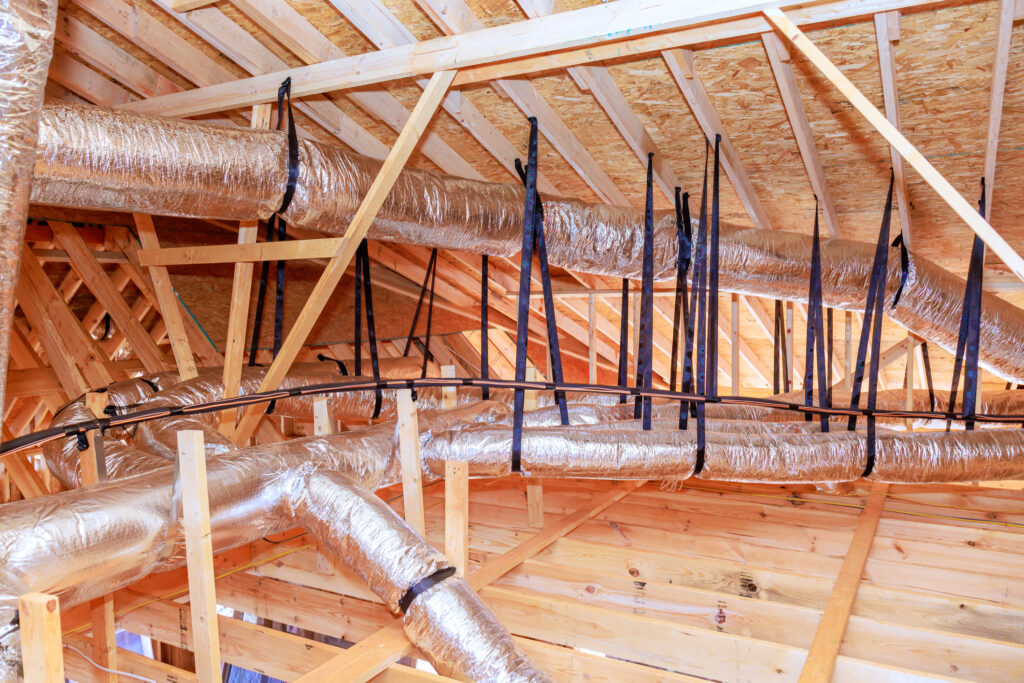
Attic Duct Support Spacing That Protects Flex Runs
Key Takeaways About Attic Duct Support Spacing
Attic duct support spacing means placing hangers and straps so flex duct stays straight and free of kinks. This summary is for homeowners and property managers who notice airflow loss or attic work that may disturb ducts.
- Identify sagging runs and flattened insulation during attic inspections.
- Prevent kinks by adding supports near turns and long spans.
- Avoid pinch points by using straps that cradle not cinch.
- Spot reduced airflow by listening at registers and feeling vents.
- Reduce blower strain by securing first hanger near the plenum.
- Plan professional checks when damage or persistent kinks remain.
Introduction
Attic duct support spacing matters because poorly supported flex duct sags, kinks, and loses airflow. When hangers are too far apart the duct weight pulls on seams and connectors. That reduces comfort and raises runtime for the air handler. Homeowners notice uneven temperatures and higher energy use from the problem.
Flex duct in an attic faces heat, movement, and occasional foot traffic that worsen poor support. A run that bends sharply at an unsupported point creates a persistent restriction. Over time these restrictions strain the blower motor and can make vents whisper or rattle. Properties in Watauga sometimes show these symptoms after attic work or insulation upgrades.
Wrong hanger angles add stress where the duct changes direction and where connections meet the plenum. A kinked section can trap moisture and reduce return airflow to the evaporator coil. Visible signs include flattened duct runs, sagging insulation, and colder or warmer rooms. Professionals also look for extra noise at registers and longer cycles on the thermostat.
Diagnosing the cause requires a close attic inspection of hangers, angles, and connection points around the system. A technician checks the supply plenum, return grille, and the duct run alignment while the system runs. For properties in Euless, TX these checks often reveal quick fixes or indicate when replacement is needed. If you suspect airflow loss contacting a professional is the safest next step.
How Attic Duct Support Spacing Works And Why It Matters
Attic duct support spacing means placing hangers and straps so flex duct stays straight and free of kinks. Proper spacing keeps the internal insulation and inner liner from compressing and choking airflow. Homeowners often ask how far apart hangers should go to prevent sagging, and spacing affects air balance and system runtime. A professional inspects spacing because small gaps or wrong angles cause measurable pressure drops at registers.
- Supports keep the duct round and open.
- Hangers reduce stress at connections and the plenum.
- Correct angles prevent sharp bends that trap moisture.
- Even spacing lowers noise and blower strain.
Load distribution matters because flex duct bows under its own weight and insulation weight over long spans. Where a run crosses attic joists or utility lines, hangers must sit close to those crossings to avoid extra leverage. Technicians watch for flattened sections near straps and at transition pieces like the supply plenum or register boots. Visible flattening usually signals the need to move or add hangers.
Angle control reduces internal stress where the duct changes direction or enters a grille or plenum. A shallow, continuous curve keeps the liner from folding and prevents abrupt airflow losses that cause whispering registers. When someone asks if a single kink can impact comfort, the answer is yes, because even one sharp restriction raises static pressure. Inspecting with the system running helps confirm whether a bend or support spacing causes the symptom.
To diagnose spacing problems a technician looks for sagging, compressed insulation, loose straps, and flattened liners while the blower runs. They may check registers with a simple pressure gauge or feel airflow by hand at vents to confirm reduced flow. Photos or a short written report often document problem locations before correction. For related installation mistakes that restrict airflow see common duct design mistakes that choke airflow, which homeowners sometimes overlook after attic work in Watauga or renovations in Euless, TX.
Common Causes Of Flex Duct Sagging And Kinking
Flex duct materials and handling often cause sagging when installers stretch the liner too tightly or leave excess slack. Sharp bends happen when runs follow joist bays without gradual curves, which makes the inner liner fold and restrict flow. Foot traffic and attic storage add intermittent loads that pull straps out of alignment or compress insulation. Homeowners in Watauga sometimes report flattened runs after attic access or storage activity that wasn’t noticed earlier.
Poorly placed straps contribute when they bite into the duct instead of cradling it, creating local crush points that lead to kinks near transitions. Temperature swings in the attic make the outer jacket more pliable, allowing sag to form where supports are weak. Connections at the supply plenum and register boots experience extra leverage when the run hangs unsupported just past the collar. A technician would inspect these spots visually and by running the system to spot pressure changes and liner collapse.
Incorrect hanger spacing becomes a bigger problem across long runs that pass other services, like electrical or plumbing lines, where installers avoid mounting hangers for convenience. Vibration from the blower or loose fasteners gradually loosens straps and lets the duct sag between supports. A pro uses a visual check, measures sag distance, and may take airflow readings or static pressure readings during diagnosis. For cases focused on pressure-related issues, a professional can perform a dedicated duct static check to quantify losses caused by sagging or kinks.
Improper transitions and makeshift repairs often hide the root cause by masking a kink with tape or temporary clamps that compress the liner. Rodent damage or pests chewing insulation can allow liners to shift inside the jacket, increasing the chance of buckling at supported spans. Moisture buildup from an obstructed condensate drain or roof leaks softens insulation and increases sag weight on straps. In Euless, TX properties, attic projects that disturb existing supports commonly reveal these hidden issues during follow-up inspections.
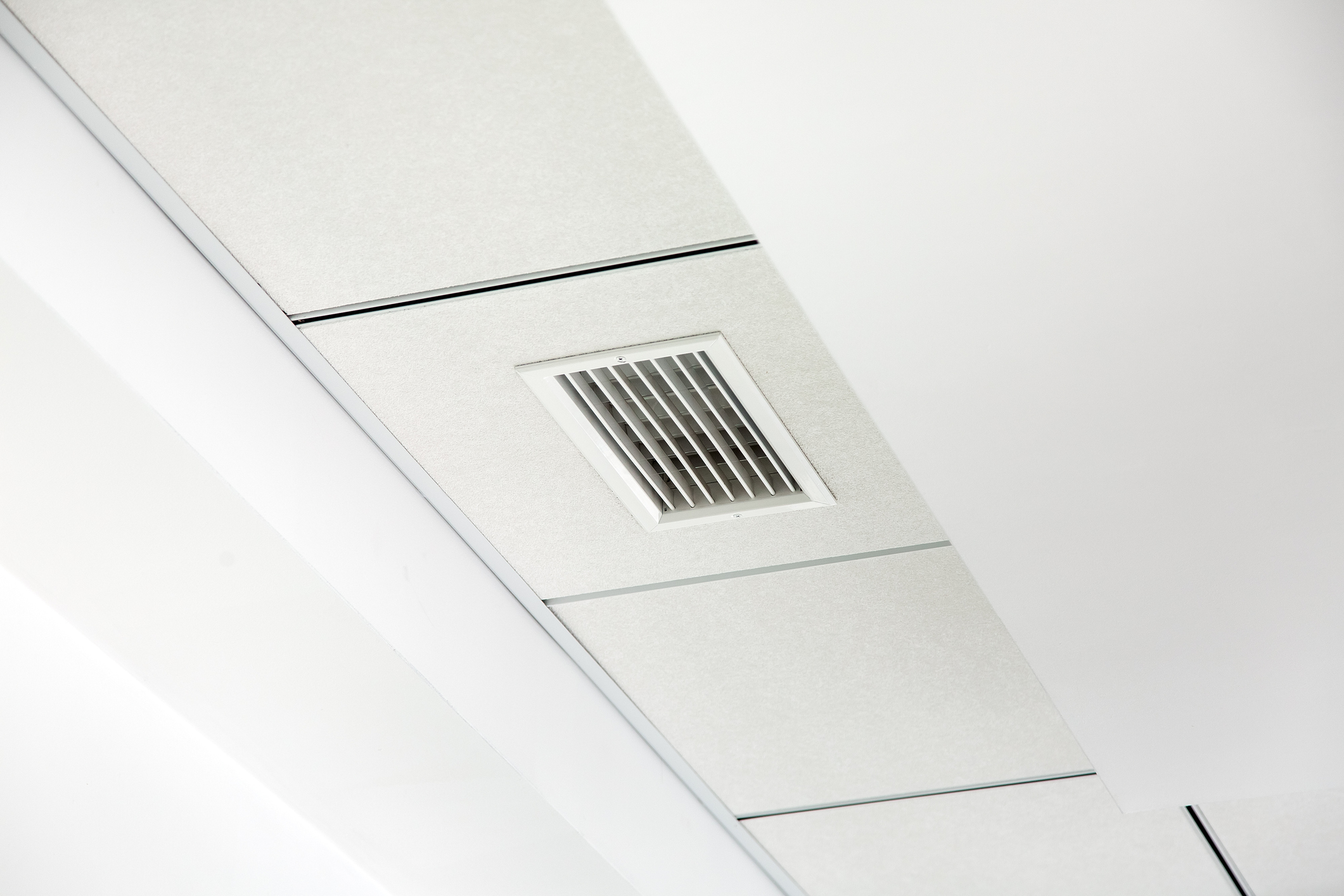
Warning Signs Of Poor Attic Duct Support Spacing
Listen for changes in airflow at registers that sound like whispering or whistling when the system runs, these noises often point to localized restrictions. Visible flattening or sudden bends in a run near the attic access indicate the liner has folded and needs attention. Look for uneven room temperatures that appear without thermostat changes, as this often signals lost effective airflow downstream of a sag. Homeowners in Watauga sometimes first notice these symptoms after moving attic insulation or stepping near duct lines.
Check the duct jacket for bulges or stretched sections that suggest the inner liner pulled away from its insulation and collapsed in spots. Rattling or knocking during startup can mean a strap is loose and the duct shifts against framing each cycle. Dark streaks on the outer jacket often show where straps or staples chafed the material and weakened support. Inspectors also watch for misaligned collars at the supply plenum where strains cause gaps or tape failures.
Moisture stains or compressed insulation around a sagging area point to trapped condensation that increased local weight and caused the strap to fail. If vents deliver warm air when others deliver cool air, a professional will measure register airflow and static pressure to confirm distribution loss. A simple hand test at each register can reveal big differences that justify a deeper attic inspection. For regular upkeep and to avoid recurring support issues, consider following manufacturer guidance on duct care and maintenance through resources like maintain HVAC duct integrity.
Professionals diagnose these problems by running the system while observing duct behavior, feeling airflow at registers, and taking static pressure readings when needed. They inspect hanger spacing, strap condition, and connections at the plenum and register boots to find the weak points. A moisture meter or camera may confirm hidden water damage behind insulation without disturbing attic materials. If you see the described warning signs, contacting a professional is the safest next step to prevent further airflow loss.
Correct Hanger Spacing Guidelines For Flex Duct Runs
Aim for hangers spaced so flex duct never droops more than about one inch between supports under normal conditions. Many installers use supports every 4 feet on straight runs, but shorter spacing suits heavier insulated flex or long horizontal spans. Place the first hanger within 12 inches of the plenum or boot to reduce leverage at the connection. A professional inspects each run and adjusts spacing where insulation compression, joist crossings, or attic traffic increase load.
- Support every 3 to 4 feet on typical horizontal runs.
- Use closer spacing near transitions and elbows.
- Secure ends within 12 inches of collars.
- Avoid letting hangers pinch the jacket.
When a run turns, add a hanger within 12 inches on both sides of the curve to keep the liner round. For long spans over open joist bays consider supports every 2 to 3 feet to prevent mid-span sag. Straps should cradle the duct to distribute weight, not cinch it flat at contact points. In Watauga attics where insulation and stored items add load, tighten spacing accordingly.
Confirm spacing effectiveness by running the system and observing the duct under airflow for flattening or liner collapse. A technician may measure sag distance and take register airflow readings to verify improvements after adding hangers. If sealing is needed at collars or tears appear when moving straps, consider professional sealing and repairs like the linked duct sealing service. For larger problems or if kinks persist after spacing corrections, contact a professional for a written inspection and repair plan in Euless, TX.
Proper Hanger Angles And Attachment Techniques For Stability
Set hangers so the strap angle supports the duct’s natural curve instead of forcing a sharp bend at the attach point. Aim for straps that meet the duct at a shallow angle to cradle the jacket and spread load across the insulation. When hangers sit too steeply they can pinch the outer jacket and crease the inner liner, causing airflow loss and weak spots. A visual check while the system runs helps confirm the angle avoids local liner collapse and keeps flow steady.
Anchor points should connect to structural members using hardware that resists movement and vibration, like screw-in eye bolts or framing anchors sized for attic loads. Avoid stapling to loose insulation or thin sheathing where pullout can allow sag between supports. Install attachment hardware so it bears load directly to joists or blocking to limit lever action at the collar and prevent torque on the plenum. A pro may test anchor stability by applying a moderate pull to verify no slippage.
Use hangers that wrap or cup the duct rather than tight straps that dig in, maintaining a gentle cradle and even pressure distribution. When routes change elevation include intermediate supports to guide the duct through a smooth transition and keep the liner round at the bend. Tie-wraps are acceptable for short-term fixes but should not replace straps that fully cradle the duct over longer spans. For insulated runs consider also checking insulation condition and securing jackets after adjusting angles to prevent heat gains.
Professionals confirm correct attachment by observing the duct under airflow, inspecting collar fits at the supply plenum, and checking for movement at each hanger while the blower runs. They may use a simple airflow check at registers and document problem spots with photos before and after corrections to show improvement. For attic situations in Watauga or maintenance work following renovations in Euless, TX, proper hanger angles reduce the chance of recurring kinks and make sealing easier. After adjustments, consider insulating exposed sections and sealing seams as part of a complete fix using resources like insulating HVAC ductwork and eliminate ductwork leaks.
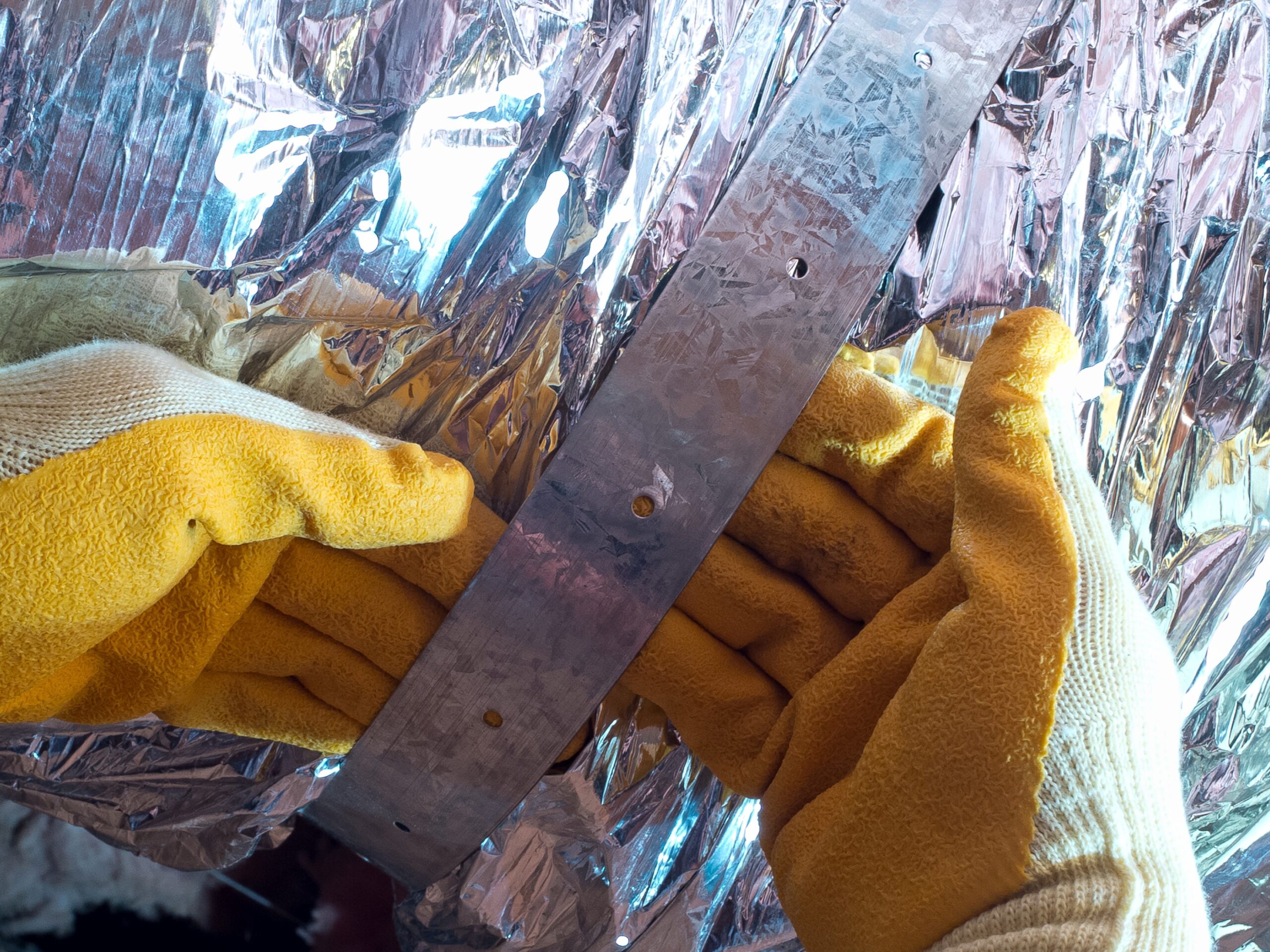
Materials And Tools To Improve Attic Duct Support Spacing
Start with hangers made for flex duct that cradle the jacket without pinching the insulation or liner under load. Look for wide neoprene straps or metal saddles that distribute pressure and resist cutting into the jacket. Include screw-in eye bolts or joist anchors that fasten to structural members to avoid pullout under vibration. A professional checks anchor types during inspection to ensure long-term stability where the duct ties into the plenum.
Use supporting materials like nylon webbing straps, cushioned clamps, and non-corrosive fasteners for attic environments that get hot and humid. Add short runs of foam pipe insulation where straps contact the jacket to prevent chafing and heat transfer. Consider light gauge metal hangers for heavy insulated flex runs where webbing might stretch over time. Technicians often bring a small set of these materials when diagnosing hanger failure during attic checks.
Essential tools include a drill with appropriate bits, a stud finder or joist locator, a tape measure, and a utility knife for adjusting jacket length and trimming excess. A compact level helps set shallow strap angles that cradle the duct without creating sharp bends at the attach point. Keep a moisture meter or infrared camera available to spot hidden water damage that increases duct weight and undermines supports. Professionals document findings with photos and a short written note to guide follow-up repairs.
For runs that cross insulation, pair support upgrades with an attic insulation check to prevent added loads from shifted insulation and attic activity. Inspectors in Watauga sometimes recommend relocating stored items before adding straps to avoid repeated strain. When corrections involve the plenum or collars, check boots and sealants to avoid tearing the jacket during reattachment in Euless, TX. If you find rusted anchors, torn jackets, or persistent kinks, contact a professional to confirm material choices and complete repairs safely.
Preventive Maintenance Tips For Long Lasting Duct Performance
Schedule visual attic checks twice a year to spot early sag, torn jackets, or displaced insulation before problems worsen. During these checks, look for unusual sounds at registers and feel airflow differences between rooms to catch developing restrictions. If you find damp insulation or dark streaks on the jacket, stop and document the area with photos for later comparison. Routine checks help homeowners prevent small issues from becoming system-wide airflow losses and reduced comfort.
- Inspect hangers and anchors for corrosion or looseness.
- Check for jacket tears and inner liner exposure.
- Run the system and listen for register whispering.
- Feel for temperature differences at each vent.
Keep a simple checklist that includes hanger spacing, strap angle, and collar security to ensure consistent inspections each visit. When performing maintenance, tighten or reposition straps rather than cinching them, preserving the duct roundness and avoiding new pinch points. Professionals use airflow readings during an airflow performance test in Colleyville to verify improvements after adjustments or added supports. This helps confirm that fixes restored proper flow instead of merely improving appearance.
Limit attic storage and mark walk paths to prevent accidental strap displacement and added loads on runs crossing joists in Watauga. Replace any webbing or metal saddle that shows wear with materials suited for attic temperatures and insulation contact. If vibration or movement recurs after fixes, inspect the supply plenum connections, register boots, and the blower motor for related issues that increase duct stress. For persistent problems or uncertain repairs, contact a professional to avoid creating new airflow restrictions in Euless, TX.
When To Call A Professional For Attic Duct Support Spacing
If you notice worsening room imbalance, persistent register whispering, or visible liner collapse despite DIY fixes, call a professional for a focused inspection. A trained technician will check hanger spacing, strap angles, and anchor integrity while the system runs to confirm airflow restrictions. They use simple diagnostic tools like a tape measure, airflow readings, and photos to document problem areas before recommending repairs. Prompt action prevents further stress on the blower and reduces the chance of moisture or insulation damage.
When straps pull away from joists or anchors show movement under light pull testing, a pro should secure or relocate attachments to structural members. Technicians also check that hangers cradle the duct without pinching the jacket and verify the first support sits close to the plenum collar. If a run crosses attic obstructions or has repeated foot-traffic damage, a professional will propose rerouting or closer supports. These fixes restore consistent airflow and reduce noise at vents during startup and steady operation.
Schedule help when kinks reappear after adding a few straps, as this suggests deeper issues such as liner damage, crushed transitions, or loose plenum connections. A full attic inspection can reveal hidden moisture or insulation shifts that increase load and cause recurrent sagging in places like Watauga attics. The technician may perform an airflow assessment and then document results in a short report showing before-and-after improvements. If repeated movement occurs, they will also inspect the blower motor and register boots for related vibration problems.
Call a professional if you plan attic work that might disturb runs or if you find torn jackets, rusted anchors, or exposed liner that DIY repair cannot safely fix. A pro brings proper materials, secure fasteners, and the skills to set correct hanger spacing and angles without creating new pinch points. They follow safe attic practices and may recommend follow-up checks to confirm long-term stability in Euless, TX homes. For broader system balance questions, ask about an airflow optimization on HVAC efficiency review to ensure duct fixes improve comfort and performance.
Frequently Asked Questions
How does attic duct support spacing affect airflow?
Improper attic duct support spacing allows flex runs to sag, creating low spots that trap air and increase resistance. Sagging causes kinks and sharp bends that reduce effective duct diameter and airflow. Technicians measure hanger spacing and angles, then adjust supports to restore straight runs and smooth airflow. If you see severe sagging or damaged insulation, use caution and call a professional to inspect and repair.
How close should hangers be to prevent flex duct sag?
Place hangers every 4 feet along straight runs of insulated flex duct to prevent sag and maintain airflow. Reduce spacing to 2 to 3 feet near long horizontal stretches, turns, or where the duct drops. Keep hangers level so the duct stays supported without kinks and avoid tight bends that restrict flow. If the attic access is cramped or insulation hides damage, exercise caution and call a professional to inspect and adjust supports.
What signs show hanger angles are causing kinks?
You may see sharp bends or creases in the flex duct where hangers pull at odd angles toward the rafters.
Airflow drops or uneven room temperatures often indicate internal obstructions from kinks near angled hangers.
Look for flattened duct sections, visible foil tears, or fasteners that pierce insulation at the bend.
If you suspect structural damage or unsafe access, stop work and contact a professional to inspect and correct support spacing.
Can wrong strap types damage flex ducts in attics?
Yes, using the wrong strap types can cut, crush, or kink flexible duct liners and reduce airflow quickly. Narrow or sharp-edged straps concentrate pressure and can tear the inner liner or break insulation seals. Loose, widely spaced straps cause sagging that leads to pooled condensation and airflow loss. If you spot damage or uncertainty, use caution and contact a professional to inspect and repair the run.
When should I call a pro about attic duct support spacing?
Call a professional if you notice persistent sagging, visible kinks, or crushed flex runs that reduce airflow to rooms. If you hear unusual system strain, reduced cooling, or large temperature swings, schedule an inspection. Attic duct support spacing problems in hot attics can also cause premature insulation or seam failures, warranting pro attention. Exercise caution entering attics, if access is tight, insulation is disturbed, or wiring is present, hire a trained HVAC technician.