

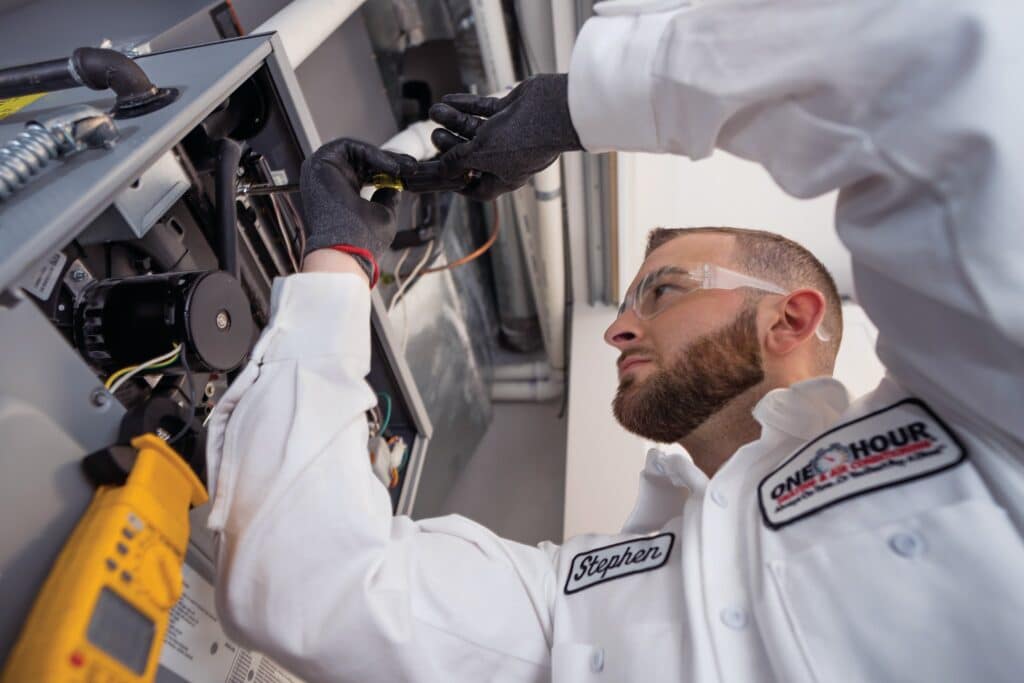
Advanced HVAC System Diagnostics Techniques
Understanding the complexities of HVAC systems requires a deep dive into advanced HVAC system diagnostics. This technique stands at the forefront of ensuring heating, ventilation, and air conditioning units operate at their peak in cities like Fort Worth, TX. With the right approach, professionals can pinpoint issues that might otherwise go unnoticed. It’s a critical skill set for those dedicated to maintaining optimal indoor air quality and comfort.
In Saginaw and surrounding areas, the demand for precise HVAC troubleshooting is on the rise. Advanced HVAC system diagnostics play a pivotal role in this process. By leveraging sophisticated diagnostic tools and methodologies, technicians can quickly identify and rectify problems. This not only saves time but also ensures systems are running efficiently and effectively.
Southlake residents, like those in other parts of Texas, benefit greatly from advancements in diagnostic technology. Advanced HVAC system diagnostics allow for a more thorough analysis of system performance. This means that potential issues can be addressed before they escalate into major problems. It’s about providing peace of mind and ensuring the longevity of HVAC systems.
Ultimately, advanced HVAC system diagnostics is about more than just fixing immediate problems. It’s about adopting a proactive approach to HVAC maintenance. By understanding and implementing these advanced techniques, professionals can ensure that HVAC systems across Fort Worth, TX, and beyond are in top condition. This leads to improved system performance, energy efficiency, and overall home comfort.
The Importance of Advanced HVAC System Diagnostics
Advanced HVAC system diagnostics are crucial for maintaining the efficiency and reliability of heating, ventilation, and air conditioning units. In Saginaw, where weather conditions can fluctuate dramatically, the ability to swiftly and accurately diagnose issues is invaluable. This ensures that residents enjoy consistent indoor comfort without unexpected disruptions. Moreover, advanced diagnostics can extend the lifespan of HVAC systems by preventing minor issues from becoming major problems.
Technicians equipped with advanced diagnostic tools can offer more precise solutions, enhancing system performance. In Southlake, for example, homeowners rely on these sophisticated techniques to keep their HVAC systems in optimal condition. By identifying problems at their source, technicians can implement targeted repairs that improve energy efficiency. This not only optimizes system operation but also contributes to a more sustainable environment.
Furthermore, advanced HVAC system diagnostics play a significant role in preventing costly breakdowns. Regular diagnostics can uncover potential issues before they lead to system failure, offering a proactive approach to maintenance. This is especially important in areas like Fort Worth, TX, where extreme temperatures can put a strain on HVAC units. Residents can rest assured knowing their systems are less likely to fail when they need them most.
Ultimately, the importance of advanced HVAC system diagnostics cannot be overstated. It empowers technicians to deliver superior service, ensuring that HVAC systems perform efficiently and reliably. For homeowners, this means enjoying a comfortable indoor environment year-round, with fewer interruptions and greater peace of mind. As technology continues to evolve, the capabilities of these diagnostics will only improve, further enhancing the quality of HVAC maintenance and repair services.
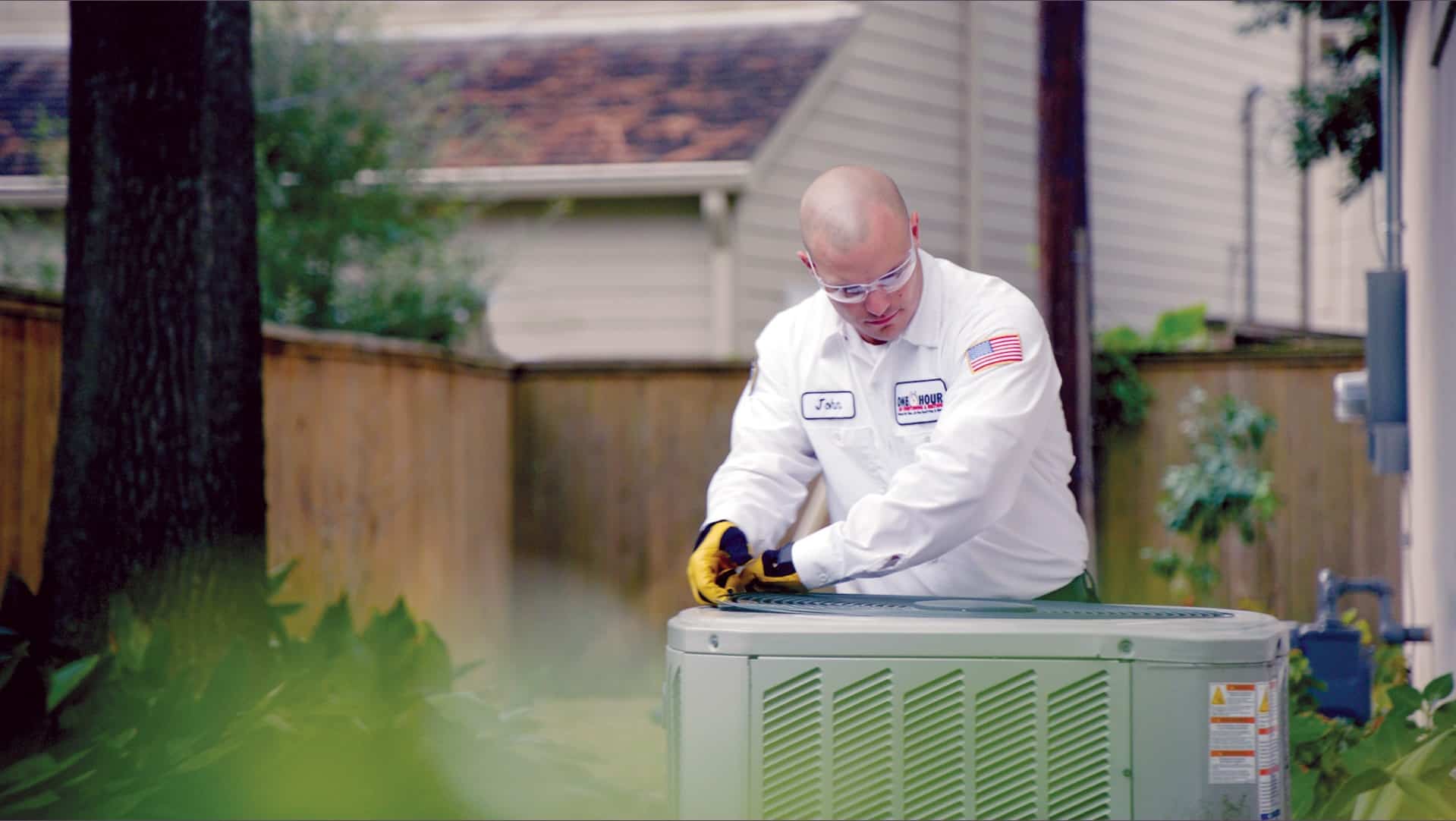
Understanding HVAC System Components and Functions
To fully appreciate advanced HVAC system diagnostics, one must first understand the various components and their functions within the system. Each part, from the thermostat to the compressor, plays a crucial role in maintaining indoor comfort. Recognizing how these elements work together helps professionals in Saginaw and beyond diagnose issues more effectively. This foundational knowledge is key to identifying problems quickly and accurately.
For instance, when a technician examines a malfunctioning HVAC unit, they analyze the system’s airflow, refrigerant levels, and electrical connections. These are common areas where issues arise. In Southlake, TX, understanding the specifics of how each component should operate allows technicians to use advanced diagnostics to pinpoint the exact cause of a problem. This level of detail ensures that the right solution is applied, enhancing system efficiency.
Moreover, advanced HVAC system diagnostics go beyond simple troubleshooting. They involve a comprehensive assessment of the entire system to ensure each part functions as intended. This might include checking for leaks in the ductwork or ensuring the evaporator coil is clean and clear of debris. Such thorough inspections prevent minor issues from escalating, safeguarding the system’s longevity and performance.
Ultimately, the goal of advanced HVAC system diagnostics is to maintain an optimal balance of temperature, humidity, and air quality. This ensures homes in areas like Fort Worth, TX, remain comfortable and energy-efficient year-round. By understanding the complex interplay of HVAC components and functions, technicians can offer solutions that not only fix immediate issues but also enhance the overall health of the system. This proactive approach to maintenance is what sets advanced diagnostics apart, offering peace of mind to homeowners and professionals alike.
Tools and Technologies for Advanced Diagnostics
The evolution of advanced HVAC system diagnostics has been significantly influenced by the introduction of cutting-edge tools and technologies. These innovations enable technicians to conduct more thorough and precise assessments of HVAC units. For instance, thermal imaging cameras can reveal hidden issues like poor insulation or electrical faults, which are often invisible to the naked eye. This level of detail ensures that every aspect of the system in Saginaw is functioning correctly, enhancing overall efficiency.
Moreover, smart diagnostic software has become an indispensable tool in the HVAC industry. This technology can analyze data from HVAC systems in real-time, identifying patterns or anomalies that may indicate a problem. In Southlake, TX, technicians use this software to make informed decisions quickly, ensuring that repairs are accurate and effective. This not only streamlines the diagnostic process but also improves the reliability of the HVAC systems.
Another significant advancement is the use of drones for inspecting hard-to-reach areas of HVAC systems, such as rooftop units. Drones equipped with high-resolution cameras can safely and efficiently inspect these areas, providing technicians with detailed images of any damage or wear. This innovative approach reduces the risk of accidents and allows for a more comprehensive evaluation of the system’s condition.
Finally, the integration of IoT (Internet of Things) devices in HVAC systems has revolutionized how diagnostics are performed. These smart devices continuously monitor the system, alerting technicians to any changes that could indicate a potential issue. This proactive approach ensures that problems can be addressed before they escalate, keeping homes in Texas cities like Southlake comfortable and energy-efficient. With these tools and technologies, advanced HVAC system diagnostics are more efficient and effective than ever, marking a new era in HVAC maintenance and repair.
Interpreting Diagnostic Data for Accurate Troubleshooting
After a thorough evaluation of an HVAC system, interpreting diagnostic data is crucial for pinpointing the root cause of issues. Advanced HVAC system diagnostics enable technicians to analyze data collected from various tests, transforming numbers and graphs into actionable insights. For instance, in Saginaw, a professional might notice a pattern of inefficiency during peak usage times, suggesting a potential overload or a need for system adjustment. This step is vital for not only identifying the immediate problem but also for recommending solutions that enhance long-term performance.
Translating diagnostic data into a clear diagnosis requires a deep understanding of HVAC systems and the ability to correlate data points with potential malfunctions. In Southlake, TX, technicians use advanced diagnostics to compare current system performance against expected norms. If the data reveals a significant discrepancy in refrigerant levels or airflow, the technician can quickly target the issue, whether it’s a leak or a blockage. This precision avoids the trial-and-error approach, saving time and ensuring the right fix is applied from the start.
The next phase involves communicating findings and recommended actions to homeowners. Advanced HVAC system diagnostics provide a solid basis for these discussions, allowing technicians to explain issues in a way that is easy to understand. By showing how specific data points led to their conclusions, professionals in cities like Southlake build trust with their clients. This clarity is crucial for homeowners to make informed decisions about their HVAC systems, whether it involves minor adjustments or more significant repairs.
Finally, ongoing monitoring and analysis are essential components of advanced HVAC system diagnostics. After initial issues are addressed, technicians can use diagnostic data to track system performance over time. This ensures that the implemented solutions are effective and that the system continues to operate efficiently. In Saginaw, for example, a follow-up analysis might reveal improved energy efficiency and system reliability, demonstrating the value of a data-driven approach to HVAC maintenance and repair.
Case Studies: Real-World Applications of Advanced Diagnostics
In Saginaw, a homeowner noticed their HVAC system was not cooling efficiently during the summer months. Technicians employed advanced HVAC system diagnostics, discovering a significant refrigerant leak that had gone unnoticed. By using sophisticated detection equipment, they were able to pinpoint the exact location of the leak and repair it promptly. This case highlights the precision and effectiveness of advanced diagnostics in resolving complex HVAC issues.
Another instance in Southlake, TX, involved an HVAC system that was frequently cycling on and off. Through advanced diagnostics, technicians identified a faulty thermostat sensor as the culprit. By replacing the sensor and recalibrating the system, they restored its efficiency and reliability. This example underscores the importance of accurate diagnostics in identifying less obvious problems that can significantly impact system performance.
In a commercial setting, a business was experiencing uneven heating across different sections of their building. Advanced HVAC system diagnostics revealed that the issue was due to poorly balanced air distribution. Technicians made adjustments to the ductwork and airflow, which resulted in uniform temperature control throughout the premises. This scenario demonstrates how diagnostics can lead to tailored solutions that address specific environmental challenges.
Lastly, a routine diagnostic check in a residential home uncovered early signs of wear in the HVAC system’s compressor. By catching this issue early, technicians were able to perform preventive maintenance, avoiding a potential system failure. This case exemplifies how advanced HVAC system diagnostics can serve as a proactive tool, ensuring systems remain in optimal condition and extend their lifespan.
How Regular Diagnostics Extend HVAC System Lifespan
Regular use of advanced HVAC system diagnostics significantly enhances the longevity of heating, ventilation, and air conditioning units. By identifying and addressing issues early, these diagnostics prevent minor problems from escalating into major ones that could shorten the system’s lifespan. For instance, in Saginaw, routine diagnostics can uncover early signs of wear and tear, allowing for timely repairs. This proactive approach ensures systems operate efficiently for longer periods, reducing the likelihood of unexpected failures.
In Southlake, TX, homeowners benefit from the precision of advanced diagnostics to maintain their HVAC systems in peak condition. Regular checks help to ensure that all components are functioning as intended, from airflow mechanisms to electrical connections. This meticulous attention to detail aids in avoiding the strain that undetected issues can place on a system, thereby preserving its overall health and functionality. As a result, systems are less prone to breakdowns and enjoy an extended operational life.
Advanced HVAC system diagnostics also play a crucial role in optimizing system performance, which indirectly contributes to its longevity. By fine-tuning the system based on diagnostic findings, technicians can enhance its efficiency and reduce the wear on its components. For example, adjusting the refrigerant levels or correcting airflow imbalances minimizes the stress on the system, allowing it to run smoothly. This optimization not only improves energy efficiency but also extends the system’s useful life.
Moreover, the ability of advanced diagnostics to facilitate targeted maintenance strategies is invaluable. In areas like Southlake, where environmental factors can affect HVAC systems differently, tailored maintenance can address specific challenges, preventing premature degradation. Regular diagnostic assessments ensure that each aspect of the system receives the attention it needs, based on its condition and performance. This tailored approach to maintenance, informed by precise diagnostics, is key to maximizing the lifespan of HVAC systems, ensuring they serve homeowners reliably for years to come.

Tips for Homeowners: When to Call a Professional
Understanding when to seek the expertise of a professional for advanced HVAC system diagnostics is crucial for homeowners. If you notice your system is not heating or cooling as efficiently as it used to, it’s a sign that something might be wrong. In Saginaw, homeowners should be attentive to unusual noises or odors coming from their HVAC units, as these can indicate underlying issues that require immediate attention. Early intervention by a professional can prevent these problems from worsening.
Regular maintenance checks are vital, but there are instances when you need to call in experts for advanced diagnostics. For example, if your energy bills in Southlake, TX, have unexpectedly spiked, it could be due to your HVAC system working harder than it should. Professionals equipped with advanced diagnostic tools can identify the root cause, ensuring your system operates efficiently and your bills stay manageable. This proactive approach not only saves money but also enhances the comfort of your home.
Sometimes, the problem might not be immediately evident to homeowners. If your HVAC system frequently turns on and off or fails to maintain a consistent temperature, it’s time to consult a professional. These symptoms often suggest more complex issues that require advanced HVAC system diagnostics to resolve. Professionals can conduct a thorough analysis, pinpointing problems and implementing solutions that restore system functionality and reliability.
Lastly, if you’re planning to upgrade your system or have recently installed new components, having a professional perform advanced diagnostics is a smart move. This ensures everything is correctly integrated and functioning at its best. Whether you’re in Saginaw or Southlake, TX, leveraging advanced diagnostics provides peace of mind, knowing your HVAC system is in top condition and your home remains comfortable throughout the year.
Frequently Asked Questions
What are HVAC system diagnostics?
HVAC system diagnostics involve checking your heating, ventilation, and air conditioning units for any problems. Technicians use advanced tools and methods to find issues quickly and accurately. This process helps ensure your system runs efficiently and lasts longer. By identifying problems early, professionals can prevent bigger issues down the line.
How do advanced HVAC system diagnostics work?
Advanced HVAC system diagnostics use cutting-edge technology to pinpoint problems within your heating and cooling systems. Technicians employ specialized tools that measure airflow, temperature discrepancies, and system efficiency in real-time. This approach allows for a quick and precise identification of issues, from minor leaks to major mechanical failures. By using these sophisticated techniques, professionals ensure your HVAC system operates at its best, enhancing comfort and reliability.
Can diagnostics prevent HVAC failures?
Yes, advanced HVAC system diagnostics can significantly reduce the likelihood of unexpected failures. By identifying potential issues early, technicians can address them before they escalate. This proactive approach ensures your system maintains optimal performance, extending its lifespan. Regular diagnostics keep your HVAC running smoothly, offering peace of mind and enhanced reliability.
What tools are used in advanced HVAC system diagnostics?
In the realm of advanced HVAC system diagnostics, professionals use a variety of specialized tools. Thermal imaging cameras help detect hidden leaks and insulation breakdowns by highlighting temperature differences. Manifold gauges measure the pressure of refrigerants, ensuring systems are charged correctly. Digital multimeters pinpoint electrical issues, from faulty wiring to malfunctioning components. Lastly, airflow meters assess the efficiency of ventilation, ensuring your system delivers consistent comfort. These tools, combined with expert knowledge, ensure precise problem identification and swift resolution.
Are advanced HVAC system diagnostics cost-effective?
Yes, advanced HVAC system diagnostics are a smart investment for long-term savings. They spot problems early, preventing expensive repairs down the line. This approach also keeps systems running efficiently, reducing energy use. Ultimately, investing in these diagnostics means better performance and fewer breakdowns for your HVAC system.