
Furnace Draft Check for Steadier Combustion
Key Takeaways About Furnace Draft Check
A furnace draft check verifies that combustion gases vent correctly and combustion stays steady. This matters for homeowners and property managers when you notice smells soot or flame changes that suggest a safety risk.
- Identify unusual smells soot or flame color near the furnace
- Prevent exhaust from leaking into living spaces and causing CO risks
- Avoid recurring soot buildup by addressing vent or burner issues
- Spot pressure related drafting problems during appliance use or wind
- Reduce uncertainty with manometer and combustion analyzer measurements
- Plan professional inspection when symptoms reappear after basic fixes
Introduction
Uneven burner flames, yellowish flame color, or soot buildup are signs your furnace draft may be off and combustion unstable. Poor draft changes how gas and air mix, which can lower efficiency and create safety risks. Homeowners often notice smells, longer run times, or frequent cycling before other symptoms appear. In Watauga, TX houses with tight construction, these signs can be easy to miss until they worsen.
Draft affects where combustion gases go and how heat leaves the furnace cabinet during operation. When draft is weak or reversing, exhaust may leak into the home instead of venting outdoors. That raises concerns about carbon monoxide presence and corrosion of the heat exchanger. Early attention prevents small issues from becoming system failures or health hazards.
Simple indicators like unusual odors, soot on the furnace, or pilot light behavior point to draft problems. A technician will look at the flue, vent connector, and combustion chamber for obvious issues. They also expect to verify combustion with objective tests rather than rely on appearance alone. Those tests confirm whether gases leave safely and the burner mixes correctly.
Knowing the real problem helps prioritize action and avoid repeated service calls that only treat symptoms. A trained professional will use diagnostic readings and visual inspection to decide the next steps. For property managers in North Richland Hills, TX, steady combustion means both occupant safety and predictable heating performance. If you notice warning signs, schedule a professional furnace draft check rather than guessing at the cause.

Why Furnace Draft Matters For Safe Combustion
Furnace draft check ensures combustion gases flow out the flue instead of leaking into the home.
- Protects occupants from carbon monoxide exposure.
- Prevents soot and corrosion of the heat exchanger.
- Maintains steady burner flame and efficient fuel use.
- Helps avoid nuisance shutdowns or frequent cycling.
Proper draft moves combustion products from the burner, through the heat exchanger, and out the venting system. Homeowners often ask if draft problems can cause yellow flames, and the answer is yes. Yellow or lazy flames commonly indicate poor air mixing linked to draft issues. A clear sign is soot around the furnace or on vent connector seams.
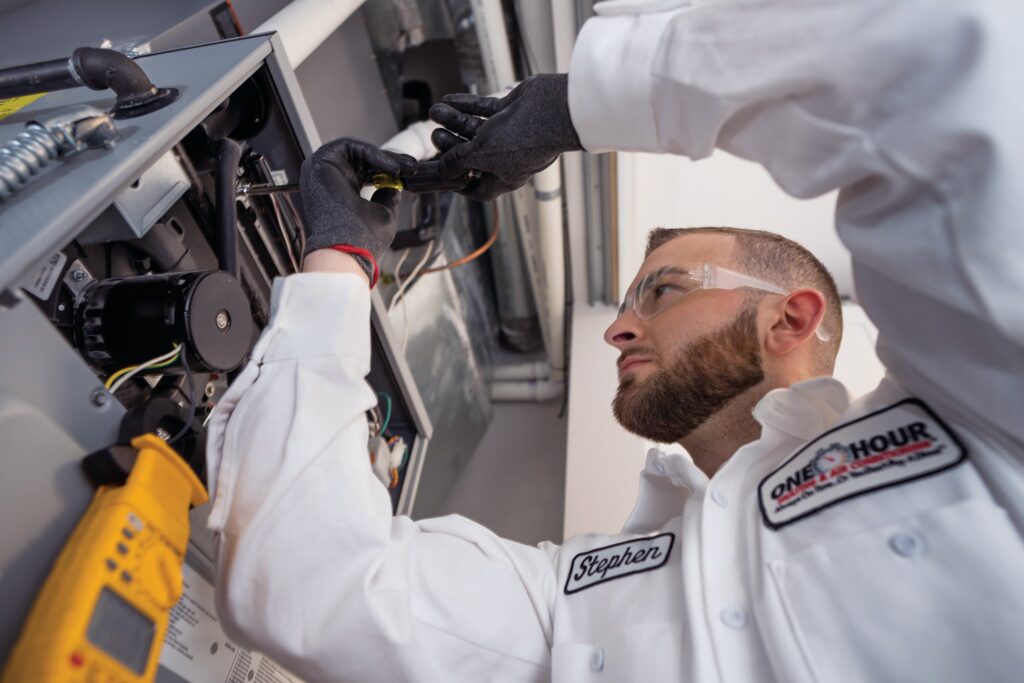
A competent furnace draft check includes observing flame behavior and measuring flue gas flow with instruments. Technicians inspect the draft at the draft hood or vent collar and watch the pressure and flow during operation. They may use a manometer or combustion analyzer to confirm gases vent correctly. Results tell the technician whether the draft is adequate, weak, or reversing.
For homes in Watauga, TX and property managers in North Richland Hills, TX, steady draft means safer operation and fewer emergency calls. Regular maintenance and a tune-up help keep draft stable, see the recommended items on the furnace tuneup essentials list. If you notice smells, soot, or flame changes, contact a professional for a full draft evaluation. A timely furnace draft check prevents small combustion problems from becoming serious safety issues.
How Natural Draft Works And Why It Happens
Natural draft relies on warm combustion gases rising because they are lighter than cooler outside air. This upward flow draws fresh air into the burner and moves exhaust through the heat exchanger into the flue. When the temperature difference between furnace exhaust and outside air is large, draft is stronger and more consistent. Changes in stack temperature or house pressure reduce the buoyant force and weaken that flow.
Stack height and flue geometry shape how well natural draft develops in a system. Longer, straight flues promote steady upward flow while short or convoluted vents create resistance and turbulence. A blocked chimney, bird nest, or tar buildup can create local backpressure that slows exhaust and shifts where gases go. Technicians visually inspect the vent path and measure flow where geometry might limit draft.
House pressure and nearby air paths affect draft by changing where combustion air comes from during operation. Running kitchen fans, dryer vents, or a tightly sealed home can create negative pressure that improves draft or positive pressure that reverses it. In Watauga, TX homes with varying ventilation patterns, these pressure swings can make draft inconsistent during certain times of day. Technicians often check house pressure relative to outdoors as part of a full assessment.
Warm-up behavior also explains why draft changes over a heating cycle and why a furnace draft check matters. As the heat exchanger warms, exhaust temperature rises and draft usually strengthens, stabilizing the flame and combustion. Rapid cycling, weak warm-up, or fluctuating flames suggest the draft never reaches steady levels and needs further measurement. For safety, part of that evaluation includes a careful heat exchanger inspection to confirm no cracks allow combustion gases into living spaces in North Richland Hills, TX properties.
Common Causes Of Poor Furnace Draft Performance
Restricted or partially blocked vent connectors often cause weak draft by increasing resistance to exhaust flow. Rusted seams, crushed sections, or improper slope trap moisture and slow exhaust movement. Technicians inspect the vent connector and flue for visible corrosion and test flow with a draft gauge or manometer. If the connector shows signs of leakage, they note soot patterns and odor traces as supporting evidence.
Problems inside the combustion chamber and heat exchanger can alter how gases leave the burner and reduce draft effectiveness. Soot accumulation on burner ports or a warped heat exchanger changes combustion dynamics and can throw off draft balance. A technician will visually inspect the burners, flame pattern, and heat exchanger surface during a furnace draft check. They may use a combustion analyzer to see whether exhaust composition matches expected values for clean combustion.
House pressure imbalances from exhaust fans or blocked makeup air lines can shift the flue flow direction and cause intermittent drafting. In tightly sealed homes, an appliance that draws air out faster than the house admits replacement air can pull flue gases into living spaces. Professionals perform a building pressure test and observe draft behavior under operating conditions to confirm this cause. For homeowners in Watauga, TX this check helps identify whether ventilation changes affect draft during peak appliance use.
Chimney and flue obstructions like bird nests, debris, or chimney cap damage create local backpressure and reduce draft strength. Thermal shorts can occur when cold flue sections near the top allow exhaust to cool and fall back into the vent path. Technicians inspect the full vent run and may perform a smoke test or visual camera check to find blockages. Property managers in North Richland Hills, TX should ensure clear vent terminations and periodic inspections to prevent these common issues.
Simple Home Indicators Of Draft Problems
Watch for steady smells of exhaust near the furnace or return grilles because these often signal draft disruption and gas leakage into living spaces. Look for dark streaks or soot on the vent connector or nearby walls, these marks show incomplete combustion or slow-moving exhaust. Notice unusual burner behavior such as flames that flicker, lift, or split when nearby doors or fans run. If you detect these signs, note when they happen and what other appliances run at the same time.
- Persistent exhaust smell near equipment.
- Soot streaks on or around the vent connector.
- Flames that flicker or lift unpredictably.
- Frequent pilot outages or delayed ignition.
Listen for odd noises like a roaring sound from the flue or soft whistling at seams that can point to pressure issues in the vent path. Feel for drafts of cold air near the furnace cabinet or for warm air pushed back into the basement or closet during operation. Check the furnace filter and return grille for unusual dust patterns which can hint at reversed flow or high negative pressure. These observations help a professional narrow down whether the problem is vent obstruction, house pressure, or equipment fault.
Perform a simple smoke test yourself by holding a lit stick near the draft hood or vent collar and watching the smoke path while the furnace runs. If smoke spills into the room or moves sideways instead of rising steadily, that suggests weak or reversing draft needing a professional check. Avoid using this as the only test, pressure swings and wind can change results quickly. Share your smoke-test observations with the service technician to speed diagnosis and planning for necessary repairs.
For property managers in North Richland Hills, TX and homeowners in Watauga, TX, documenting when symptoms occur will help technicians reproduce conditions during inspection. A technician will use manometers, combustion analyzers, and a visual inspection to confirm what you observed and measure draft, pressure, and flue gas composition. When issues point to equipment repair, a qualified service provider will recommend actions and follow safety protocols during a thorough furnace draft check. Consider contacting local furnace repair services in Colleyville if you need professional testing and repair.
Technician Tests That Verify Combustion And Draft
A technician starts with pressure measurements to confirm draft direction and strength using a manometer near the draft hood or vent collar. They compare static pressure readings to expected values while the furnace runs and while doors or exhaust fans operate. This helps reveal transient reversals that happen only under certain house-pressure conditions. The pro documents readings for later comparison and action planning.
Next comes combustion analysis with a handheld analyzer to measure oxygen, carbon monoxide, and combustion efficiency in the flue gases. The analyzer probe samples the exhaust at the flue or vent connector to confirm proper fuel-air mixing and safe exhaust composition. Recorded ppm and O2 readings guide decisions about burner adjustment or vent repairs. Technicians will record these values in a written report for the homeowner.
Visual inspection of the heat exchanger, burners, and vent path follows to link test results to physical causes like cracks, soot, or loose connections. Technicians use tools such as an inspection camera and a flashlight to spot hairline cracks or corrosion without dismantling unrelated sections. They also check the vent connector slope and seam tightness to find leakage points that match pressure readings. Findings determine whether repair, replacement, or vent cleaning is needed.
Flow testing and smoke or draft-indicator tests help confirm how exhaust travels under real conditions and when other appliances run. A pro may repeat the smoke test while running a kitchen fan or dryer to reproduce homeowner observations from earlier. They also check for interaction with other combustion appliances and test for backdrafting at nearby openings. Results direct practical fixes and clear explanations for the homeowner.
When odd noises or vibration appear during testing, the technician traces them to the vent connector, blower motor, or loose panels and documents source and timing. They may recommend actions that reduce noise and stabilize draft, referencing relevant repair tasks to stop rattles or whistling. For issues tied to operation noises and draft, see guidance on how to stop furnace noise quickly for related fixes and checks. Homeowners in Watauga, TX and North Richland Hills, TX receive a summary of test results and clear next steps to restore steady, safe combustion.
When To Call A Professional For Draft Issues
If the furnace shows persistent exhaust smells, soot that returns after cleaning, or intermittent flame instability, call a professional promptly. These signs can indicate recurring vent obstruction, heat exchanger issues, or house-pressure conflicts needing trained diagnosis. A technician can perform a focused furnace draft check and use instruments to confirm whether immediate repairs are necessary. Waiting can let corrosion or cracks worsen and increase safety risk.
Contact a pro when symptoms occur only under certain conditions, such as when kitchen or bath fans run or when wind gusts hit the vent. A professional can reproduce those conditions during testing and measure draft, pressure, and flue gas composition to pinpoint intermittent problems. They will also inspect vent connectors, the heat exchanger, and combustion components to find matching physical causes. This targeted approach avoids needless replacements and finds the real fault.
Call for service if you detect persistent carbon monoxide alarm activation, repeated pilot outages, or unexplained system shutdowns during operation. Technicians will run combustion analysis and manometer checks while documenting readings and producing a written report for you. They may also perform a controlled smoke test while cycling other appliances to show how house pressure affects flue flow. Share any notes you made about timing and appliance use to speed their troubleshooting.
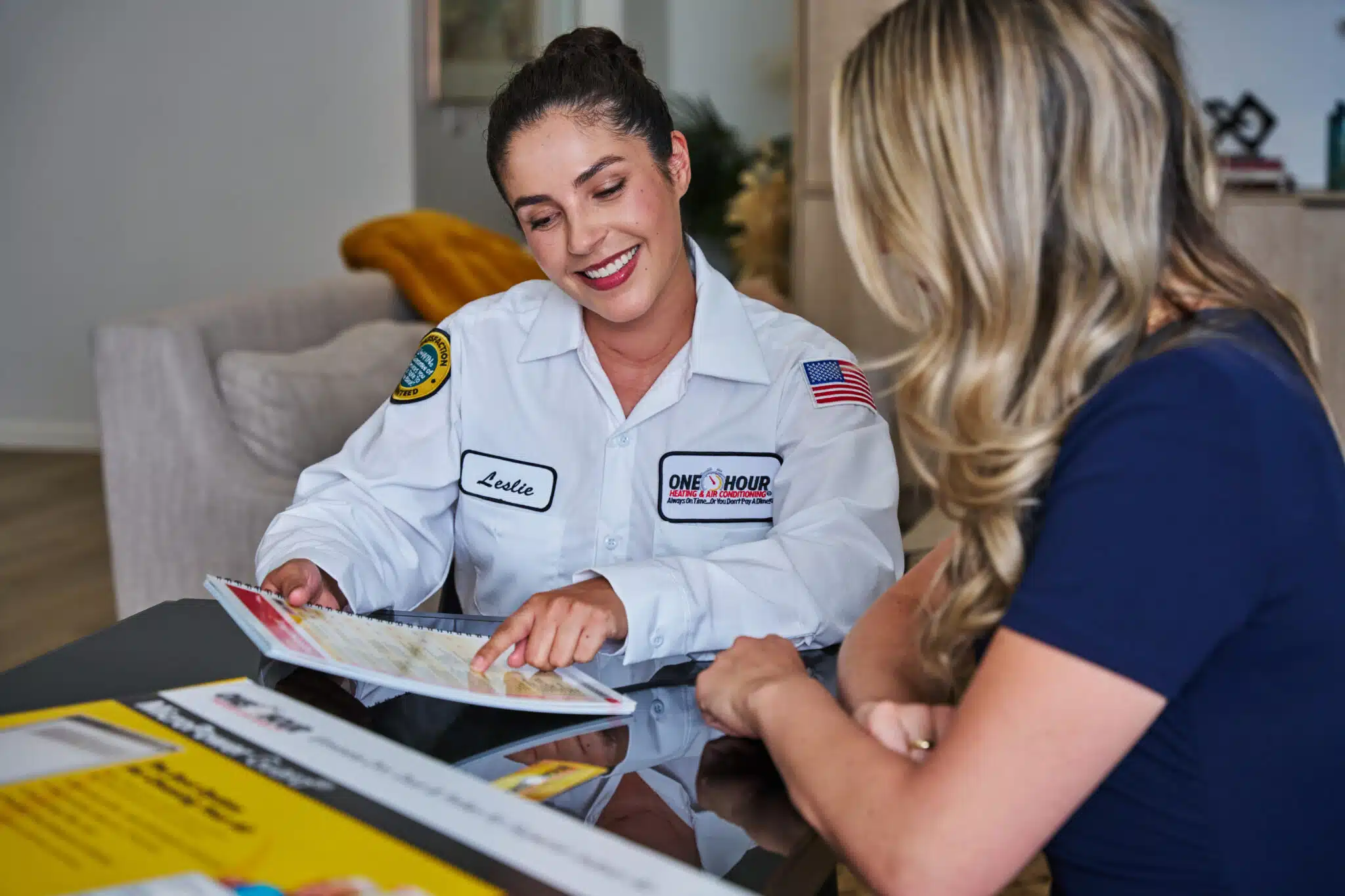
For homeowners in Watauga, TX or property managers in North Richland Hills, TX, schedule a professional visit when draft symptoms reappear after a DIY attempt. A trained technician can combine the furnace draft check with a full tune-up inspection and provide an actionable report. Before the visit, gather observations like when noises or smells occur and any recent changes in ventilation or sealing. For more detail about what a technician will do during service, review the guide on what to expect in a furnace tune-up.
Quick DIY Checks To Improve Furnace Draft
Start with a visual check of the vent connector and draft hood for obvious gaps, rust, or disconnected sections. Verify that the flue pipe joints sit tightly and seams show no soot streaks that suggest leakage. Ensure the furnace door and access panels fit snugly during operation because leaks change internal pressure and draft. If you find loose fasteners or gaps, tighten panels carefully and note anything you cannot secure for a pro to inspect.
- Replace a very dirty air filter.
- Straighten crushed vent sections where visible.
- Remove small bird nests at the termination if reachable safely.
- Keep nearby combustion air openings clear.
Check basic household airflow that can affect draft, such as kitchen or bath exhaust fans running while the furnace fires. Close exterior doors and windows near the furnace and watch whether flame behavior changes during operation. Use a simple smoke test at the draft hood seeing whether smoke rises steadily into the flue. Record when symptoms happen and which appliances run to help a technician reproduce the issue during a formal furnace draft check.
Inspect the immediate area for odors and soot without getting close to hot surfaces or moving parts. Turn off the furnace before touching any components and avoid DIY heat exchanger inspections that require disassembly. If you smell persistent exhaust or find recurrent soot after basic fixes, contact a professional to perform instrumented tests. Homeowners in Watauga, TX and property managers in North Richland Hills, TX should keep a log of observations for the technician.
Prevention Tips For Steadier Long Term Combustion
Develop a regular inspection schedule that focuses on vent terminations, flue caps, and visible connector seams to prevent gradual draft decline. Have a technician check combustion air openings and makeup-air pathways during routine maintenance to catch changes before they affect draft. Keep records of inspection dates and any test readings so trends emerge over time and guide proactive work. For homeowners in Watauga, TX ensure easy access to the termination for periodic visual checks without climbing unsafely.
Control house pressure by balancing exhaust appliance use and adding makeup air where needed to avoid transient backdrafting that destabilizes combustion. Consider installing timed or interlocked ventilation controls so powerful exhaust fans do not run while the furnace fires. Seal unintended openings in the furnace room that let conditioned air escape and change pressure relationships during operation. A professional can advise on targeted ventilation changes that maintain steady draft without over-ventilating the space.
Schedule annual combustion testing as part of preventive maintenance to verify draft, CO, and efficiency numbers remain within expected ranges over multiple seasons. Request that the technician record manometer and analyzer readings in a written report for future comparison and to confirm corrective work fixed the issue. Clean and service burners and the heat exchanger based on inspection findings to prevent soot buildup that slowly degrades draft performance. These routine steps reduce surprise failures and keep combustion stable long term.
Keep the vent path clear of obstructions by installing and maintaining a proper chimney cap and by trimming nearby vegetation that can trap debris at the termination. If you notice recurring warning signs listed in the service guidance, share those observations during the inspection and request a focused furnace draft check. For property managers in North Richland Hills, TX include draft checks in turnover and seasonal checklists to protect tenants and avoid emergency repairs. Communicate findings and recommended follow-up actions in writing so future technicians can track persistent concerns.
Frequently Asked Questions
What is a furnace draft check and why schedule one?
A furnace draft check is a technician inspection that verifies combustion gases vent properly and the furnace draws air as designed. Technicians observe burner flame behavior, listen for whistling or backfiring, and check the flue connection and vent pipe for leaks. Poor draft can cause soot, yellow flames, carbon monoxide buildup, or inefficient operation, so treat it as a safety concern and avoid running the furnace if you suspect problems. Have a qualified professional perform the test and use measurements like draft pressure and combustion readings to confirm safe operation.
What signs mean my furnace draft may be failing?
Common signs of a failing draft include yellow or lazy burner flames instead of steady blue flames, which indicate incomplete combustion. You may notice soot buildup, black stains around the heat exchanger, or dark dust near vents. Other clues include a strong gas or exhaust smell, or frequent pilot outages and delayed ignition, these suggest dangerous combustion issues. If you see these signs, stop using the furnace and call a professional for a furnace draft check because carbon monoxide risks are serious.
How does house pressure affect furnace draft?
House pressure changes the stack effect and can reduce or reverse the natural draft through the furnace flue. Negative pressure from exhaust fans or leaky ductwork pulls combustion gases into the living space instead of up the chimney. Positive pressure can push flue gases back into the furnace and cause unstable combustion or soot buildup. If you suspect pressure-related backdrafting, stop using the appliance and contact a professional for a furnace draft check and safety inspection.
Which technician tests verify safe combustion?
Technicians verify safe combustion by measuring draft pressure at the flue with a manometer to confirm proper venting. They inspect the heat exchanger visually for cracks, corrosion, and soot that indicate unsafe combustion. Combustion analysis with a gas analyzer checks oxygen, carbon monoxide, and flue gas temperature to confirm efficient burning. If readings raise safety concerns, stop using the furnace and call a professional for repair or replacement.
Can a simple smoke test show draft problems?
A simple smoke test can reveal basic draft direction by showing whether combustion gases flow up the flue or spill into the room. It helps spot backdrafting, blocked vents, or downdrafts that affect steady combustion. A smoke test is not definitive for complex leaks or heat exchanger issues, so technicians follow with measurements. If you see persistent spillage or smell combustion gases, stop using the appliance and call a professional for diagnosis.