


Fresh Air Damper Setup For Better Ventilation
Ensuring your home enjoys balanced ventilation and comfort can seem like a daunting task. However, integrating a fresh air damper into your system is a smart move. This component plays a crucial role in managing the flow of outdoor air into your living spaces. It’s essential for maintaining indoor air quality without sacrificing the comfort of your Fort Worth, TX, home.
Residents in Benbrook, TX, and surrounding areas are increasingly recognizing the importance of good air quality. A fresh air damper helps achieve this by regulating the amount of external air entering your HVAC system. Proper installation and positioning are key to its effectiveness. It ensures that your home remains a sanctuary of comfort, regardless of the season.
Understanding the different types of fresh air dampers is the first step towards optimizing your home’s ventilation. Each type is designed to meet specific needs, whether it’s for residential or commercial use. Knowing which one suits your home best in Grapevine, TX, can make all the difference. It’s about finding the right balance between fresh air intake and maintaining a comfortable indoor environment.
Best practices in setting up a fresh air damper include regular maintenance and correct positioning. These ensure your system operates efficiently, providing your home with clean, fresh air while keeping energy consumption in check. Embracing these practices will enhance your living space’s air quality and comfort, making your home more inviting and healthier for everyone inside.
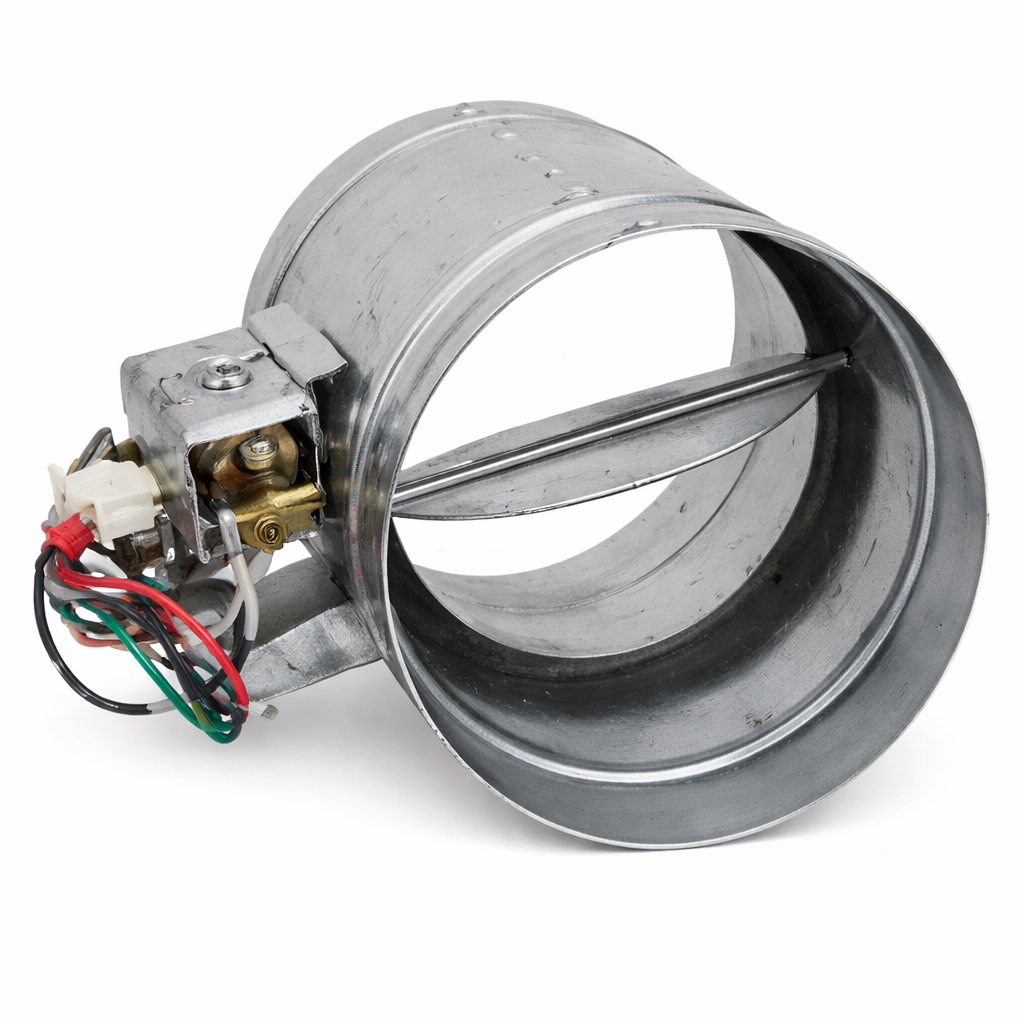
Understanding the Function of a Fresh Air Damper
A fresh air damper is a vital component in your HVAC system, designed to regulate the flow of outside air into your home. By carefully controlling this flow, it ensures that indoor air remains clean and fresh without letting in too much hot or cold air. This balance is crucial for maintaining a comfortable living environment in places like Benbrook, TX, where temperatures can vary widely throughout the year. Properly understanding its function can significantly enhance your home’s air quality and comfort.
The operation of a fresh air damper is relatively straightforward but highly effective. It opens to allow outside air into the HVAC system and closes to keep unwanted outdoor air out. This process is essential for ventilating indoor spaces while minimizing energy loss. Residents in Grapevine, TX, benefit greatly from this system, as it helps keep their homes comfortable regardless of the outdoor climate. Knowing how to leverage this functionality can make a noticeable difference in your indoor air quality.
To maximize the benefits of a fresh air damper, its positioning within your HVAC system is key. It should be installed where it can most efficiently manage the intake of outdoor air. This strategic placement ensures that your home receives the right amount of fresh air, keeping indoor environments healthy and pleasant. Regular checks and adjustments to the damper’s position can further optimize its performance, ensuring your home in Fort Worth, TX, remains a haven of comfort and freshness.
Following best practices for fresh air damper use not only improves air quality but also contributes to the overall efficiency of your HVAC system. Regular maintenance, including cleaning and inspections, ensures that the damper functions correctly, preventing any unnecessary strain on your system. By keeping your fresh air damper in top condition, you can enjoy a well-ventilated home that maintains a perfect balance between fresh air intake and comfortable indoor temperatures, making every corner of your house inviting.
Types of Fresh Air Dampers and Their Uses
Understanding the different types of fresh air dampers is crucial for optimizing your home’s air quality. One common type is the motorized damper, which automatically adjusts to control the flow of outside air into your HVAC system. This feature is especially beneficial for maintaining a comfortable indoor temperature in Benbrook, TX, where weather conditions can change rapidly. Motorized dampers offer convenience and efficiency, making them a popular choice among homeowners.
Another variety is the manual damper, which requires physical adjustment to regulate air flow. These are often used in smaller systems or in specific areas of a home where automatic control is not necessary. Residents in Grapevine, TX, might find manual dampers useful for customizing ventilation in certain rooms. Although they lack the automation of motorized versions, manual dampers provide a simple and effective way to manage air intake.
For those looking to enhance their HVAC system’s energy efficiency, economizer dampers present a smart solution. These dampers work by bringing in cool outside air when conditions allow, reducing the need for air conditioning. Not only does this improve indoor air quality, but it also lowers energy consumption. Economizer dampers are ideal for areas with mild climates, where cool air can be harnessed to maintain indoor comfort without overworking the HVAC system.
Lastly, backdraft dampers play a key role in preventing unwanted outside air from entering your home. They are designed to open when the HVAC system is active and close automatically when it is off, blocking the reverse flow of air. This feature is particularly useful for maintaining efficient ventilation without compromising the indoor environment. Backdraft dampers ensure that your home stays well-ventilated, fresh, and comfortable, regardless of external conditions.
The Importance of Proper Fresh Air Damper Positioning
Proper positioning of a fresh air damper is crucial for achieving optimal ventilation in your home. When installed correctly, it ensures that the right amount of outdoor air enters your HVAC system, enhancing the air quality inside. This strategic placement also helps maintain a comfortable indoor temperature, making your living space more enjoyable. Residents in Benbrook, TX, will find that a well-positioned damper can significantly improve their home’s environment.
To get the most out of your fresh air damper, it’s important to consider the specific needs of your home. Factors such as the size of your living space, local climate, and the layout of your HVAC system all play a role in determining the best location for your damper. By tailoring the setup to meet these conditions, you can ensure efficient operation and a steady supply of fresh air. This attention to detail can make a noticeable difference in homes across Grapevine, TX.
Regular maintenance is another key aspect of optimizing your fresh air damper’s performance. Ensuring that the damper is clean and free from obstructions allows it to function as intended, without any hindrance to airflow. This not only improves the efficiency of your HVAC system but also extends its lifespan. A well-maintained damper is essential for keeping your home comfortable and energy-efficient throughout the year.
Lastly, consulting with HVAC professionals can provide valuable insights into the best practices for fresh air damper positioning and maintenance. These experts can offer tailored advice based on the specifics of your home and local climate conditions. Their expertise ensures that your damper is set up correctly from the start, providing optimal ventilation and comfort for your living space. With professional guidance, you can enjoy the benefits of a well-ventilated home, free from concerns about air quality or energy wastage.
Step-by-Step Guide to Installing a Fresh Air Damper
Installing a fresh air damper is a straightforward process that enhances your home’s ventilation and air quality. First, identify the optimal location for your damper within the HVAC system. This spot should allow for efficient airflow and easy access for future maintenance. Ensuring the damper is correctly positioned is crucial for its effectiveness in managing outdoor air intake.
Next, secure the damper in place following the manufacturer’s instructions. Use the appropriate tools and hardware to attach it firmly, preventing any air leaks. A properly installed damper will operate smoothly, opening and closing as needed to regulate the flow of fresh air into your home. This step is essential for maintaining a comfortable and energy-efficient living environment.
After installation, test the damper to confirm it’s working as intended. This involves checking its response to the HVAC system’s controls and making any necessary adjustments. A well-functioning damper will seamlessly integrate with your system, enhancing air quality without compromising indoor comfort. Testing ensures that your home in Benbrook, TX, benefits from optimal ventilation.
Finally, establish a routine maintenance schedule to keep your fresh air damper in top condition. Regular cleaning and inspections will prevent blockages and wear, ensuring it continues to perform efficiently. Residents in Grapevine, TX, will find that maintaining their damper extends its lifespan and supports a healthy indoor climate. By following these steps, you can enjoy the benefits of improved air quality and comfort in your home.
Balancing Indoor Air Quality and Comfort
Achieving a balance between indoor air quality and comfort is essential for homeowners. A fresh air damper plays a pivotal role in this process by ensuring that the air entering your home is both clean and at a comfortable temperature. By regulating the flow of outdoor air, it prevents pollutants and allergens from compromising the health of your living space. This makes it a valuable addition to any HVAC system, particularly in areas like Benbrook, TX, where environmental conditions vary.
The key to maximizing the benefits of a fresh air damper lies in its proper operation. Homeowners should familiarize themselves with how their damper works, making adjustments as needed to respond to changes in weather or indoor air quality demands. Regular interaction with your system allows for a personalized approach to ventilation, ensuring that your home remains a sanctuary of comfort and cleanliness. This proactive stance on air management can significantly enhance the living environment for residents in Grapevine, TX.
In addition to operational knowledge, routine maintenance is crucial for keeping your fresh air damper in optimal condition. A clean damper without blockages ensures efficient air flow, reducing the strain on your HVAC system and thereby supporting its longevity. Simple actions like inspecting the damper for debris and ensuring it moves freely can prevent issues that might otherwise impact your home’s air quality and comfort levels.
Lastly, understanding when to seek professional advice is important for maintaining the balance between indoor air quality and comfort. HVAC experts can offer insights into the best practices for using your fresh air damper, tailored to the specific conditions of your home and local climate. Their expertise ensures that your system is not only effective but also efficient, providing a comfortable and healthy indoor environment year-round.
Best Practices for Maintaining Your Fresh Air Damper
To ensure your fresh air damper functions at its best, regular cleaning is essential. Dirt and debris can hinder its operation, leading to inefficient air flow. A clean damper maintains optimal air quality in your home, making the environment healthier for everyone. Residents in Benbrook, TX, will appreciate the difference it makes, especially during allergy season.
Inspecting your damper for signs of wear or damage is another key practice. Over time, components can become worn, affecting the damper’s ability to regulate air properly. Promptly addressing any issues ensures your HVAC system runs smoothly, providing consistent comfort. This proactive approach can save you from future headaches, ensuring a cozy home in Grapevine, TX.
Seasonal adjustments to your fresh air damper can greatly enhance your home’s air quality and comfort. As weather patterns change, so do your ventilation needs. Adjusting your damper to suit these variations keeps indoor temperatures pleasant without overworking your HVAC system. This balance is crucial for maintaining a comfortable living space year-round.
Lastly, consulting with HVAC professionals for annual check-ups can extend the life of your fresh air damper. Experts can spot potential problems early and perform necessary adjustments or repairs. Their knowledge ensures your damper operates efficiently, keeping your home’s air fresh and clean. Trusting in their expertise provides peace of mind and a healthier living environment.
Troubleshooting Common Fresh Air Damper Issues
When a fresh air damper isn’t working as it should, the first step is to check for obstructions. Leaves, debris, or even nests can block the damper, preventing it from opening or closing properly. A quick inspection can reveal these common issues, allowing for a simple cleaning to restore airflow. This ensures that homes in Benbrook, TX, maintain optimal air quality and ventilation.
Sometimes, the problem with a fresh air damper might be electrical, especially in motorized models. If the damper fails to respond to your HVAC system’s controls, it’s wise to check the power supply and connections. A loose wire or a tripped circuit breaker can often be the culprit, and these are easily fixed issues. Addressing these electrical concerns promptly can prevent disruptions in your home’s ventilation system.
In Grapevine, TX, homeowners might encounter dampers that are stuck due to rust or corrosion. This is particularly common in areas with high humidity or in older systems that haven’t been regularly maintained. Applying a lubricant to the moving parts of the damper can often free it up, but if the damage is severe, replacement might be necessary. Regular maintenance is key to preventing such issues from arising.
Lastly, if your fresh air damper is still not functioning correctly after addressing these common issues, it might be time to seek professional help. An HVAC expert can diagnose more complex problems, such as a malfunctioning control system or a damper that’s incorrectly sized for your home. Their expertise ensures that any issue is resolved efficiently, keeping your indoor air fresh and your living environment comfortable.
Case Studies: Successful Fresh Air Damper Installations
In Benbrook, TX, a homeowner experienced significant improvements in air quality and energy efficiency after installing a fresh air damper. The installation was strategically planned to enhance ventilation without increasing energy consumption. This case highlighted the importance of choosing the right type of damper and its correct positioning within the HVAC system. The successful integration of the fresh air damper led to a more comfortable and healthier home environment.
Another case in Grapevine, TX, showcased the benefits of regular maintenance on the performance of fresh air dampers. After noticing a decline in air quality, a resident sought professional help, leading to the discovery of a clogged damper. Cleaning and adjusting the damper restored its functionality, emphasizing the need for periodic checks to maintain optimal ventilation. This instance underlined how simple upkeep can prevent larger issues and ensure continuous comfort.
A commercial building in Fort Worth, TX, serves as an exemplary case of economizing energy while improving air quality through the use of economizer dampers. The system was designed to automatically adjust the intake of outside air based on temperature, reducing reliance on artificial cooling. This approach not only conserved energy but also maintained a steady flow of fresh air, creating a pleasant and productive workspace. The project demonstrated the potential of fresh air dampers to significantly impact energy usage and indoor air quality.
Lastly, a community center in a nearby area faced challenges with fluctuating indoor temperatures and stale air. The solution involved retrofitting their existing HVAC system with motorized fresh air dampers. These dampers automatically adjusted to changes in outdoor air quality and temperature, ensuring a constant supply of fresh air. The upgrade resulted in a more comfortable environment for visitors and staff, showcasing the versatility and effectiveness of fresh air dampers in various settings.

Frequently Asked Questions
What is a fresh air damper?
A fresh air damper is a device installed in HVAC systems to regulate airflow. It allows outdoor air to mix with indoor air, enhancing ventilation. By adjusting its position, it helps maintain indoor air quality and comfort. Properly using a fresh air damper ensures a balanced, healthy environment.
How do you install a fresh air damper?
Installing a fresh air damper involves precise steps for optimal performance. First, identify the best location in your HVAC system to ensure effective airflow. Next, securely mount the damper, making sure it’s properly aligned with the ductwork. Then, connect the control mechanisms, allowing for easy adjustments to the airflow. Finally, test the damper to confirm it operates smoothly, enhancing indoor air quality and comfort.
Can dampers improve home ventilation?
Yes, dampers can significantly enhance home ventilation. By managing airflow, they ensure fresh air circulates throughout your home, improving air quality. They adjust easily, allowing you to control the mix of indoor and outdoor air. This balance keeps your living space comfortable and healthy.
What maintenance does a fresh air damper need?
Maintaining a fresh air damper is straightforward and essential for its performance. Regularly inspect it for debris and dust that might hinder its operation. Lubricate moving parts annually to ensure smooth functionality. Also, check the damper’s alignment and adjust if necessary to maintain optimal airflow. These simple steps help keep the air in your home fresh and comfortable.
Are fresh air dampers energy efficient?
Fresh air dampers are designed with energy efficiency in mind. They optimize the mix of indoor and outdoor air, reducing the need for heating or cooling. By adjusting airflow, they help maintain a comfortable temperature using less energy. This smart control contributes to lower energy use while keeping air quality high.