

Emergency Float Switch Saves You From Water Damage
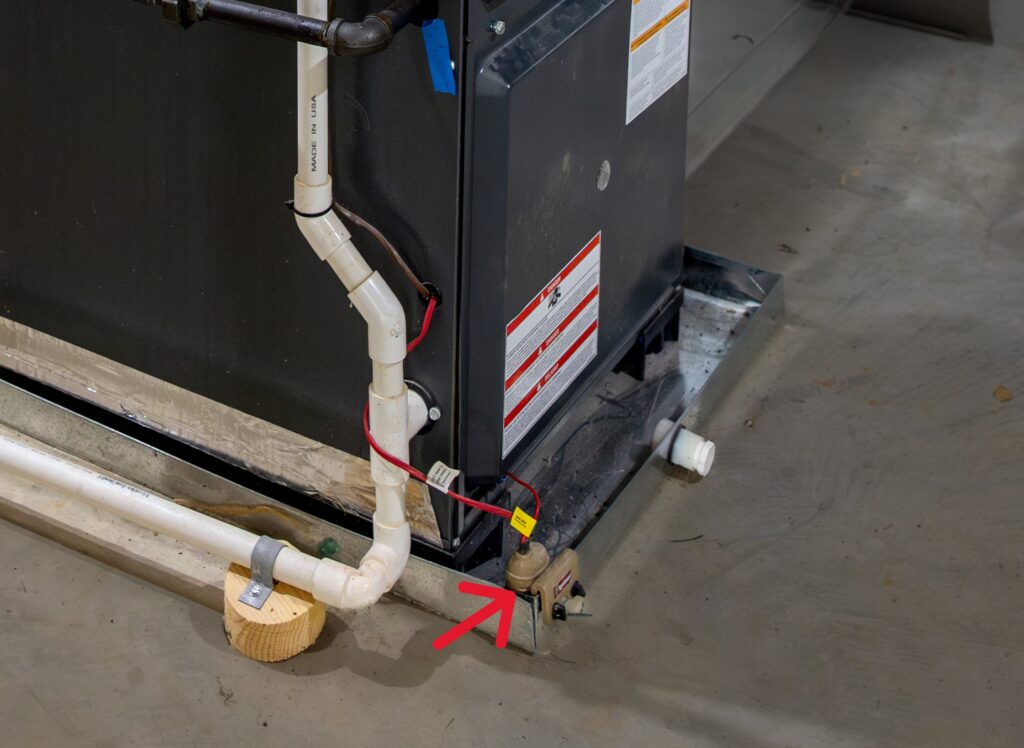
When it comes to protecting your home from water damage, an emergency float switch plays a crucial role. This ingenious device is designed to prevent overflow by automatically shutting off your air conditioning system if water levels get too high. Residents in Fort Worth, TX, and surrounding areas like Benbrook and Southlake can attest to the peace of mind that comes with having this safety feature installed. It’s a simple yet effective solution to a potentially costly problem.
Understanding how an emergency float switch works is the first step in appreciating its value. Essentially, it monitors the water level in your HVAC system’s drain pan. If the water rises to a critical level, the switch activates, stopping the system before overflow occurs. This preemptive action saves homeowners from the hassle and expense of water damage repairs.
Testing your emergency float switch regularly ensures it’s always ready to protect your home. While the thought of testing might seem daunting, it’s actually a straightforward process that can be done without professional help. However, for those in areas like Benbrook, TX, professional HVAC services are always available to assist with maintenance and testing, ensuring your system operates smoothly.
Lastly, the installation of an emergency float switch offers flexibility with various mounting options to fit different systems and preferences. Whether you live in the bustling city of Fort Worth or the quieter streets of Southlake, TX, there’s a mounting option that will work for your home. This adaptability, combined with the switch’s critical role in home safety, underscores the importance of having a reliable emergency float switch in place.

Understanding How an Emergency Float Switch Works
Delving deeper into the workings of an emergency float switch reveals its critical role in safeguarding homes from water damage. This device is ingeniously designed to monitor the water level in the drain pan of your HVAC system. When the water reaches a predetermined height, indicative of a potential overflow, the switch triggers the system to shut down. This immediate action prevents any spillage, thereby protecting your property from the unwanted stress of water damage.
Testing the emergency float switch is a task homeowners can easily undertake to ensure their system’s integrity. By simulating a rise in water level, you can verify the switch’s responsiveness and functionality. This simple check-up can be the difference between a well-maintained home and one susceptible to water damage. Residents in Benbrook, TX, have the added advantage of professional HVAC services for thorough testing and maintenance.
Mounting the emergency float switch correctly is paramount to its effectiveness. Various options are available to suit different HVAC systems and homeowner preferences, ensuring a seamless integration into your home’s existing setup. Whether you opt for a side-mount, which is popular for its ease of installation, or a low-profile design that stays out of sight, the key is to ensure the switch is positioned for optimal performance.
In Fort Worth, TX, and its neighboring cities like Southlake, the importance of an emergency float switch cannot be overstated. It stands as a vigilant protector against water damage, offering peace of mind to homeowners. By understanding how it works, ensuring it is tested regularly, and properly mounting the switch, you can significantly mitigate the risk of HVAC-related water damage in your home.
The Role of Float Switches in Preventing Water Damage
The emergency float switch serves as a critical line of defense against water damage by precisely monitoring and controlling the water level in your HVAC system. Its ability to detect rising water levels and promptly shut down the system is a testament to its importance in home safety. This proactive approach ensures that potential overflows are stopped in their tracks, preventing any water from spilling over and damaging your property. For homeowners in Benbrook, TX, this means added security and peace of mind during stormy seasons or in the event of system malfunctions.
Regular testing of the emergency float switch is essential to maintain its reliability and functionality. By conducting simple tests, homeowners can confirm that the switch is in working order and ready to act in an emergency. This practice not only extends the life of your HVAC system but also protects your home from unexpected water damage. Residents in Southlake, TX, can easily perform these tests or seek professional help to ensure their system’s safety features are operational.
Mounting the emergency float switch correctly is crucial for its effectiveness. Homeowners have the flexibility to choose from several mounting options, each designed to suit different system configurations and preferences. Whether it’s a strategic side mount for easy access or a discreet setup that blends into the surroundings, the correct installation ensures optimal performance. This adaptability makes it a suitable solution for any home in Fort Worth, TX, enhancing its appeal to a wide range of homeowners.
In conclusion, the emergency float switch plays an indispensable role in preventing water damage by offering a robust solution to potential HVAC system overflows. Its effectiveness is maximized through regular testing and proper mounting, ensuring it functions as intended when it matters most. For homeowners across Fort Worth, TX, and its neighboring cities, investing in this protective measure offers a sense of security, knowing their homes are safeguarded against the risks of water damage.
Step-by-Step Guide to Testing Your Float Switch
Testing your emergency float switch is a straightforward task that anyone can do. First, locate the switch in your HVAC system, which is usually found in the drain pan or nearby. This ensures you know exactly where to check when performing your test. It’s a simple step that keeps your system in check and your home safe from water damage.
Next, gently press the switch to simulate rising water levels. This action should trigger the switch and cause your HVAC system to shut down temporarily. If it stops as it should, this indicates that your emergency float switch is working correctly. Performing this test regularly helps maintain the reliability of your system, especially in areas like Benbrook, TX.
If the system does not shut down when you test the switch, it’s time to seek professional help. Contacting an HVAC specialist ensures any issues with the emergency float switch are resolved quickly. Experts in Southlake, TX, are well-equipped to handle such situations, ensuring your home remains protected against potential water damage.
Lastly, after testing, reset the switch according to the manufacturer’s instructions to ensure your HVAC system resumes normal operation. This step is crucial for maintaining the functionality of your emergency float switch. Regular testing and proper maintenance are key to ensuring your home in Fort Worth, TX, stays safe from the risks of water damage.
Choosing the Right Mounting Option for Your Float Switch
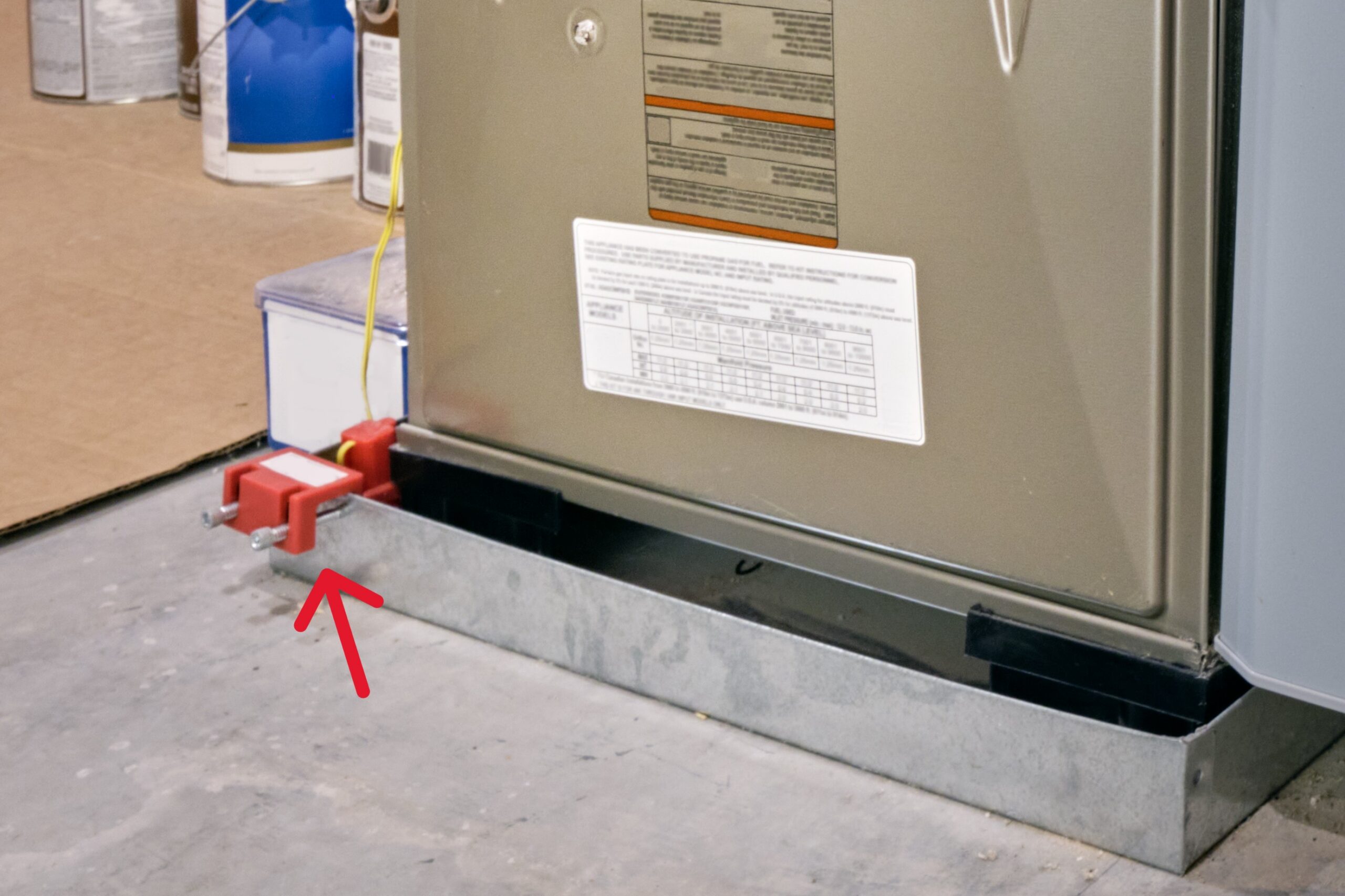
Choosing the right mounting option for your emergency float switch is essential for ensuring its effectiveness. Different HVAC systems require different approaches, so understanding your system’s layout is the first step. Whether it’s a compact unit in a tight space or a larger system with more flexibility, there’s a mounting option that fits. This adaptability ensures that no matter the setup in your home, the switch will function as needed to protect against water damage.
In Benbrook, TX, homeowners often prefer a side-mount option for their emergency float switch. This choice is popular because it allows for easy access and testing, ensuring that maintenance is straightforward. The side-mount also tends to be less intrusive, blending seamlessly with the existing HVAC setup. Its popularity underscores the importance of choosing a mounting option that not only ensures functionality but also convenience.
Conversely, residents in Southlake, TX, might opt for a low-profile mount. This option is ideal for those seeking a less visible solution that does not interfere with the aesthetics of their HVAC system. A low-profile mount still offers the same level of protection but is designed to be discreet. It’s a testament to the versatility of emergency float switch mounting options, catering to the varied preferences of homeowners.
Ultimately, the key to maximizing the protective benefits of an emergency float switch lies in selecting the right mounting option for your system. By considering your HVAC system’s specific needs and your personal preferences, you can ensure optimal performance and reliability. This careful selection process is crucial for safeguarding your home from the potential havoc of water damage, providing peace of mind and security for homeowners across Fort Worth, TX, and beyond.
Installation Tips for Reliable Emergency Float Switch Performance
For optimal performance of your emergency float switch, proper installation is key. Start by identifying the most suitable location within your HVAC system, considering both functionality and ease of access for future testing. A well-placed switch not only ensures efficient operation but also simplifies maintenance tasks, making it easier to keep your system in top condition. This strategic placement is crucial in preventing water damage by ensuring the switch can respond swiftly to rising water levels.
In Benbrook, TX, homeowners should ensure their emergency float switch is installed in a position where it remains unobstructed and easily visible. This visibility is important for regular checks and tests, allowing for quick verification that the switch is operational. Ensuring the switch is not hidden behind pipes or ductwork can save time and effort during routine maintenance, contributing to the overall reliability of your HVAC system.
When considering installation options, remember that the emergency float switch must be securely mounted to avoid displacement. Use the mounting hardware provided and follow the manufacturer’s instructions carefully to ensure a secure fit. A firmly mounted switch will maintain its position even in the event of vibrations or other disturbances, providing consistent protection against water overflow. This steadfastness is especially valued in areas like Southlake, TX, where homeowners rely on their HVAC systems year-round.
Lastly, after installing your emergency float switch, conduct a test to confirm its functionality. This final step verifies that the switch is correctly positioned and ready to protect your home from water damage. Regular testing, combined with proper installation, forms a robust defense, safeguarding your property against the costly inconvenience of water-related issues. With these measures in place, residents can enjoy peace of mind, knowing their homes are well-protected.
Common Issues with Float Switches and How to Solve Them
Despite the reliability of an emergency float switch, homeowners may encounter issues that hinder its performance. One common problem is debris buildup, which can prevent the switch from moving freely. Regular cleaning is essential to maintain its functionality. By ensuring the area around the switch in your HVAC system is clear, you can avoid unnecessary malfunctions and keep your home safe from water damage.
Another issue that might arise is a malfunctioning switch due to wear and tear. In such cases, testing the switch for responsiveness can help identify the problem early. If the switch fails to activate the system shutdown during a test, replacing it becomes necessary. Residents in Benbrook, TX, can consult with HVAC professionals to ensure a high-quality replacement is installed correctly.
Sometimes, improper installation can lead to the emergency float switch not working as intended. It’s crucial that the switch is mounted at the correct height and angle to accurately detect water levels. Homeowners in Southlake, TX, should consider professional installation to guarantee the switch’s effectiveness. A correctly installed switch is a homeowner’s first line of defense against water damage from HVAC system overflows.
Lastly, electrical issues can also affect the performance of an emergency float switch. Loose wiring or corroded connections can prevent the switch from functioning properly. Regular inspections by qualified technicians can catch these problems early, ensuring your system remains operational when you need it most. Keeping the electrical components of your emergency float switch in good condition is key to protecting your home from potential water damage.
The Importance of Regular Maintenance for Your Float Switch
Regular maintenance of your emergency float switch is not just recommended, it’s essential for the longevity and reliability of your HVAC system. By keeping the switch clean and free from debris, you ensure it can accurately sense water levels and prevent overflow. This simple yet effective practice can save you from the stress and inconvenience of water damage, making it a crucial part of home care in Benbrook, TX.
Testing the switch for responsiveness is another key aspect of maintenance. It’s a quick way to check that your emergency float switch is ready to spring into action when needed. Whether you’re in Southlake, TX, or another area, a functional switch is your best defense against unexpected water issues. Regular checks mean peace of mind, knowing your home is protected.
Ensuring the switch is correctly installed and positioned is also vital. The right height and angle allow the switch to accurately monitor water levels, providing reliable protection. Homeowners should consider professional help for installation to guarantee the effectiveness of their emergency float switch. This step ensures your system is equipped to handle potential overflows.
Lastly, addressing any electrical issues promptly is crucial for the switch’s performance. Inspections by qualified technicians can identify and resolve wiring problems before they compromise your system. Keeping the electrical components in good condition ensures your emergency float switch functions flawlessly, safeguarding your home from water damage efficiently.
Comparing Different Types of Float Switches
When considering the installation of an emergency float switch, it’s important to understand the different types available. Vertical float switches are popular for their simplicity and reliability, moving up and down along a shaft to indicate water level changes. This type is often preferred for residential HVAC systems due to its straightforward mechanism and ease of use. Homeowners in Benbrook, TX, find vertical switches effective in preventing water overflow from their air conditioning units.
Another option is the horizontal float switch, which operates by pivoting around a hinge as water levels rise or fall. This design is suited for tight spaces where vertical movement is restricted. Horizontal switches are appreciated for their versatility and can be installed in various orientations, making them a flexible solution for many HVAC systems. Residents in Southlake, TX, value the adaptability of horizontal switches, ensuring their systems are safeguarded against potential water damage.
Electronic float switches offer a more technologically advanced option, utilizing sensors to detect water levels without moving parts. These switches are known for their precision and durability, often used in situations where mechanical wear and tear need to be minimized. Electronic switches are ideal for homeowners who prefer a maintenance-free option, providing reliable protection with less frequent testing required.
Ultimately, choosing the right type of emergency float switch depends on specific needs and system configurations. Vertical and horizontal switches provide mechanical reliability, while electronic switches offer a high-tech approach to water level detection. Each type has its advantages, ensuring homeowners can find a solution that best protects their property from water damage.
Frequently Asked Questions
What is an emergency float switch?
An emergency float switch is a crucial device that prevents water overflow in HVAC systems. It detects water levels, shutting off the system when too high. This action helps avoid potential water damage in your home. By installing one, homeowners ensure their systems run safely and efficiently.
How does a float switch prevent water damage?
An emergency float switch acts as a water level sensor within your HVAC system. It automatically turns off the system when water reaches a critical level. This prevents any overflow, safeguarding your home from water damage. Its simple yet effective mechanism ensures your system operates within safe parameters, keeping your space dry and protected.
Can I install an emergency float switch myself?
Installing an emergency float switch requires technical knowledge and precision. Many homeowners prefer a professional to handle the job for peace of mind. Experts ensure proper placement and functionality, crucial for preventing water damage. However, those with HVAC experience might successfully undertake this task, following specific guidelines.
What maintenance does a float switch need?
Maintaining an emergency float switch is straightforward and essential for its reliability. Regularly check it for debris or obstructions that could impede its function. Testing it a few times a year ensures it operates correctly when needed. Lastly, ensure it’s securely mounted and connected, as this helps prevent unexpected water damage.
Where should I install an emergency float switch?
An emergency float switch should be installed in your HVAC system’s drain pan or close to it. This placement ensures it accurately detects rising water levels, preventing overflows. Professionals know the best spots for maximum protection against water damage. By choosing the right location, your system stays safe and dry, avoiding costly damage.