

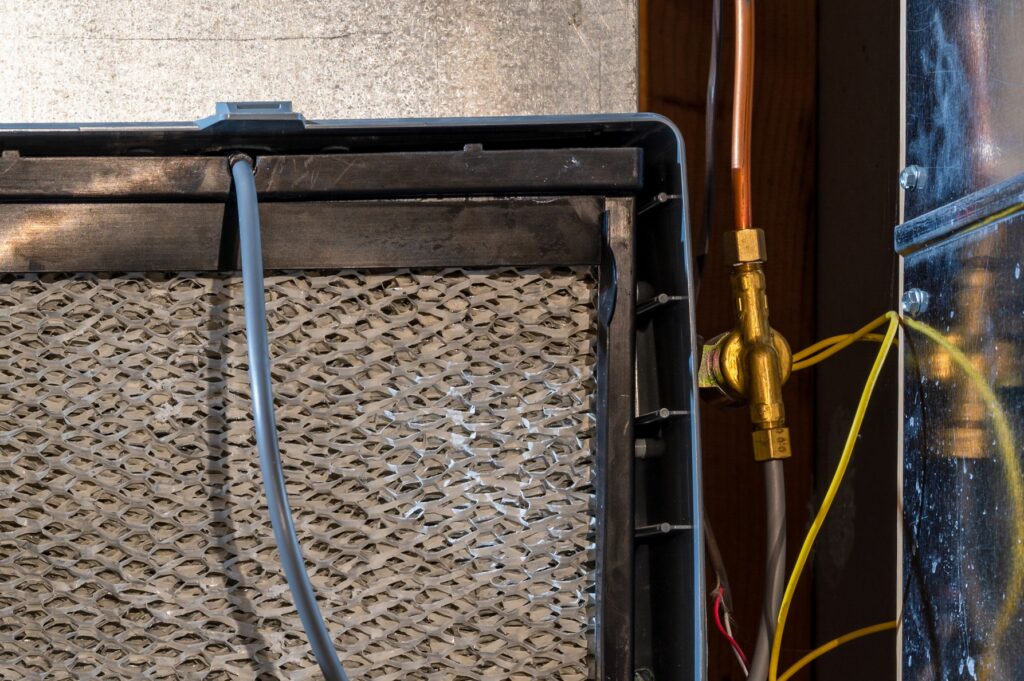
Humidifier Solenoid Valve Testing Tips
Key Takeaways About Humidifier Solenoid Valve
A humidifier solenoid valve controls water flow to a home humidifier using an electrical coil and plunger. This guide helps homeowners and property managers act when leaks noises or poor performance appear.
- Identify visible leaks mineral trails and odd cycling patterns quickly.
- Prevent damage by shutting off power and water before inspection.
- Avoid electrical tests if wiring looks charred or unsafe to touch.
- Spot coil humming stuck plunger or slow response during operation.
- Reduce scale buildup with regular cleaning and inlet screen checks.
- Plan for replacement when coils seat or plunger show permanent damage.
Introduction
A failing humidifier solenoid valve can cause puddles, dry indoor air, or a unit that never turns off. Homeowners often notice water where it should not be or a steady drip from the humidifier assembly. That steady drip raises humidity and risks stains, mold, or warped trim in living spaces. Spotting symptoms early helps avoid bigger water damage and unnecessary replacement of parts.
Common signs include unusual noises, slow or no water flow, and a valve that sticks open or closed at the wrong times. You might hear a faint click when the valve should operate or a constant hum from electrical components. These sounds usually point to electrical or mechanical issues inside the solenoid assembly. Noticing timing patterns helps narrow whether the problem is intermittent or constant.
Visible buildup, mineral deposits, or corrosion on the valve body can reduce flow and prevent a tight seal. Homes with hard water tend to show scale faster and need more frequent checks of the humidifier components. A technician would inspect the valve, solenoid coil, and nearby shutoff or float controls for evidence of wear. For properties in Argyle, TX these visual cues often coincide with seasonal use changes that reveal hidden leaks.
Professional diagnosis matters because symptoms can mimic other issues like control board faults or clogged supply lines. A technician will measure voltage, check continuity, and observe valve response under normal operating conditions. In a common situation, a homeowner reports a steady leak and the pro checks the solenoid, control relay, and supply shutoff next. If the valve fails electrical or flow tests cleaning may not suffice and replacement becomes the safer choice for homes in Azle, TX.

How A Humidifier Solenoid Valve Works And Why It Fails
A humidifier solenoid valve is an electrically controlled valve that opens and closes to allow water into the humidifier. The valve has a coil, plunger, valve body, and an inlet and outlet that route water under pressure. When the control calls for humidity, the coil energizes and lifts the plunger to let water flow. A homeowner may ask, “Why won’t my humidifier stop leaking?” and the valve is a common culprit.
-
- The coil receives voltage to actuate the valve.
- The plunger seals the water port when de-energized.
Electrically, the coil needs the correct voltage and a good continuity reading to work reliably. Mechanically, the plunger must move freely and seat tightly to stop flow. Mineral deposits, corrosion, or debris in the inlet can prevent a full seal and cause persistent drips. A common homeowner question is whether cleaning helps, and often light scale removal restores proper operation.
Professionals diagnose by measuring voltage at the coil and checking coil resistance with a multimeter. They also remove the valve to inspect the seat, plunger, and inlet passage for scale or damage. A simple field test is to apply the correct supply voltage briefly and observe opening and closing action. For routine upkeep and step-by-step maintenance guidance, see the humidifier maintenance page for recommended tasks and intervals.
Wear and failure patterns include a coil that hums but does not move the plunger and a valve that sticks open or closed intermittently. In some homes in Argyle, TX seasonal start-up reveals a stuck valve after months of inactivity. For properties in Azle, TX repeated scale buildup often shortens valve life and increases service needs. If testing shows no electrical fault but visible damage exists, replacement is usually the practical next step.
Common Causes Of Solenoid Valve Malfunction
Mechanical wear often causes valve failure when the plunger or seat show grooves, corrosion, or warping from repeated cycles. Mineral scale from hard water builds up at the inlet and around the seat, reducing travel and preventing a tight shutoff. Debris carried in supply lines can lodge under the plunger and create an uneven seal or intermittent dripping. Older valves with damaged seals usually show slow leaks that worsen over time.
Electrical faults also produce malfunction when the coil loses continuity or the insulation shorts, reducing magnetic pull on the plunger. Loose or corroded wiring and poor connections at the control board can give intermittent power and unpredictable valve action. A weak supply voltage will let the coil hum without fully opening the valve, producing both noise and poor flow. Technicians often inspect wiring, measure voltage at the coil, and test continuity to confirm these issues.
Installation and plumbing issues contribute when the valve faces incorrect water pressure, misaligned fittings, or debris from nearby work. High inlet pressure can force the valve open slightly even when de-energized, while low pressure may prevent full opening during operation. Improperly sized or threaded adapters can allow leaks at joints that mimic a bad valve body. For humidifier installs or replacements, refer to guidance on ideal equipment placement and hookups to avoid common plumbing-induced failures.
Environmental factors shorten service life through corrosion, freeze damage, or prolonged inactivity that lets deposits harden. Homes in Argyle, TX that shut off systems seasonally can see stuck plungers from months of standing water. Properties in Azle, TX with mineral-rich supply lines tend to show recurring scale that requires more frequent cleaning or replacement. A professional diagnosis will combine visual inspection, voltage and continuity checks, and a flow test to confirm whether cleaning or replacement is appropriate.
Early Warning Signs Of Solenoid Valve Problems
Watch for timing issues where the humidifier cycles at odd hours or stays on longer than expected, suggesting the valve is slow to respond. Homeowners might notice the unit running between thermostat calls or a delayed shutoff after humidity setpoints are reached. Another subtle cue is inconsistent humidity readings from room to room while the humidifier runs. These patterns point to a valve that opens or closes inconsistently under control signals.
Audible signs beyond a single click can include a rattling or chattering when the valve energizes, indicating a weak coil or loose plunger parts. A high-pitched whine during operation often means the coil receives voltage but cannot fully move the plunger. Smells of damp or mold near the humidifier can follow small, persistent leaks that are hard to see. If you notice these sounds or smells, inspect the valve area and nearby wiring for loose connections.
Visible moisture where fittings meet the valve body or faint mineral trails on the humidifier housing are early visual warnings of a failing seal. Also check for mineral flakes or a white crust at the inlet that could begin to restrict movement. Excessive scale buildup sometimes shows as irregular water flow even when the valve cycles correctly. For more on managing indoor moisture, see the benefits of having a humidifier and dehumidifier for your Texas home.
Electrical anomalies include intermittent operation when other devices on the same circuit are used, which can indicate voltage drop or shared-circuit interference. A tripped breaker or nuisance fuse events that coincide with humidifier activity suggest wiring or coil shorting. In a common situation, a homeowner in Argyle, TX reports odd cycling and a pro inspects voltage at the coil and control relay next. For properties in Azle, TX persistent scale near the valve often precedes mechanical sticking that a technician confirms during diagnosis.
Step By Step Humidifier Solenoid Valve Testing
Start by turning power and water to the humidifier off at the breaker and shutoff valve to prevent shocks and flooding. Remove the valve cover and visually inspect the plunger area for debris, scoring, or hardened mineral deposits that block movement. Use a multimeter to check coil continuity and note the resistance reading against manufacturer specs to identify a weak coil. If wiring looks corroded or loose, document the connection and plan for cleaning or tightening before further tests.
- Check coil continuity with a multimeter.
- Measure voltage at the coil during a call for humidity.
- Manually lift the plunger to test free movement.
- Inspect valve seat for pitting or scale.
Next, restore low-risk power briefly to measure real-time voltage while someone calls for humidity from the control. Observe if the coil energizes and whether the plunger lifts cleanly, record whether movement is smooth, jerky, or absent. A professional would compare voltage under load to the expected value and note any significant drop that signals wiring or control problems. If the plunger moves but water flow is weak, inspect the inlet screen and supply line for blockages.
If the valve sticks when energized or de-energized, try cleaning light scale with a soft brush and a vinegar solution after draining and isolating the water supply. Re-test operation after cleaning and drying parts to see if free movement and a tight seat return. When a coil shows open-circuit or the plunger has deep grooves and cannot seat, replacement is the practical option rather than repeated repairs. Homeowners in Argyle, TX should plan to document readings and photos to share with a technician if the issue persists.
To confirm a diagnosis, a pro would perform a controlled flow test with pressure readings and verify operation under normal system conditions. They might also check related components such as the float, control relay, and supply shutoff to rule out parallel failures. In a common situation, the technician records voltage, continuity, and flow measurements in a written report and recommends cleaning or replacement accordingly. For guidance on related HVAC repair considerations, see the page about what to consider for heating and AC repair service in Azle, TX.
Tools And Safety Tips For Home Testing Tasks
Gathering the right tools makes home testing safer and more accurate when you suspect a humidifier solenoid valve issue. A reliable multimeter lets you check coil continuity and live voltage at the control while keeping leads insulated. Have a pair of insulated needle-nose pliers and small screwdrivers to access wiring and loosen fittings without damaging terminals. Keep a flashlight and magnifying glass handy to spot corrosion or hairline cracks in wiring and valve components.
Use basic plumbing tools to isolate water and relieve pressure before you open any fittings on the valve assembly to avoid spills. A shutoff wrench and pipe thread tape can help reseat fittings after inspection and prevent leaks from disturbed joints. Carry a small container to catch water when you remove the valve body or test the inlet screen. Include clean rags and a soft nylon brush for nonabrasive scale removal during visual inspection.
Observe electrical safety rules by switching the breaker off and verifying no voltage exists before touching terminals or coil leads to reduce shock risk. If you must energize the valve for a live test, keep hands away from water and use insulated tools while a second person operates the control. Wear safety glasses and gloves whenever you work near plumbing connections or around scale and debris. If wiring looks frayed, charred, or improperly stranded, stop and call a professional to avoid fire or shock hazards.
Document test readings and take photos of the valve body, plunger, and wiring for later comparison or to share with a technician for further diagnosis. A professional would use the photos, voltage and continuity readings, and flow observations to confirm whether cleaning suffices or replacement is necessary. Homeowners in Argyle, TX and Azle, TX benefit from keeping a maintenance checklist and referring to the HVAC maintenance guide when planning seasonal checks. If any step feels risky or you find damaged components, contact a licensed technician rather than proceeding.
Cleaning Techniques For A Sticky Solenoid Valve
Start by isolating the valve from power and water, then remove the solenoid coil to access the plunger and seat for cleaning. Gently pull the plunger straight out while noting any grooves, pitting, or trapped debris that prevents smooth travel. Soak the plunger and removable small parts in a diluted vinegar solution to loosen mineral scale, then brush with a soft nylon brush to avoid scratching sealing surfaces. After cleaning, rinse parts with clean water and dry thoroughly before reassembly to prevent trapped moisture from promoting corrosion.
Inspect the valve seat and inlet screen after removing the plunger assembly, looking for embedded grit or a warped sealing surface that brushing cannot fix. Use a thin plastic pick or toothbrush to dislodge particles from the inlet screen and flush the inlet with water to confirm clear flow. If the seat shows light buildup, a cotton swab with vinegar can remove deposits without changing seat geometry. Never use metal files or abrasives on the seat because altering the surface can make leaks worse and require replacement.
Reassemble the plunger and coil, then bench-test the valve with controlled power and a small water source to confirm smooth operation and a reliable seal. Measure coil resistance again after reassembly to ensure the cleaning process did not expose wiring damage or change readings significantly. If the valve still leaks slightly after cleaning, check for deep scoring or a compressed elastomer seal that will not reseat correctly. For homes that also suffer duct dust or debris, consider scheduling a service and review of indoor air systems including duct cleaning resources.
If cleaning restores movement but the valve chatter or slow response remains, suspect coil fatigue or intermittent electrical supply issues that require professional testing with a voltage meter and flow gauge. A technician would confirm the diagnosis by recording voltage at the coil while observing valve action under normal system pressure conditions. In a common situation, a homeowner reports a sticky solenoid that freed after cleaning and the pro verified proper voltage and flow before leaving the job. Homeowners in Argyle, TX or Azle, TX should document photos and readings when possible to help technicians decide between continued cleaning and replacement.
When To Replace Versus Repair The Valve Assembly
Deciding between repairing and replacing the humidifier solenoid valve depends on measurable failings and visible damage to parts. If the coil shows open-circuit or resistance far outside spec, replacement is usually required because the coil cannot be reliably restored. Deep grooves, pitted valve seats, or a bent plunger mean the sealing surfaces no longer form a tight shutoff and replacement is the practical choice. Also replace if wiring insulation is burned or terminals are severely corroded and unsafe to repair.
- Replace when coil has no continuity.
- Replace when the valve seat is deeply pitted.
- Repair when light scale and debris are the only issues.
- Replace when plunger travel is permanently restricted.
- Repair when connections are loose but undamaged.
Minor issues are worth repair when cleaning restores smooth plunger movement and the coil reads within expected resistance. A technician will confirm by measuring live voltage at the coil and observing operation under normal supply pressure. If bench testing after cleaning shows consistent opening, closing, and a good seal, repair and reinstallation are reasonable. Keep records of meter readings and photos to show consistent function over time if problems recur.
Replacement becomes preferable when durability or safety is uncertain after repair attempts, or when parts are inexpensive compared to labor risk. In a common situation, a homeowner reports intermittent leaks and a pro documents voltage drops, valve chatter, and seat damage before recommending replacement. For homeowners in Argyle, TX, repeated seasonal sticking often leads to replacement rather than repeated cleanings. Also consider scheduling general system checks using resources like the air conditioner maintenance checklist to catch related issues before valve failure.
If you face electrical smell, persistent dripping, or erratic cycling after a repair, stop using the unit and call a professional to avoid water damage or electrical hazard. A technician will confirm the diagnosis with voltage, continuity, and a flow test and provide a written report of findings and recommended actions. For properties in Azle, TX, documented recurring scale or multiple failures usually justify replacing the valve assembly. Prioritize safety and predictable operation when choosing between repair and replacement.

When To Call A Professional For Valve Service
If you notice persistent dripping, electrical buzzing, or repeated failures after home cleaning attempts, call a professional to avoid escalating water damage. A technician will perform controlled live tests and measure voltage at the coil while observing valve response under normal supply pressure. They also inspect associated components like the humidifier control, float, and supply shutoff to find parallel faults that homeowners might miss. For homeowners in Argyle, TX, prompt professional evaluation prevents mold or trim damage when leaks continue despite DIY efforts.
Call a pro immediately if wiring shows charring, smell of burned insulation, or breakers trip during humidifier operation. A licensed technician will isolate circuits, test for shorts, and verify secure connections using a multimeter and visual inspection. They can also bench-test the valve and plunger assembly away from the system to rule out control board issues. If the problem is intermittent, professionals will capture readings and photos to document the fault for reliable diagnosis.
Schedule professional service when flow tests show pressure drops or when the valve chatters despite clean mechanical parts and correct coil resistance. Technicians use pressure gauges and flow observations to confirm whether plumbing pressure or a failing control relay causes the symptom. They can replace worn seats or install a matched replacement valve and test operation across typical system cycles. In a common situation a pro documents readings, repairs or replaces the valve, and rechecks operation before leaving.
If safety concerns exist or you lack tools and confidence, contact a technician rather than continuing live tests around water and electricity. Professionals provide written findings and clearly explain whether cleaning, repair, or replacement is the best next step for long-term reliability. For broader system upkeep and humidity control guidance, review the benefits of having a good HVAC system with practical tips that support humidifier performance. Homeowners in Azle, TX often find coordinated HVAC checks reduce repeat valve issues and improve overall indoor comfort.
Frequently Asked Questions
How do I tell if my humidifier solenoid valve is failing?
You may notice reduced or no humidification, water dripping from the humidifier, or the unit cycling oddly when the solenoid begins failing. A failing humidifier solenoid valve often makes clicking noises or stays stuck open, causing continuous water flow. Check for visible mineral buildup, wet spots near the supply line, and confirm the solenoid gets power with basic voltage testing. If you see electrical issues or significant leaks, stop the unit and call a professional because working on valves and wiring can be hazardous.
What causes a humidifier solenoid valve to stick or leak?
Mineral buildup and hard water deposits commonly cause a humidifier solenoid valve to stick or fail to seat properly. Mechanical wear, aging seals, or debris in the supply line can lead to slow leaks or a valve that won’t close. Corrosion on the plunger or valve body often causes sticking and unpredictable water flow. If you suspect corrosion or an electrical fault, turn off power and water and contact a professional to avoid electrical shock or water damage.
How do I test coil voltage and continuity safely?
Turn off power at the furnace or humidifier disconnect before touching wires to prevent shock and injury. Use a multimeter set to AC voltage to read the control voltage at the humidifier solenoid valve terminals while the system calls for humidity. For continuity, remove one lead from the coil and set the meter to continuity or low ohms to check the coil winding. If readings are out of range or you are uncomfortable working near live circuits, stop and call a licensed HVAC technician.
When is cleaning enough versus replacing the valve?
Cleaning usually suffices when the valve sticks from mineral buildup but the plunger and coil show no corrosion or burn marks. If the valve opens and closes smoothly after a soak and gentle debris removal, you can retest it in the humidifier assembly. Replace the humidifier solenoid valve when the coil fails a continuity or voltage test, the plunger binds, or visible damage exists. If you suspect electrical faults or cannot confirm safe operation, stop and call a professional for inspection and replacement.
What symptoms mean I should call a professional?
If your humidifier leaks continuously, trips the breaker, or never opens when the system calls, call a professional. Rapid clicking, humming, or no response from the valve despite proper power can indicate internal coil failure. Persistent mineral buildup or corrosion visible at the valve base suggests cleaning won’t suffice and requires service. For any suspected electrical fault or hidden leak, stop using the unit and contact a licensed technician for diagnosis and safe repair.